You’ve heard it before. That peculiar sound your cat makes when she’s perched on the windowsill watching birds dance across the yard. It’s not quite a meow. More like a chirp, a trill, something strangely birdlike coming from your furry little carnivore.
Maybe you’ve even wondered if your cat is broken. But here’s the thing: those chirps might be far more meaningful than you think. Cat chirping is one of several ways that cats communicate with their pet parents. Your cat isn’t malfunctioning or practicing her bird impressions for fun. She’s talking to you.
The Sound That Makes You Wonder
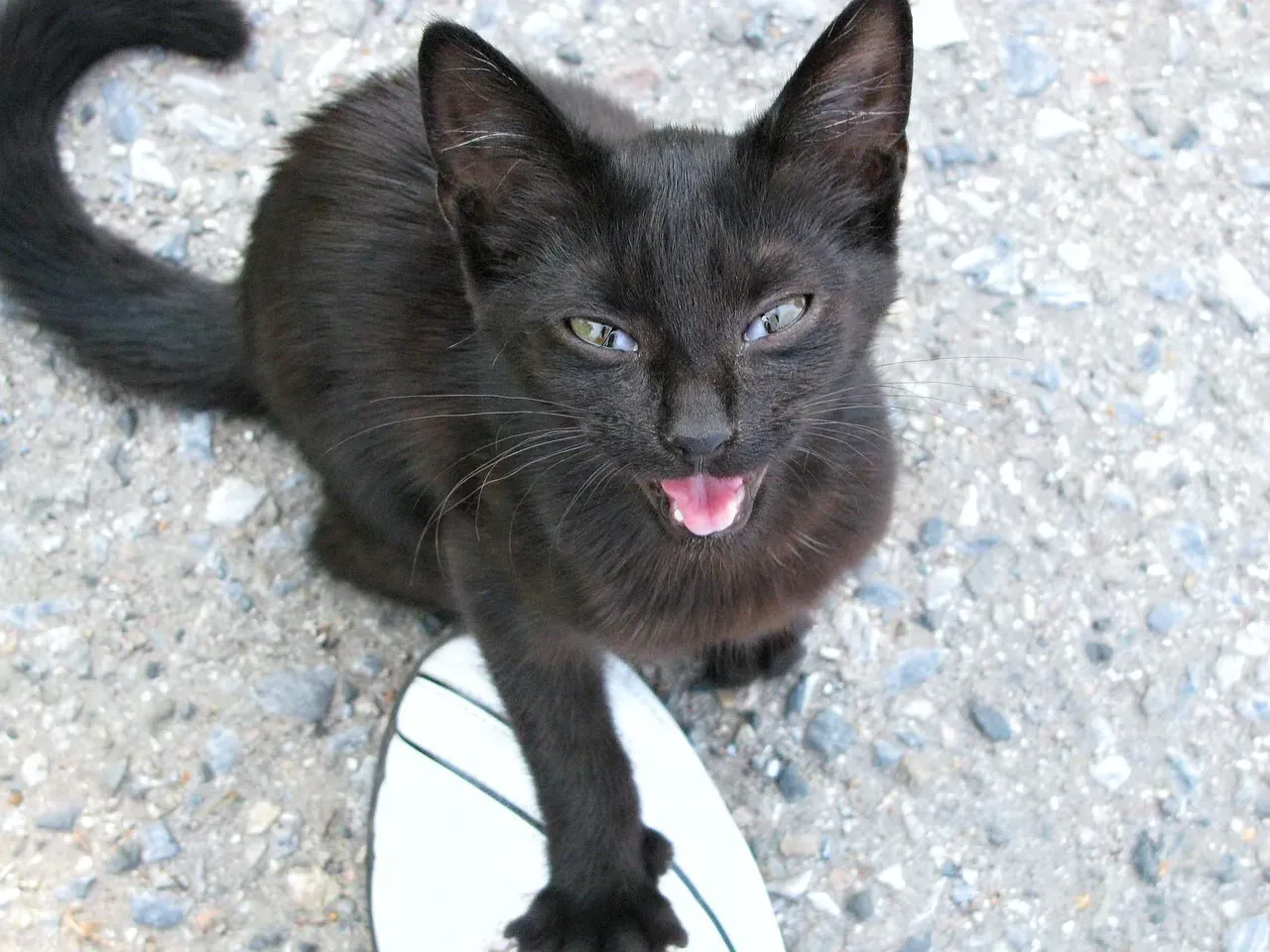
The cat chirp, also known as a chirrup or a trill, is a short, peep-like sound that’s very similar to a songbird’s warble. It’s sharp, quick, and surprisingly high pitched. Sometimes it happens in rapid succession, almost like your cat is tapping out Morse code with her voice.
This sound is typically produced in the back of the mouth and is often accompanied by a slight quiver of the cat’s mouth or throat. Unlike a meow, which requires opening the mouth wide, chirping feels more contained, more intentional. It’s a sound that makes you stop whatever you’re doing and look at your cat, which might be exactly what she wants.
Mother Cats Started This Whole Thing
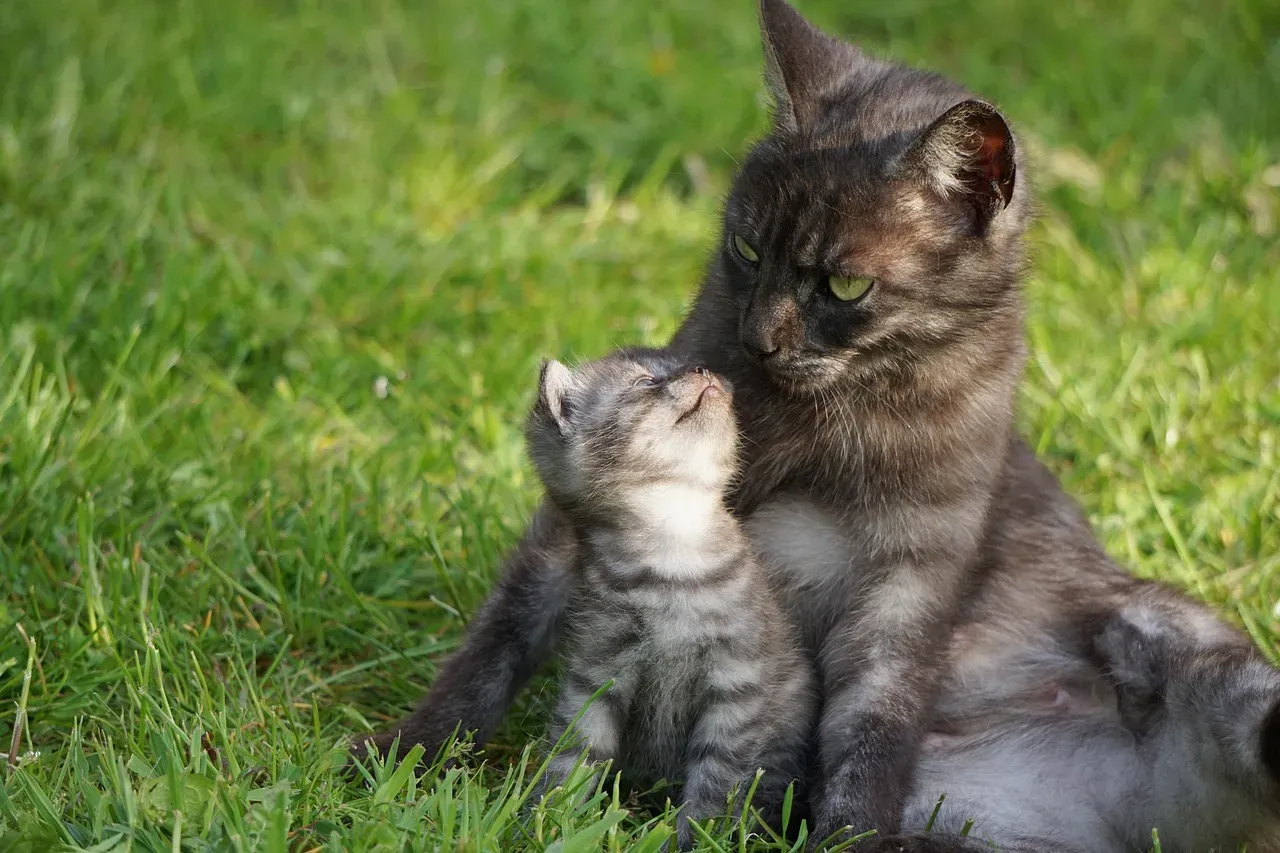
Let’s be real, your adult cat didn’t invent chirping on her own. It is commonly used by mother cats to call their kittens inside the nest, and kittens recognize their own mother’s chirp, but they do not respond to the chirps of other mothers. Think of it as the original feline language lesson, passed down from generation to generation.
Mother cats use chirping sounds to communicate with their kittens, often as a way to encourage them to follow her or pay attention, which means that when an adult cat chirps, they may be exhibiting a behavior rooted in their early development. So when your cat chirps at you, she might be treating you like family. She’s using the same vocal tool her mother used to guide her when she was just a tiny ball of fluff.
It’s Actually a Friendly Greeting
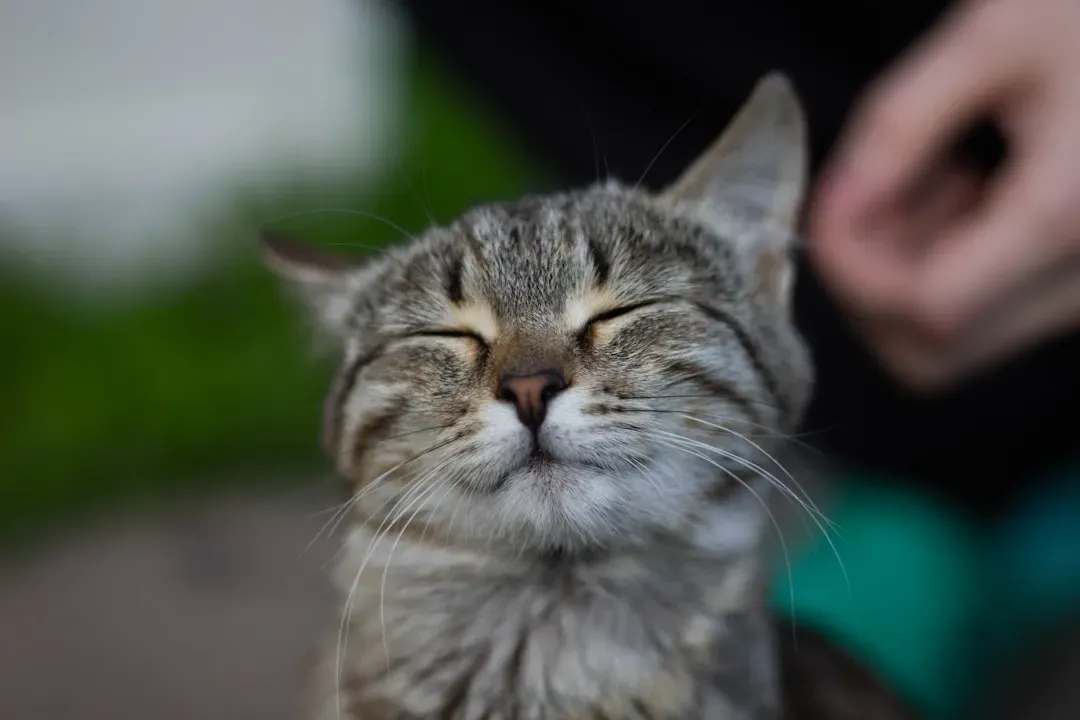
Here’s where it gets interesting. Chirps are generally used for greeting, attention, acknowledgment and approval. When your cat chirps as you walk into the room, she’s not demanding anything or complaining about her empty food bowl. She’s saying hello.
Chirping can be a way of your cat saying hi to humans – it’s a sign they’re happy to see you! Some cats will chirp every single time you come home from work, or even when you simply walk from one room to another. It’s their version of a cheerful wave. A vocal acknowledgment that you exist and they noticed.
The Bird Watching Phenomenon
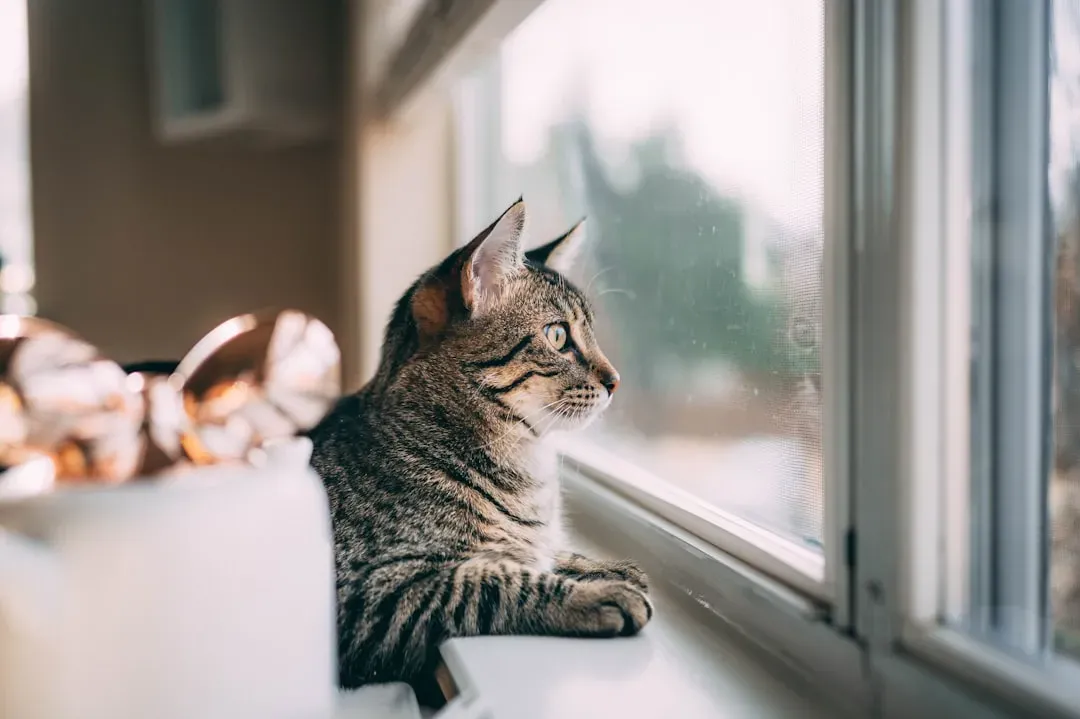
Now let’s talk about the most common scenario: your cat glued to the window, eyes locked on a bird, making that unmistakable chattering chirp. Chirping at birds is often a manifestation of a cat’s predatory instincts, and when cats see birds, their instinctual drive to hunt is triggered, and chirping is thought to be an expression of their excitement and anticipation.
One of the most common reasons a cat chirps is when they see potential prey they cannot access, such as while watching squirrels or birds outside the window, and in this context, a chirp can indicate excitement – mixed with a little frustration. It’s like your cat is so thrilled by the possibility of the hunt that she simply cannot contain herself. The chirp becomes an outlet for all that pent up predatory energy.
When Your Cat Wants You to Follow
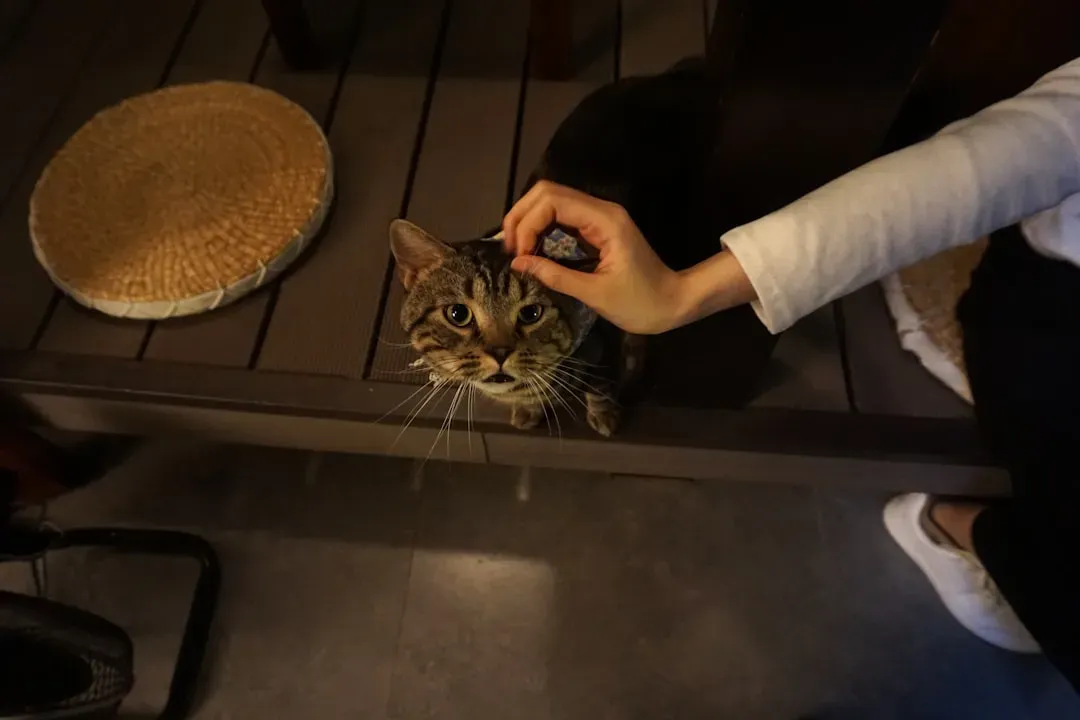
Sometimes your cat will chirp and then immediately walk away, glancing back at you expectantly. If your cat chirps at you it may be a sign that they want you to follow them, usually to their food bowl. She’s essentially using the same communication method her mother used to get her to follow as a kitten.
Some cats will even chirp at their human family members as if guiding them toward something interesting. It could be her food bowl. It could be a toy stuck under the couch. Or maybe she just wants to show you the perfect sunbeam she found in the living room. Either way, the chirp is deliberate. She’s inviting you into her world.
Why It’s Different from Meowing
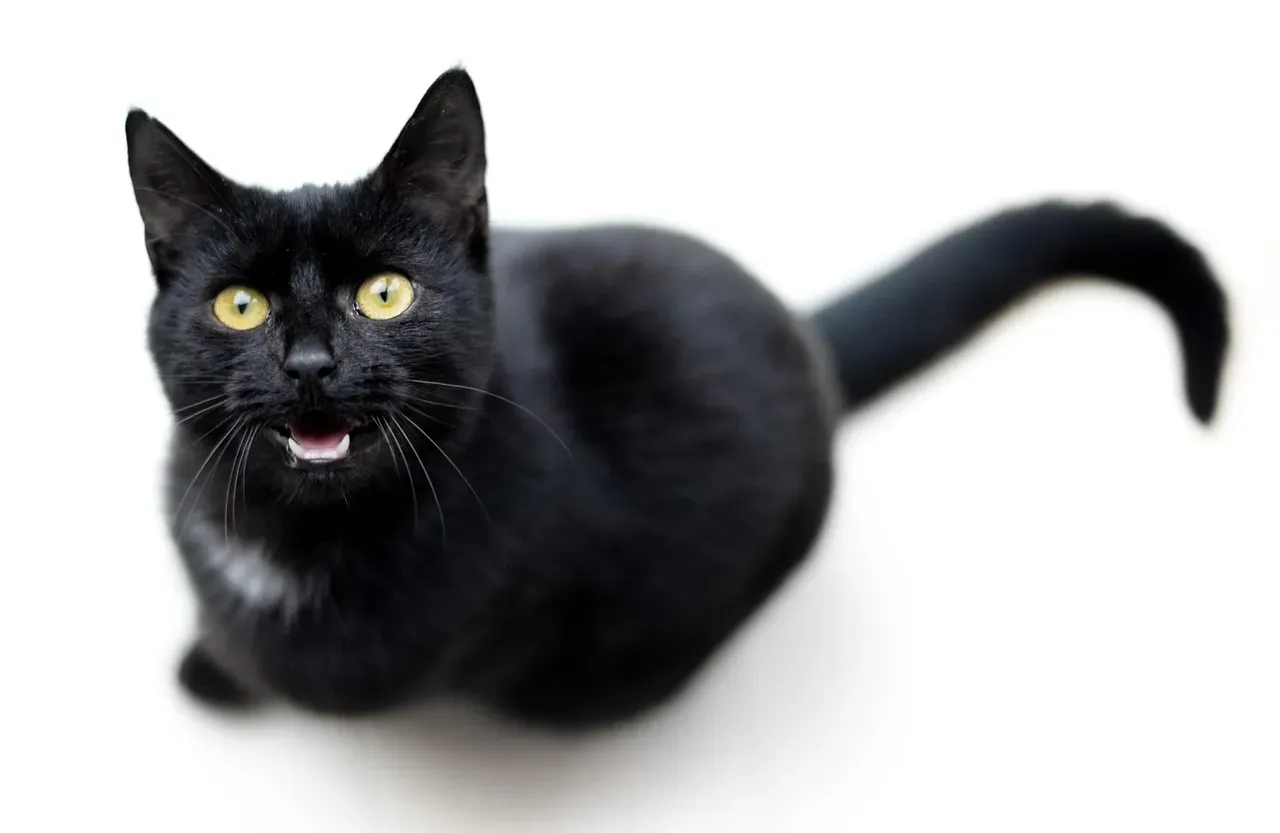
You might wonder why your cat doesn’t just meow at you like usual. Meowing is synonymous with cats and is a distinctive and common high-pitched call, and kittens meow to attract their mothers, but in adult cats, the meow is almost exclusively used to communicate with humans. Meowing can mean hunger, annoyance, demand, or even pain.
Chirping, though? That’s softer. More nuanced. A chirp is considered to be a type of murmur, described as a sound that’s mostly formed with the mouth closed. It’s a gentler form of communication, one that feels less demanding and more conversational. Your cat isn’t yelling at you. She’s chatting.
The Excitement and Playfulness Connection
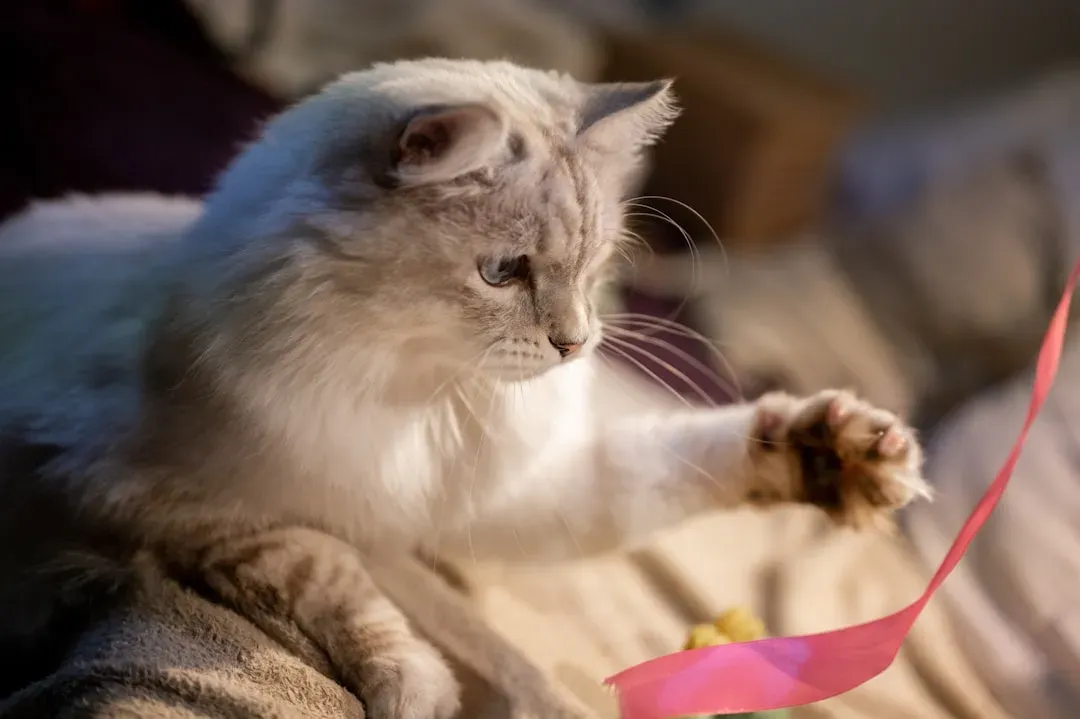
One of the most common reasons cats chirp is sheer excitement, and you may hear this sound when they’re watching birds outside the window, observing a toy, or preparing to pounce. Your cat might chirp right before she launches herself at a feather wand or when she’s about to engage in a full speed zoomie session across the living room.
It’s almost as if they are vocalizing their thrill and enthusiasm, much like a child squealing with delight. The chirp becomes a verbal expression of pure joy. It’s your cat’s way of saying, “This is amazing and I can’t hold it in!”
Some Breeds Chirp More Than Others
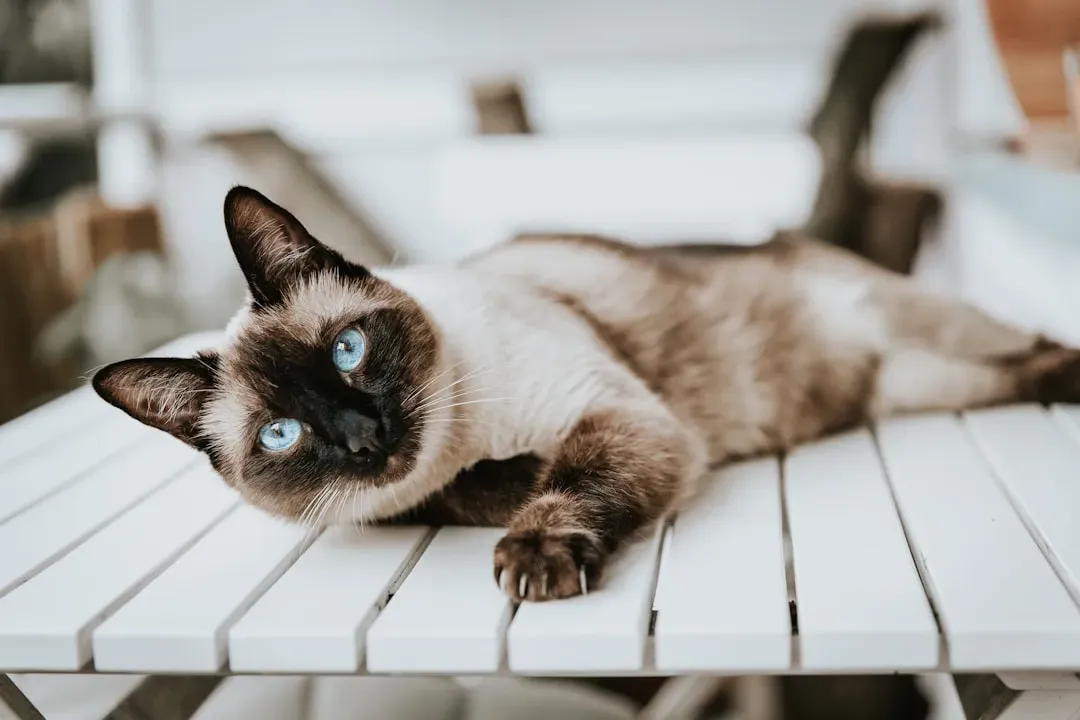
Not all cats are created equal when it comes to chirping. Some breeds are more prone to chirping than others, and this behavior is more commonly seen in vocal breeds and those with high energy levels, such as Siamese cats known for their chatty nature who often chirp as part of their regular communication.
Bengal cats, these highly active and intelligent cats, frequently use chirping to express excitement, while Maine Coons are famous for their wide range of vocalizations, including chirps, trills, and meows. If you have one of these breeds, don’t be surprised if chirping becomes a regular part of your daily soundtrack.
What to Do When Your Cat Chirps at You
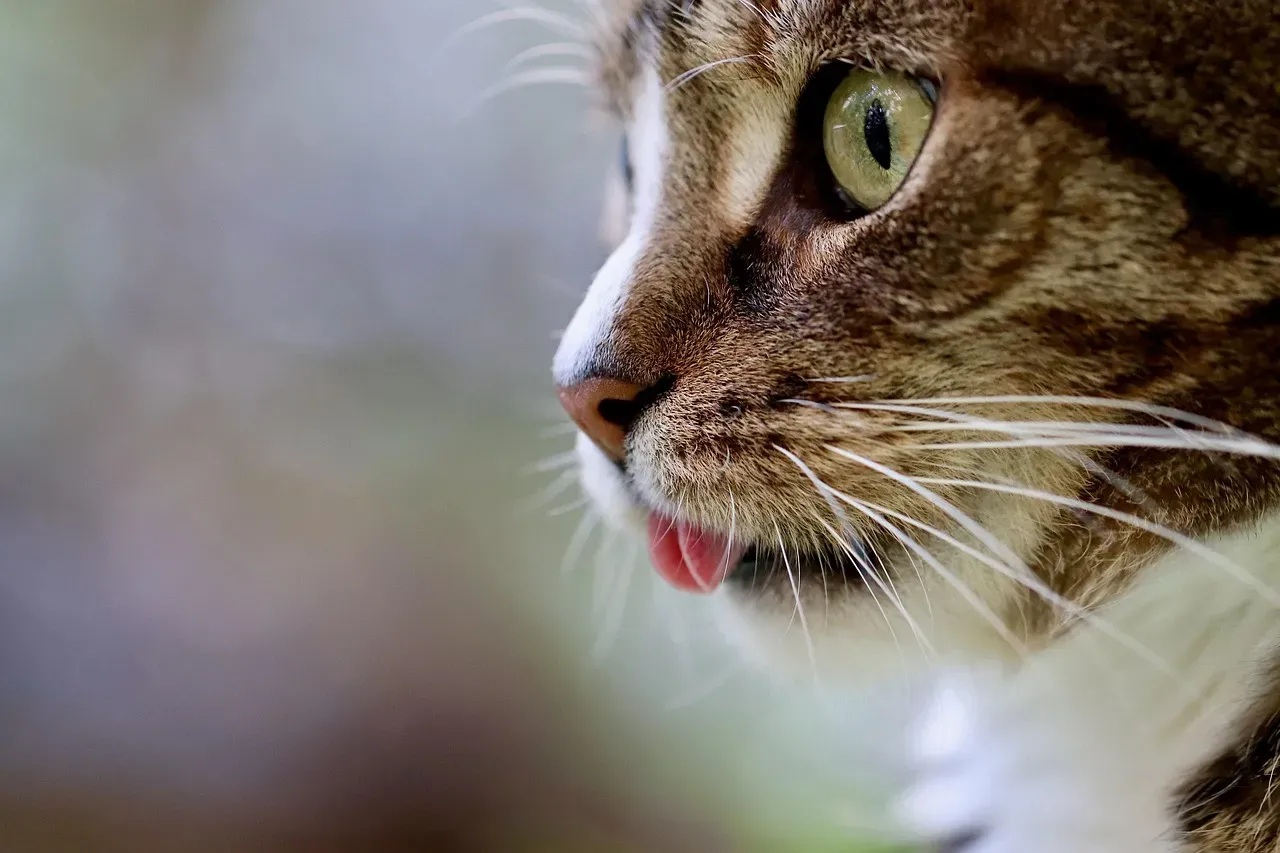
So what should you actually do when your cat chirps? First, acknowledge her. When your cat chirps at you, acknowledging them with a soft voice or a gentle pet can let them know their message is received, which can help in building trust and communication between you and your pet.
You can even try chirping back. Cats are mimics, so try your best trilling and see what happens. You might feel silly making bird noises at your cat, but she might actually respond positively. It’s a way of speaking her language, showing her that you’re paying attention and engaging with her on her terms.
When Chirping Might Mean Something Else
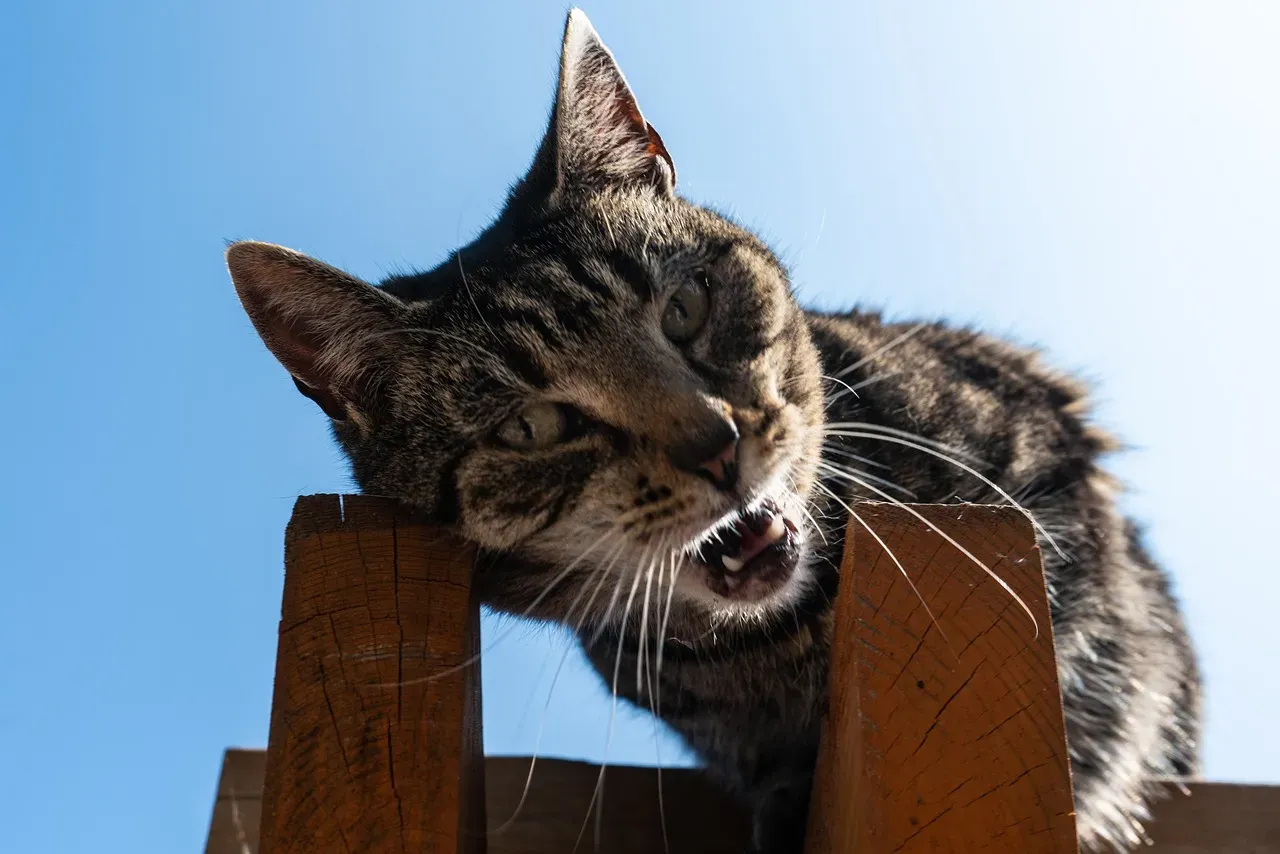
Let’s be honest, chirping is usually harmless and adorable. However, there are rare cases when it could signal something more. If your cat is chirping excessively and combining it with yowling, crying, or other unusual vocalizations, it may be a sign of stress, anxiety, or a medical issue.
If your cat’s chirping sounds raspy or is accompanied by coughing, sneezing, or labored breathing, it may indicate an upper respiratory infection or another medical concern, and in this case, it’s best to have them evaluated by your veterinarian. Context matters. If your normally quiet cat suddenly starts chirping constantly and seems distressed, it’s worth a vet visit.
So here’s the thing. Your cat’s chirps aren’t random noise. They’re intentional, meaningful communication designed to connect with you. She’s greeting you, showing excitement, asking for your attention, or even inviting you to follow her on an adventure. The next time your cat chirps, take a moment to really listen. Respond to her. She’s not just making noise. She’s talking to you in the language she learned from her mother, and she’s choosing to share it with you. Did you ever think your cat was this chatty? What do you think about it? Tell us in the comments.
Kristina is a young writer from India. An arts graduate and an avid content creator, Kristina is passionate about animals and wildlife. She enjoys exploring topics related to pet care, animal behavior, conservation, and nature, combining thorough research with engaging storytelling.