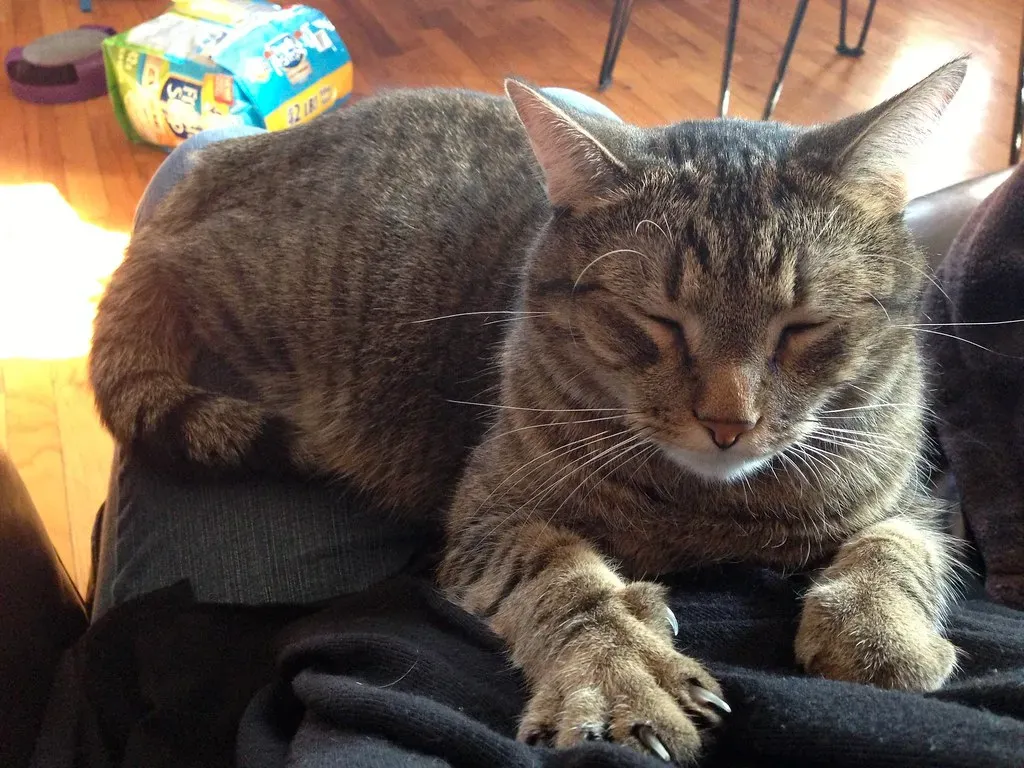
You’ve probably felt those gentle paws rhythmically pressing into your lap, alternating left and right in a motion that feels almost meditative. Sure, it can sometimes hurt when those claws dig in a little too enthusiastically. Still, there’s something undeniably endearing about it. Your cat is doing what many people affectionately call “making biscuits,” and honestly, it’s one of the most fascinating behaviors in the feline world.
Let’s be real, though. Most of us just assume it’s cute and leave it at that. However, this rhythmic pushing motion is far more complex and meaningful than you might think. It’s rooted in early kittenhood memories but continues to serve important emotional and social purposes throughout your cat’s entire life. So let’s dive into what this behavior really means and why your cat chooses you as their favorite kneading surface.
The Kittenhood Connection That Never Fades
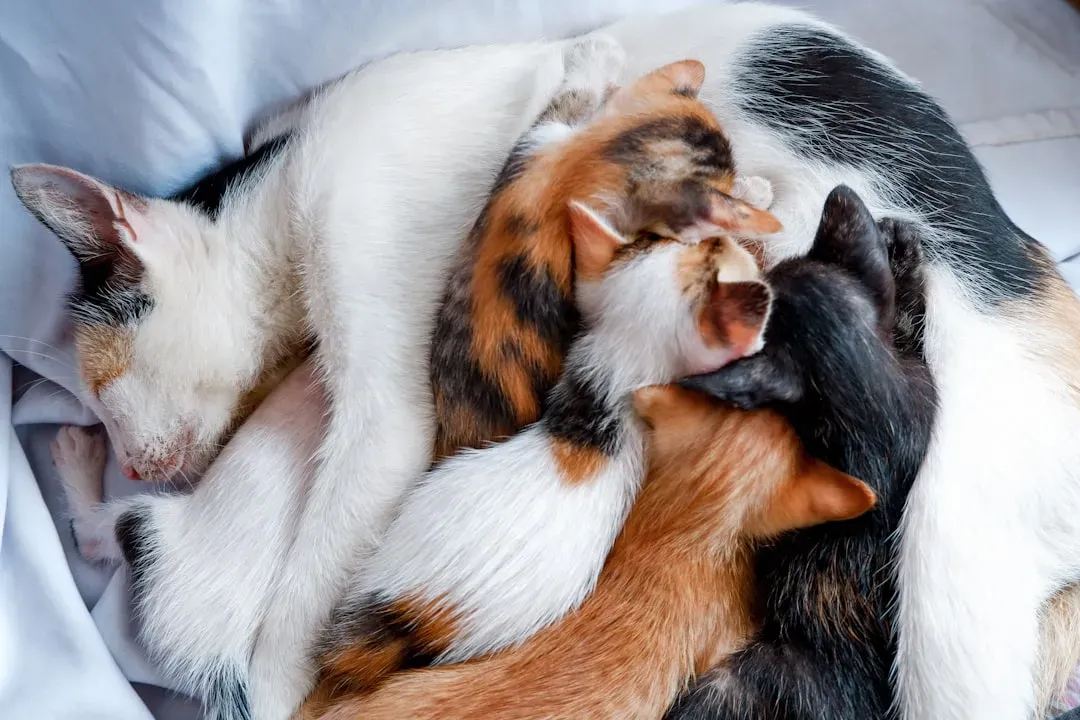
Kneading begins when cats are tiny kittens nursing from their mother, helping stimulate milk supply through the release of oxytocin. This early association creates a powerful imprint in your cat’s mind. The motion becomes linked with warmth, safety, nourishment, and maternal comfort.
It’s a phenomenon called neoteny, where domesticated animals retain juvenile traits into adulthood, and these behaviors once directed at the mother are now directed at the owner. Your cat isn’t expecting you to start lactating, obviously. Instead, they’re recreating those early feelings of security and contentment they experienced as vulnerable kittens.
You’re Not Just Their Human; You’re Their Chosen Family
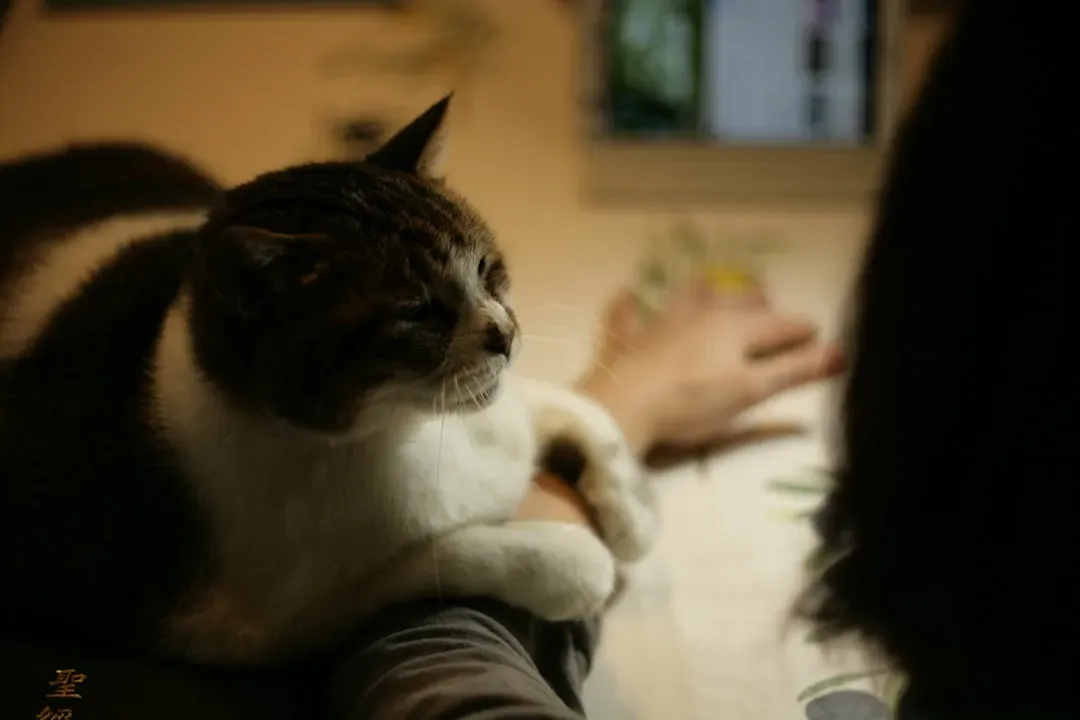
Kneading on your lap is your cat’s way of saying “we’re affiliated” or “you’re in my social group,” or to be very human about it, “you’re my person”. Think about that for a moment. Out of all the places and surfaces in your home, your cat deliberately chooses you.
Cats don’t just knead anyone, only the people they trust, meaning they see you as a person who provides comfort and security for them. It’s hard to say for sure, but I think this selective behavior makes kneading even more special. Your cat is showing vulnerability and trust, emotions that don’t come easily to these independent creatures.
Scent Marking: Claiming You as Their Own
Cats have scent glands in their soft paw pads, and when they knead, these glands release pheromones associated with bonding, identification, health status, and many other messages. So while you might think your cat is just being affectionate, they’re also quietly marking you with their unique scent.
When they knead, they leave behind a subtle scent that marks the area as “theirs,” part of a cat’s instinctual need to claim territory. This isn’t about dominance in a negative way. Rather, it’s your cat’s method of creating a familiar environment and declaring that you belong in their inner circle. Honestly, it’s like receiving an invisible badge of honor.
The Dopamine Rush That Keeps Them Coming Back
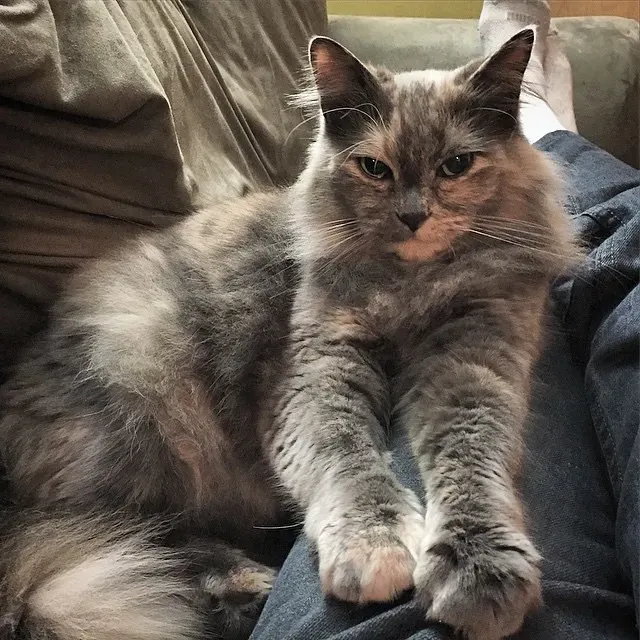
The action of kneading in cats causes the release of the pain-relieving, feel-good chemical dopamine in the brain. This neurological response explains why your cat seems so blissfully relaxed during these sessions. They’re literally experiencing a natural high from the behavior.
Kneading triggers the release of dopamine, and as kittens knead their mother’s belly, dopamine is released, enhancing feelings of contentment and security, meaning that when adult cats knead, they are re-experiencing those early comforting sensations. The behavior becomes self-reinforcing, which is why some cats are more enthusiastic kneaders than others.
Purring and Kneading: The Ultimate Contentment Combo
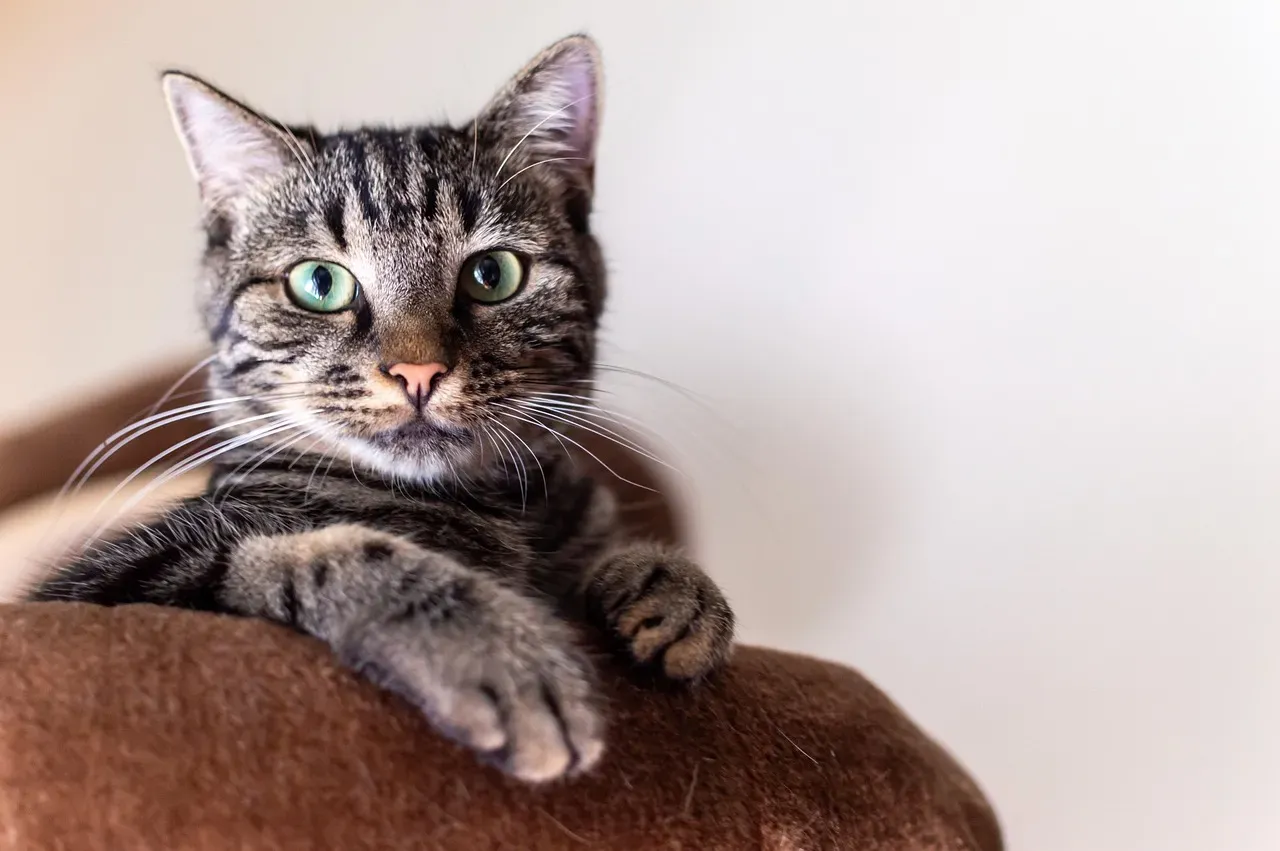
When cats knead and purr simultaneously, it’s likely a sign of sheer contentment and relaxation, meaning you are providing them with a wonderfully happy, comfortable home. These two behaviors together create what I like to think of as the cat equivalent of a satisfied sigh after a perfect meal.
Purring has been linked to increased activity in areas related to emotional regulation, such as the amygdala and hippocampus, suggesting that when cats purr while kneading, they may be experiencing a state of relaxation or contentment. The combination isn’t random. It’s your cat’s way of expressing peak emotional satisfaction and security in your presence.
A Self-Soothing Mechanism in Stressful Times
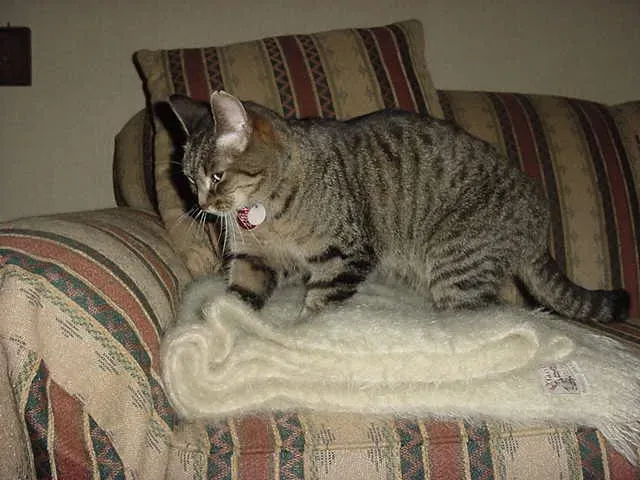
A stressed cat often turns to kneading as a coping mechanism, as kneading helps release endorphins, providing the feline with a soothing effect. So kneading isn’t always about happiness. Sometimes it serves as emotional first aid for your anxious feline.
In some cases, cats may knead when they are anxious or stressed, and this can be a coping mechanism, similar to thumb-sucking in humans. Paying attention to context matters here. If your cat is kneading excessively while showing other signs of distress, it might be time to evaluate what’s causing them anxiety and possibly consult your veterinarian.
Stretching and Physical Comfort
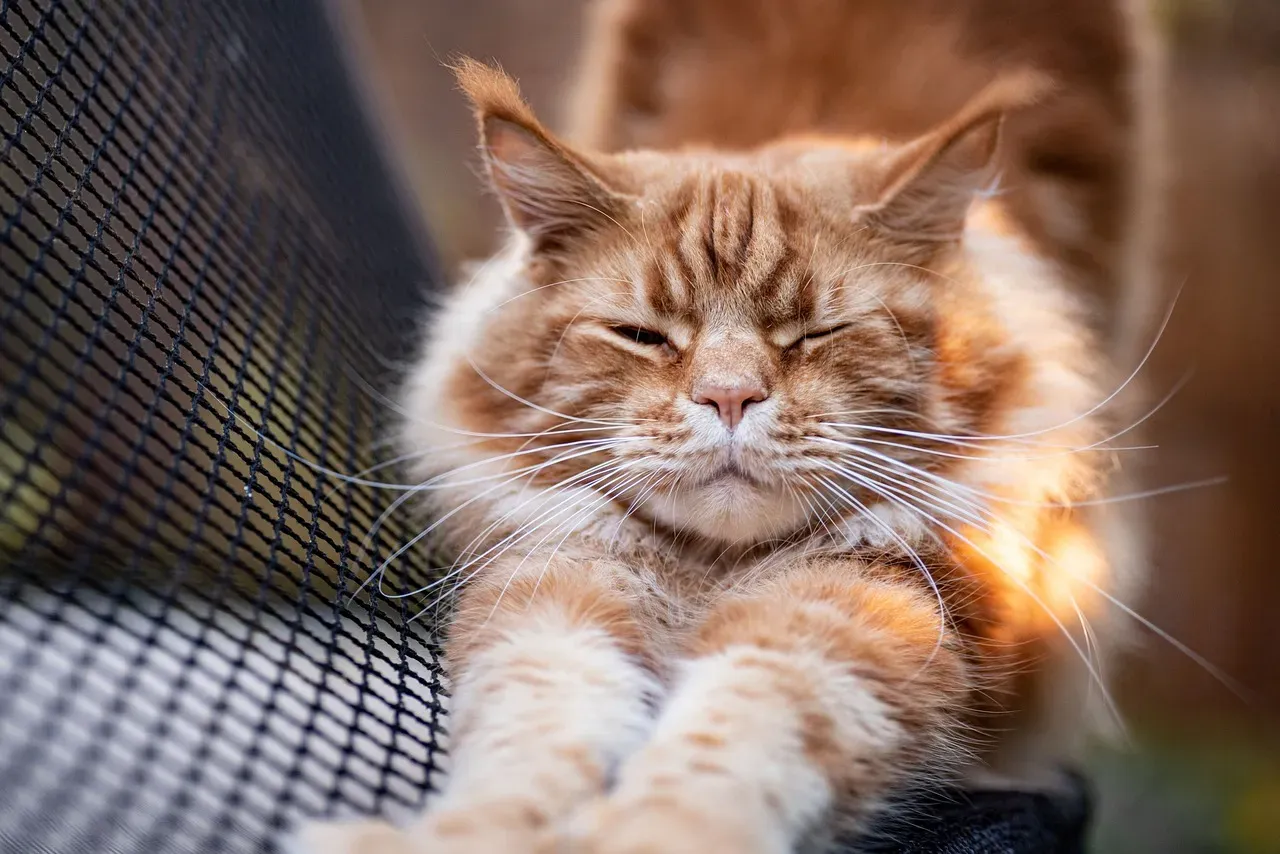
Kneading stretches a cat’s muscles and activates scent glands in its paws. This physical benefit shouldn’t be overlooked. Your cat isn’t just expressing emotion; they’re also maintaining their physical flexibility and comfort.
Kneading is also a great way for your cat to stretch their muscles, especially the muscles in their paws, legs, and back, helping keep their limbs limber and maintaining their agility and strength. Think of it as their version of yoga. The rhythmic motion helps them stay loose and ready for action, which is essential for creatures designed to be agile hunters.
Why Sharp Claws Don’t Mean They’re Trying to Hurt You
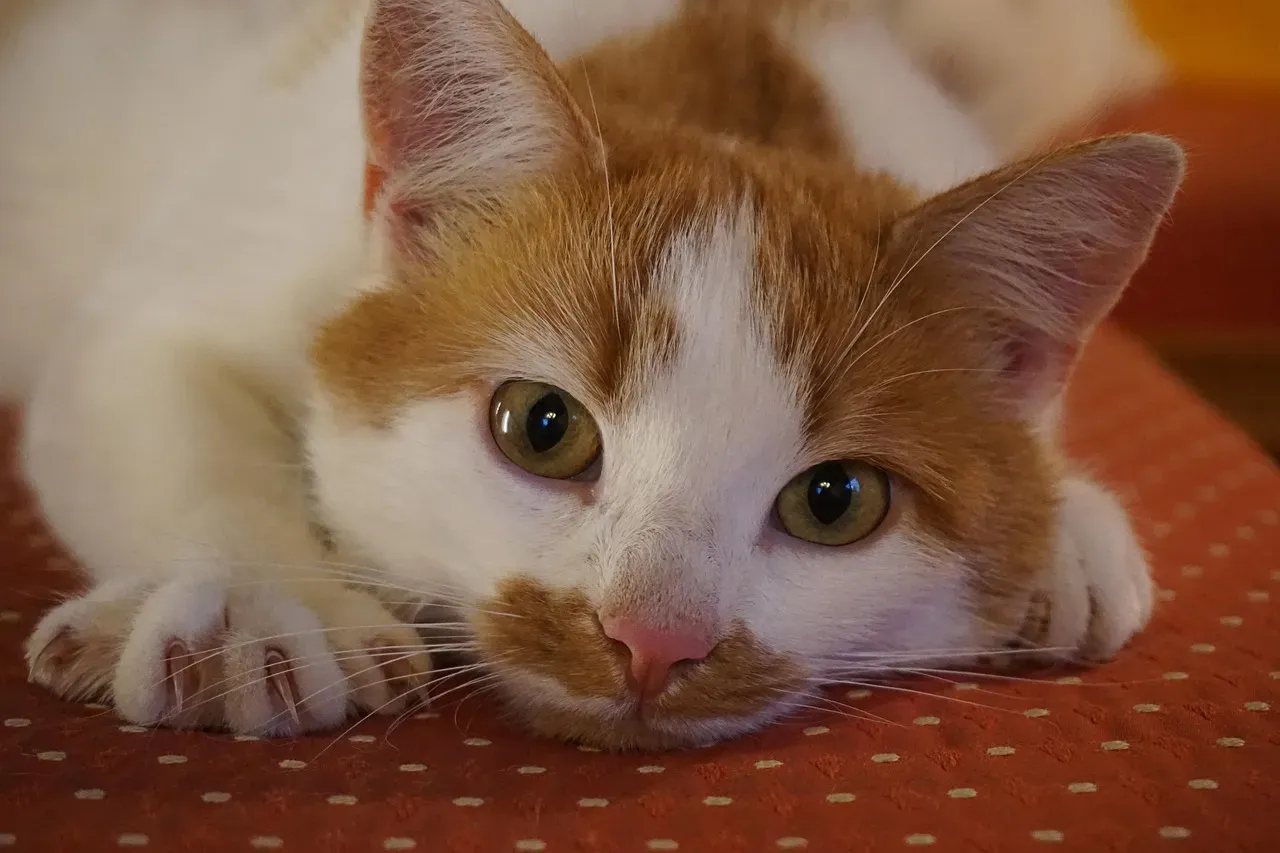
The better a cat feels, the harder they are likely to knead, and you should never discipline a cat for this behavior because they are not trying to hurt you; they are trying to show you how happy they are. I know it sounds crazy, but the more it hurts, the more your cat loves you.
You should never punish your cat for kneading; for one thing, they don’t realize it hurts you, and doing so could make them feel uneasy or unloved. Instead, keep a soft blanket nearby to protect your lap, trim your cat’s nails regularly, or gently redirect them to a plush surface. These solutions let you preserve the bond while managing the discomfort.
Not All Cats Knead, and That’s Perfectly Normal
While kneading is a surefire sign that your cat likes you, if your cat doesn’t knead, that doesn’t mean it doesn’t have a bond with you, as there are probably other affiliative behaviors they’re engaging in, like purring or rubbing on you or even just sitting next to you. Cats express affection in different ways, and kneading is just one option in their emotional vocabulary.
Some cats were weaned too early or had different early experiences that didn’t reinforce the kneading behavior. Others simply prefer different methods of showing love. Let’s be honest, cats are individuals with unique personalities, and we shouldn’t expect them all to behave identically. If your cat shows affection through head bumps, slow blinks, or simply choosing to be near you, that’s equally valid.
When Kneading Might Signal a Problem
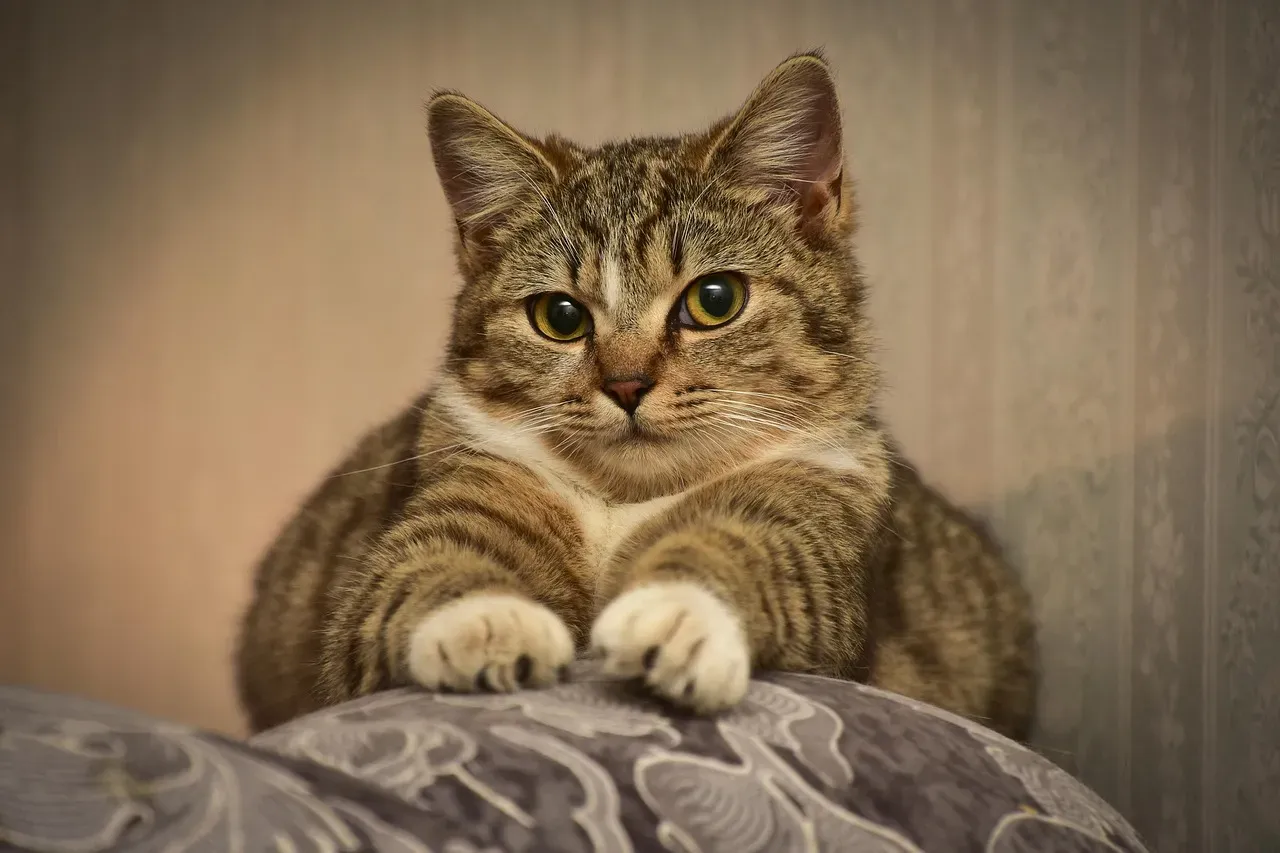
If your cat kneads excessively or suddenly kneads less than usual, it could mean that they don’t feel well, as cats who feel stressed or are experiencing pain may knead to soothe themselves. Changes in typical behavior patterns often warrant closer attention.
Increased or excessive kneading can be a sign that your cat is uncomfortable or anxious, as the behavior could be an attempt to self-soothe, and in some cases can be a sign of a compulsive behavioral disorder, while cats experiencing soreness from an injury or arthritis may also knead to stretch their limbs and relieve muscle tension. Context is everything. If you notice obsessive kneading accompanied by other concerning symptoms, a veterinary consultation is definitely the right move.
Your Cat’s Love Language Decoded
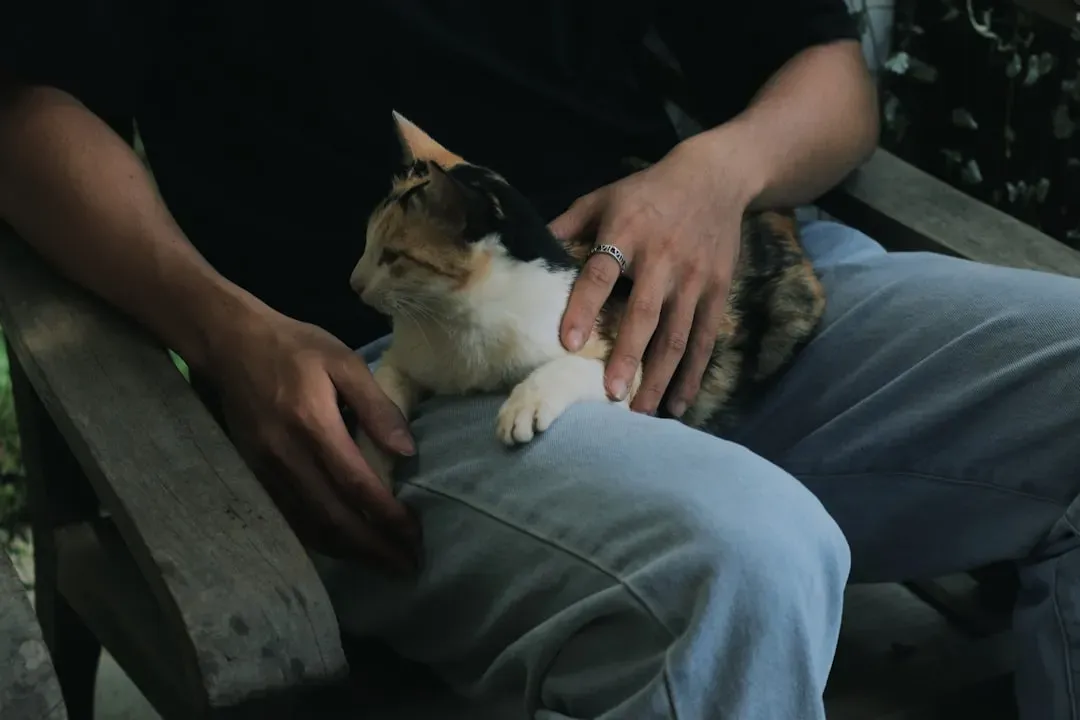
When a cat kneads their owner, it can be a sign of trust and affection, demonstrating that the cat feels safe and comfortable in the presence of their human companion. This simple motion carries profound emotional weight in the feline world. Your cat is telling you, without words, that you represent safety, comfort, and home.
Your presence, scent, and warmth mimic the feelings they once experienced with their mother, and kneading is your cat’s way of saying they feel safe, content, and deeply relaxed with you. The next time those paws start pressing into your lap, take a moment to appreciate what’s really happening. You’re witnessing a beautiful convergence of instinct, memory, emotion, and trust that spans your cat’s entire life journey from vulnerable kitten to confident adult. What do you think about your cat’s kneading now? Share your experiences in the comments below.
Kristina is a young writer from India. An arts graduate and an avid content creator, Kristina is passionate about animals and wildlife. She enjoys exploring topics related to pet care, animal behavior, conservation, and nature, combining thorough research with engaging storytelling.