Have you ever wondered what your cat is trying to tell you when their tail suddenly puffs up like a bottle brush or when it sways lazily from side to side? Your feline companion might be more talkative than you realize, though not through meows and purrs alone. That fluffy appendage trailing behind them carries messages that are surprisingly easy to read once you understand the code. Learning to interpret these silent signals can transform your relationship with your cat, helping you respond to their needs before a happy moment turns into a sudden swat. So let’s dive into the fascinating world of feline tail communication, where every flick, curl, and twitch tells a story.
The Upright Tail: Your Cat’s Friendly Hello
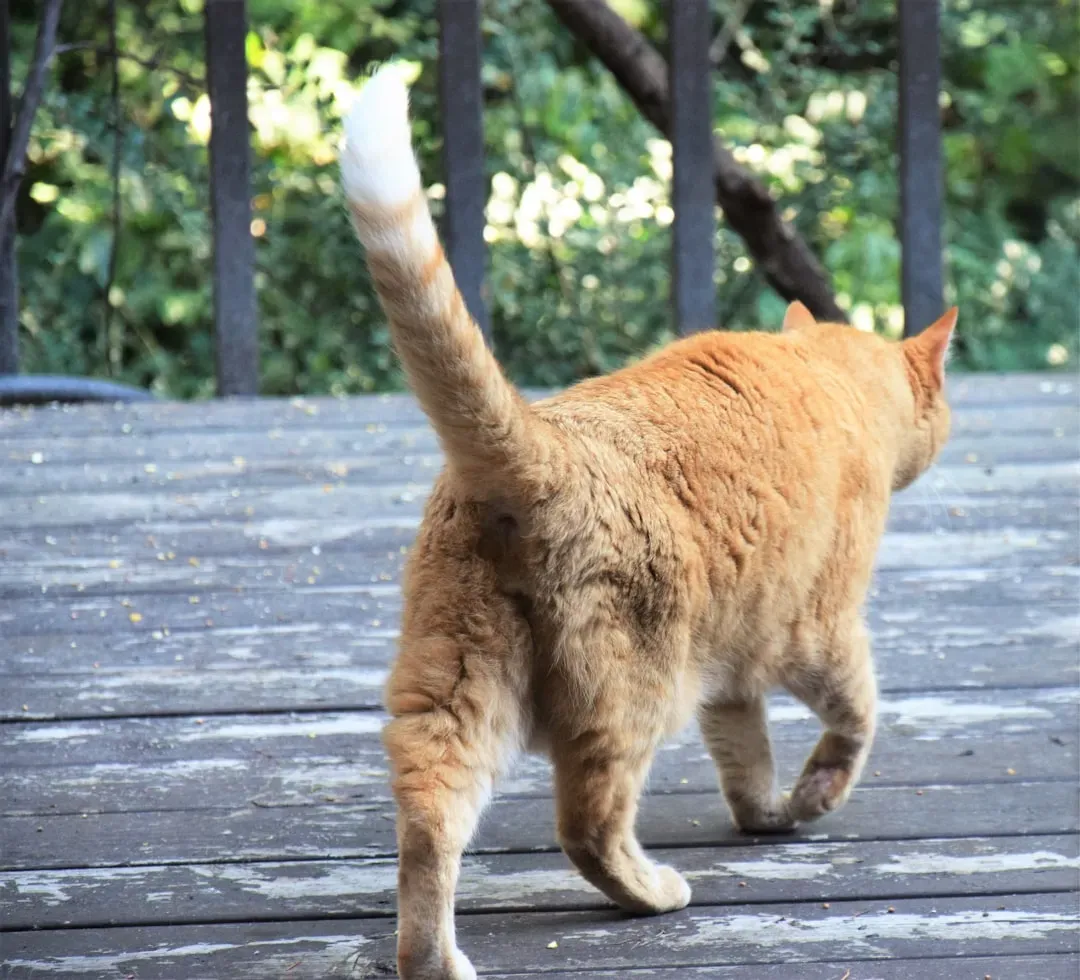
When your cat’s tail is upright, they are feeling social and confident, and are approaching in a friendly manner. This cat tail language indicates a friendly greeting between cats, and it’s how kittens greet their mothers. Think of it as your cat raising their hand to wave at you. It’s hard to miss the confidence radiating from a cat strutting around with their tail held high like a flag.
This is genuinely one of the best tail positions you can see from your feline friend. If your cat approaches you with their tail up, they are open to an interaction and this is a good time to pet them or play with them. Some experts even suggest that this particular tail signal developed during domestication, making it a special way cats communicate primarily with humans rather than with other felines in the wild.
The Question Mark Tail: An Invitation to Play
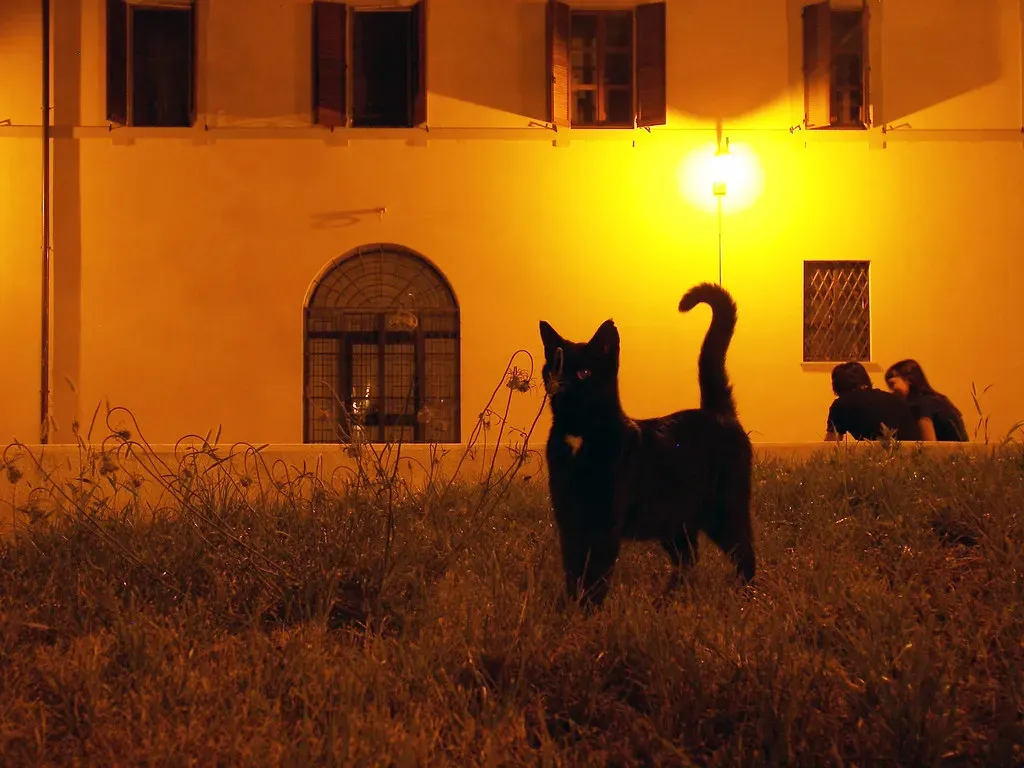
Sometimes your cat’s tail looks like a question mark – it stands upright but curls at the end, and this cat tail language indicates that your cat is happy and approaching amicably. Honestly, there’s something adorable about this playful position. When your cat’s tail is in this position, it means it’s an invitation to interact with your cat.
This curved tip shows that your cat is feeling energetic and curious. A cat with a question mark-shaped tail is in a playful mood and this tail position suggests that your feline friend is feeling energetic and ready to engage. Still, resist the urge to pet that curvy tail itself. Most cats prefer to be pet around their facial glands on their cheeks, under their chin, and next to their ears.
The Quivering Tail: Pure Excitement
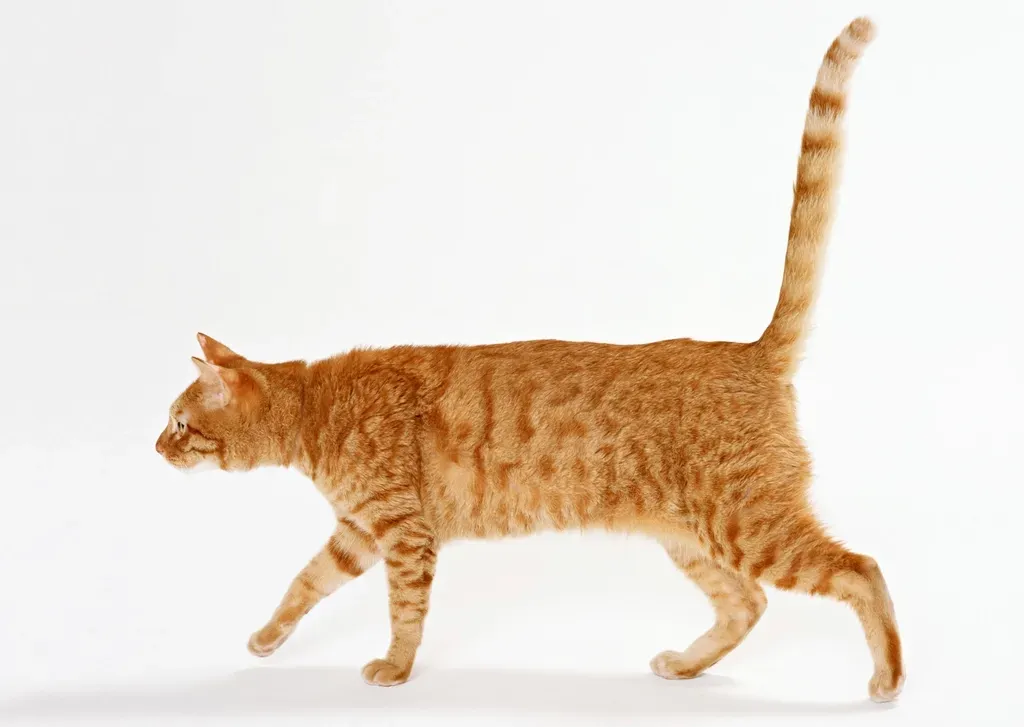
Your cat may quiver their tail when they are especially excited to see you or another cat. This rapid little vibration is basically your cat’s way of saying they’re thrilled. You might notice this when you come home after being away or right before mealtime when anticipation reaches its peak.
Here’s the thing, though. Sometimes, when a cat quivers their tail while holding it straight up and backing up against a vertical surface, they may be urine marking. Context matters enormously here. If your cat is facing you with that quivering tail and seems happy to see you, that’s excitement. If they’re backing up to your furniture, well, that’s a different story altogether.
The Tail Wrap: A Feline Hug
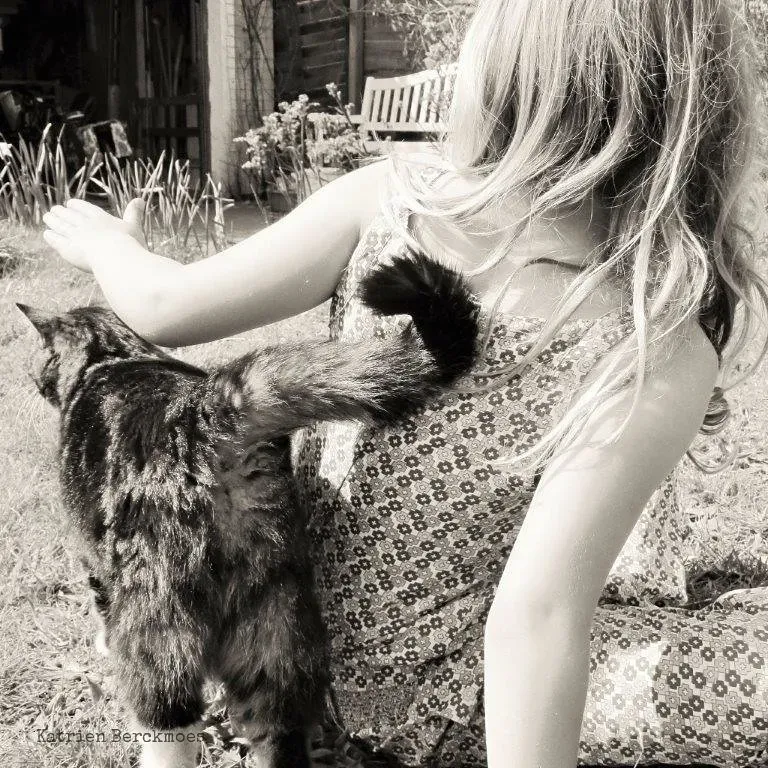
If your cat snuggles up next to you with their tail curled around you, it means you’re part of their in-crowd – they like you a lot! This is one of the most endearing tail positions you’ll encounter. This is one of the ways cats bond and socialize with each other, a way of marking each other with their scent and signaling who their friends are.
When cats wrap their tails around themselves while sitting, interpretation becomes trickier. In some situations, the cat may sit this way when content, but another cat may have their tail in this position because they are scared, unsure of a situation, or maybe not feeling well. You’ll need to look at other body language signals, like their ears and eyes, to figure out which emotion is driving the behavior.
The Swishing Tail: Focus Mode Activated
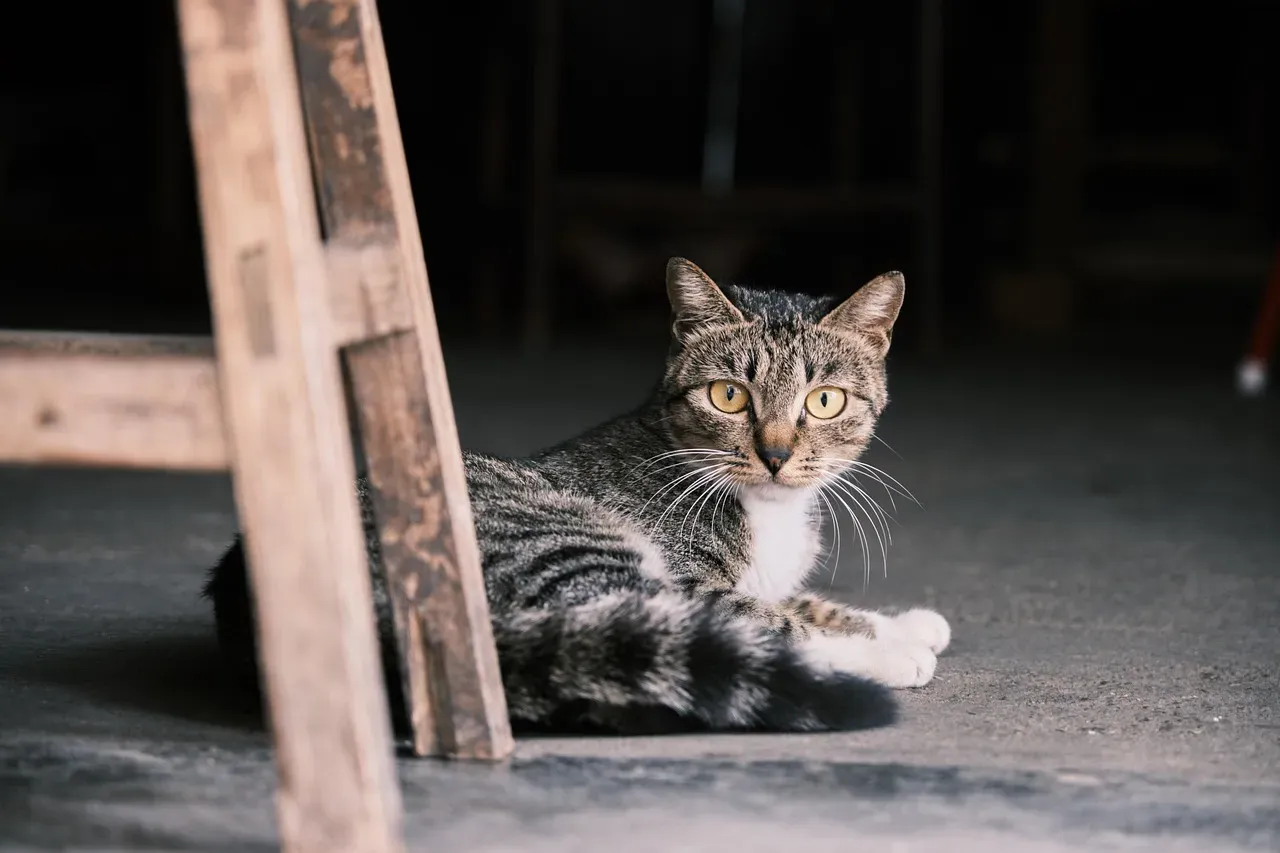
When your cat slowly swishes their tail from side to side, they may be intently focused on something like a toy, another animal in the home, or something outside and they may be about to pounce! This is your cat channeling their inner predator. When a cat’s tail is in motion and looks fluid and soft, it’s swishing and generally indicates a cat who’s relaxed or calmly interested in what’s happening.
This slow, deliberate movement is actually quite different from aggressive tail wagging. The key is in the tempo and fluidity. A hunting swish is controlled and purposeful, almost hypnotic to watch. Let’s be real, it’s pretty entertaining to see your pampered house cat reverting to their wild instincts over a feather toy.
The Twitching Tip: Mild Annoyance Brewing
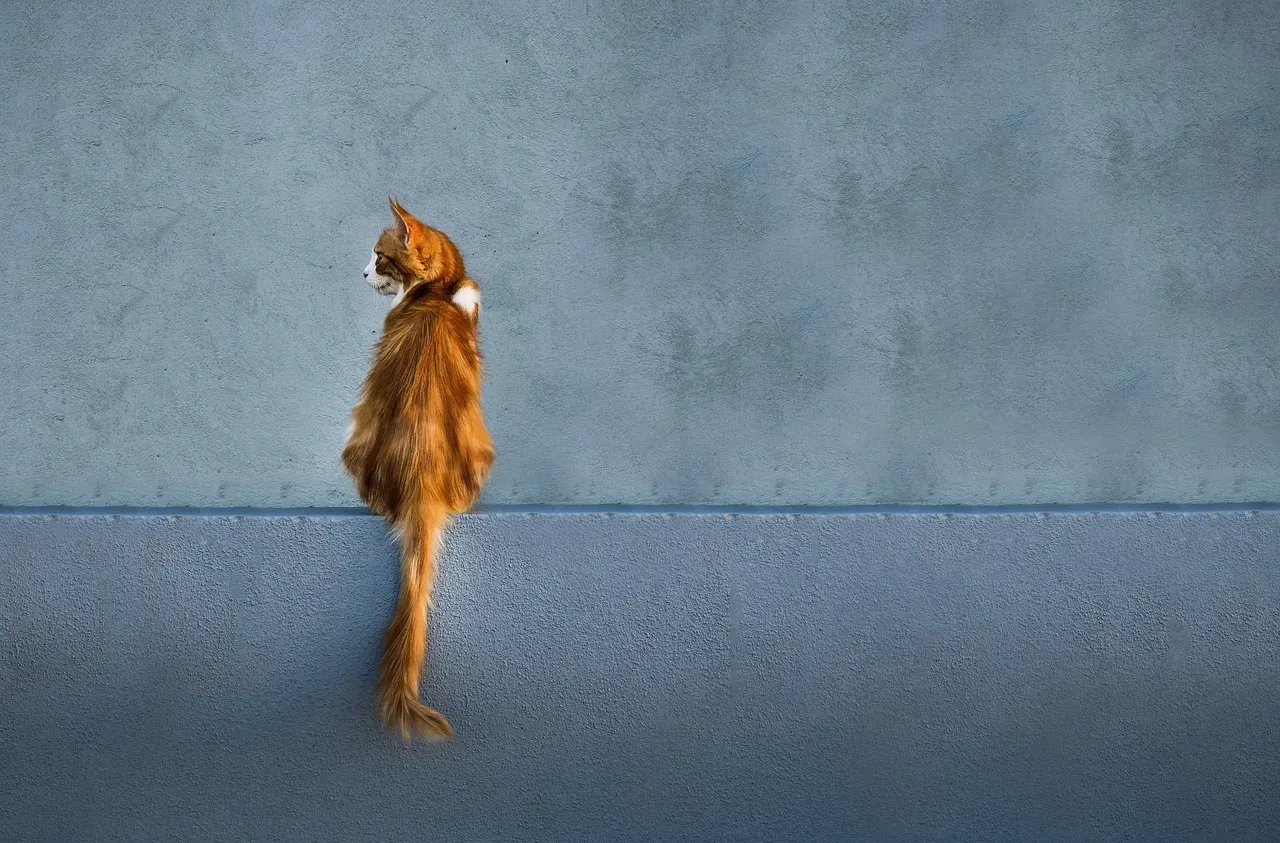
Cats twitch the end of their tails when they are hunting and playing, as well as when they are mildly irritated and frustrated, so if they’re not playing or stalking something, then the twitching tail movement probably means that they are annoyed. This is your cat’s early warning system kicking in. Pay attention when you see this during petting sessions.
The twitching can start small, almost imperceptible at first. Tail twitching can have a variety of meanings depending on the context, but if the tail begins to thrash or twitch more rapidly, it can also signal mild irritation or annoyance. Think of it as your cat’s patience meter slowly draining. If you catch it early and back off, you can avoid the claws that might come next.
The Thrashing Tail: Anger and Frustration
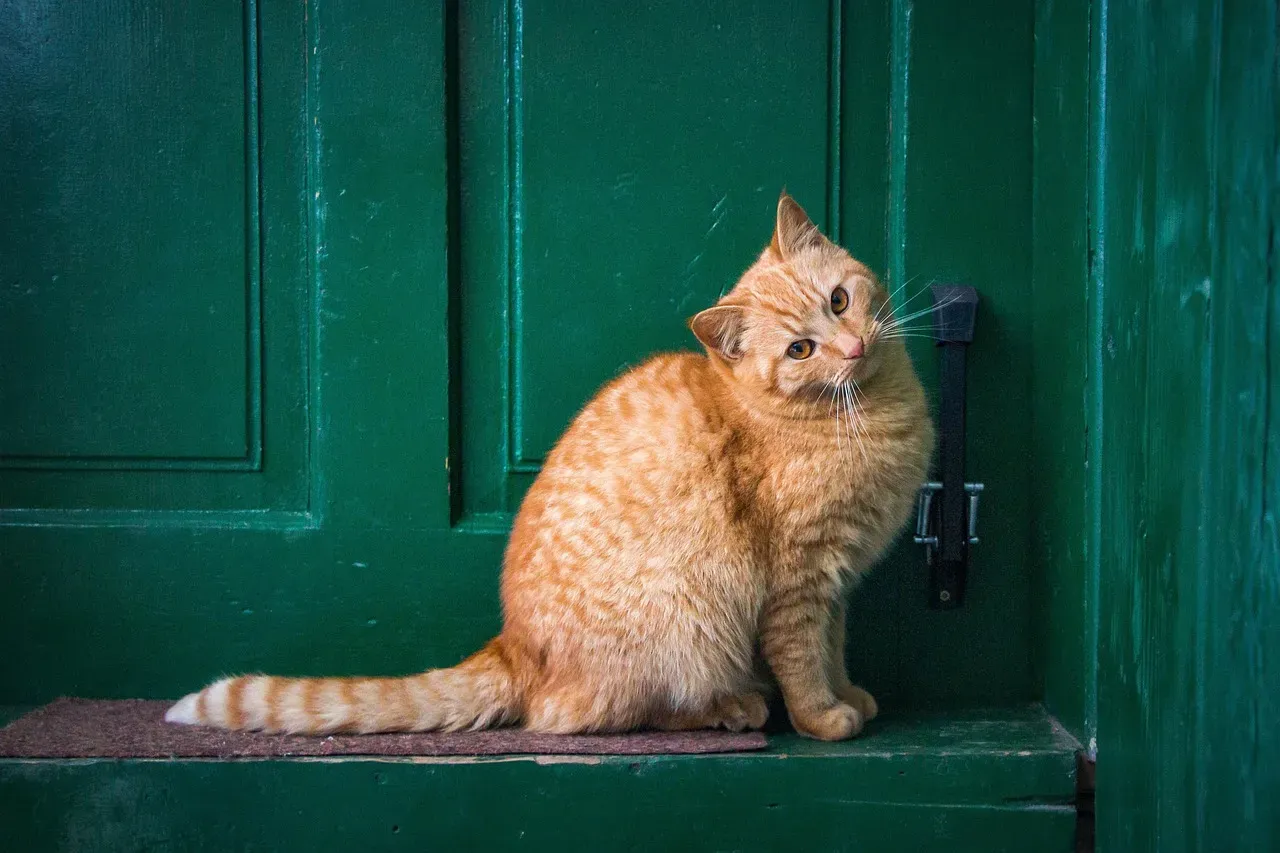
When your cat thrashes their tail or is thumping it on the ground, they are irritated, annoyed, or angry, and if you are petting your cat and they start thrashing their tail, they are trying to tell you to stop. This is not subtle. If you don’t, then the thrashing tail may be a prelude to hissing, growling, swatting, or biting.
I know it sounds crazy, but many people miss this signal entirely and end up surprised when their seemingly calm cat suddenly attacks. When your cat thrashes their tail back and forth, you’ve got an annoyed and/or angry cat on your hands, and it may be about to become aggressive. Give your cat space immediately when you see this. Their tolerance has officially run out.
The Puffed Tail: Fear Takes Over
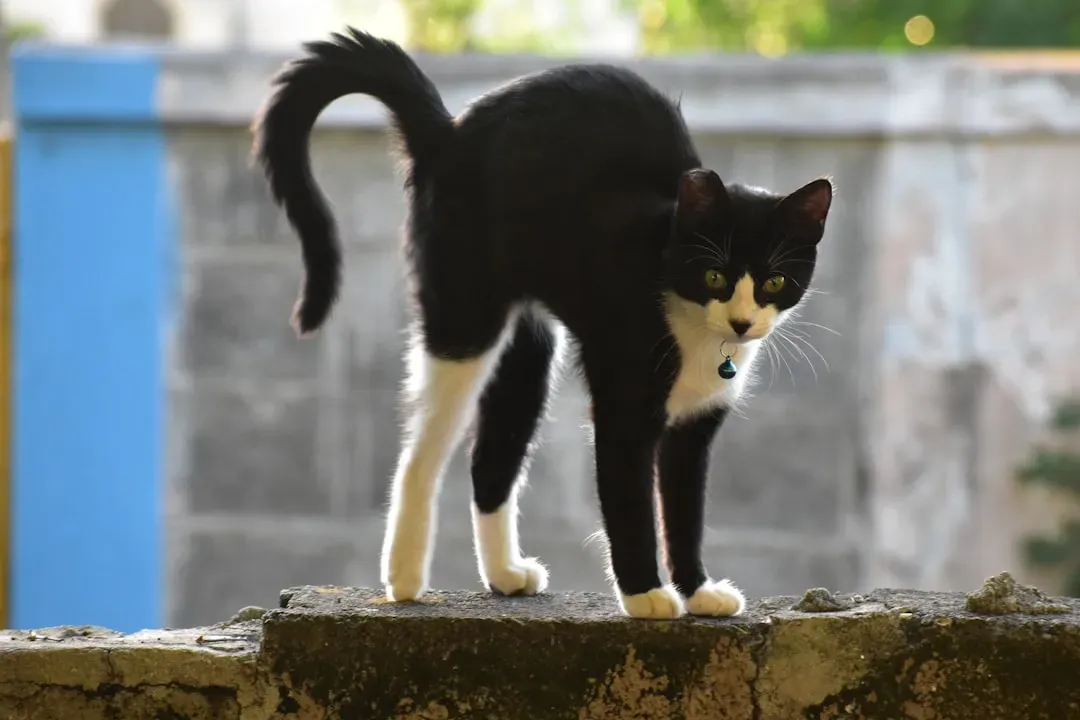
If your cat assumes the quintessential Halloween-cat posture with a puffed tail and arched back, then they are startled or frightened by a sudden, severe threat. Part of the purpose of puffing up the tail, or any other part of your cat’s fur, is to make them look bigger to other creatures around them. It’s a defense mechanism designed to intimidate potential threats.
Your cat wouldn’t puff their tail if they weren’t feeling threatened to begin with, so the behavior almost always stems from a fearful reaction. This tail position is often triggered by feeling threatened, such as by other animals in the yard, approaching dogs, visitors in the home, or sudden noises, so remove the inciting triggers to decrease your cat’s stress. Whatever you do, don’t try to pick up or comfort a cat in this state. They’re in panic mode and might lash out defensively.
The Low or Tucked Tail: Anxiety and Submission
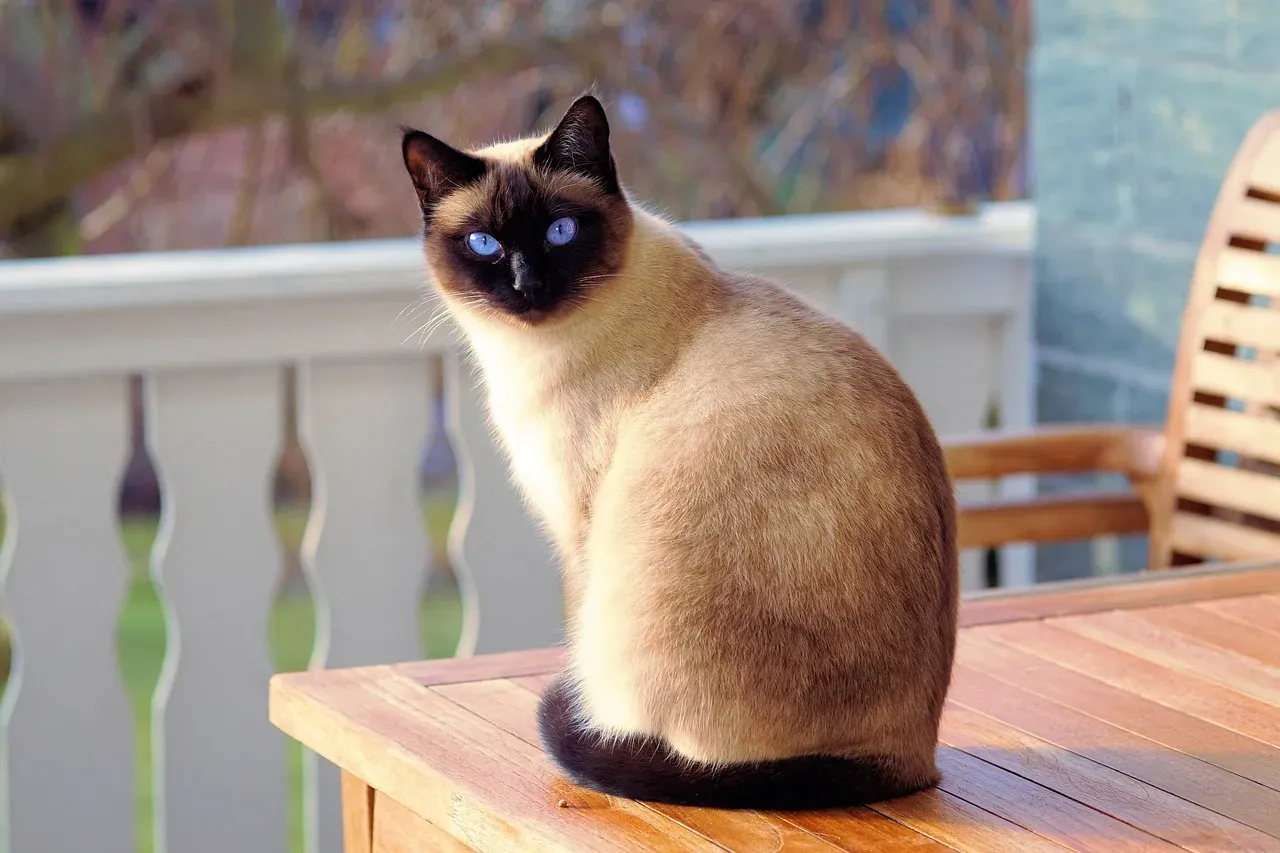
A cat may lower their tail below the level of their back if they are frightened or anxious, and if your cat’s tail is tucked between their legs, then they are really scared or may be experiencing pain. This position is the feline equivalent of making yourself small and invisible. Your cat is signaling that they feel vulnerable and need reassurance or space.
A cat who has tucked the tail between the hindlegs is very frightened and this is a submissive posture where the cat is trying to appear small and non-threatening. However, don’t assume this means it’s safe to approach. Don’t assume this posture says it’s safe to approach because if there’s no means of escape, the frightened cat may display defensive aggression.
The Wrapped Tail: Comfort or Concern
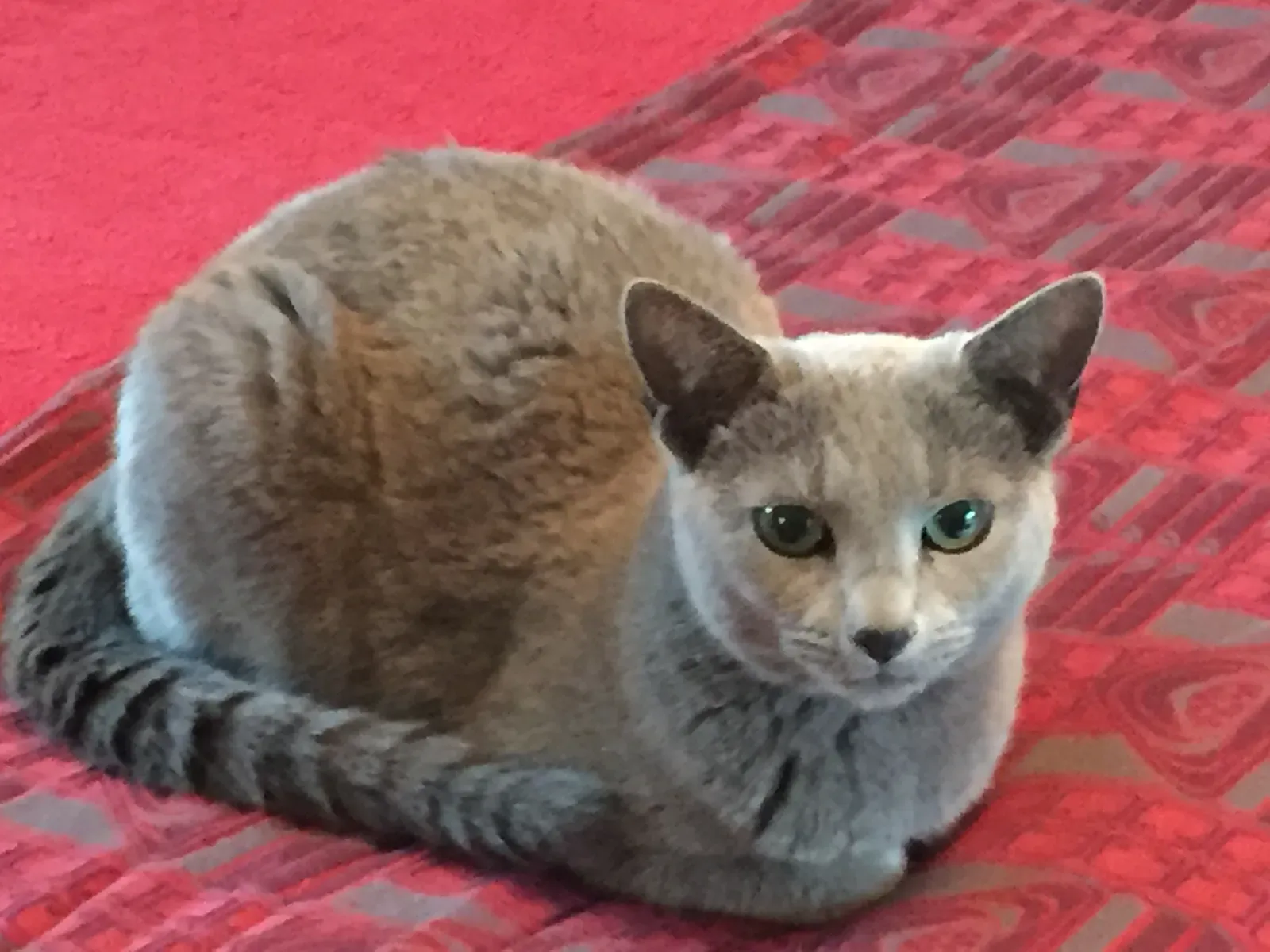
If your cat is sitting or lying down with their tail wrapped around their body, then they are frightened, defensive, in pain, or feeling unwell. This one requires careful observation of the bigger picture. When you see this, end your interaction with your cat and ensure that your cat’s environment is free of stressors.
Think of the wrapped tail as your cat’s security blanket. Sometimes it’s just a comfortable resting position, especially for outdoor cats. Other times it signals that something is wrong. If your cat frequently crouches with their tail curled tightly around their body for more than a few days, then an evaluation by your veterinarian is warranted to rule out pain or illness. Trust your instincts and look for other signs of distress.
Understanding the Complete Picture
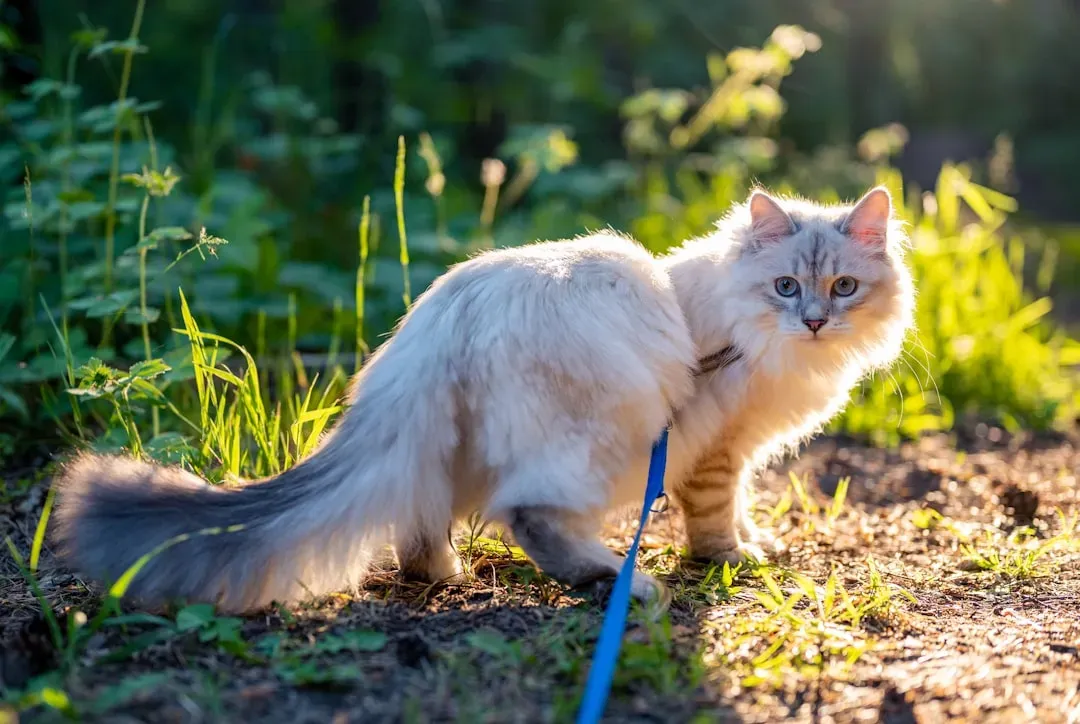
Cats use their tail movements, along with their eyes, ears, and body postures, to communicate and understanding cat tail language will help you to better understand your cat. It’s important to remember that the tail is just one piece of the puzzle. You can’t know how a cat is feeling by looking at just one part of their body and you always have to consider the cat’s entire body as well as what is happening in the cat’s environment.
Reading the tail language of a cat can also help you identify illness and pain more readily, and these tips for understanding cat tail language will empower you to build a more loving, trusting, and fulfilling relationship with your cat. The more time you spend observing your individual cat, the better you’ll become at recognizing their unique communication style. Some cats are naturally more expressive with their tails than others.
Your cat’s tail truly is a window into their emotional world. From the confident high tail greeting to the fearful puff, each position and movement reveals something about what your feline friend is experiencing. By learning to read these signals, you’re not just becoming a better cat owner – you’re becoming fluent in a language that strengthens the bond between you and your cat. What subtle tail signals have you noticed from your own cat? Share your observations, because every cat has their own dialect worth decoding.
Kristina is a young writer from India. An arts graduate and an avid content creator, Kristina is passionate about animals and wildlife. She enjoys exploring topics related to pet care, animal behavior, conservation, and nature, combining thorough research with engaging storytelling.