The Slow Blink From Your Cat Is Their Ultimate Gesture of Trust and Love
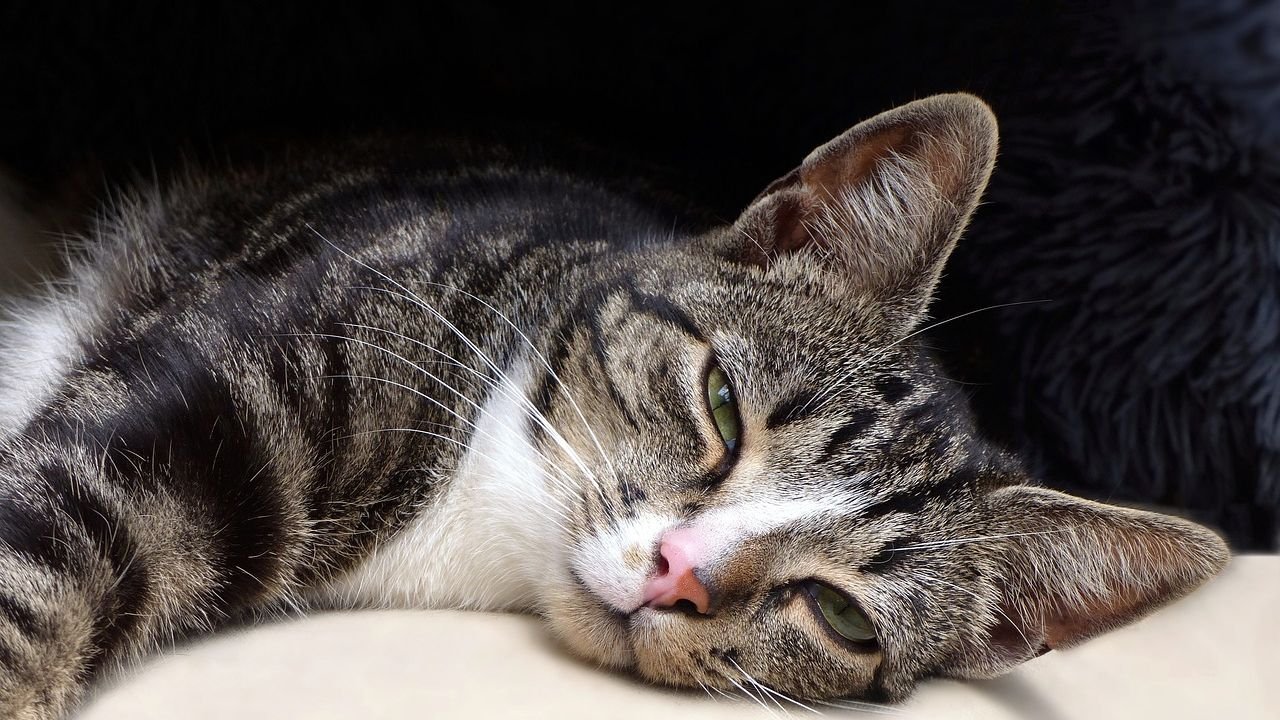
Have you ever locked eyes with your cat only to watch them close their eyelids gently, almost as if they're drifting off into a peaceful dream? That simple, unhurried blink isn't random at all. Your feline companion is sending you a message, one that speaks volumes about how they truly feel about you. In the mysterious world of cat communication, where meows and purrs only scratch the surface, this slow, deliberate eye movement stands out as something genuinely profound. It's easy to overlook these subtle signals when we're rushing through our busy lives, petting them absentmindedly while scrolling through our phones. Let's explore what makes this gentle gesture so incredibly special.
The Science Behind This Tender Expression
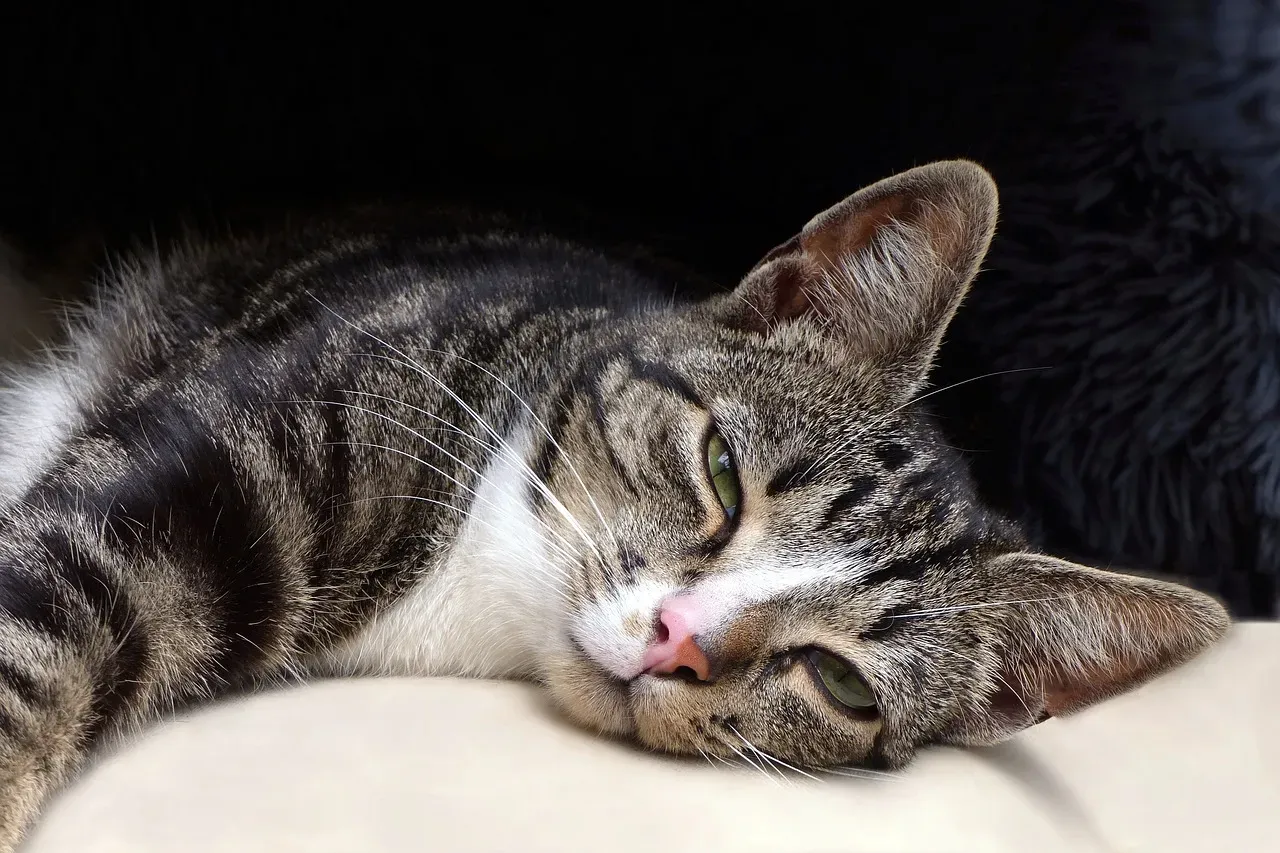
When your cat slowly blinks at you, they are often expressing a sense of trust, contentment, and affection. Research from the University of Sussex revealed that cat half-blinks and eye narrowing occurred more frequently in response to owners' slow blink stimuli towards their cats compared to no owner-cat interaction. This isn't just anecdotal folklore passed down from one cat lover to another.
Results suggest that slow blink sequences may function as a form of positive emotional communication between cats and humans. The study involved filming cats in their home environments, measuring their facial muscle movements precisely. Honestly, it's reassuring when science confirms what our hearts already knew about our furry friends. The act of slow blinking releases oxytocin, a hormone associated with bonding and affection, in both cats and humans.
Why Closing Their Eyes Shows Complete Vulnerability
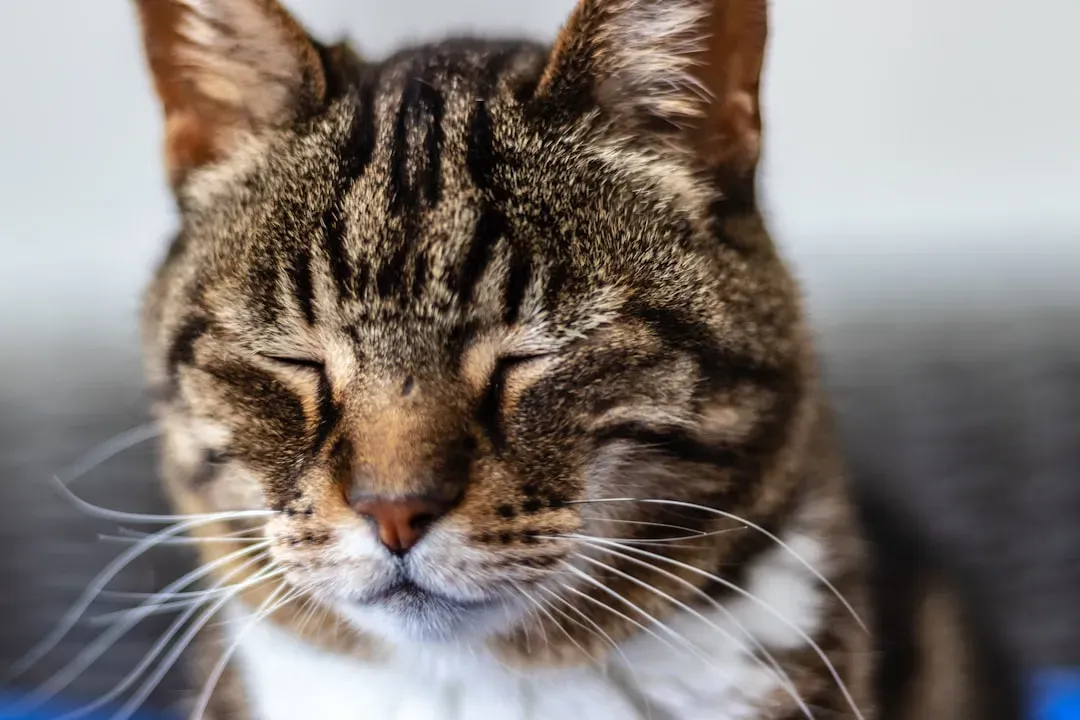
Think about what it means for a predator to close their eyes, even momentarily. In the wild, cats are both predators and prey, and anytime the animal's eyes are closed, it can't spot potential threats nearby. Every second your cat spends with their eyelids down is a second they're choosing to be defenseless.
When felines close their eyes near another creature, this shows vulnerability since it prevents them from noticing possible threats. When you're present and your cat makes himself vulnerable by closing his eyes, you have officially made it inside your pet's circle of trust. That's not something cats hand out freely to just anyone who puts food in their bowl. It's hard to say for sure, but this might be their way of telling you that they know you'll keep them safe.
Your Cat Is Actually Smiling At You
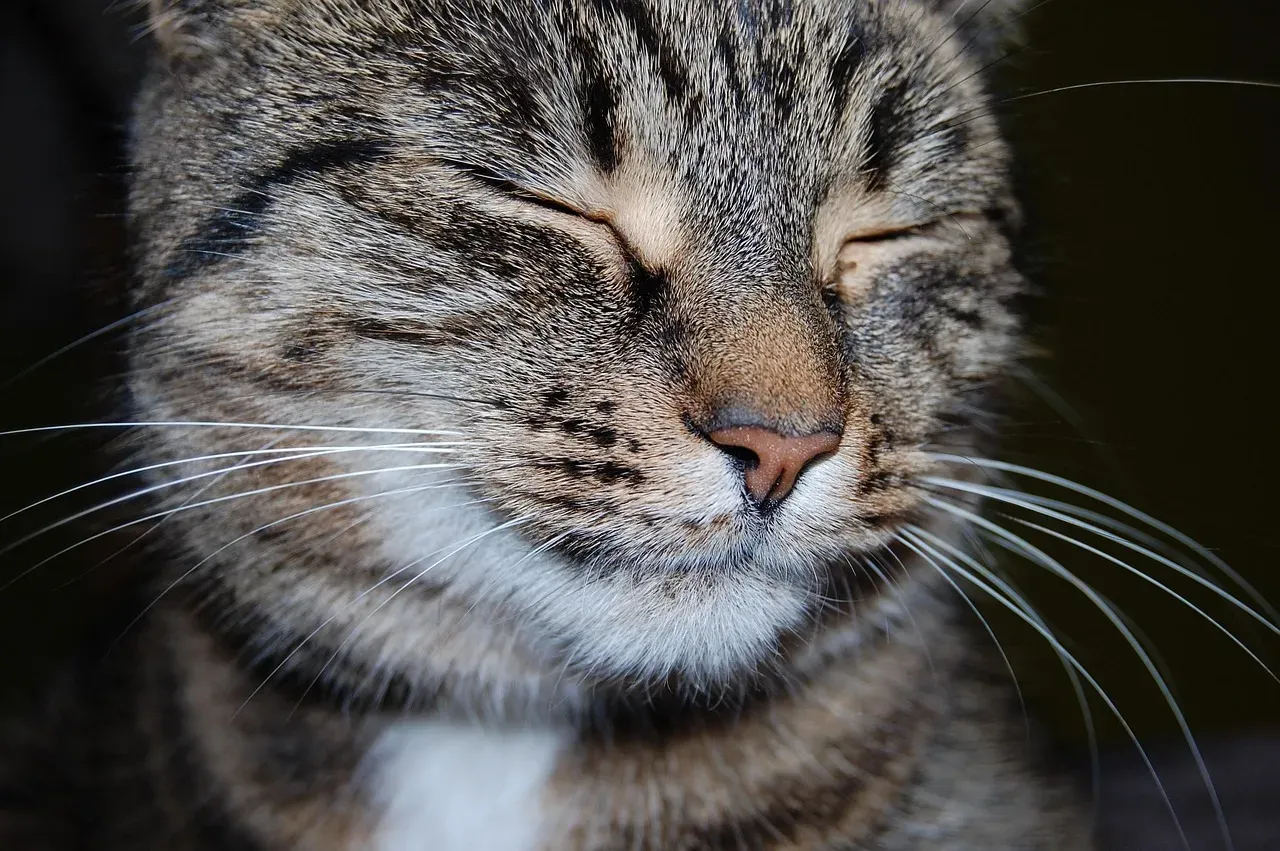
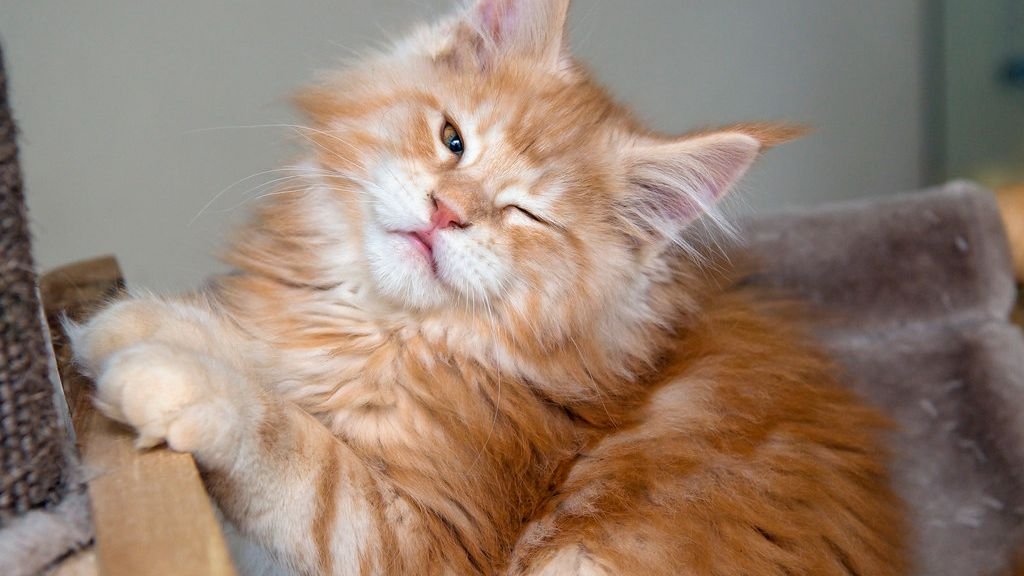
The slow blink has often been called a cat kiss, as cats slow blink at us as a sign of love and trust. Some experts prefer calling it a kitty smile rather than a kiss. This eye narrowing action by humans generates something popularly known as a cat smile, and eye narrowing movements in cats have some parallels with the genuine smile in humans.
A slow blink usually involves a series of soft, half-closed blinks, ending with a long eye narrow or even a full eye closure. The movement isn't rushed or mechanical like a regular blink that simply clears debris from their eyes. It's leisurely and intentional. Watch closely next time and you'll notice the difference between an ordinary blink and this special communication. Your cat might flutter their eyelids repeatedly before narrowing them into that contented expression we all recognize.
How To Speak This Secret Language Back
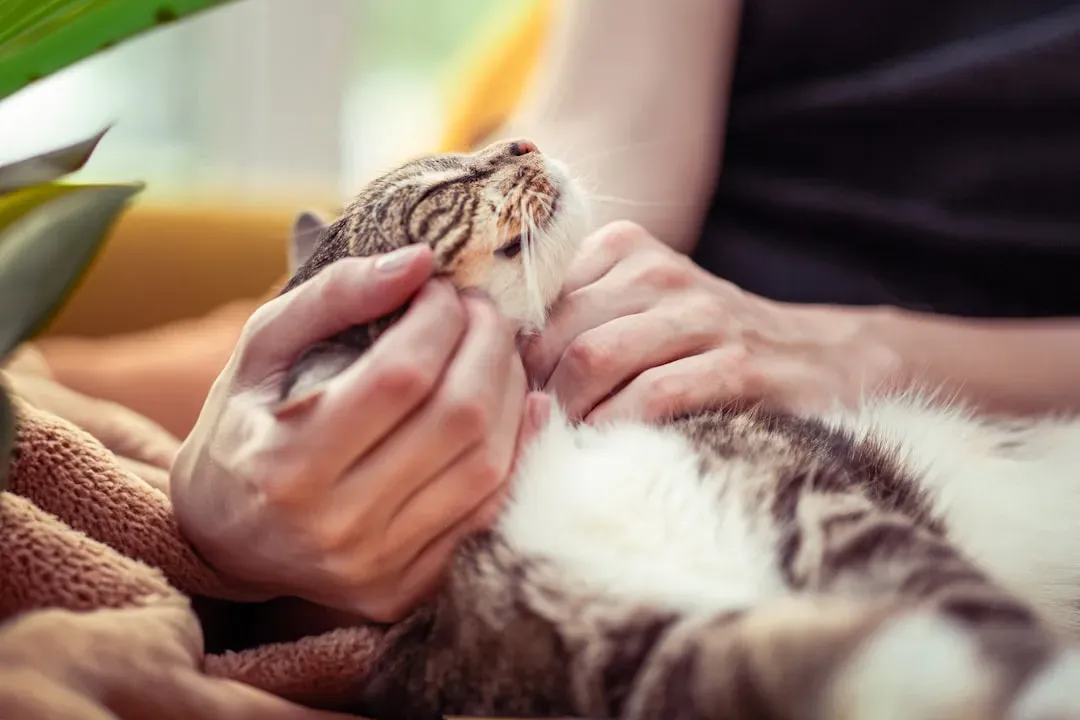
Here's the thing: you don't have to just receive these loving gestures. You can participate in this wordless conversation. Try narrowing your eyes at them as you would in a relaxed smile, followed by closing your eyes for a couple of seconds, and you can start a sort of conversation.
Cats had a higher propensity to approach the experimenter after a slow blink interaction than when they had adopted a neutral expression. Cats appeared to prefer approaching the experimenters that have slowly blinked at them rather than those with neutral expressions. Start when your cat is already relaxed, maybe curled up on their favorite spot. Sit a few feet away and gently close your eyes partway, hold it, then slowly reopen them. Repeat this several times with soft, loving intention. Don't rush it or force eye contact if they're not in the mood.
Not Every Cat Slow Blinks, And That's Perfectly Fine
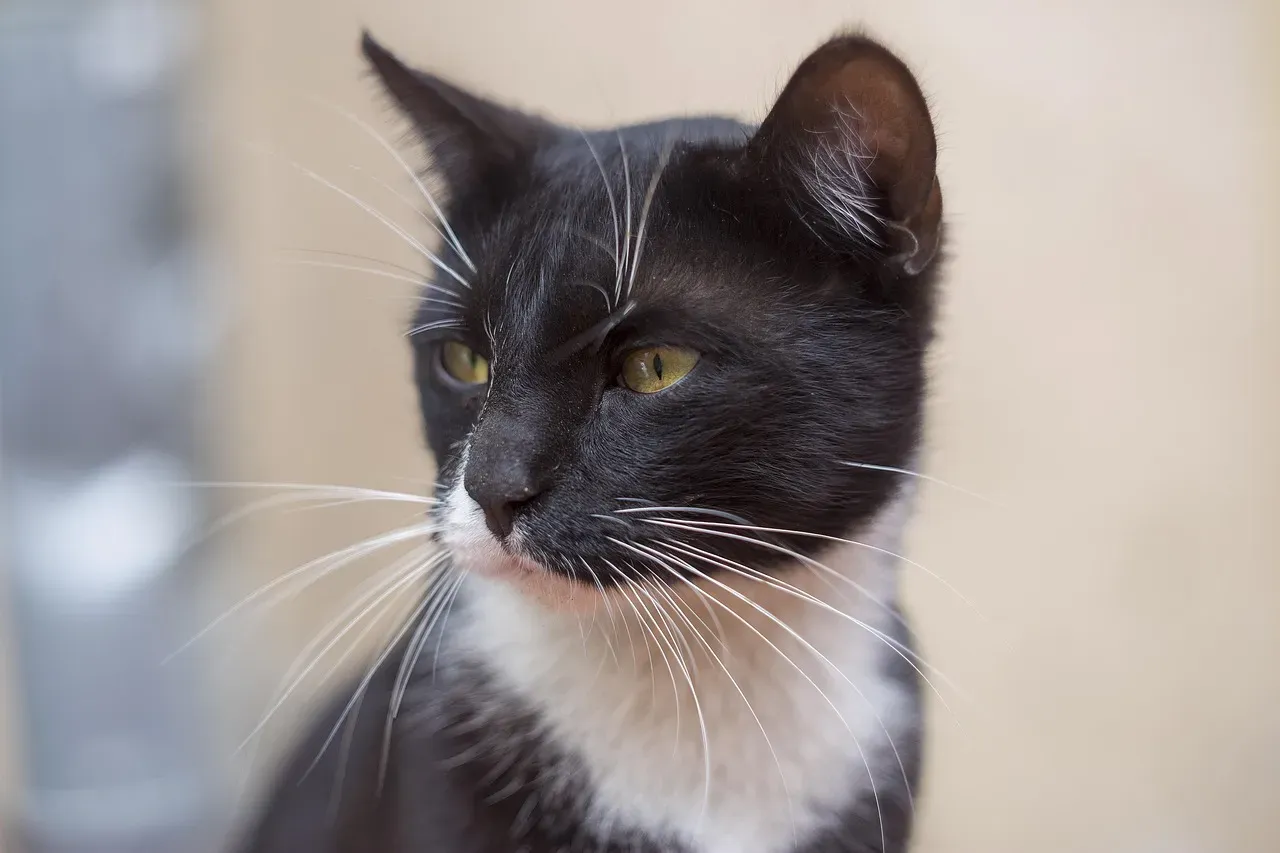
Let's be real: if your cat doesn't slow blink at you, don't spiral into thinking they secretly despise you. Not all cats slow blink, and some cats prefer other communication methods such as rubbing on us, rolling onto their back to expose their belly, licking, and head bunting.
Instead of a slow blink, they might gift you socks, purr on your lap, snuggle against you at night, or cry endlessly when you're behind a locked bathroom door. Every cat has their own love language, much like humans do. Some are more vocal, others more physical. Cats have different types of love languages, and with a little patience and consistency, you can figure out the subtle cues that yours trusts you. Your cat might show devotion by bringing you their toys, kneading on your lap, or simply choosing to be in the same room as you.
They Use This Gesture With Other Cats Too
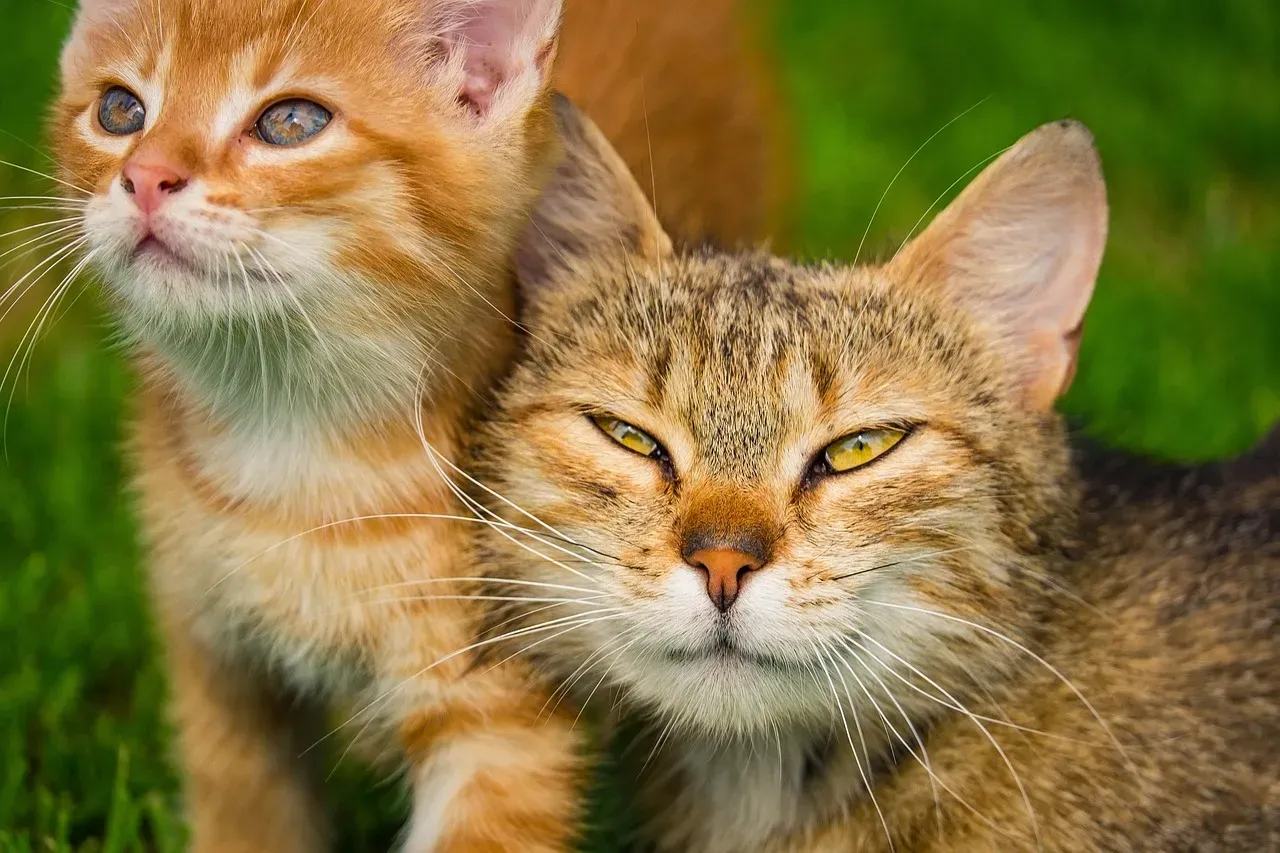
Unlike meowing, cats do slow blink at each other, and you're more likely to see this among two cats who aren't threatened by each other's presence. Your kitty might slow blink at other cats to be friendly, show trust, or express contentment.
Watch a multi-cat household sometime and you'll catch these exchanges happening between feline friends. It's a universal signal in the cat world that basically says, "I'm chill, you're chill, everything's good here." When you see one cat slow blinking at another cat, it means they are communicating that they are friendly and not threatening to the other cat. On the flip side, a hard stare between cats usually means trouble is brewing. That unbroken eye contact serves as a challenge or threat, exactly the opposite of what a slow blink communicates.
Why A Direct Stare Feels So Different
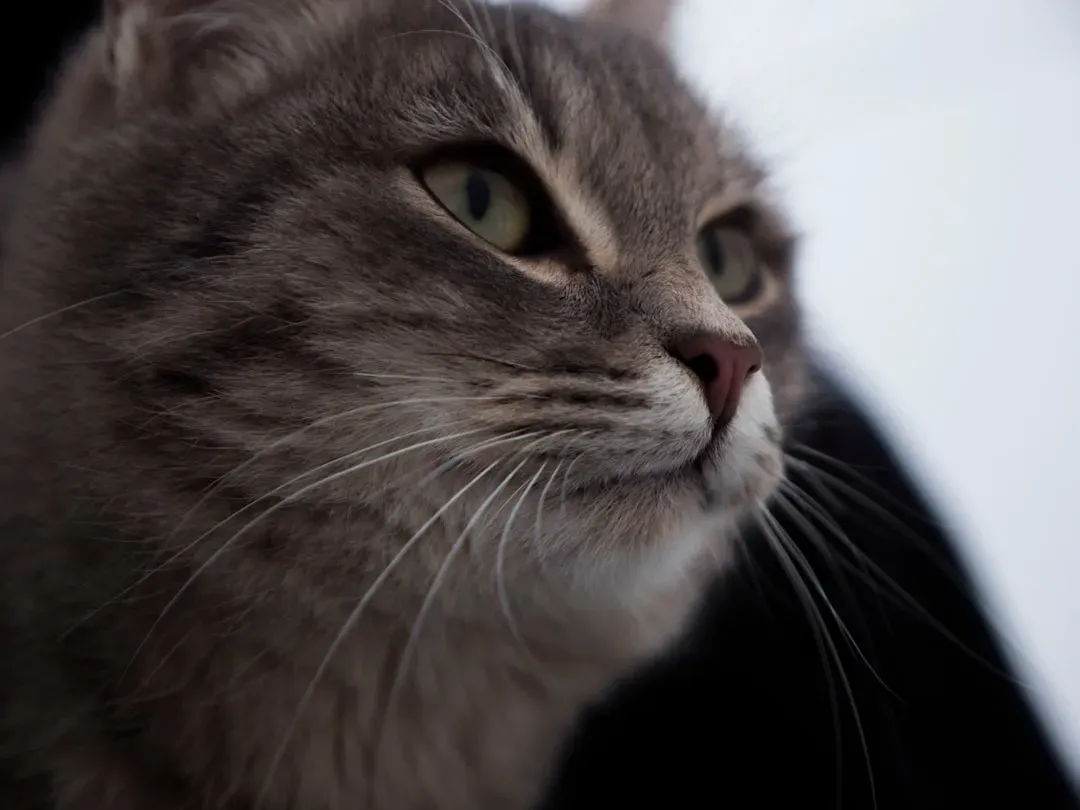
Cats consider direct stares to be hostile. Direct staring is challenging and indicates distrust, and cats see it as a threat, just like they would with other cats. Think about how uncomfortable sustained eye contact can feel even between humans when it goes on too long.
For your cat, an unbroken stare triggers their instinct that something dangerous might be about to happen. While communicating through slow blinking requires attention and eye contact between humans and cats, it is also recognized that direct eye contact in the form of a prolonged stare can be perceived negatively and as a threatening behavior by cats. That's precisely why the slow blink works so beautifully as its opposite. By deliberately breaking that intense gaze and softening it with gentle closures, you're signaling the exact opposite of aggression.
Shelter Cats Use It To Find Their Forever Homes
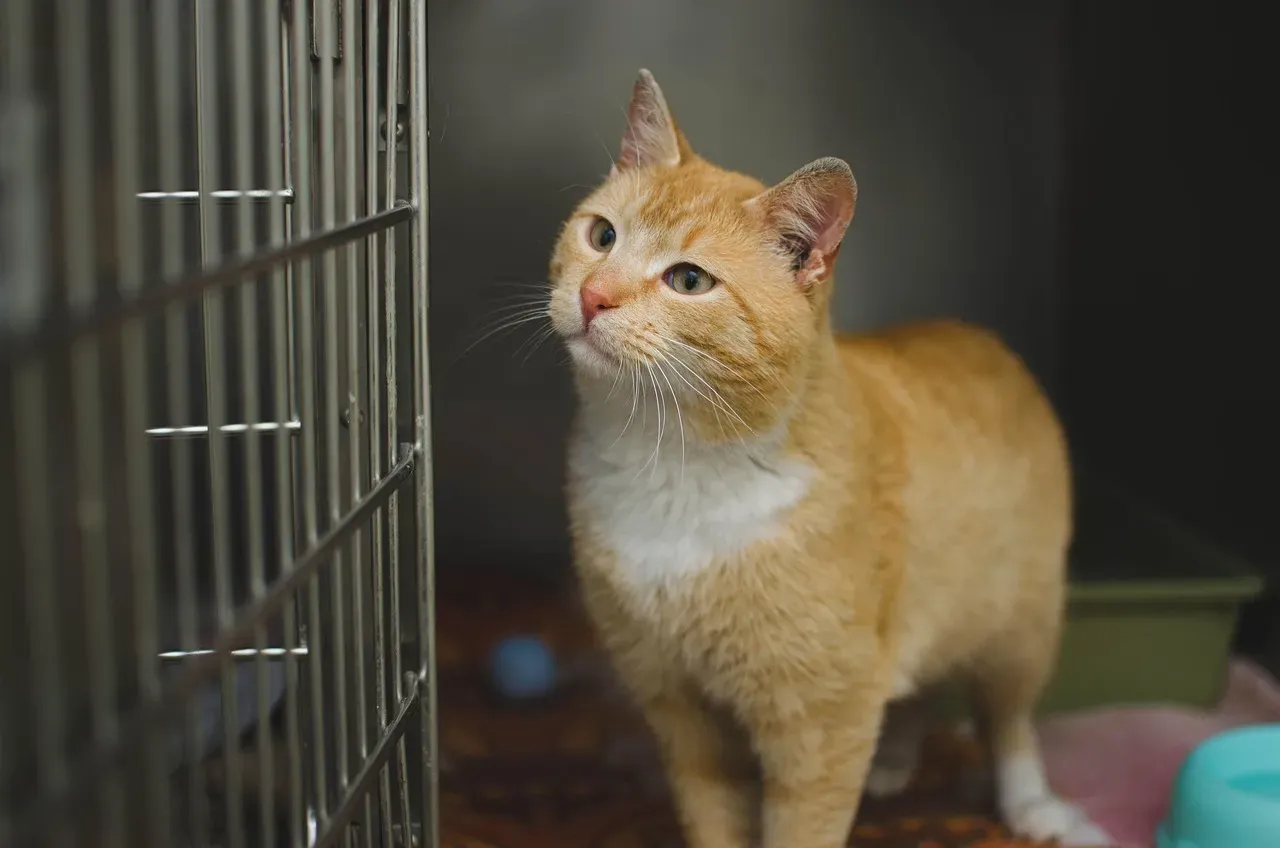
Cats that responded to human slow blinking, specifically by using eye closures, were rehomed quicker than cats that closed their eyes less. This suggests that the use of slow blinking may have given cats a selective advantage during the domestication process.
It makes sense when you think about it. Shelter environments are stressful, overwhelming places filled with unfamiliar sounds, smells, and people. A cat who can communicate friendliness and trust through slow blinking is more likely to connect with potential adopters. Cats that were identified as more anxious around humans upon arrival at the shelter had a tendency to spend more time producing slow blink sequences. Perhaps these nervous cats instinctively knew that this gentle gesture might help them seem less threatening and more approachable. Nature finds a way, even in concrete kennels.
When A Slow Blink Might Not Be What It Seems
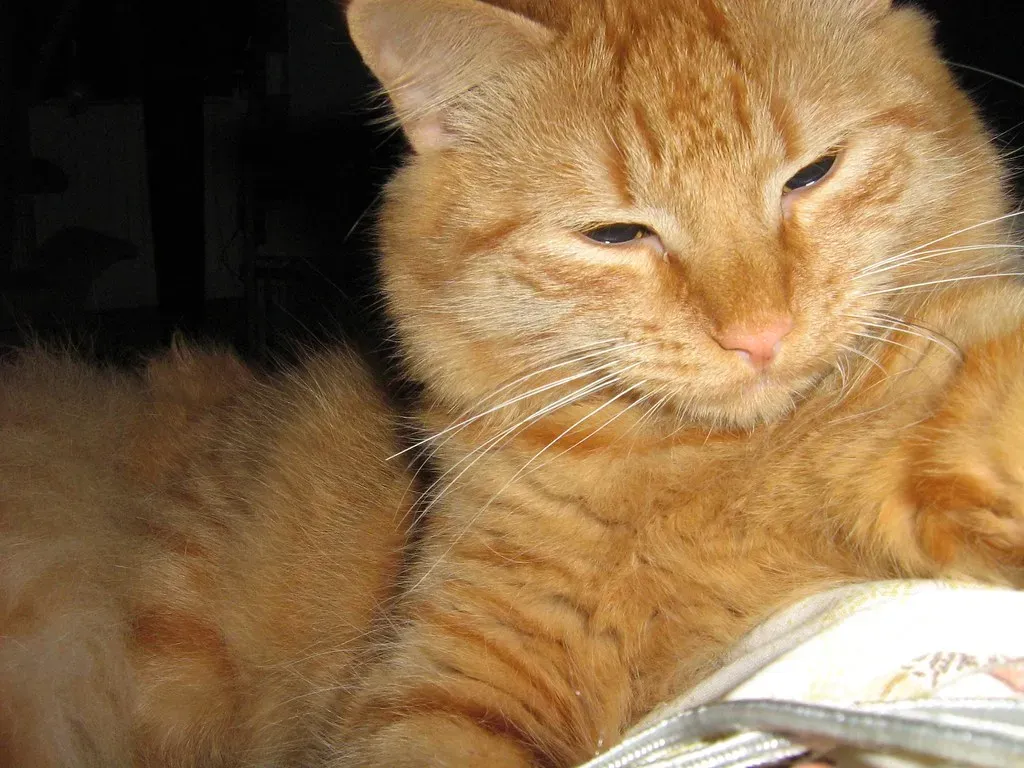
A cat's slow blinking doesn't always communicate trust or affection, because what looks like a slow blink is actually a squint, which generally means your pet is experiencing pain, discomfort, or injury. You need to pay attention to context and other body language signals.
If your cat is squinting repeatedly but also seems lethargic, has discharge from their eyes, or is avoiding light, something might be medically wrong. Conjunctivitis, the most common eye disorder in cats, is an inflammation of the mucus membrane on the outer edge of the eye, and besides squinting, cats may have red eyes, discharge, or a runny nose. When in doubt, schedule a vet appointment. True slow blinks happen when your cat is relaxed and comfortable, not when they're showing signs of distress or illness.
Building Trust Takes Time And Patience
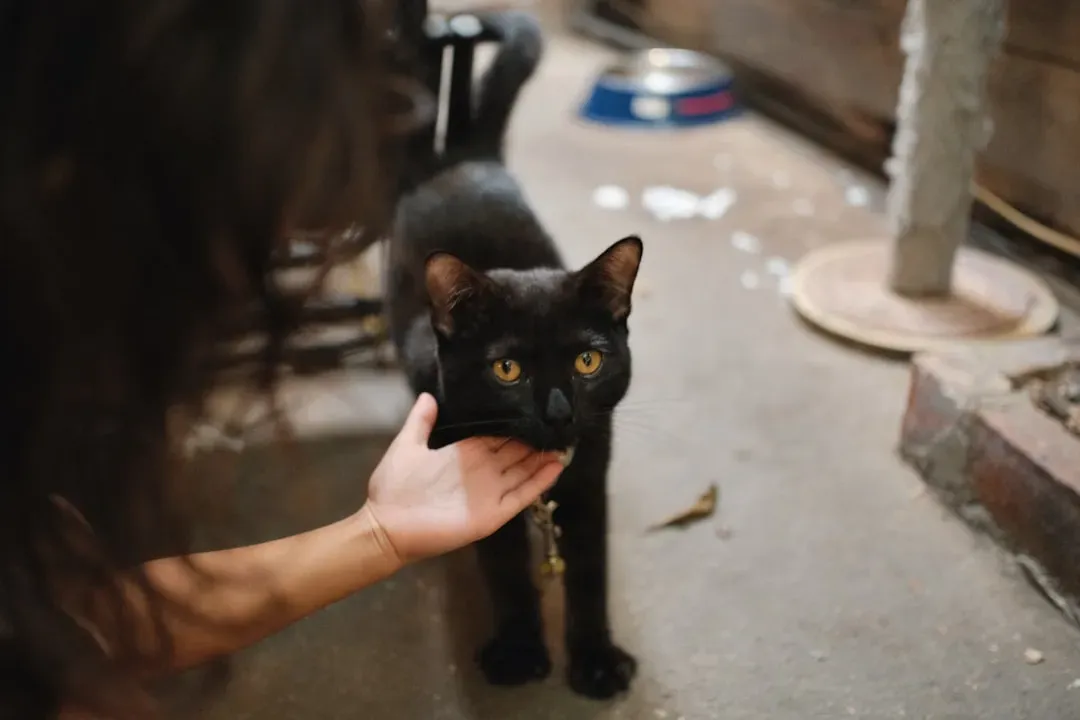
The slow blink is a sign of trust, which requires some effort at bonding. You can't force this kind of connection overnight, especially with a new cat or one who's had a difficult past. Cats thrive on routine and predictability, so maintaining a consistent schedule for feeding, playtime, and other daily activities can help create a sense of security and trust.
Affection is permission-based, and if they rub their face on our finger, we might pet them and even try to pick them up if they are okay with petting. Spending time cuddling and playing with them will help your cat slowly build trust and learn to bond with you over time, and maybe throw in a slow blink or two. Regular play sessions work wonders. So does respecting their space when they need it. Eventually, you'll notice your cat seeking you out, choosing to be near you, and yes, offering you those precious slow blinks.
What This All Means For Your Bond
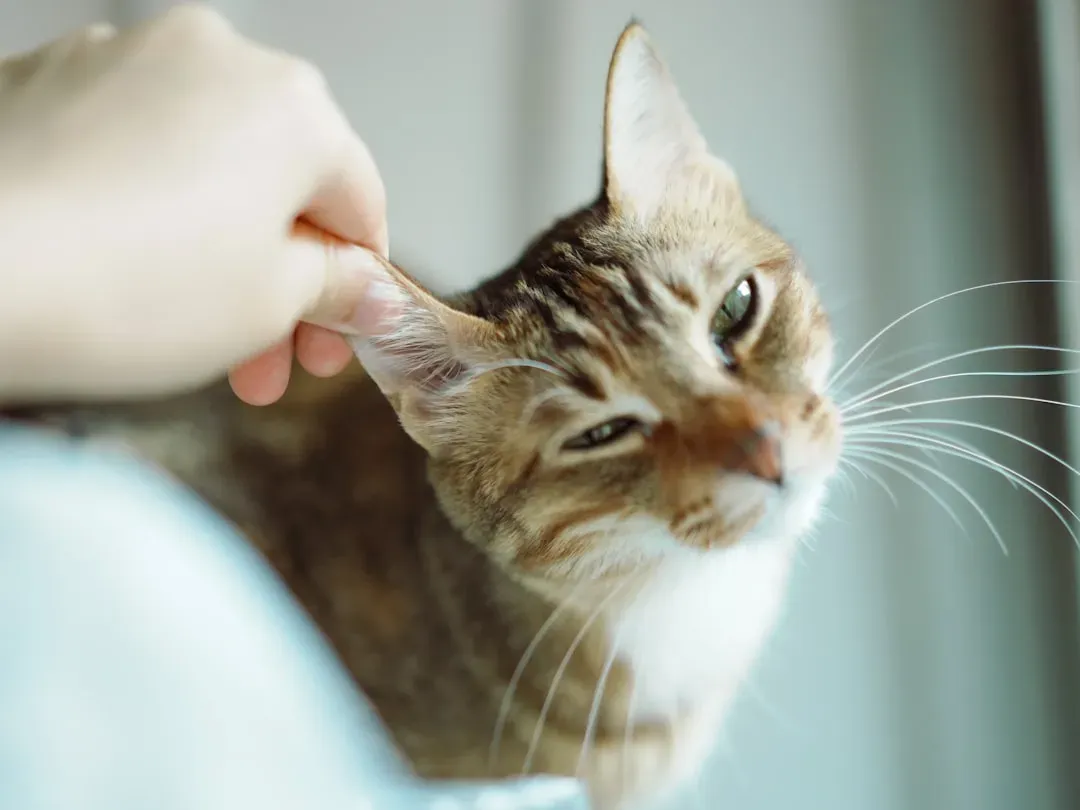
Understanding your cat's slow blink transforms your entire relationship. Recognizing and reciprocating your cat's slow blink can help strengthen the bond between you and your pet, leading to a more trusting and affectionate relationship. Suddenly you're not just a food dispenser or a lap warmer.
You become someone who truly speaks their language, who understands the nuances of their communication. The slow blink is an emblem of this bond, a gesture that asks nothing and gives everything, creating a space of shared peace. That shared moment when you and your cat exchange slow blinks, both of you relaxed and content in each other's presence, represents something genuinely beautiful. It's a reminder that love doesn't always need words or grand gestures. Sometimes it's just about closing your eyes softly and knowing someone you care about is doing the same.
So next time your cat gazes at you with those half-closed, sleepy-looking eyes, recognize it for what it truly is: their way of saying they trust you completely, they feel safe with you, and in their own unique feline way, they love you. Have you noticed your cat slow blinking at you today? Maybe it's time to blink back.