Why Does Your Cat Bring You 'Gifts'? It's More Than Just a Present
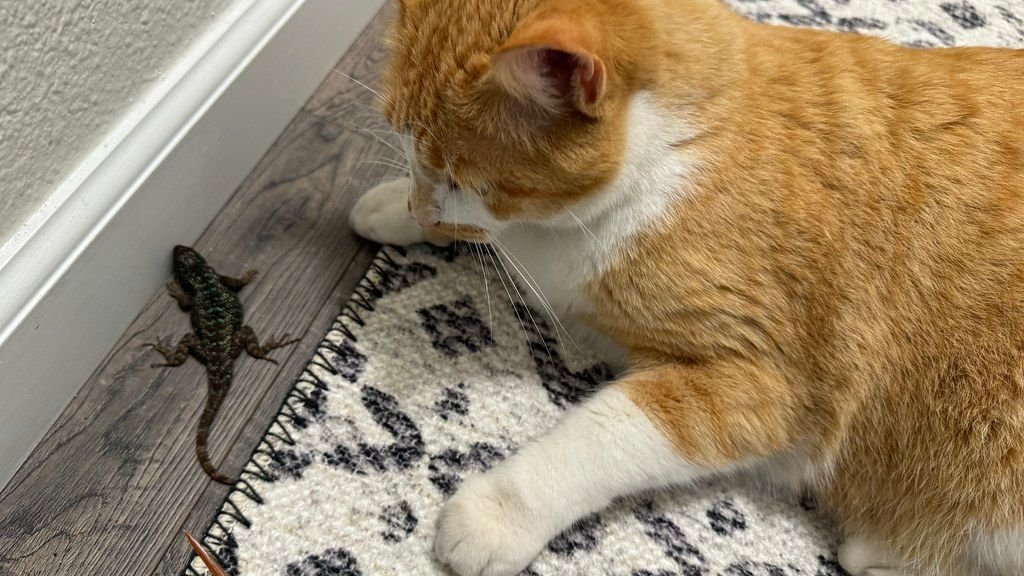
Have you ever woken up to find a dead mouse on your pillow or a bird on your doorstep, with your cat sitting nearby looking incredibly pleased with themselves? It's a situation countless cat owners know all too well. Your feline friend stares at you with what seems like pride, waiting for your reaction to their generous offering. While you might be horrified or confused, your cat appears to believe they've done something wonderful for you. This puzzling behavior has left many people scratching their heads and wondering what exactly is going through their cat's mind.
The truth is, this gift-giving habit runs much deeper than simple affection or a desire to gross you out. What looks like a bizarre ritual to us is actually rooted in complex instincts, survival mechanisms, and your cat's perception of your relationship. So let's dive into the fascinating reasons behind this behavior and discover what your cat is really trying to tell you.
Your Home Is Their Safe Haven
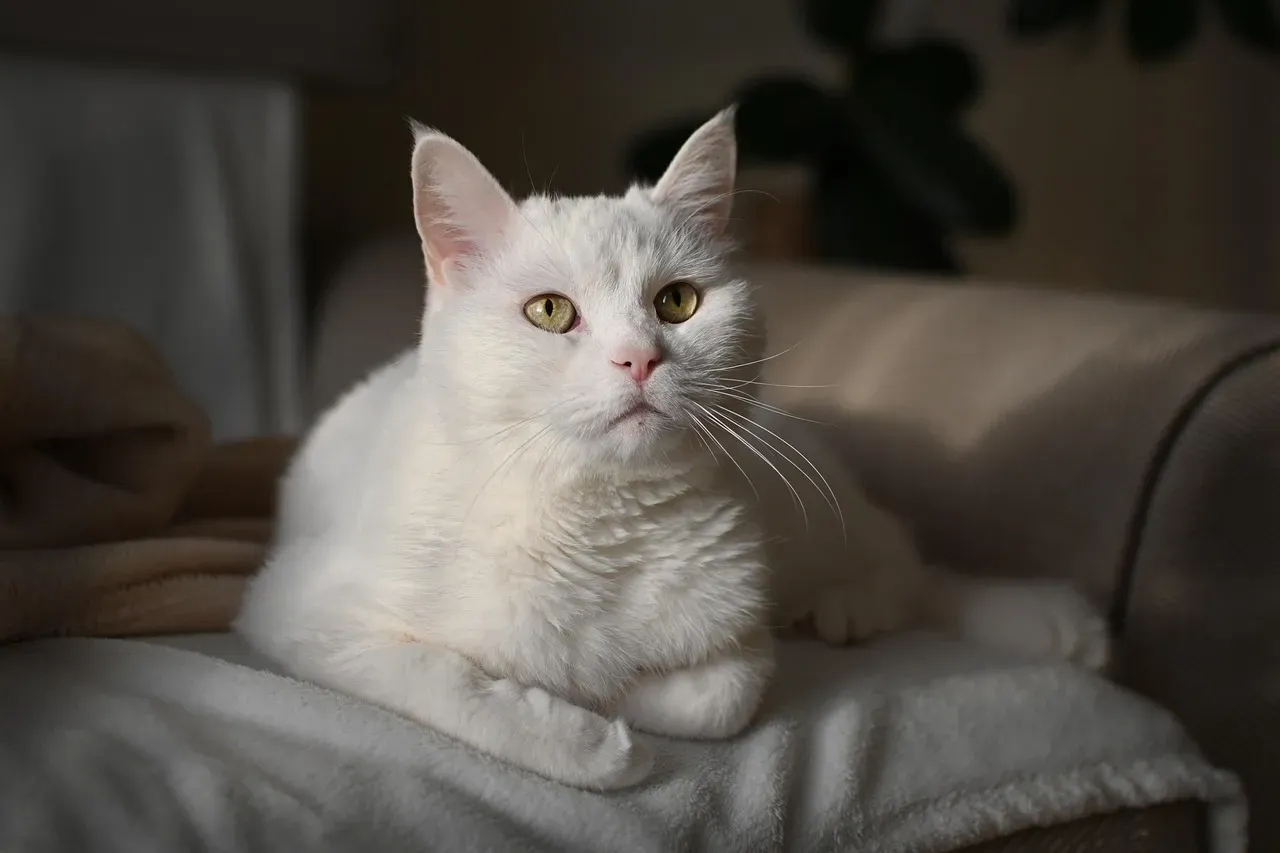
Your cat brings these catches home because their home is where they feel safe and secure, and they may not want to eat it or leave it where other animals could steal it from them. Think of it this way: your house represents the ultimate fortress for your feline. In the wild, predators constantly compete for food, and losing a hard-earned catch to a rival would be devastating.
Your cat may be bringing their newly acquired food back somewhere safe so that she can consume it, similar to how leopards will drag a carcass up into a tree to protect their food from other animals. Here's the thing, though. Because your cat would probably rather eat some delicious cat food than a dead animal, she may quickly lose interest and wander off, leaving her dead prey behind.
They're Trying to Teach You Essential Survival Skills
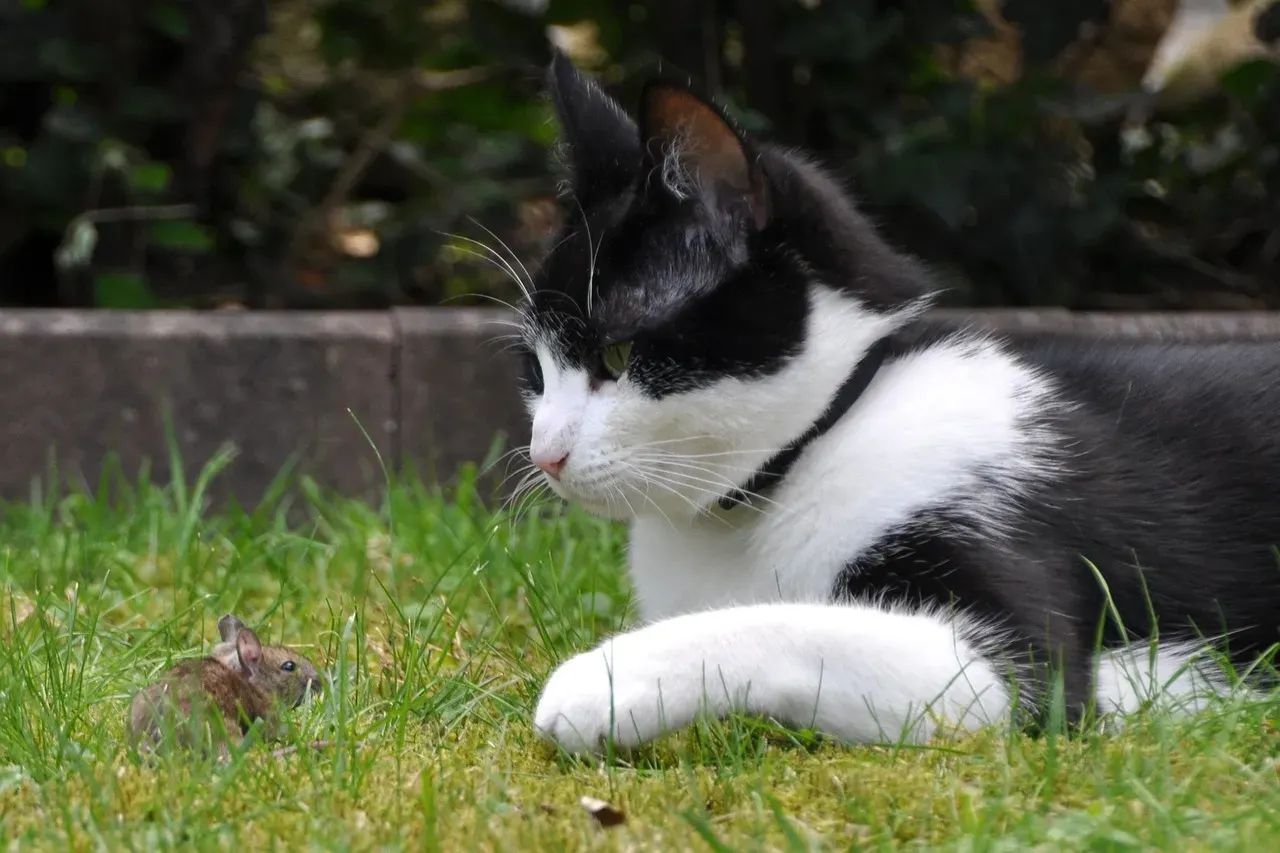
In the wild, mother cats would teach their kittens how to survive, which included finding food and eating it, and even in a litter of tiny kittens, you can see them practicing their stalking, pouncing and 'killing' behaviors. Your cat might genuinely view you as a rather incompetent hunter who needs some serious help. It sounds a bit insulting, honestly, but from your cat's perspective, you never bring home any prey of your own.
Spayed females are more likely than their male counterparts to catch mice for their humans. Without kittens of their own to educate, these cats redirect their maternal teaching instincts toward their human companions. When your cat brings you dead animals, it might be because they think you're a terrible hunter and want to help you practice, and while that might sound a bit insulting on the surface, it's one of many ways cats show you their love.
It's About Family and Social Bonding
Cats see us as part of their social group, and families and groups of cats will share the success of their hunt and try to teach hunting skills to the other cats, with our pets often extending this to their humans. In feral cat colonies, members share resources and look out for one another. By bringing you their catch, your cat is demonstrating that you belong to their inner circle.
Feral cats often live together in groups called colonies where female cats often care for kittens that don't belong to them, and kittens usually eat first in a social group, so by gifting you a dead animal, your cat might be trying to signal that you're part of their group. This behavior shows profound trust and affection, even if the execution leaves much to be desired from a human perspective.
The Hunting Instinct Never Truly Disappears
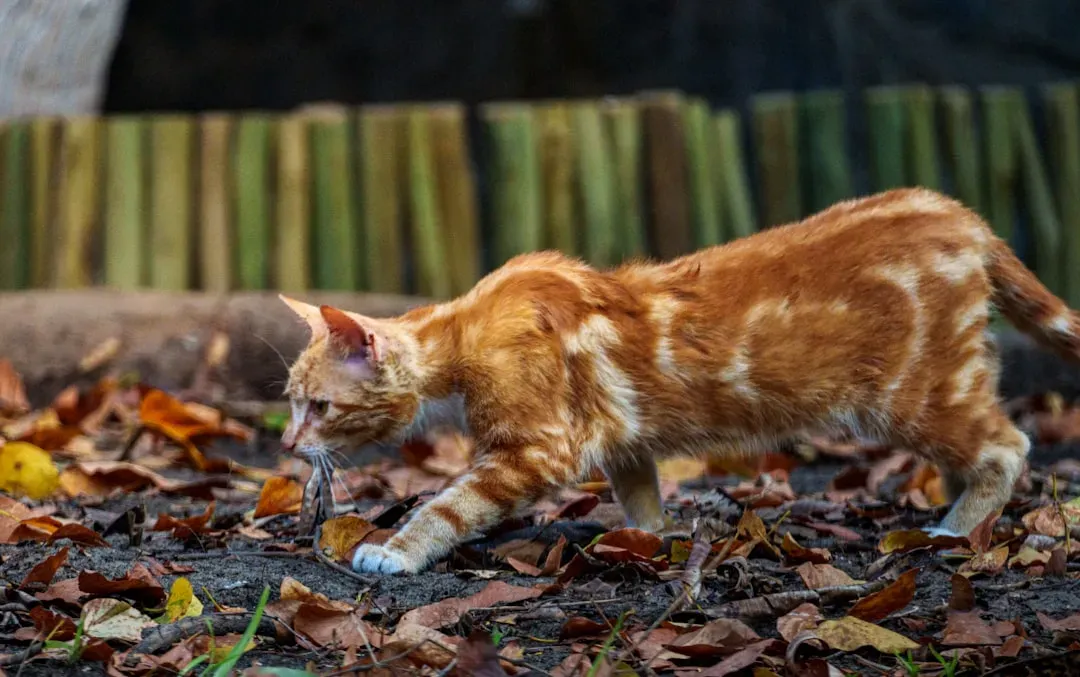
The simple answer to why your cat brings you dead animals is because it is their natural instinct to do so. Even the most pampered, well-fed house cat retains the powerful predatory drive inherited from their wild ancestors. Along with the urge to procreate and to defend their patch, the hunting instinct is one of the most distinctive behavioral patterns in cats, and the desire to hunt is not governed by hormones and therefore does not diminish after neutering.
The motivation to hunt prey is only partly related to hunger, and as a species that hunts alone, cats rely solely on themselves to provide enough food, so if they wait until they're hungry to hunt, they could starve to death, which is why cats have learnt to be opportunistic feeders. Basically, your cat's brain is hardwired to seize hunting opportunities whenever they arise, regardless of whether their food bowl is full.
Your Reaction Might Be Encouraging Them
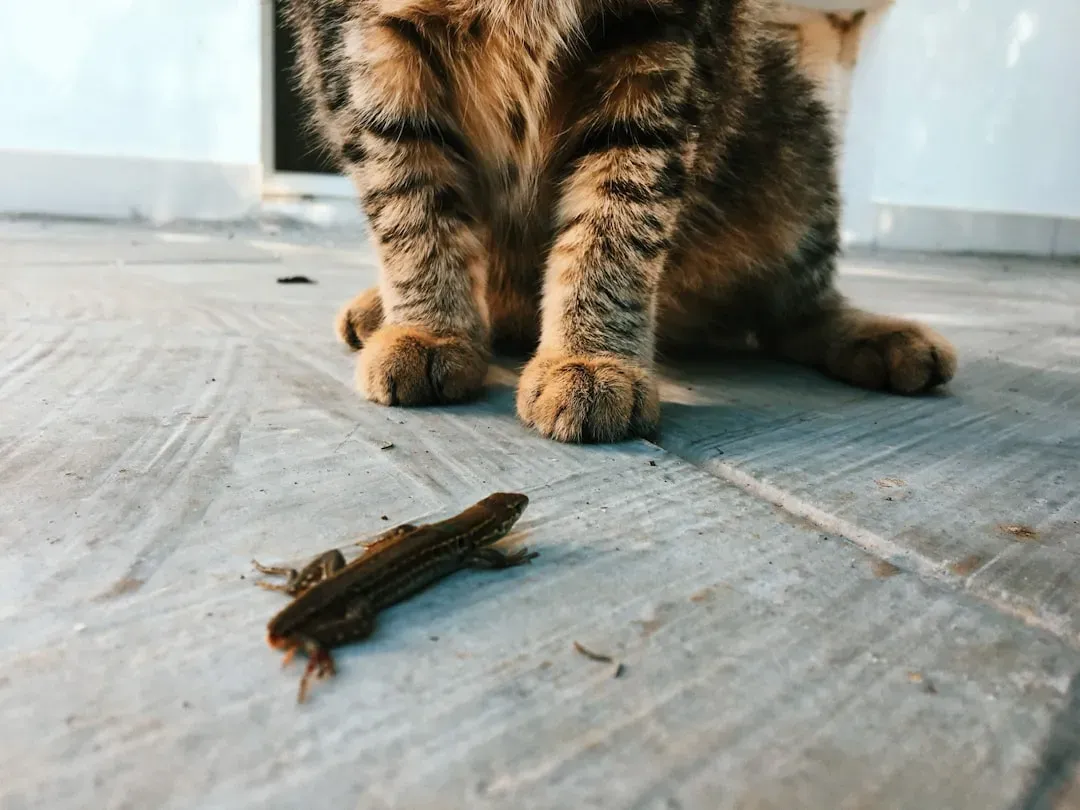
Here's something that might surprise you: you could be accidentally reinforcing this behavior. Many owners inadvertently reward and encourage this behavior by grabbing a treat or toy when they see their cat holding a dead animal in its mouth to get them to drop it, which trains the cat to bring even more prey items home to keep being rewarded with treats and playtime.
If you praise your cat, you're encouraging her to bring you more mice and you're reinforcing a behavior you really don't want your cat to repeat. The best approach? React as little as possible and dispose of the animal calmly without making a fuss. I know that's easier said than done when there's a dead rodent in your slipper, but your cat doesn't understand disgust the way we do.
They Might Be Seeking Attention and Playtime
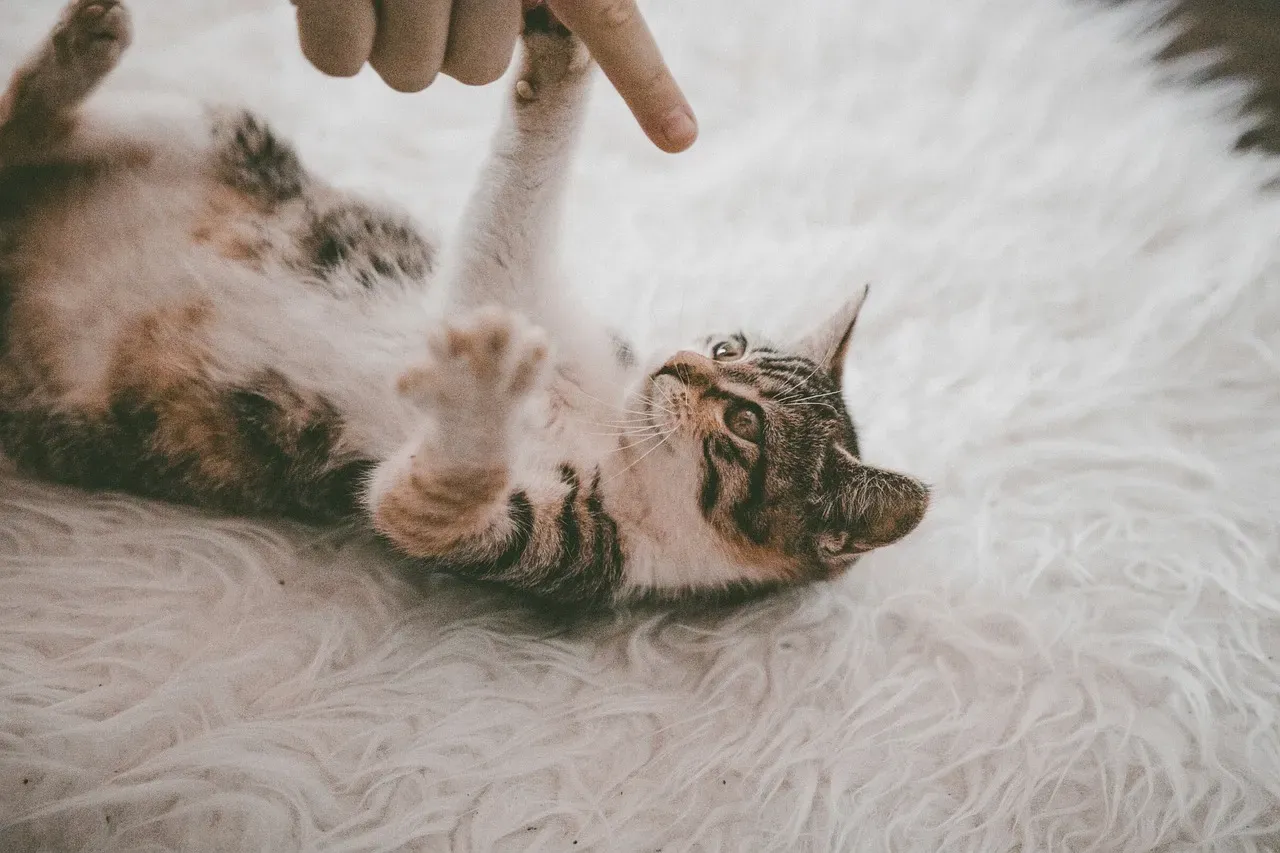
Because cats will often play with their prey before eating it, your cat might bring you dead animals or toys to engage in a play session with you, and as such, gift-giving might be a kind of attention-seeking and bond-building behavior in cats. Think about it from your cat's perspective. They've successfully captured something exciting, and now they want to share that thrill with their favorite person.
Indoor cats that bring you toys are exhibiting the same behavior, just with safer objects. They're inviting you to engage in mock hunting games with them. This behavior strengthens your bond and fulfills their need for interactive play, which is crucial for their mental and physical wellbeing.
It Could Be a Warning to Competitors
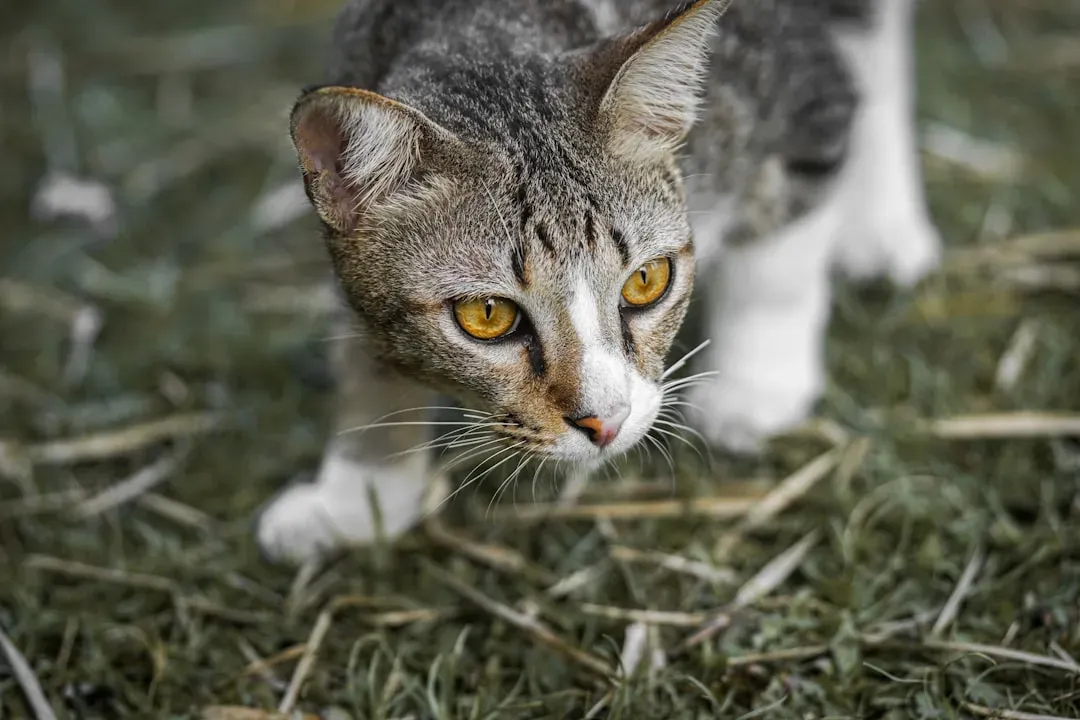
Plenty of other predators may live in the same area as a cat, and that represents competition for food, so some behavioral experts suggest that cats may leave dead carcasses around to ward off any other predators potentially lurking in the area. This territorial display sends a clear message: a skilled hunter lives here.
While this might seem odd in your suburban home where the biggest threat is the neighbor's dog, your cat's instincts don't distinguish between genuine threats and perceived ones. Leaving their catch visible serves as a warning sign to any potential rivals, establishing dominance in their territory.
How to Manage This Behavior Without Punishment
It's important not to punish your cat for catching wildlife or bringing their prey home because they won't understand what they've done wrong, and as hunting is a natural instinct for cats, shouting at them won't deter them from doing again but will only cause them stress which could lead to other unwanted behaviours. Remember, this is completely natural behavior for your cat.
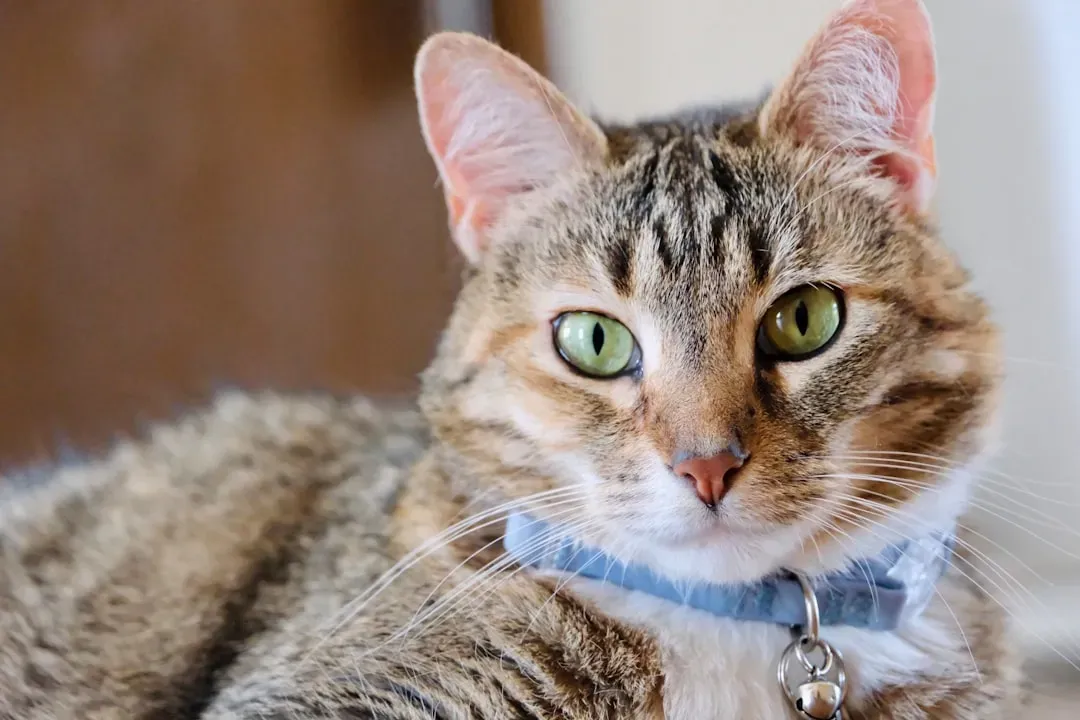
Put a bell on your cat's collar so that potential prey animals hear them coming, which will reduce their hunting success, though you should make sure you use a cat-safe collar that has a quick-release function. You can also limit outdoor access during dawn and dusk when prey animals are most active. A recent study showed that daily playtime with their owners actually reduced the amount of prey that cats brought home.
Understanding the Deeper Connection
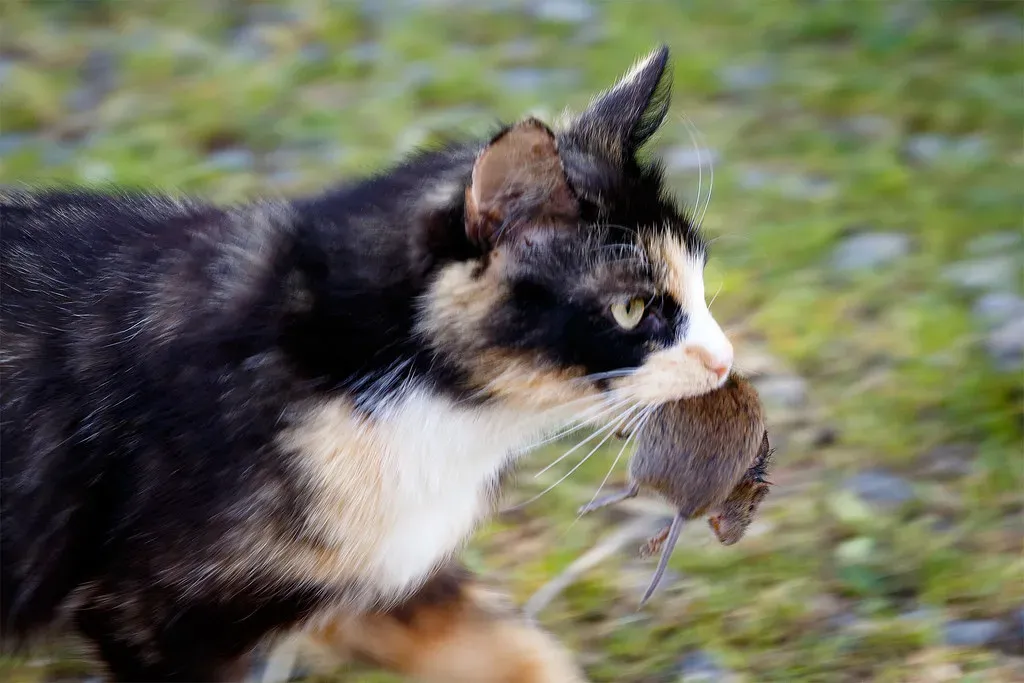
The most fundamental reason that cats bring dead animals to you is because they are treating you as family, presenting the catch to their clan, and attempting to teach you to do likewise. This behavior, while unsettling to humans, represents one of the highest compliments your cat can give you. They trust you enough to share their most prized possessions and consider you worthy of their hunting lessons.
Your cat has an instinct to bring prey back to a safe environment to guard it from other predators that may want to steal from them, so take it as a compliment because your cat feels safe and secure in the home you've made for them. Every gift, no matter how unwelcome, is a testament to the bond you've built with your feline companion.
Conclusion
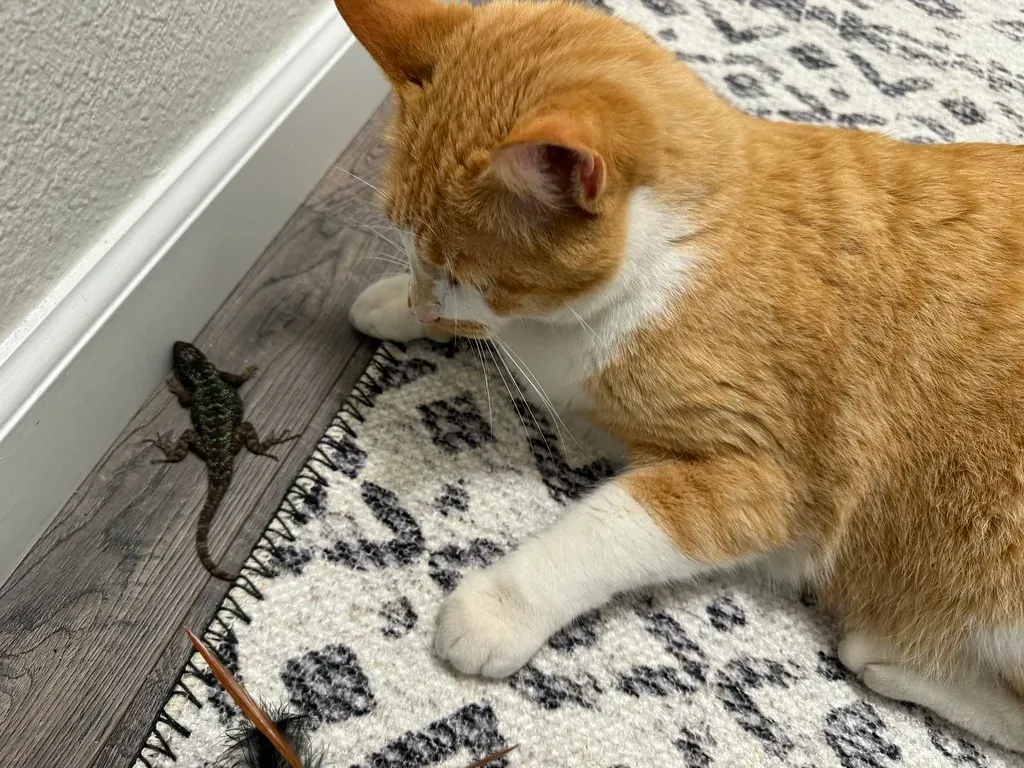
The next time your cat presents you with their latest catch, try to remember that beneath the fur and whiskers beats the heart of a tiny predator who sees you as family. Whether they're attempting to feed you, teach you, or simply share their success with someone they love, this behavior stems from deep-rooted instincts and genuine affection. While you certainly don't have to appreciate dead mice on your doorstep, you can appreciate the sentiment behind them.
The best approach combines understanding with practical management. Provide plenty of interactive play, consider keeping your cat indoors or limiting outdoor time, and redirect their hunting instincts toward appropriate toys. Your cat's need to hunt will never completely disappear, but with patience and the right strategies, you can channel that energy in ways that work for both of you. What's the most unusual gift your cat has ever brought you?