You’ve probably laughed at it more times than you can count. That expensive plush bed sits untouched in the corner while your furry companion curls up blissfully inside a beaten cardboard delivery box. It’s hard not to wonder what goes on in that feline brain of theirs. Here’s the thing, though: this isn’t just some random quirky habit.
Your cat’s love affair with boxes runs deeper than you might imagine, stretching back thousands of years into their wild ancestry. Those seemingly strange behaviors we find so amusing? They’re actually sophisticated survival mechanisms passed down through countless generations. So let’s dive into why your modern house cat still thinks like a wildcat and what those cardboard hideouts really mean to them.
The Predator and Prey Dilemma
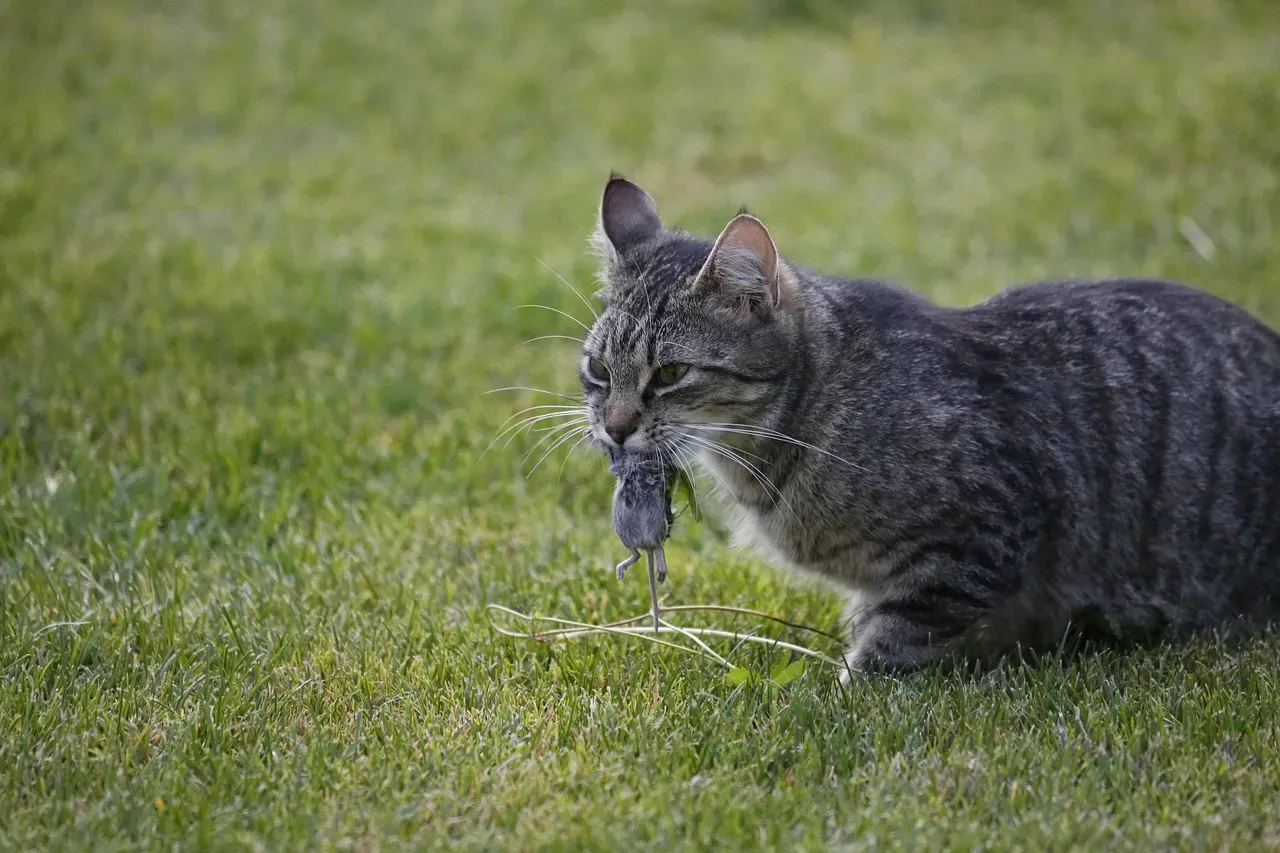
Cats occupy a delicate midpoint in the food chain, where they are both predator and prey. Think about that for a second. Your adorable fluffball isn’t just a hunter stalking toy mice across your living room floor. In the wild, they’d also be dodging larger carnivores looking to make them dinner.
Cats are descendants of solitary hunters, and their wild relatives often seek out small, hidden spaces for shelter and safety. In the wild, these small hideaways protect them from predators and serve as a strategic vantage point for stalking prey. That cardboard box suddenly becomes more than just packaging. It transforms into a fortress where your cat feels protected on all sides while maintaining a perfect view of potential threats or opportunities.
Enclosed Spaces Trigger Ancient Security Systems
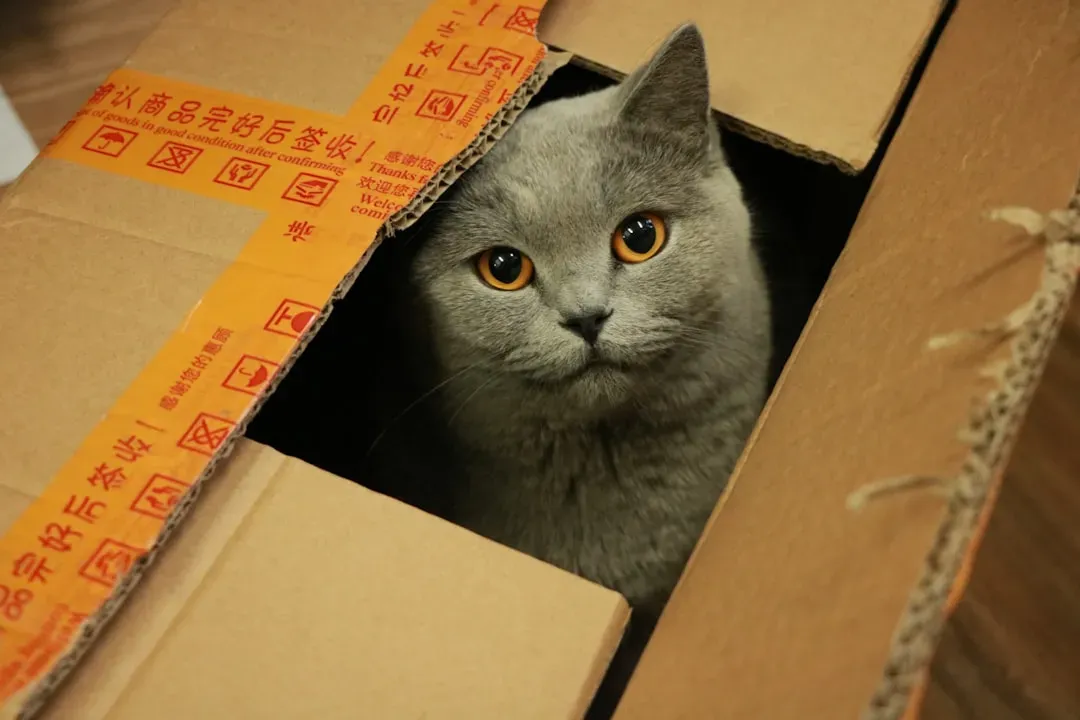
In the wild, small, hidden spaces protect cats from predators. A box is a secure, enclosed environment that triggers a cat’s natural instinct to find a safe den. Curling up in a box lets a cat keep watch while feeling hidden and safe. It’s honestly fascinating when you think about it. Even though your cat has never faced a real predator in their life, that instinct remains razor sharp.
Instead of being exposed to the clamour and possible danger of wide-open spaces, cats prefer to huddle in smaller, more clearly delineated areas. Those four walls aren’t just physical barriers. They’re psychological comfort zones that help reduce what researchers call visual stimuli, allowing your cat to genuinely relax without constantly scanning every direction for danger.
Boxes As Natural Stress Relievers
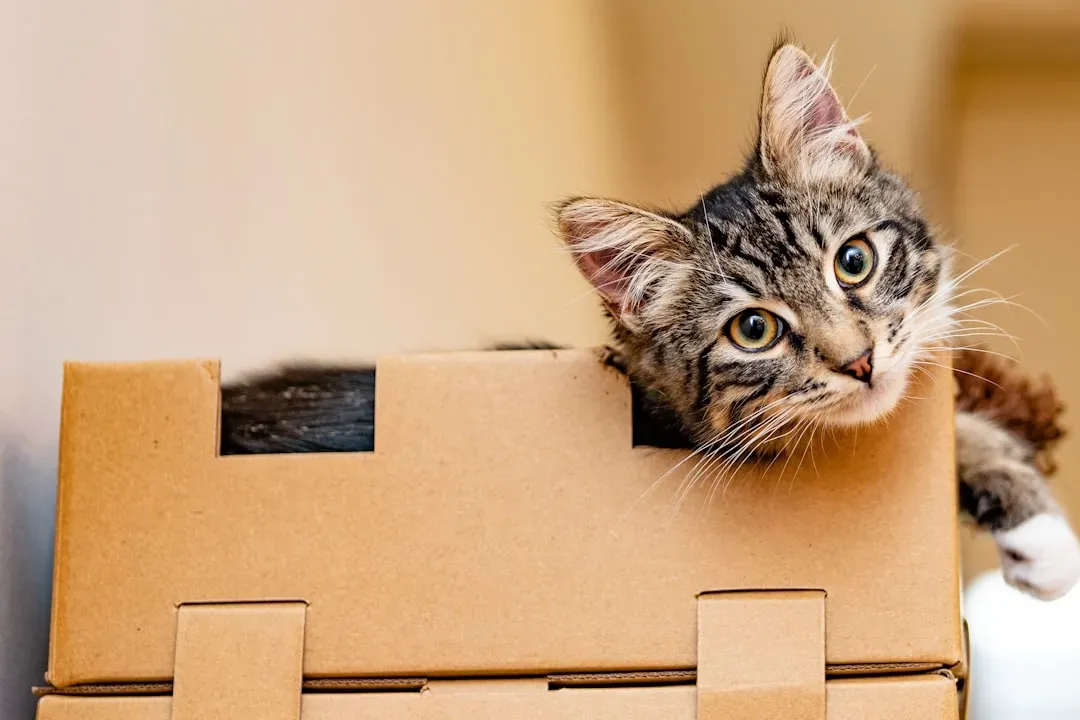
Let’s be real here: life can be overwhelming, even for pampered house cats. A study from the University of Utrecht in the Netherlands showed that newly arrived shelter cats who had access to boxes recovered faster and adapted quicker to their new environment compared to cats who did not have access to boxes. That’s not just anecdotal evidence from cat lovers. That’s actual science backing up what your cat already knew instinctively.
Multiple studies have shown that stress hormones like cortisol are reduced in newly rescued cats when they are given access to a box. Your cat might retreat into a box during thunderstorms, when visitors arrive, or even when you rearrange the furniture. They’re not being antisocial. They’re self-regulating their emotional state using tools evolution gave them millions of years ago.
The Temperature Connection You Didn’t Expect
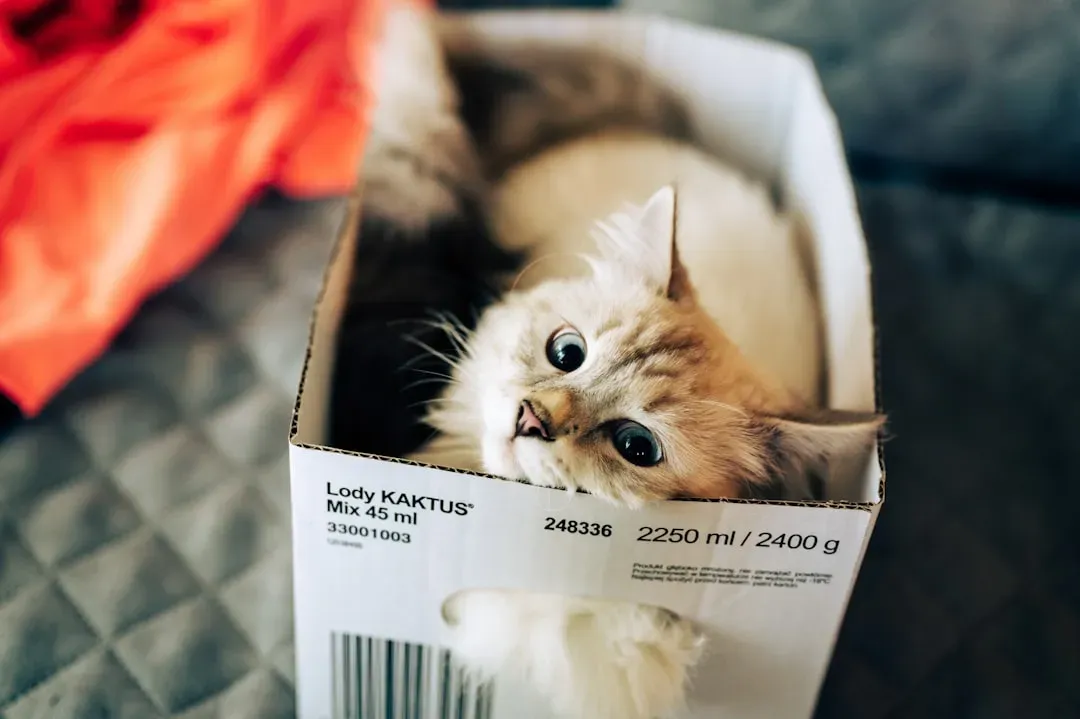
Cats are most comfortable in temperatures between 86–97 F. The same group also found that most cats live in environments maintained at about 72 degrees, which is significantly cooler than their preferred temperature zone. Mind blowing, right? Your house feels downright chilly to your cat.
The cardboard acts like a cozy blanket, trapping the cat’s body heat and acting as an insulator. The confined space of a box forces a cat to curl up into a ball, which also helps to preserve body heat. That bizarre preference for squeezing into impossibly tiny spaces suddenly makes perfect sense. They’re not just seeking security. They’re also chasing warmth in a way that mirrors their desert-dwelling ancestors who needed every trick to conserve energy in harsh climates.
From Kittenhood to Adulthood: Early Imprinting
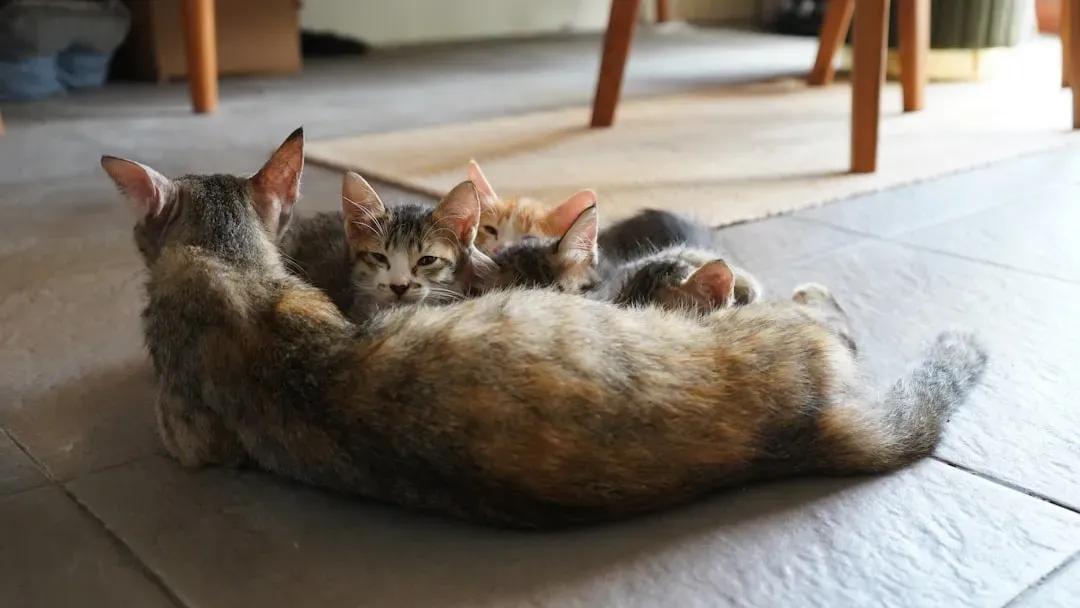
A mother cat will seek out a quiet area to birth her kittens. “Their first experience will be a safe, enclosed space.” This early exposure shapes everything that comes after. Your cat’s very first memories involve being surrounded by warmth, protection, and security in a confined den.
When young, they used to snuggle with their mom and litter mates, feeling the warmth and soothing contact. The close contact with the box’s interior releases endorphins, causing pleasure and reducing stress. It’s almost like a comfort blanket for humans, except far more hardwired into their biology. Even adult cats seek out that same sensation when they need emotional regulation.
Hunting Practice Never Goes Out of Style
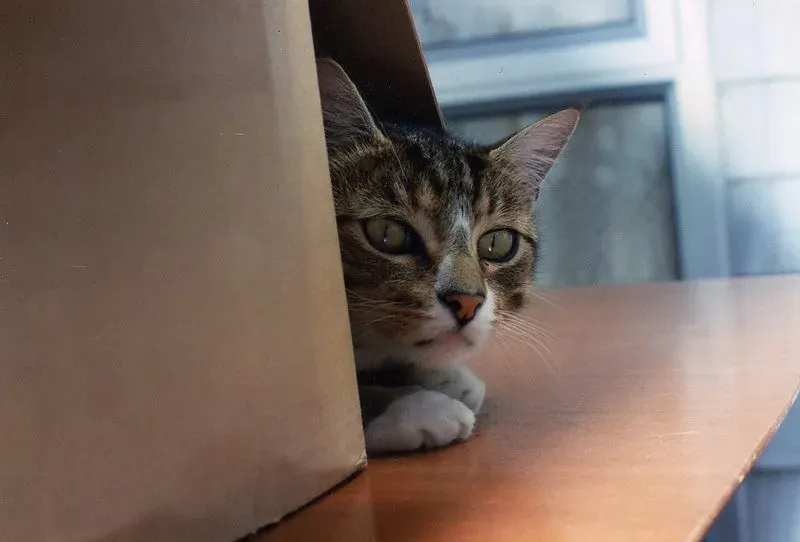
Boxes offer a perfect hunting spot, with walls that shield them from view and an open top that they can use to pounce onto potential prey. Ever noticed your cat crouching in a box, pupils dilated, rear end wiggling before launching at your unsuspecting ankles? That’s not mischief. That’s millennia of predatory refinement in action.
Boxes can stimulate a cat’s hunting instinct, as they provide an ideal vantage point to observe without being seen. This triggers a predatory response, allowing cats to mimic stalking behaviors in a safe environment. Domestic cats may not need to hunt for survival anymore, but their brains still crave that mental stimulation. The box becomes a stage for practicing skills that once meant the difference between eating and starving.
Territorial Control in a Chaotic World
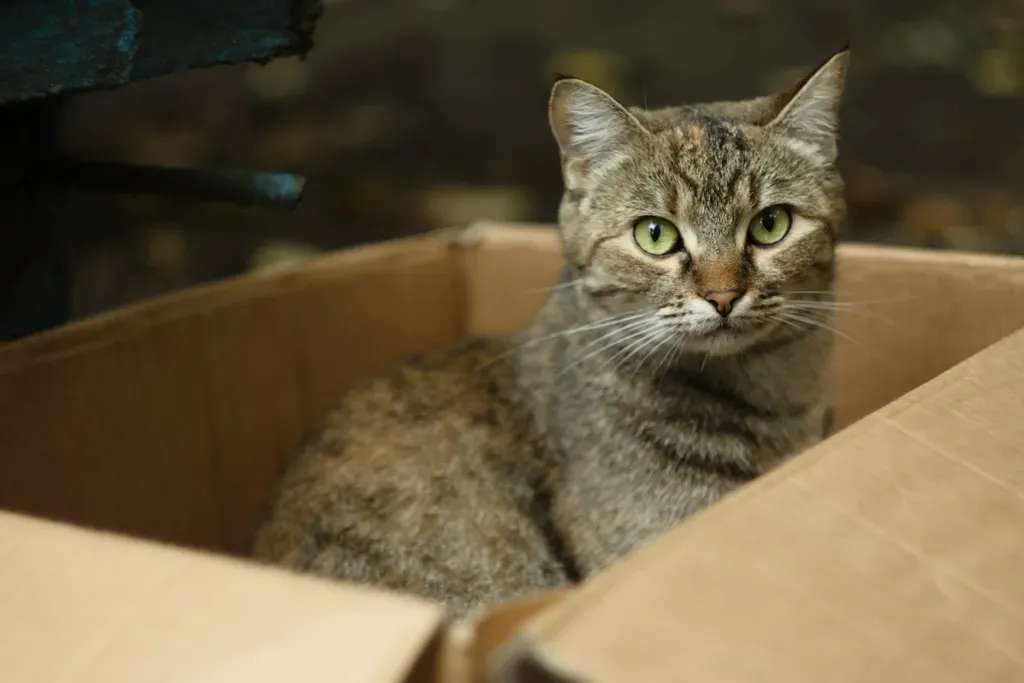
Cats have a strong territorial nature, and boxes may serve as a temporary territory or safe zone within their human households. Your cat doesn’t just live in your home. They’ve mentally mapped every inch of it, claimed certain zones, and established invisible boundaries you probably never noticed.
Cats have scent glands on their faces. When they rub their faces on the sides of a box, they leave behind their scent. This marks the box as their own special domain. That adorable head bonking against cardboard edges? It’s your cat literally stamping “Property of Whiskers” on their chosen refuge. In a world where they control relatively little, that box represents autonomy and ownership on their terms.
Novelty and Mental Stimulation
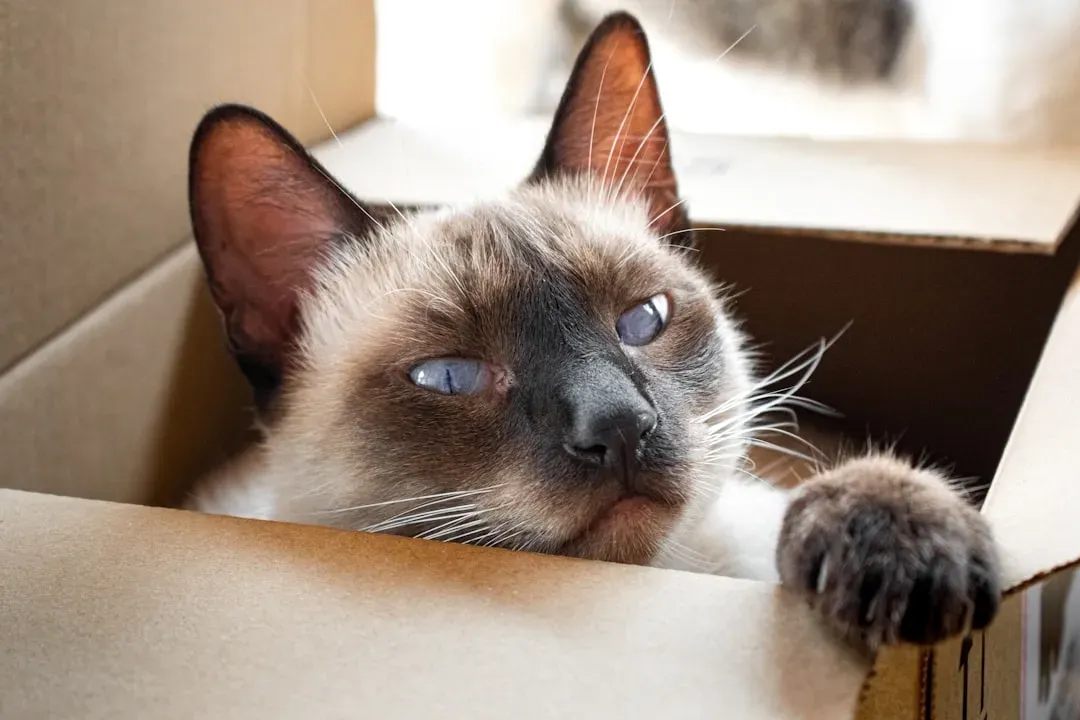
Cats that live indoors know every inch of their kingdom and immediately notice any changes. “For a curious cat, the box is something fun and novel to investigate.” That delivery from your online shopping spree? To your cat, it’s basically Christmas morning wrapped in cardboard.
Cats are curious creatures, and boxes present an exciting world of exploration. Cats love investigating new things, and a new box, with its smells and textures, represents a new puzzle that must be unraveled. Cats may peek or hop into the box to explore it. Indoor life can get monotonous, I know it sounds crazy, but your cat genuinely needs environmental enrichment to stay mentally healthy. A simple box provides endless opportunities for investigation, play, and cognitive engagement.
The Evolutionary Blueprint Never Fades
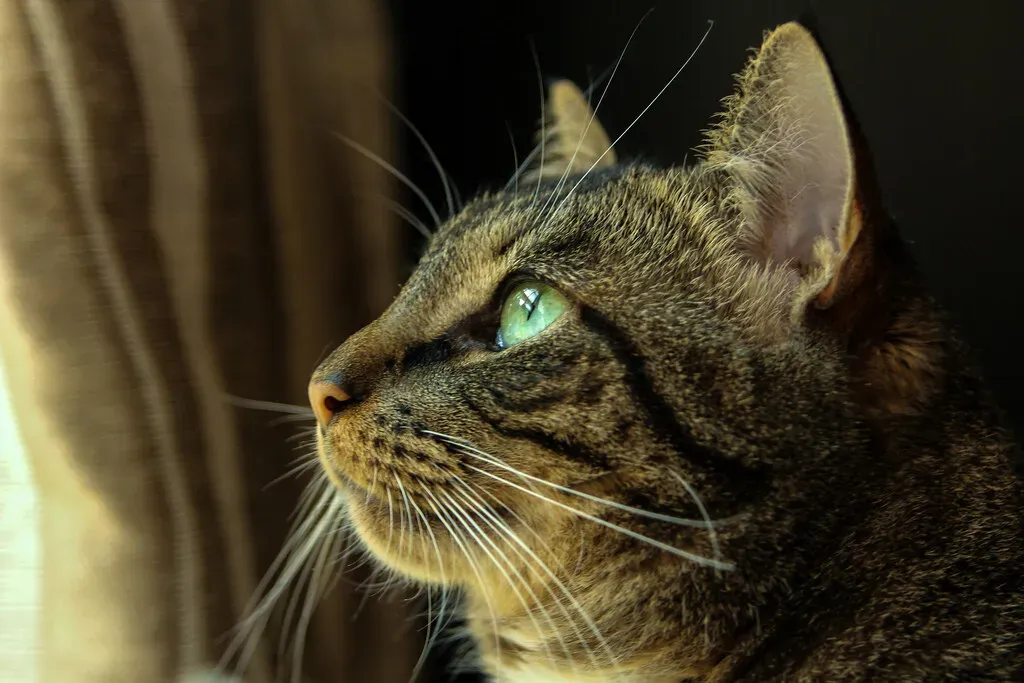
This behavior is not random but deeply rooted in feline evolution. What we’re really witnessing when cats dive into boxes is something profound. These aren’t learned behaviors or trained responses. They’re genetic memories activated by environmental triggers.
The irresistible attraction of boxes to cats can be traced back to their evolutionary roots as solitary hunters and the primal need for safety, territory, and mental stimulation. Your twenty-first-century house cat carries the same neurological wiring as their ancient ancestors who survived in unforgiving landscapes. Those instincts don’t just disappear because we’ve given them comfortable homes and regular meals. They adapt, finding expression in whatever opportunities the modern environment provides, even if that opportunity is a cardboard Amazon box.
Conclusion
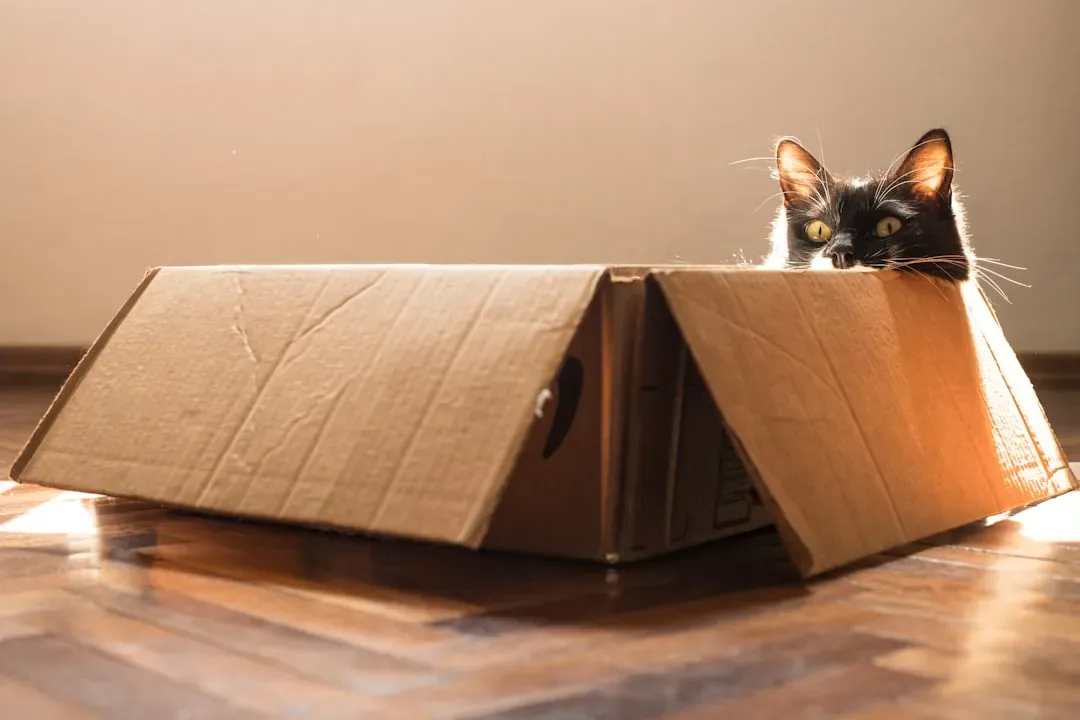
Your cat’s box obsession isn’t silly or random. It is evolution at work. Every time your feline friend squeezes into an impossibly small space, they’re honoring millions of years of survival instinct perfected by their wild ancestors.
Understanding this behavior helps us become better cat companions. Instead of fighting their natural tendencies, we can embrace them by providing appropriate hiding spots, respecting their need for security, and recognizing that what looks like quirky behavior to us is actually sophisticated self-care to them. Next time you catch your cat lounging in a box instead of that expensive bed you bought, remember: you’re witnessing a beautiful connection between past and present, wild and domestic, predator and pet. What do you think about it? Does your cat have a favorite box hideout?
Kristina is a young writer from India. An arts graduate and an avid content creator, Kristina is passionate about animals and wildlife. She enjoys exploring topics related to pet care, animal behavior, conservation, and nature, combining thorough research with engaging storytelling.