Your cat’s whiskers aren’t just adorable facial accessories. They’re a complex communication system that reveals what’s really going on inside your furry companion’s mind. Every slight movement, every subtle shift tells a story if you know how to read it.
These specialized sensory organs develop first in the womb, which tells us something crucial about their importance. Think about it for a moment. Before your cat even had fur or claws, nature made sure they had whiskers. So let’s dive into what those mysterious facial features are actually trying to tell you every single day.
Forward Facing Whiskers Mean Your Cat Is On The Hunt
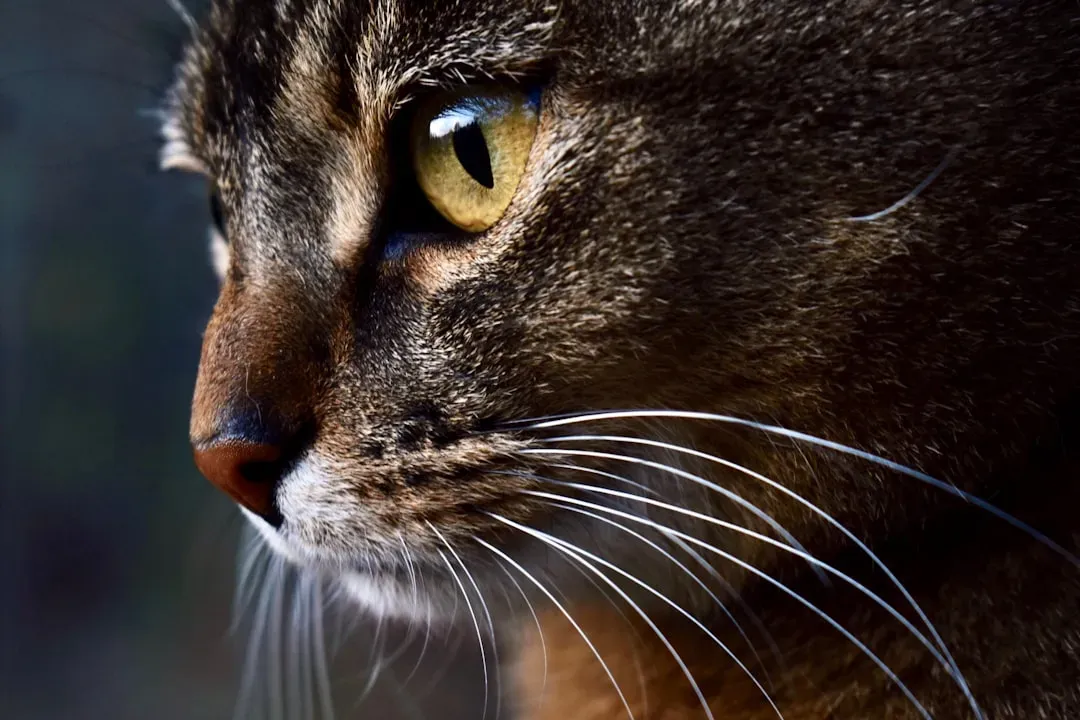
When your cat’s interest is engaged, their whiskers pull forward and fan out, creating what honestly looks like a tiny radar array. This position indicates curiosity or a hunting mode, whether they’re stalking a toy mouse across your living room floor or watching a bird through the window. The muzzle often appears slightly plumped up during these moments.
Here’s the thing about this whisker position. Whiskers detect the slightest movement, aiding in pinpointing prey, which means your cat is in full predator mode. You might notice this same whisker stance when they’re intensely focused on something that caught their attention. It’s basically their way of saying they’re completely locked in and ready to pounce.
Relaxed Side Whiskers Signal A Content Cat
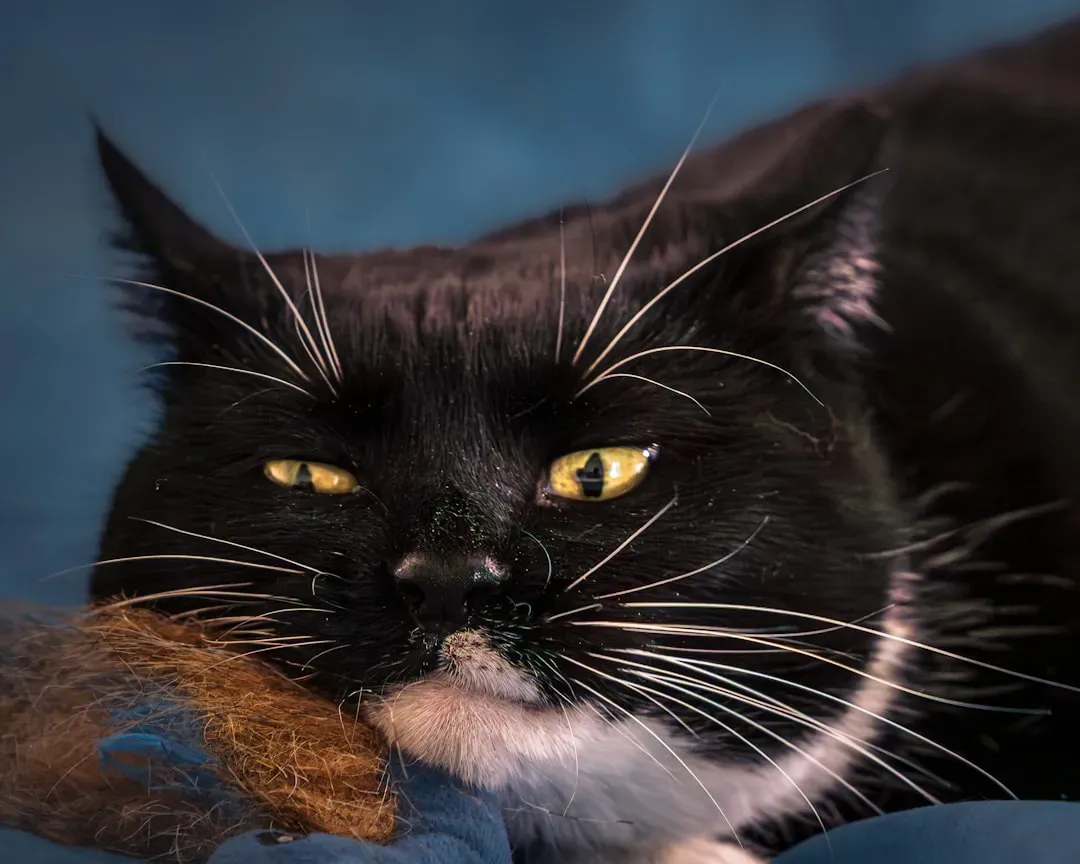
In a happy, contented, or relaxed cat, whiskers are in a neutral position slightly to the side. This is what you want to see most of the time. When your kitty is in a state of bliss, their whiskers will be in a natural, relaxed position, gently fanning out to the sides. Honestly, it’s one of the most reassuring sights for any cat owner.
Think of this position as your cat’s default setting when everything is right with their world. When the whiskers are hanging loosely on either side, a cat is probably relaxed. They’re not on alert, not stressed, just peacefully existing in your space. Pay attention to this baseline because it’ll help you recognize when something changes.
Whiskers Pulled Back Against The Face Reveal Fear Or Anxiety
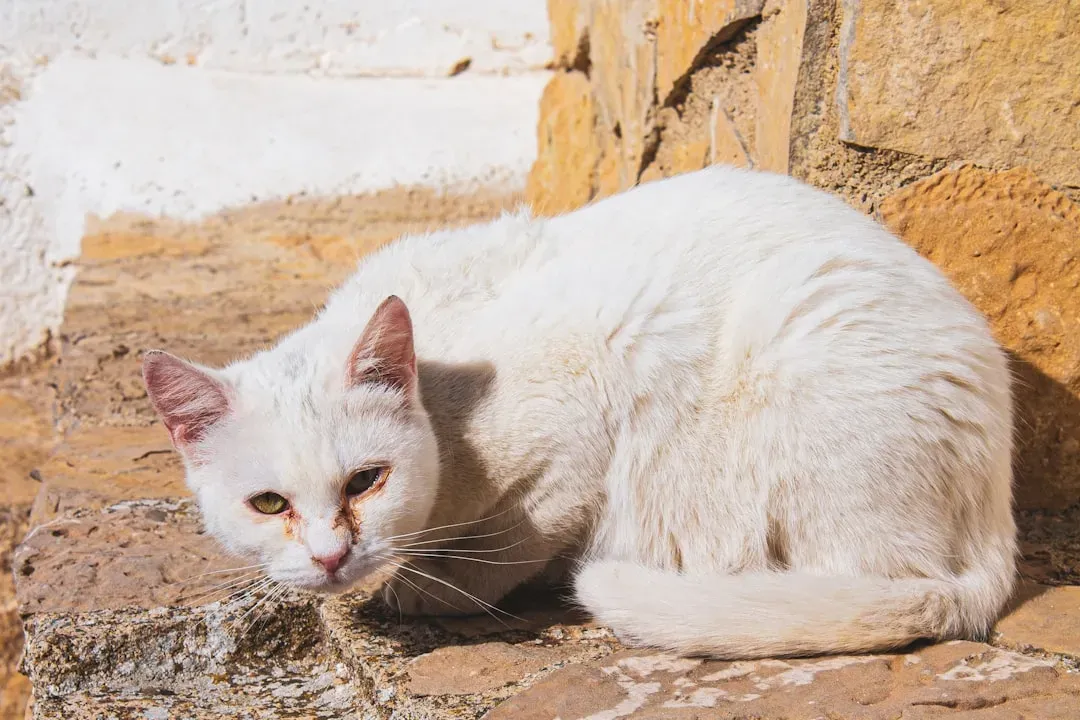
As fear, anxiety, and stress increase, whiskers begin to move slightly back. If the whiskers are pushed back, then they might be feeling anxious or scared. This is your cat’s way of making themselves appear smaller and less threatening when they feel vulnerable.
Let’s be real here. Whiskers pulled back help the cat’s face appear smaller and non-threatening, which is a defensive posture. If you notice this position, your cat is telling you they need space and reassurance. When your cat walks around or sleeps with her whiskers pressed back against her cheeks, that normally means she’s feeling unhappy. It’s usually best to leave them alone until they feel safe again.
Tightly Flattened Whiskers Are An Aggression Warning
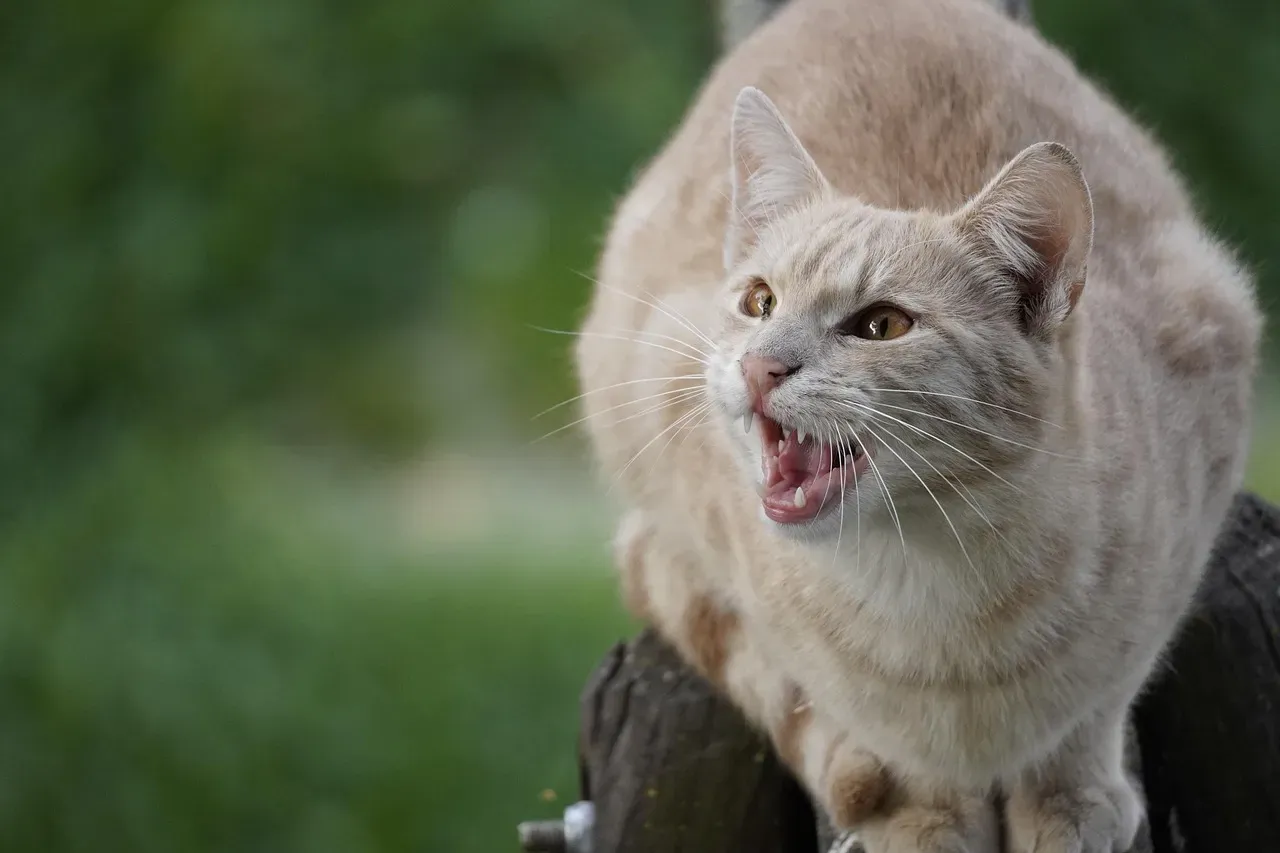
Whiskers pulled back tightly to the face signal aggression. This isn’t the same as the gentle backward movement you see with fear. When getting ready for battle or is frightened, the whiskers are flattened against the face to prevent damage to them. Your cat is essentially protecting these sensitive organs while preparing for conflict.
Here’s what makes this particularly important to recognize. Pinned back whiskers signal fear, aggression, or irritation, and you need to heed this warning. In the case of offensive aggression, whiskers and ears point forward, creating a different picture altogether. The context matters enormously when reading these signals.
Twitching Whiskers Show Excitement Or Intense Focus
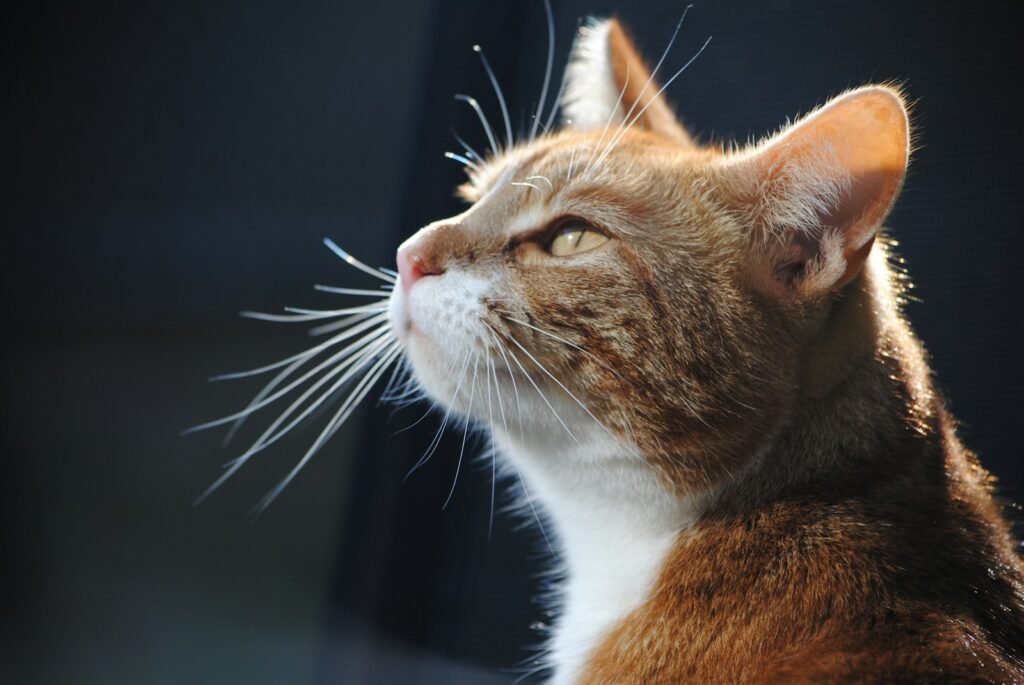
Twitching whiskers reflect excitement or playful moods. Twitching or vibrating whiskers usually indicate heightened excitement or intense focus, especially during play or when tracking something interesting. It’s actually fascinating to watch because you can literally see your cat’s sensory system working in real time.
I think this is one of the most endearing whisker positions because it shows your cat is fully engaged and having fun. You might notice this during play sessions when they’re chasing a feather toy or watching something move rapidly. The whiskers are basically responding to all the stimulation and processing information at lightning speed.
Straight Forward Whiskers Can Mean Anger
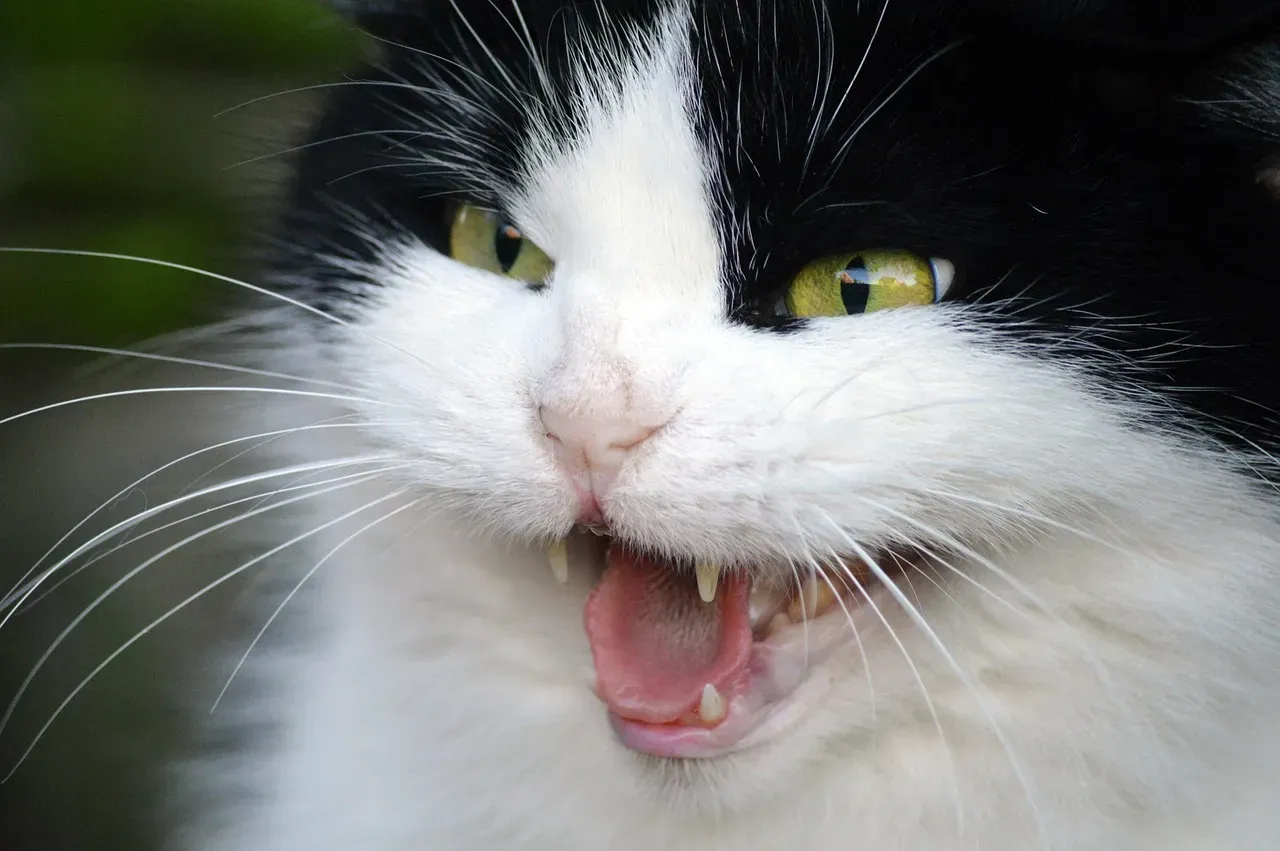
Whiskers that are held straight forward indicate anger. This differs from the curious forward stance because the overall body language will be tense rather than playful. The whiskers aren’t just forward, they’re rigid and held in a challenging position.
This is where reading the whole picture becomes essential. Forward whiskers combined with flattened ears and dilated pupils paint a very different picture than forward whiskers with a relaxed body. Context is everything when interpreting feline body language, and whiskers are just one piece of the puzzle.
Whiskers Moving Forward During Pain
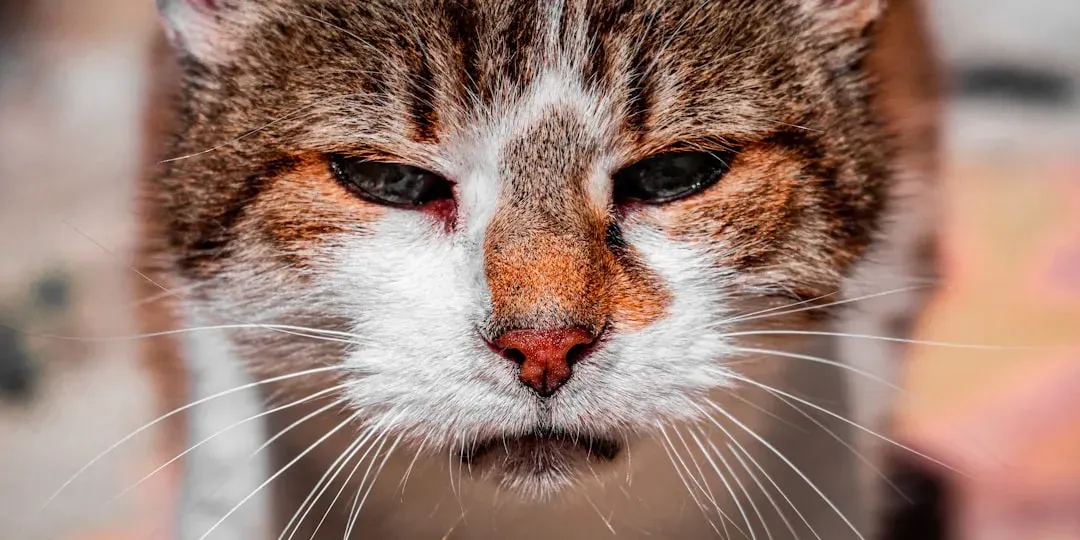
The facial expression of a cat in pain shows physical changes in increased nose, cheek, and muzzle flattening while whiskers move from sideways to forward. A cat in pain or discomfort may straighten and shift their whiskers forward with less distance between each one. The face appears tense overall.
Let’s be honest, this is one of the more difficult signals to spot because cats are masters at hiding pain. Cats wear a stoic mask to conceal pain, making whisker position all the more important to monitor. If you notice this positioning along with behavioral changes, it’s time to contact your veterinarian immediately.
Whiskers Positioned Perpendicular Mean Neutral Feelings
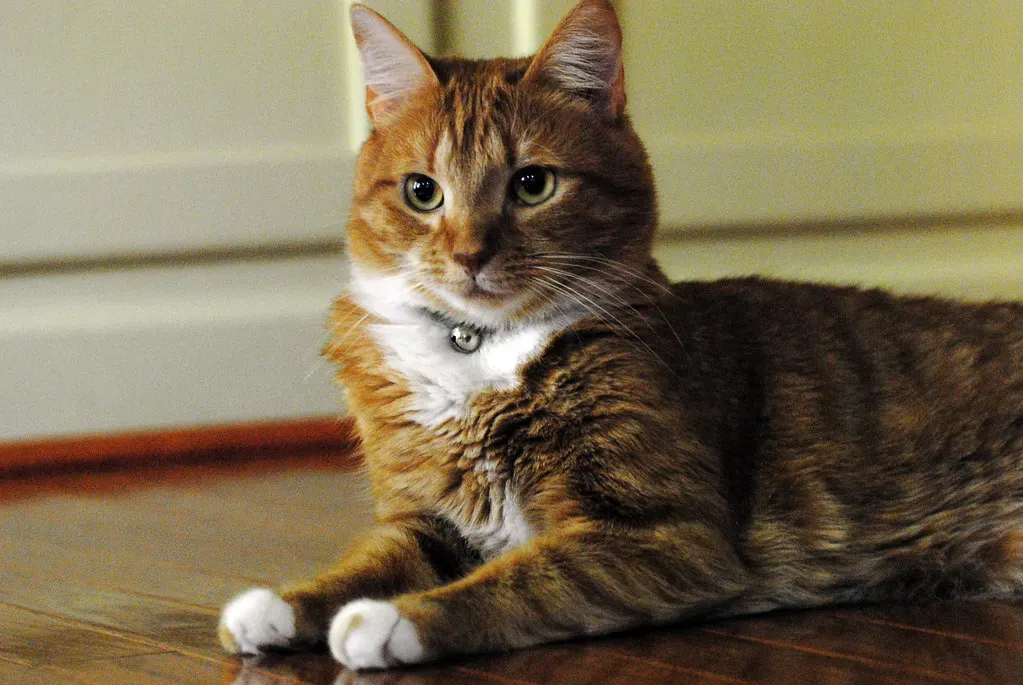
If your cat’s whiskers are straight to the side, perpendicular to the nose, it means your cat is fine – they’re not experiencing any strong feelings, either good or bad. This is essentially the Switzerland of whisker positions. Your cat is just existing without any particular emotional state dominating.
Think of this as your cat being in observer mode. They’re awake and aware but not particularly invested in what’s happening around them. It’s different from the relaxed position because there’s less of that gentle droop or curve to the whiskers. They’re simply there, doing their job of gathering sensory information without emotional coloring.
Whiskers Pulled Back During Eating Are Normal
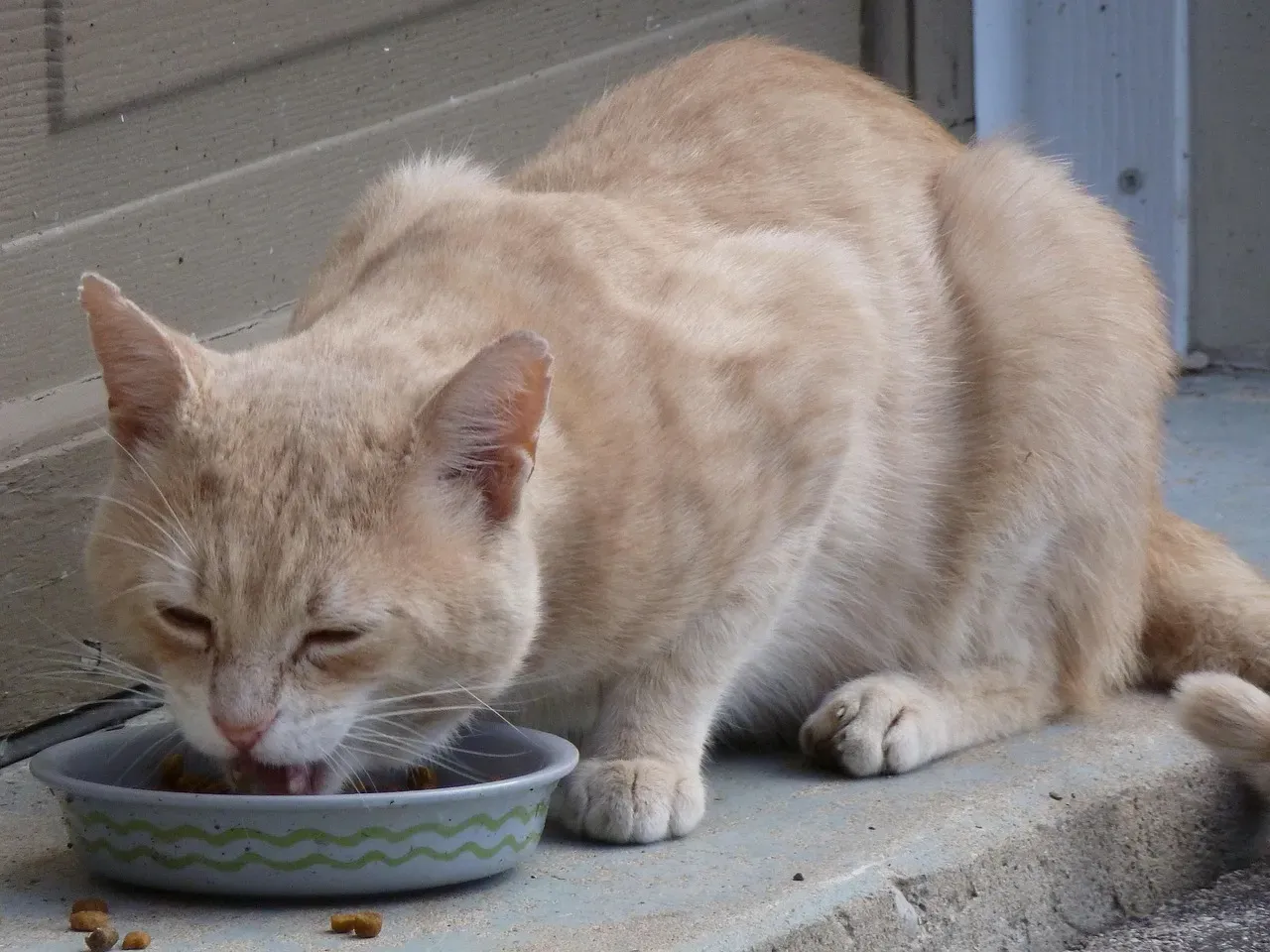
Here’s something that confuses many cat owners. Most cats will pull their whiskers back to stop them getting in the way when they are, for example, sniffing around, eating or drinking. This isn’t a sign of unhappiness or stress in this specific context.
Pay attention to what’s going on around your cat. If those flattened whiskers appear during mealtime or when they’re investigating something closely, that’s completely normal behavior. It’s practical rather than emotional. The whiskers are just being tucked out of the way so they don’t interfere with the task at hand.
Stressed Whiskers Become More Rigid
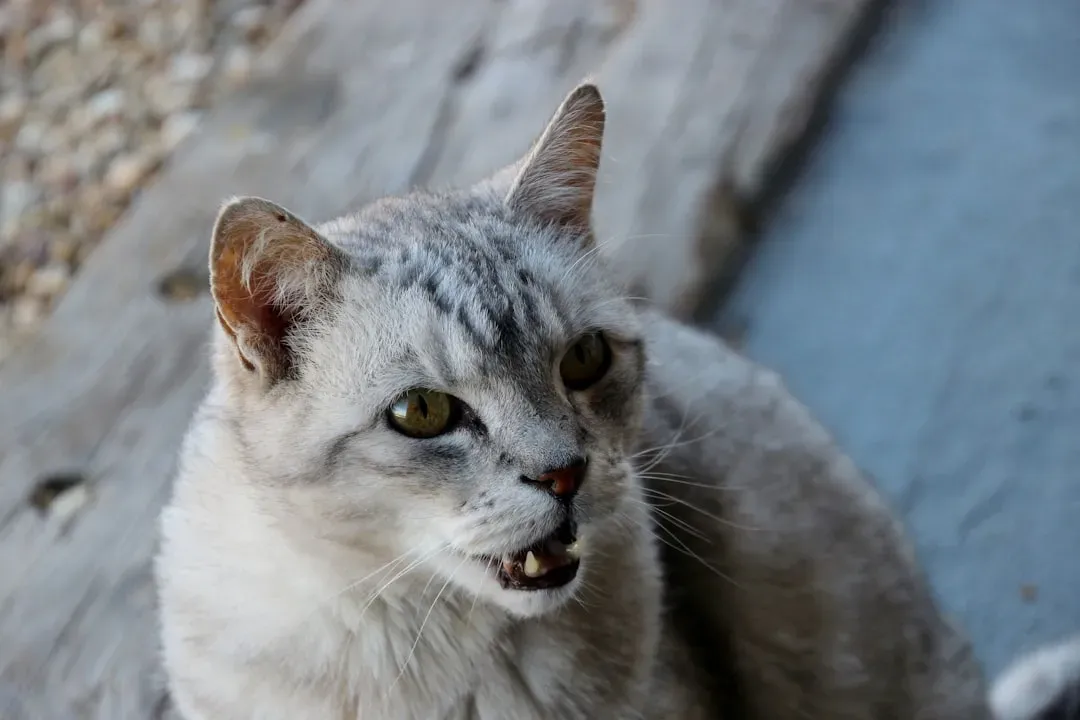
When cats are stressed or anxious, their whiskers tend to become more rigid and point forward. The muscles around the whisker pads tighten up, making the whiskers stand out more. It’s like their whiskers are on high alert, matching their internal state of tension.
This rigidity is different from the forward position you see during hunting or curiosity. The whiskers lack that natural flexibility and seem almost frozen in place. If you see your kitty’s whiskers looking like they’re ready for a fencing match, it might be time to check what’s causing the stress in their environment.
Drooping Whiskers May Signal Health Problems
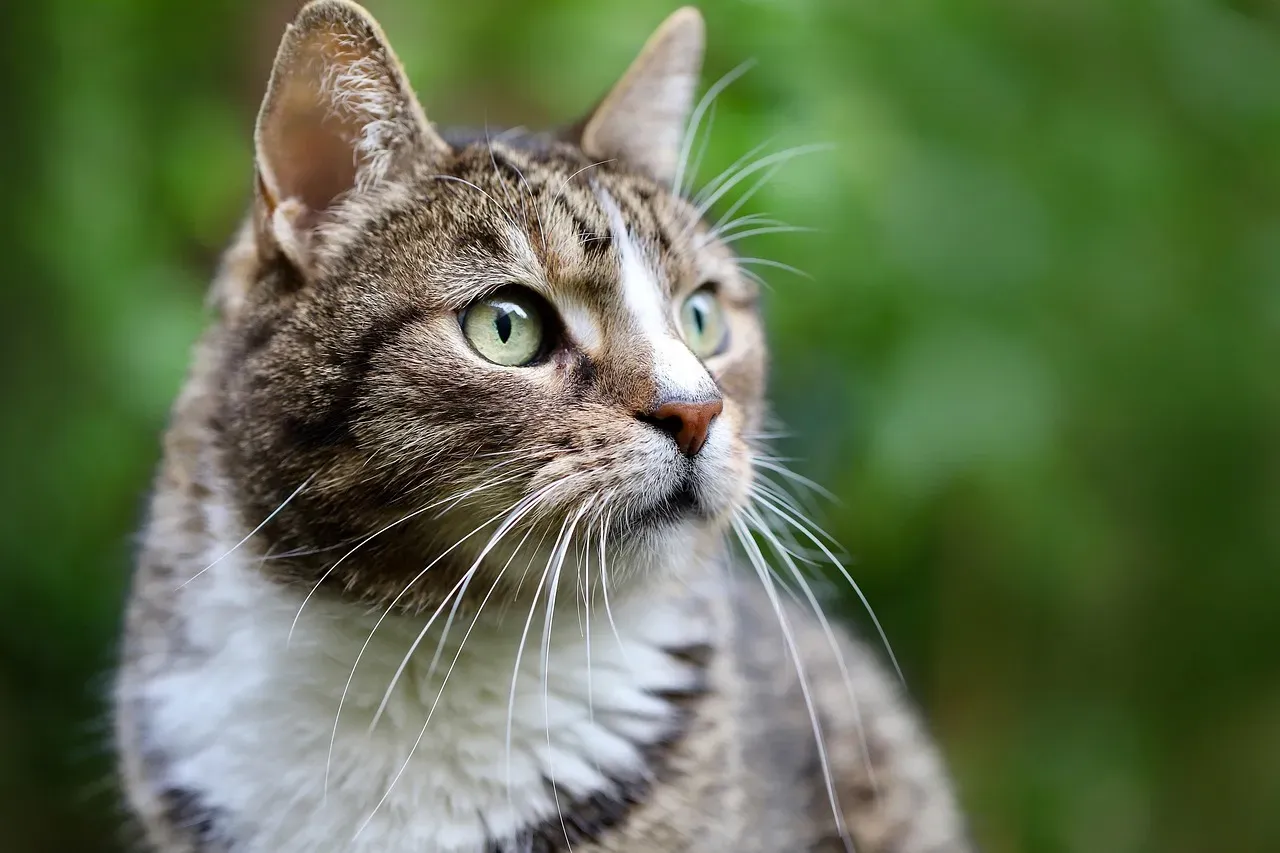
Drooping or damaged whiskers may signal physical distress or illness. While whiskers do naturally shed and regrow, unusual drooping or multiple damaged whiskers warrant attention. The state of a cat’s whiskers can be a health indicator that shouldn’t be ignored.
Here’s what I find particularly important about this signal. Unlike the other whisker positions that reflect temporary moods, drooping whiskers might indicate something more serious is going on. If you notice this along with other changes in behavior, appetite, or energy levels, don’t wait to consult your veterinarian. Your cat’s whiskers might be the first warning sign of an underlying health issue.
Understanding Whiskers Creates Stronger Bonds
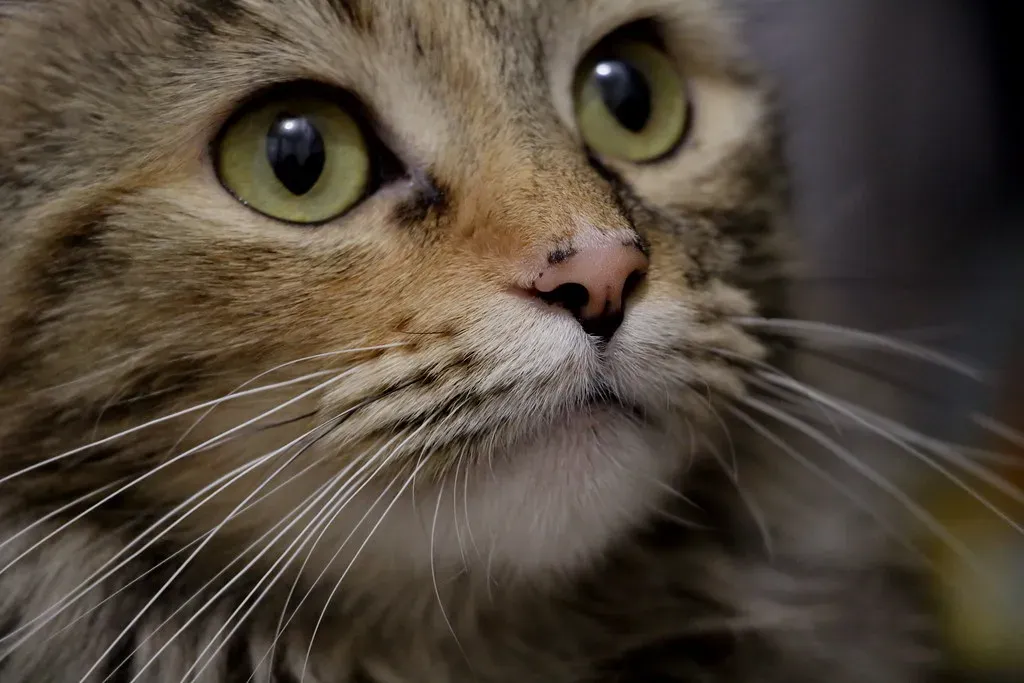
Whiskers are a window into a cat’s emotional world, and by observing the subtle changes in their position and movement, cat owners can gain insights into their pet’s feelings and needs. This knowledge transforms your relationship because you’re no longer guessing what your cat wants or feels.
By observing whisker position, owners can better understand their cat’s mood and avoid unwanted behavior. The more time you invest in watching and learning your specific cat’s whisker language, the more fluent you’ll become in feline communication. Remember though, whiskers work together with ears, tail, and overall body posture to tell the complete story.
So what do you think about your cat’s secret whisker language now? Have you been missing these subtle signals all along? Next time you’re with your feline friend, take a moment to really observe those magnificent whiskers. You might be surprised by how much they’re actually saying. What whisker position do you notice most often in your cat?
Kristina is a young writer from India. An arts graduate and an avid content creator, Kristina is passionate about animals and wildlife. She enjoys exploring topics related to pet care, animal behavior, conservation, and nature, combining thorough research with engaging storytelling.