You probably think you’re the one in charge of your household. You buy the food, you clean the litter box, you make all the important decisions. Think again.
Scientific studies have determined that cats can manipulate and control humans in small and subtle ways. Your furry companion has been training you since day one, fine-tuning your responses to their needs with the precision of a master psychologist. When cats communicate with humans, they do so to get what they need or want, such as food, water, attention, or play. The genius part? You never even realized it was happening. Let’s dive into the secret feline curriculum that’s been shaping your behavior all along.
1. The Solicitation Purr: Your Cat’s Secret Weapon
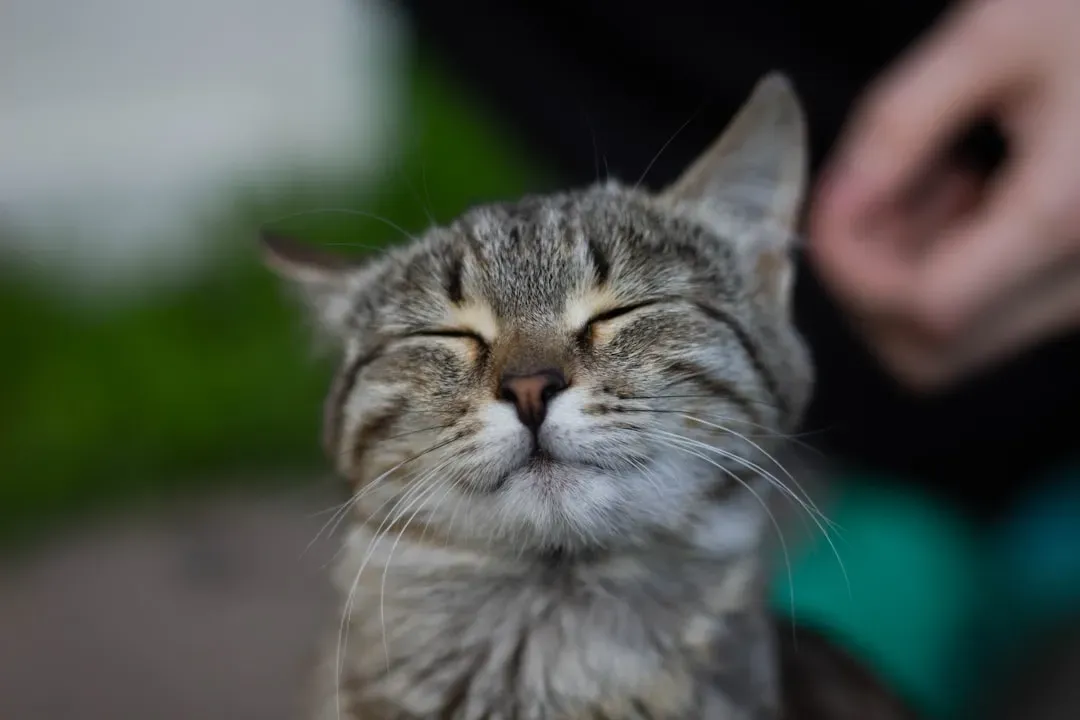
The “solicitation purrs” are based on the same low-pitched sounds that contented moggies make, but embedded within them is a high-pitched signal that sounds like a cry or a meow. It’s honestly brilliant when you think about it. Your cat has figured out how to hijack your parental instincts by mimicking the frequency of a crying baby. The frequency is actually very similar to that of a crying infant, so small wonder that it tugs on the human heartstrings.
Cats learn to dramatically exaggerate it when it proves effective in generating a response from humans. This isn’t some instinctive behavior they’re born with. They’re actively experimenting with you, testing what works and what doesn’t. The most successful manipulators? Cats that have a one-on-one relationship with their owners rather than those living in large households, where their purrs might be overlooked.
2. The Meow That Exists Only for You
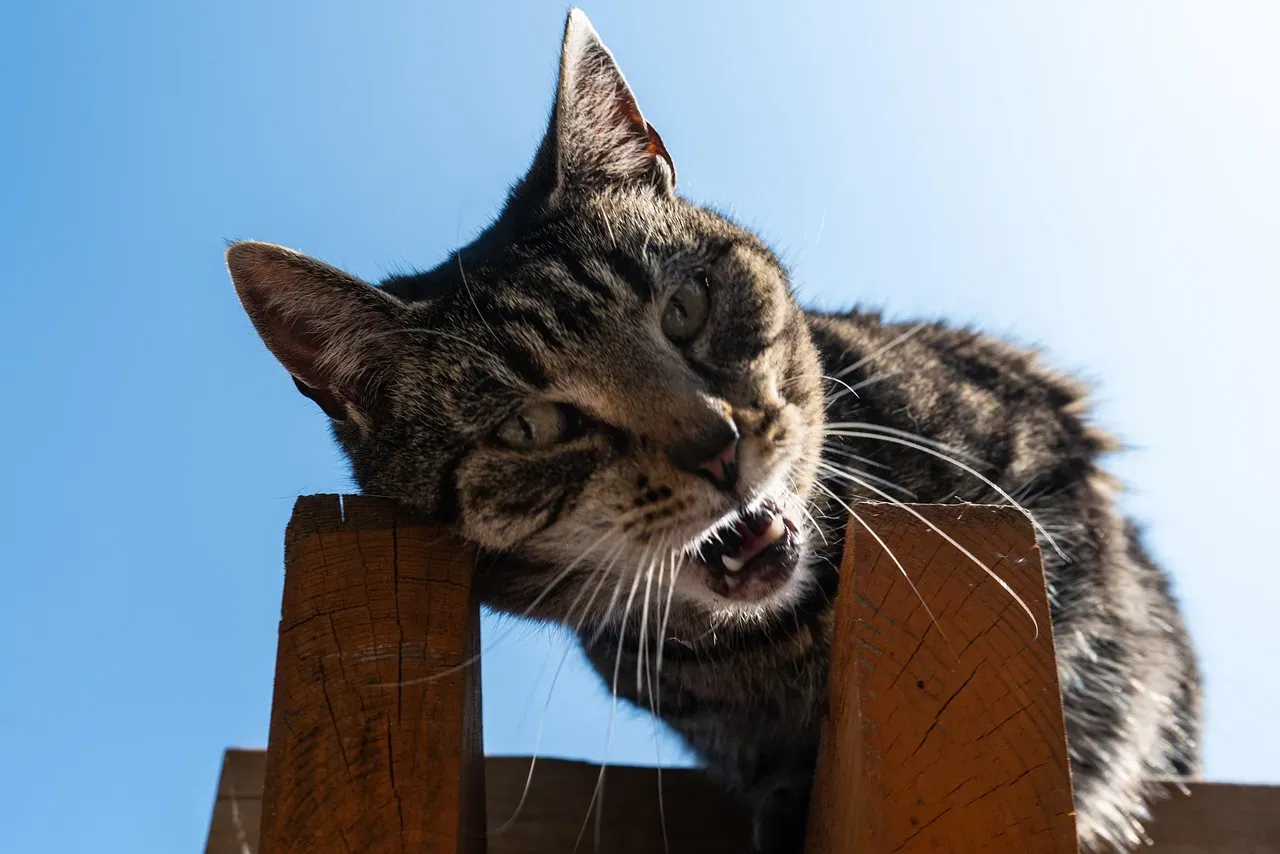
Here’s something that might surprise you: Adult cats only meow at humans, never other cats, but kittens will meow at their mother. Studies have found that cats meow at their owners, but not at each other – it is a very human-centric sound. Your cat literally developed an entire communication system designed specifically for manipulating you. Wild cats don’t meow at each other like this. Domestic cats tend to meow much more than feral cats.
Cats can observe our behavior in a process called ‘social referencing.’ This is something that children learn and use right into adulthood. As they are clever enough to put our behavior in context, they can train themselves to behave in a manner that triggers those behaviors. They’ve learned which specific meows get them fed, which ones get the door opened, and which ones get you off the couch at three in the morning. It’s honestly impressive, if slightly terrifying.
3. The Strategic Slow Blink
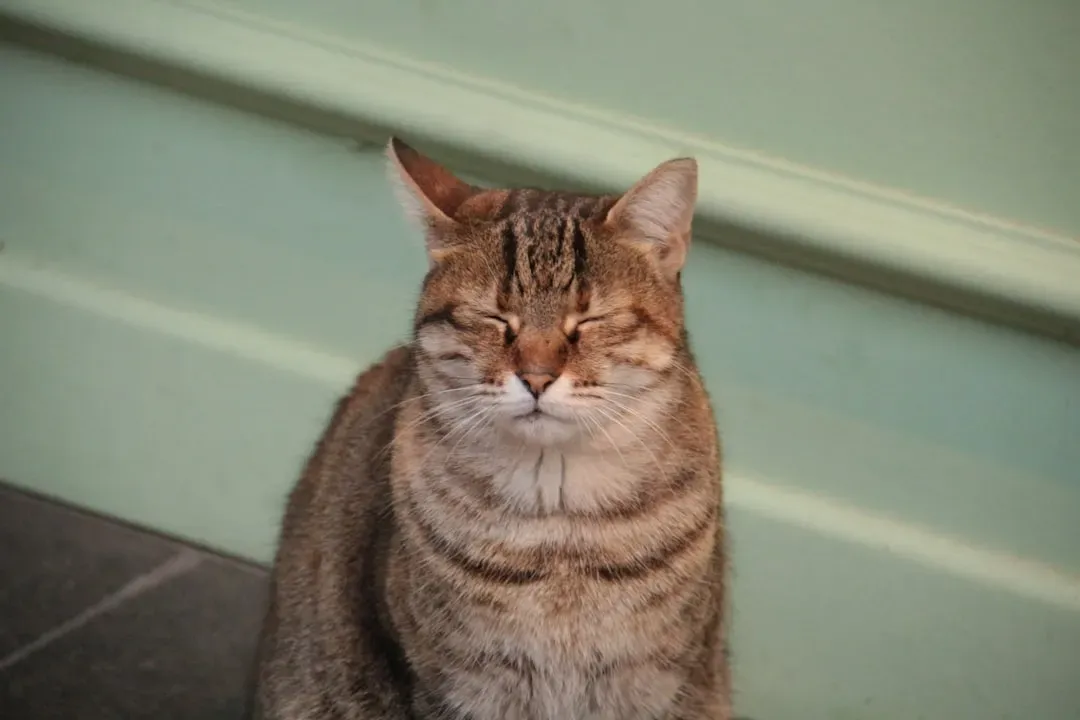
You know that moment when your cat stares at you and slowly closes their eyes? Studies show that cats use slow blinking as a way to bond with humans, signaling trust and affection while also ensuring more attention and care. It feels like a genuine expression of love, right? Well, it is – but it’s also a calculated move.
When humans slow blink at cats, the cats are more likely to approach and return the gesture. Your cat has trained you to engage in this behavior exchange, strengthening your bond and making you more likely to respond to their future requests. Let’s be real, after your cat gives you a slow blink, aren’t you more likely to give them treats or extra attention? They know exactly what they’re doing.
4. Mastering the Art of Reciprocity
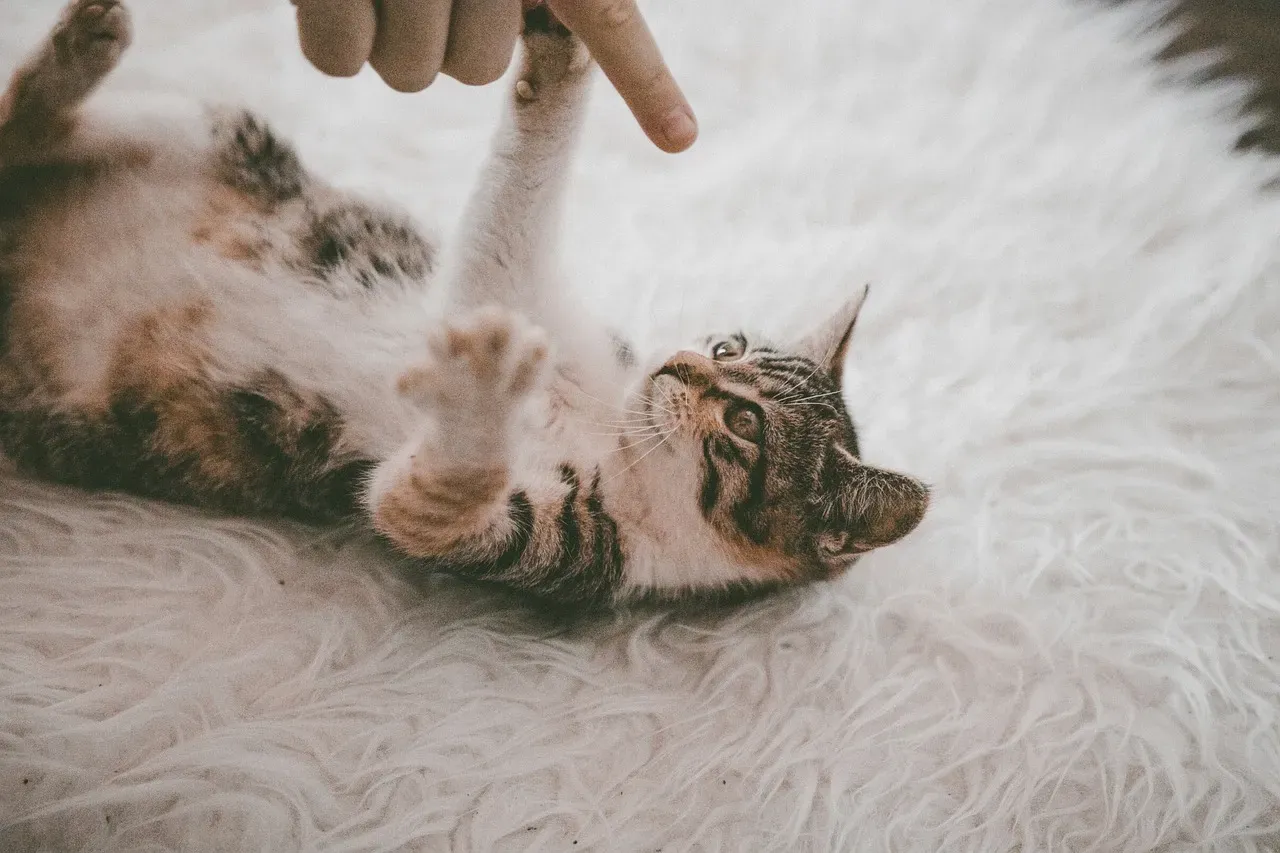
If owners comply with their feline’s wishes to interact, then the cat will often comply with the owner’s wishes at other times. The cat may also “have an edge in this negotiation,” since owners are usually already motivated to establish social contact. Your cat is basically running a favor-based economy in your home. They’ve figured out the principle of give and take, except the scales are usually tipped in their favor.
Cats and their owners strongly influence each other, to such a degree that they were each often controlling the other’s behaviors. Extroverted women with young, active cats enjoyed the greatest synchronicity, with cats in these relationships only having to use subtle cues, such as a single upright tail move, to signal desire for friendly contact. The more you live together, the more finely tuned this system becomes. Eventually, your cat barely needs to try anymore because you’ve been so thoroughly trained.
5. Deploying Their Baby Schema Advantage
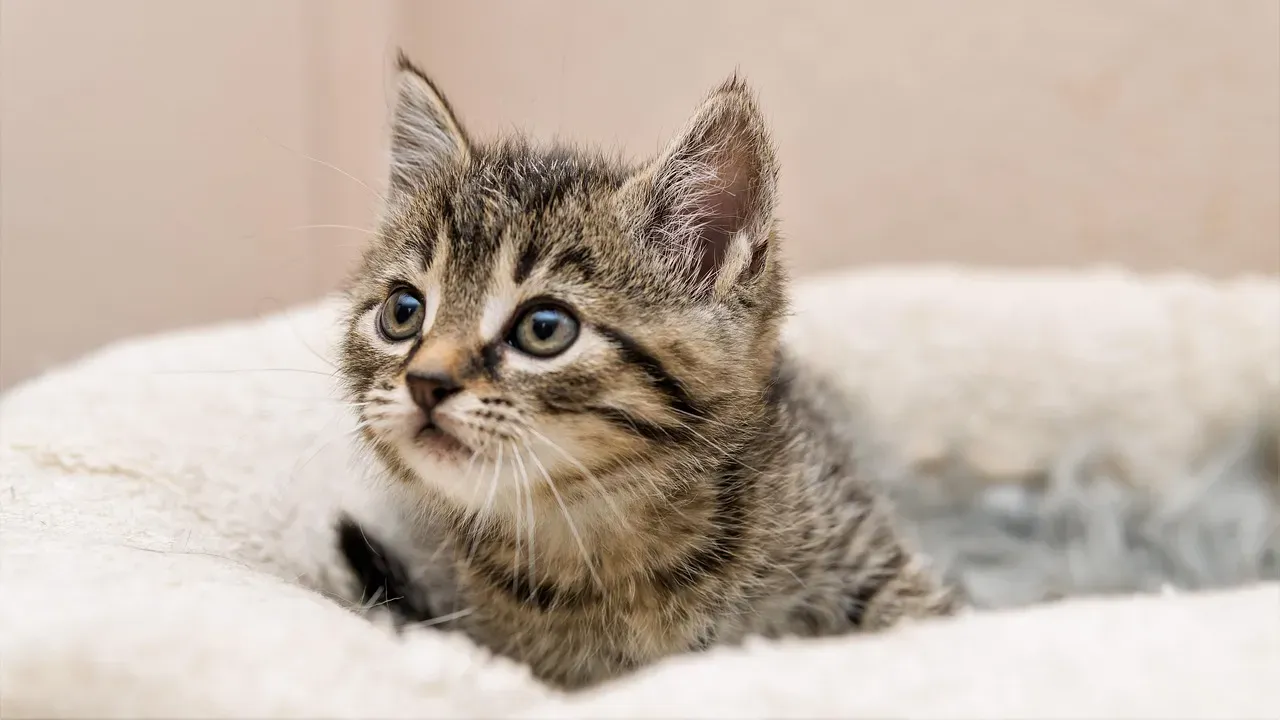
Cats have physical traits that resemble those of infants, referred to as kinderschema or baby schema. The baby schema includes a large head, a round face, and big eyes. This isn’t accidental. Cats elicit this nurturing behavior in humans. Those big eyes and round faces trigger the same protective instincts you’d have toward a human infant.
Your cat didn’t consciously design their face, obviously, but through the process of domestication, the cats that looked more baby-like probably received better treatment and care. Now you’re hardwired to respond to that adorable face with patience, affection, and an open wallet at the pet store. They’re essentially exploiting your evolutionary programming, and honestly, you can’t even be mad about it.
6. Controlling When Play Begins and Ends
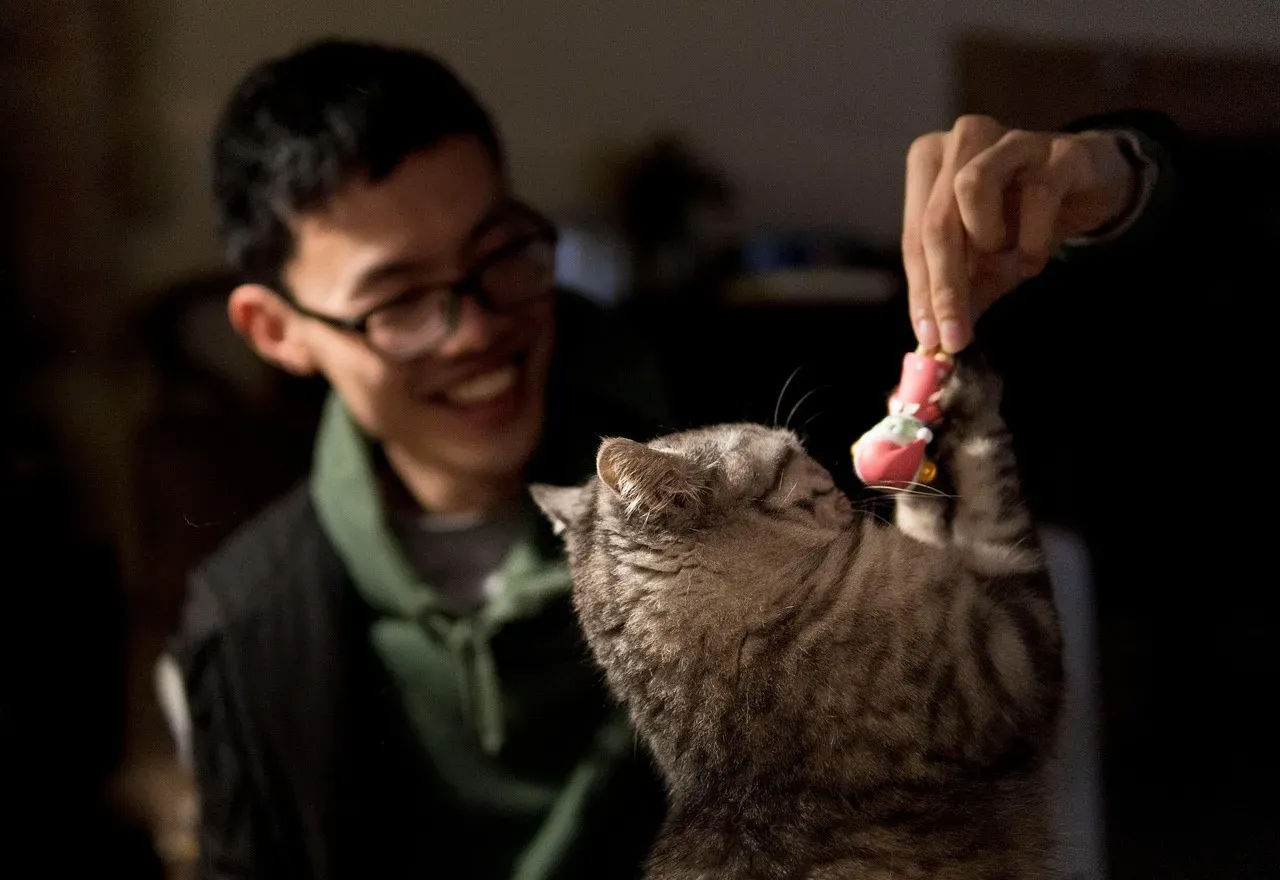
Cats initiated and terminated fetching bouts more often than did their owners. Thus, cats who fetch demonstrate independent and co-ordinated agency in the onset and maintenance of fetching behavior with their human partners. Even during activities that seem like mutual fun, your cat is the one calling the shots. The overwhelming majority (94.4%) of these owners report that fetching emerged in the absence of explicit training.
You probably think you’re playing with your cat, but really, your cat is allowing you to participate in their play session on their terms. The moment they’re done? They walk away, leaving you standing there with a toy mouse in your hand like a confused vending machine. They’ve trained you to be available for entertainment whenever they decide they want it.
7. The Perfectly Timed Head Boop
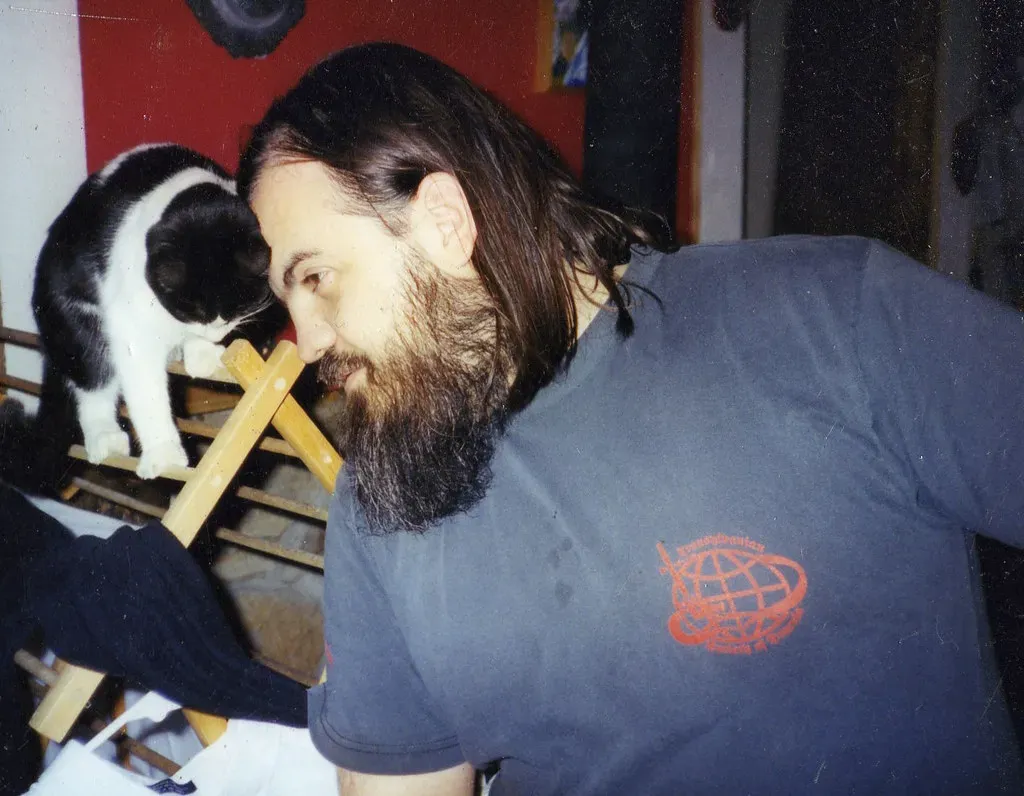
When your cat rubs their head and body along you, they are releasing pheromones, marking you as a bonded, trusted, and safe member of their social group. Sweet, right? Absolutely. But there’s more to it. Head boops: A sign of affection, but also a way to mark you as “theirs.”
Your cat head-butts you right before dinner time, or when you’re sitting in their favorite chair, or when they want access to a closed room. They’ve learned that this gesture softens you up, makes you more compliant. After a gentle head boop, you’re far more likely to get up and refill the food bowl or open that closet door. It’s affection mixed with strategy, and it works every single time.
8. Training You Through Escalation
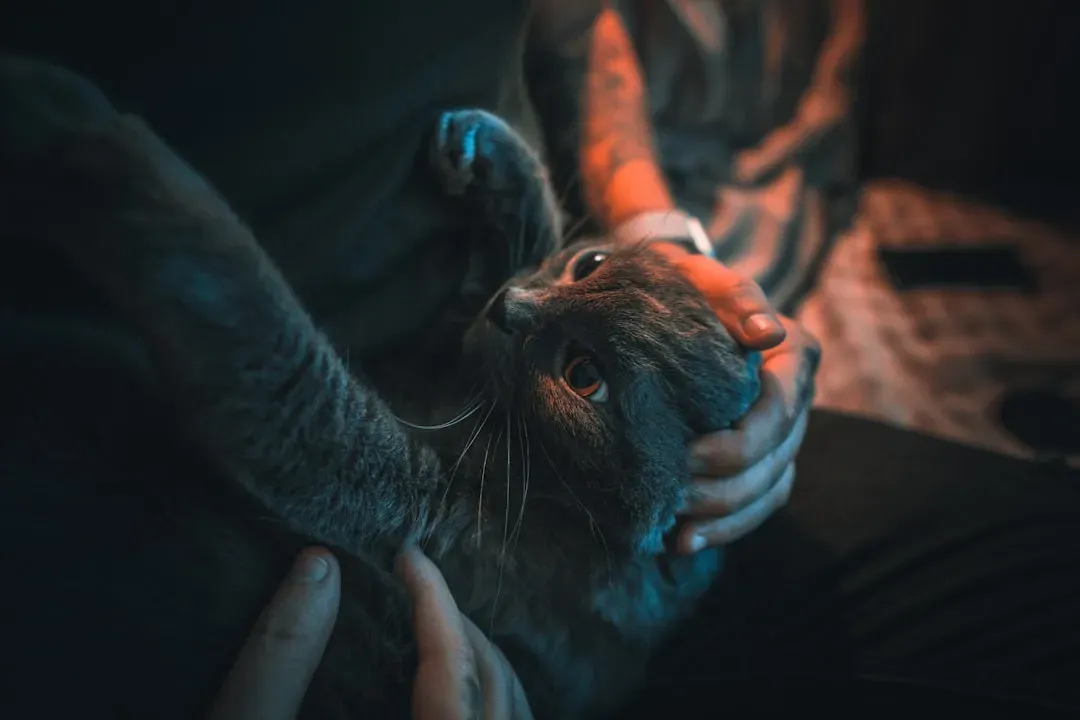
Cats are excellent at understanding the concept of escalation. They start with a polite meow. You ignore it. They try a louder meow. Still nothing. Then comes the paw tap on your face. Then knocking something off the counter. They’re systematically teaching you that responding to the early, quieter signals will prevent the more disruptive behaviors.
The depressive owner initiates fewer interactions with the cat, but when the cat approaches that person, s/he accepts the intent of the cat to interact, which affects the human’s mood. The cat also changes its behavior in response to depressiveness of the human when close to the person, vocalizing more frequently with the person and head- and flank-rubbing more often on that person. They adapt their strategies based on your responses and moods. You’re being conditioned through a carefully calibrated system of escalating demands.
9. The Gender-Specific Training Program
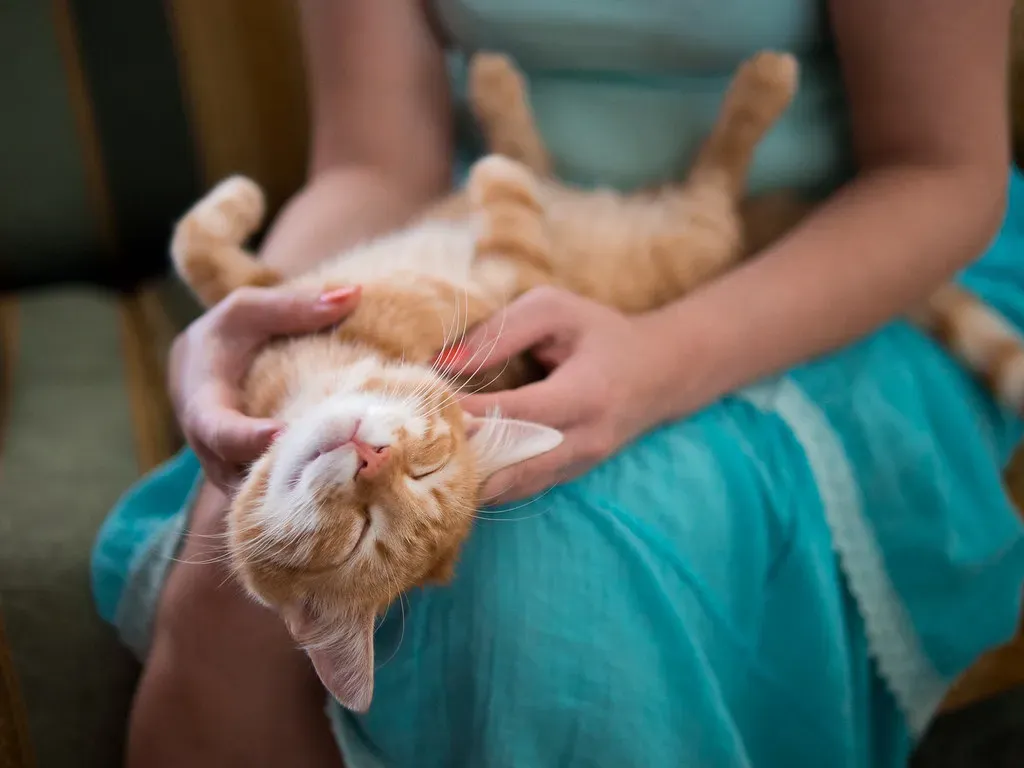
Cats approach female owners more frequently, and initiate contact more frequently (such as jumping on laps) than they do with male owners. Female owners have more intense relationships with their cats than do male owners. Your cat has figured out that different humans in the household respond to different tactics. They’re not just training one person – they’re running multiple training programs simultaneously.
Relationships between cats and their owners mirror human bonds, especially when the owner is a woman. Cats hold some control over when they are fed and handled, functioning very similar to human children in some households. They’ve essentially slotted themselves into your family structure in whatever role gets them the most benefit. Depending on who you are and how you respond, they adjust their training methods accordingly.
10. Using Social Referencing to Read Your Reactions
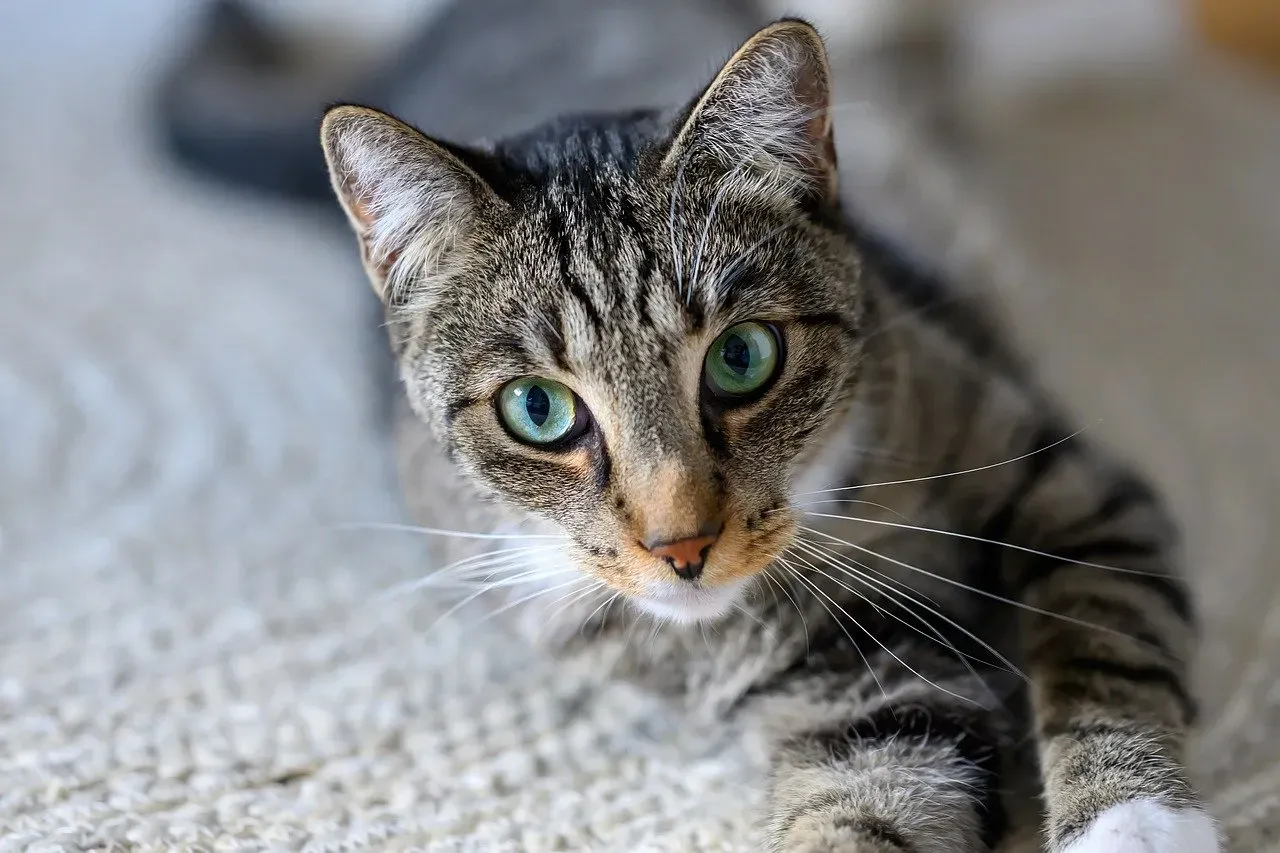
Cats can observe our behavior in a process called ‘social referencing.’ It’s when you’re in an unfamiliar situation, and you use the reaction of the people around you to inform you of certain behaviors. Your cat watches you constantly, learning from your reactions to different situations. When they do something and you laugh, they remember. When they do something and you get angry, they remember that too.
This capability to social reference reveals just how well felines have adjusted to humans. They’re not just mindlessly responding to stimuli. They’re actively studying you, building a mental database of what works and what doesn’t. Every interaction is a data point they use to refine their training methods. You think you’re just living your life, but your cat is taking notes.
Conclusion
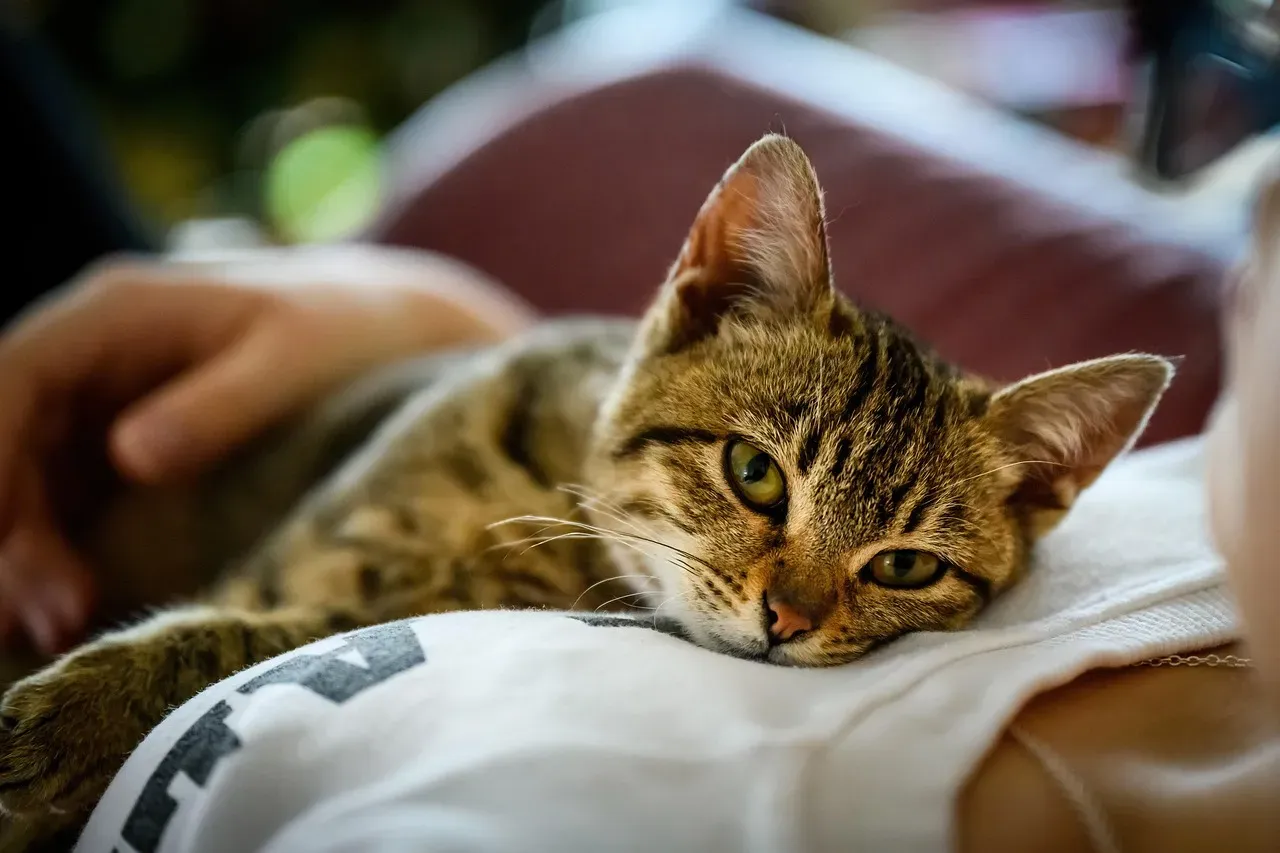
Half of the cats chose to interact with humans despite not being fed for the past 2.5 hours. This implies that all cats value humans, even those they don’t know well. So while your cat has definitely been training you this whole time, it’s not purely manipulative. They genuinely enjoy your company and form real bonds with you.
The training goes both ways, honestly. You’ve probably shaped some of your cat’s behaviors too, whether you realize it or not. The difference is that your cat is way more intentional about it. They’ve essentially domesticated themselves by learning exactly which behaviors keep humans providing food, shelter, and endless affection.
Did you catch your cat using any of these tactics today? What’s the cleverest way your feline has trained you?
Kristina is a young writer from India. An arts graduate and an avid content creator, Kristina is passionate about animals and wildlife. She enjoys exploring topics related to pet care, animal behavior, conservation, and nature, combining thorough research with engaging storytelling.