Ever noticed how your feline friend suddenly appears by your side when you’re having a rough day? Maybe you’ve dismissed it as coincidence, but there’s actually something quite extraordinary happening. Your cat might be more emotionally intelligent than you’ve ever imagined. While dogs get all the credit for being emotionally supportive companions, cats have been quietly mastering the art of reading our feelings for thousands of years.
If you’ve ever wondered whether your cat truly knows when something’s bothering you, prepare to be amazed. The ways cats respond to human sadness are subtle yet profound, revealing a depth of emotional connection that even science is only beginning to fully understand.
They Increase Their Physical Proximity to You
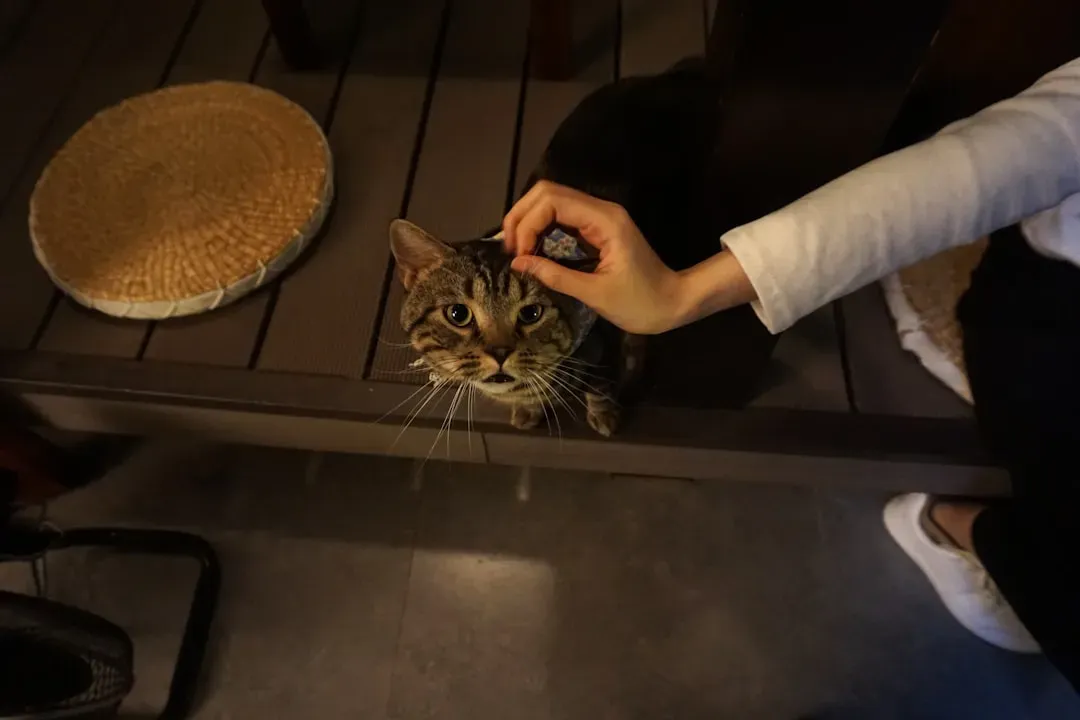
When you’re depressed or sad, cats often come in closer proximity to their owners. This isn’t your imagination playing tricks on you. They tend to linger nearby, coming closer than they normally would, creating a quiet bubble of support around you.
Think about it like this: your cat becomes your shadow during tough times. Cats recognize and engage with their owners more when exhibiting emotional signals of sadness, grief or loneliness, seeming to know when they’re needed. It’s their way of saying they’re there for you without making a fuss about it.
They Offer Therapeutic Purring and Physical Comfort
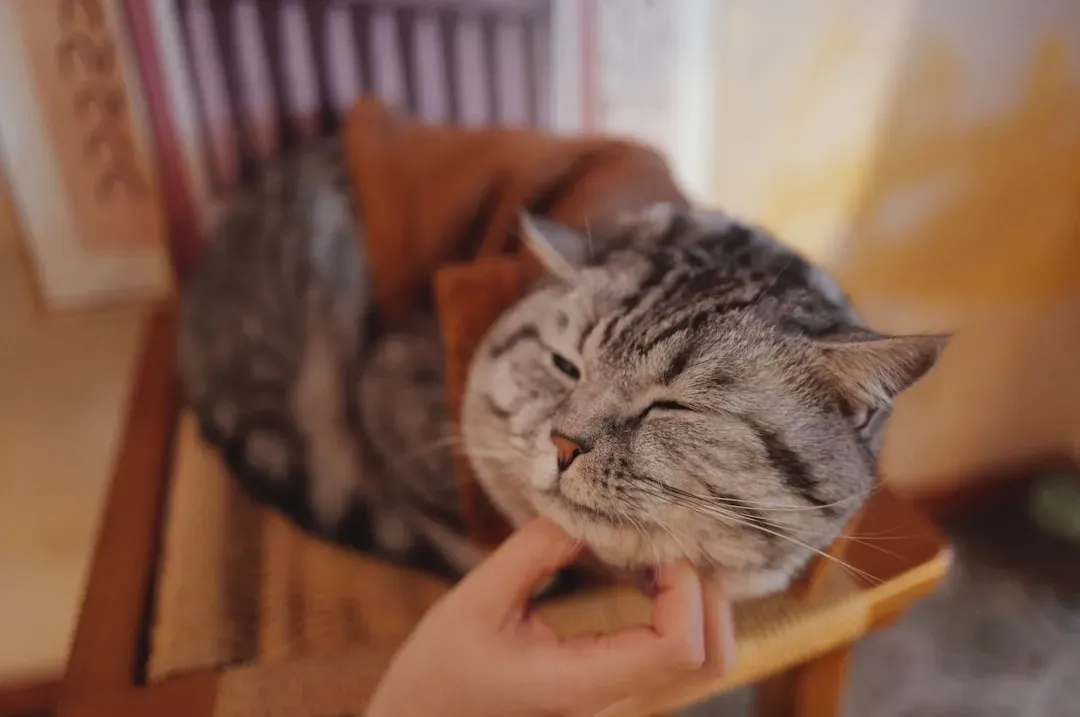
That rhythmic vibration you feel when your cat purrs isn’t just pleasant, it’s actually therapeutic. Cats often purr at frequencies ranging from 25-100 Hz, which can help reduce stress, lower blood pressure, and promote emotional well-being. Pretty impressive for such a simple sound, right?
When you’re feeling sad, your cat may try to comfort you through physical exchanges like head-butting, kneading, and sitting on your lap. Cats purr when content, but they also purr when stressed to comfort themselves – this is their way of sending you positive vibes. They’re essentially trying to heal both of you at the same time.
They Display Enhanced Social Referencing Behavior
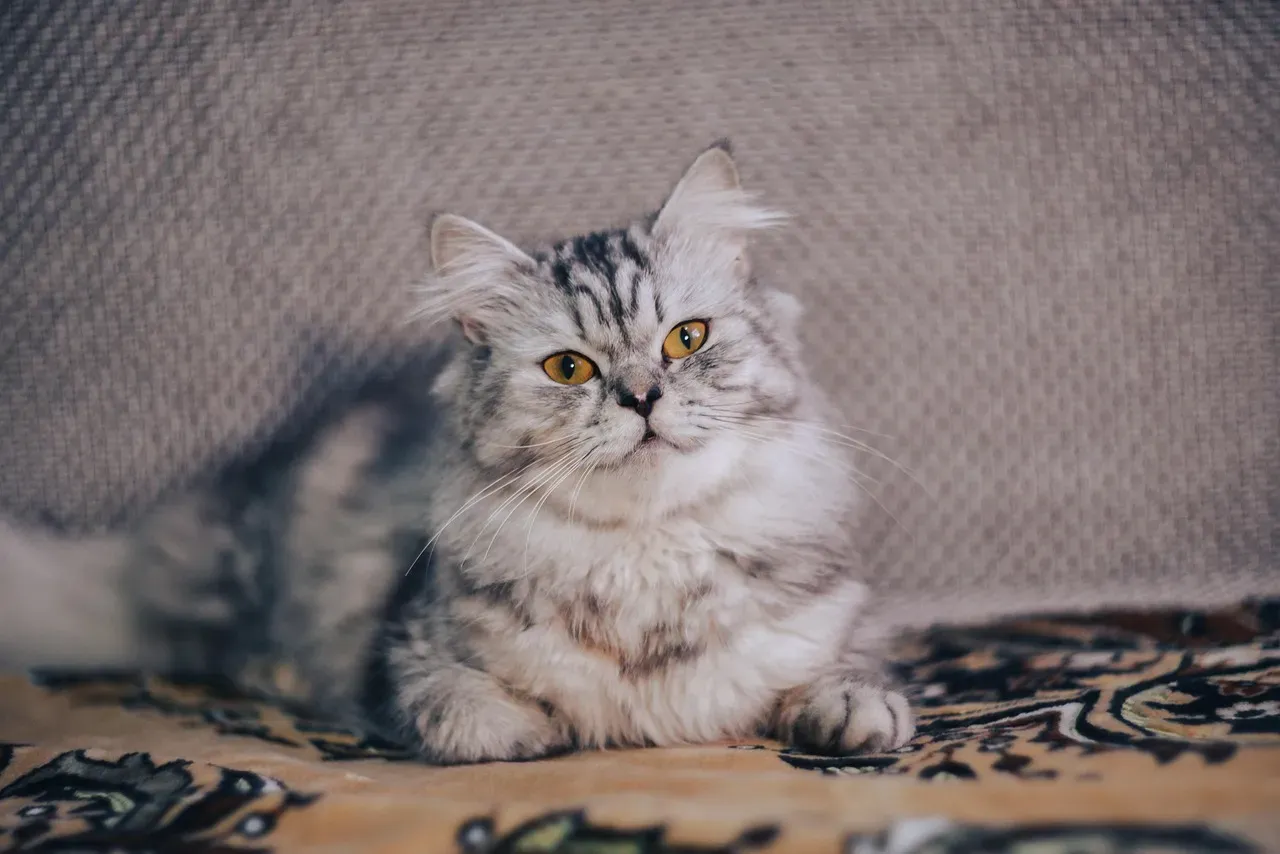
Here’s where it gets really interesting. Research by Animal Cognition showed that cats look at their owners for signals, a behavior known as social referencing. Your cat is constantly watching you, picking up cues about how to respond to situations based on your emotional state.
Cats correctly matched human auditory and visual signals of happiness and anger, suggesting they have a cognitive representation of these emotions. Let’s be real, that’s a pretty sophisticated skill. They’re not just reacting randomly – they’re actively interpreting your emotional landscape and adjusting their behavior accordingly.
They Read Your Vocal Tones and Crying Signals
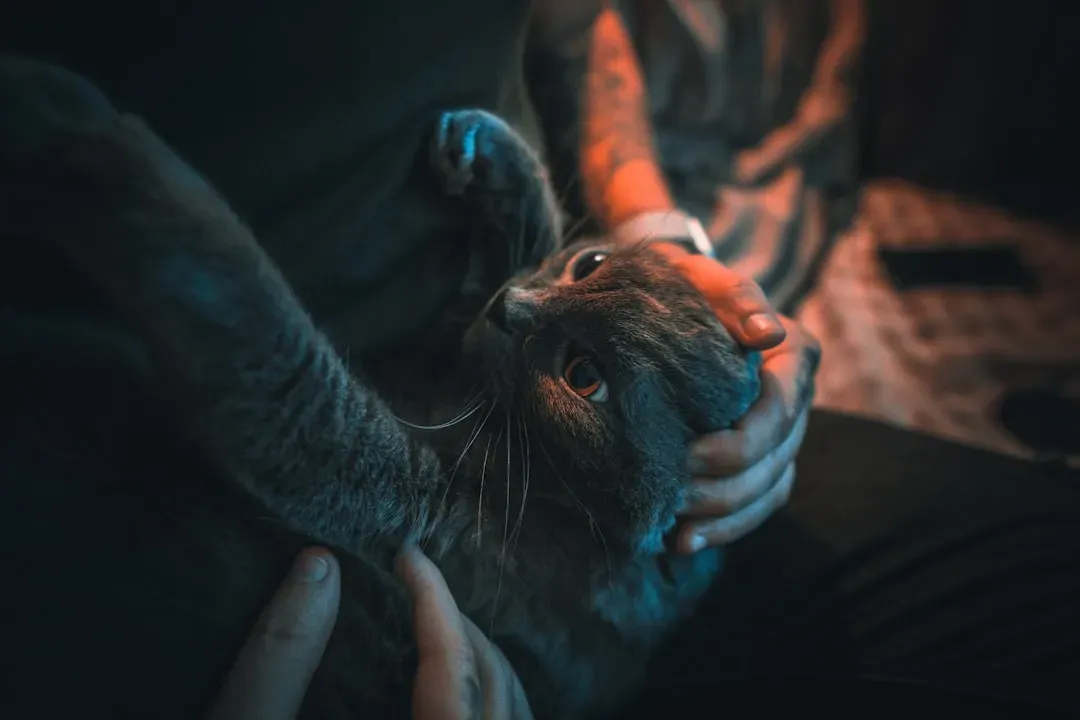
Cats recognize human emotion based on body language, behavior, speech, tone of voice, and facial expressions. When your voice changes because you’re upset, your cat picks up on that shift immediately. Crying noises will be interpreted as distress, which they may respond to by comforting you or choosing to hide away from.
A study found that cats were more likely to approach their human when they used a calm and gentle voice versus an angry or neutral one. Your cat isn’t just hearing noise – they’re processing emotional content. Some cats respond by rushing to your side, while others might observe from a distance, but both responses show they’ve registered your distress.
They Adjust to Changes in Your Daily Routine
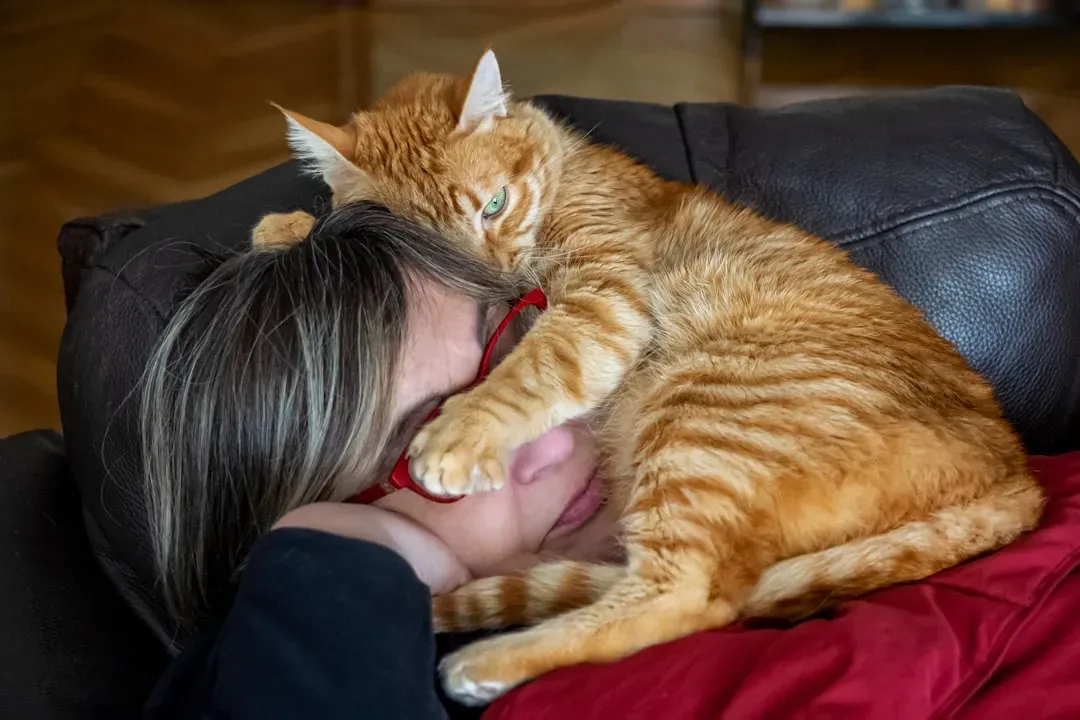
Cats are creatures of habit, which means they notice when you break yours. When your normal routine changes, your cat will notice – if you spend more time sleeping or lounging on the sofa, your feline friend is sure to join you for a comforting cuddle.
It’s hard to say for sure, but this might be one of the most touching aspects of feline empathy. If you’re feeling blue and spending more time on the couch, don’t be surprised to find your feline friend snuggling up beside you, offering their own version of comfort. They’re essentially meeting you where you are, emotionally and physically.
They Mirror and Respond to Your Emotional State
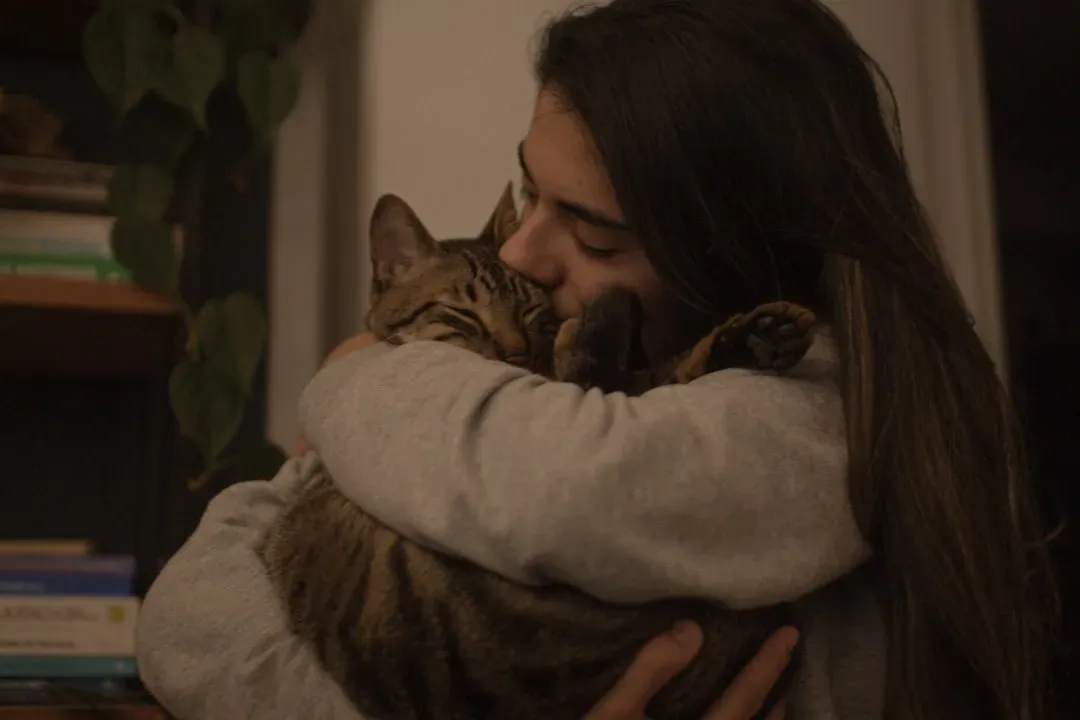
Cats show behaviors that match your feelings, which means if you’re sad, they might become more subdued themselves. Some cats may even mirror their owner’s sadness, exhibiting signs of low energy, decreased appetite, or withdrawn behavior – this empathetic mirroring could be a manifestation of the strong emotional bond.
Research revealed that cats react differently based on their owner’s facial expressions – when owners smiled, cats were more likely to exhibit affectionate behaviors like purring and rubbing, but tended to avoid owners when they frowned. Your mood genuinely affects how your cat behaves around you. The connection runs both ways.
They Detect Your Emotional Scent
This might sound crazy, but cats can actually smell your emotions. A recent study shows cats can detect human emotions through scent, especially fear. Feline friends can be affected by human emotions as they can detect emotional odors – cats are able to distinguish a human’s fear odor, and when smelling this fear scent, they exhibited a stress response to it.
This shows that cats have adapted to react to human behavior and emotions in ways we might not even consider. Your cat is reading you on multiple sensory levels simultaneously – visual cues, vocal changes, behavioral shifts, and even chemical signals your body releases when you’re upset. That’s quite an impressive emotional intelligence toolkit.
Conclusion: The Silent Supporters in Our Lives
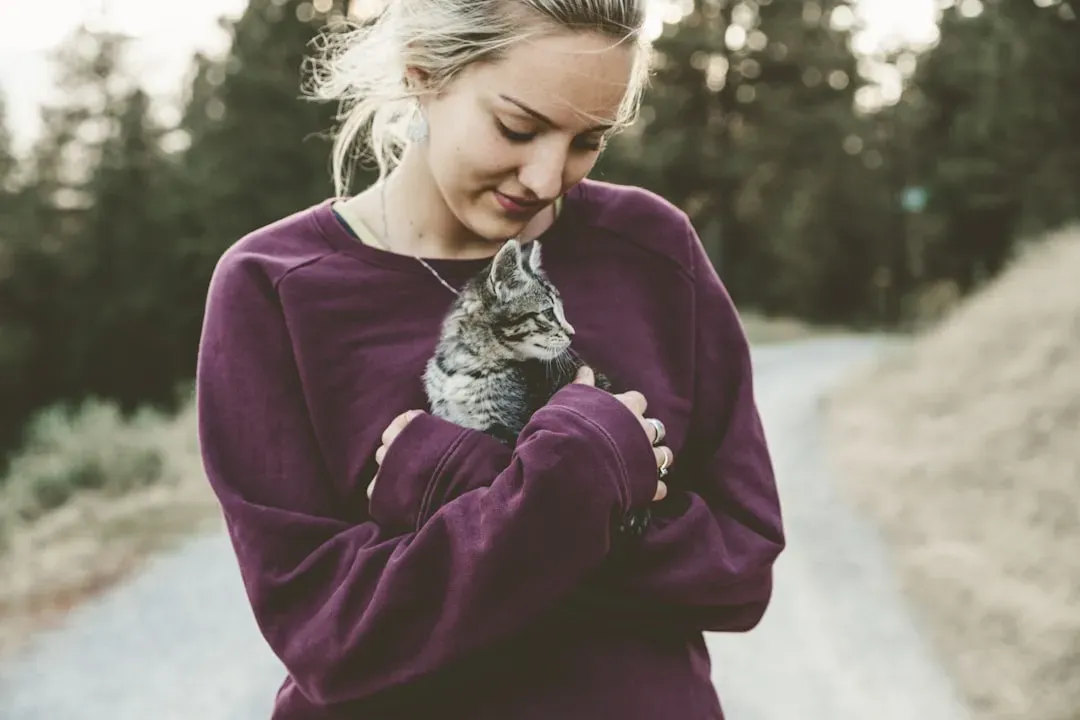
Our feline friends are more observant than we often give them credit for. Their ability to tune into our emotional state isn’t just about intuition – it’s a blend of sharp observation and deep connection. The science confirms what many cat owners have long suspected: these mysterious creatures are incredibly attuned to our emotional well-being.
The ability to sense and react to their owner’s feelings, including sadness, highlights the deep bond shared between cats and humans. Next time you’re feeling low and notice your cat staying close, remember they’re offering genuine support in their own unique way. What’s your cat’s go-to comforting behavior when you’re sad? Does your feline friend have their own special way of letting you know they care?
Kristina is a young writer from India. An arts graduate and an avid content creator, Kristina is passionate about animals and wildlife. She enjoys exploring topics related to pet care, animal behavior, conservation, and nature, combining thorough research with engaging storytelling.