Have you ever wondered why your furry companion shows an almost obsessive interest in certain toys while completely ignoring others? It’s not random preference or fickle behavior. Your indoor feline friend is making sophisticated choices based on criteria that trace back thousands of years to their wild ancestors prowling the deserts of North Africa.
When your cat locks eyes on that feathered wand or pounces on a tiny mouse toy, something primal awakens inside them. Despite living cushy lives on our couches, domestic cats retain the same powerful hunting instincts that drove their wild cousins to survive. The toys they gravitate toward aren’t just playthings. They’re stand-ins for prey, carefully selected based on how well they replicate the thrill of the hunt.
The Deep Connection Between Play and Predatory Drive
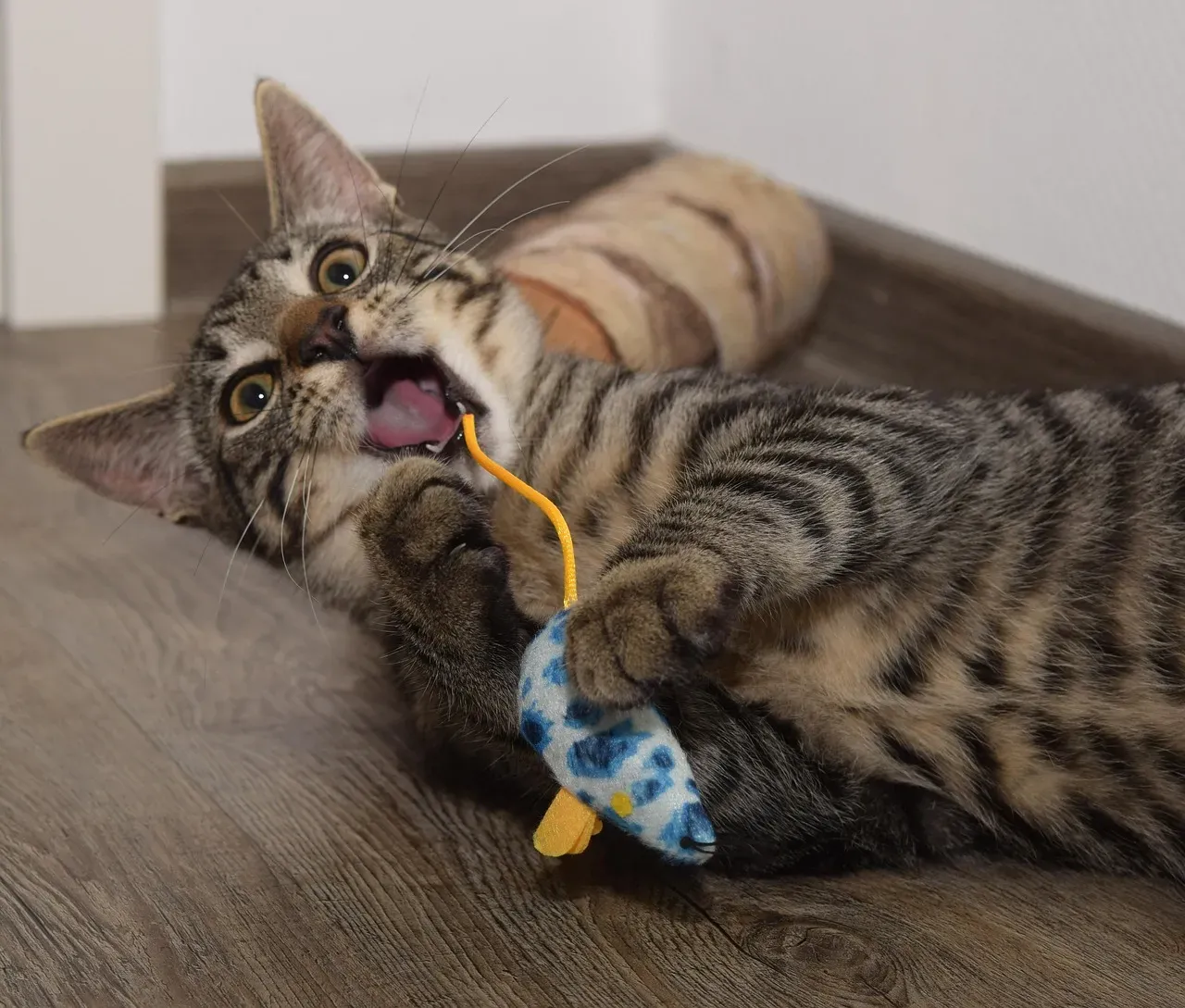
Most of what cats do during play mimics hunting behavior, including stalking, chasing, pouncing, biting, and scratching. This isn’t coincidental entertainment. Cats play to mimic hunting behaviors, release energy, and practice skills their ancestors needed to survive, and even well-fed indoor cats carry the instincts of stealthy predators.
Adult cats show more intense and prolonged play with toys that resemble actual prey items, and both factors indicate that cats consider these toys to be prey when they are playing. Think about it. Your cat doesn’t see a stuffed mouse as fabric and thread. In their mind, that little object represents a genuine hunting opportunity, triggering the same neural pathways that would fire if they spotted a real rodent scurrying across the floor.
How Cats Follow the Natural Prey Sequence
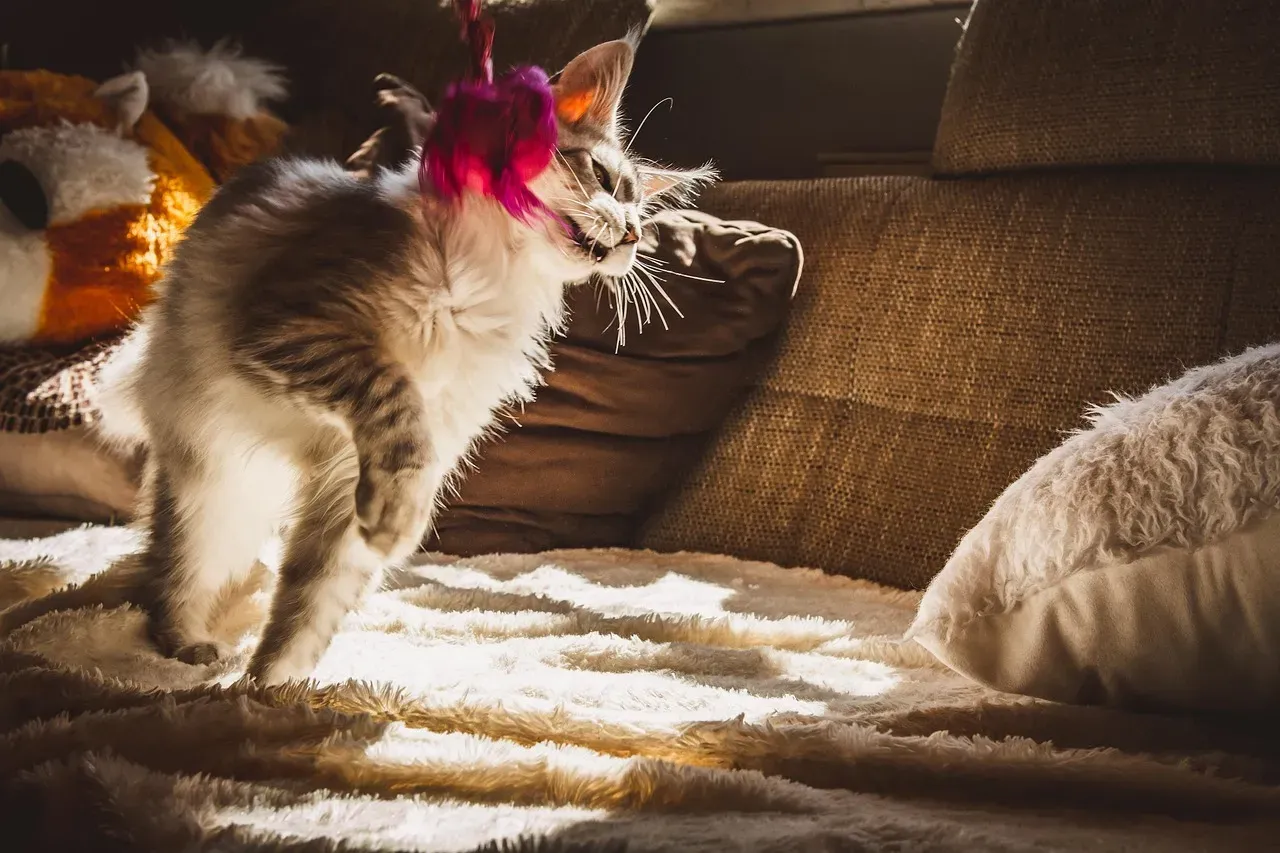
The prey sequence is a four-step process that mimics hunting behavior in the wild, starting with staring, then progressing to stalking and chasing, followed by pouncing and grabbing, and ending with the delivery of the fatal kill bite. Watch your cat during playtime, and you’ll see this ancient pattern unfold.
The sequence isn’t just instinctive movement. Each segment of the predatory sequence, from stalking through to close-quarters interaction with the prey, is rewarding in itself, whether or not the cat’s efforts eventually result in consumption of food. This explains why your cat can play enthusiastically even right after finishing a meal. The hunger for hunting satisfaction operates independently from actual appetite.
Movement Patterns That Trigger the Chase Response

Static toys fail because they don’t replicate the most crucial element of hunting, which is unpredictable prey behavior, and a mouse doesn’t sit still waiting to be batted around but runs, stops, changes direction, and creates chase dynamics. That’s why your cat might completely ignore a toy lying motionless on the floor but spring into action the moment it twitches.
Studies using robotic prey demonstrate that cats respond most vigorously to movements mimicking injured animals with erratic but slowing patterns, and the most effective toys replicate quick darting motions followed by pauses, changes in direction, and finally weakening movement. Honestly, the sophistication here is remarkable. Your cat isn’t just chasing anything that moves. They’re evaluating whether the movement pattern matches vulnerable prey worth pursuing.
Why Texture and Appearance Matter More Than You Think
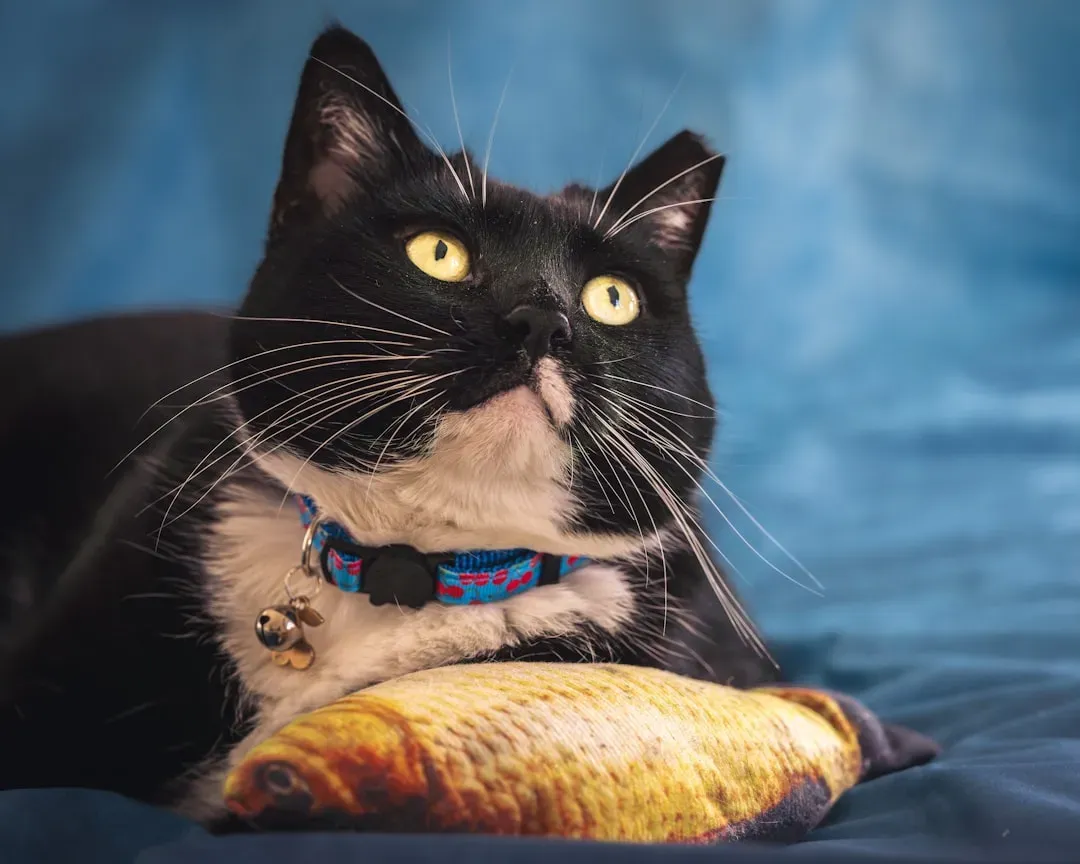
Real fur looks, feels, and smells like prey which triggers a cat’s natural hunting response, and the way fur toys move mimics the unpredictable motion of small animals like mice or birds. This explains why some cats go absolutely wild for certain toys while showing zero interest in others that look similar to human eyes.
Cats prefer toys that mimic the size, texture, and movement patterns of natural prey, which explains why toys that flutter like birds, scurry like mice, or wiggle like insects tend to maintain a cat’s interest longer than stationary objects. Size matters too. Toys that fit the proportions of actual prey species feel more authentic to your cat’s sensory system.
The Four Main Prey Preferences Your Cat Might Have
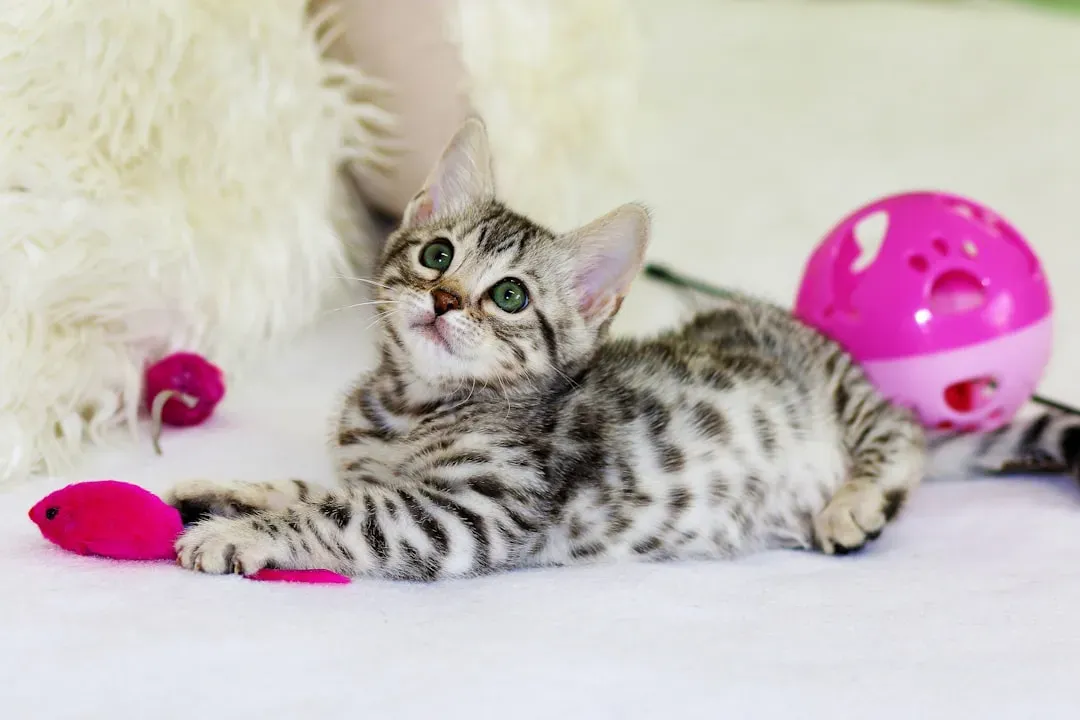
There are four main types of lures that resemble prey including feather lures, rodent lures, insect lures, and snake or lizard lures, and if a cat was born outside to a feral mother, their lure preference could result from the types of food their mother brought back when teaching them to hunt. Your cat’s toy preferences might have roots in their earliest experiences or even genetic predispositions.
If your cat seems to enjoy feathers or objects in the air, choose toys resembling birds, while cats who prefer furry toys or toys moving on the ground favor objects resembling mice, and if your cat likes tiny objects with lots of movement, choose toys resembling bugs. Identifying which category appeals to your specific cat can transform playtime from mediocre to magnificent.
Wand Toys Dominate Because They Replicate Real Hunting
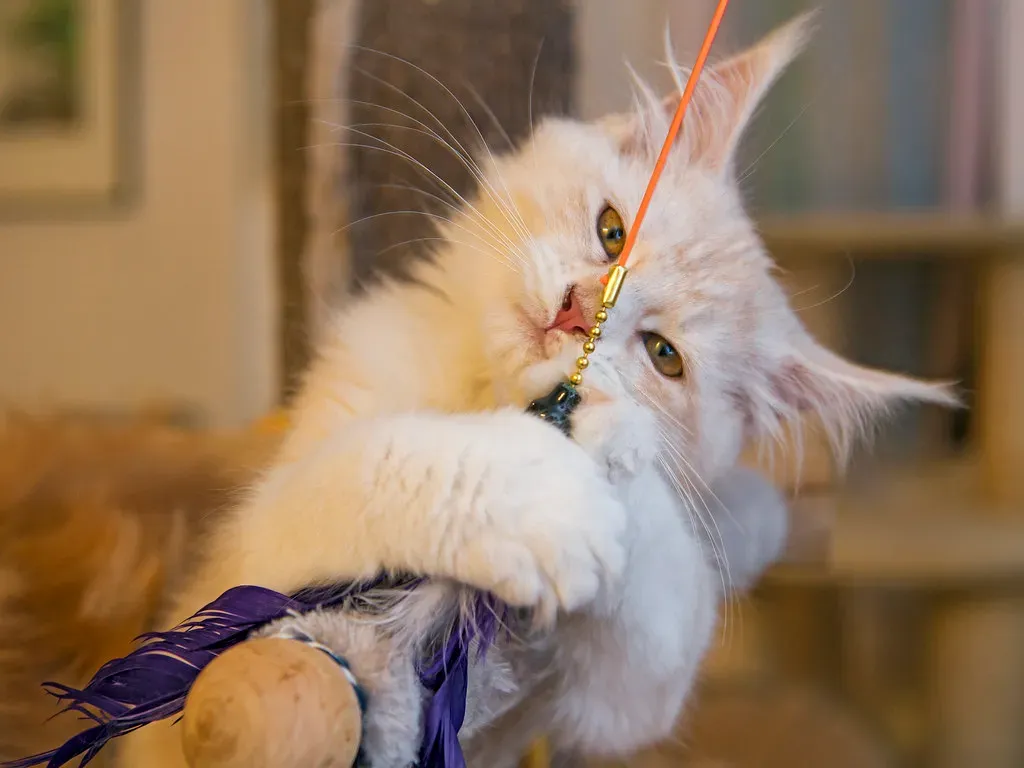
Wand toys and feather toys are particularly effective because they allow you to control the movement, simulating the erratic motions of actual prey animals, and it’s important to move them in ways that mimic real animals with quick, unpredictable movements that trigger your cat’s chase response. The human element here creates unpredictability that automated toys struggle to match.
When pet parents use a cat feather wand, they can make the lure move like birds, mice or other types of prey, and keeping the lure on the ground and relatively still for a while, then making it twitch or skitter before it tries to escape with a sudden leap or dash encourages cats to express their predatory behavior. The key is understanding that you’re not just waving a toy around. You’re performing as the prey itself.
The Problem With Toys That Don’t Allow Capture
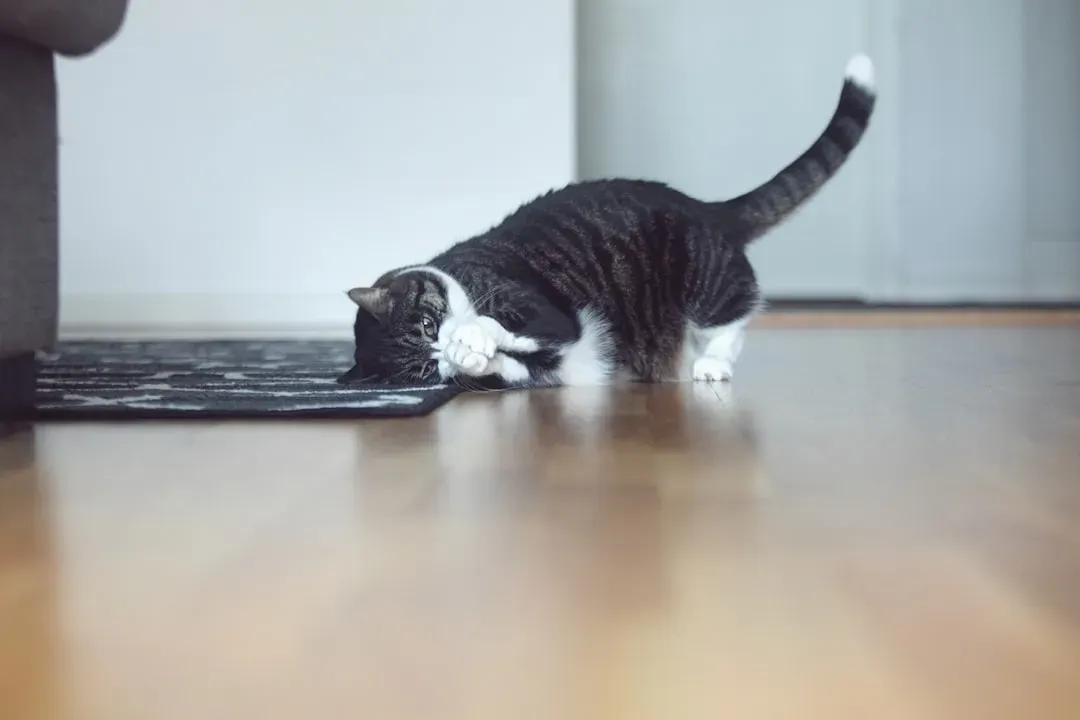
Laser pointers famously frustrate cats because they violate the natural progression by disappearing without allowing the critical kill phase, which explains why cats frequently return to stare at the last laser spot as their brain awaits closure to the hunting sequence. That unfulfilled ending can create genuine stress for your cat.
The key is to ensure your cat occasionally catches the toy during play sessions to provide the satisfaction of a successful hunt and prevent frustration. Let’s be real, constantly chasing something you can never catch would drive anyone crazy. Your cat needs those victory moments when they finally pin down their quarry and deliver that triumphant bite.
Small Toy Mice Satisfy the Need to Kill and Carry
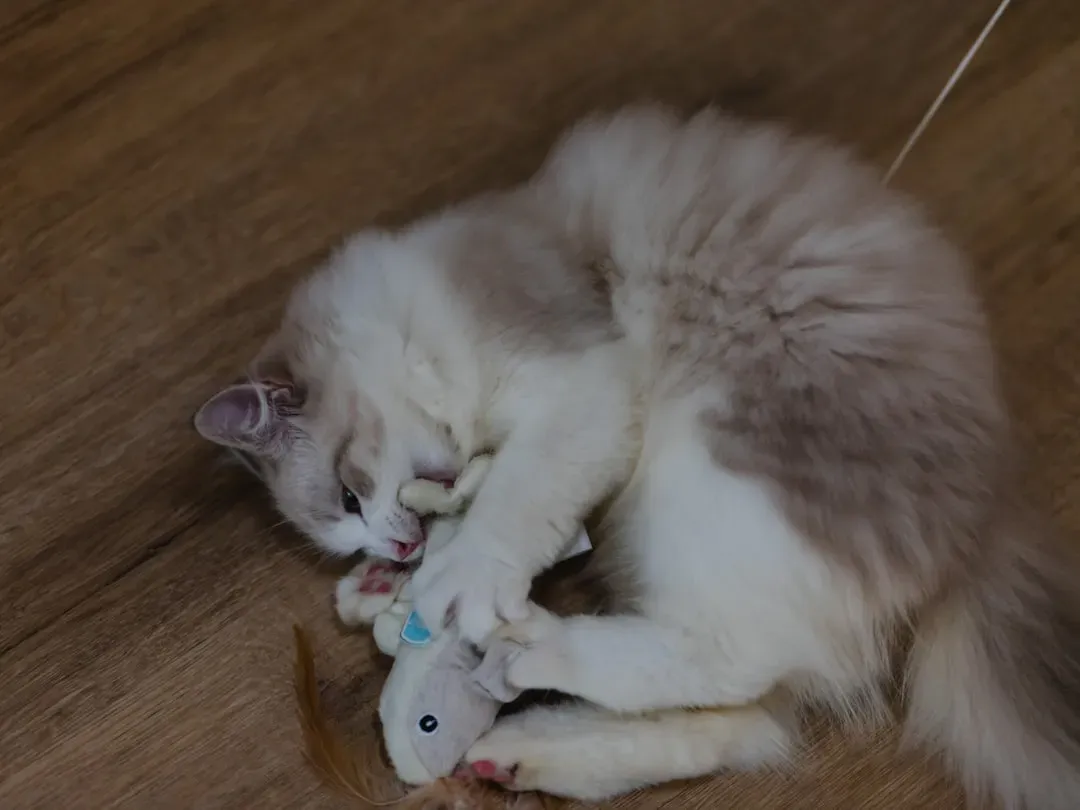
Playing with small, stimulating cat toy mice gives cats the satisfaction of the kill. These simple toys fulfill a crucial psychological need that larger or more complex toys sometimes miss. Most cats enjoy a variety of toys which they can hunt, seek, attack, and carry, and mouse toys or other small stuffed options, ping pong balls, and crinkle balls can provide hours of entertainment.
The portability matters tremendously. After the hunt comes the carrying behavior, when wild cats would transport their catch to a safe location. That’s why you might find toy mice relocated to strange places around your home. Your cat isn’t being messy. They’re completing an instinctive behavioral sequence.
Puzzle Toys Engage the Problem-Solving Hunter Within
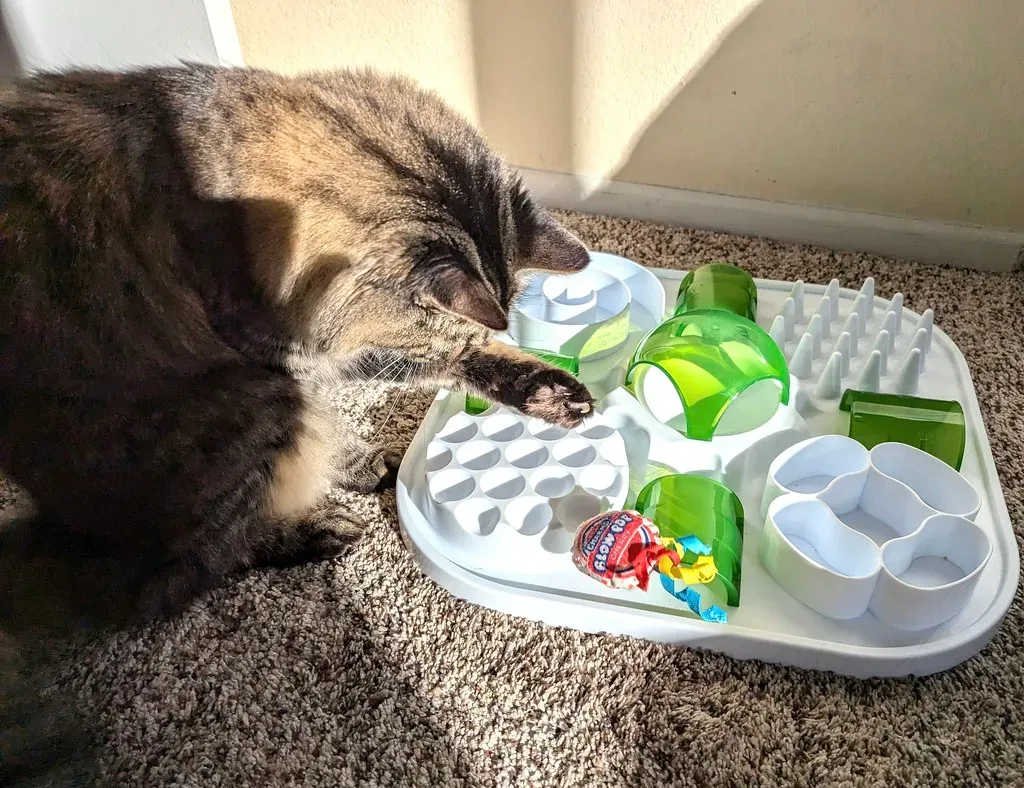
Puzzle toys can force cats to use their brains and bodies in ways that mimic predatory behavior. Toys like activity centers mimic natural hunting strategies and situations a cat would encounter when trying to catch prey. These toys challenge your cat’s intelligence in ways that simple chase toys cannot.
Foraging toys and puzzle feeders give cats a wonderful outlet to fulfill their innate desire to hunt, with the bonus that they are able to eat their prey. Combining food with the hunting sequence creates an especially satisfying experience that mirrors how wild cats would experience successful hunts in nature.
Why Indoor Cats Desperately Need Hunting Play
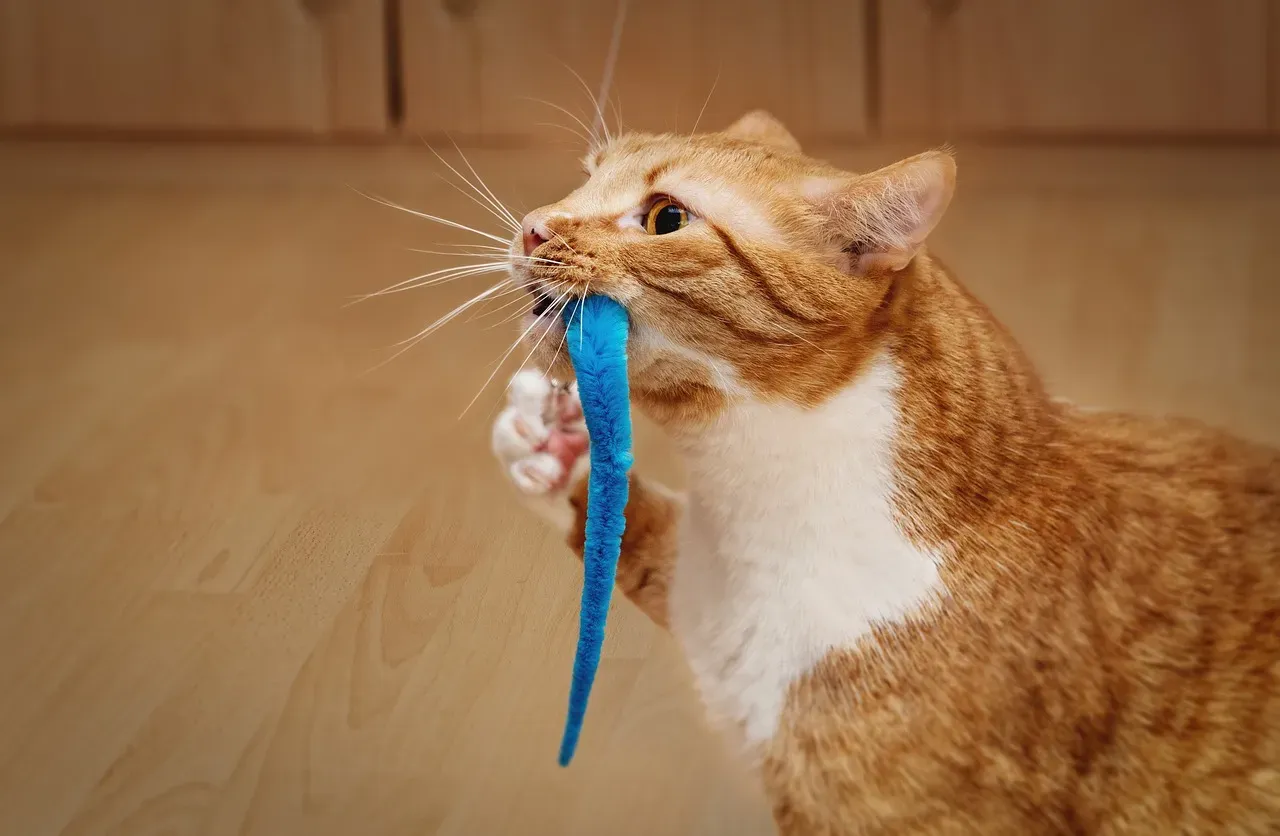
Cats possess an innate need to hunt that goes far beyond simple hunger, and when these natural instincts aren’t properly channeled through appropriate activities and enrichment, indoor cats can develop boredom, stress, and destructive behaviors. The consequences of unfulfilled hunting drive aren’t trivial. Cats with no way to express their innate behaviors such as hunting may act out in other ways, and frustration and stress from lack of appropriate mental and physical stimulation may lead to litterbox issues, aggression, or marking.
Wild cats spend six to eight hours daily hunting, stalking, and capturing prey, and domestic cats retain these same instinctual drives but lack appropriate outlets in typical home environments. Think about that disparity. Your indoor cat has the same drive to hunt but nowhere near the opportunities to satisfy it unless you deliberately provide them.
Selecting Toys Based on Your Cat’s Individual Hunting Style
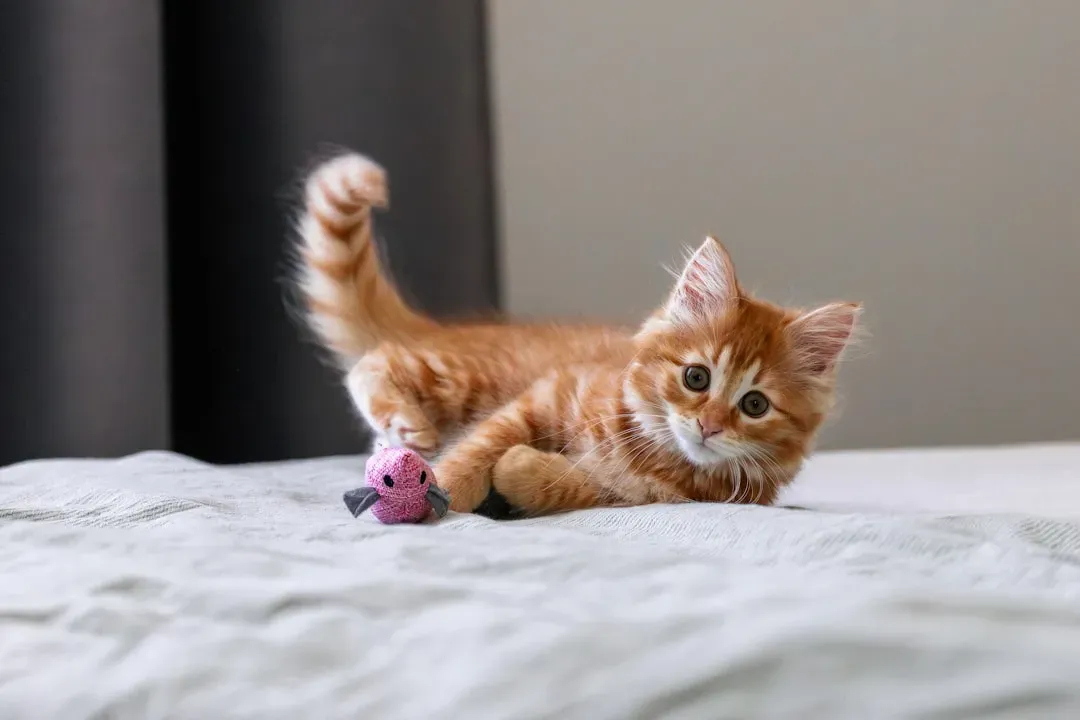
Many cats enjoy hunting feather wands, but you can try multiple toys to see what your cat likes best, as some cats are excited by toys waved through the air while others prefer to play with toys they can chase along the ground. Individual variation runs deeper than many people realize. What drives one cat wild might bore another completely.
Toys that are small and lightweight make them easy to bat around and carry, toys that mimic the size and shape of different types of prey such as mice or birds are especially appealing to cats, and toys that have interactive features like making noise or having moving parts are great for engaging hunting instincts. Variety keeps things interesting too, preventing habituation that dulls the hunting excitement.
Your cat’s toy preferences reveal something profound about their inner world. They’re not just being picky or demanding. Every choice reflects millions of years of evolutionary refinement, selecting for traits that kept their ancestors alive. When your cat finally settles on that one favorite toy, they’ve found something that speaks to their predatory soul in exactly the right way. Does your cat have a toy they absolutely can’t resist? Pay attention to what hunting qualities it possesses, and you’ll unlock the secret to keeping them engaged and fulfilled.
Kristina is a young writer from India. An arts graduate and an avid content creator, Kristina is passionate about animals and wildlife. She enjoys exploring topics related to pet care, animal behavior, conservation, and nature, combining thorough research with engaging storytelling.