Living with a cat is not quite what you’d expect, is it? One moment they’re purring on your lap like you’re the center of their universe, and the next, they’re staring at you from across the room like you’ve committed some unforgivable offense. Here’s the thing, though. Your cat isn’t being mysterious just for the sake of it.
They’re actually trying to communicate with you every single day through a language most of us never learned to speak. Think of it like living with a roommate who speaks a different language but still expects you to understand the house rules. That tail flick when you’re petting them? That’s not random. The way they rub against your legs when you get home? It means something specific.
Respect the Slow Blink as Sacred Communication
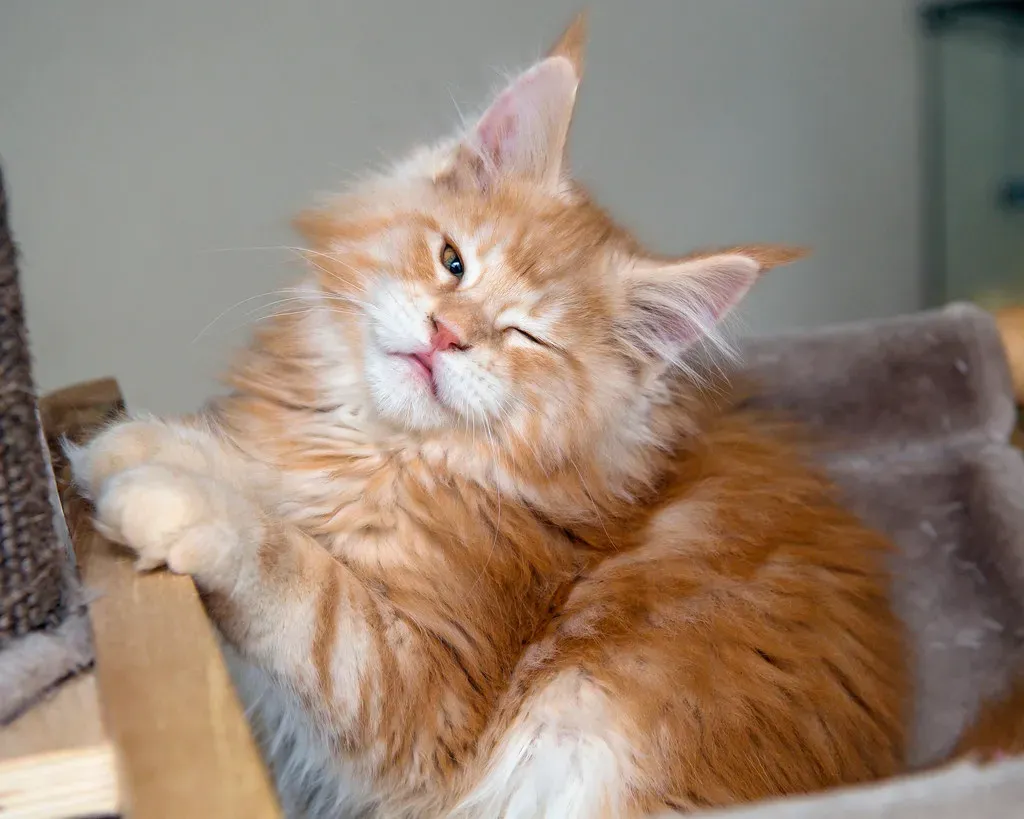
When your cat blinks slowly at you, they’re showing trust and you can bond by blinking slowly back at them. It’s honestly one of the most meaningful gestures in the feline world. Think of it as a cat kiss or a silent “I love you” exchanged across the room.
Relaxed cats have loose, fluid body movements with slow and steady breathing, and they might fold their feet in front of themselves or stretch way out. The slow blink often accompanies these relaxed moments. Let’s be real, if you ignore this gesture or rush over to pet them immediately afterward, you’ve kind of missed the point. They’re telling you they feel safe enough to close their eyes around you, which in the animal kingdom is a huge deal.
Their Tail is Talking, So Listen Up
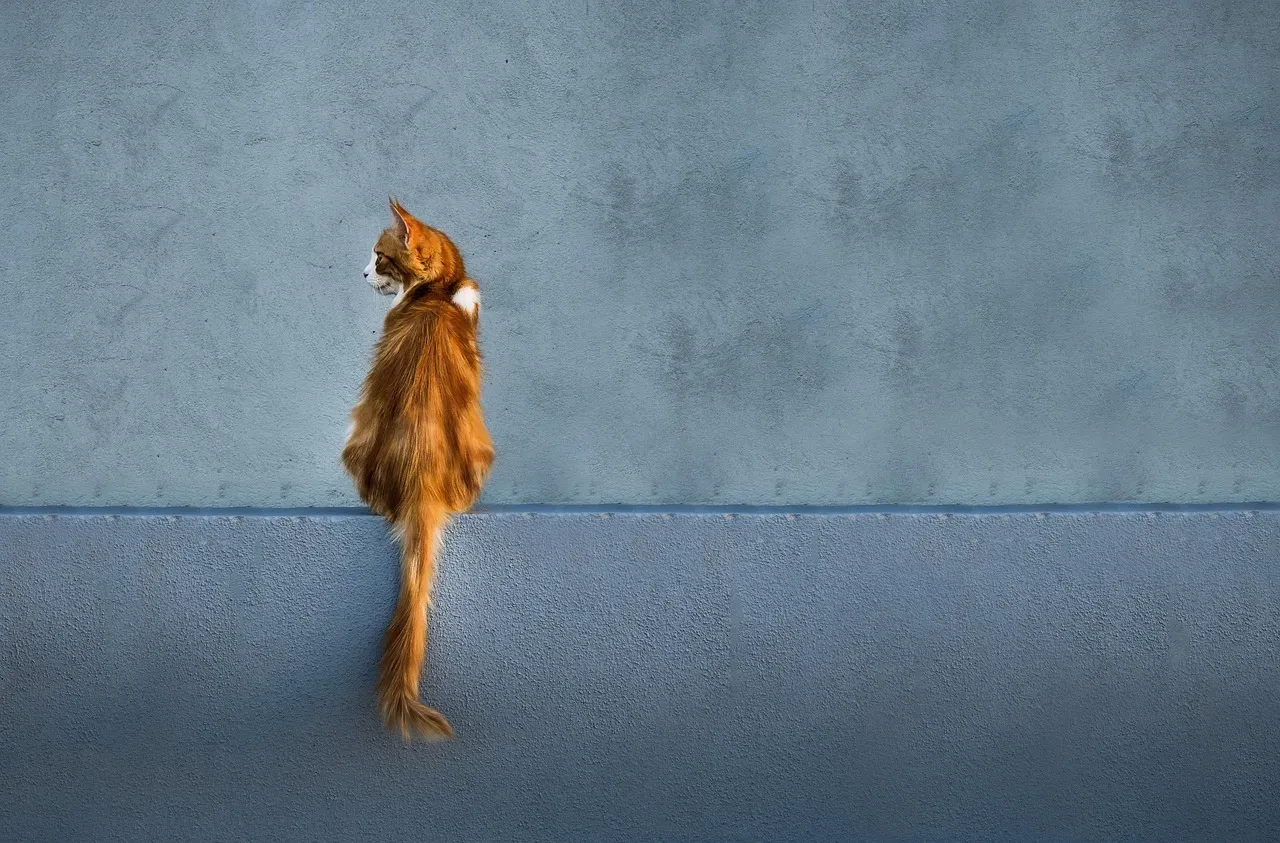
Your cat’s tail is basically a mood ring with fur. A high tail that’s not puffy means the cat is comfortable around you, but a tail that’s parallel with the back means they’re curious about you. You’ll see that vertical tail held high when they greet you at the door, which is their version of a friendly wave.
Tail flicking can signal agitation or alertness, and when it happens during petting, it’s time to back off. I think most of us have learned this one the hard way, right? A slow, soft wag means they’re happy, but if that tail begins wagging faster and more aggressively, almost like a thrash, then the cat is getting irritated. Pay attention before you end up with scratches you didn’t see coming.
The Litter Box Situation is Non-Negotiable
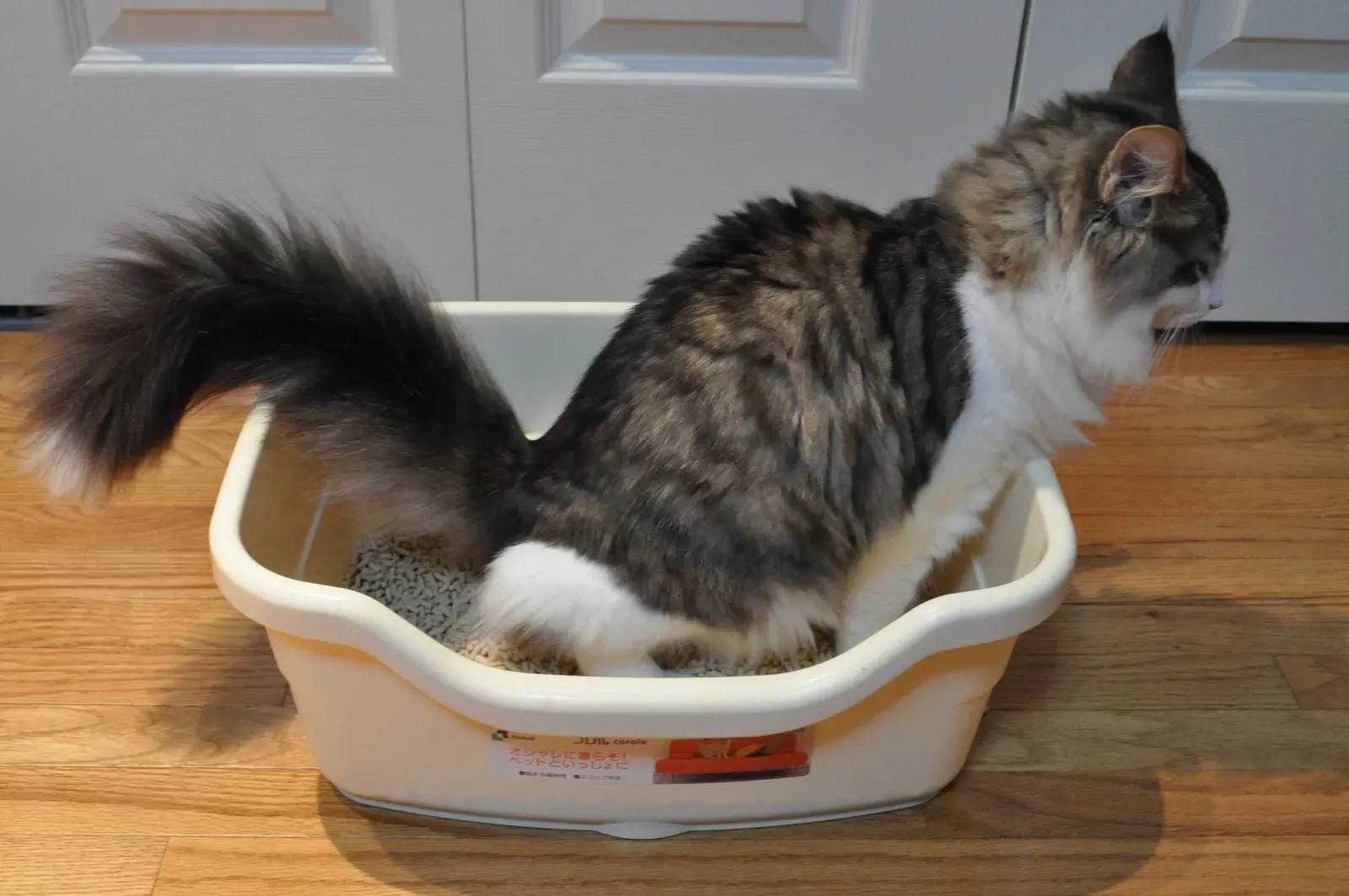
The rule is one litter box per cat, plus one extra, and try putting boxes in several different areas. Seriously, this isn’t just a suggestion. Your cat’s bathroom preferences are surprisingly complex, and they’re not about to compromise on this.
Cats hate dirty toilets just like we do, so keep it clean by scooping at least daily. Most cats prefer unscented litter. That fancy lavender-scented litter you bought? Your cat probably thinks it’s awful. Also, location matters more than you’d think. Boxes should be spread throughout your home in easily-accessible and well-lit areas, which gives your cat more options if another cat is standing guard.
Scratching Isn’t Vandalism, It’s Essential
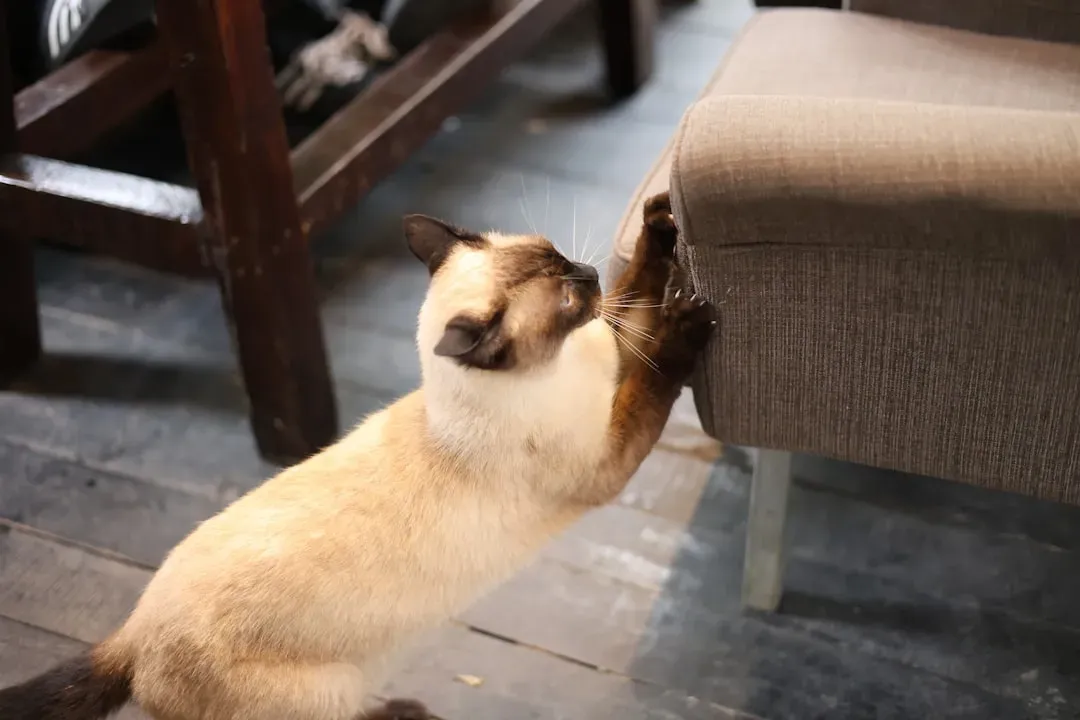
Cats enjoy scratching for many reasons, including stretching, marking their territory and playing. When your cat shreds your couch, they’re not plotting revenge for that time you forgot to refill their food bowl. They’re just being a cat.
Scratching posts should be sturdy, tall enough for the cat to fully stretch, and covered in material that mimics tree bark or sisal rope, and placing them near furniture they tend to scratch can help redirect behavior. The solution isn’t getting rid of the behavior but providing better alternatives. Choose scratching posts that are tall enough and stable, and provide both horizontal and vertical opportunities that are tall and long enough for the cat to really stretch. Your cat needs this like you need coffee in the morning.
Personal Space is Not Optional
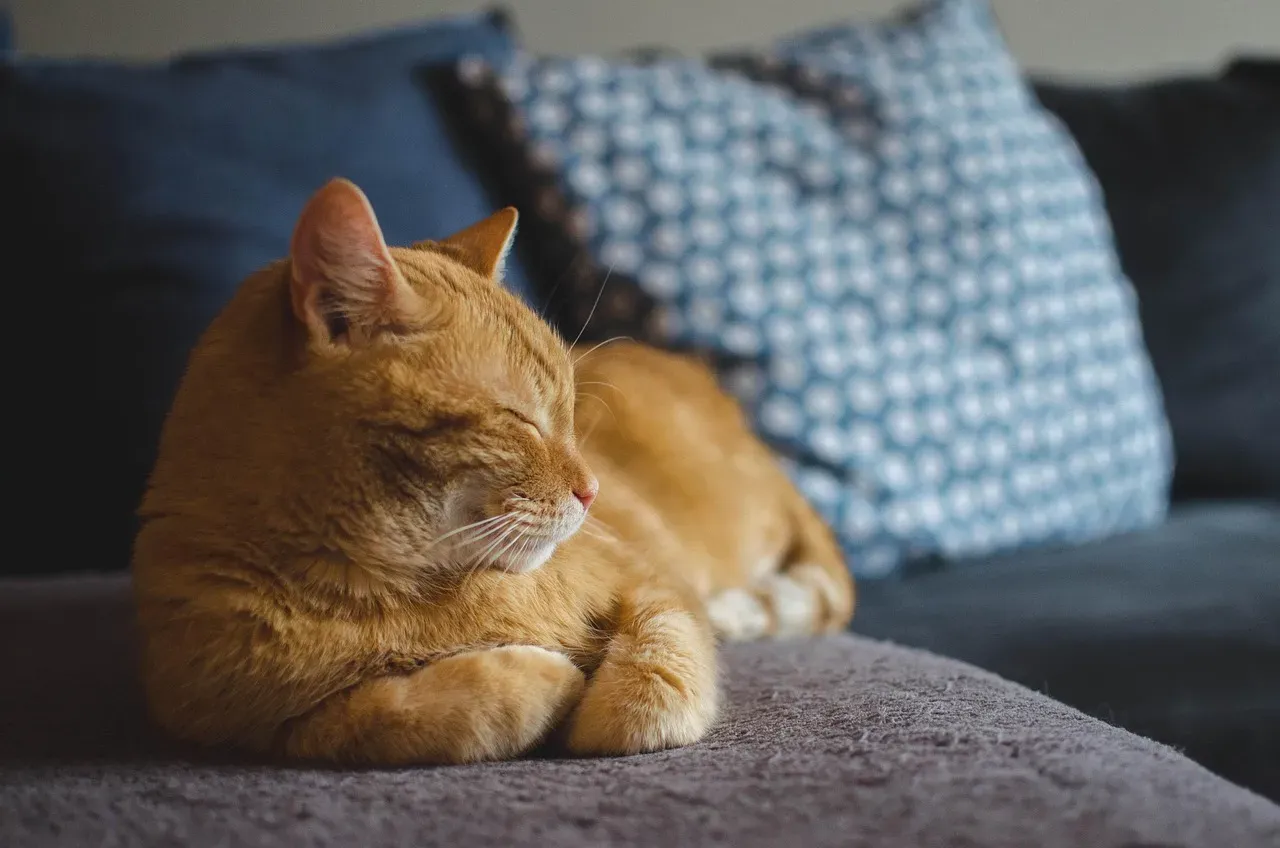
Cats need alone time, period. Cat social behavior is mostly based on distance and nonprolonged contact. This explains so much about why your cat sometimes acts like you’re bothering them just by existing in the same room.
Some cats don’t mind being pet for a really long time and other cats only want a few minutes before they’re done, and when upset or afraid they’re likely to give a not-so-friendly paw swat or hiss. Reading their body language before they resort to violence is the key here. A cat who’s mildly stressed might blink rapidly, turn their ears outward or back, and turn their head away, and their pupils also might be dilated. These are your warning signs to give them space.
High Places Belong to Them
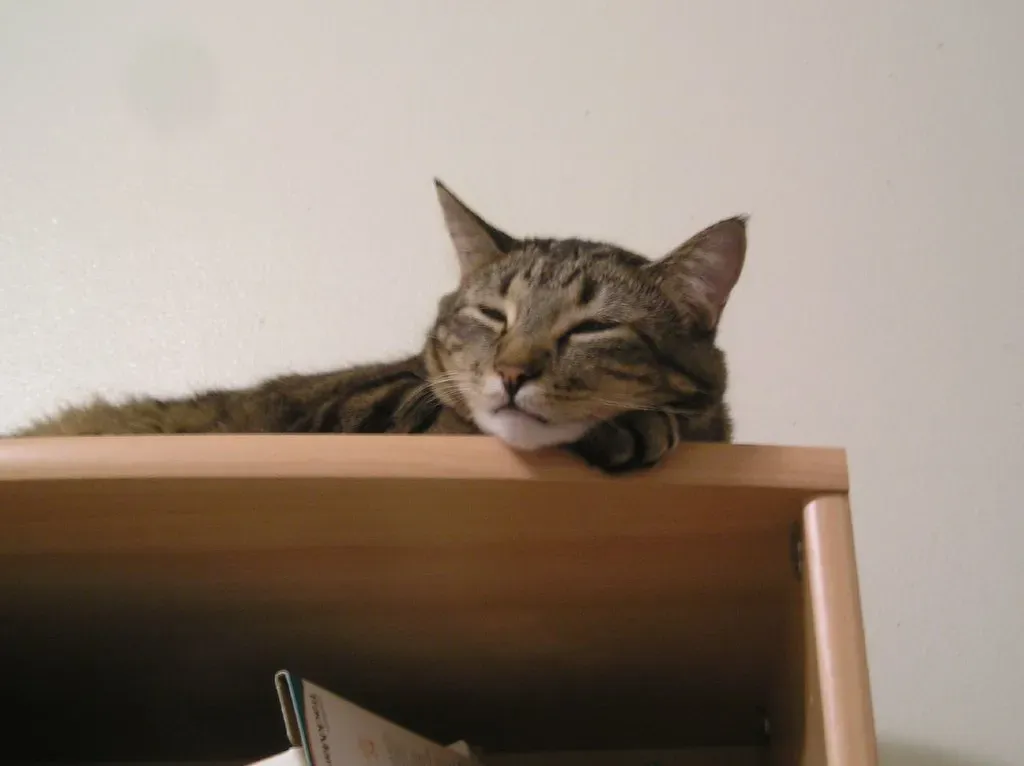
Cats have a natural instinct to get off the ground, and they want to be where the action is, which is why they choose places with high social significance like couches, dressers and countertops. Your cat isn’t being annoying when they jump on the kitchen counter. They’re following thousands of years of instinct.
If you haven’t provided alternatives like cat shelves or climbing structures, cats are going to take advantage of what the landscape provides, so you’re going to have to give in a little to strike a balance. Think of it as vertical real estate. The more you provide, the less they’ll covet your dining room table.
You Can’t Train Them Like Dogs
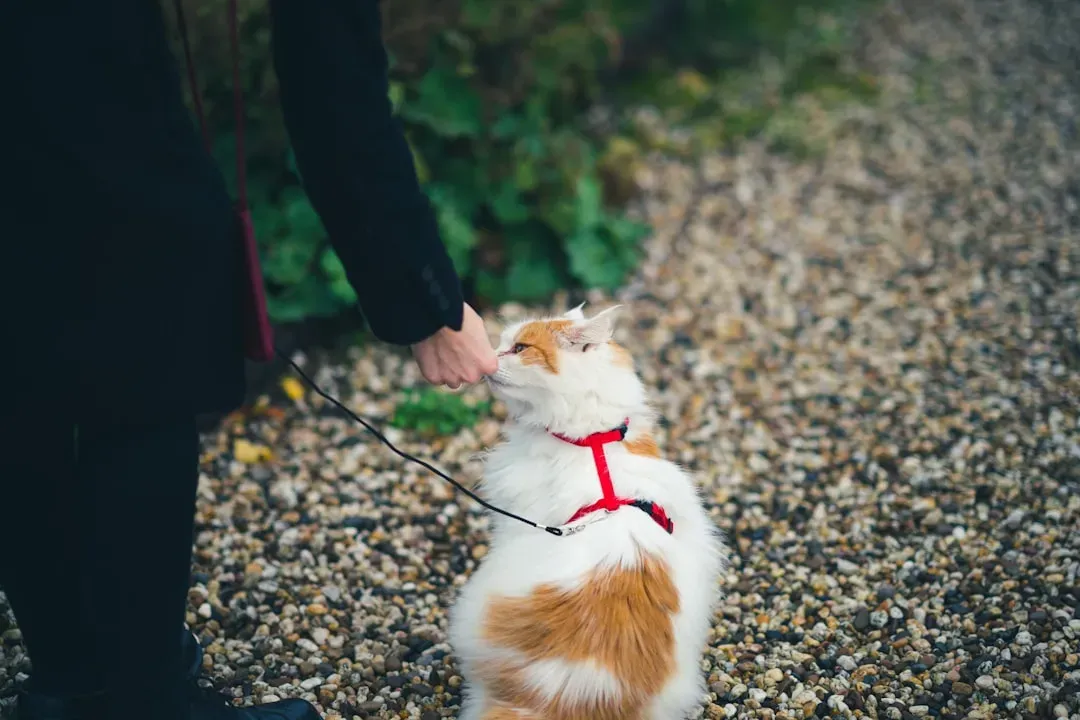
Cats are not motivated to please you the same way that dogs are, and they have unspoken expectations and even a sense of entitlement to the resources that humans provide. Honestly, it sounds harsh, but it’s just the truth about feline psychology.
Training a cat is easy to do if you understand what motivates them and are willing to devote the time, and for some cats it might be food or treats while others prefer playtime or affection. The trick is figuring out what your specific cat values most. They understand reward quite literally the best, they just prefer to get those rewards on their own terms and not on your behalf. Work with their nature, not against it.
The Zoomies Are Completely Normal
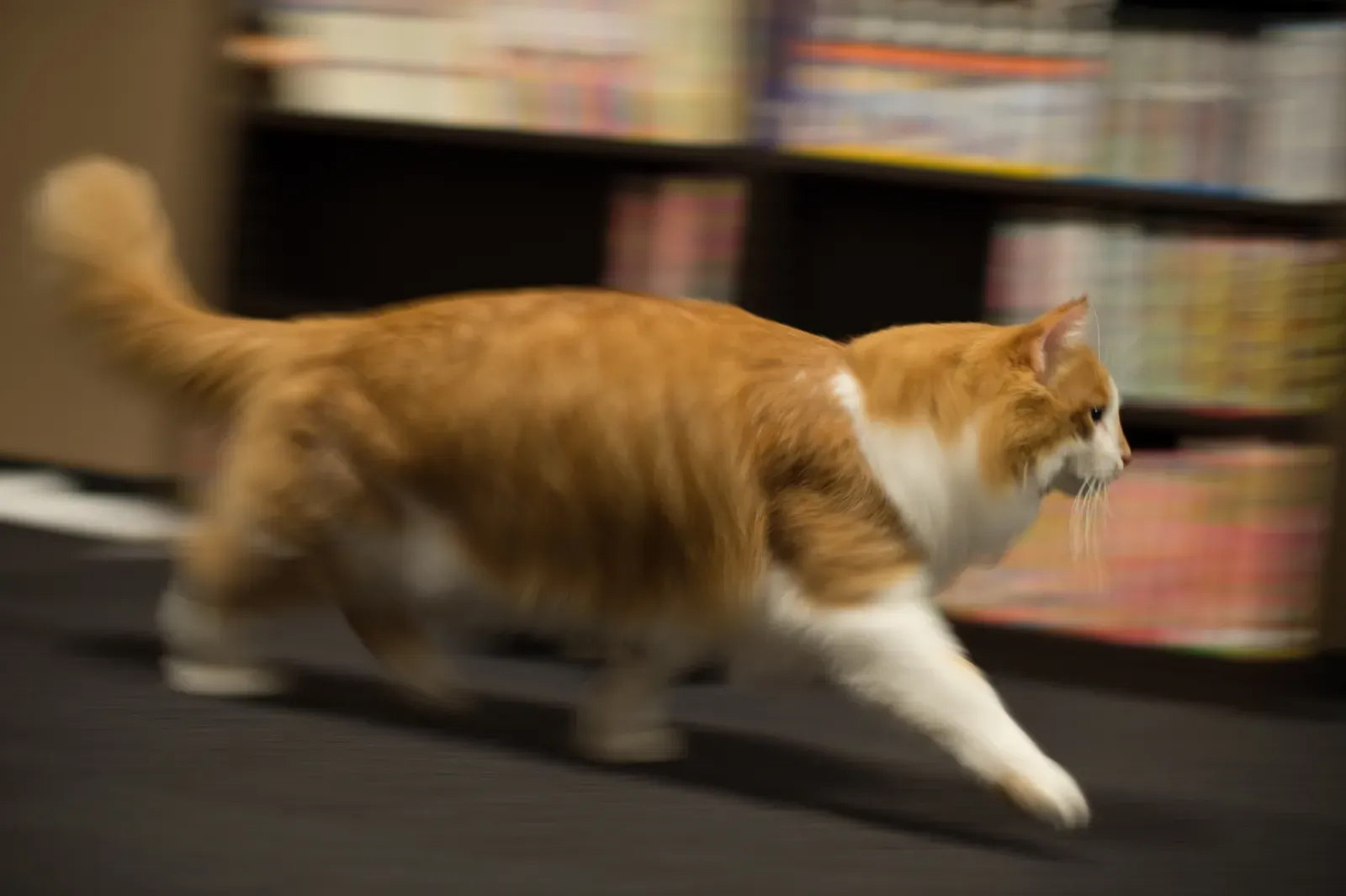
Sudden bursts of energy when cats sprint around the house, often accompanied by playful antics, are called “zoomies” and this behavior is completely normal as a way for cats to release pent-up energy. That three a.m. race through the hallway? Not personal.
To help channel their energy in a positive way, provide interactive playtime with toys that mimic prey, such as feather wands or laser pointers. Your cat is essentially a tiny predator living in your house, and those hunting instincts need an outlet. It’s hard to say for sure, but I think a good play session before bed can prevent at least some of those midnight sprints.
When They Bring You Dead Things, They’re Being Nice
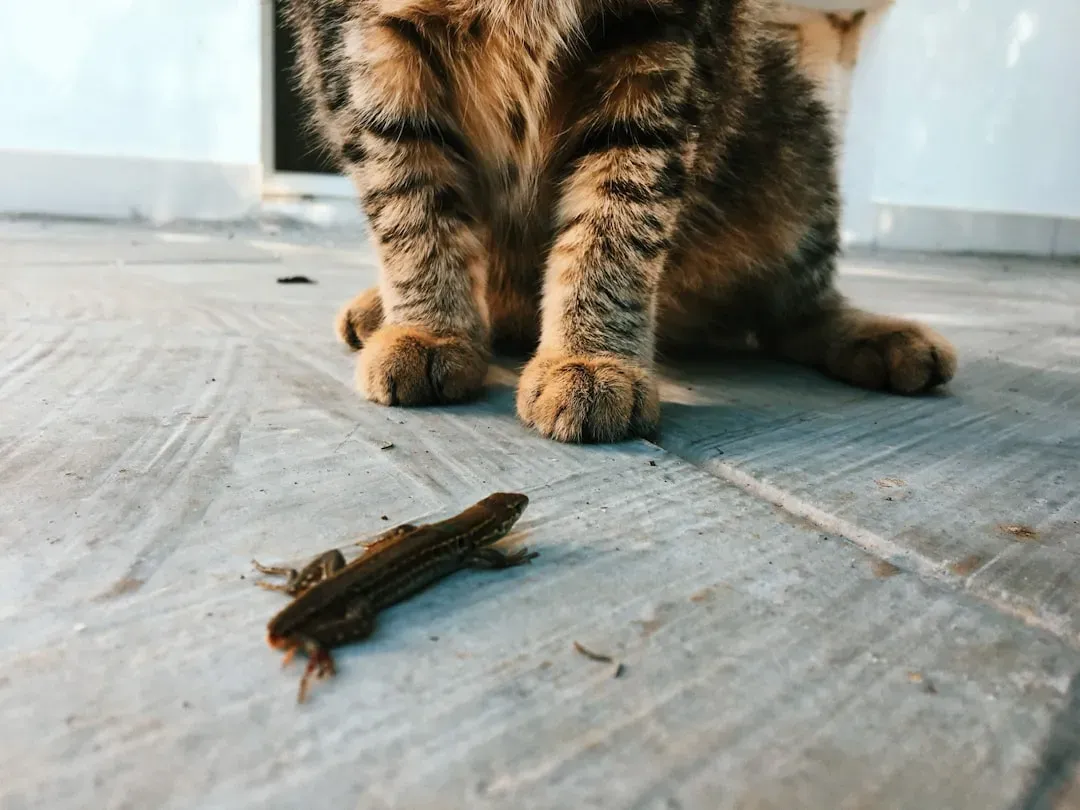
It’s natural for your cat to leave gifts of dead prey on your doorstep, as in the wild, a mother cat teaches her young to catch and eat prey by bringing them both live and dead animals. I know it sounds crazy, but your cat thinks they’re helping.
In your home, you are essentially the mother cat since you provide food, so your cat is likely just showing off their hunting skills. They’re either teaching you to hunt or showing appreciation. It may be tough to feign delight when you receive these gifts, but it’s not helpful to discipline the behaviour. Maybe just quietly dispose of the evidence and say thank you.
Introducing New Cats Takes Forever
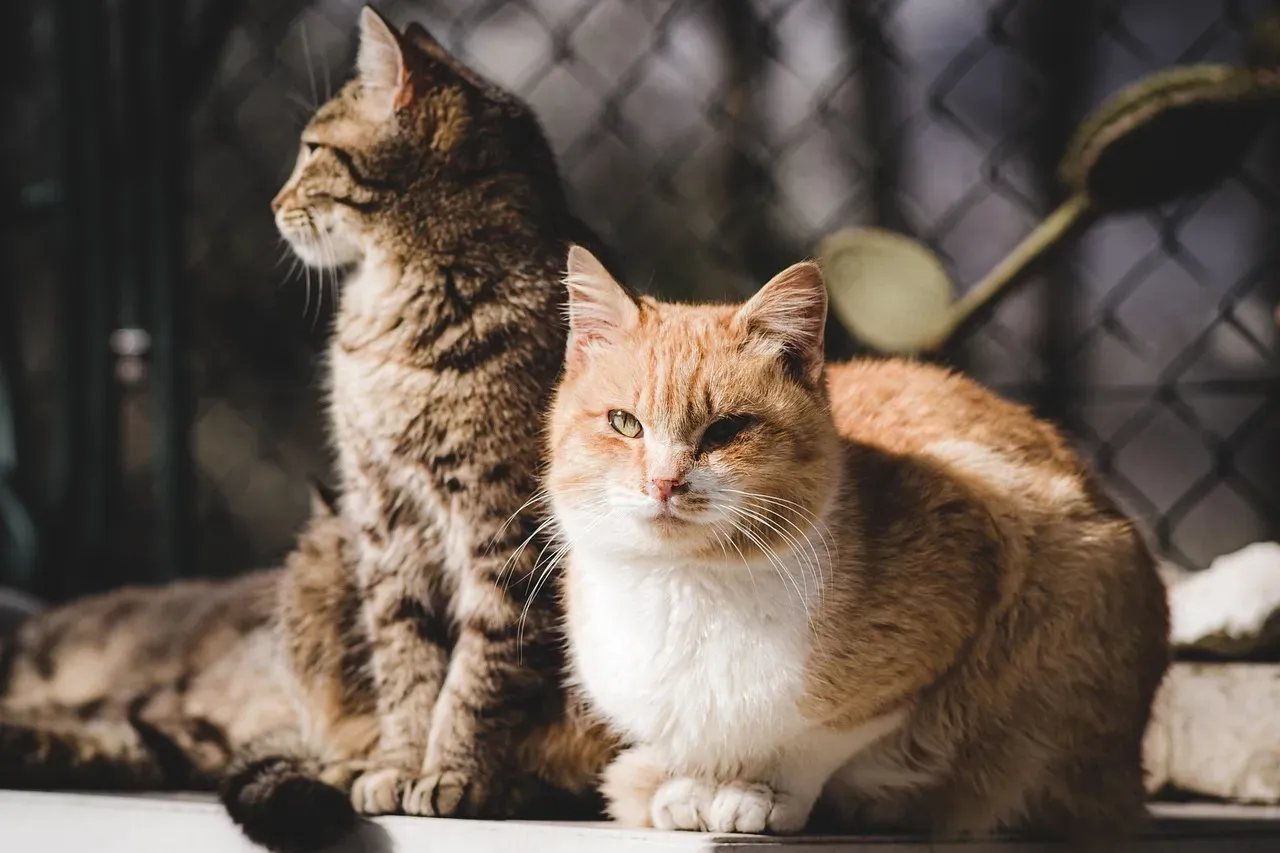
If someone owns an established group of cats and abruptly brings in a stranger, it’s like expecting a human family to readily accept a stranger and share their bed, food, bathroom and living space with them, and cats do not welcome the abrupt addition of a stranger any more than we would. This is such an important point that gets overlooked.
Keep mixing scents until the cats show no reaction to the smell, then you can progress to allowing them to see each other through a glass or mesh door, letting each cat approach or hide as they choose. Rushing this process usually backfires spectacularly. Some cats adjust within weeks, while others need months to accept a new feline roommate.
Rubbing Against You is About Ownership
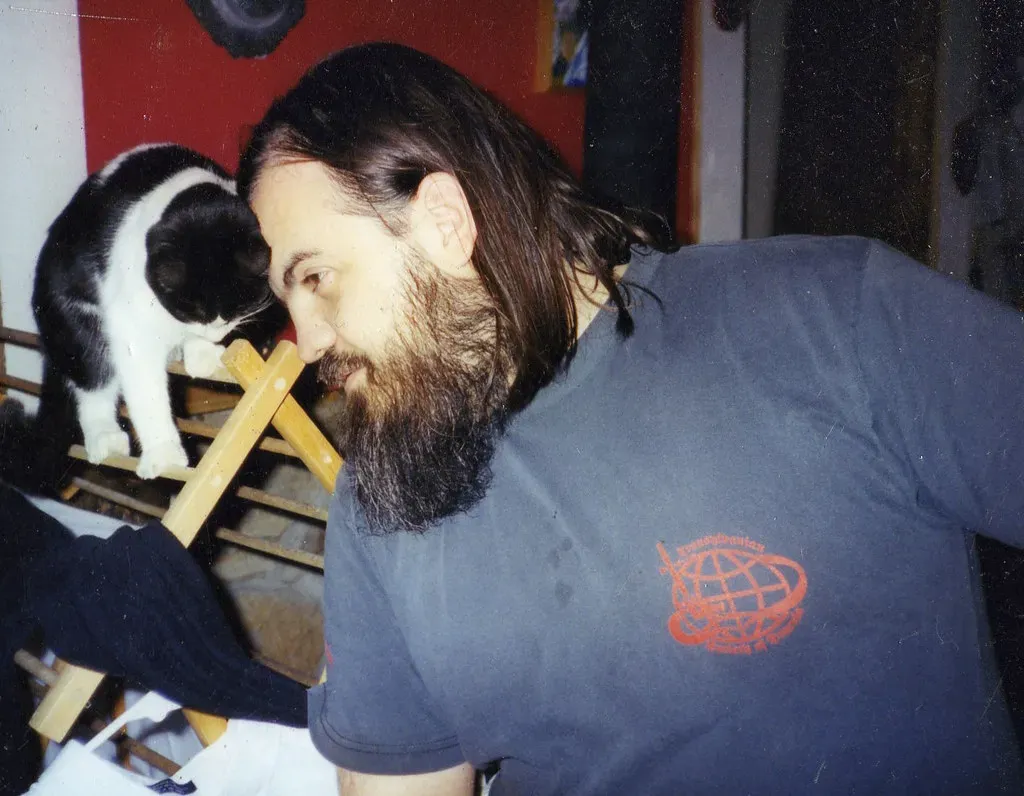
When your cat rubs their chin and body against you, they’re marking their territory, and they also rub the chair, the door, their toys and everything in sight, telling everyone that this is their stuff, including you. You’re not just a friend. You’re property.
When your cat rubs around your legs to greet you, they’re doing the same as they would with another cat through mutual rubbing, and they use your legs because they can’t easily reach your face, then afterward they’ll groom and check out your scent. It’s a combination of affection and territorial marking. Your cat is basically telling other cats, “This human is mine, back off.”
They Actually Do Get Attached to You
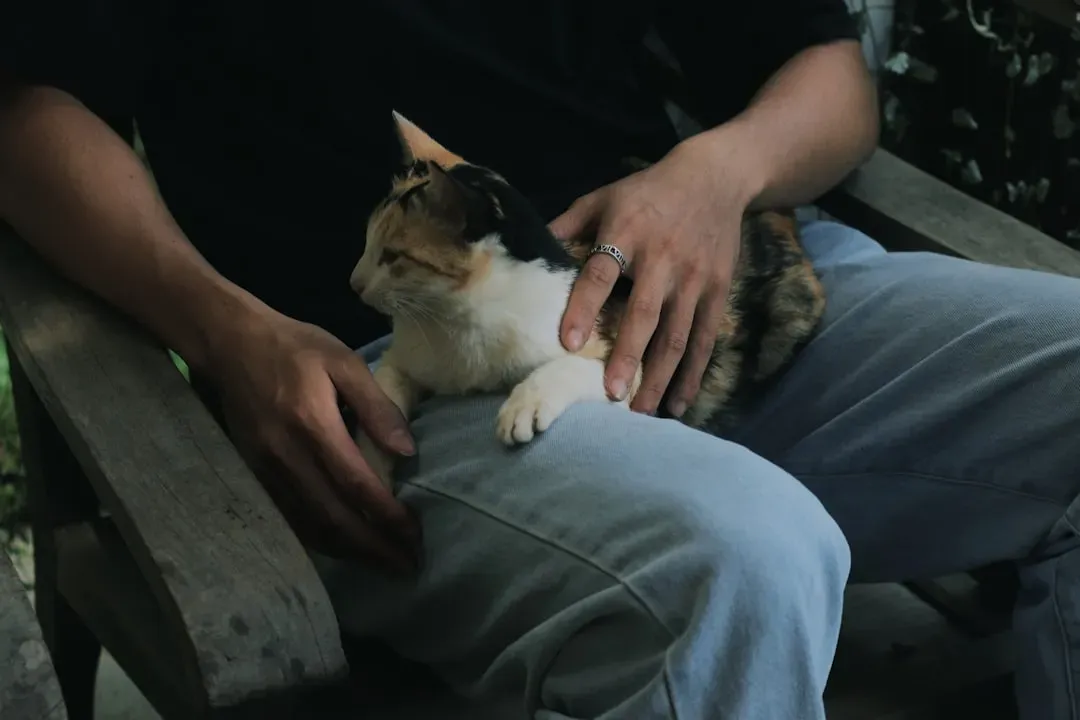
A surprising number of owners report moderate to severe behavioral problems when a cat is separated from its owner, and these cats really do seem distressed from being away from their human buddies. So much for the myth that cats are aloof and don’t care.
In clinics, cats may eliminate or vomit if they’re left alone for more hours than usual, and they are definitely attached to people. The way they show they’re attached is very different from dogs, as dogs make prolonged physical contact whereas cats may stay close to the person they like but don’t necessarily engage. Your cat’s love language is just more subtle than a dog’s enthusiastic greeting.
Conclusion: Living on Their Terms Creates Harmony
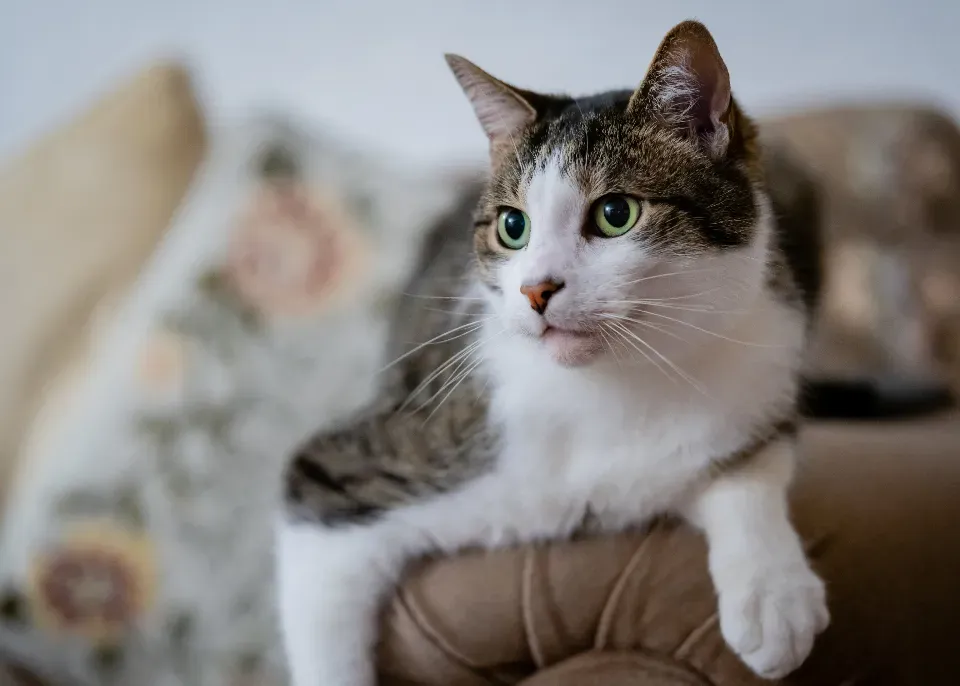
Understanding your cat’s unspoken rules isn’t about letting them rule your home. It’s about recognizing that they communicate differently and have needs that don’t always align with human logic. When you learn to read their body language, respect their boundaries, and provide the right environment, living together becomes so much easier.
The real secret? Stop expecting your cat to adapt to your world and start meeting them halfway. Provide enough litter boxes, respect their need for vertical space, don’t force affection when they’re not in the mood, and accept that they’re wired differently than dogs. Your reward will be a calmer, happier cat and fewer scratches, ruined furniture, and middle-of-the-night wake-up calls.
Did you recognize any of these unspoken rules your cat’s been trying to teach you? What surprised you most about their communication style?
Kristina is a young writer from India. An arts graduate and an avid content creator, Kristina is passionate about animals and wildlife. She enjoys exploring topics related to pet care, animal behavior, conservation, and nature, combining thorough research with engaging storytelling.