Ever catch your cat staring at you with those wide eyes, only to have them suddenly dart across the room like they’ve spotted an invisible intruder? Maybe you’ve noticed your favorite cushion has become a scratching post, or your once calm kitty has turned into a midnight maniac. These aren’t random quirks. Your cat is actually trying to tell you something important.
Cats are fascinating creatures with a language all their own. Unlike dogs who practically knock you over with a tennis ball when they want attention, cats communicate in whispers and subtle gestures. They’re the masters of the understated hint, the quiet suggestion that something needs to change. Learning to read these signals can transform your relationship with your feline friend and make both of your lives so much better.
1. The Midnight Zoomies Have Taken Over Your Home
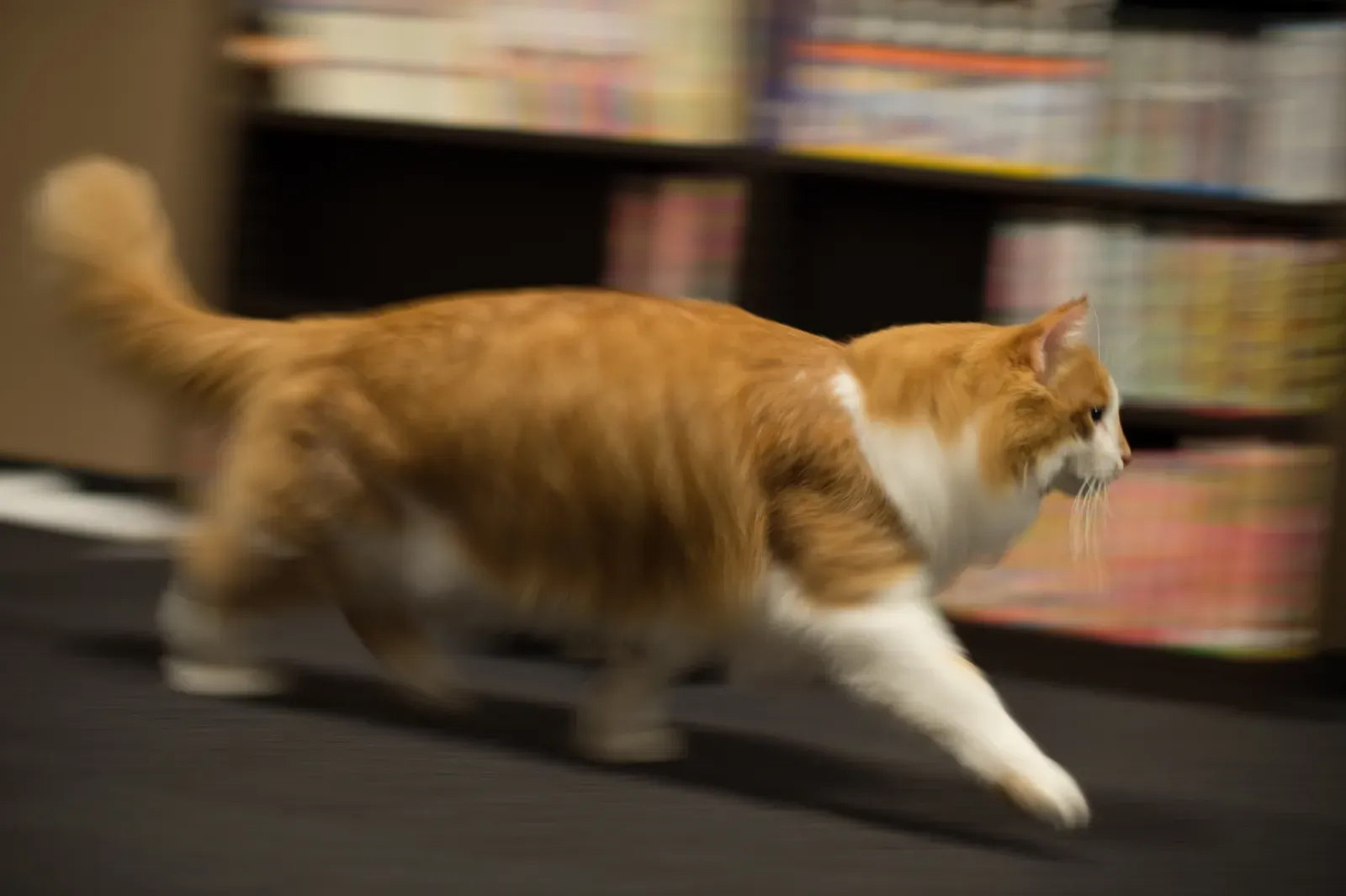
Those moments when your cat goes crazy and starts running around the house like a bat out of hell are a clear sign that they need more play. You know the scene: it’s three in the morning, you’re peacefully asleep, and suddenly it sounds like a herd of elephants is stampeding through your hallway. Some cats will pounce on human fingers or toes hanging over the side of a bed, others will run laps around the house, some will very delicately knock items off shelves, one at a time, and many simply wander the perimeter of the home, yowling periodically.
These bursts of energy aren’t your cat being weird for the sake of it. Zoomies refer to sudden, intense bursts of energy in cats, often marked by sprinting, jumping, and playful antics, and they’re basically your cat’s way of saying their energy tank is overflowing. Think of it like a shaken soda bottle. Without a proper outlet during waking hours, all that pent-up hunting energy has to go somewhere.
2. Your Ankles Have Become Prime Hunting Targets
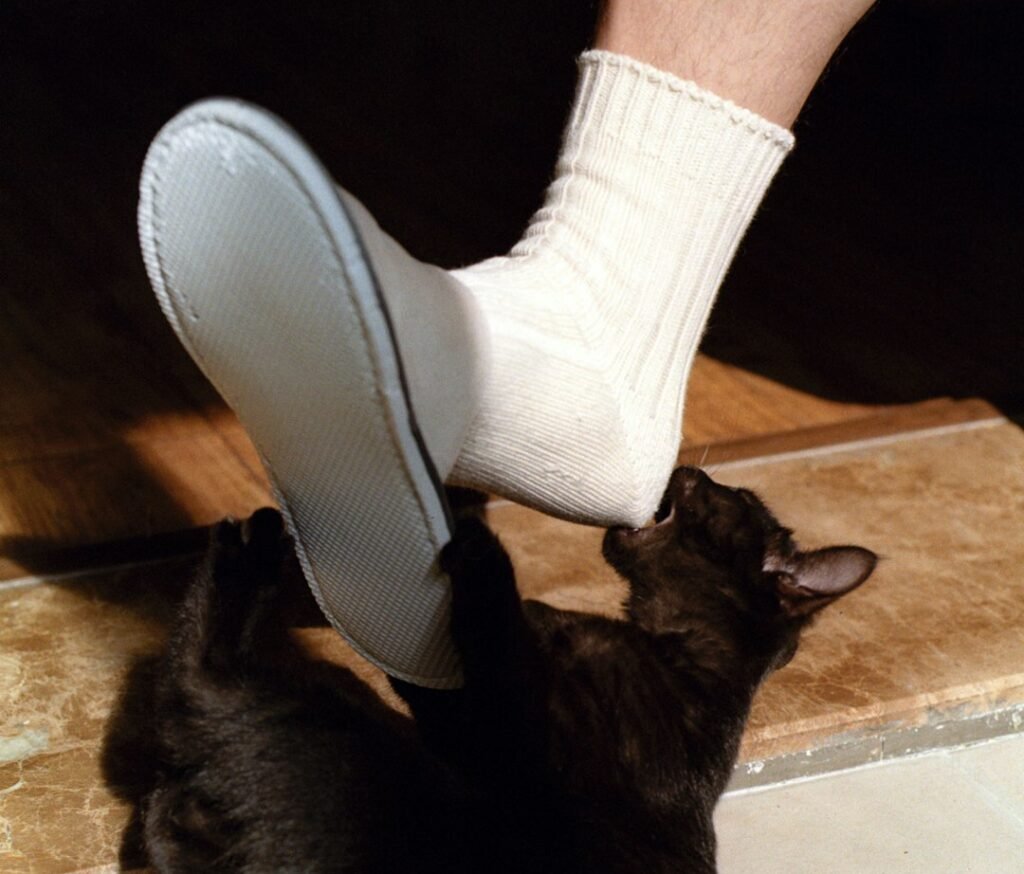
Ever had your cat lie in wait for you to pass and then jump out and nip at your ankle, which experts call a drive-by ankle biting, because cats need to hunt and in the absence of anything else, you become their prey. It might feel like an ambush attack, and honestly, that’s exactly what it is. Your cat isn’t being aggressive or mean. They’re just desperately trying to practice their predator skills, and unfortunately, your moving feet look an awful lot like prey scurrying across the floor.
This behavior typically happens when your cat hasn’t had enough opportunity to chase, stalk, and pounce on appropriate toys. If your cat displays stalking behaviors, like pouncing on your feet, they are telling you they need lots of challenging activity and mental enrichment. The good news? Once you start giving them regular hunting games with toys, your ankles can retire from their unwanted role as prey.
3. They’re Meowing More Than a Politician Makes Promises
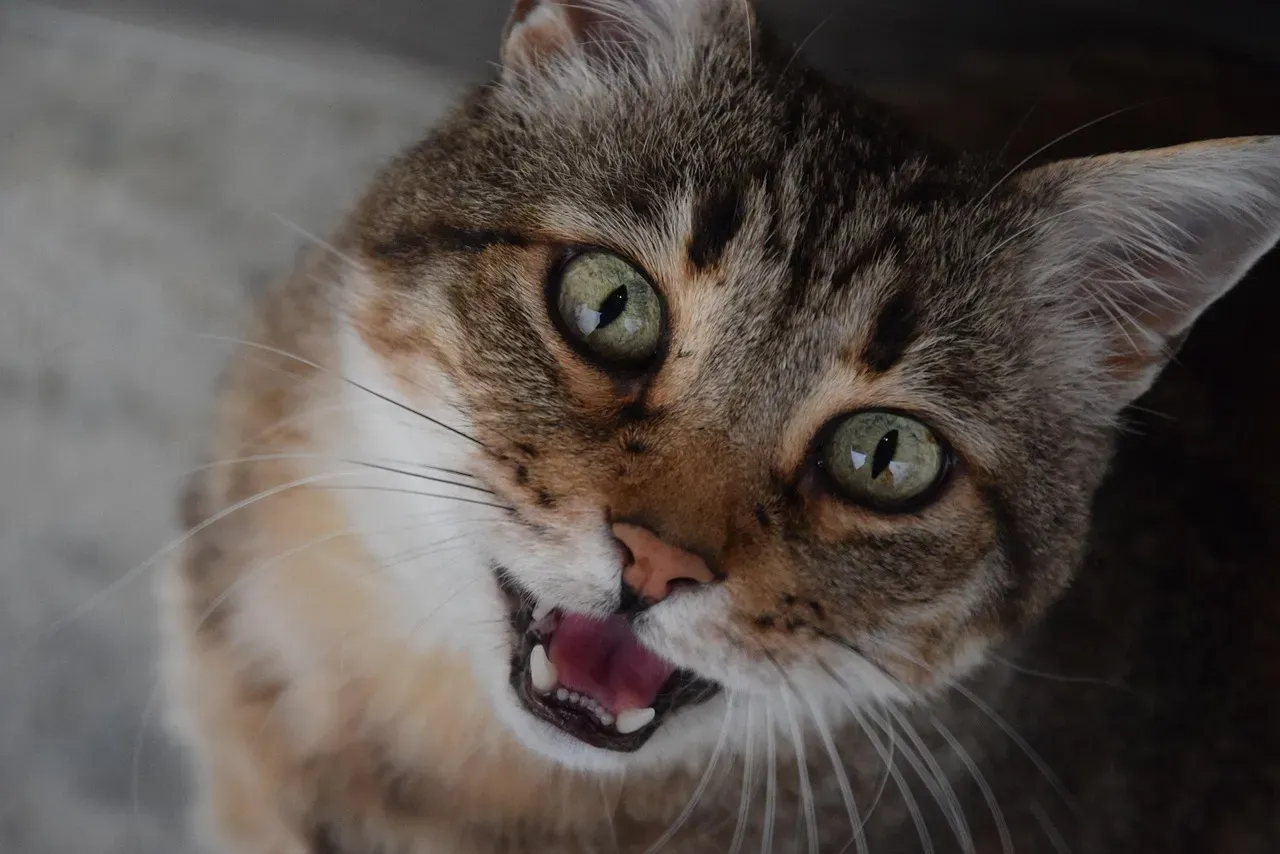
Is your cat suddenly more vocal than usual? Sometimes cats are very straightforward when they want your attention by constantly meowing or pawing your leg more than usual. That persistent meowing isn’t just background noise you should ignore while scrolling through your phone.
Often when cats come up to you and start yowling, it is because they have learned that when they do that, you are more likely to take action. Your cat has basically figured out that being the squeaky wheel gets results. The tricky part is not rewarding the yowling itself, but recognizing it as a sign that you need to schedule more regular play sessions throughout the day.
4. Your Furniture Is Taking a Beating
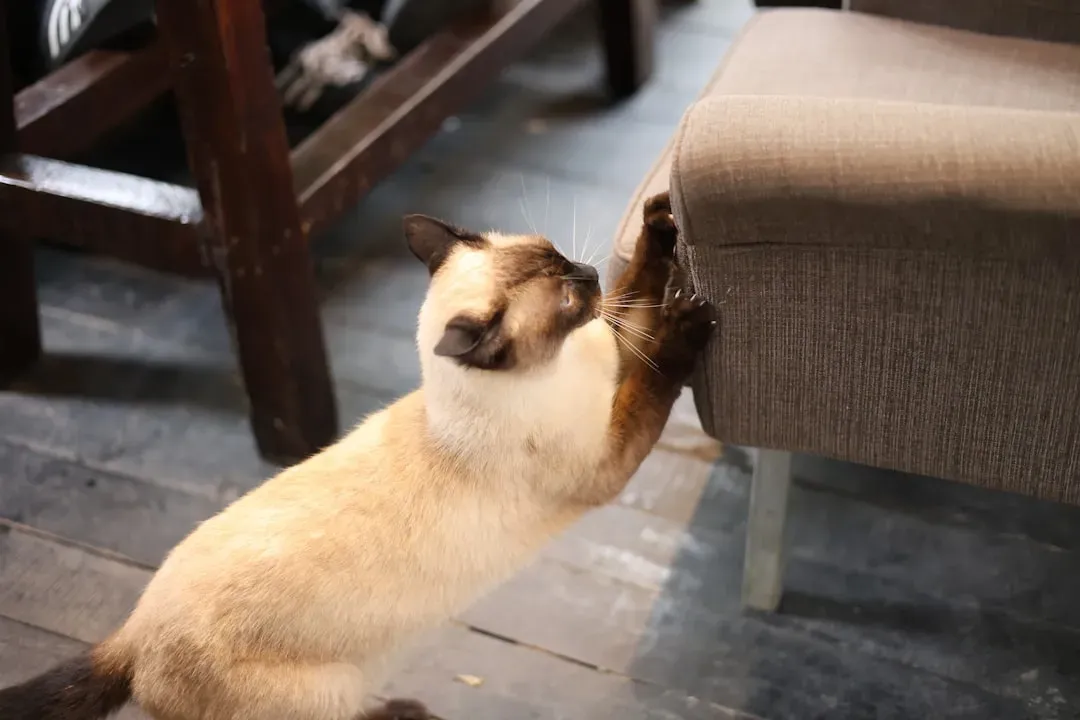
If your cat is not getting enough playtime, they may have excess energy and find other ways to spend this energy, such as scratching your furniture, and a lack of playtime can also make them more aggressive. That beautiful couch you spent months saving for? To a bored cat, it’s just a giant scratching post begging to be shredded.
Scratching is natural cat behavior, sure. They need to stretch, mark territory, and shed old claw sheaths. However, when the scratching becomes destructive and relentless, it’s often a red flag that your cat needs a better outlet for their energy. Providing appropriate scratching posts is great, but they also need the mental satisfaction that comes from interactive play sessions where they can hunt and capture prey.
5. The Pounds Are Packing On
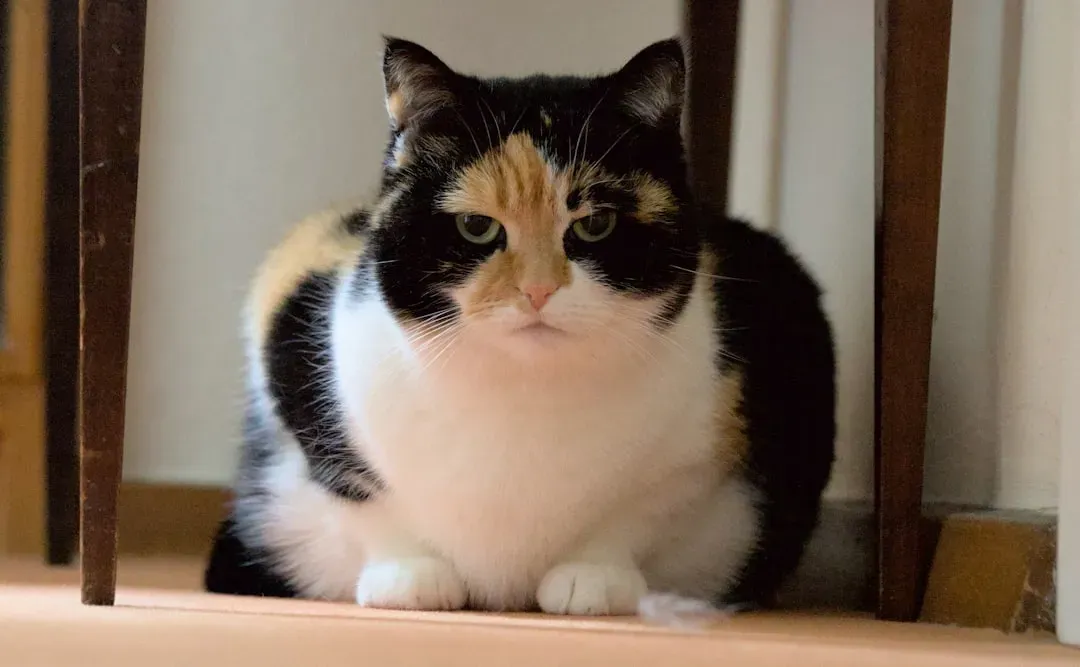
If your cat is visibly getting flabbier and heavier, your cat will likely need to exercise more through playtime. Just like humans who mindlessly snack when there’s nothing else to do, cats can develop the same unhealthy habit. Just as we can eat and eat when we are bored, your cat may start viewing feeding time as an activity in the absence of other sources of stimulation, which can then lead to weight gain and obesity.
Weight gain in cats isn’t just about aesthetics. It can lead to serious health problems including diabetes, joint issues, and heart disease. If you notice your cat is looking a bit rounder than usual and they’re not particularly active, it’s time to swap out some of that food time for play time. Your vet can help you create a balanced plan that includes both portion control and increased activity.
6. They’ve Become Your Furry Shadow
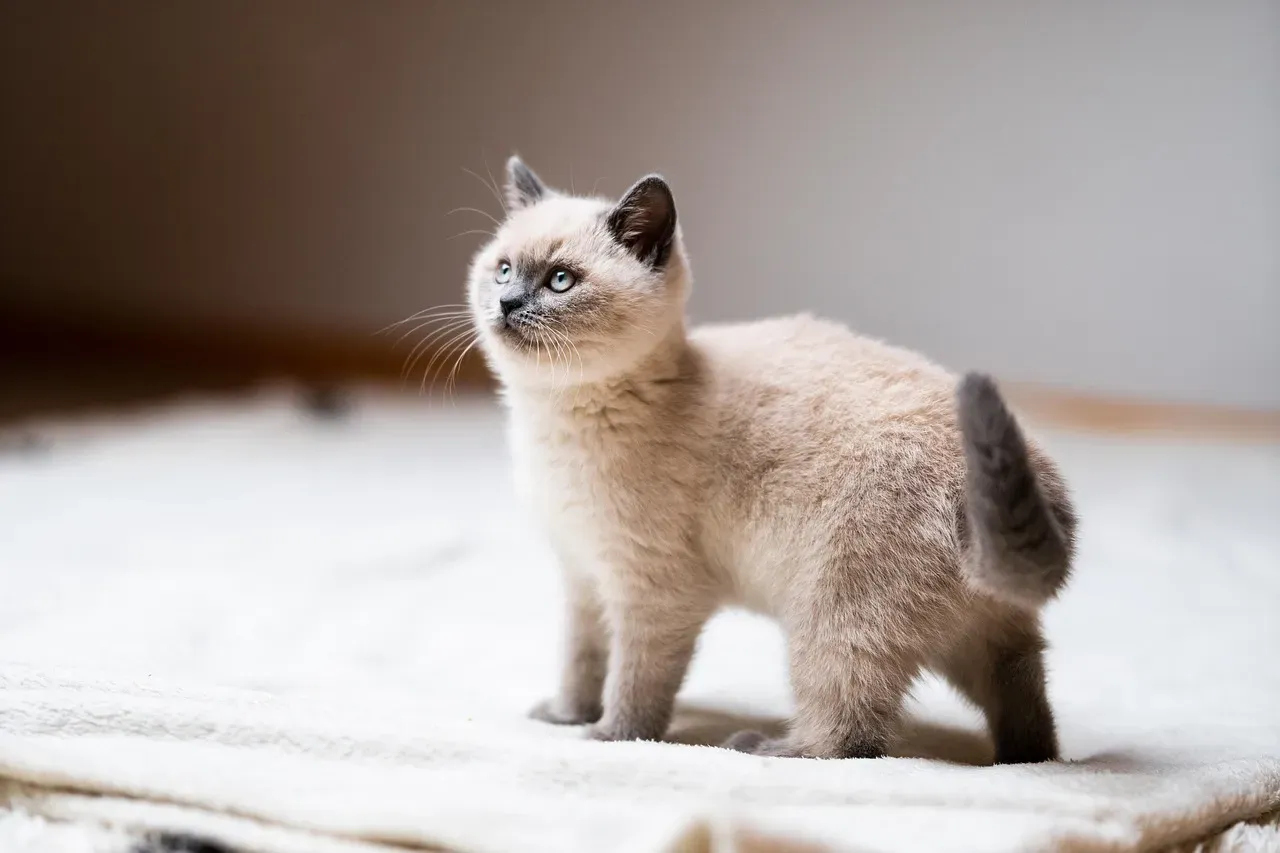
Cats may resort to attention-seeking behaviors like pawing at you, climbing on your lap incessantly, or demanding constant petting when they are bored because they are seeking interaction and stimulation from their human companions. If your once independent cat has suddenly transformed into a clingy companion who follows you from room to room, they might be desperately seeking entertainment.
This isn’t necessarily separation anxiety, though the two can look similar. A bored cat simply doesn’t have anything better to do than watch you. They’re hoping you’ll notice them and initiate something fun. It’s actually kind of flattering when you think about it. Your cat has basically decided you’re the most interesting thing in their environment, which means you also have the power to fix their boredom.
7. Excessive Grooming Has Left Bald Patches
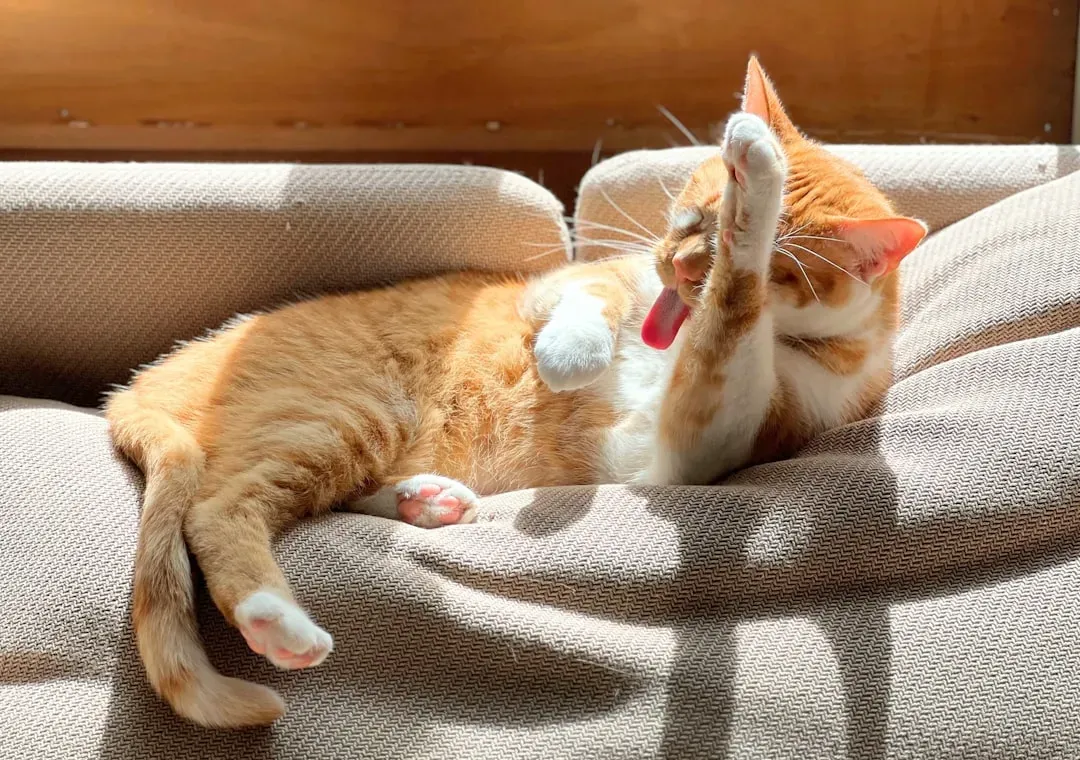
Cats who are suffering from boredom may repeatedly lick themselves, chew at their skin, or pull out their fur, and the irritation that results from this behavior can cause them to continue to over-groom. It creates a frustrating cycle where the more they groom, the more irritated their skin becomes, which makes them groom even more.
Grooming is normally a healthy, self-soothing behavior for cats. They spend a huge portion of their day keeping themselves clean. However, when grooming crosses into obsessive territory and you start noticing thin patches of fur or red, irritated skin, it’s time to take action. Beyond increasing playtime, you should also check with your vet to rule out any medical issues like allergies or skin conditions.
8. They’re Sleeping Even More Than Usual
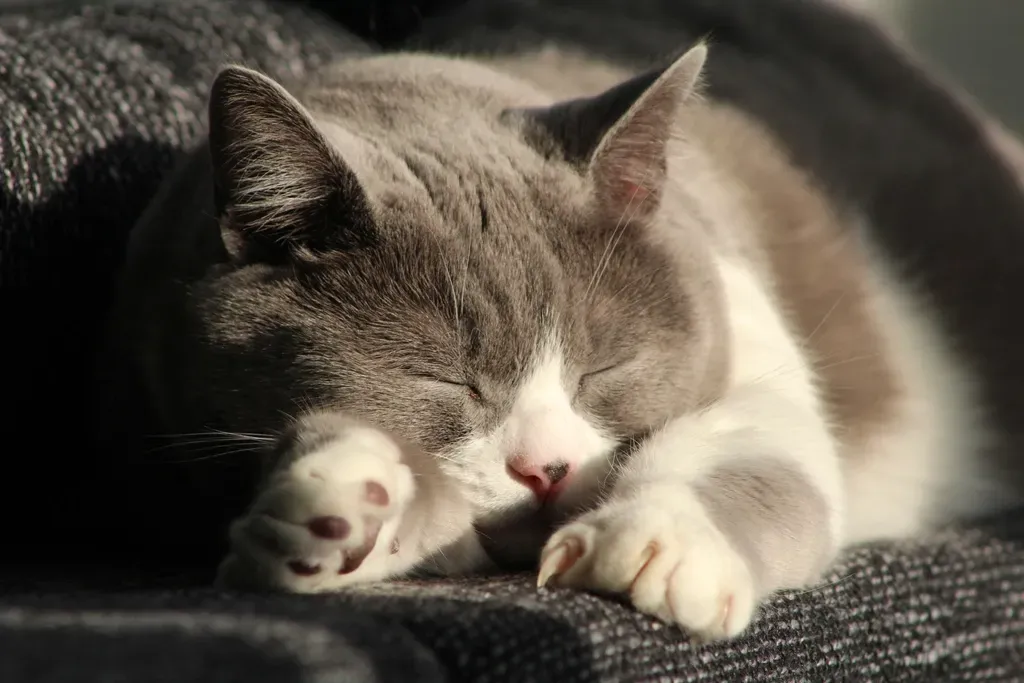
While it’s normal for cats to sleep for extended periods, excessive sleep can be a sign of boredom because cats sleep to pass the time when they lack stimulation. I know what you’re thinking: cats already sleep something like sixteen hours a day, so how can you tell when it’s too much?
The key is noticing changes in their routine. It’s totally normal for your cat to spend a lot of time napping, however they also need physical stimulation like playing, climbing, and exploring, and if your cat seems depressed or never wants to leave the comfort of their sleeping place, you may have a bored cat. If your cat used to have periods of active play and exploration but now just lies around looking glassy-eyed and disinterested, that’s your cue.
9. Other Pets in the House Are Getting Bullied

Has your cat suddenly started picking fights with or chasing after other cats or dogs in the household, you likely have a bored cat who needs more interaction and exercise to keep them happy. Your dog who used to peacefully coexist with your cat is now constantly being stalked and pounced on. Your other cat can’t walk past without getting swatted.
This behavior stems from your cat’s unfulfilled need to hunt and engage in predator play. Without appropriate toys and play sessions, they turn to the next best thing: their housemates. The problem is that the other animals aren’t exactly willing participants, which can create stress and tension throughout your entire household.
10. Destructive Chewing Has Become Their New Hobby
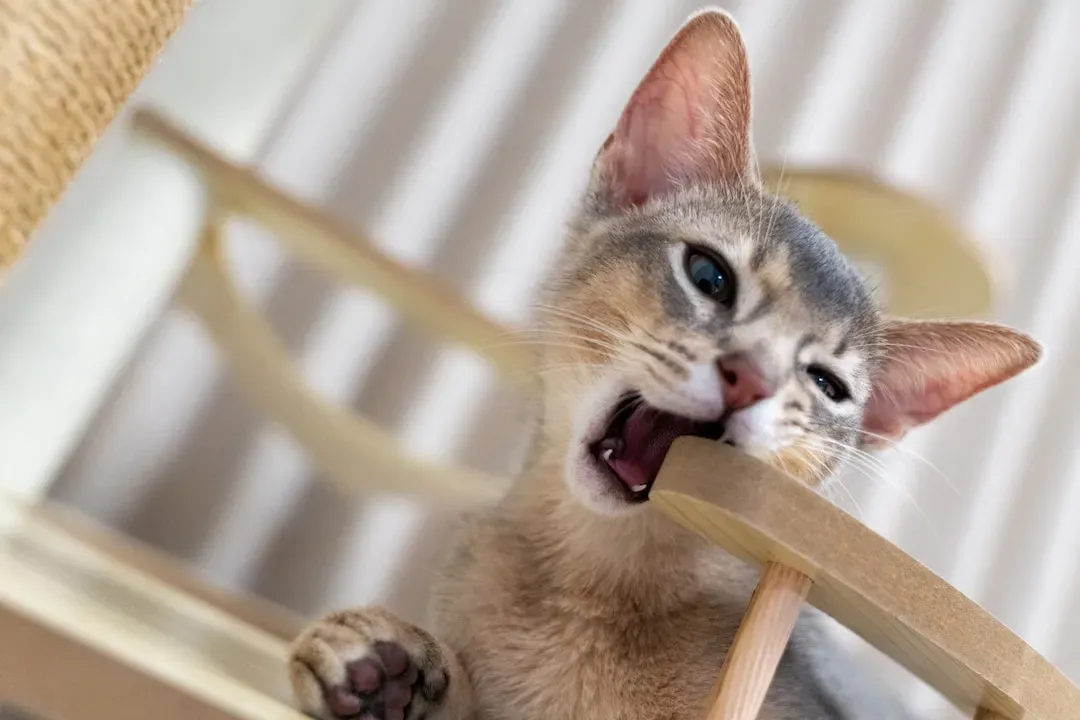
Chewing on random bits of cardboard, paper, or plastic isn’t just about satisfying an oral fixation but often is a response to boredom because they’ve got pent-up energy and nothing to do and nowhere to go. Your cat has discovered that chomping on your houseplants, electrical cords, or that pile of mail on the counter gives them something to focus on.
This behavior can actually be dangerous depending on what they’re chewing. Electrical cords present a serious shock hazard, and many houseplants are toxic to cats. Beyond the safety concerns, this destructive chewing is your cat’s way of saying they need mental stimulation. Their brain is hungry for activity, and they’re finding it in all the wrong places.
11. They’ve Lost Their Natural Curiosity
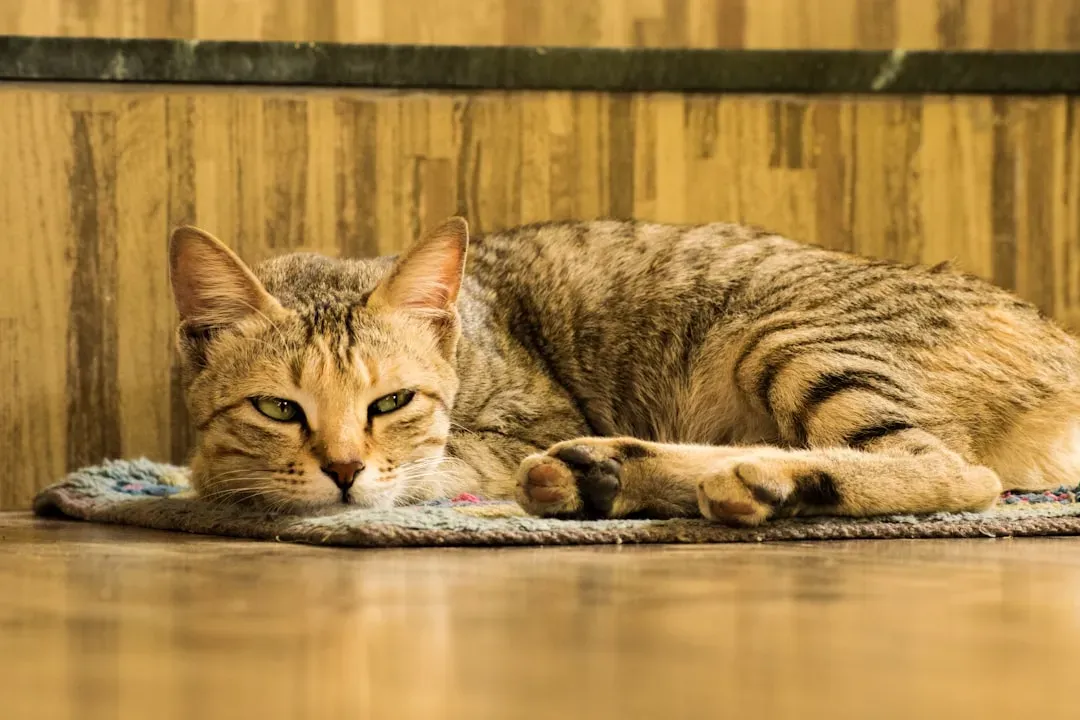
Cats are usually curious creatures with an active interest in what is going on around them, and if your cat is feeling bored, they might lose that spark and be less inclined to engage and interact with others or their surroundings. That cardboard box that would normally send them into a frenzy of exploration? They walk right past it without a second glance.
This loss of curiosity can sometimes be mistaken for a cat simply maturing or calming down with age. While senior cats do naturally become less active, a complete loss of interest in their environment at any age is concerning. Cats are hardwired to be interested in movement, new smells, and changes in their territory. When they stop caring, something is definitely off.
12. They’re Knocking Everything Off Your Shelves
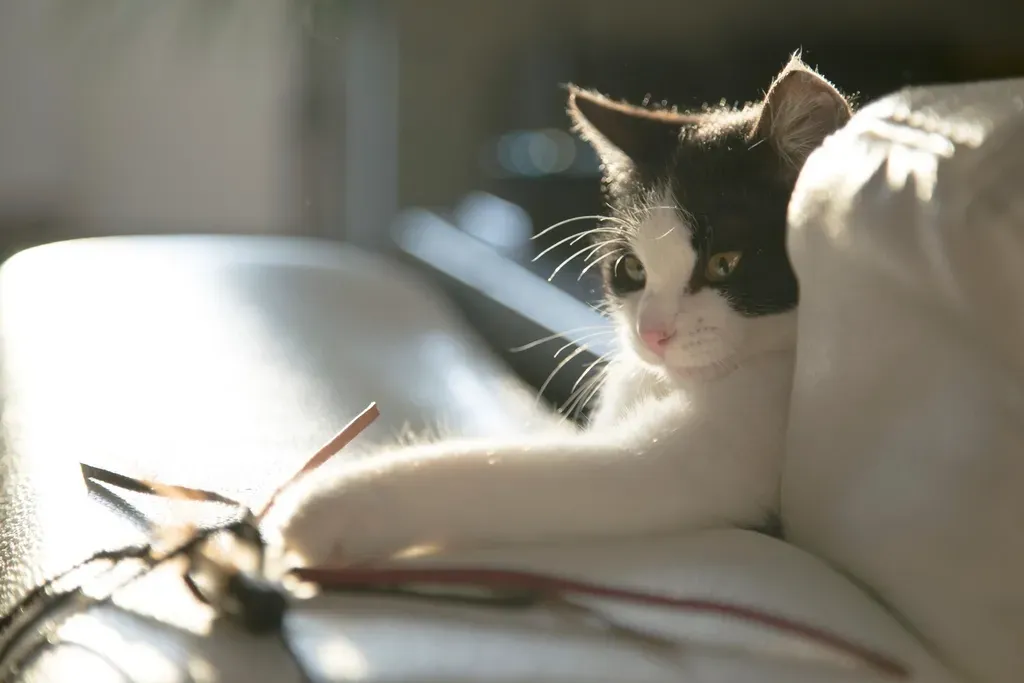
Ever notice how cats will sometimes wait until you are looking at them to casually toss something off the table because they want you to react and engage with them, and if you play with them more often, they will likely not feel the need to randomly make your belongings clatter to the floor. That expensive vase? Crash. Your coffee mug? Splat. Your phone? Sliding dangerously close to the edge while your cat maintains eye contact.
This isn’t your cat being spiteful or trying to annoy you, though it certainly feels that way at three in the morning. They’ve learned that knocking things over gets a response from you, even if that response is you yelling at them. Any attention is better than no attention when you’re desperately bored. The solution isn’t to secure everything in your house with superglue. It’s to give your cat the interactive attention they’re craving.
13. Litter Box Problems Have Started Out of Nowhere
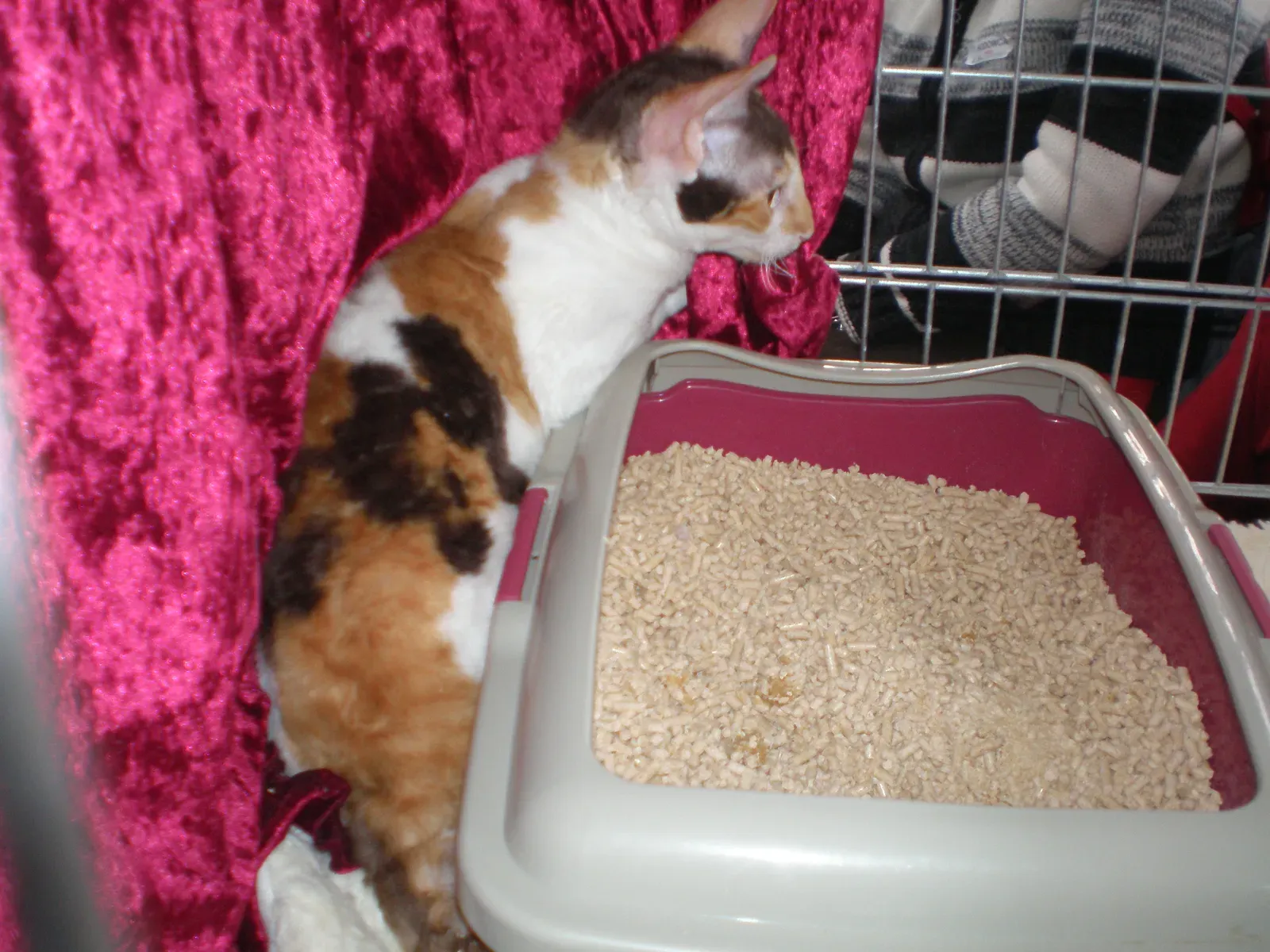
The anxiety caused by boredom may throw off a cat’s bathroom habits, causing them to pee and poop outside the litter box, and cats may also urinate in inappropriate places when they’re experiencing separation anxiety, which might be heightened when they’re alone with nothing to do. Finding a puddle or pile somewhere it definitely shouldn’t be is frustrating, to say the least.
Before assuming it’s boredom, you absolutely need to rule out medical issues like urinary tract infections or kidney problems with your vet. However, if your cat gets a clean bill of health and the behavior continues, boredom and stress could be the culprit. Cats don’t pee on the bed to teach you a lesson or get revenge, they are crying out for help. Increasing playtime and mental stimulation can often resolve these issues completely.
Conclusion
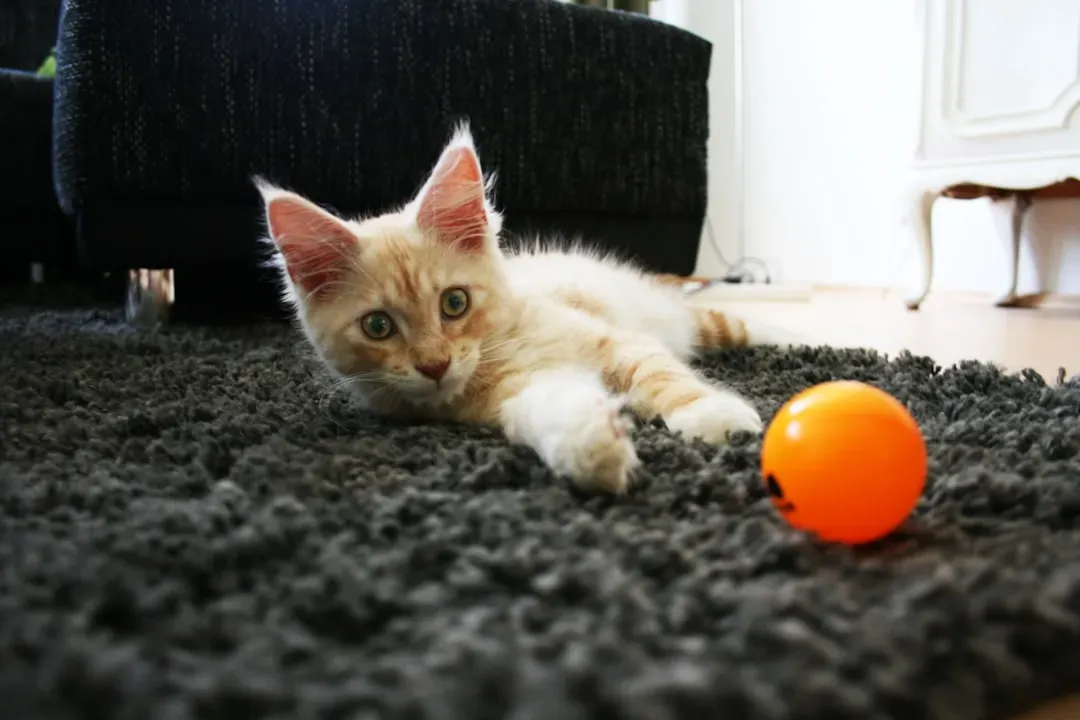
Your cat’s subtle signals aren’t just quirky behaviors to tolerate or ignore. They’re genuine attempts at communication, little SOS messages wrapped in fur and whiskers. Cats need to play, and they need to play with you, because play is as much about mental stimulation as physical exercise. Even just a couple of ten-minute sessions each day can make a world of difference.
The beauty of understanding these signals is that the solution is actually pretty simple and incredibly rewarding. Grab a feather wand, toss a crinkle ball, drag a string across the floor. You’ll be amazed at how quickly those problem behaviors disappear when your cat’s natural hunting instincts are properly satisfied. What signals have you noticed from your own cat that told you they needed more playtime?