You know that feeling when everything seems perfectly normal, yet your cat suddenly starts acting weird? Maybe they’re hiding more than usual, or they’re licking themselves raw in one spot. Here’s the thing most cat owners don’t realize: you might be the one causing all that stress without even knowing it.
Cats are masters at masking discomfort. Unlike dogs who might whimper or seek comfort, cats often express stress through subtle changes that we’ve learned to accept as part of their mysterious nature. What you think is just typical feline behavior could actually be a silent cry for help. Let’s be real, we all want the best for our furry friends, but sometimes our best intentions backfire in ways we’d never expect.
Petting Your Cat in All the Wrong Places
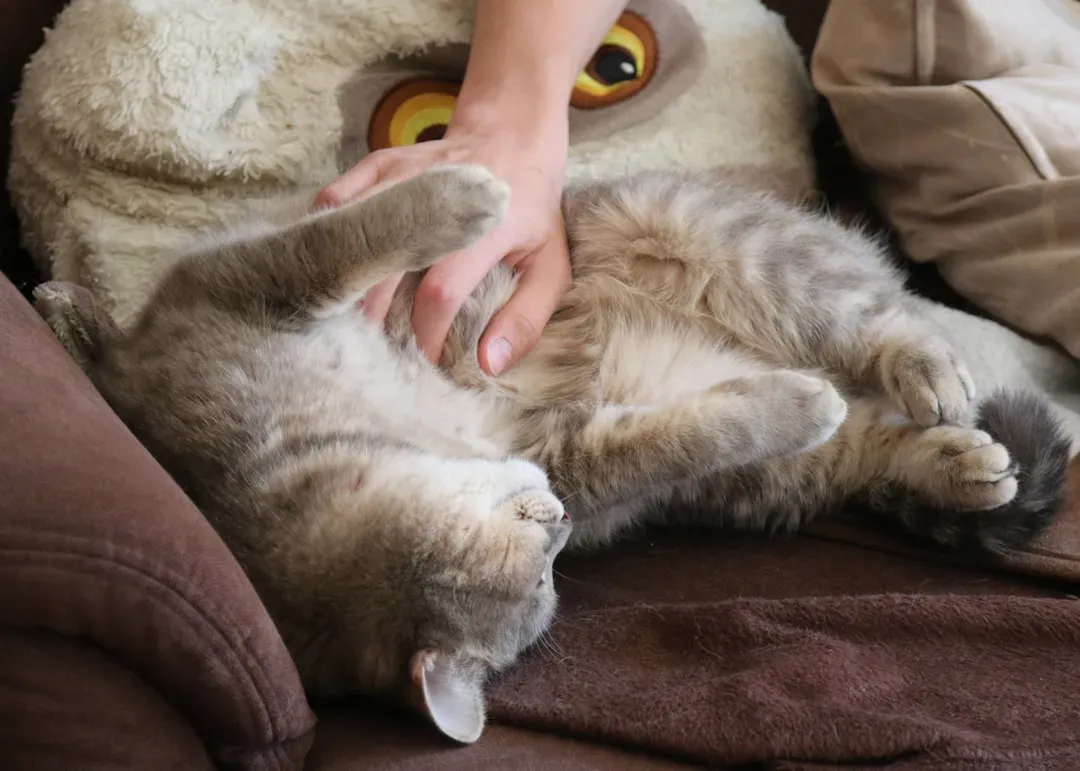
Think your cat loves belly rubs just because they rolled over? Think again. Many owners, including those who consider themselves cat experts, consistently pet cats in areas that most felines find uncomfortable or unpleasant, as cats have very specific preferences about where they enjoy being touched. Your hands wandering to their belly, tail base, or paws might feel like affection to you, yet it could be making your cat incredibly uncomfortable.
Here’s what most people miss: just because your cat tolerates something doesn’t mean they enjoy it. Some cats won’t immediately swat you away or bite when you touch sensitive areas. Instead, they internalize that stress, which builds up over time. The best approach is to begin petting only in preferred areas like behind ears, chin, or cheeks, and watch for comfort signals while stopping if you notice any signs of stress. Your cat’s body language will tell you everything if you’re paying attention.
Forcing Physical Contact When They’re Not Ready
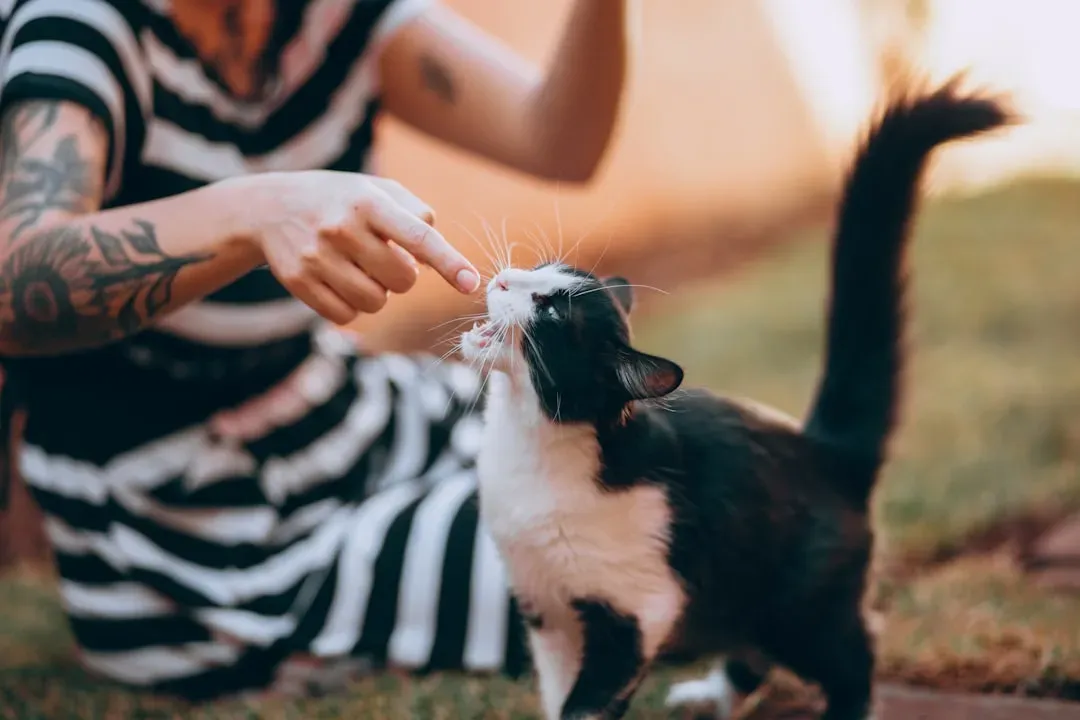
Many owners approach their cats and immediately begin petting or handling them without waiting for signs that the cat is receptive to contact, which violates cats’ fundamental need for personal space and control over social interactions. Honestly, this one drives me crazy because it’s so easily avoidable. Your cat isn’t a stuffed animal you can grab whenever the mood strikes.
Cats are naturally cautious animals that prefer to assess situations before engaging, and when humans bypass this natural process and force interaction, it creates stress and can lead to avoidance behaviors or defensive responses. Let them come to you instead. When you reach out and your cat pulls away, that’s not them being moody. That’s them setting a boundary you need to respect.
Keeping a Dirty or Inadequate Litter Box Setup
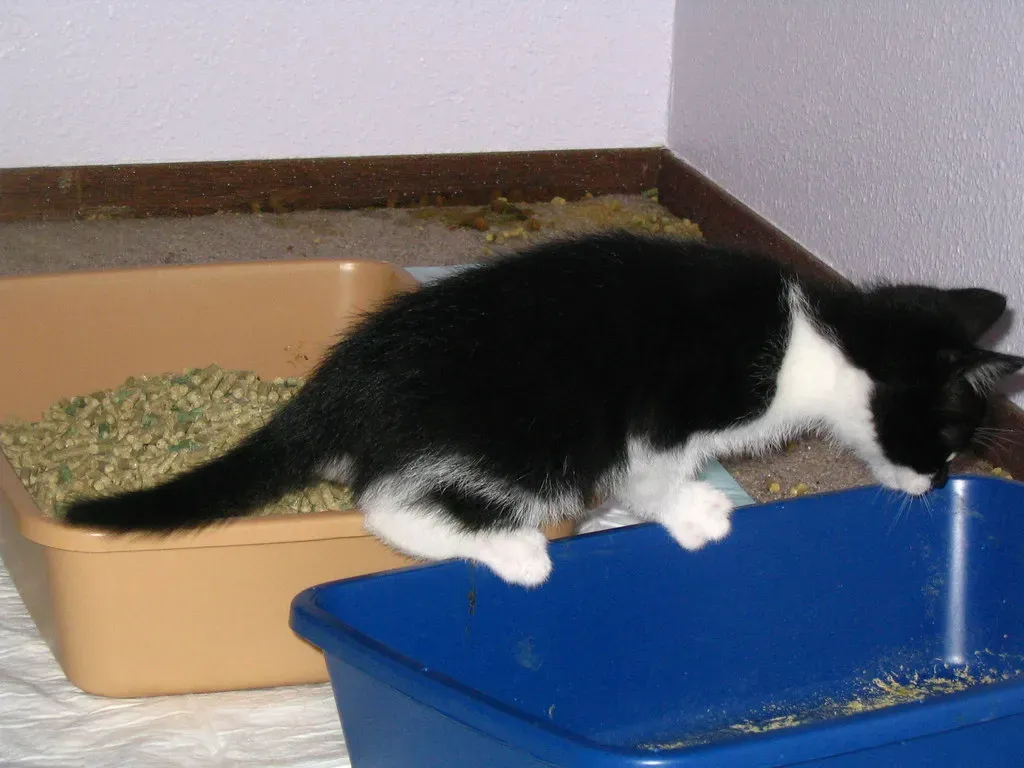
Would you want to use a filthy bathroom? Your cat doesn’t either. Not cleaning food and water bowls or litter trays frequently enough can cause stress, as a dirty litter box might cause your cat to eliminate outside their designated bathroom, which can lead to stress and dangerous conditions like cystitis. This isn’t just about cleanliness, it’s about your cat feeling safe in their most vulnerable moments.
Cats who live in a multicat household are more likely to be stressed, especially if you do not provide enough resources such as litter boxes, scratching posts, and food and water bowls, and cats can be stressed if their litter box setup doesn’t meet their standards, especially if the litter box needs cleaning or is in an inconvenient location. The general rule? One litter box per cat, plus one extra. Location matters too, your cat won’t use a box placed next to a loud washing machine or in a high-traffic area.
Making Sudden Changes to Their Environment
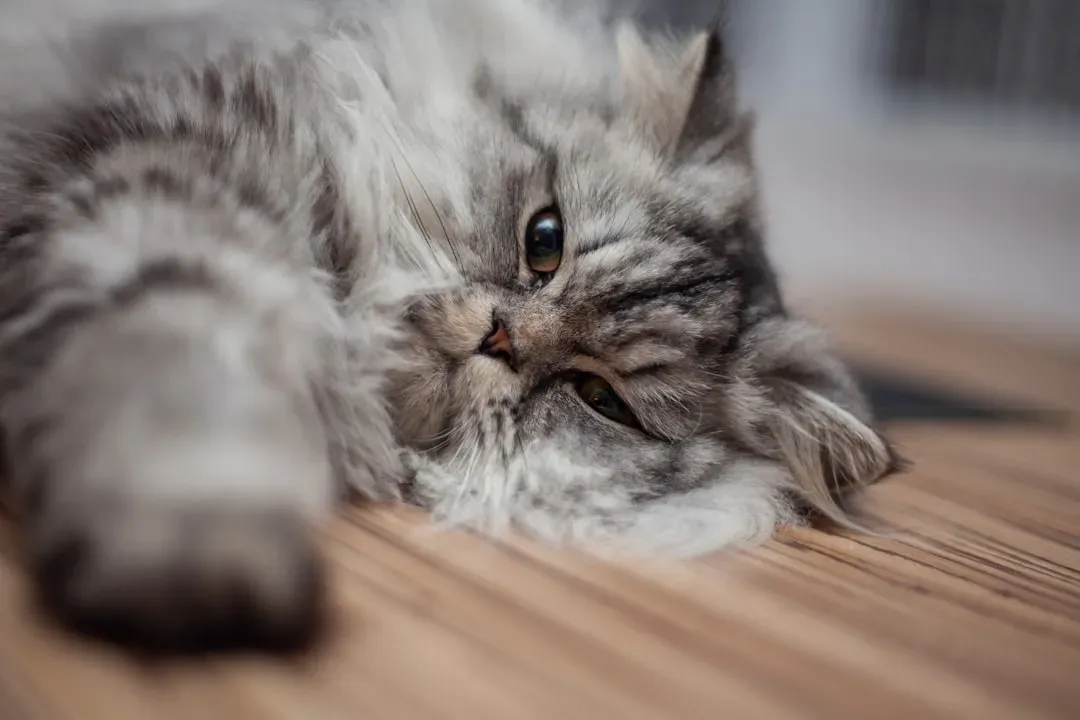
Cats are creatures of habit and do not like change, so minor changes to your environment that might not bug you could send your cat into a stress spiral. Rearranging furniture might seem harmless to you. For your cat, it’s like waking up in a completely different house. Even small adjustments such as changing their daily feeding time or play schedule can trigger cat anxiety, and sometimes something as simple as rearranging the furniture can upset your cat.
I’ve seen this happen so many times. Someone redecorates their living room and suddenly their cat starts peeing on the new couch. That’s not spite, that’s pure stress. Changes to their environment or home are one of the biggest causes of stress for cats, including losing access to a favorite hiding place or changes to their beds or other places they sleep. Give your cat time to adjust to any changes, and maybe introduce them gradually when possible.
Failing to Provide Enough Mental Stimulation
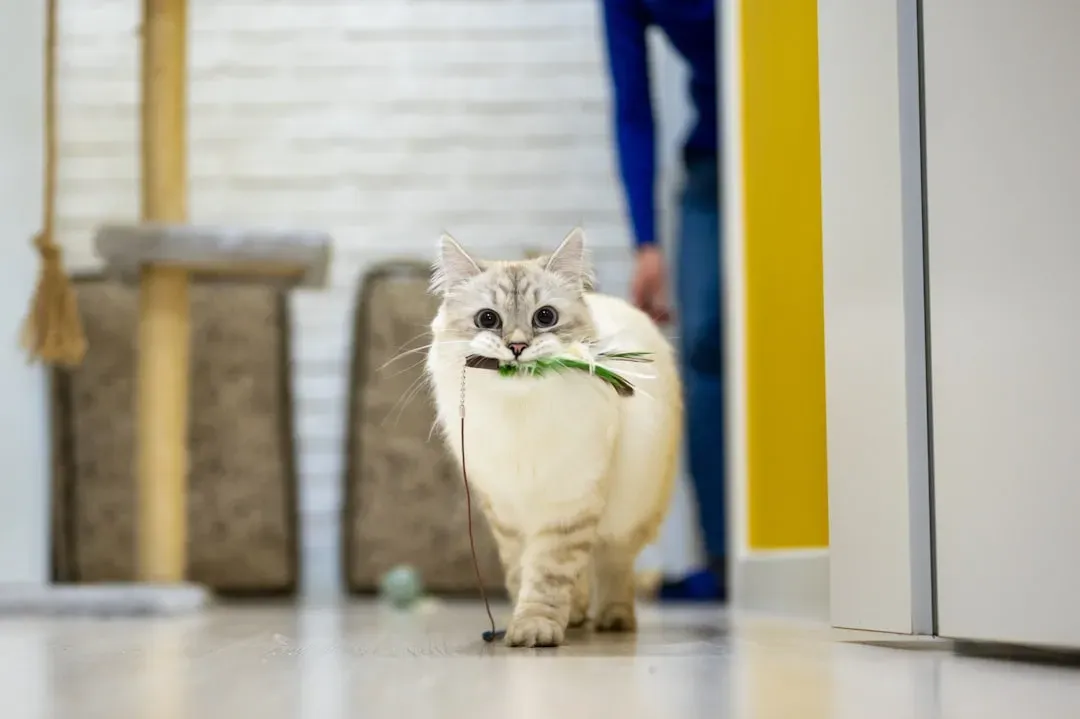
Even the most docile cat needs plenty of environmental enrichment, as a lack of stimulation can cause bored cats to become aggressive and destructive, or lead to over-grooming which can result in skin conditions, or increased stress and depression. Your cat isn’t lazy just because they sleep most of the day. They’re natural hunters who need outlets for those instincts.
Without proper stimulation, your cat’s anxiety builds up with nowhere to go. Bored cats develop destructive behaviors and obesity, making daily interactive play sessions non-negotiable for mental and physical health. It doesn’t take much, just ten or fifteen minutes of interactive play a couple times a day can make a massive difference. Puzzle feeders, window perches, and rotating toys all help keep your cat’s brain engaged.
Punishing Them for Stress-Related Behaviors
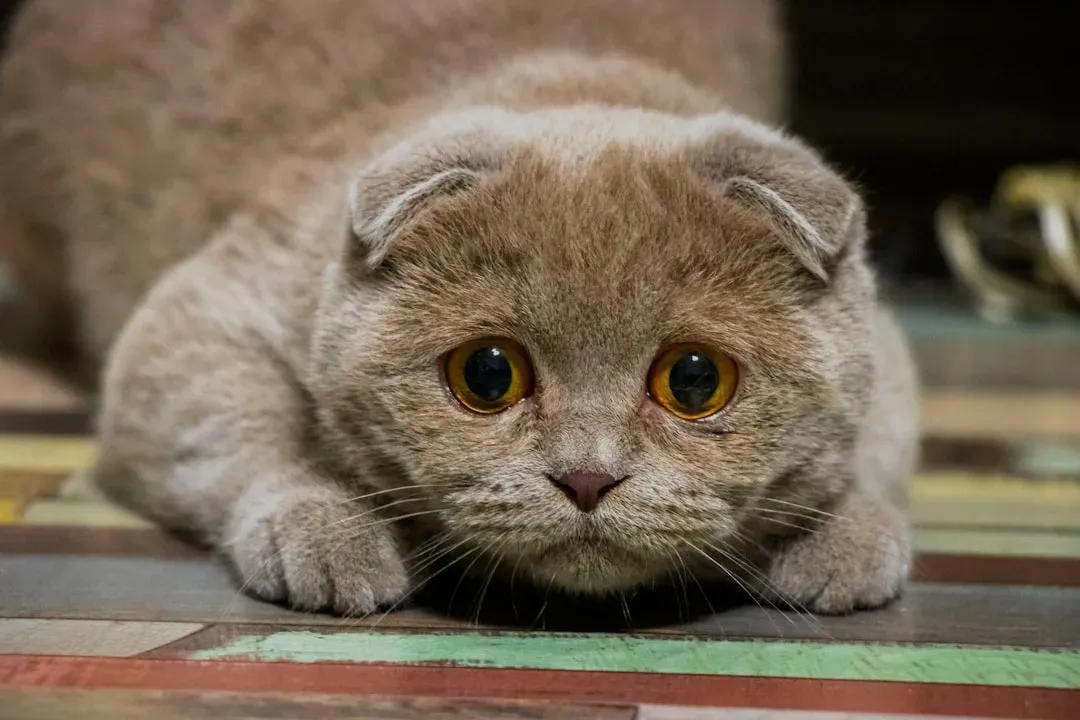
Here’s where things get really counterproductive. When a cat starts eliminating outside the litter box, our first instinct is anger or assumption that they’re being spiteful, but cats don’t wake up in the morning and plot how they’re going to ruin your day, as inappropriate elimination is often a stress response. Yelling at your cat for acting out will only make everything worse.
When owners want more contact than their cat is comfortable with or are inconsistent in how they behave, such as punishing a cat for unwanted behavior like scratching the carpet, this can damage the relationship between a cat and their owner, as the cat may view their owner as unpredictable and choose to avoid them or even act defensively. Never punish or scold your cat for unwanted behaviors as this only increases fear and makes things worse. You’re teaching them that you’re unpredictable and unsafe, not that their behavior is wrong.
Overwhelming Them with Too Much Attention or Too Many Guests
Having people over can cause some cats stress, and while many cats like to be fussed or stroked, some cats might find it overwhelming and stressful, though some cats are quick to signal they’re not happy while other cats may not. Not every cat is a social butterfly, and forcing your anxious kitty to interact with your houseguests is a recipe for disaster.
Some owners can inadvertently increase their cat’s stress levels through wanting more contact than their cat is comfortable with, such as picking them up frequently, or being inconsistent in how they behave towards their cat. It’s hard to say for sure what your cat’s tolerance level is without watching their body language carefully. Provide a quiet room where they can retreat during gatherings, and don’t drag them out to show them off like a party trick.
Ignoring the Stress Signals They’re Already Showing
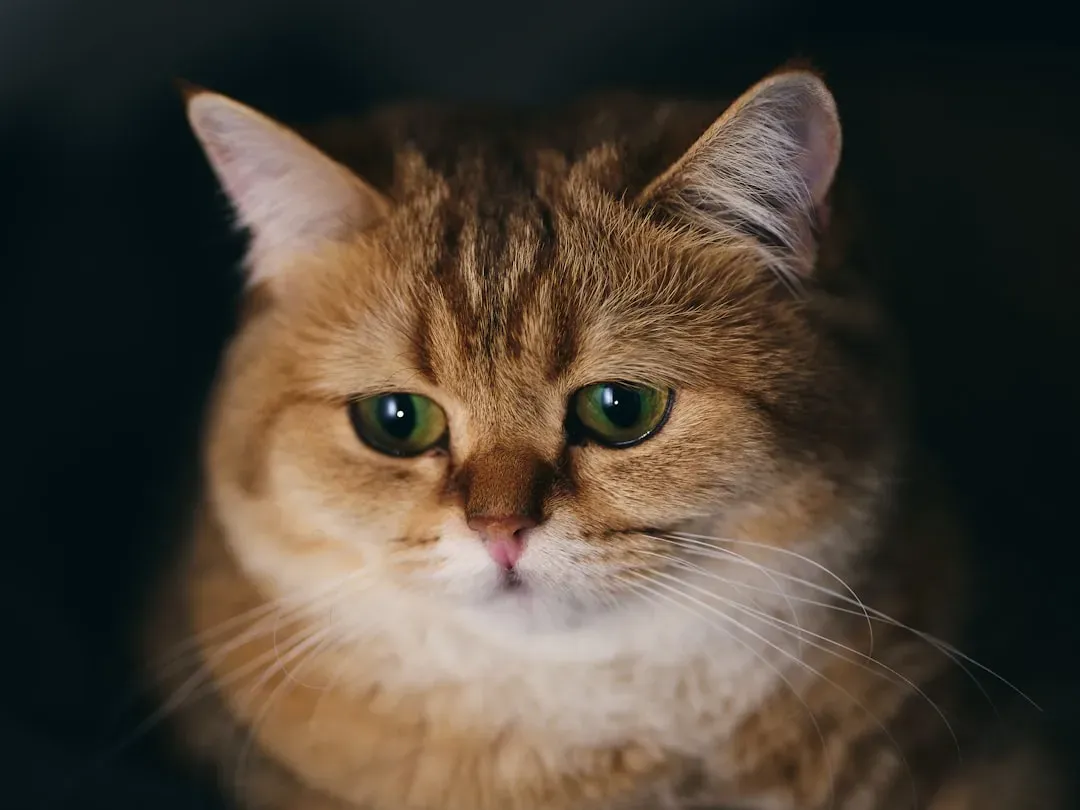
Stressed cats groom repetitively, often in the same spots, and may continue even when their skin becomes raw or irritated, as they’re not trying to get clean but rather self-soothing, much like how some of us might bite our nails when anxious. How many times have you noticed your cat obsessively licking one spot and just thought they were being finicky?
Stressed cats seek out dark, enclosed spaces where they feel protected, and while occasional hiding is normal during loud events or with strangers present, constant withdrawal from family life indicates your cat feels overwhelmed. Changes in eating habits, increased vocalization, or sudden aggression are all red flags. In some stress cases, owners may not be aware of the discomfort being experienced by their cat. The longer you ignore these signals, the worse the problem becomes. Trust your instincts when something feels off.
Conclusion
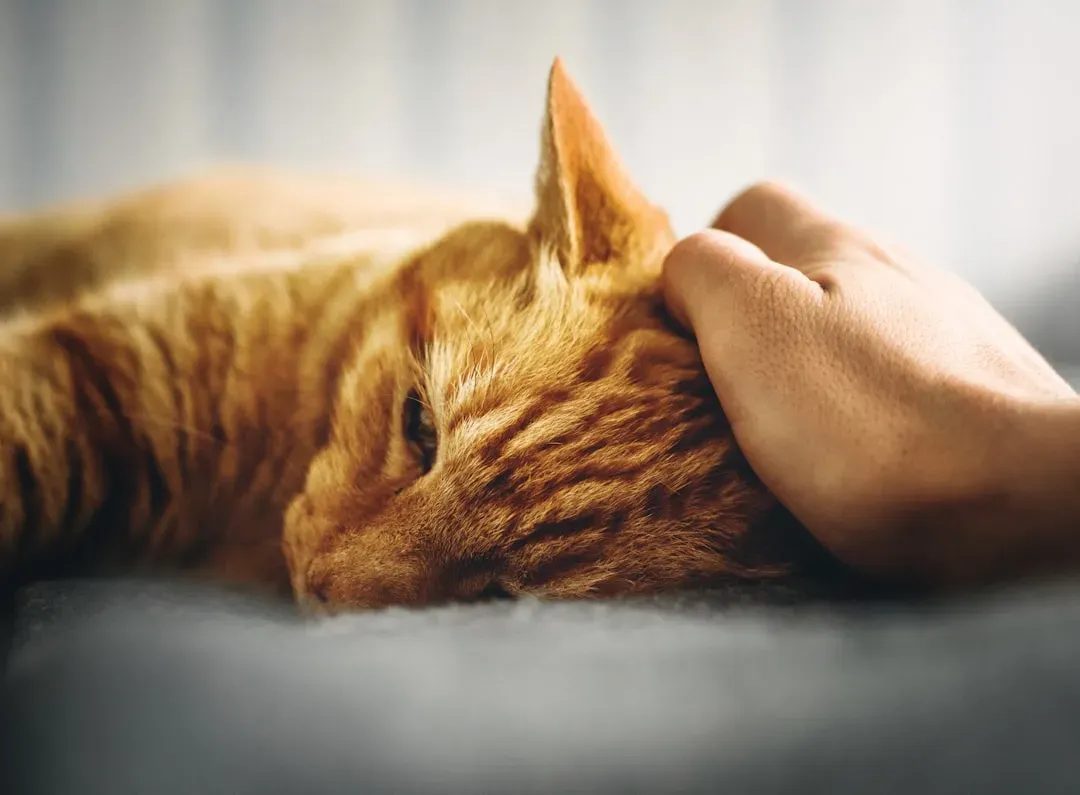
The truth is, most of us love our cats deeply yet accidentally stress them out every single day. We pick them up when they want space, we change things without considering their need for routine, and we miss the subtle signs they’re struggling. Stress can cause cats to become emotionally and physically unwell, resulting in problem behaviors and a worrying time for both cat and owner, as there are many reasons cats get stressed.
The good news? Once you recognize these mistakes, they’re actually pretty simple to fix. Pay attention to your cat’s body language. Respect their boundaries. Keep their environment stable and stimulating. Let them come to you instead of forcing interaction. Your cat has been trying to tell you what they need all along, sometimes we just need to listen better. What do you think? Have you noticed any of these stress-causing behaviors in your own home?
Kristina is a young writer from India. An arts graduate and an avid content creator, Kristina is passionate about animals and wildlife. She enjoys exploring topics related to pet care, animal behavior, conservation, and nature, combining thorough research with engaging storytelling.