You share your home with a creature that seems aloof at times, mysterious at others. Your cat might ignore you for hours, only to suddenly press their head firmly against your leg. Maybe they’ve left a dead mouse on your doorstep, or perhaps they stare at you from across the room with half-closed eyes. These behaviors might seem bizarre, even a bit unsettling. Here’s the thing though: what looks like weirdness is actually your cat’s love language.
Most people think cats don’t care about their humans the way dogs do. That’s not true at all. Cats just communicate differently, more subtly, in ways we often misunderstand. The truth is, your feline companion is constantly telling you how much they adore you. You just need to know how to read the signs. Let’s dive into the unusual habits that reveal your cat’s deepest affection.
The Head Bonk of Devotion
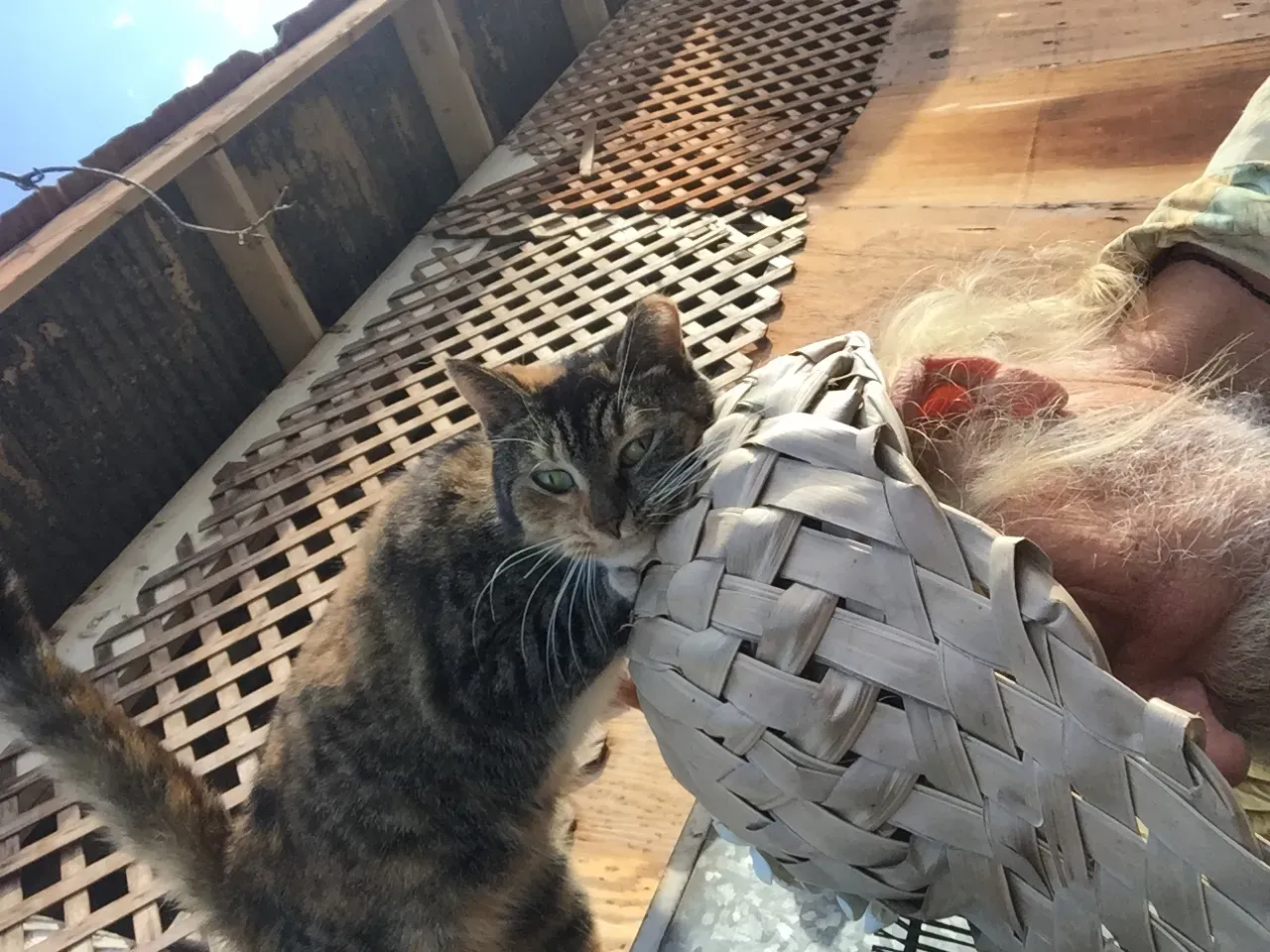
When your cat presses their head against you, they’re marking you with pheromones and bonding with you. Cats have scent glands located on their cheeks, forehead, and chin, and when they bunt, they release pheromones that mark their territory. This isn’t about dominance. It’s about family.
Think of it as your cat claiming you as their own, but in the most loving way possible. Head bunting is your cat’s way of saying you belong to them and they feel safe with you, marking you as one of their feline family. Some cats deliver gentle bumps while others practically skull-slam you. Both mean the same thing: you’re in their inner circle, and they trust you completely.
The Slow Blink Kiss
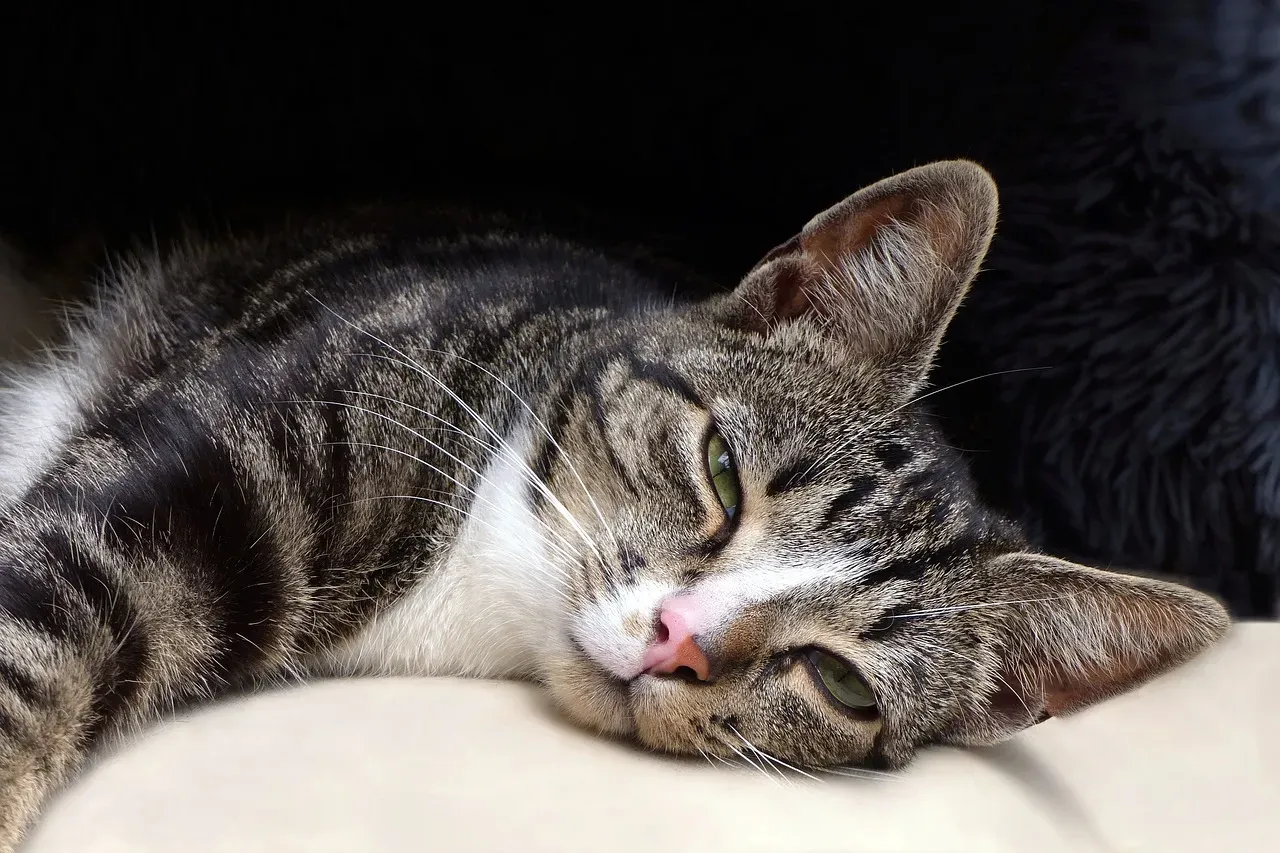
Your cat’s slow blink is often called a cat kiss, showing love and trust. When your feline friend looks at you and slowly closes their eyes, they’re making themselves vulnerable. In the wild, cats are both predators and prey, and anytime their eyes are closed, they can’t spot potential threats, making them vulnerable. When they close their eyes in your presence, you’ve officially made it inside their circle of trust.
This gesture is profound because it requires enormous trust. Research found that cats were more likely to slow blink at their owners compared to strangers, and when humans slow-blinked at cats, the cats were more inclined to approach them, suggesting mutual trust and affection. You can blink back at your cat to speak their language. Let’s be real, it’s one of the sweetest ways to tell them you love them too.
The Gift Bringer Gesture
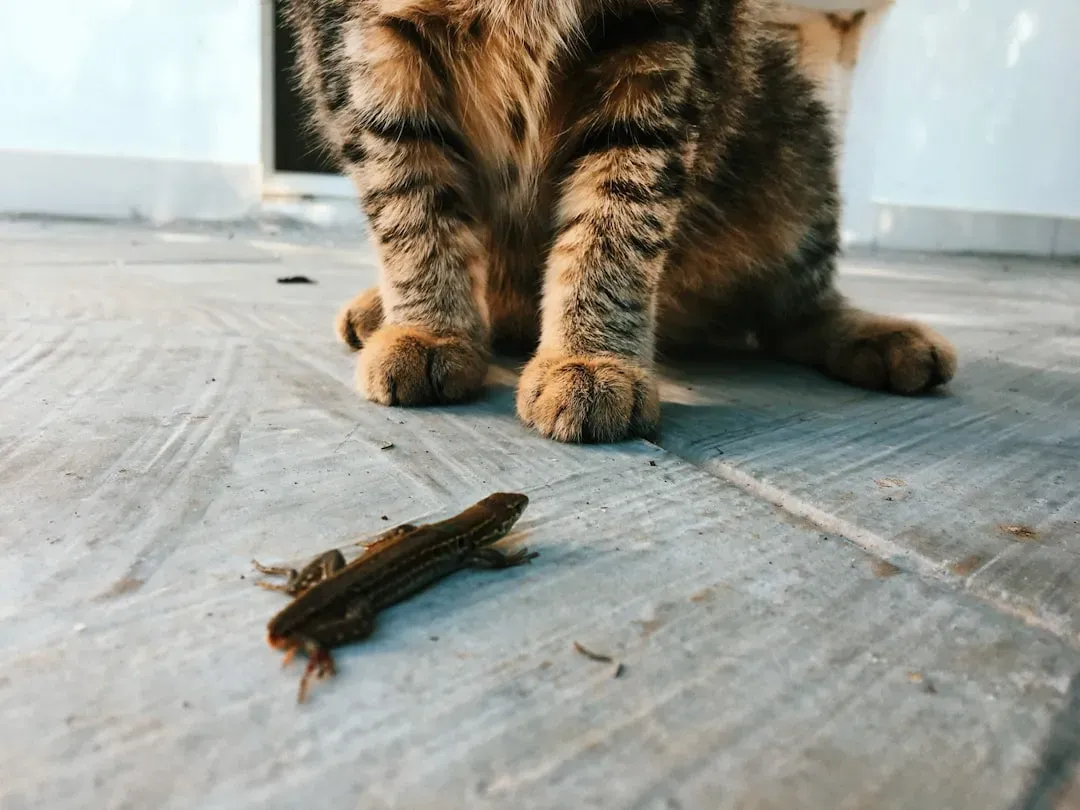
Cats bring prey home because their home is where they feel safe and secure, bringing it back to their core territory where they know they can eat it undisturbed. While it’s not a gift for you, it can still be considered a sign of love, as it shows they feel safe with you. I know it sounds crazy, but that dead bird on your doorstep isn’t meant to horrify you.
In the wild, mother cats bring half-dead animals to their kittens for sustenance and to show them how to hunt, and this behavior is still ingrained in domesticated cats who may see you as part of their family. A dead animal gift may be your cat’s way to express affection or seek praise and approval for their hunting success. Your cat sees you as family and wants to share their successes with you, even if you’d prefer they didn’t.
The Bathroom Stalker Routine
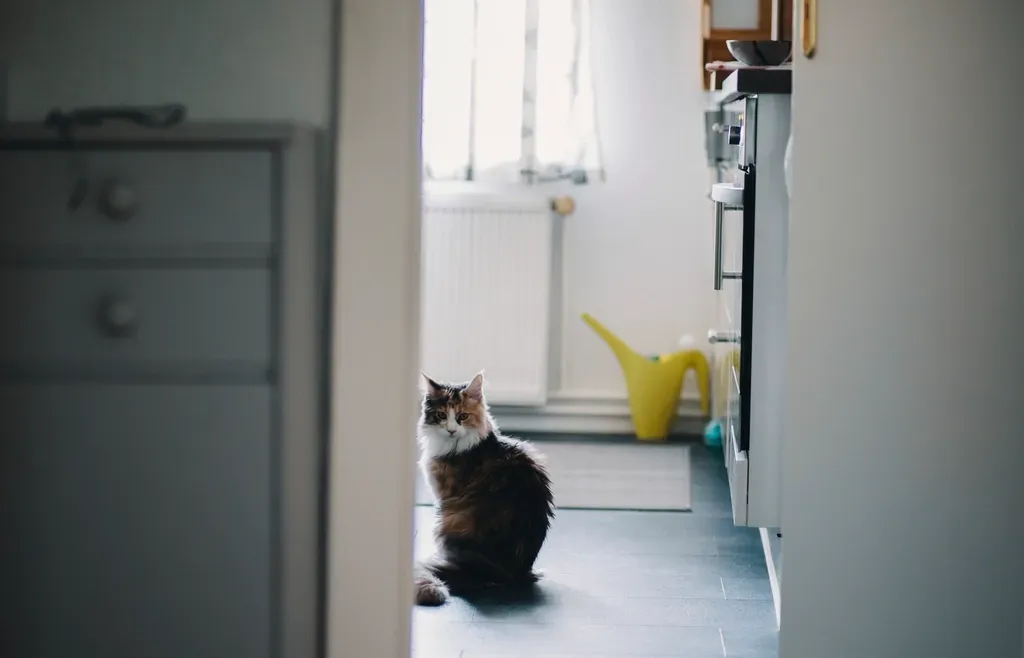
When your cat follows you to the bathroom, it’s often a profound display of affection and trust, as they see an opportunity for undivided attention, knowing you’re relatively stationary and potentially receptive to interaction. Honestly, it feels invasive at first. You close the door, and there’s a paw reaching under it or insistent meowing on the other side.
One reason your cat follows you is the affectionate bond you have with them, as cats consider their owners part of their family and want to be with you, even during private moments. When you’re in the bathroom, you’re typically stationary and less distracted, which for many cats represents a prime opportunity to seek attention or simply bask in close proximity to their favorite human. It’s their way of saying they don’t want to miss a single moment with you, even the mundane ones.
The Kneading Ritual
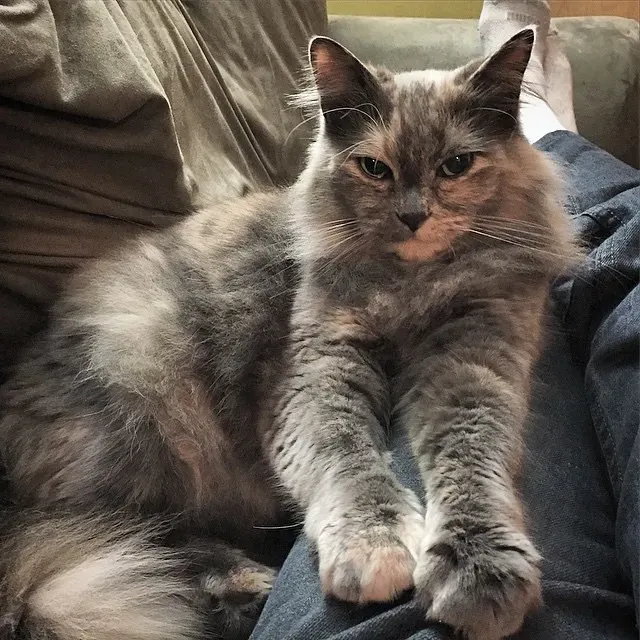
Kneading originates from kittenhood, when kittens press their paws against their mother’s belly to stimulate milk flow, and this comforting behavior often persists into adulthood, associated with feelings of security and contentment. Those rhythmic paw pushes against your lap might leave little claw marks, but they’re rooted in pure comfort and love.
When cats knead, they’re not only communicating trust and love, but they’re also reminding themselves of a time when they felt safest, close to their mother. Your cat essentially sees you as a source of ultimate safety and nurturing. When your cat kneads you, they’re being very clear that you make them feel loved and comfortable. The sharp claws are just an unfortunate side effect of deep contentment.
The Sleep Companion Choice
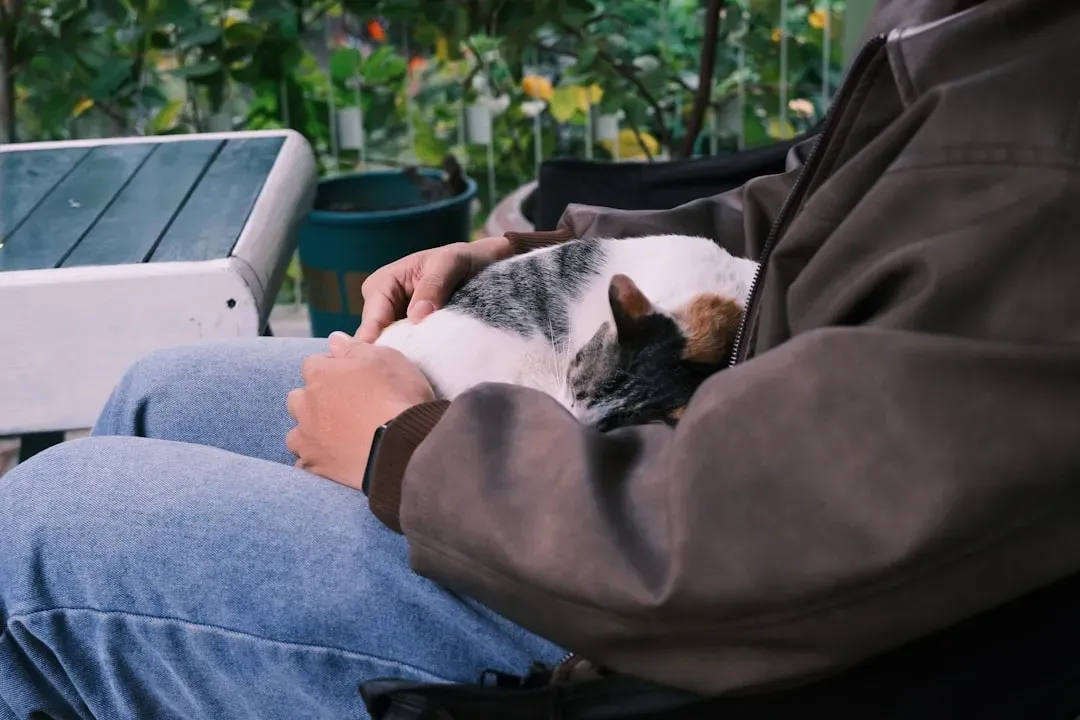
Cats sleep next to their owners because they adore and trust them, and if you take good care of your cat by giving them attention and affection, they’ll show their love by cuddling up with you. When your cat curls up beside you at night or naps on your chest during the day, they’re making a declaration.
Sleep is when animals are most vulnerable. Your cat sees you as their protector, and their natural instinct is to be near someone they trust, especially when they’re most vulnerable like during sleep. Physical closeness is how cats reinforce trust, and when a cat chooses to sleep directly on you, especially in vulnerable positions like your chest or stomach, it means they feel completely safe. The rhythmic sound of your heartbeat and breath provides comfort similar to a mother cat’s purring.
The Love Nibble Attack
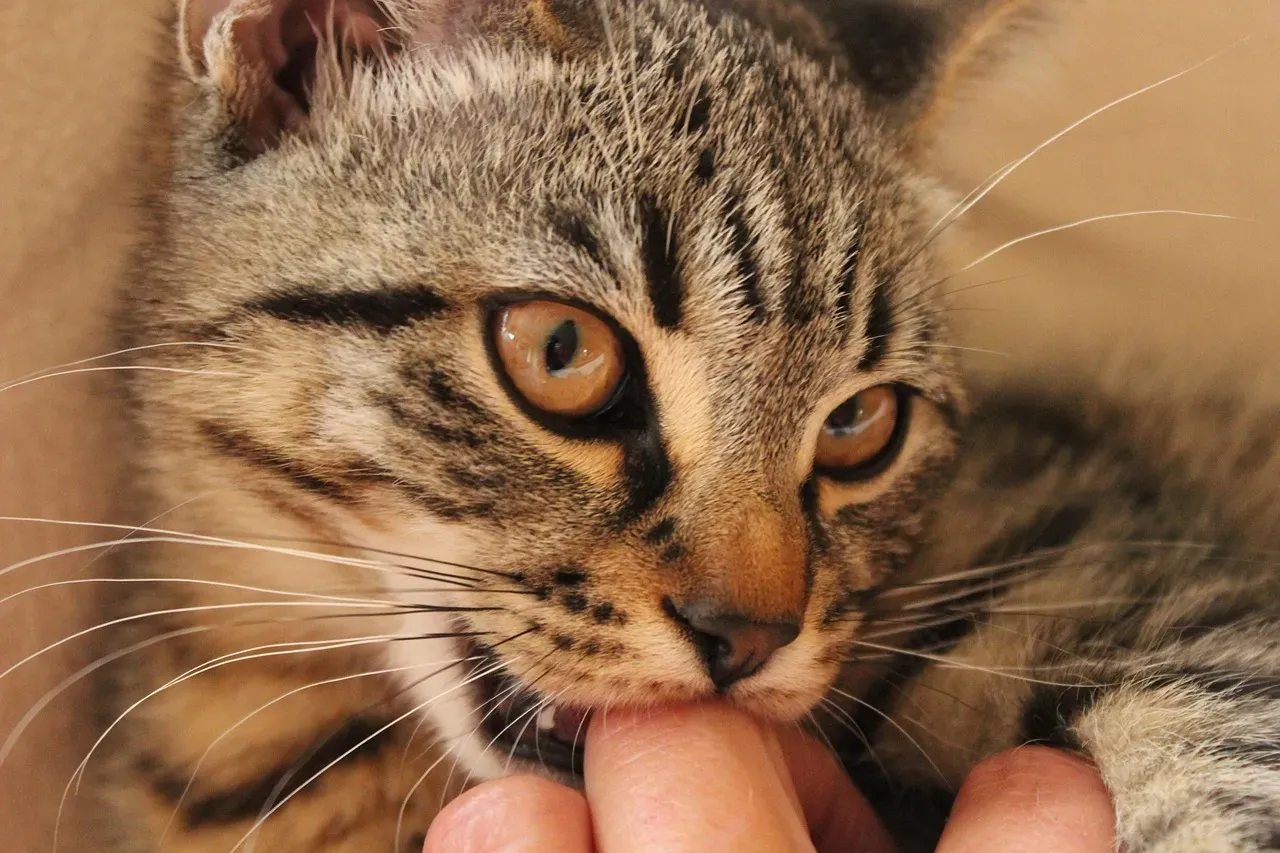
Love bites are actually a sign of affection, mimicking how kittens play with their littermates using gentle nibbles to interact and bond. It’s their way of saying they feel safe and comfortable with you, even if it might take you by surprise. These aren’t aggressive bites meant to hurt. They’re more like little nips that appear during petting sessions.
Your cat is essentially treating you like another cat in their family. When your cat nibbles you playfully, they’re really offering their affection, which is much different from a fearful or defensive bite that’s meant to cause harm. If the nibbles become too enthusiastic, you can redirect them to a toy. It’s hard to say for sure, but this might be your cat’s version of kissing you back.
The Belly Display Moment
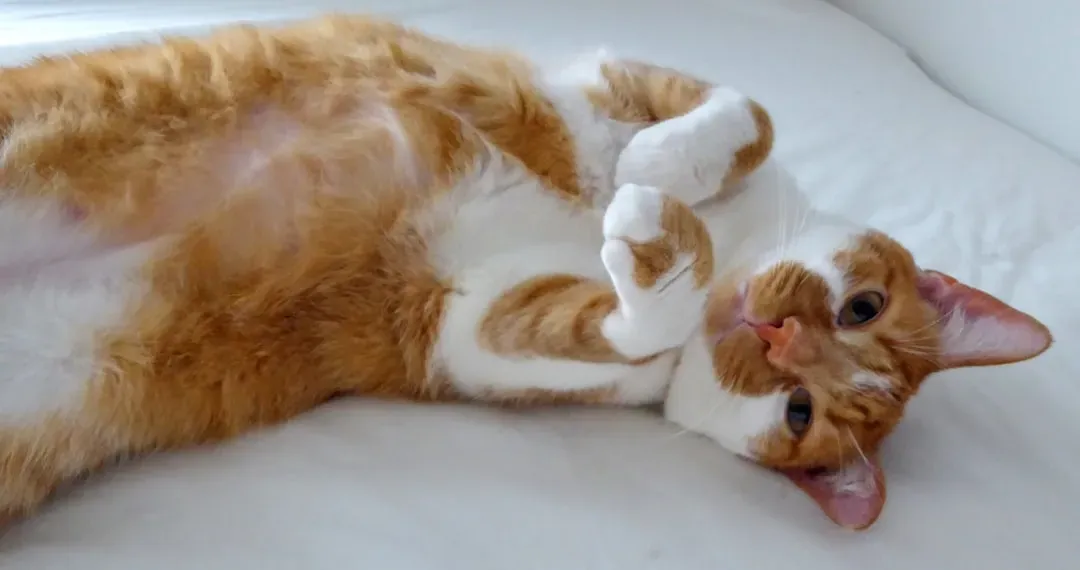
Cats are prey-sized to many things, and their stomach is their most vulnerable spot. When a cat flops over and exposes that soft, unguarded belly to you, it’s a gesture of supreme trust and their way of saying they feel safe with you. This one confuses people constantly because they assume it’s an invitation to rub the belly.
When your cat rolls over showing their belly, it demonstrates they trust you and feel comfortable and relaxed around you, knowing they’re safe enough in your presence to expose their vulnerable areas without the threat of being attacked. Some cats do enjoy belly rubs, but many will grab your hand if you try. Cats show their owners trust through this behavior, but can sometimes find it unpleasant to be patted or rubbed on the belly, as their tummy is sensitive.
The Toy Presenter Behavior
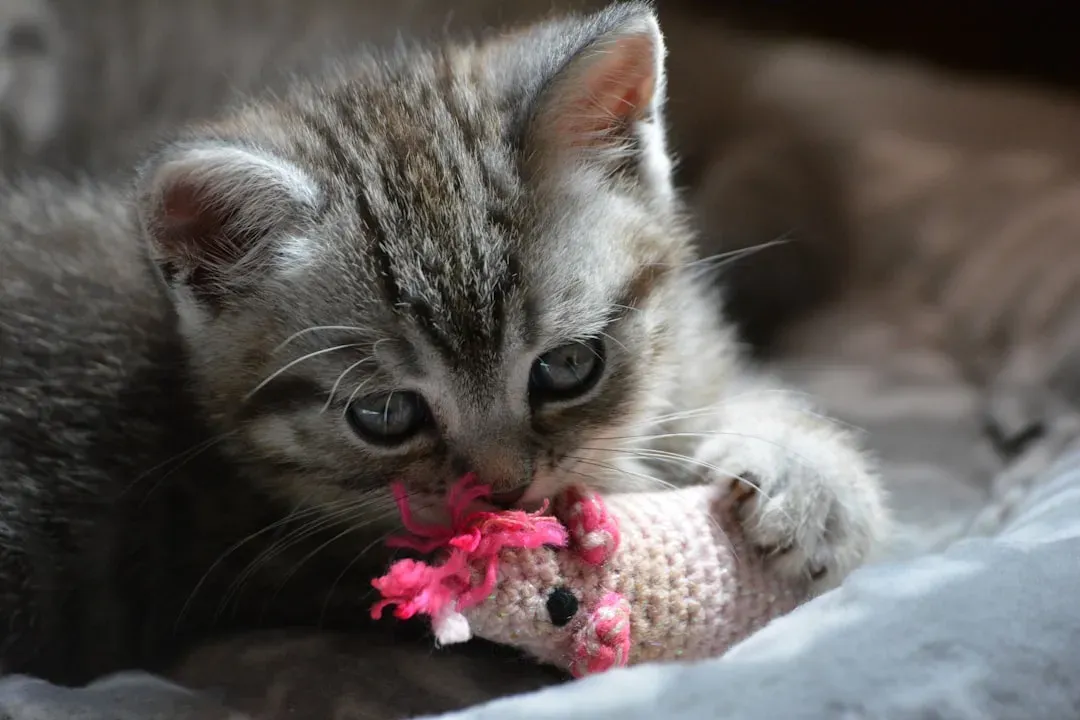
When your cat brings you a toy, it’s a manifestation of their hunting prowess, as they see you as a member of their pride and are essentially sharing their hunting successes with you. This instinct is deeply rooted in their DNA and is a way for them to bond with you. Maybe your cat drops their favorite mouse toy at your feet at three in the morning. Annoying timing aside, it’s actually adorable.
When your cat brings you a toy, it’s an invitation to play and engage with them, as they see you as their playmate and this is their way of initiating a game. Cats play with their littermates and mothers as kittens and remember those times fondly, so bringing you toys is a sign that your cat considers you family. They want to share their favorite things with their favorite person.
The Ever-Present Shadow Act
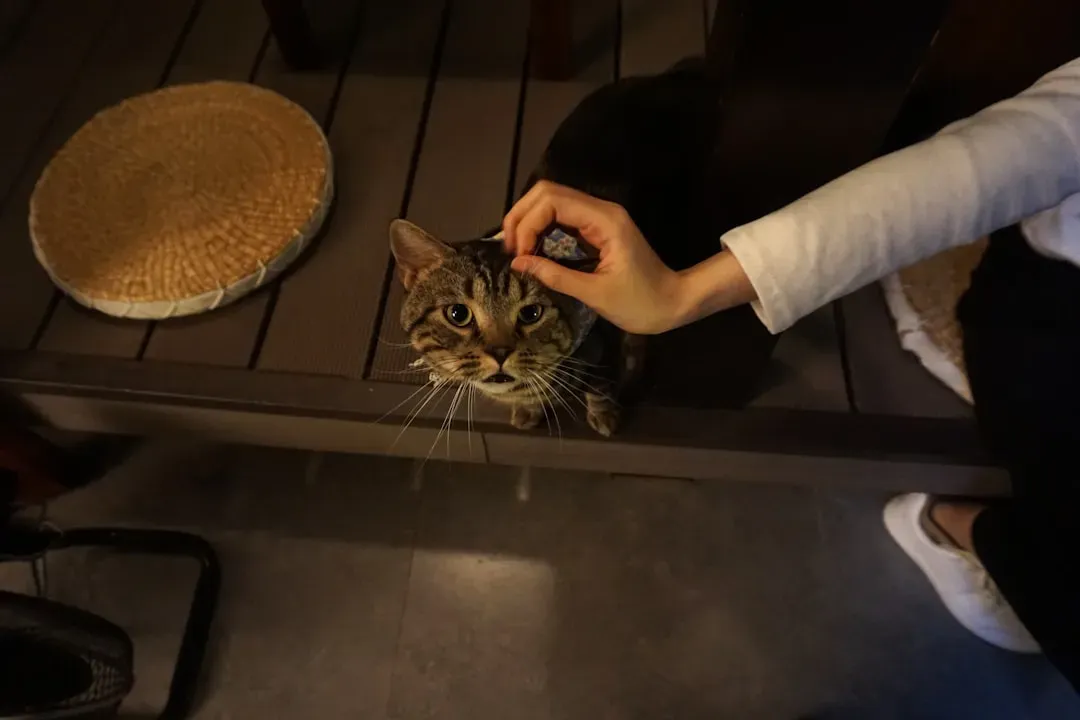
Many people find it odd that their cats follow them everywhere, even into the bathroom, but this just means your cat wants to spend more time with you. A cat that enjoys your company and feels comfortable around you is going to follow you around the house and cling to you like glue. Your cat becomes your constant companion, padding along behind you from room to room.
One possible way cats show they want to be around you is by following you around the house, and when you come home from work, your cat trailing behind you wherever you go is as if they’re inviting you to pet, play, and spend time with them. Some people worry this means their cat is too clingy or anxious. Usually though, it just means your cat genuinely loves being near you and doesn’t want to miss out on anything you’re doing.
Understanding these odd little behaviors changes everything about your relationship with your cat. What seemed like strange quirks are actually profound declarations of love. Your cat isn’t being weird when they headbutt you at dawn or leave toys scattered around your bed. They’re telling you, in their own peculiar feline way, that you matter deeply to them. The next time your cat does something that seems unusual, take a moment to consider what they might really be saying. You might just realize you’ve been receiving love letters all along, written in a language you’re only now beginning to understand. What unusual habits does your cat have that you now see in a different light?