A Cat's Purr Can Indeed Be a Sign of Both Contentment and Healing
There's something almost magical about the sound of a purring cat. You might think you know exactly what it means when your feline friend curls up on your lap and starts up that rhythmic vibration. It's happiness, right? Contentment? Well, yes. Sometimes.
Here's the thing though. The truth is more complex than you might realize, as cats purr for several reasons beyond just happiness, including supporting healing, helping kittens communicate with their mother, and even acting as a self-soothing behavior during pain or fear. You might be surprised to learn just how sophisticated this seemingly simple sound actually is. Let's explore the fascinating dual nature of your cat's purr.
The Science Behind That Rumbling Sound
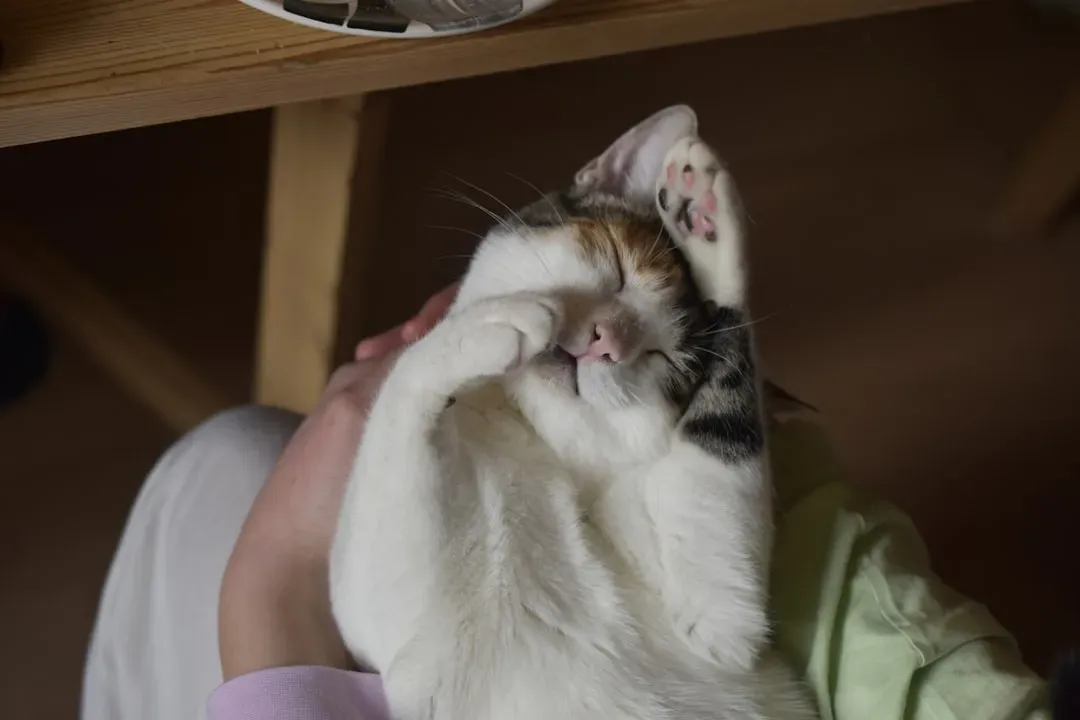
Ever wonder how your cat creates that continuous motor-like hum? The mechanics are surprisingly elegant. The brain sends signals to the muscles in your cat's voice box, making them vibrate as air flows over them when your cat breathes in and out. It's a seamless process that results in that unmistakable sound.
The rapid contraction and relaxation of muscles within your cat's larynx and diaphragm create this captivating sound, with contractions occurring at a frequency of 25 to 150 vibrations per second. What's particularly interesting is that this isn't random. Those specific frequencies turn out to matter quite a bit.
When Purring Means Pure Joy
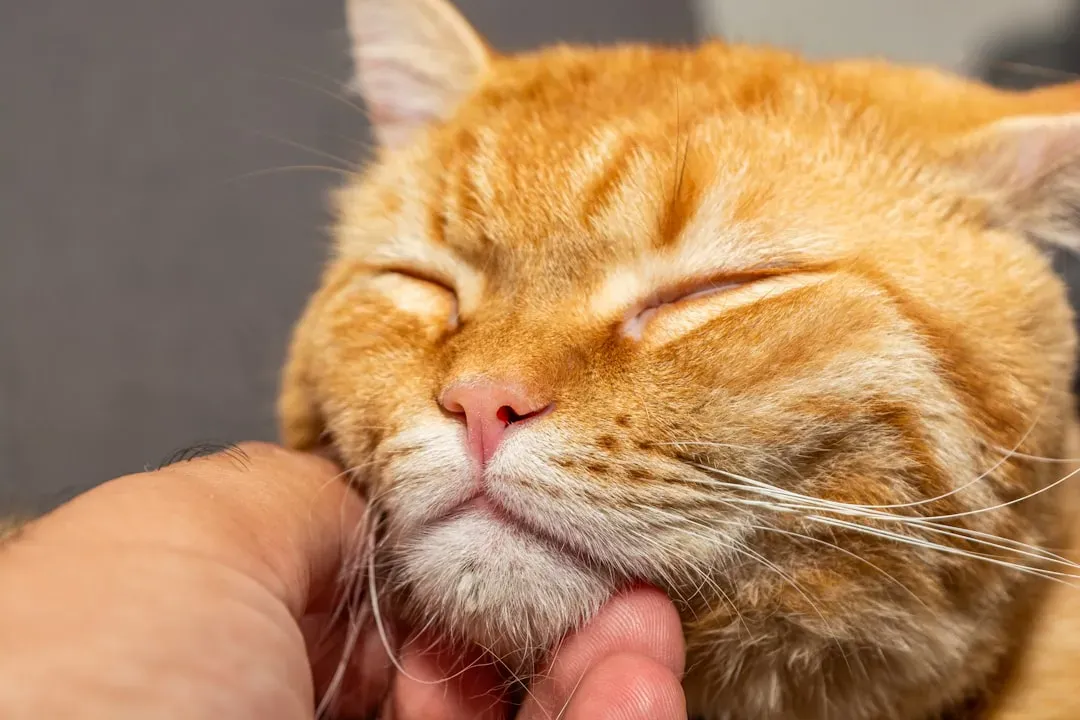
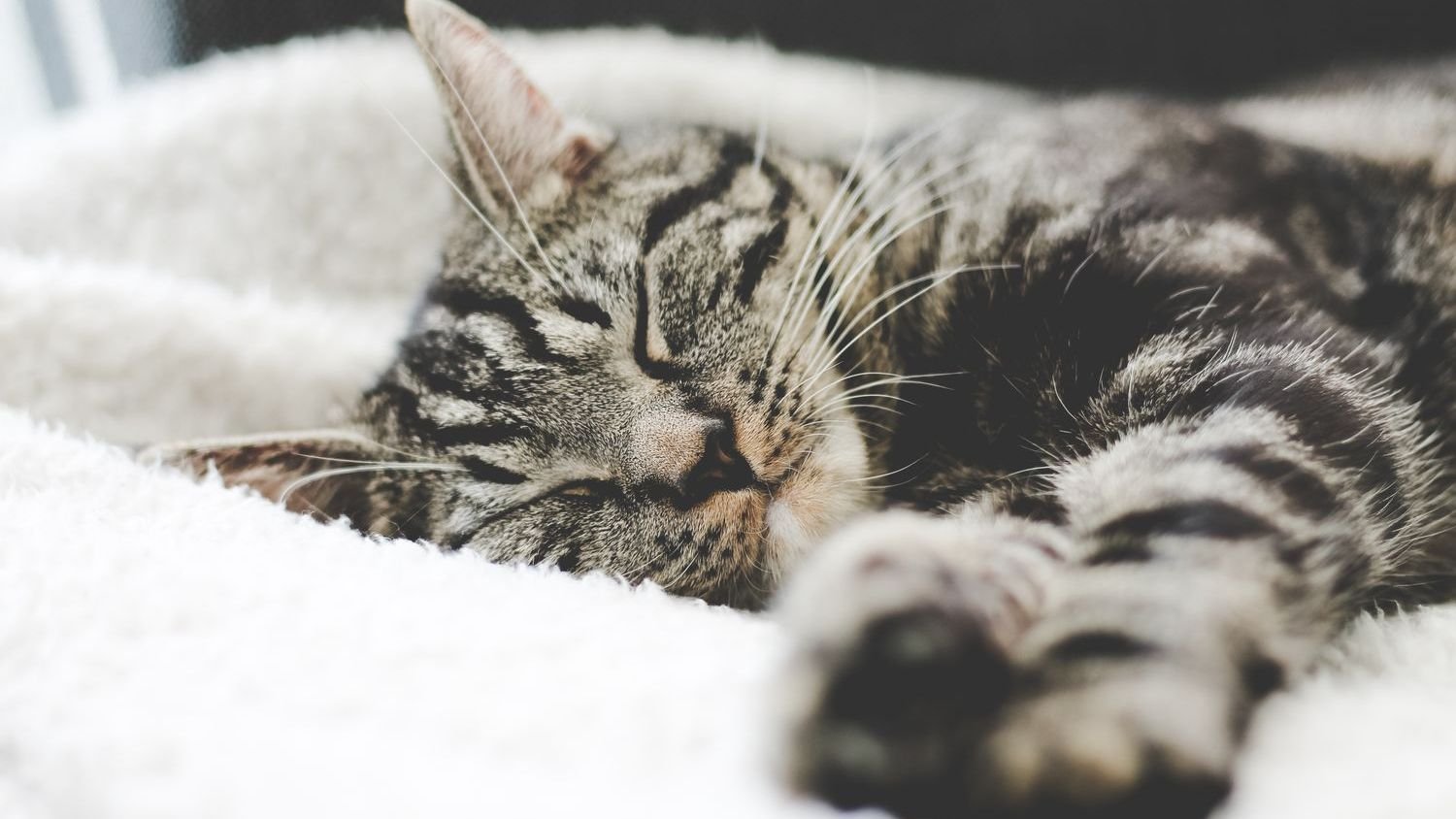
Let's start with the obvious one. Most of the time, when your cat curls up on your lap and closes their eyes while purring, they're clearly showing that they feel safe, happy, and relaxed. This is the purr everyone recognizes.
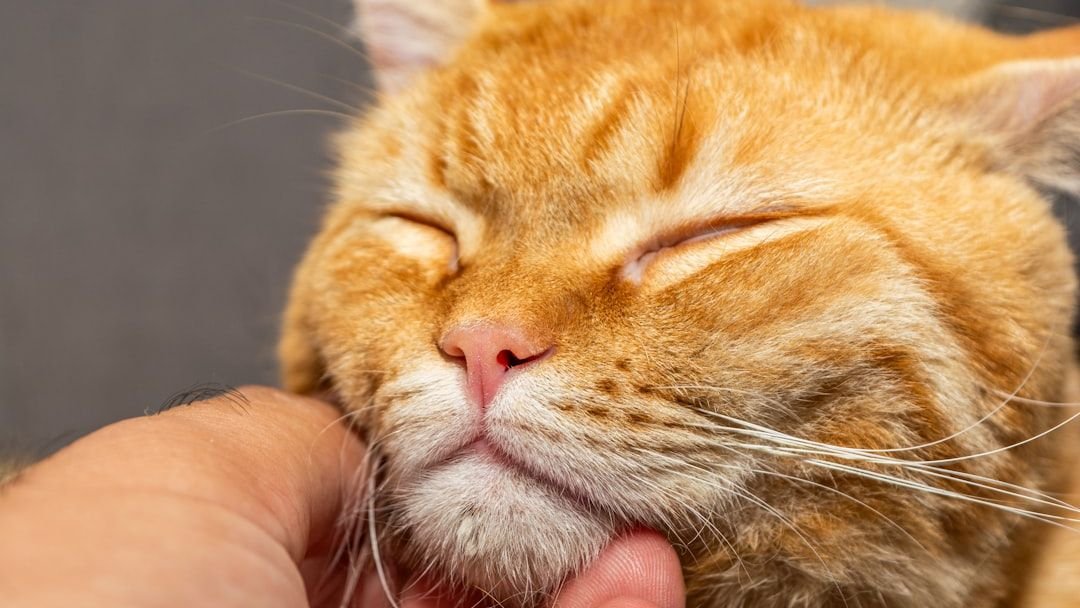
A purring cat provides companionship that helps combat loneliness and depression, with studies showing that petting a cat while listening to its purr can boost oxytocin levels, the hormone associated with trust and emotional bonding. You're not imagining that warm, connected feeling when you stroke a purring cat. There's actual chemistry happening between you and your feline companion.
The Healing Frequency You Can Actually Feel
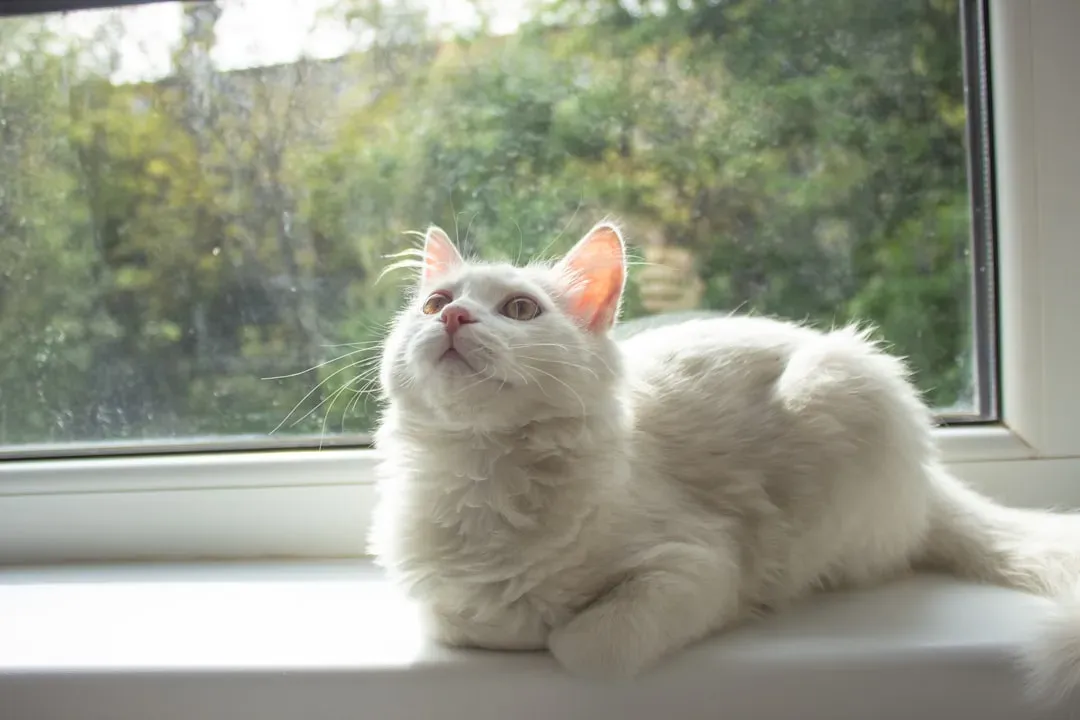
Now we get to the truly fascinating part. Those frequencies in the 25 to 150 Hertz range are actually known to help promote the healing of bones, reduce inflammation, and improve joint mobility. Think about that for a moment. Your cat is essentially a portable healing device.
Research by Dr Clinton Rubin and his team showed that bones of older sheep started showing signs of repair after being exposed to 30 Hz of vibrations, and similarly in humans, vibrational therapy with frequencies between 10 and 50Hz has been found to benefit bone repair and strengthen tendons and joints. Cats are well-known for their ability to heal quickly from their own broken bones, and the incidences of joint problems and bone cancer in cats are low. Coincidence? Probably not.
When Your Cat Purrs Through Pain
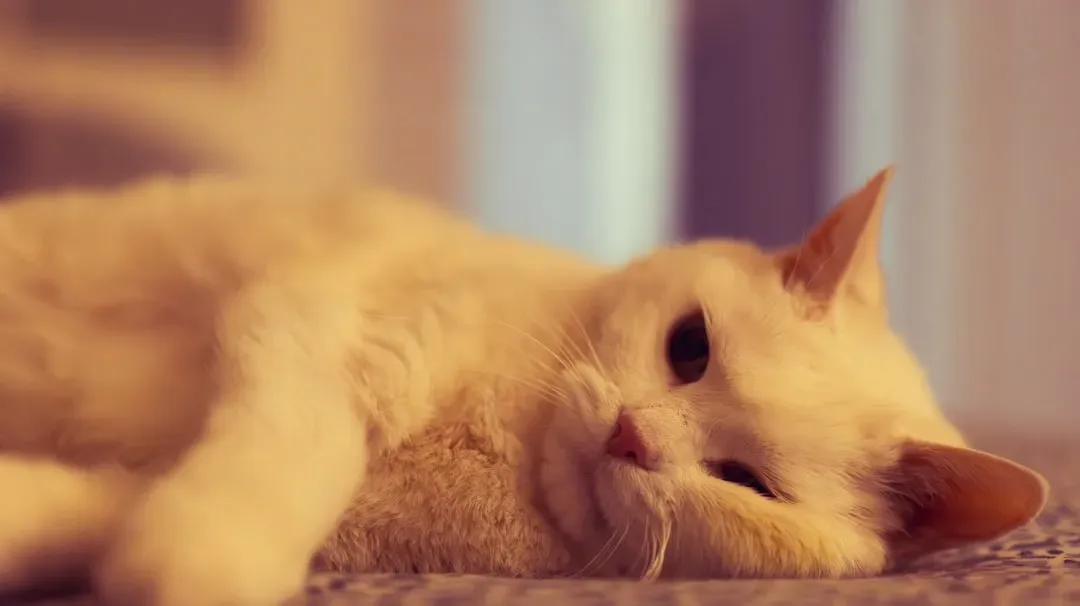
This is where things get a bit counterintuitive. Cats purr not just as a sign of happiness, but also as a way to self-soothe during pain or distress. You might hear your cat purring at the veterinarian's office or when they're recovering from illness. That doesn't necessarily mean they're comfortable.
Cats purr during pain or illness because the vibrations have natural healing properties, with the frequency able to promote tissue healing, reduce inflammation, and release endorphins that act as natural painkillers. It's honestly quite remarkable. Your cat has an built-in pain management system.
Reading the Context Matters More Than You Think
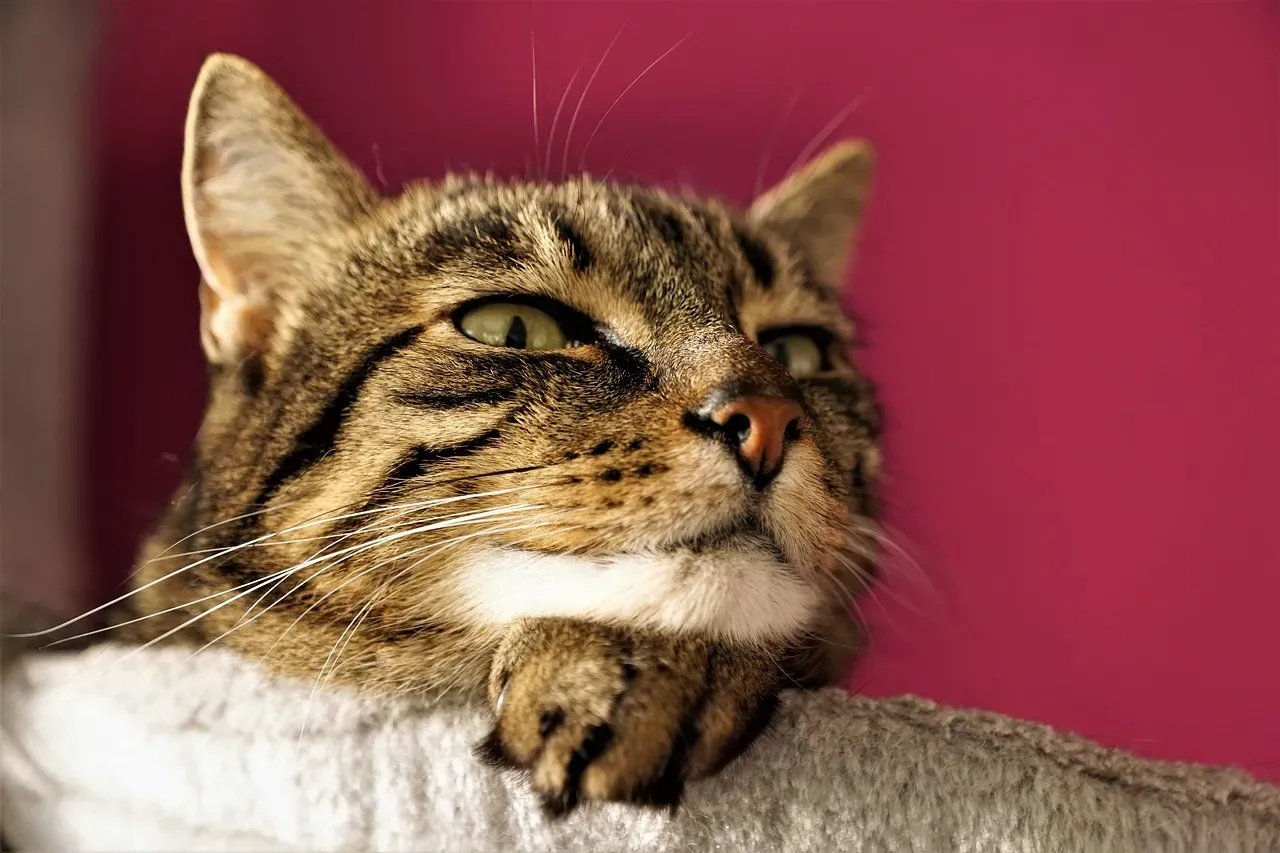
So how are you supposed to know which type of purr you're hearing? Context is everything. If you're at the groomer or vet clinic, the purr is likely because your cat is stressed, especially if it sounds higher pitched than normal, whereas if your cat looks comfortable or is sleeping on or next to you, this is a normal contended purr.
Pay attention to your cat's body language too. Stress purring is often accompanied by tense body language, dilated pupils, and flattened ears, with context being important since if your cat is purring in a typically stressful situation, it's likely a self-soothing behavior rather than contentment. The ears don't lie.
How Your Cat's Purr Affects Your Health Too
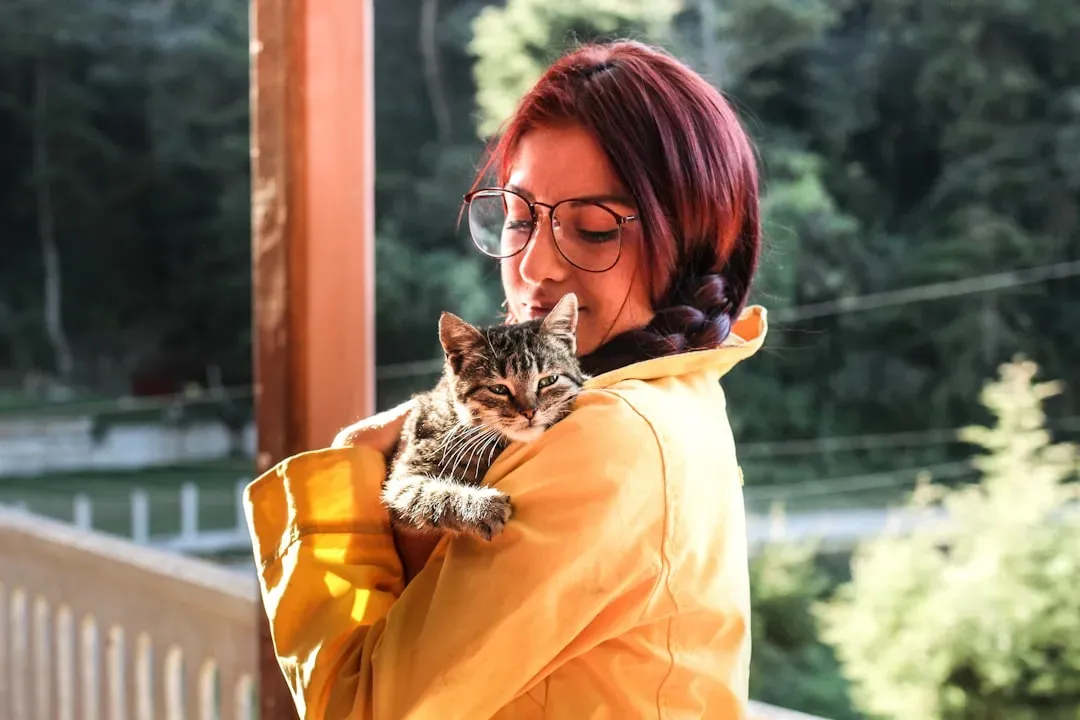
Here's where the relationship becomes truly reciprocal. Petting a cat or listening to their purring triggers the release of oxytocin, promoting happiness and reducing stress, which lowers cortisol levels and can help alleviate pain. You're not just imagining that sense of calm washing over you.
Studies have shown that cat owners are less likely to suffer from heart disease compared to those without cats, with the soothing effects of purring helping reduce blood pressure. There's actual cardiovascular benefit happening when your cat settles in for an extended purring session on your chest.
The Mother-Kitten Connection Through Vibration
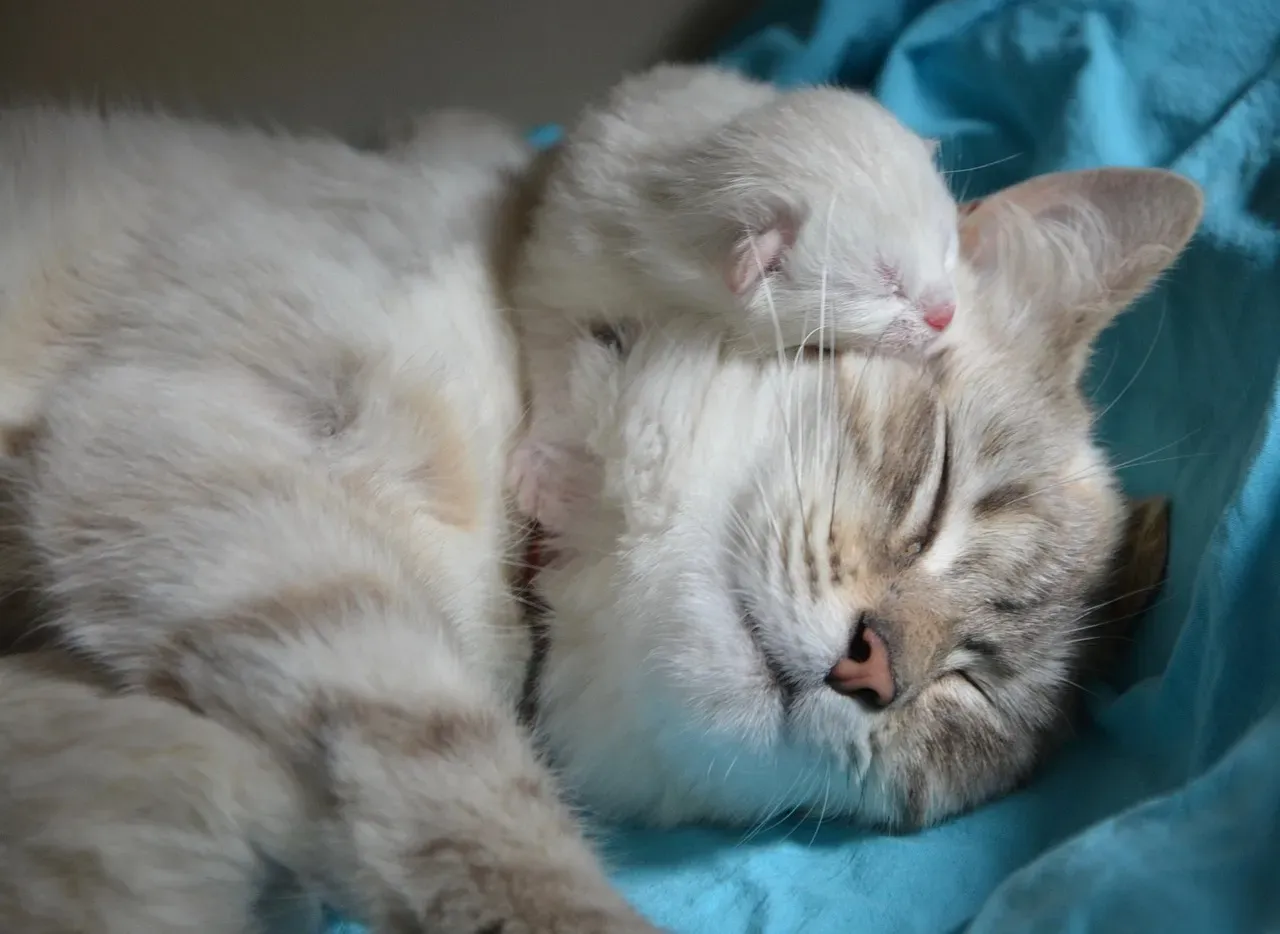
Newborn kittens can't see or hear yet, but they can feel vibrations. Kittens are born blind and deaf, so mother cats use soft vibrations to communicate with their kittens, signaling that it's safe to come closer and nurse, while kittens purr back to their mothers, creating a mutual sense of comfort and security. It's one of their first forms of communication.
Newborn kittens start purring within the first few days of life, purring while nursing to let their mother know that they are content and comfortable. This early bonding through purring sets the stage for how cats use this sound throughout their entire lives.
When Purring Becomes a Self-Medication Tool
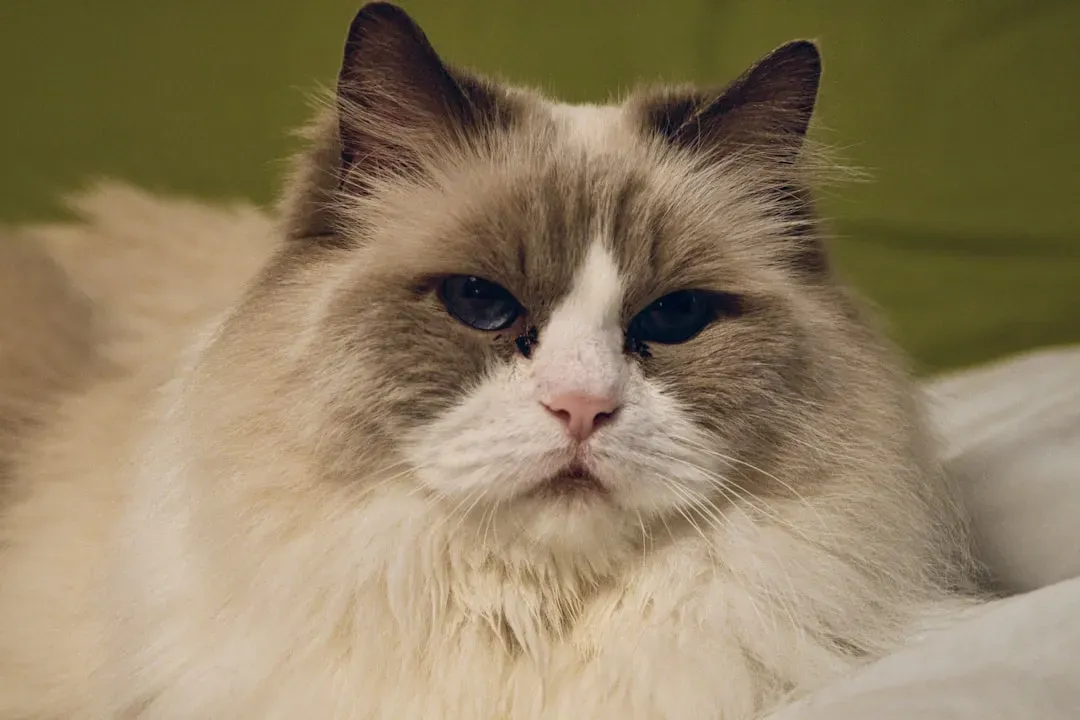
Think of purring as your cat's way of hitting the reset button. In stressful situations, purring acts as a self-calming behavior that helps cats manage stress and regulate their emotions. It's genuinely clever when you think about it. Rather than just experiencing stress passively, your cat has an active coping mechanism.
Various studies have shown that cats in pain do purr, and it helps with the cat's stress levels and ultimately may help them feel more reassured and even have healing properties. The vibrations could potentially stimulate the cat's body to release endorphins, which are natural pain-relief chemicals, aligning with the idea that purring can promote healing and recovery. Your cat is essentially giving itself low-level vibrational therapy.
Understanding What Your Cat Really Needs
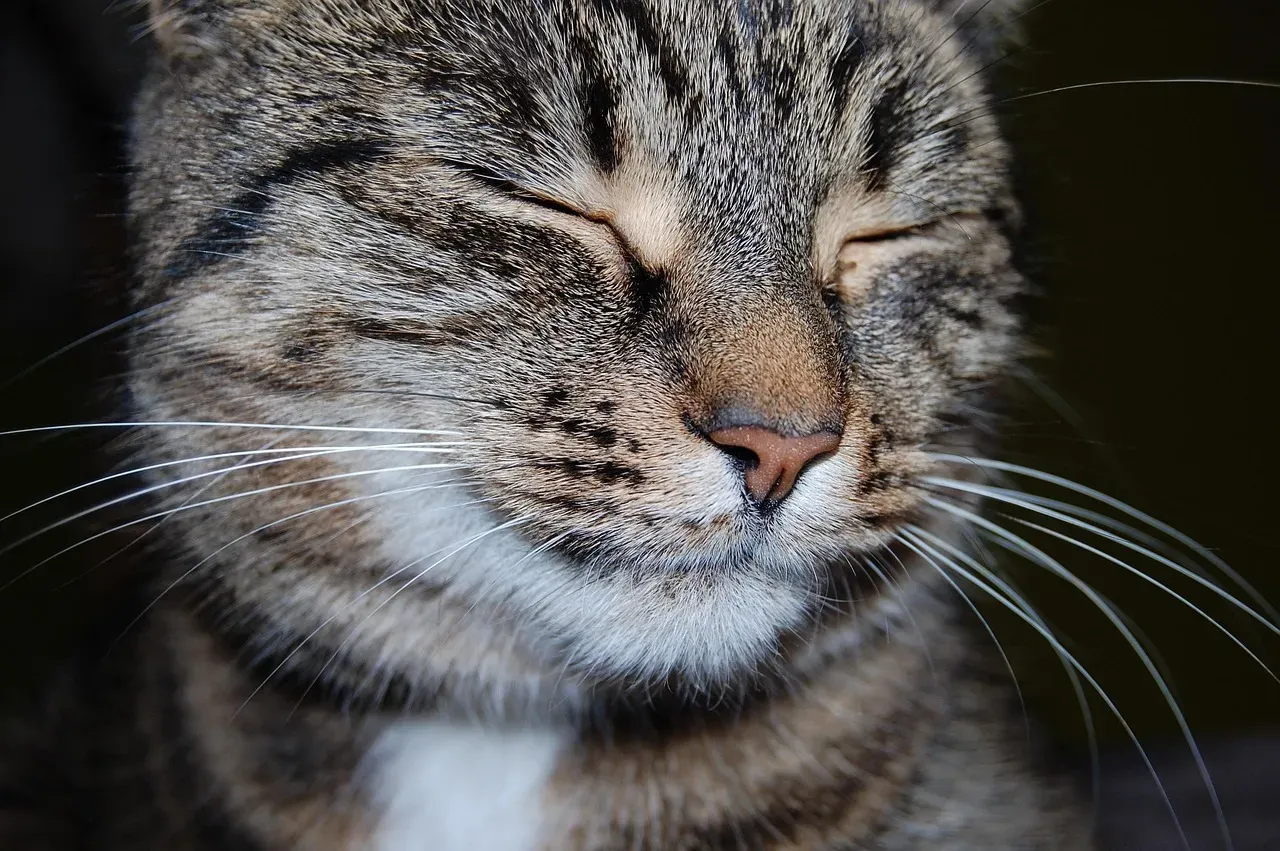
So you've learned that purring is nuanced. What should you actually do with this information? Because purring can have different meanings, it's important to look at the full picture, with a relaxed cat purring while stretched out or kneading usually being content, while a cat purring while acting withdrawn or uncomfortable may be using purring to cope.
It's hard to know when your cat's in pain just by their purring because cats purr for various reasons, but if your cat has not been eating for 24 hours or more, is showing signs of respiratory difficulties, is lethargic, or is crying in pain, they need to see your vet urgently. Don't let purring lull you into complacency if other warning signs are present. Your cat might be trying to heal itself, but that doesn't mean it doesn't need professional help.
The purr of a cat turns out to be far more than just a pleasant background noise in your home. It's a multifunctional tool that serves your cat in moments of contentment, stress, and physical recovery. The cat's purr is multi-frequency, accelerating the healing of bones, reducing pain, and relaxing muscles. When you understand what your cat is communicating through that vibration, you become a better companion to them.
Next time your cat settles in and starts that familiar rumble, take a moment to appreciate the complexity of what you're experiencing. Are they happy? Healing? Both? The answer might surprise you. What has your experience been with your cat's purring? Have you noticed different types of purrs in different situations?