7 Curious Ways Your Cat Asks for Attention (Beyond the Meow)
You probably think you've got your cat all figured out. After all, when your feline friend wants something, they'll meow until you pay attention, right? Here's the thing though. While meowing is the most obvious way cats communicate with us humans, your kitty has an entire arsenal of subtle, quirky, and sometimes downright bizarre methods to grab your focus.
Ever noticed your cat doing something that seems random, only to realize later they were trying to tell you something? These behaviors aren't just cute quirks. They're deliberate communication strategies your cat has perfected over time. Let's dive into the fascinating world of feline attention seeking beyond that familiar cry.
The Slow Blink Stare Down
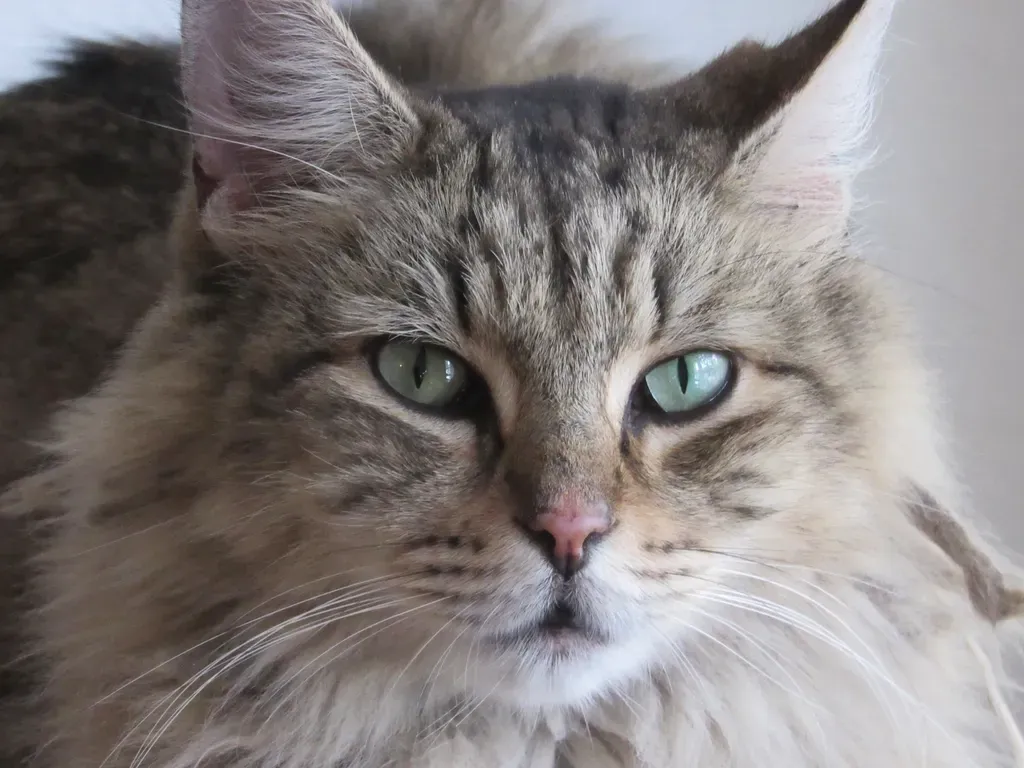
Your cat has mastered the art of getting attention simply by staring intensely at you from across the room and speaking with their eyes, as cats are observant animals that like to assess their environment. It's not creepy, despite what some people think. Sometimes all your cat needs to do is look up at you with their big, adorable eyes to command your attention, and you simply can't ignore the intensity of their gaze.
This penetrating stare can mean several things depending on context. Your cat's longing gaze could signal they want to be fed, especially if they do it from their feeding area, though some cats will stare until you eventually give them attention, whether it is in the form of cuddles, a toy, or their favorite treat. Watch where they're positioned when they start the staring contest. That'll give you a clue about what they're after.
Strategic Object Demolition
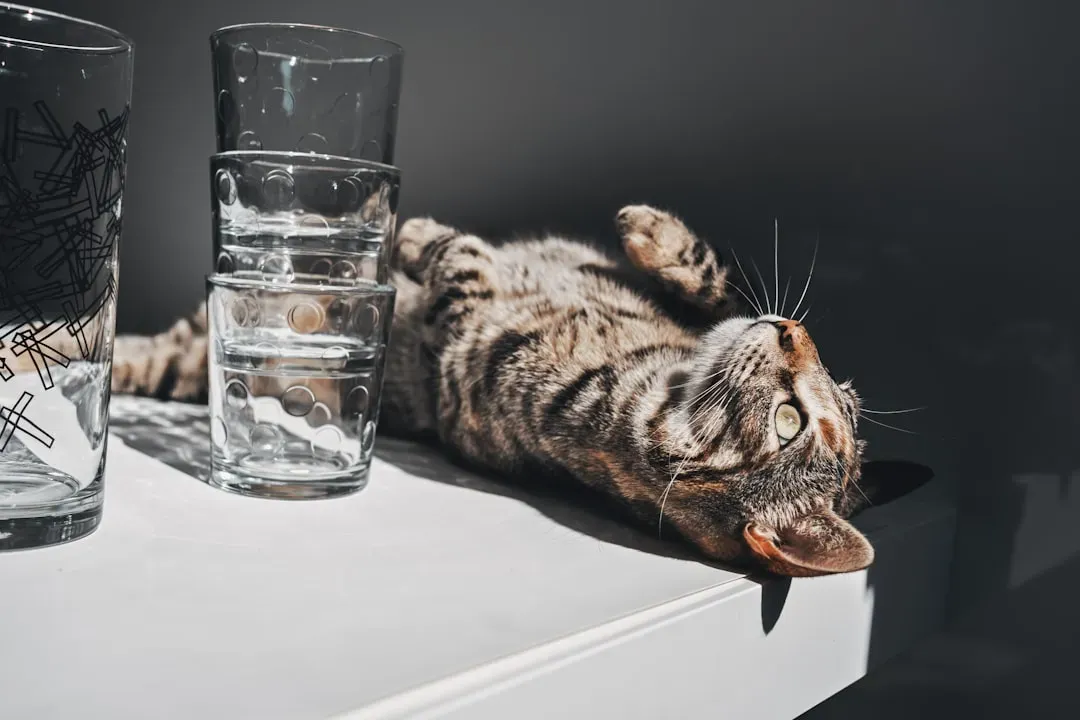
Some cats will deliberately knock items off tables or counters to gain your attention. Your furry friend uses this foolproof move only when you're nearby; clever cats will locate the item you most treasure and slowly but deliberately push it to the edge of the table, dresser, or shelf, giving you just enough time to run over and catch the heirloom before it falls. Let's be real, they know exactly what they're doing.
This behavior is calculated and specific. Cats use the trick of reaching out and pushing something off the countertop with their paw, and they usually do this when we are there to watch it happen. The key word here is watch. If you're not around to witness the destruction, what's the point? Your cat isn't interested in chaos for chaos's sake. They want your eyes on them, and they've learned that nothing gets your attention faster than your favorite mug teetering on the edge of disaster.
The Laptop Takeover
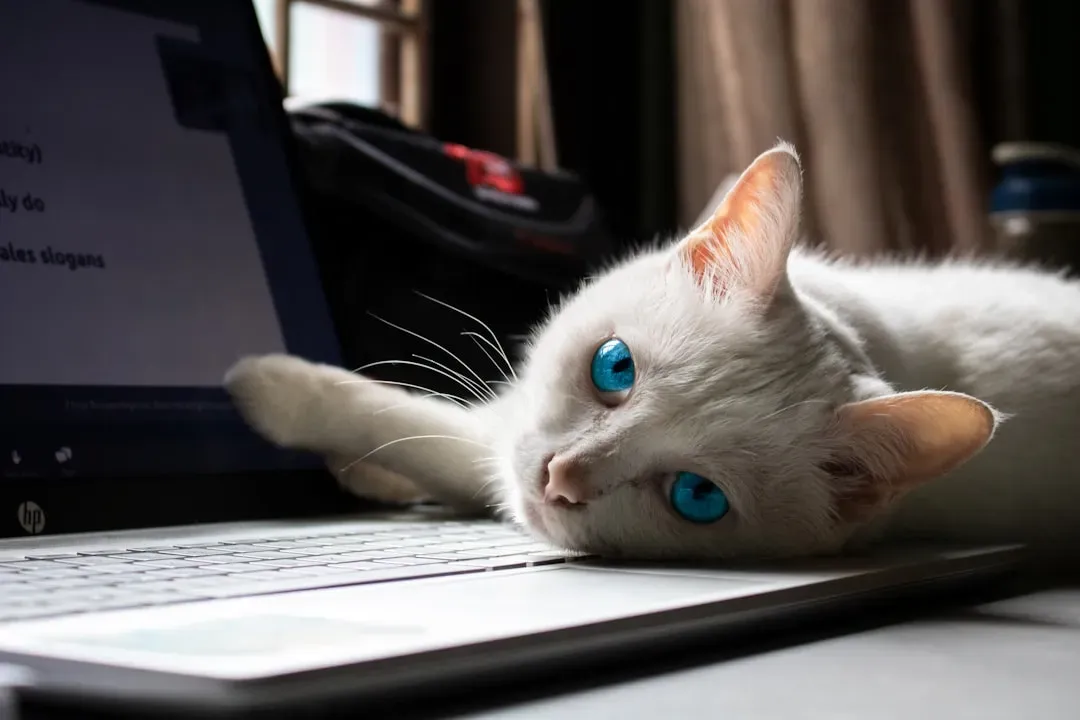
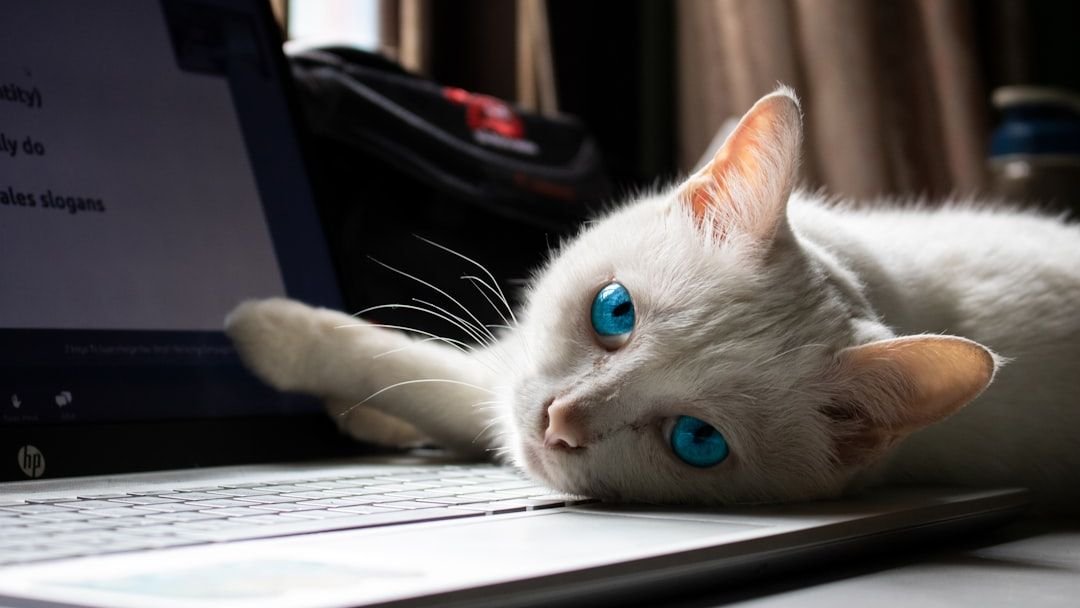
Cats may overtly place themselves on your lap while you are working at a computer or reading a book in an attempt to redirect your attention onto them. Sitting on your laptop, tablet, book, newspaper, magazine, or even dinner plate is your persistent purrer's way of saying she is the most important thing in your life, asserting her dominance over the inanimate object that stands in her way.
You might think your cat just loves the warmth of your laptop. Sure, that's part of it. You could be working or reading a book and find your cat lying on top of it, and while cats can do it because the laptop or book is a comfy resting place, it could also be their way of redirecting your attention to them instead. The message is crystal clear: whatever you're doing on that glowing rectangle isn't nearly as important as giving them some quality time. I know it sounds crazy, but your work email can wait.
The Head Bonk Love Tap
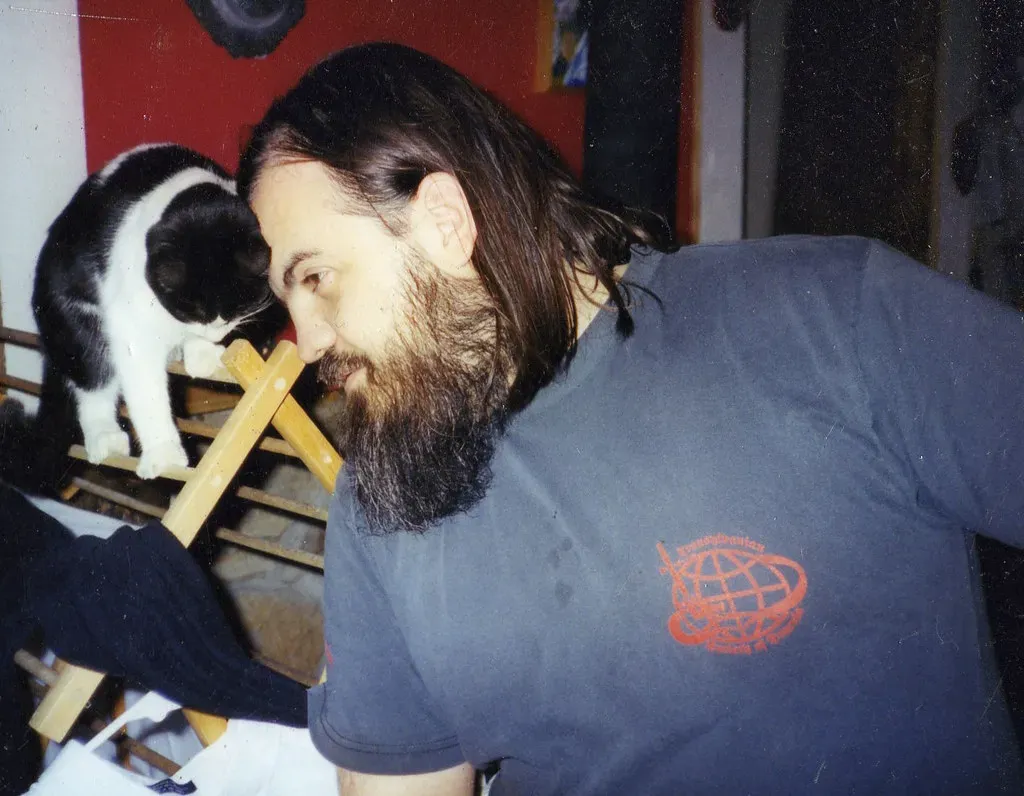
Sometimes headbutting can be a way for cats to seek attention, as cats like to be scratched under the chin and on the head, so a cat may just be presenting their head to you for some attention and good scratches. Many call it head-butting, head bumping, or head bunting, and it's a lovely sign of affection and trust where your kitty will approach with a deep purr and press gently against your face and forehead.
Bunting may be used as an attention-seeking behavior if your cat butts his head up against you and then tucks it down or turns to the side, as he may be asking for one of those wonderful neck or head scratches that you often do for him. If you get a cat bunt while you're in the middle of something, they might be asking for playtime, food, or some pets, and your cat might even headbutt your phone to let you know they need you. It's honestly one of the most endearing ways cats communicate, even if it sometimes feels like getting bumped by a fuzzy bowling ball.
The Persistent Shadow Act
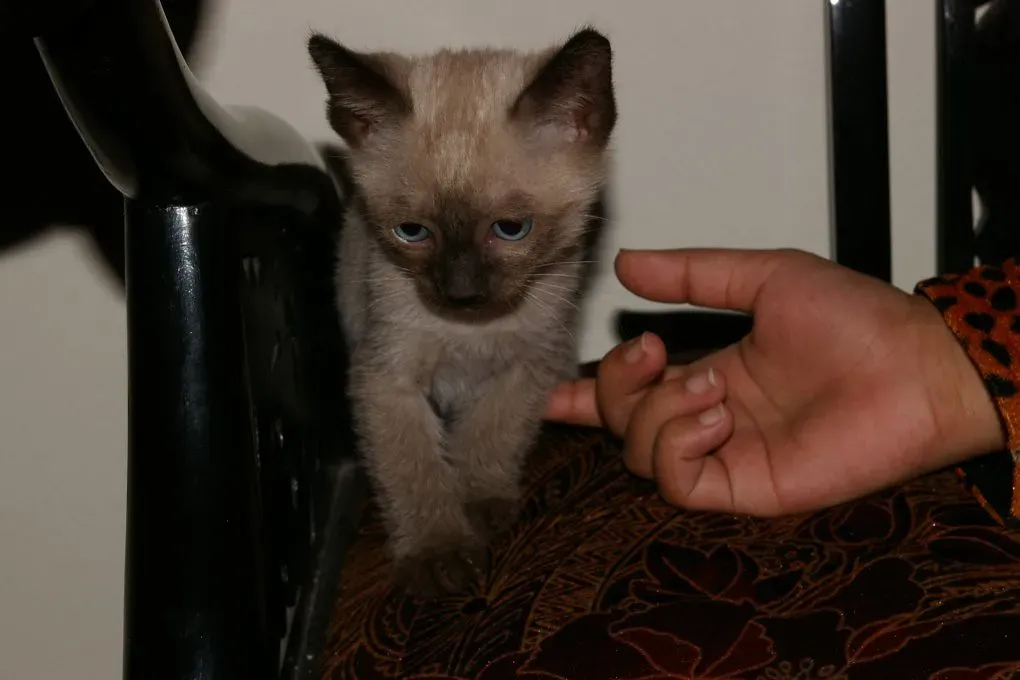
Following you around the home and deliberately strolling in your path, especially when they know you're busy, is another form of attention-seeking, and this behavior signals that your cat notably needs or wants your focus. If your cat is following you, it could be a sign that they want your attention, as many cats do it around feeding time to signal they want to be fed, but others do it because they crave attention.
There's a difference between casual companionship and purposeful following. Some cats are clingier than others and have learned that following you around gets your attention when you are moving around the house, and once you are sitting down or occupied with another task, they may choose to interrupt it to get your attention and resume the following when you get up again. Pay attention to the pattern. If your cat is suddenly your constant companion during specific times of day, they're probably trying to tell you something important.
The Gentle Paw Tap
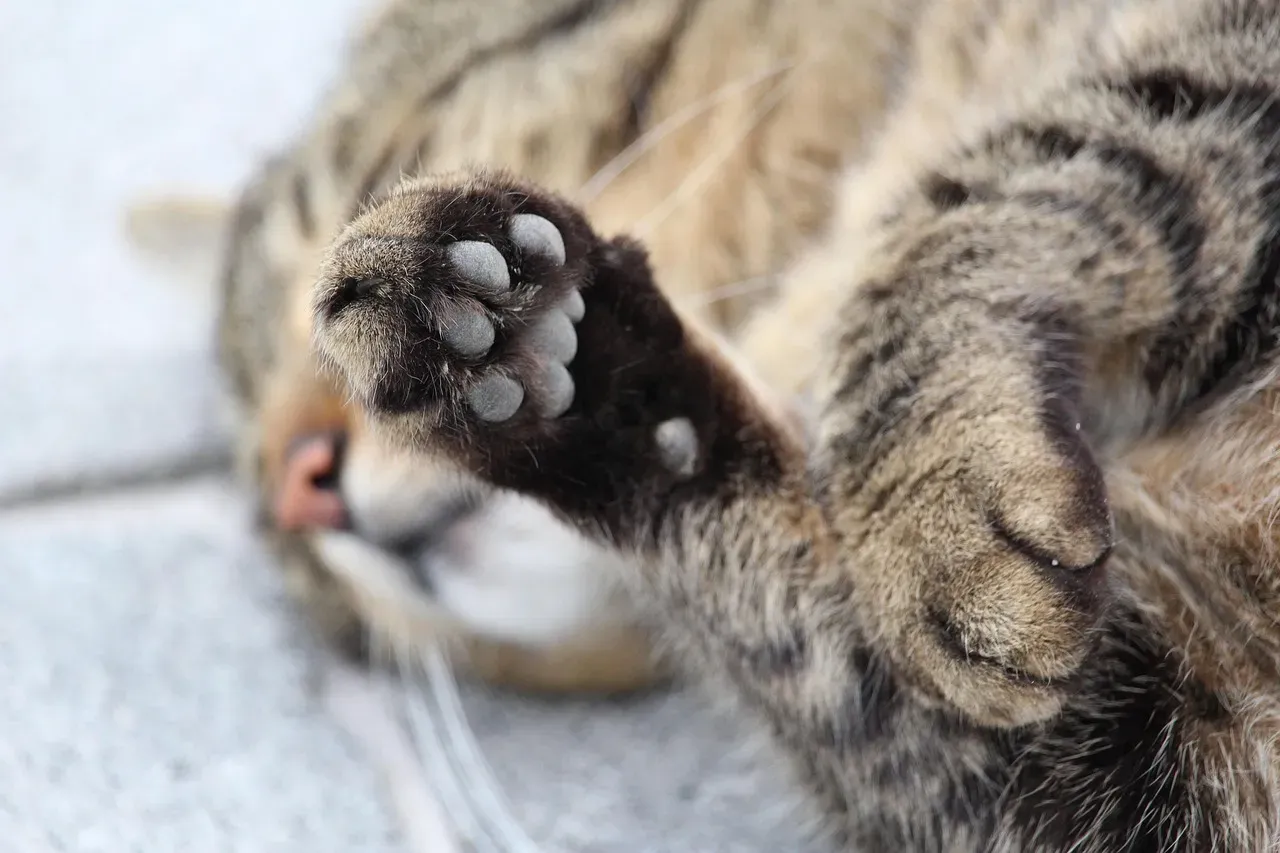
If your cat gently taps you with their paw or claws on your face or limbs, they may be trying to signal that they want you to engage with them. This delicate gesture is remarkably effective. Think about it: you're sitting there, completely absorbed in whatever you're doing, and suddenly you feel a soft tap on your arm. It's impossible to ignore.
If you're working and they keep pawing at your fingers as you type, they could be understimulated and asking for some interactive play. The paw tap is your cat's polite version of "excuse me, human." It's less demanding than knocking things over and quieter than meowing, which makes it especially effective when you're trying to concentrate. Your cat has learned that this gentle touch usually gets results without requiring much effort on their part.
The Gift Presentation Ceremony
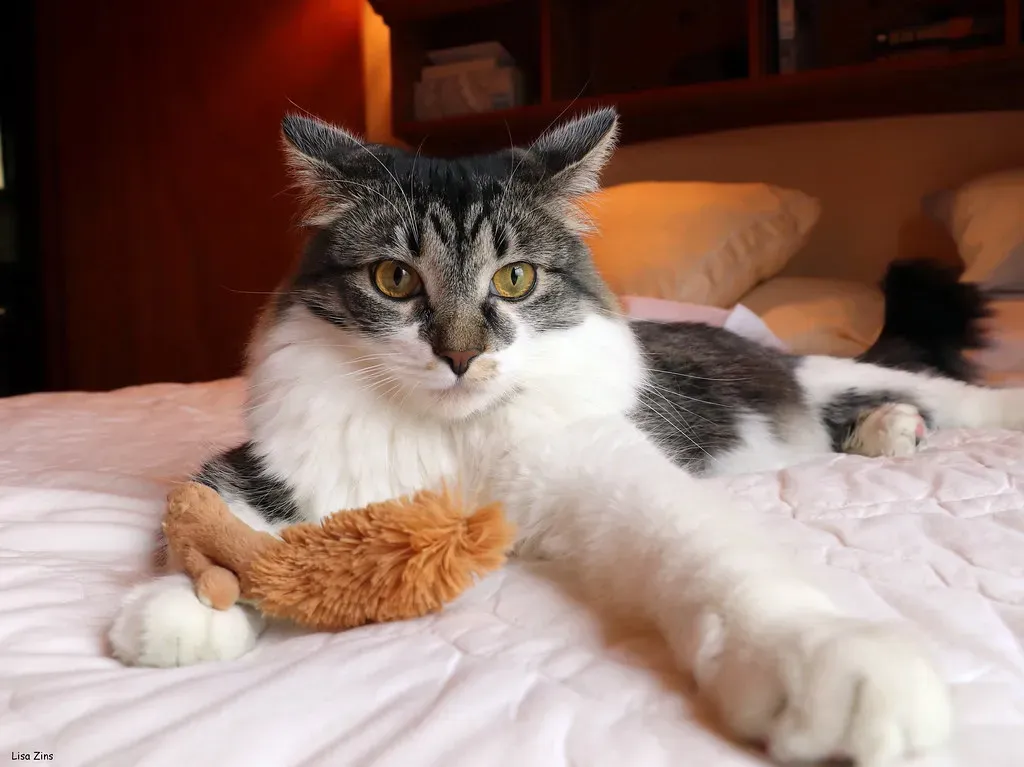
Cats want to please their pet parents, and one of the ways they do so is bringing gifts to them, which may include catnip mice, stuffed animals, or even shoes and slippers, and the trick works especially well if a cat wants attention, as once she chooses the item most likely to get you out of your chair and over to her food dish, she'll drop it at your feet and howl until she receives your praise.
Some cats will also bring gifts and enjoy the attention this then brings. This behavior is fascinating because your cat has figured out that presenting you with an offering guarantees interaction. Whether it's a toy mouse at three in the morning or your missing sock from last week, your cat is essentially saying, "Look what I found for you, now pay attention to me." It's hard to say for sure, but this might be one of the sweetest forms of manipulation in the animal kingdom.
Reading Your Cat's Hidden Language
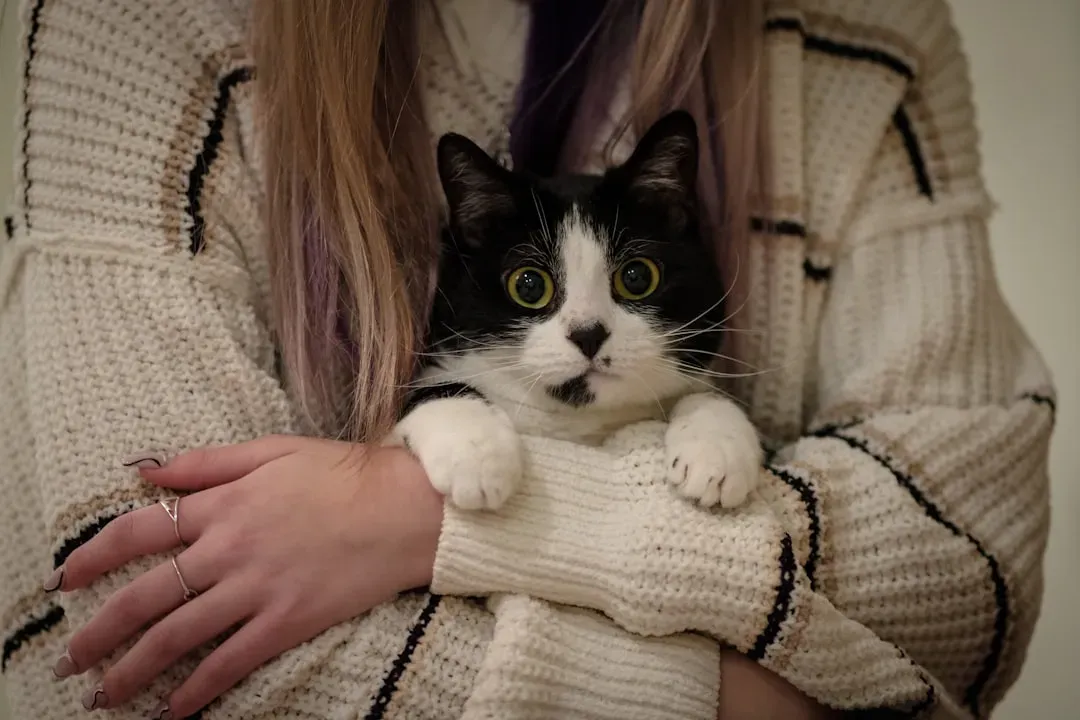
Understanding these subtle attention-seeking behaviors transforms your relationship with your cat. They're not being difficult or demanding. They're simply speaking a language most of us never learned to interpret properly. Cats are hunters who are equipped with incredible senses and need appropriate energy outlets, as they're also creatures of habit who rely on predictability and consistency in their daily lives.
The next time your cat stares at you from across the room or gently taps your hand, take a moment to appreciate what they're really doing. They've spent years studying you, learning what works and what doesn't. Scheduling two or three play sessions a day to total roughly fifteen to thirty minutes and a couple of short quiet attention times for cuddling, petting, massage, grooming, or whatever activities your cat enjoys can make your cat less likely to be pushy and demanding if he knows that he will be getting attention at regular times each day. What do you think about your cat's unique way of asking for attention? Does your feline friend use any of these methods, or have they invented their own?