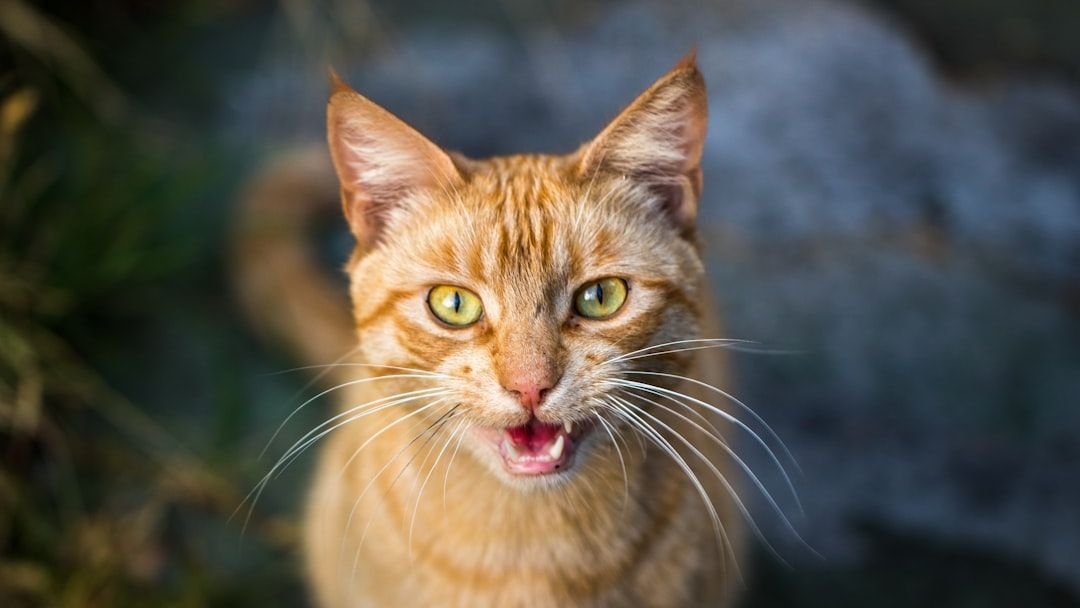
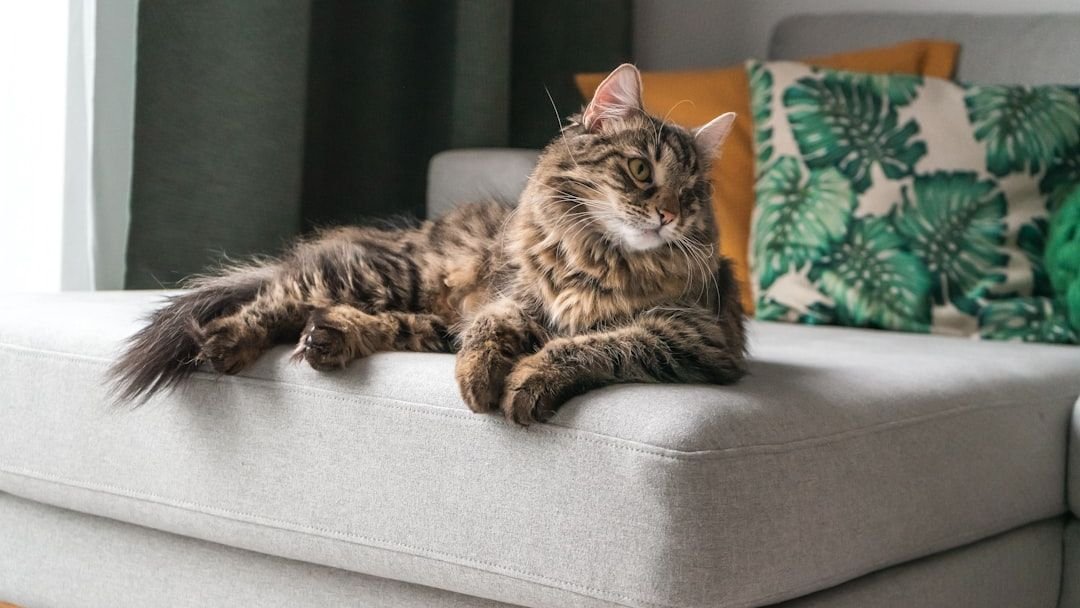
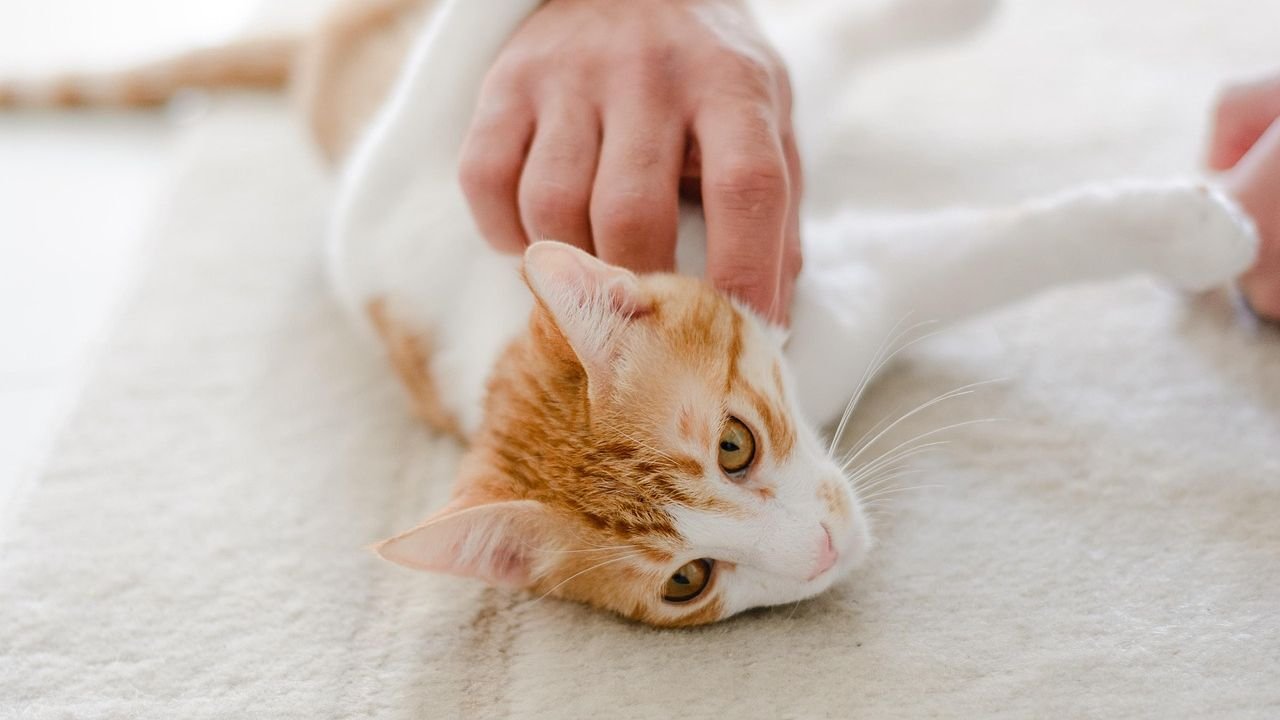
Your Cat's Nightly Zoomies Are a Natural Way to Burn Off Energy
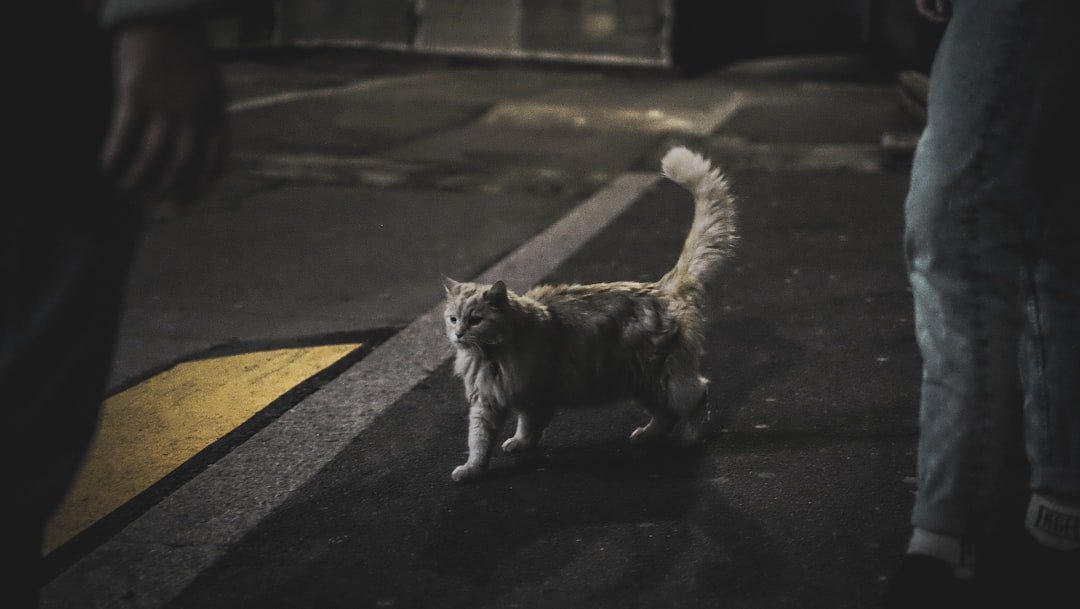
You're lying in bed, finally drifting off to sleep, when suddenly you hear it. The unmistakable sound of tiny paws thundering across your hardwood floors. Your cat races past your bedroom door at what feels like supersonic speed, leaps onto furniture, ricochets off walls, and lets out an occasional wild meow. Just when you think the chaos has ended, another lap begins. Welcome to the world of cat zoomies.
These frantic bursts of energy might seem random or even concerning, especially when they happen at three in the morning. Yet they're one of the most natural behaviors your feline friend can display. Understanding why these midnight marathons happen can help you appreciate this quirky aspect of cat ownership and maybe even get some better sleep.
The Science Behind Those Wild Sprints
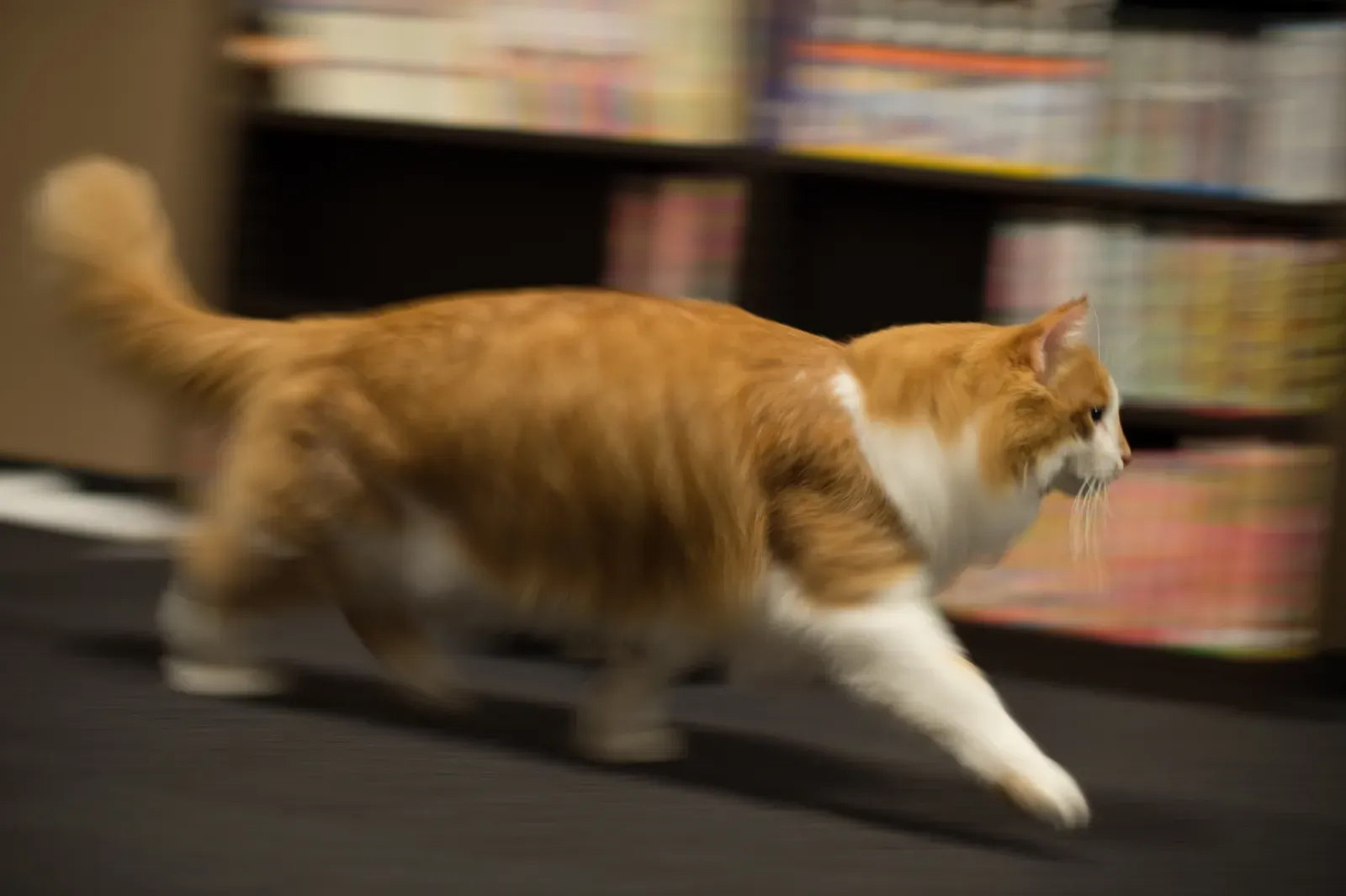
Cat zoomies are officially known as Frenetic Random Activity Periods, or FRAPs, which allow cats to release pent-up energy. Think of it like a pressure valve finally releasing steam. Your cat spends a massive chunk of the day napping, conserving energy for those sudden explosive moments.
Cats are crepuscular animals, meaning they are most active during dawn and dusk, a behavior traced back to their wild ancestors who hunted during these times to take advantage of cooler temperatures and prey movement. Even though your indoor kitty doesn't need to stalk prey for survival, those ancient instincts remain hardwired into their DNA. The zoomies are essentially your cat acting out their hunting heritage on your living room carpet.
Why Nighttime Becomes Prime Time for Cat Craziness
Cats sleep for an average of thirteen to fourteen hours a day, leaving plenty of stored energy for when they're awake, and if they haven't expended enough energy during the day, they may have zoomies at night. Your work schedule doesn't exactly align with your cat's biological clock. While you're winding down for the evening, your feline is just getting started.
The quiet of nighttime actually makes your cat feel more comfortable exploring and playing. Your cat's environment can significantly impact their behavior, including their sleep-wake cycle, as the quiet of the night might make your cat feel more comfortable, while daytime noise and activity can be intimidating for some cats. That peaceful atmosphere you're trying to enjoy? It's exactly what your cat has been waiting for all day.
Built-Up Energy Needs an Outlet
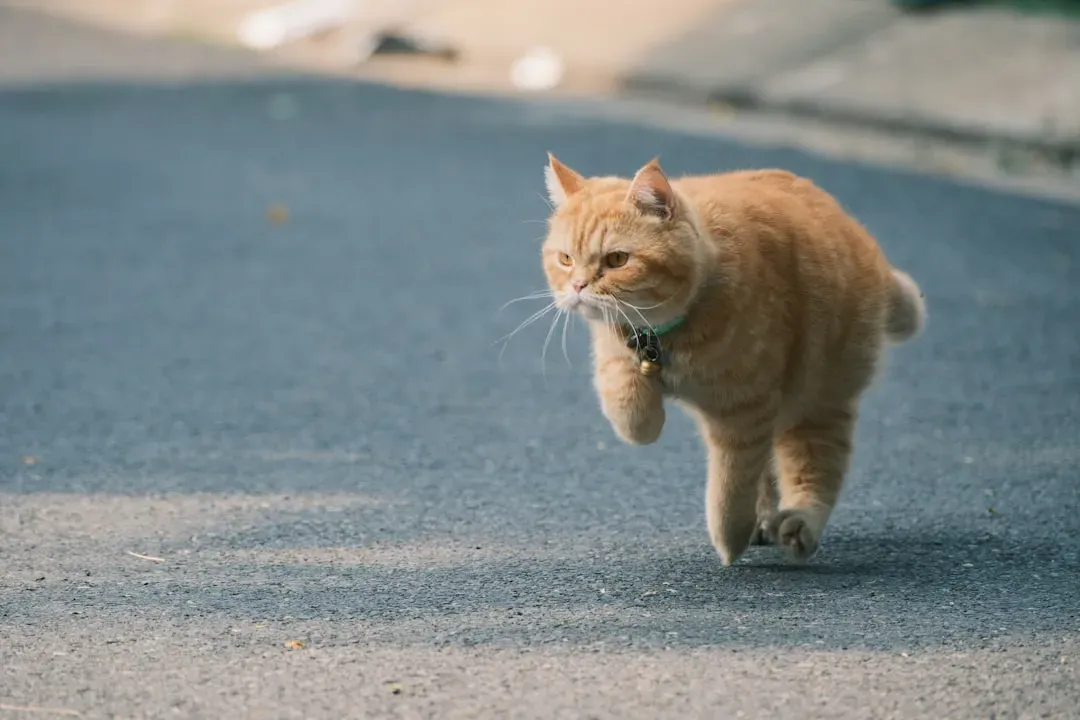
The most common reason cats experience the zoomies is pent-up energy, as cats rest and sleep for a majority of the day to conserve energy for short, very active periods. Your cat's body is designed for quick, intense bursts of activity rather than sustained exertion. They're natural ambush predators, not marathon runners.
If your cat doesn't get adequate exercise during daylight hours, all that stored energy has to go somewhere. If zoomies occur frequently in the evenings or at night, that can be a sign that your cat hasn't gotten enough exercise throughout the day. Those wild sprints aren't mischief. They're necessity. Your cat is simply doing what their body tells them they must do.
The Hunting Instinct Never Sleeps
Cats have retained their hunting instincts from their wild ancestors, and these instincts can trigger bursts of energy, often at night, even in the absence of actual prey. Watch your cat during a zoomie episode. Notice how they crouch, pounce, and dart around as if chasing invisible prey. That's not imagination, that's instinct.
Even though your cat's food comes from a bowl rather than the end of a successful hunt, their brain still craves that chase sequence. The zoomies allow them to act out these predatory behaviors in a safe, domestic setting. It's honestly fascinating to watch if you're not desperately trying to sleep.
Boredom Plays a Bigger Role Than You Think
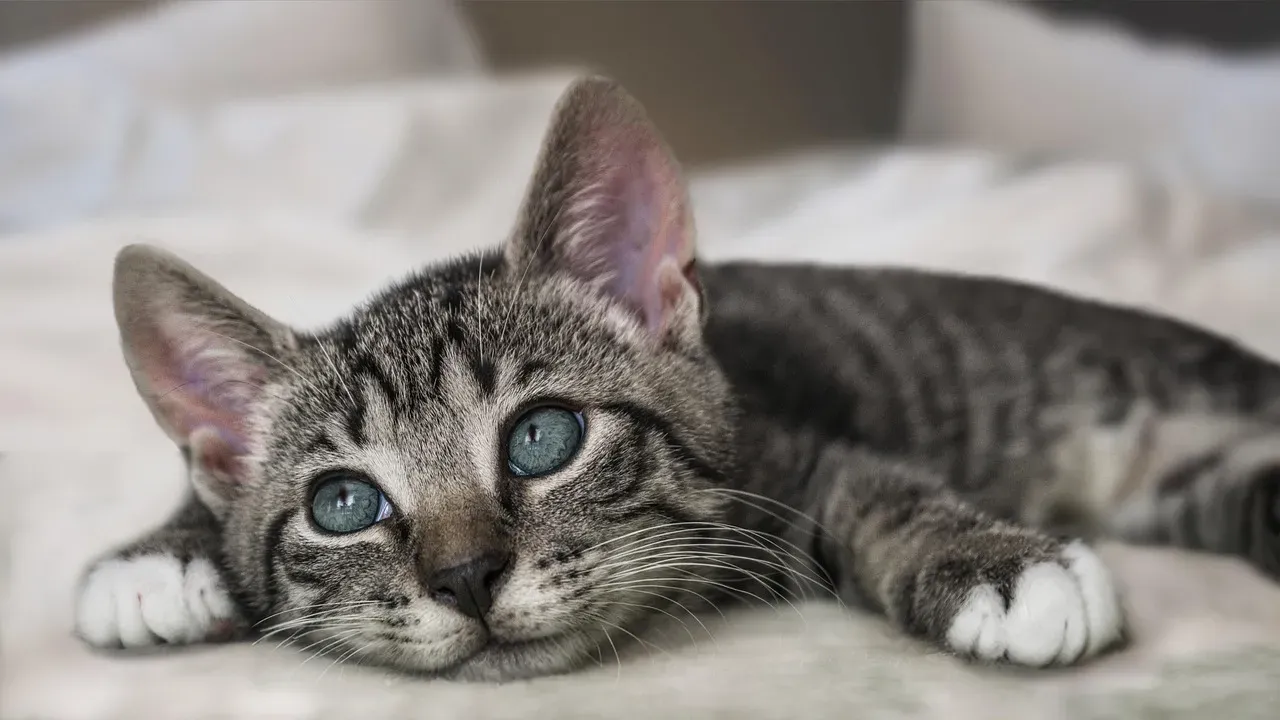
Cats need mental stimulation just like humans do, and if they don't get enough stimulation during the day, they might become more active at night. An understimulated cat is a restless cat. Your feline isn't trying to annoy you, they're trying to entertain themselves with whatever options are available.
Indoor cats especially can struggle with boredom during long stretches of solitude. If you're away at work all day, your cat probably spent most of that time sleeping. Come evening, they're refreshed and looking for something to do. The result? A full-scale living room race track designed by a very energetic architect with fur.
Age Affects the Intensity of Zoomies
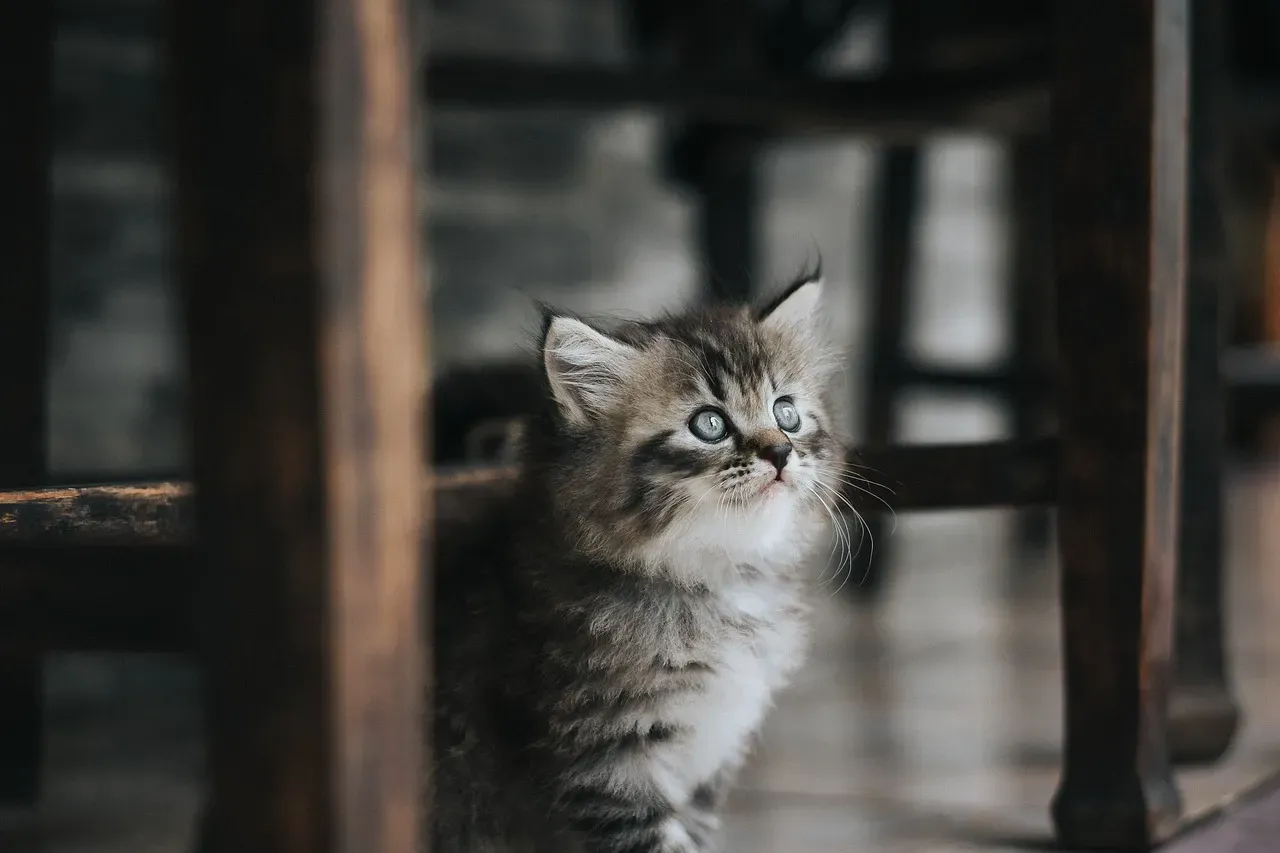
A cat's age can impact their activity levels and sleep-wake cycle, as young cats have an abundance of energy and may have more frequent and intense zoomies, and are also more likely to be active at night. Kittens are basically tiny energy tornadoes. Their zoomies can be more frequent and frankly more destructive than those of adult cats.
Older cats typically slow down and may sleep more than younger cats, however, some older cats may become more active or vocal at night due to changes in their cognitive function or medical issues. If your senior cat suddenly develops intense nighttime activity, it might warrant a conversation with your veterinarian. Changes in cognitive function can alter sleep patterns significantly.
How to Channel That Energy Before Bedtime

One of the most effective ways to prevent zoomies is to tire your cat out before bedtime by spending fifteen to twenty minutes playing with interactive toys, allowing them to release built-up energy and reducing the chance of cats running around at night. Think of it as helping your cat work the night shift during daylight hours instead. Feather wands, laser pointers, and toys that mimic prey are excellent choices.
Cats tend to sleep after a big meal, so try feeding your cat their main meal just before your bedtime to encourage them to sleep through the night. This mimics the natural hunt-eat-sleep cycle that wild cats follow. After a good play session and a satisfying meal, most cats are ready to curl up and rest.
Creating a Routine That Works for Everyone
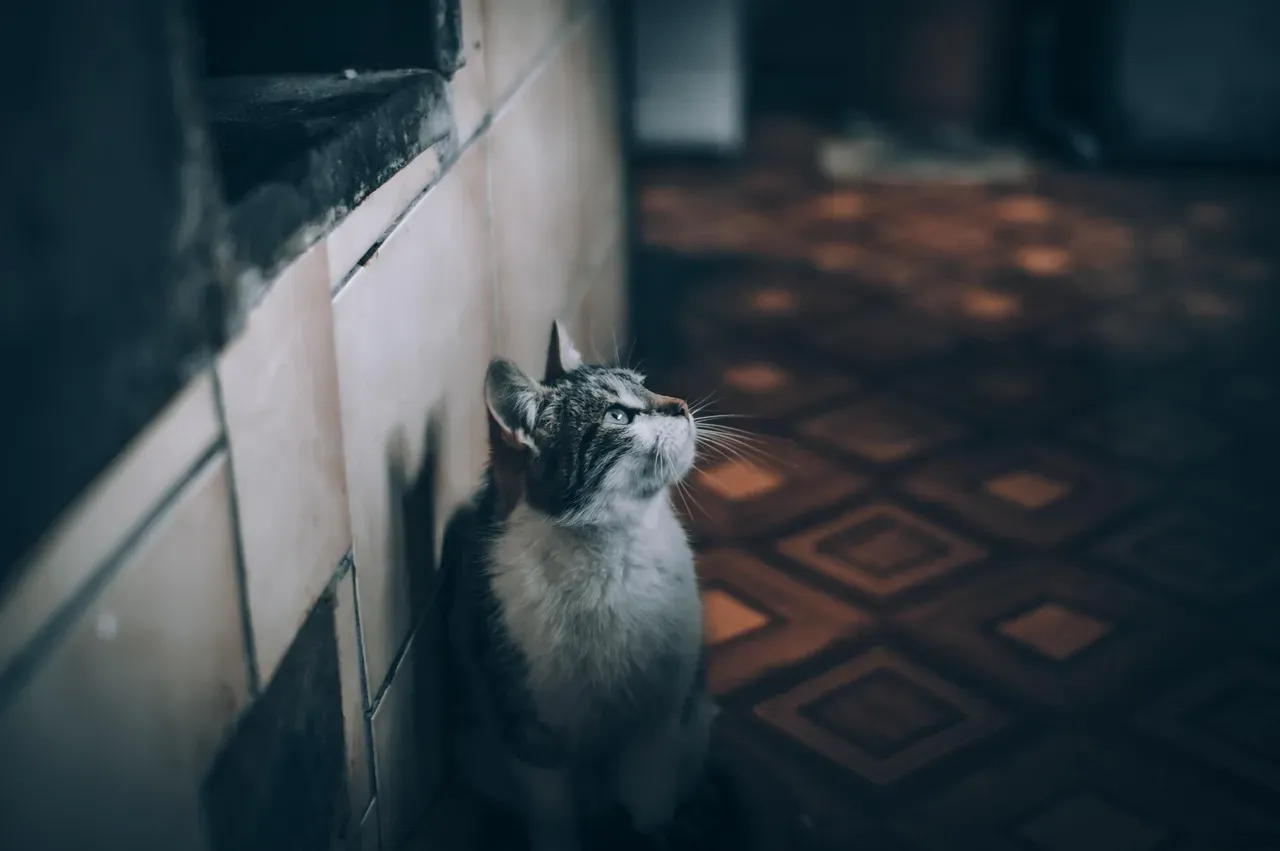
Cats are creatures of habit, and creating a consistent daily routine for feeding, play, and rest times can help regulate your cat's internal clock. Consistency is your secret weapon. When your cat knows what to expect and when, they're more likely to adjust their activity patterns accordingly.
Make time for regular sessions of interactive play early in the evening, as many cats enjoy cat teasers, playing fetch, or chasing a laser pointer. The key is engagement before you need to wind down. Spend quality playtime with your cat during the early evening hours, not right before you want to sleep. This gives them time to burn off energy and then relax.
When Zoomies Might Signal Something More
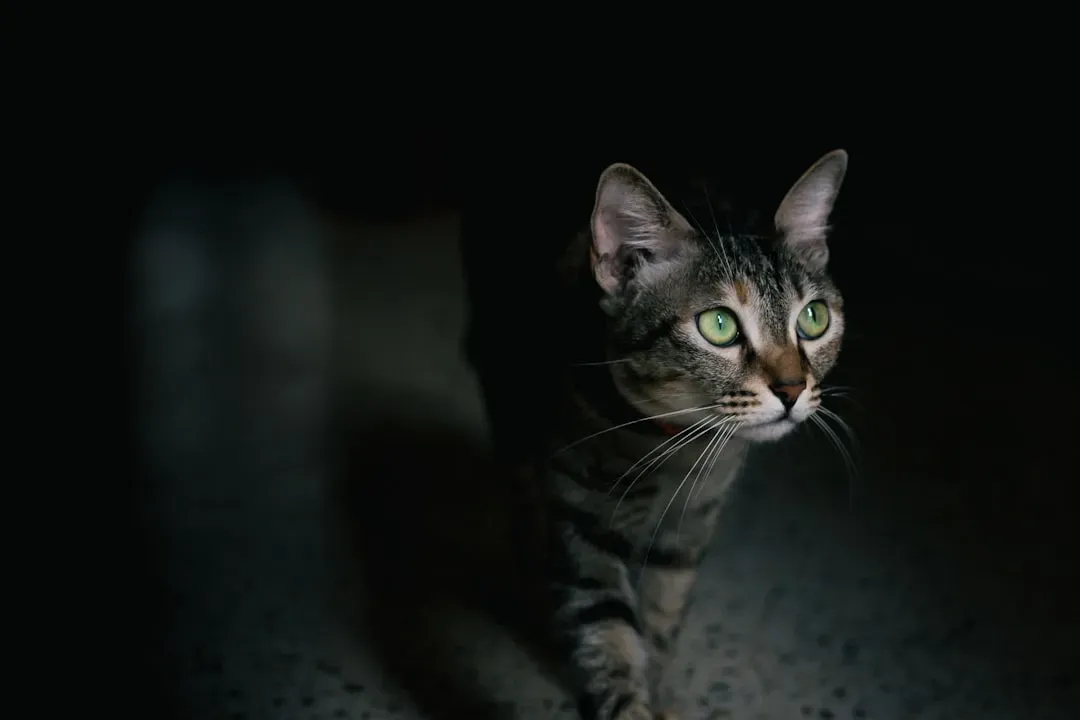
While acute pain is a far less common reason for cat zoomies, it's important to know when the behavior may indicate your kitty is in pain, and if you suspect pain is the culprit, get them to the vet as soon as possible. Most zoomies are completely harmless fun. Still, sudden changes in frequency or intensity deserve attention.
In some cases, excessive nighttime activity may be a sign of an underlying medical issue such as hyperthyroidism, and if your cat's nighttime behavior suddenly changes or becomes more extreme, it's essential to consult with your veterinarian. Trust your instincts. You know your cat better than anyone. If something feels off about their behavior, a veterinary visit can provide peace of mind or catch potential health issues early.
Embracing the Chaos with Understanding
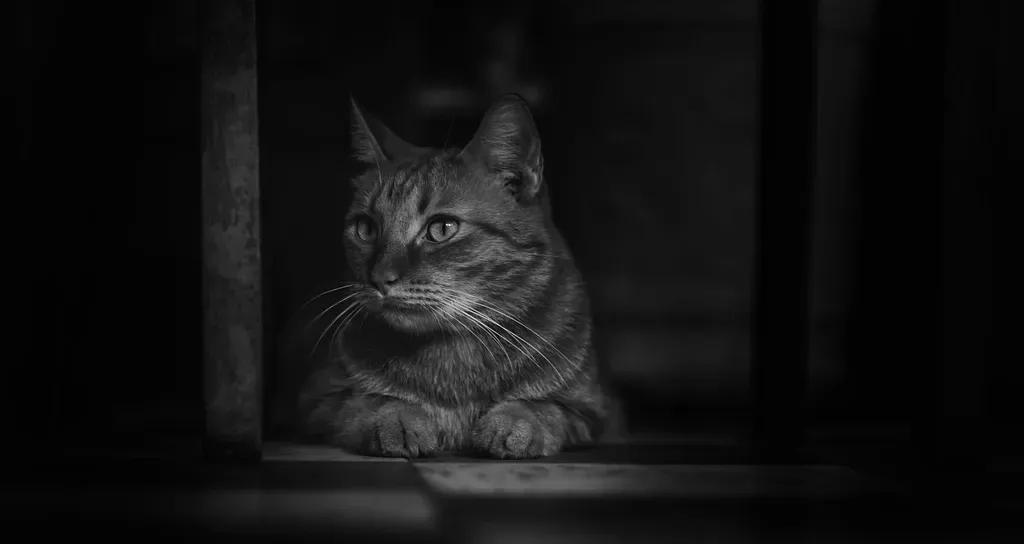
Cat zoomies are a perfectly normal expression of feline nature. Your cat isn't deliberately trying to ruin your sleep or drive you crazy. They're simply being the beautiful, instinct-driven creature that evolution designed them to be. With some strategic playtime, environmental enrichment, and schedule adjustments, you can help redirect that energy to more convenient hours.
The zoomies are actually a sign of a healthy, energetic cat. It means your feline friend feels safe, secure, and comfortable enough in your home to fully express their natural behaviors. So the next time you hear those thundering paws at midnight, you might feel a bit less frustrated knowing your cat is just doing what cats do best. What strategies have worked for managing your cat's nighttime energy? Have you found the perfect routine that keeps both you and your feline happy?