You’ve probably noticed your cat’s tail doing all sorts of strange things. Swishing. Twitching. Puffing up like a bottle brush. But here’s the thing: every single one of those movements is packed with meaning. Your cat is literally talking to you through their tail, sending out signals about what they’re feeling and what they need from you right at that exact moment.
Think about it. Unlike dogs who wag their tails when they’re thrilled to see you, cats operate on an entirely different wavelength. Unlike dogs, who often wag their tails as a sign of excitement, cats use their tails in more nuanced ways. So if you’ve ever misread your cat’s mood and ended up with a swat or an unexpected nip, you’re definitely not alone. Let’s dive into the fascinating world of feline tail language.
The Straight Up Tail Signals Confidence and Friendliness
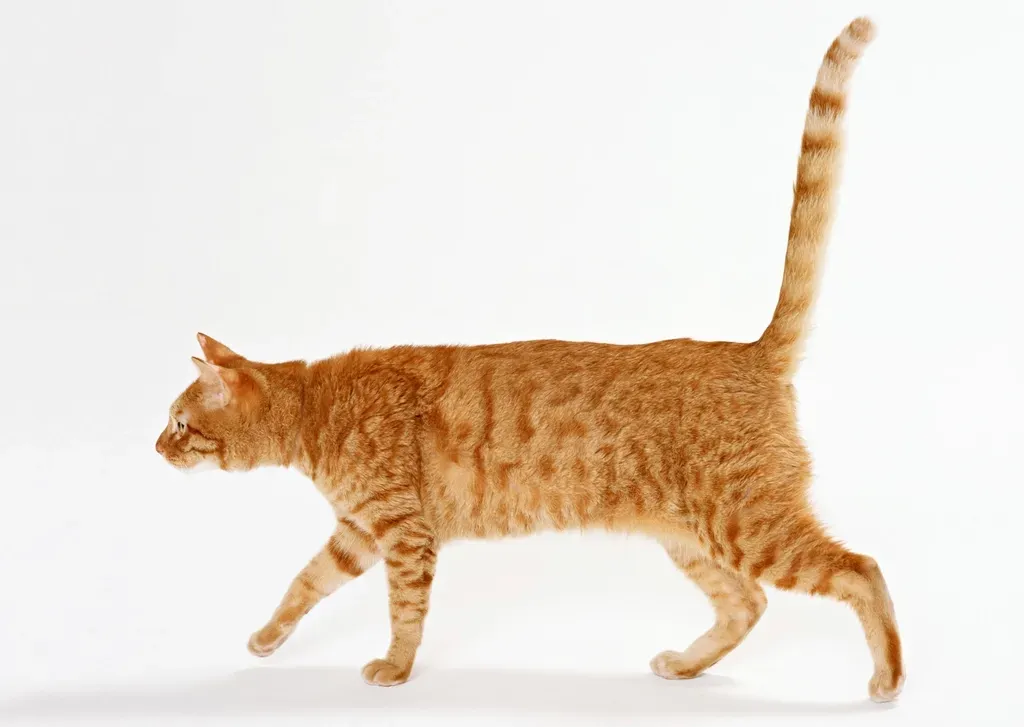
When your cat approaches you with their tail held high in the air, standing completely upright, you’re witnessing one of the most positive signals in cat communication. When a cat’s tail is upright, they are feeling social and confident, and are approaching in a friendly manner. This is your green light for interaction.
If your cat approaches you with their tail up, they are open to an interaction. This is a good time to pet them or play with them. Sometimes you’ll notice the tip of that upright tail doing a little quiver or vibration, which takes the message up another notch. That quivering means they’re genuinely excited to see you.
The Question Mark Tail Means Your Cat Wants to Play
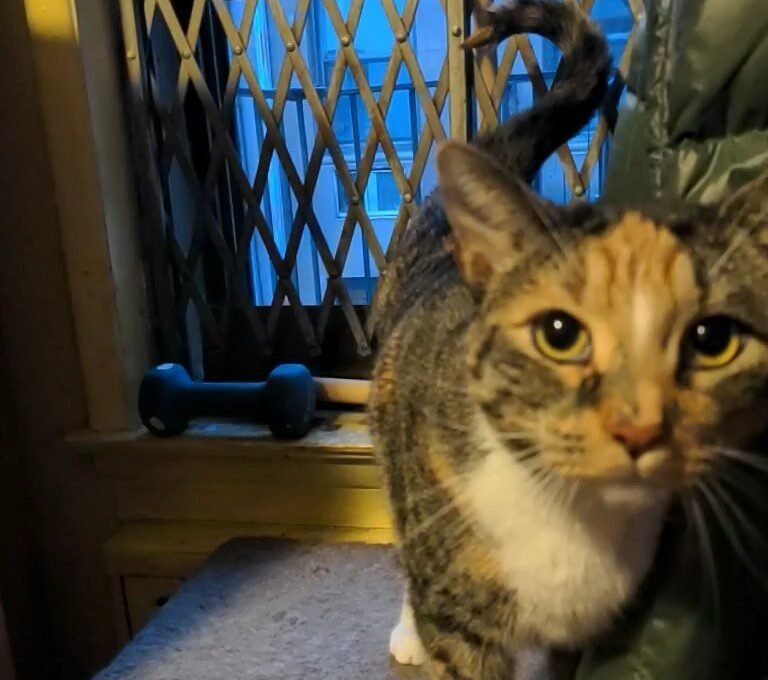
You may notice that sometimes your cat’s tail looks like a question mark – it stands upright but curls at the end. This adorable position is basically your cat’s way of asking if you want to have some fun together. It’s an invitation.
When you spot this curved tip formation, your cat is in a playful, friendly state of mind. A question mark or hooked tail is also straight up but curls at the tip. These cats are playful, telling you they are ready to have fun. Grab a toy or engage with them because they’re genuinely interested in bonding with you right now.
Slow Swishing Reveals Focused Concentration
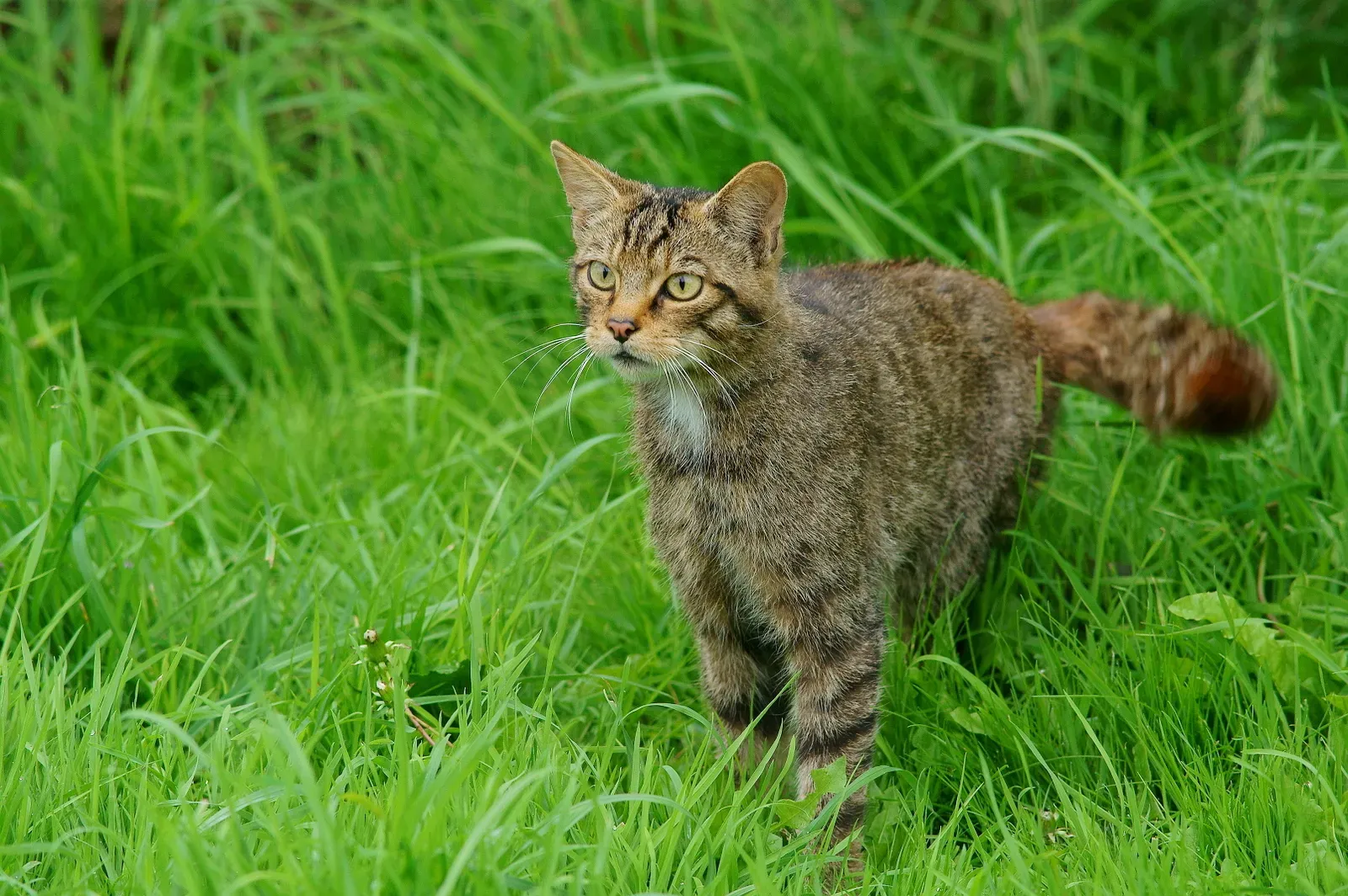
Ever watched your cat’s tail sway gently from side to side while they’re staring intently out the window? When your cat slowly swishes their tail from side to side, they may be intently focused on something like a toy, another animal in the home, or something outside. They may be about to pounce! This movement shows deep concentration.
This is actually predatory behavior kicking in. Your cat’s hunting instincts are fully engaged, whether they’re watching a bird outside or zeroing in on a toy mouse across the room. The slow, deliberate swish helps them maintain balance and prepare for the perfect pounce.
Rapid Thrashing or Thumping Means Back Off Immediately
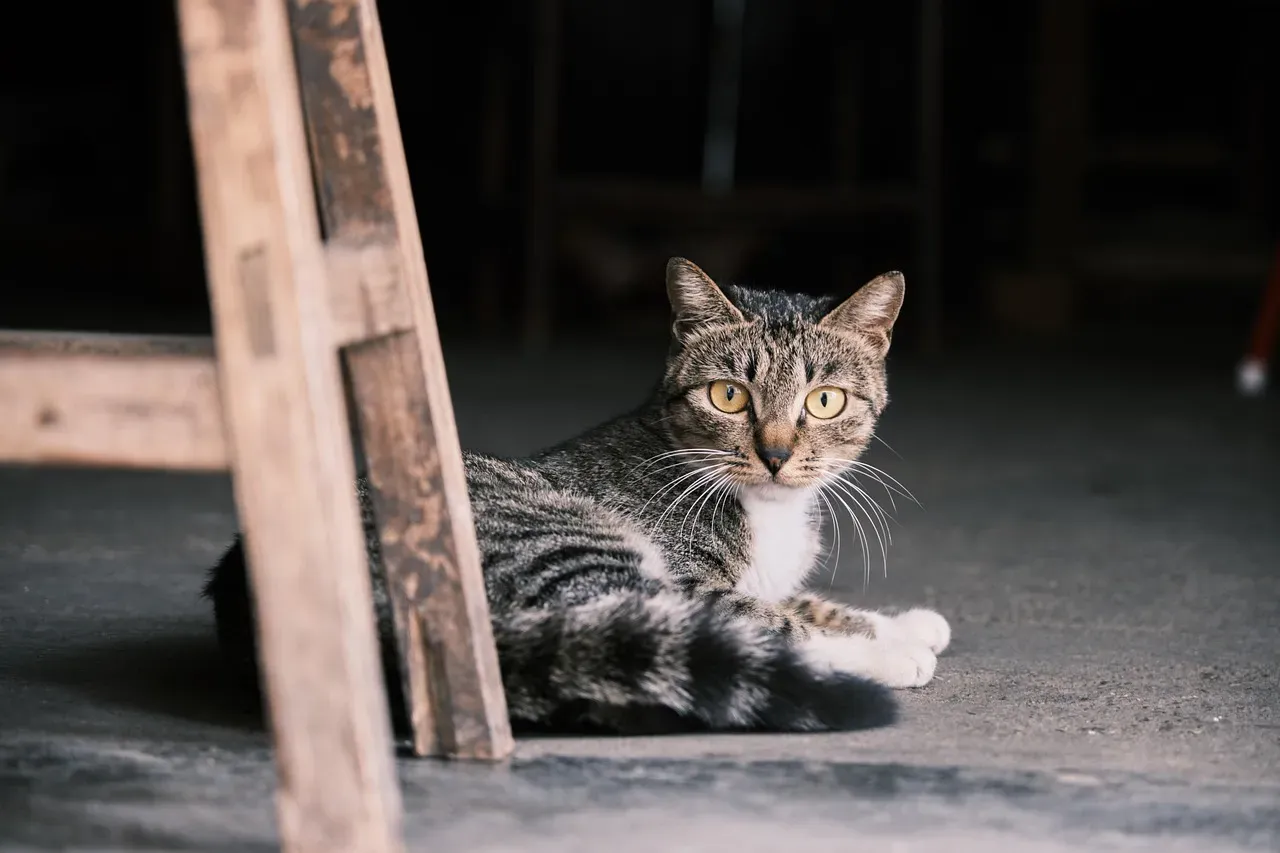
Here’s where things get serious. When your cat thrashes their tail or is thumping it on the ground, they are irritated, annoyed, or angry. This tells you that something is bothering your cat. This is not the time to keep petting or pushing for affection.
If you are petting your cat and they start thrashing their tail, they are trying to tell you to stop. If you don’t, then the thrashing tail may be a prelude to hissing, growling, swatting, or biting. Pay attention to this warning sign. Your cat is communicating their boundaries clearly, and respecting that will keep your relationship strong and your fingers scratch-free.
The Puffed Up Tail Indicates Extreme Fear or Aggression
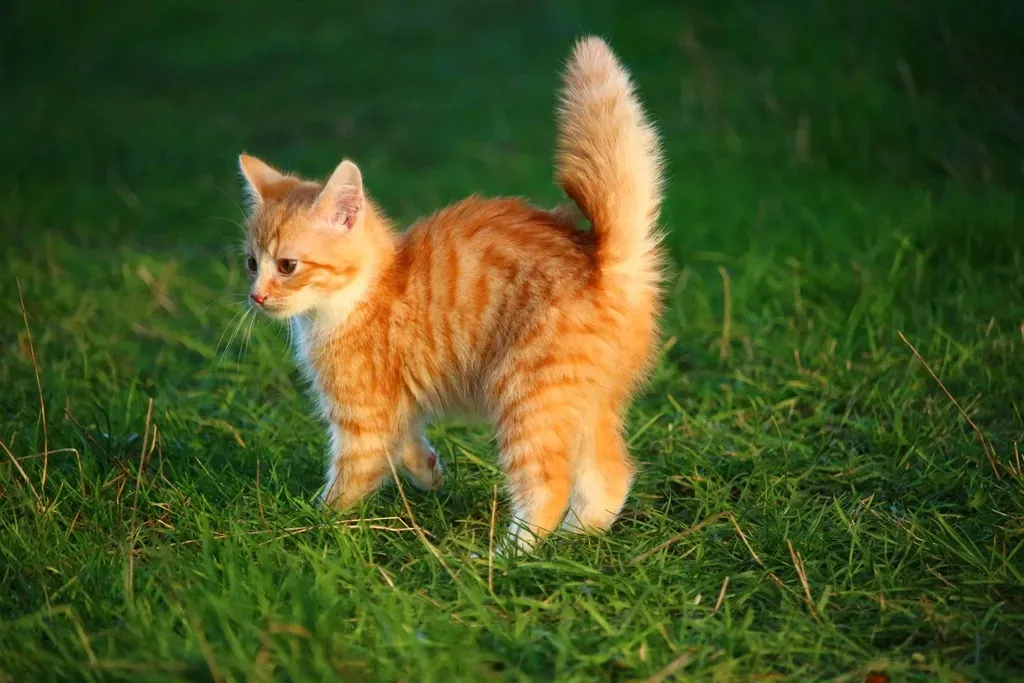
A puffed-out tail, often two or three times the size of a normal one, is either a sign of a very excited cat or one that is scared and ready for a fight. A feline may also have hair raised on their back to make them appear larger and a more formidable opponent. This is pure defensive instinct at work.
When your cat’s tail resembles a Halloween decoration, they’re genuinely frightened or feeling threatened. When a cat’s tail suddenly puffs out, it usually reflects a strong emotional reaction – often fear, surprise, or aggression. You might see this after a loud noise, an unexpected guest, or when two unfamiliar pets cross paths. The puffed tail makes the cat appear larger, which is a natural defense mechanism. Give them space and remove whatever’s causing the stress if you can.
Tip Twitching Can Mean Playfulness or Mild Irritation
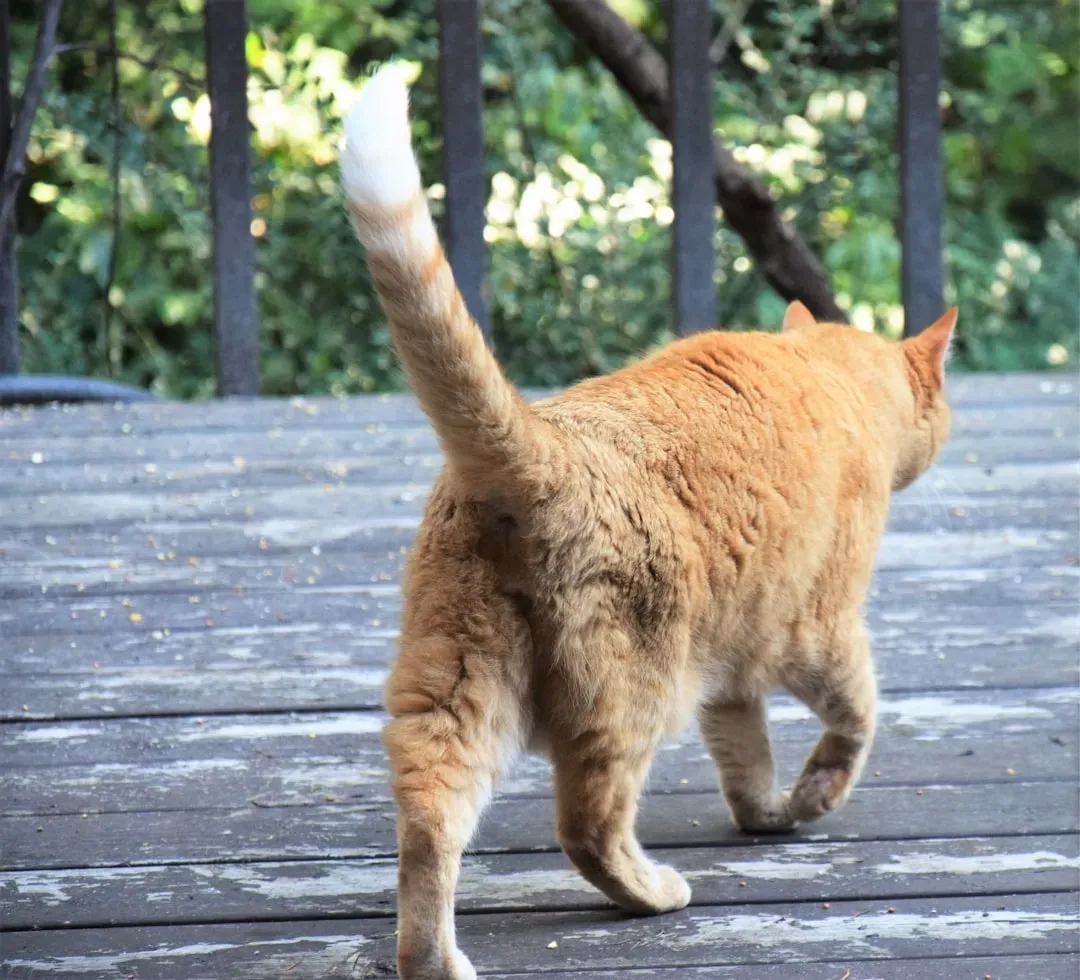
Cats twitch the end of their tails when they are hunting and playing, as well as when they are mildly irritated and frustrated. In this case, read the scene and look for other clues to their mood. Context is everything with this one.
If your cat is crouched near a toy or watching something intently, that twitching tip signals playful focus. However, if they’re lying down and you’ve been petting them for a while, that same twitch might be an early warning sign that they’re reaching their tolerance limit. Watch their ears and body posture for additional clues.
A Tucked Tail Shows Fear, Submission, or Pain
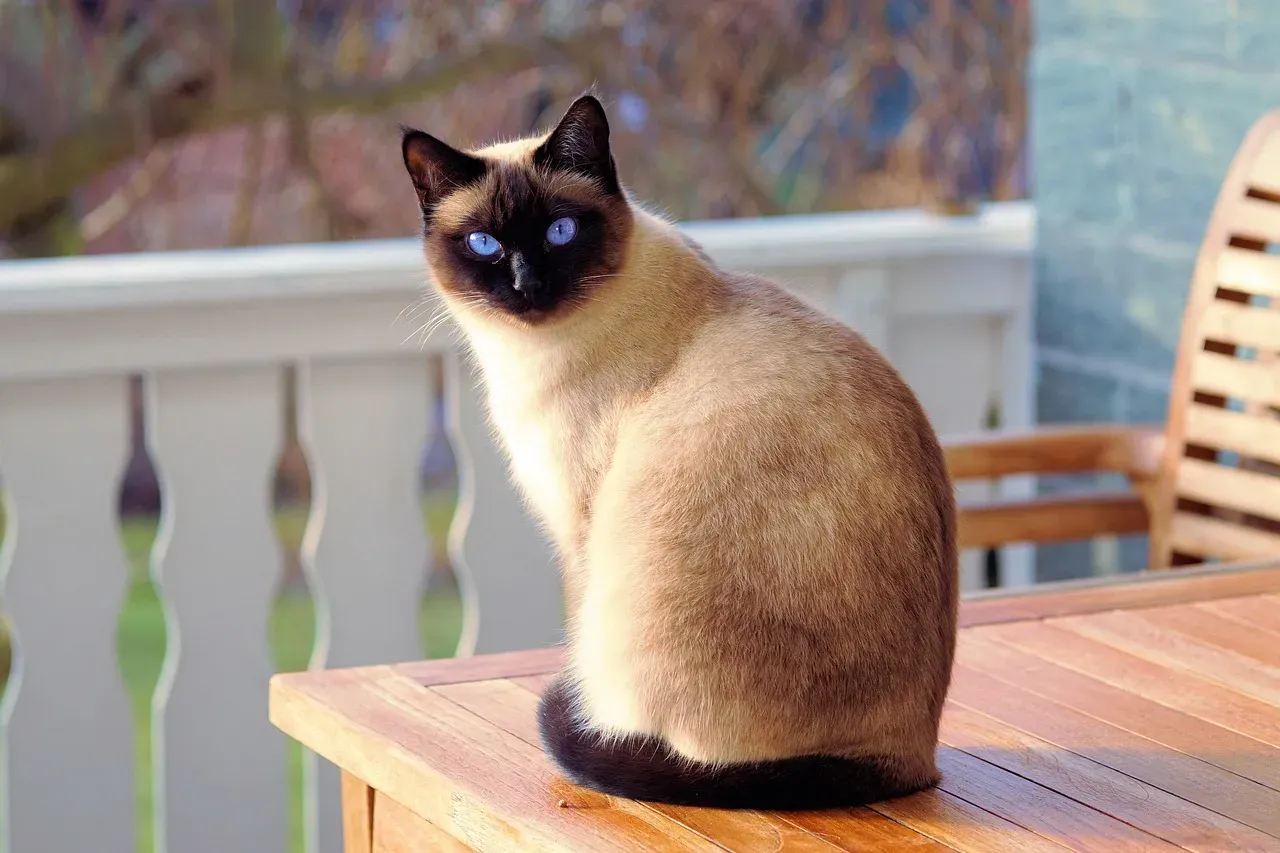
If your cat is sitting or lying down with their tail wrapped around their body, then they are frightened, defensive, in pain, or feeling unwell. When you see this, end your interaction with your cat and ensure that your cat’s environment is free of stressors. This position makes them appear smaller and less threatening.
A cat who has tucked the tail between the hindlegs is very frightened. This is a submissive posture where the cat is trying to appear small and non-threatening. If this behavior persists for more than a few days, it’s worth a vet visit to rule out any health issues causing discomfort.
The Tail Quiver Expresses Excitement and Affection
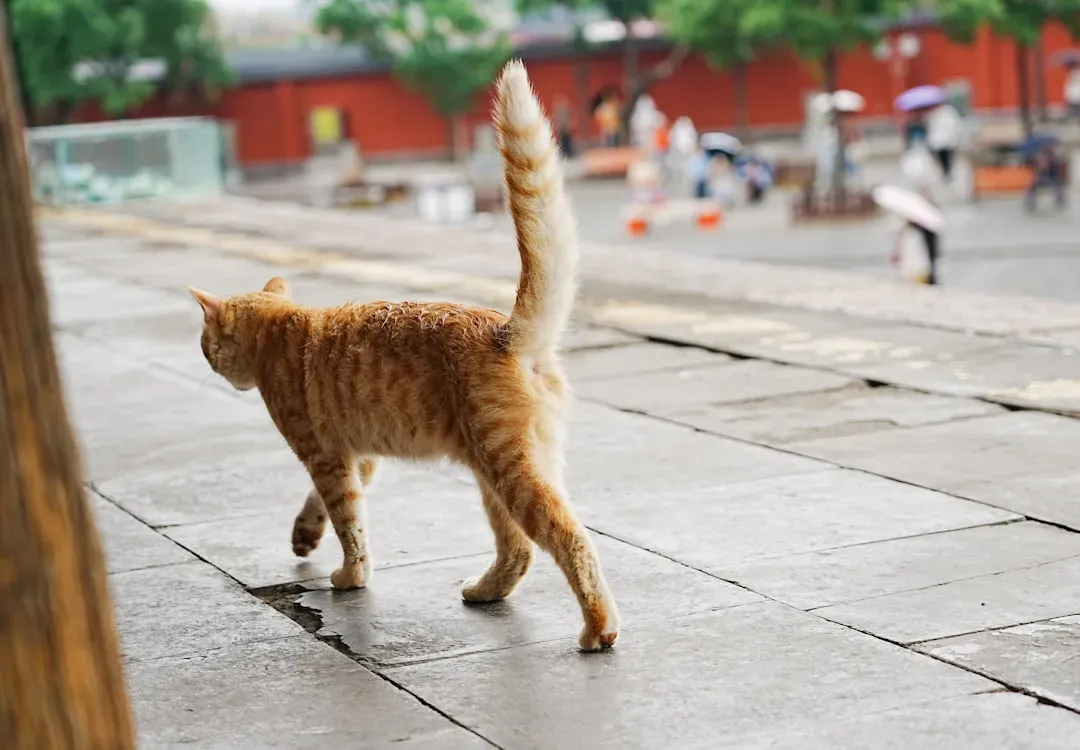
Your cat may quiver their tail when they are especially excited to see you or another cat. Picture a rattlesnake’s tail movement but much gentler and cuter. This is one of the sweetest signals your cat can send.
This vibrating tail held high tells you that your cat is genuinely thrilled about your presence. It’s their version of a happy dance. Though there’s one caveat: sometimes, when a cat quivers their tail while holding it straight up and backing up against a vertical surface, they may be urine marking. Location and body position help you tell the difference.
Tail Wrapping Around You Shows Deep Trust and Bonding
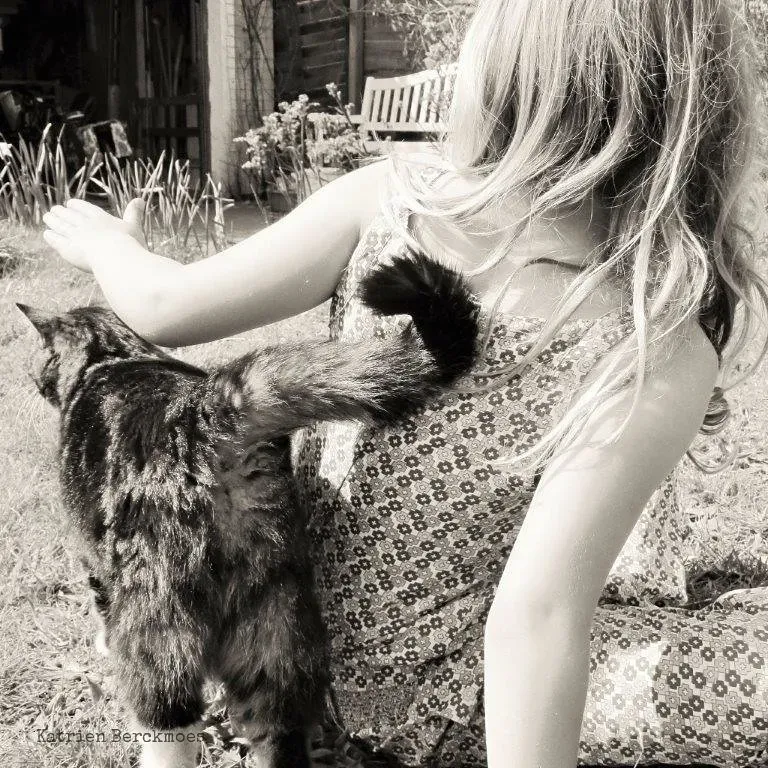
Just as we greet one another with handshakes or hugs, cats may greet by curling their tails around people and by intertwining their tails with other cats. Tail wrapping is an affiliative behavior that demonstrates a willingness to interact. This gesture is incredibly meaningful in the feline world.
When your cat wraps their tail around your leg or arm, they’re essentially giving you a hug. If your kitty wraps their tail around you, they are probably showing trust and security. You’ve been accepted into their inner circle, which is a genuine compliment in cat language. Cherish these moments because they show your bond is strong.
Although you should look at more than just their tail movements, to fully understand your cat’s emotional state, the tail may be the most expressive part of a cat’s body language. Better understanding your cat’s body language will surely improve your bond with your cat. Learning to read these signals takes time and practice. Every cat has their own unique personality quirks and communication style. What works for one feline might differ slightly for another.
Still, mastering tail language gives you a tremendous advantage. You’ll know when to initiate cuddles, when to pull back, when to grab the feather toy, and when something might be medically wrong. Reading the tail language of a cat can also help you identify illness and pain more readily. These tips for understanding cat tail language will empower you to build a more loving, trusting, and fulfilling relationship with your cat.
So next time your cat’s tail starts moving, pause and really observe what they’re telling you. What do you think? Have you been missing your cat’s signals all along?
Kristina is a young writer from India. An arts graduate and an avid content creator, Kristina is passionate about animals and wildlife. She enjoys exploring topics related to pet care, animal behavior, conservation, and nature, combining thorough research with engaging storytelling.