Have you ever noticed how your feline friend seems to know exactly when dinner is coming, even before you touch the food bowl? Or how they pace around the same time each morning, waiting for you to wake up? That’s not coincidence. Your cat is living by an internal calendar that craves structure more than you might realize.
Cats might seem independent and aloof at times, but underneath that cool exterior lies a creature that thrives on knowing what comes next. Cats are creatures of habit, and establishing a consistent routine can significantly impact their behavior and well-being. Life feels safer when it follows a predictable pattern. Today we’re diving into why your cat’s happiness genuinely depends on having a routine they can count on, and what happens when that rhythm gets disrupted.
Why Your Cat’s Brain Loves Predictable Patterns

Let’s be real, cats aren’t wired like dogs. They didn’t evolve to be social pack animals following a leader’s commands. Instead, they come from a long line of solitary hunters who had to rely on their own wits to survive. Wild cats, the ancestors of our domestic companions, survived through strictly regulated daily patterns of hunting, eating, and resting. This biological programming remains deeply ingrained in modern house cats, manifesting as a strong preference for predictable daily schedules.
Your cat’s need for routine isn’t just some quirky personality trait. Cats are highly observant animals that rely on environmental cues to feel secure. When they can anticipate what’s going to happen next, their stress levels drop significantly. Think about it from their perspective: in the wild, unpredictability often meant danger. A sudden change could signal a predator or a threat to their territory. Even though your cat lives in a comfortable home now, those ancient instincts remain intact.
How Consistent Schedules Actually Reduce Feline Stress
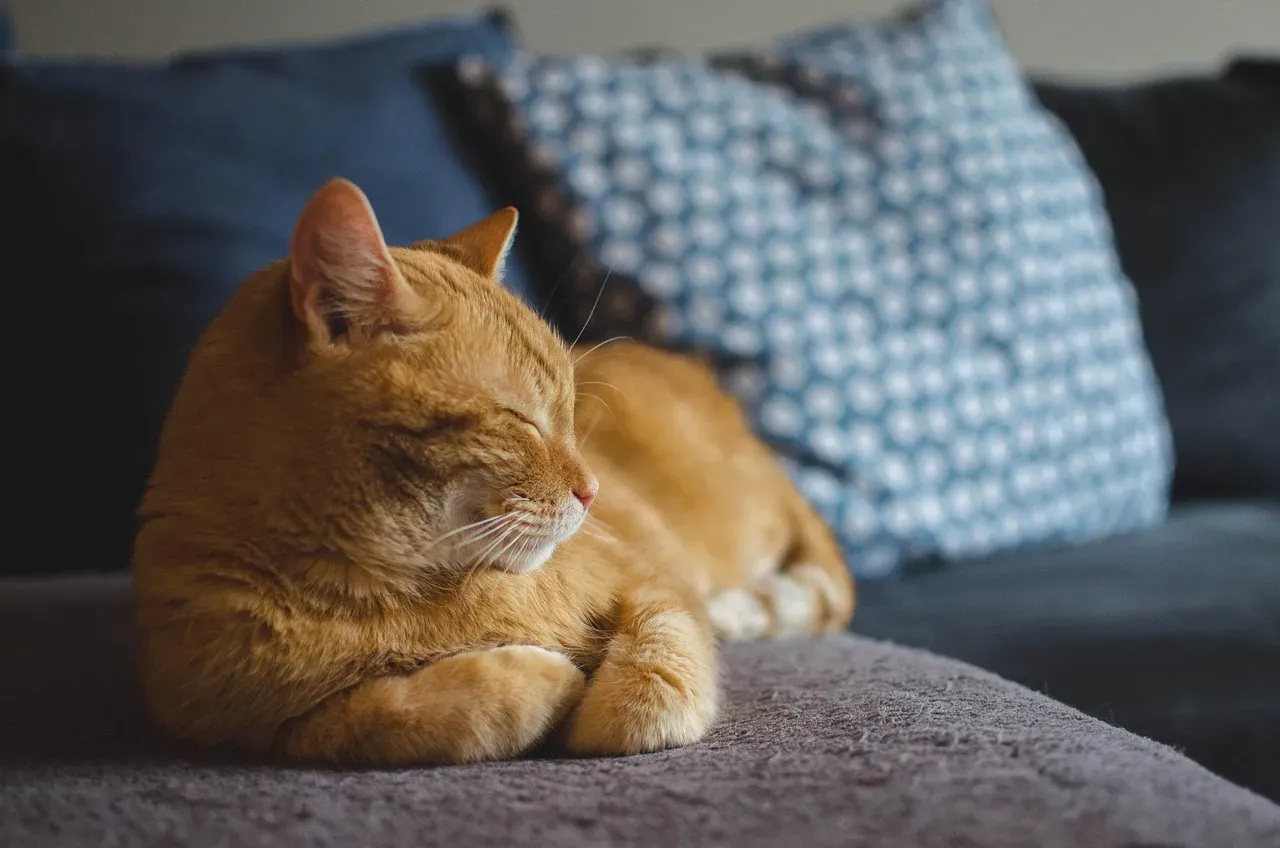
A routine translates to predictability, control over their environment, and a sense of safety. When cats feel secure, they don’t have to remain in “fight or flight” mode, allowing their immune systems to function properly. This isn’t just about behavioral comfort. It’s about physical health too.
Research has shown something pretty striking about routine disruptions. Research from Ohio State University has linked changes in routine to sickness behaviors in cats, including decreased food intake, vomiting and inappropriate elimination. A 2013 study revealed additional stress-induced symptoms like fever, lethargy, and decreased activity levels. Your cat’s body literally responds to schedule changes with physical symptoms. When you understand this connection, suddenly that litter box issue or loss of appetite makes more sense.
Feeding Times Form the Foundation of Your Cat’s Day

Here’s the thing about feeding schedules: they’re probably the most crucial part of your cat’s routine. Cats are creatures of habit. We can use this fact to our advantage by creating a regular feeding schedule and sticking to it. Feeding an adult cat at regular times provides the security and predictability of a routine. Meals become a cornerstone event of the day around which other activities are added.
Cats often form strong associations with their feeding routine. For example, the sound of a can opener or the crinkle of a treat bag can signal mealtime, reinforcing their sense of predictability. Your cat learns these patterns quickly. Honestly, they’re probably tracking your movements far more carefully than you realize, picking up on subtle cues that food time is approaching. This anticipation isn’t annoying behavior – it’s evidence that the routine is working.
The Science Behind Playtime and Sleep Schedules
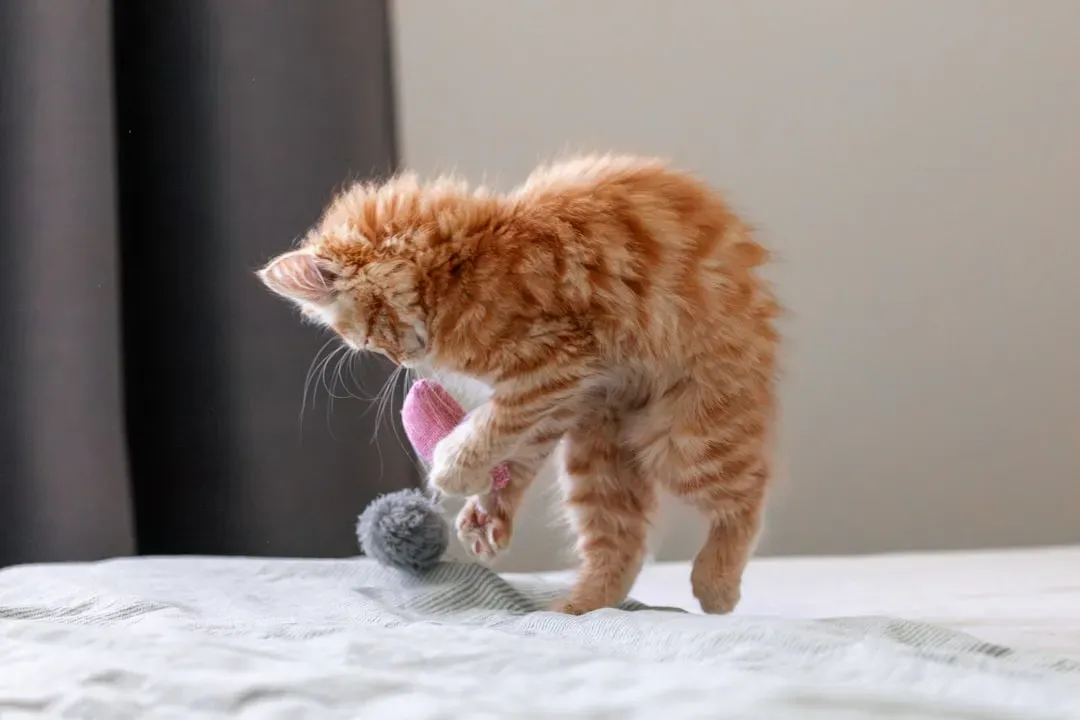
Feeding isn’t the only routine that matters. Regular play sessions help cats maintain physical and mental health while satisfying their natural hunting instincts. Scheduling these sessions at the same time each day helps cats manage their energy levels and reduces nighttime activity. You know those midnight zoomies? They often happen when cats don’t have a predictable outlet for their hunting energy during the day.
Sleep patterns also reflect how well your cat has adapted to household routines. A consistent routine can help regulate your cat’s sleep patterns by aligning them with predictable daily activities, such as meals, playtime, and quiet hours. Cats are naturally crepuscular, meaning they are most active during dawn and dusk, but their sleep cycles can adjust to match household activity. Creating designated rest times and play times helps your cat synchronize with your household rhythm rather than fighting against it.
What Happens When Routines Get Disrupted

Change is inevitable in life. You might get a new job with different hours, move to a new home, or welcome a new family member. Cats are creatures of habit. In the wild, their survival depends on predictability – knowing when to hunt, where to hide, and how to stay safe. That same instinct carries over into our homes. Without a predictable routine, cats can become anxious, withdrawn, or even develop behavioral or health issues.
The signs of routine disruption can be subtle at first. Sudden changes in their routine can create stress and anxiety, leading to behaviors such as hiding, aggression, or loss of appetite. Sometimes cats act out in ways that seem random but are actually their way of expressing discomfort with the new normal. That scratching behavior or vocalization increase? It might not be defiance – it could be your cat’s stress response to schedule changes.
Building Stability Through Environmental Consistency

It’s not just about time-based routines. Your cat also needs spatial predictability. Predictability and consistency in routine and responses can help cats feel safe, secure, and happy and are some of the best ways on how to clam a cat in a new environment. Predictable surroundings also provide your cat some perceived control over their physical environment and social interactions.
Some areas where predictability matters most include: Interaction with humans: Regular playtime or cuddling sessions strengthen your bond with your cat. Environment: Keeping their litter box, scratching post, and resting spots in the same location promotes stability. Feeding and sleeping: As discussed, consistent routines around meals and rest are essential for emotional and physical health. Even moving the litter box to a different corner can throw off your cat’s sense of security. They want to know where their resources are located without having to search.
Creating Meaningful Daily Rituals Your Cat Can Count On
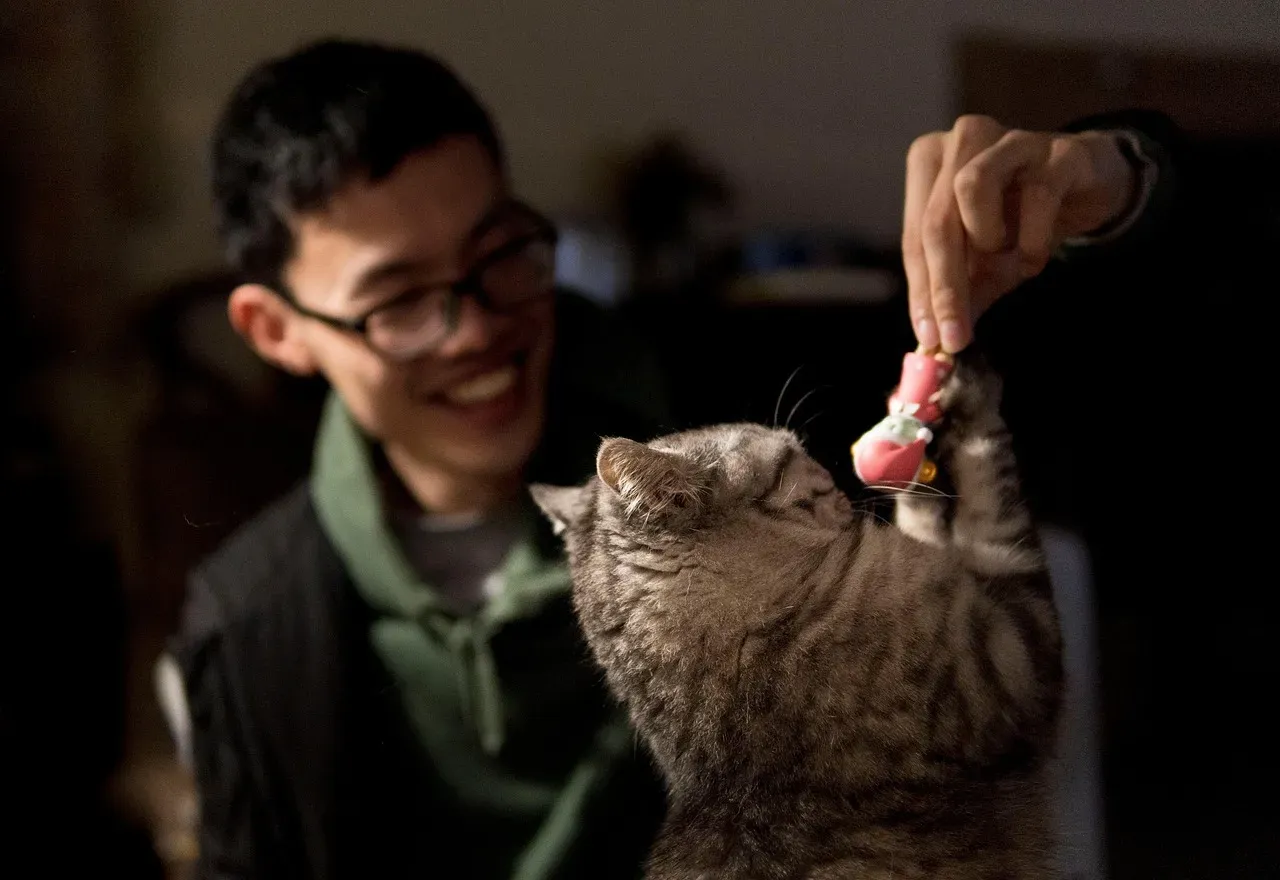
The good news? You don’t need to become obsessively rigid to give your cat the routine they crave. You don’t need a rigid hour-by-hour schedule to help your cat – just consistent patterns. Start with something as simple as feeding and playing with your cat around the same time each morning and evening.
Focus on establishing a few key touchpoints throughout the day. Some of the most important routines for your cats are how often and when you play and exercise together, the consistency of your pet’s diet, regular mealtimes, the normal noise and activity level in your household, morning and evening rituals for your family and cat. Your cat doesn’t need perfection. They need patterns they can recognize and anticipate. Morning cuddles, evening play sessions, bedtime routines – these small consistencies add up to a framework your cat finds comforting.
Social Interaction Routines Matter More Than You Think

Here’s something people often overlook: routine social interaction is crucial for cats, even the ones who seem antisocial. Like other pets, cats appreciate predictability and thrive when given a set routine. The way you interact with your cat should have some consistency too.
Established routines help pets learn to trust their owners because they know what to expect. This is especially important if you’ve adopted a new cat or kitten. When they can predict that you’ll greet them in the morning, play before dinner, and settle down for quiet time in the evening, they begin to trust that their environment is safe. Even cats who appear aloof benefit from knowing when to expect attention and when they’ll have solitude.
Helping Cats Adapt When Changes Are Unavoidable

Sometimes life throws curveballs that disrupt even the best-established routines. Maybe you’re moving, changing jobs, or bringing home a new pet. The best way to help your cat with stress is to try to be proactive. Change can be unsettling, so take it slowly.
When a new spouse or roommate moves into your home, try not to alter your cat’s routine suddenly. A change might give kitty a negative association with that person. The key is maintaining as much of the core routine as possible while gradually introducing new elements. If your feeding times need to shift by an hour, do it in fifteen-minute increments over several days rather than all at once. Your cat’s adjustment will be smoother when changes happen gradually.
The Health Benefits That Come With Routine

Routine doesn’t just make cats happier – it makes them healthier. A break in eating habits can be a warning sign of illness. When cats eat on a regular schedule, that habit becomes strong. It is easy to see if all the food from a meal is consumed. If food is left, whether all or part of a meal, that is an important signal that something is wrong, and it is time to schedule a veterinary appointment.
Regular routines are an excellent way to be aware of your cat’s health needs. If you interact with her on a regular basis – feed her twice a day rather than leave out food all the time, clean her ears once a week – this helps you key-in to her health. When you know what’s normal for your cat, you notice when something changes. That early detection can be lifesaving. Plus, consistent routines support better digestion, weight management, and overall physical wellness.
Making Routine Work for Both You and Your Cat

A consistent routine provides cats with a sense of security and control over their environment. When cats can predict what happens next, they experience less stress and anxiety, leading to better overall health and behavior. Regular schedules for feeding, playing, and sleeping help maintain their biological rhythms and support proper digestion, sleep patterns, and emotional stability.
The beautiful thing is that routines benefit you too. Routines aren’t just helpful for our pets – that sense of consistency makes life easier for pet owners as well. This is especially true if you have children helping with the pet chores. When everyone knows the schedule, there’s less mental load trying to remember whether the cat was fed or when they last played. Life with your cat becomes more harmonious when you’re both on the same page.
Creating a routine your cat can depend on is one of the most loving things you can do. A regular routine will help keep your cats happier – and thus, healthier. There’s no one-size-fits-all formula, because the best schedule for a cat is one that you can realistically stick to. What matters most is the consistency and the intention behind it. When your cat knows what to expect, their anxiety drops and their confidence rises.
So take a look at your current daily patterns. Where can you build in more consistency for your feline friend? Even small adjustments can make a remarkable difference in how secure and content your cat feels. After all, in their eyes, predictability isn’t boring – it’s the foundation of a happy life. What routines have you noticed your cat relying on? Share your experiences in the comments below.
Kristina is a young writer from India. An arts graduate and an avid content creator, Kristina is passionate about animals and wildlife. She enjoys exploring topics related to pet care, animal behavior, conservation, and nature, combining thorough research with engaging storytelling.