7 Things Your Cat Understands About Your Mood Before You Do
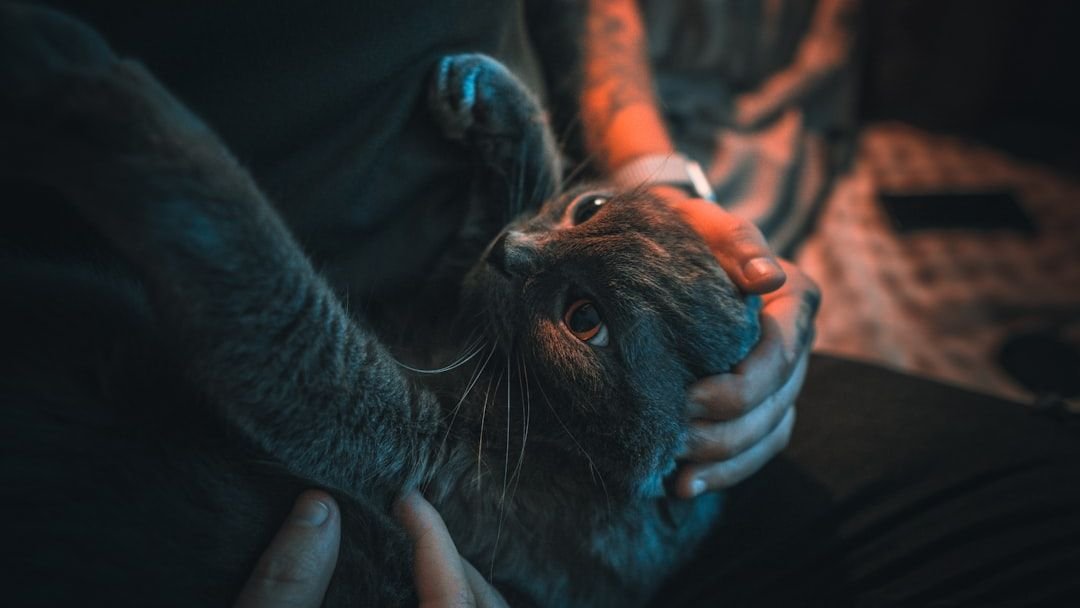
Ever notice your cat appearing right when you're about to have a rough day? Or settling into your lap just when things start feeling overwhelming? You might think it's coincidence, a lucky guess, or simple feline intuition. The truth is, your furry companion is picking up on signals you haven't even registered yet. They're reading shifts in your body language, detecting changes in your scent, and noticing patterns in your behavior that fly right under your own radar.
Research shows that cats integrate visual and auditory signals to recognize human and conspecific emotions, and they're remarkably good at it. We humans like to think we're complicated, mysterious creatures. Cats? They've got us figured out. Let's dive into the surprising ways your feline friend knows what's happening with your emotional state long before you've even had your morning coffee.
Your Stress Level Is Written All Over Your Face
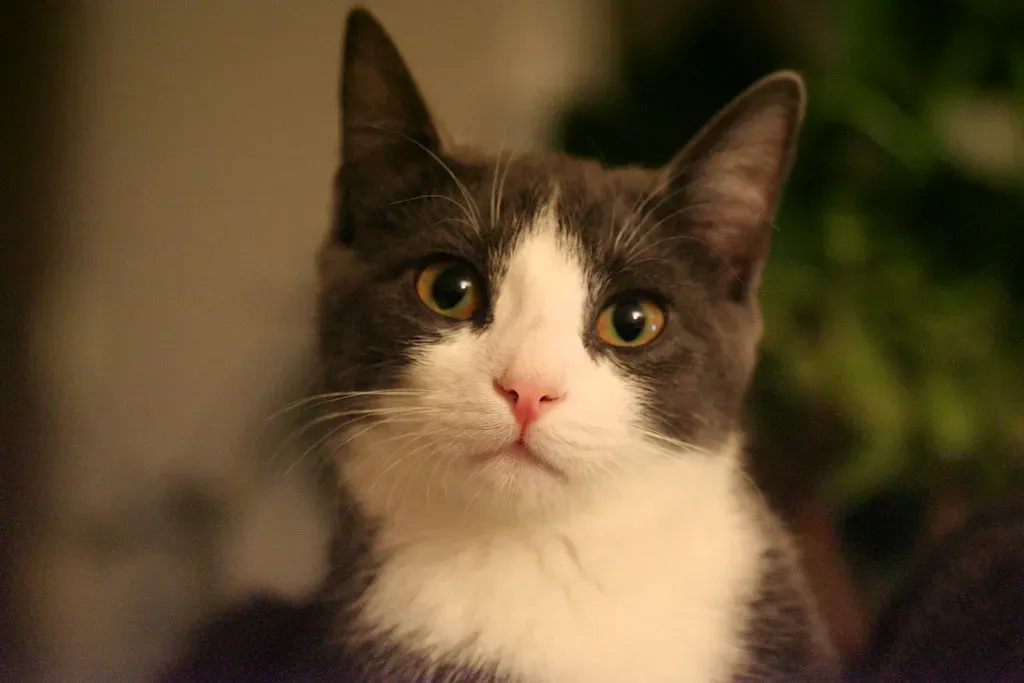
Your cat watches your face more closely than you might realize. Research has shown that cats react in different ways based on a human's facial expressions, suggesting they can "read" how we're feeling in ways that would impress any therapist. When you're stressed, your facial muscles tense up in subtle ways. Your brow furrows just slightly, your jaw tightens, maybe your lips press together. You might not even notice these micro-expressions yourself, but your cat absolutely does.
Studies suggest cats can recognize happy and angry faces and adjust their behavior accordingly, like choosing to cuddle when you're down or avoiding eye contact when you're mad. The thing is, cats have evolved to read us as part of their survival strategy in domestic environments. Your cat is more likely to come to you if you're smiling, and if you avoid eye contact or are scowling, they're more likely to stay away. It's not personal. They're just incredibly perceptive about reading the room.
They Can Literally Smell Your Fear and Anxiety
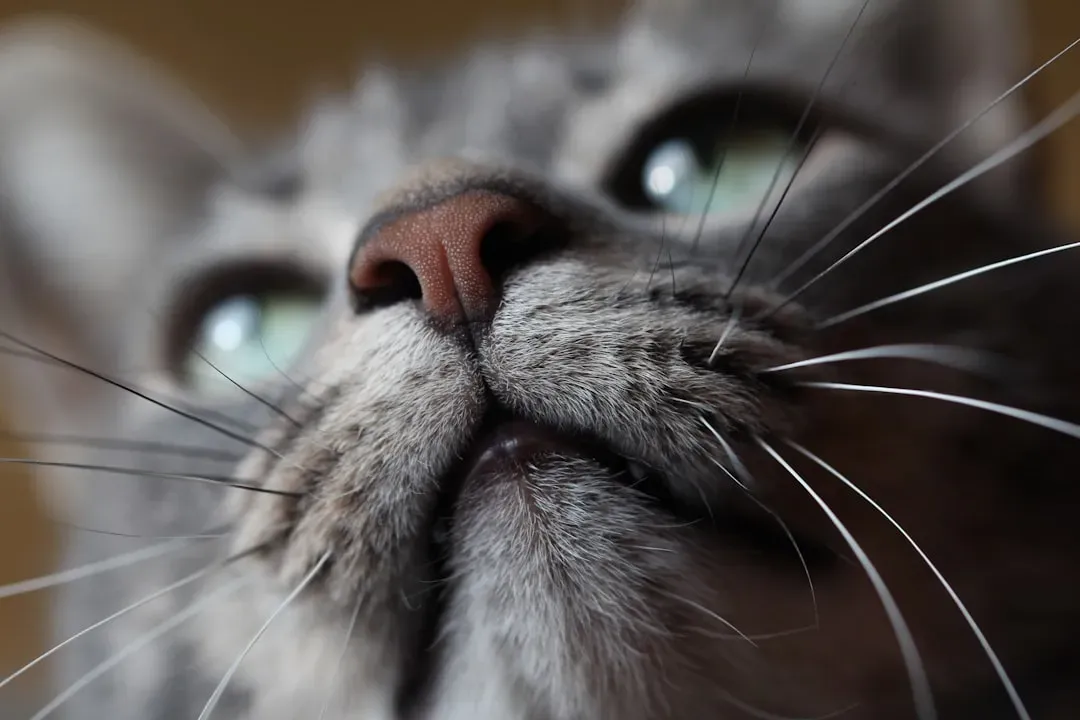
This one sounds like something out of a thriller movie, but it's true. Recent studies show cats can detect human emotions through scent, especially fear, which means your body's chemical response to stress is broadcasting your emotional state loud and clear. When you're anxious or scared, your body releases different chemical compounds through sweat and other secretions. Cats can be affected by human emotions as they can detect our emotional odors, and an interesting study found that cats are able to distinguish a human's fear odor and exhibit a stress response to it.
Your cat doesn't need you to say a word. They're already picking up on those stress hormones wafting through the air before you've even identified what's bothering you. It's like having a furry emotional detector in your home. Some cats will respond by becoming more affectionate, trying to comfort you in their own way, while others might mirror your anxiety and become stressed themselves.
Your Voice Gives Away More Than Your Words

Tonal changes in your voice are an indication of how you're feeling; soft tones are comforting to cats, whereas louder, sharper tones will often cause them to run and hide, and crying noises will be interpreted as distress. Think about it. You might say "I'm fine" in a tight, clipped voice, but your cat isn't listening to the words. They're hearing the tension, the pitch change, the subtle tremor you're trying to hide.
Cats are masters at decoding vocal cues. Felines can recognize emotions via visual and auditory observations, so if you're depressed and address your cat in a listless voice, they pick up on it, or if you're frowning or crying, your pet will definitely notice. That monotone you adopt when you're trying to power through a bad day? Your cat hears it as clearly as if you'd announced your mood over a loudspeaker.
Changes in Your Daily Routine Set Off Their Internal Alarm
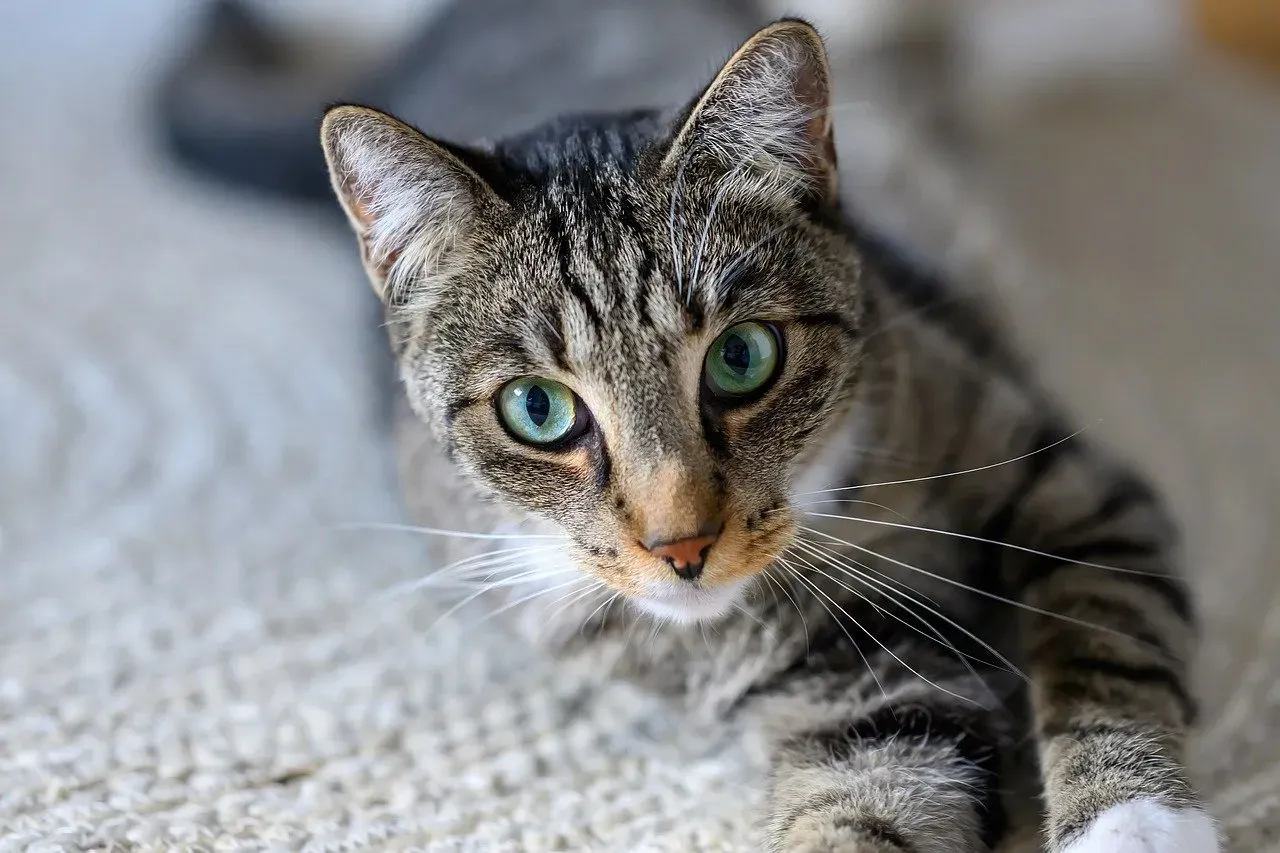
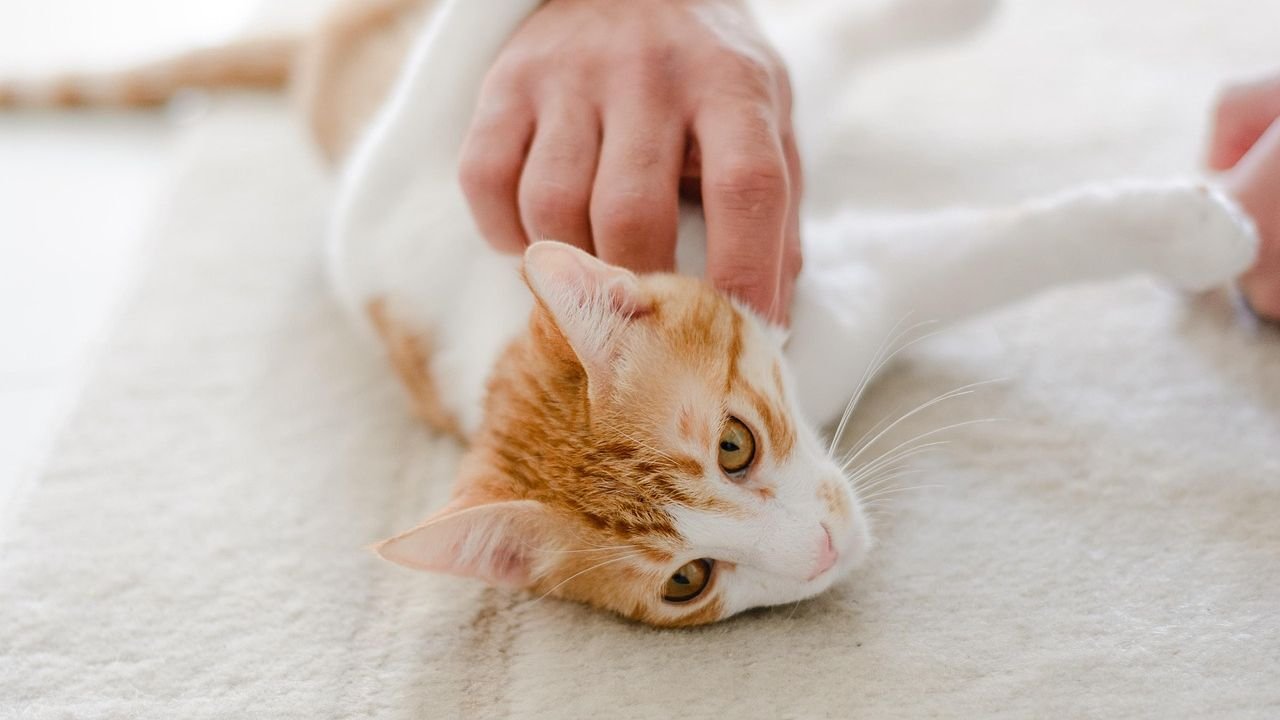
When your normal routine changes, your cat will notice, and if you spend more time sleeping or lounging on the sofa, your feline friend is sure to join you for a comforting cuddle. Cats are creatures of habit, and they memorize your patterns with startling accuracy. When you start sleeping in longer than usual, skipping your morning workout, or spending hours staring at your phone instead of doing your usual activities, your cat registers every deviation.
Cats are sensitive to changes in physiological parameters, such as heart rate, breathing cues and blood pressure, and they also are highly attuned to our schedules, with even small alterations to our daily routine noted by these clever furry friends. Honestly, it's a bit unnerving how observant they are. They know when something's off before you've consciously acknowledged it yourself. Your disrupted sleep pattern or change in appetite becomes their early warning system that your mood is shifting.
They Pick Up on Your Body Language Like a Lie Detector
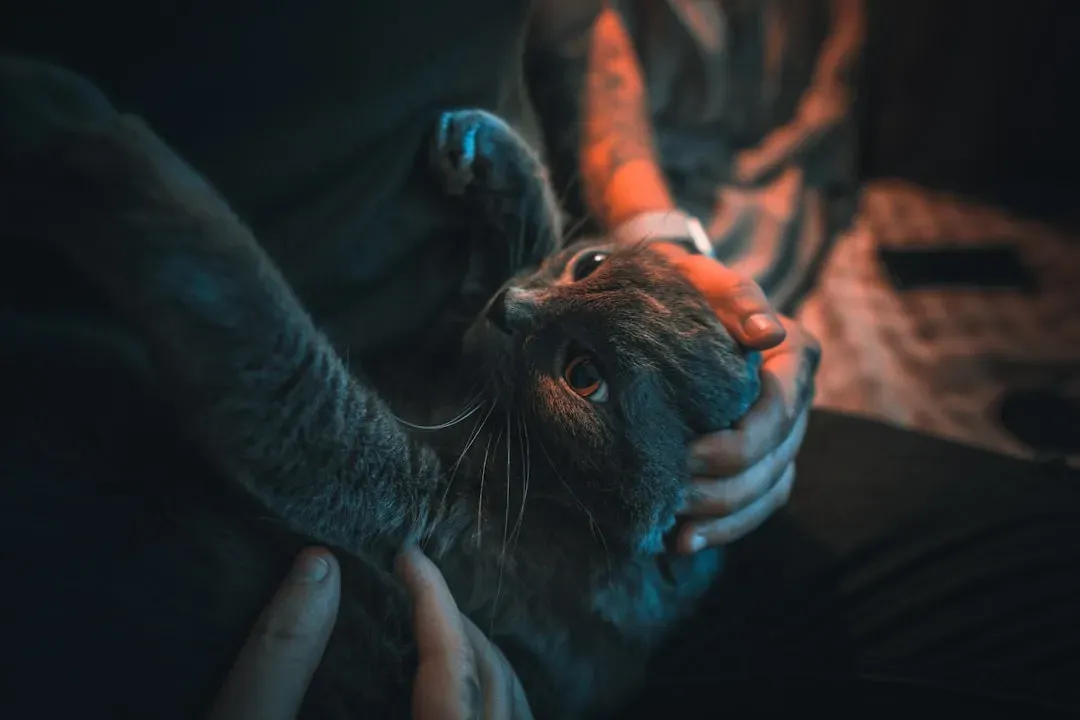
Cats are masters of observation and can pick up on subtle changes in body language, voice tone, and facial expression, with just the way we move around the house letting them know when you're not yourself. When you're anxious, you might pace more, fidget with objects, or hold yourself more rigidly. When you're sad, your movements slow down, your shoulders slump, and you carry yourself differently. Your cat notices all of it.
The way you walk through a room, how you sit on the couch, whether you're moving with purpose or just going through the motions – these are all data points your cat collects. Cats use a combination of visual, auditory, and olfactory cues to detect emotional changes, observing facial expressions, body language, and voice tone. They're reading your emotional temperature through every gesture, and they're remarkably accurate at it.
They Sense Your Anxiety Through Social Referencing
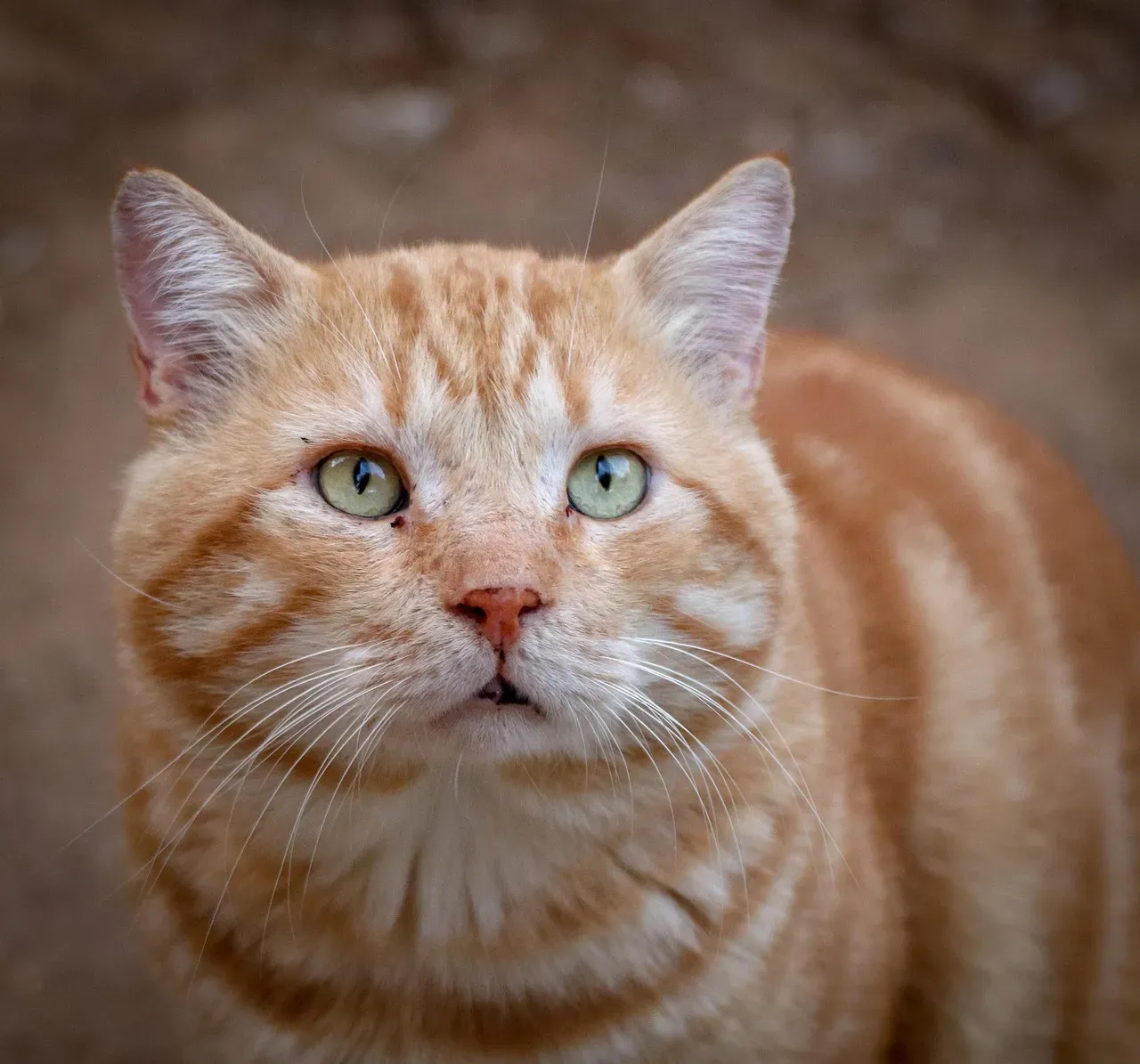
With anxiety, your pet is doing what's known as social referencing; the result was cats looking at their owners to see their reaction before deciding how they themselves would react, often mirroring that anxiety. This is fascinating, really. Studies show that whether a happy or fearful tone was used, roughly four out of five cats were seen looking at their owners first before trying to determine how to act.
Your cat literally uses you as an emotional compass. When they encounter something uncertain or new, they look to you for cues about how to respond. If you're radiating anxiety, they absorb it. Cats will mirror their owner's mood, so if you're stressed, it's likely your cat will feel stressed too. It's like they're emotionally contagious, which means your pre-conscious anxiety can transfer to your cat before you've even identified what's making you uneasy.
They Notice When You're About to Get Sick
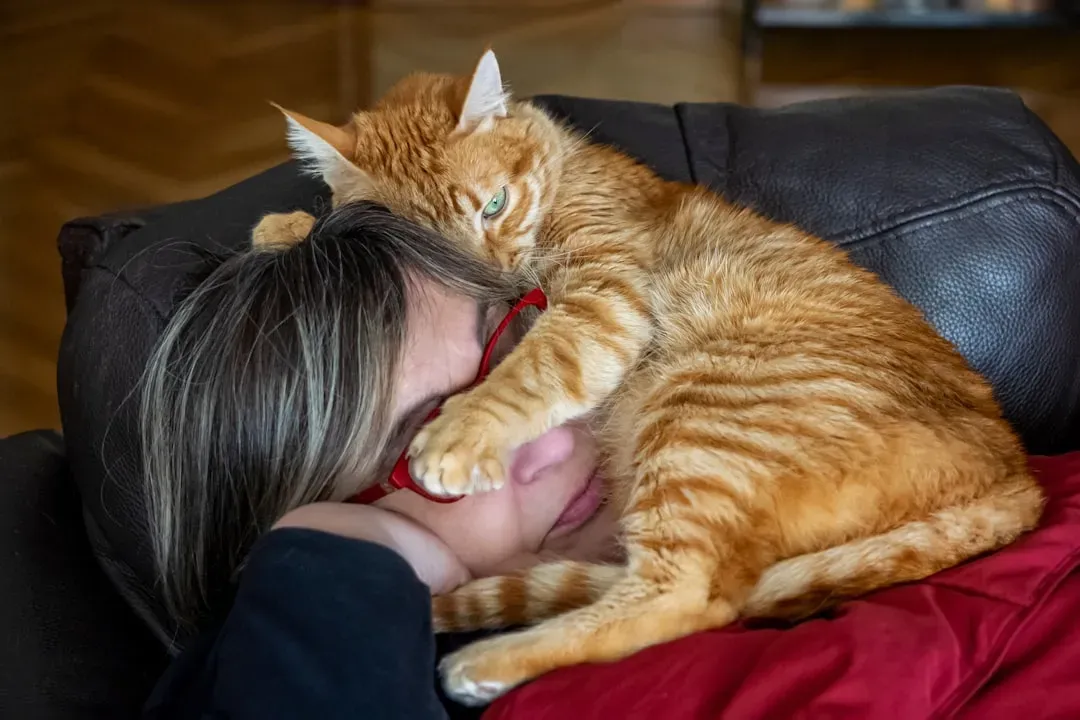
Here's the thing that really gets me. Cats often seem to know when you're coming down with something before you do. While more research is needed, there is evidence suggesting cats can detect certain physical changes through their acute sense of smell and observation of behavioral changes, with many owners reporting their cats showing different behavior during pregnancy or illness. Maybe you're moving a bit slower, your body temperature is slightly elevated, or you're giving off different scents as your immune system kicks into gear.
Your cat picks up on these physiological changes and responds accordingly. Some cats become extra clingy when their humans are getting sick, while others might keep a watchful distance. Either way, they've clocked that something's different with you before you've reached for the thermometer. It's not magic or psychic ability. It's just highly tuned observation skills combined with an intimate knowledge of your normal patterns and states.
Conclusion
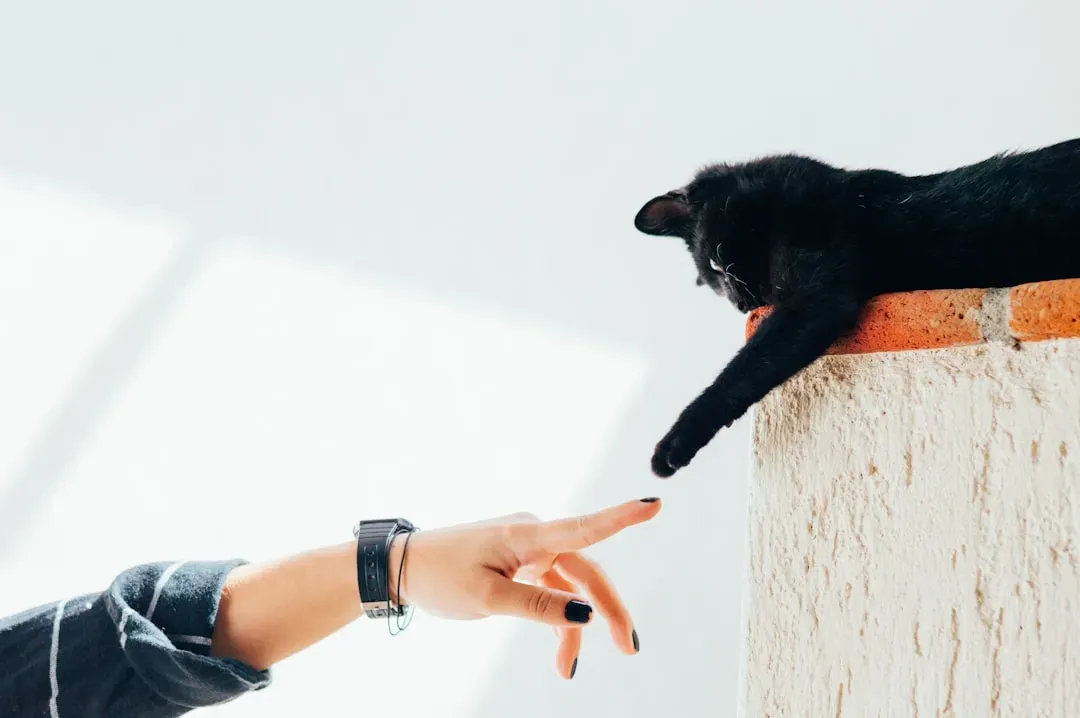
The evidence is clear: cats possess a remarkable ability to sense and respond to human emotional states, including depression and anxiety, and this capability, combined with their natural tendency to provide comfort and companionship, makes them invaluable partners in supporting mental health. Your cat isn't performing some mystical trick when they appear at exactly the right moment or adjust their behavior based on your mood. They're simply paying attention in ways we often don't give them credit for.
Next time your cat seems to know what you're feeling before you do, remember they're working with an impressive toolkit of sensory abilities and observational skills. They're reading your face, listening to your voice, watching your movements, and even analyzing your scent. So what do you think – have you noticed your cat responding to your moods in surprising ways? Pay attention next time you're feeling off, and see if your feline friend already knows.