8 Misconceptions About Cat Behavior That Might Surprise You
You love your cat. You think you know your cat. Yet here's the thing: even the most devoted cat owners harbor some wildly inaccurate beliefs about their feline friends. From how they communicate to what makes them truly happy, misconceptions about cats are everywhere. These myths can lead to misunderstandings that affect not just your bond with your cat, but their overall wellbeing too.
Let's be real, cats have been keeping us guessing for thousands of years. Their mysterious nature makes them endearing, sure, yet it also opens the door for some seriously flawed assumptions. So let's dive in and uncover the truth behind some of the most common myths about cat behavior that you might be surprised to learn.
Cats Are Low Maintenance and Totally Independent
You might believe your cat is independent and requires far less care than dogs, but cats need just as much care, including regular vet visits, daily exercise and mental enrichment, and plenty of positive attention from their guardians. This widespread belief is one of the most damaging misconceptions out there. Many cat owners lean toward the idea that cats are independent and have less social needs than other animals, but beliefs like these aren't supported by scientific data on cat social behavior and may result in failure to meet cats' individual needs.
Think your cat is fine being left alone for days on end with just food and water? Wrong. Separation can be stressful for cats, and separation anxiety may manifest in behaviors such as urination outside the litterbox, vocalization, vomiting, excessive grooming, lack of appetite, or anxiety at departure. Your feline companion craves interaction, play, and mental stimulation just as much as any dog does. Ignoring this can lead to behavioral issues and an unhappy cat.
Purring Always Means Your Cat Is Happy
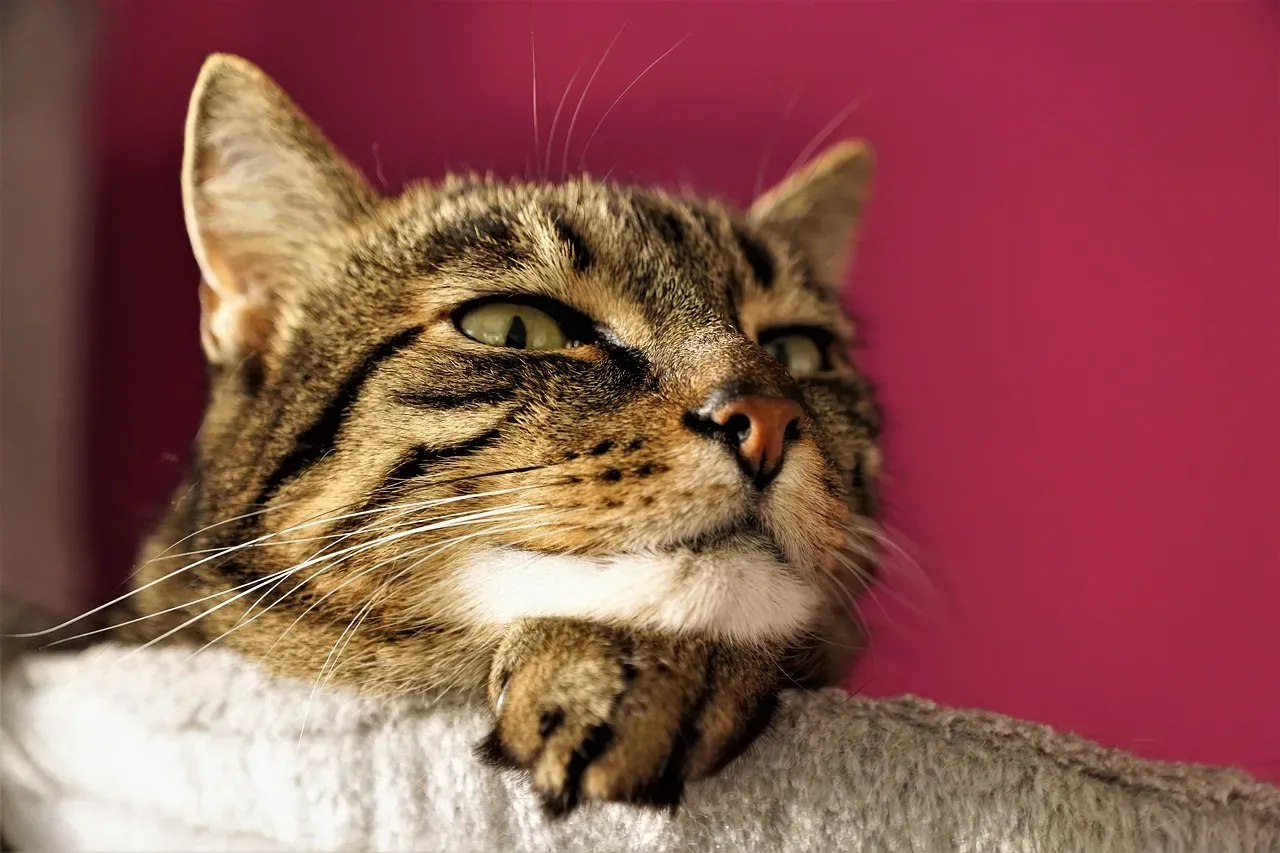
Here's a purr fact that might blow your mind. While cats often purr when content and relaxed, purring can sometimes serve as a means of self-soothing when they are anxious or in pain. That soothing rumble you associate with pure feline bliss? Sometimes it's actually a coping mechanism.
A cat may also purr to communicate with other cats or their owner, so you need to pay attention to your cat's body language and the context when they're purring to interpret their message accurately. If your cat is purring but also showing signs of distress like hiding, flattened ears, or a tense body, something might be wrong. Context is everything.
Cats Always Land on Their Feet and Never Get Hurt

Cats are very agile creatures, yet they can really hurt themselves if they fall the wrong way, and veterinarians use the term "high-rise syndrome" to describe cat injuries sustained from falls, including sprains, bone fractures, and even respiratory issues. The myth of cats having nine lives has led to a dangerous complacency among some pet owners.
Even more surprising? Cats are more apt to be injured from low heights than high because they don't have time to turn or twist their bodies into the necessary position for a safe landing. So that jump from your kitchen counter or bookshelf could actually be riskier than you think. Keep your windows secure and think twice about encouraging high climbing in unsafe spaces.
A Cat Showing Its Belly Wants a Tummy Rub
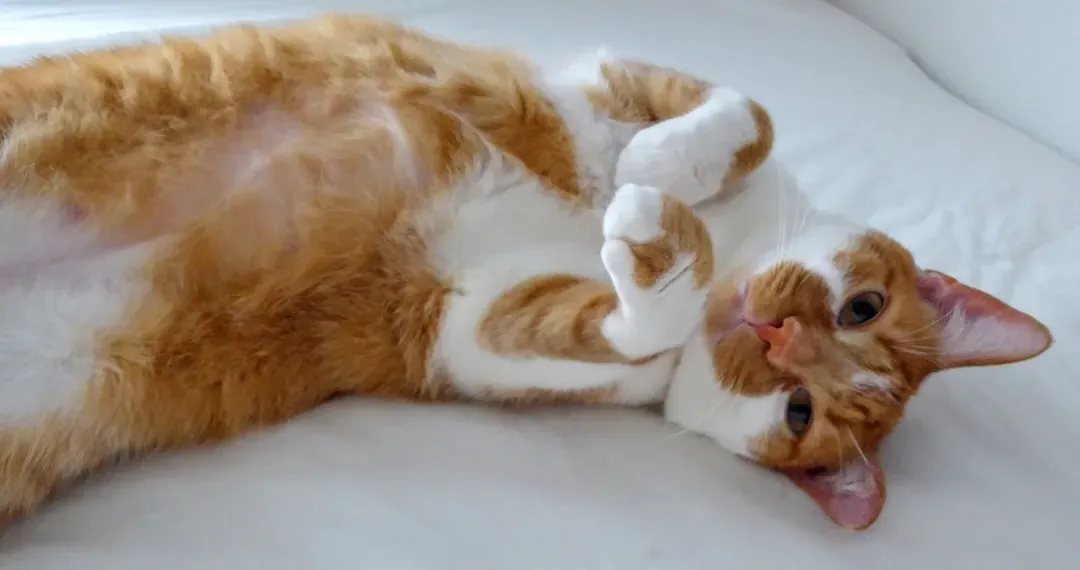
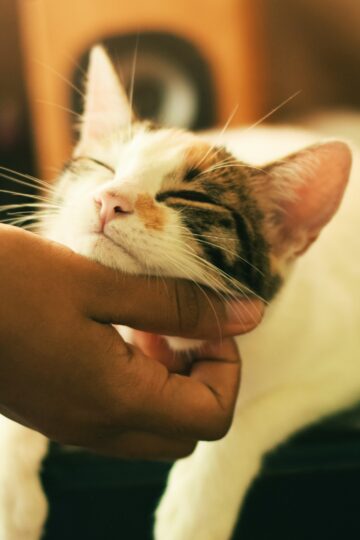
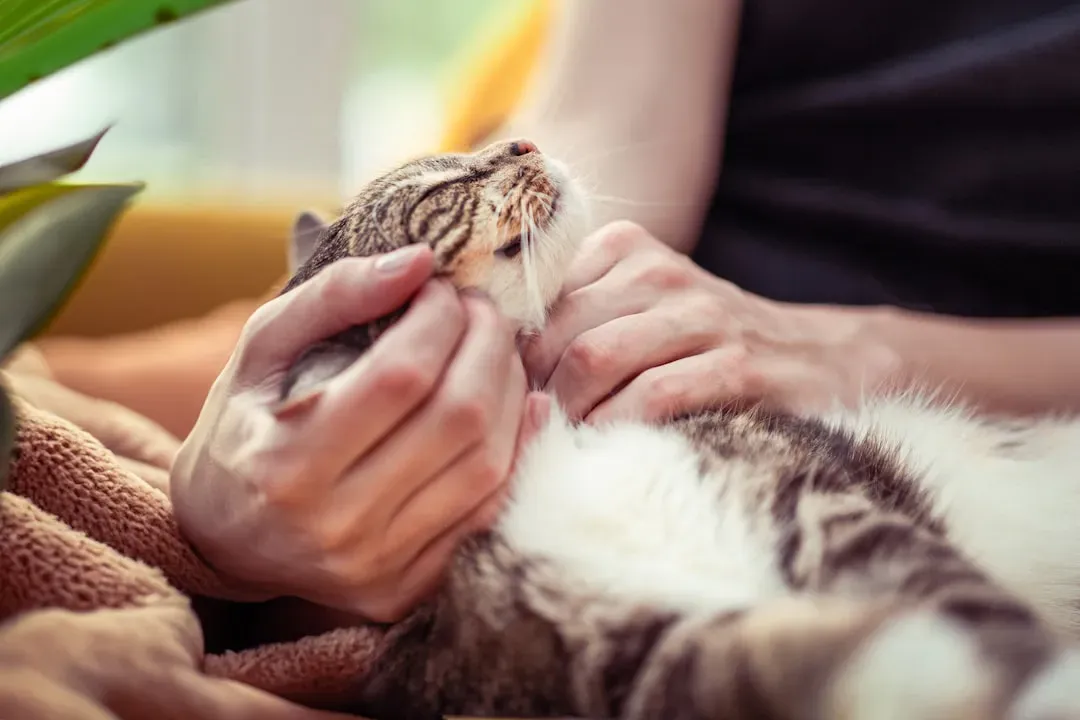
Although a cat exposing its belly may seem like an invitation for a tummy rub, it's not always the case, as the vulnerable belly is a sensitive area that cats instinctively protect, and when a cat rolls onto its back, it's saying "I trust you" and expressing comfort in your presence. It's honestly one of the sweetest displays of trust your cat can offer.
Yet here's where it gets tricky. If you try to take them up on their offer and give them a pat, a cat may react with a light bite or a scratch, as they were not expecting a physical response from you. So next time your cat flops over and shows you that fluffy belly, resist the urge to dive in for a rub. Just appreciate the moment of trust instead.
Cats Deliberately Misbehave to Get Revenge
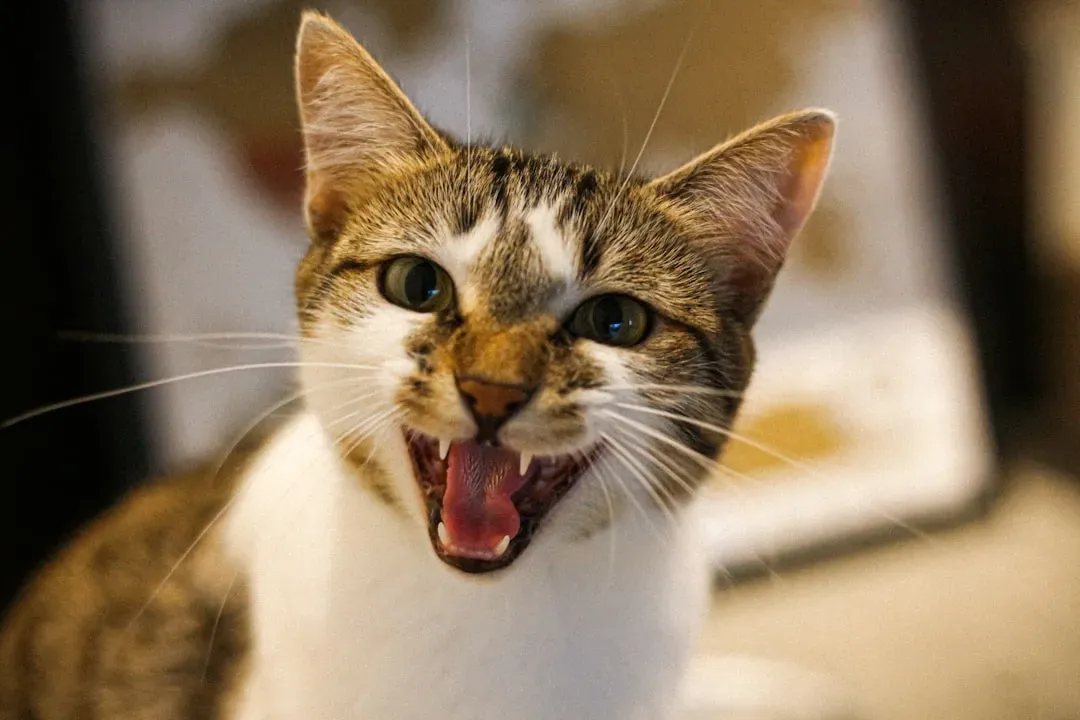
Owners who agreed with the sentiment that cats often misbehave to get back at their owners for doing something that the cat doesn't like were more likely to use positive punishment to deter unwanted behaviors. This is a particularly harmful myth because it leads people to punish their cats inappropriately.
Positive punishment of cats, such as responding with loud verbal reprimands or hitting of cats in response to unwanted behaviors, is counterproductive and elicits or exacerbates behavior problems such as biting or scratching. Cats don't plot revenge. They respond to stress, environmental changes, medical issues, or unmet needs. That accident outside the litter box? It's not spite, it's likely a signal that something's wrong.
Meowing Is How Cats Talk to Each Other

Cats are highly skilled communicators, and interestingly, kittens use meows to communicate with their moms, while grown cats use them exclusively to communicate with us humans. This is absolutely fascinating when you think about it. Your cat has literally developed a whole communication system just for you.
If you have multiple cats at home, you might notice they rarely meow at each other. Each meow carries a distinct meaning, whether it's a request for food, attention, or expressing discomfort. Over time, your cat has learned exactly which vocalizations get your attention. They've trained you as much as you've trained them.
Cats Don't Need to Be Trained
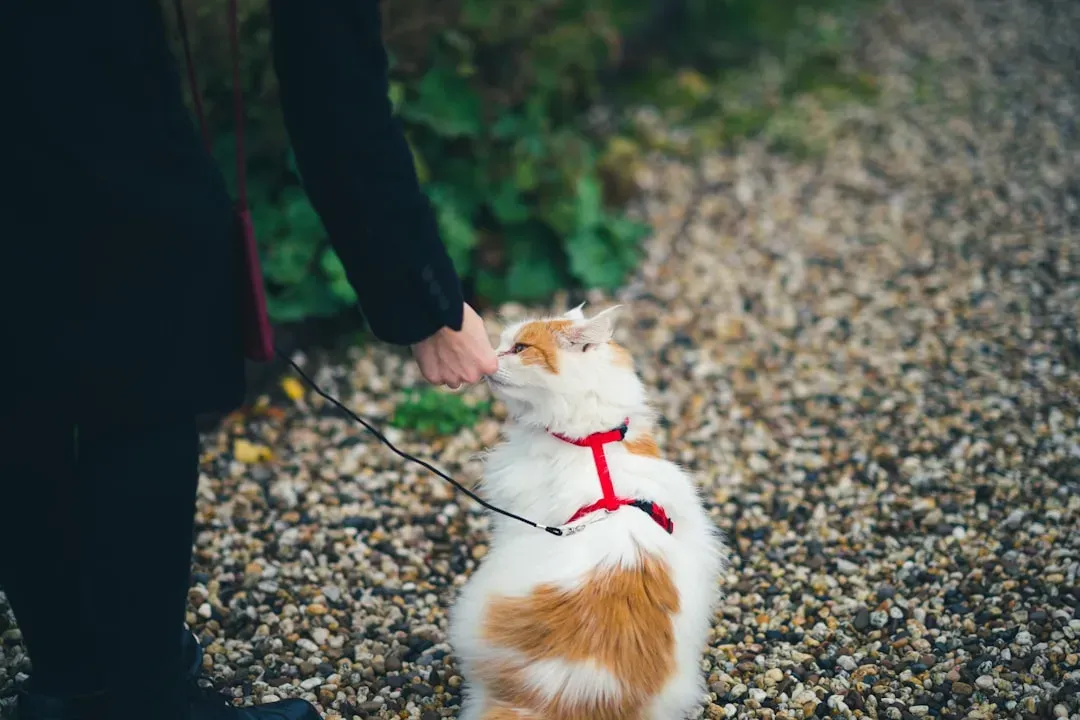
With some patience and positive reinforcement, your kitty can learn all sorts of tricks and good manners, and just like with dogs, short, fun training sessions work best. The idea that cats can't be trained is flat out wrong. It's honestly just laziness or lack of knowledge that perpetuates this myth.
Cats are trainable, and the current world record for the number of tricks performed by a cat in one minute is 26. That's impressive. Training isn't just about tricks either. It's about mental stimulation, strengthening your bond, and giving your cat the tools to navigate their world confidently. From leash walking to using puzzle feeders, the possibilities are endless when you recognize your cat's intelligence.
Cats and Dogs Are Natural Enemies

Despite the stereotypes, many cats and dogs can learn to live together peacefully, and some even develop strong friendships and bonds, with the key being patience and positive reinforcement. This centuries old myth has been perpetuated by cartoons and popular culture, yet reality tells a different story.
Introduce your cat and dog slowly so they have time to become comfortable together, starting by keeping them separate and letting them get used to each other's scent. With proper introductions and management, many households successfully house both species in harmony. Some cats and dogs become inseparable companions, playing together, grooming each other, and even sleeping curled up side by side.
Conclusion
Understanding your cat means looking beyond the myths and getting to know who they really are as individuals. These eight misconceptions barely scratch the surface of the complex, fascinating creatures that share our homes. When you let go of outdated beliefs and embrace what science and experience actually tell us about cats, you open the door to a deeper, more meaningful relationship with your feline companion.
The truth is that cats are social, intelligent, trainable animals with unique personalities and genuine emotional needs. They communicate in sophisticated ways, form strong bonds with their humans, and deserve the same level of attention and care we give to any beloved pet. What surprised you most about these misconceptions? Maybe it's time to look at your cat with fresh eyes and see what else you might have gotten wrong.