You’ve probably watched your cat knock a glass off the counter or stare blankly at a wall for ten minutes and thought they were anything but a genius. Yet here’s the thing: your feline companion might actually be a mastermind hiding in plain sight. Cats aren’t like dogs who eagerly show off their tricks for applause and treats. They’re subtler, more independent, and frankly, they couldn’t care less about impressing you.
Their intelligence operates on a different wavelength entirely. While you’re busy thinking your cat is just lazy or aloof, they’re quietly observing, calculating, and manipulating their environment in ways that would make a chess grandmaster jealous. The signs are all there if you know where to look. Let’s dive into the fascinating world of feline brilliance and discover what makes your whiskered friend smarter than you ever imagined.
They’ve Mastered the Art of Door Opening
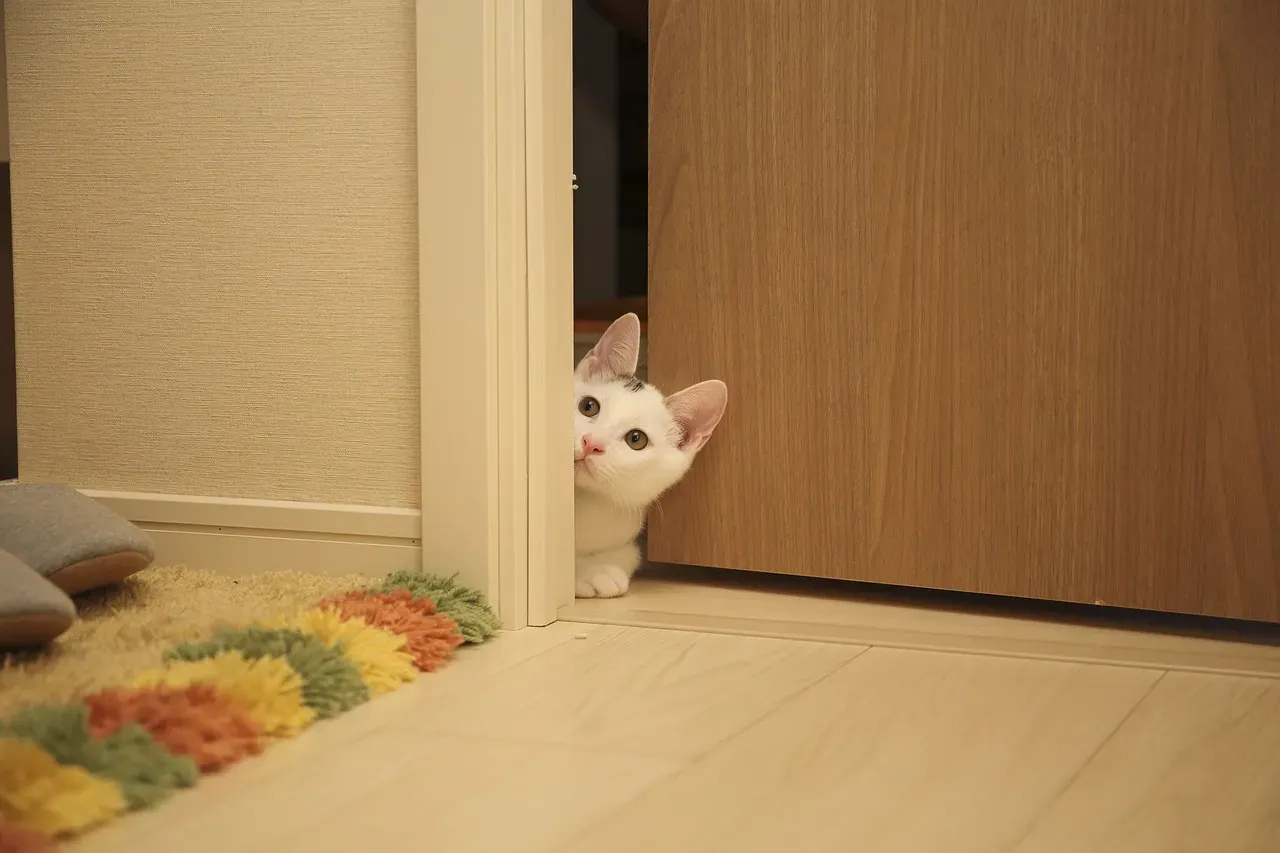
Cats are capable of learning human-like behaviors like opening doors by watching their owners repeatedly. If your cat has figured out how to open cabinets, turn doorknobs, or push open doors, you’re living with a genuine problem solver. Smart cats are usually good at problem-solving and can find solutions by observing and thinking.
This isn’t just random pawing around until something works. Your cat has studied the mechanics, understood the cause and effect, and executed a plan. Cats often use trial and error to learn how to open doors, get food, or manipulate objects, and some even learn by observing humans or other animals. It’s hard to say for sure, but watching a cat methodically work through a problem shows genuine cognitive ability at work.
They Remember Everything You’d Rather They Forgot

Cats have well-developed memory retaining information for a decade or longer, and these memories are often intertwined with emotions. Your cat hasn’t forgotten that time you accidentally stepped on their tail three years ago. They also remember exactly where you hide the treats, what time you usually feed them, and which drawer contains their favorite toy.
Smart cats have a very strong memory and can remember the layout of the house, where the food is stored, and even your daily routine. This impressive recall ability isn’t just about survival. It’s about your cat mentally cataloging information and using it strategically. Let’s be real, that’s pretty genius behavior when you think about it.
They Understand Object Permanence Better Than Toddlers

In controlled experiments, cats demonstrated fully developed concepts of object permanence, indicating that their sensorimotor intelligence is complete. This means your cat knows that just because something disappears from view doesn’t mean it’s gone forever. Cats are aware of objects that aren’t directly visible to them and understand that something that’s out of sight isn’t necessarily gone forever, an ability called object permanence recognition.
Human babies don’t develop this skill until they’re around eight months old. Your cat? They’ve got it down pat. When you hide their toy behind your back or under a blanket, they immediately start searching in the right place. That level of cognitive development is seriously impressive and shows your furry friend is operating with some serious mental firepower.
They Can Read Your Emotions Like an Open Book
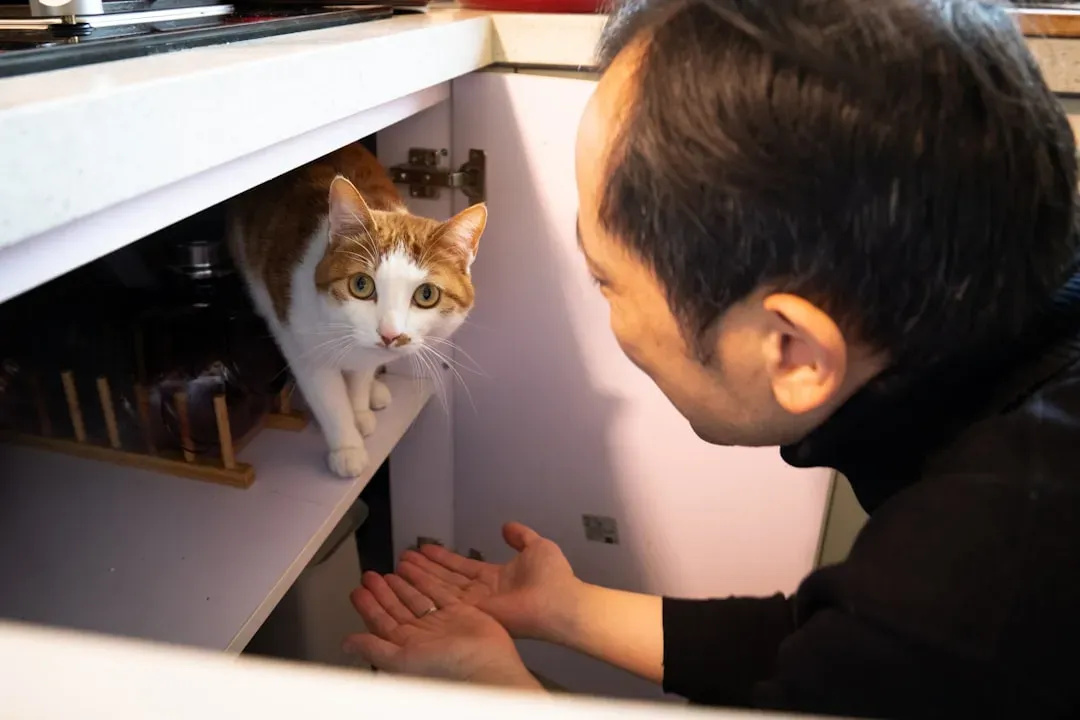
Cats can pick up on and recognize their owner’s emotional cues, such as fear, anger, happiness, and sadness. Your cat isn’t just ignoring you when you’re upset. They’re actually paying very close attention. Cats’ social cognition involves how they perceive and act upon social stimuli in their environment, including a cat’s ability to use a person’s emotional reactions to evaluate an unfamiliar situation.
Research shows that intelligent cats adjust their behavior based on your mood. They might become more affectionate when you’re sad or give you space when you’re angry. Cats can pick up on human emotions as they’re very intuitive and can sense changes in your behavior and tone, which may alter how they interact with you. This emotional intelligence demonstrates a level of social awareness that many people don’t give cats credit for.
They’ve Got Spatial Intelligence That Would Impress an Architect
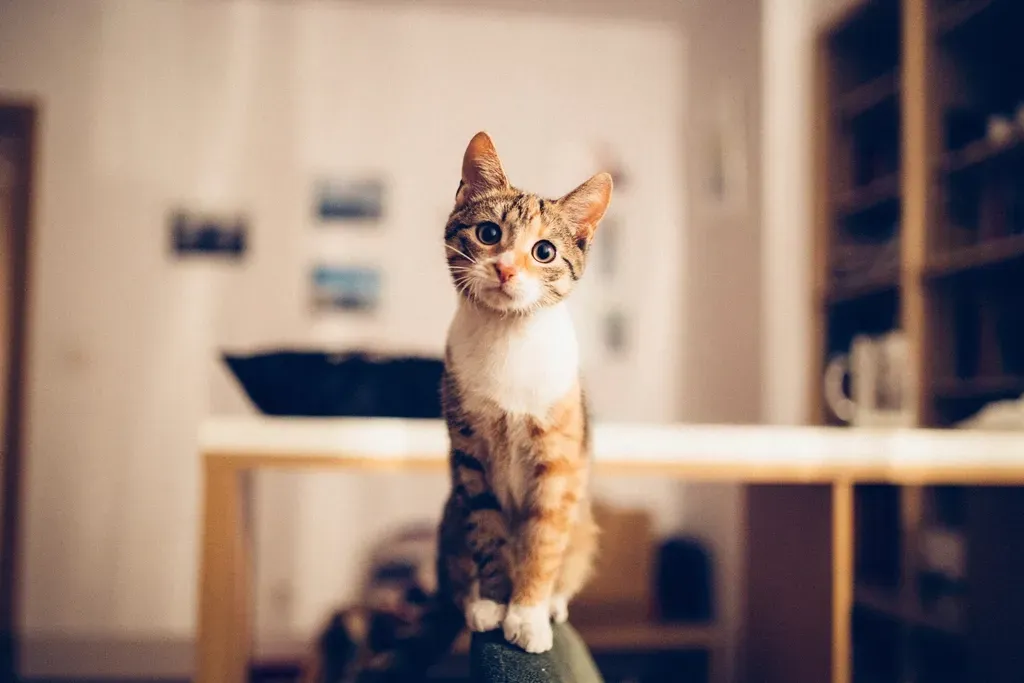
Watch your cat navigate a cluttered room in near darkness and you’ll witness spatial intelligence in action. Cats possess remarkable abilities to map their environment mentally and remember complex layouts. They calculate jumps with precision, squeeze through impossibly tight spaces, and always land on their feet.
In experiments studying detour problem solving skills using a transparent fence, cats recognize both sides of the obstacle represent as an equally solvable task and freely change their spatial approach to solve the task. Your cat isn’t just randomly leaping around. They’re processing distance, height, and trajectory in real time, making split-second calculations that would challenge most humans.
They Communicate With Precision and Purpose
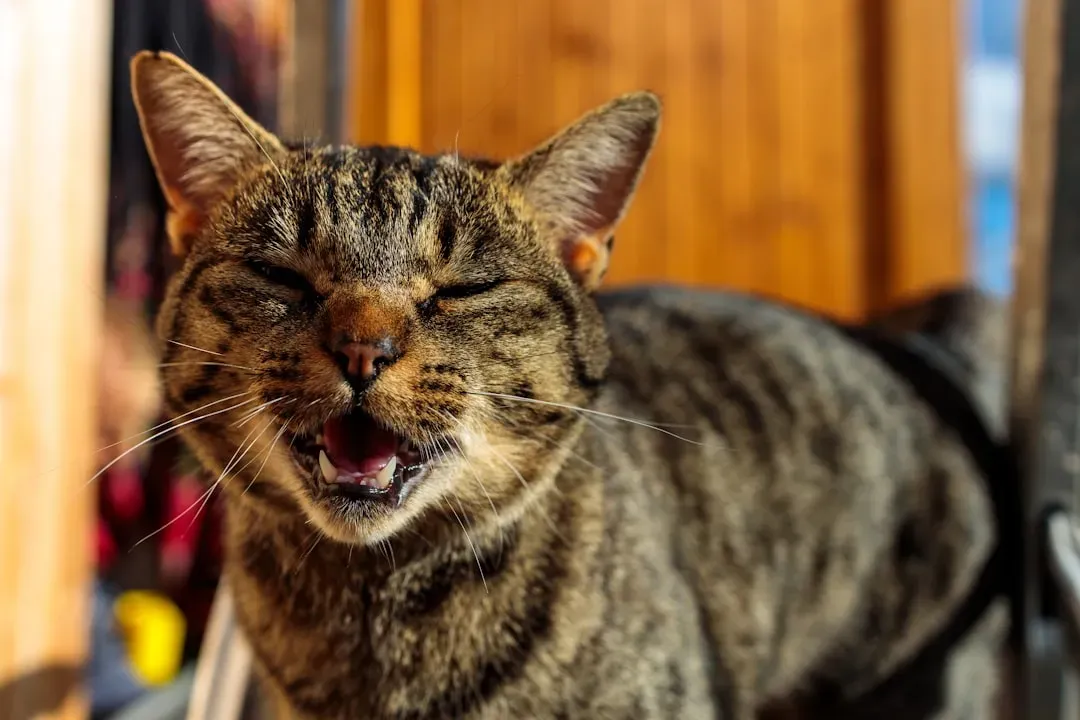
Meowing is a behavior cats have explicitly developed to communicate with humans, as in the wild, adult cats rarely meow at each other. Your cat has essentially created a custom language just for you. Different meows mean different things, and your cat knows exactly which sound gets which response.
Intelligent cats understand verbal and non-verbal cues and can even respond to their names, often using specific meows to convey their needs, whether it’s for food or attention. Some cats are chatty conversationalists while others prefer the strong silent approach, but they all have their unique communication style. That’s linguistic flexibility right there.
They Learn New Skills Faster Than You’d Expect
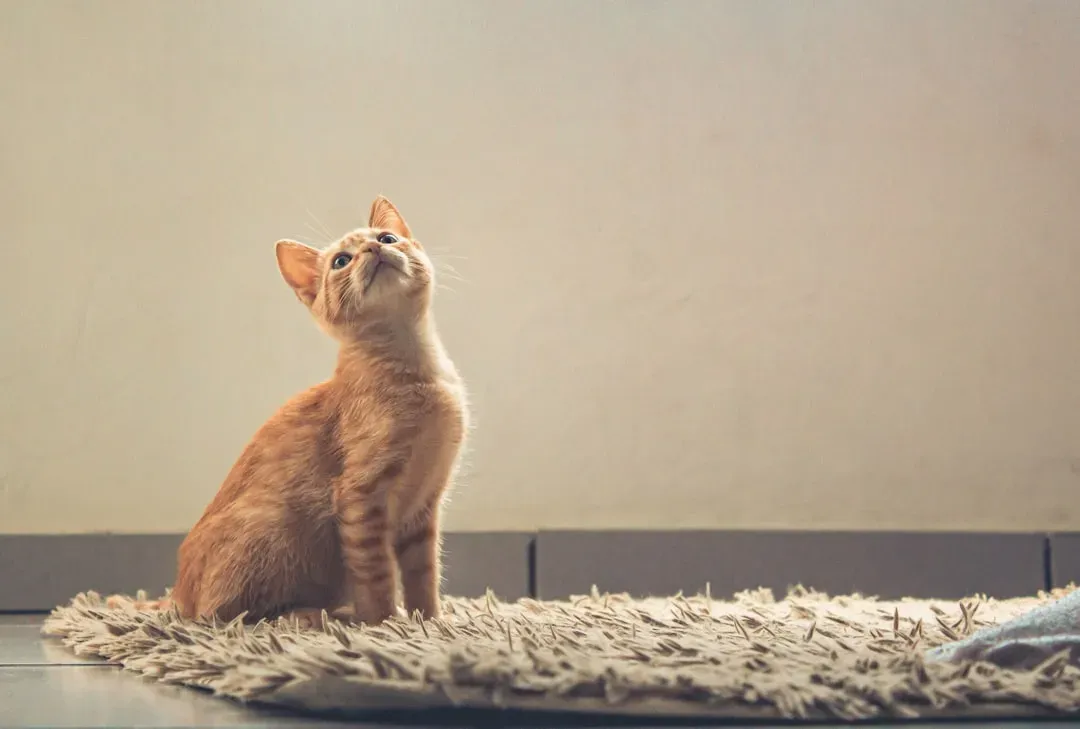
Cats with high IQs can quickly learn new skills, like using a scratching post, ringing a bell for treats, or playing fetch, and can pick up new skills and use them to interact with their owners. If you’ve ever tried training your cat, you might have been surprised at how quickly they caught on when properly motivated.
The key word is motivation. Cats learn best when there’s something in it for them. Cats can learn to sit, come, and stand, with some knowing commands like stand, high jump, jump over an obstacle, high-five, ring a service bell and more. They’re not stubborn or stupid; they’re just selective about when to show off their abilities.
They Demonstrate Creative Problem Solving

High IQ cats are usually creative, always finding clever solutions to problems, such as when they want to get into a forbidden room, they might scratch the door, squeeze through a gap, or use furniture as a stepping stone. Your cat doesn’t just follow one method. They experiment with multiple approaches until something works.
This creativity extends to play, hunting, and getting what they want. Watch a cat figure out how to extract a treat from a puzzle toy and you’ll see wheels turning. Cats with higher socialization scores were faster to solve problems than cats with lower scores, with the more social cats tending to be faster to touch the puzzle box. That trial-and-error approach coupled with observation skills shows genuine intelligence.
They’re Masters of Routine Recognition
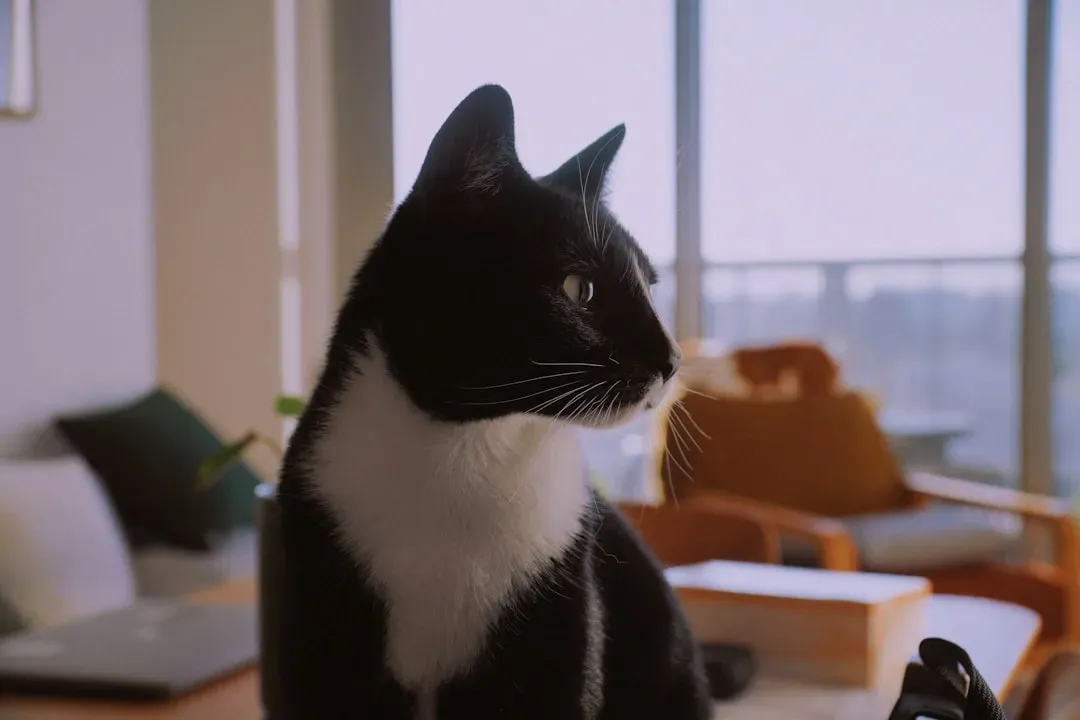
When cats live alongside us, they’re smart enough to readjust their natural behaviors and learn household routines with uncanny accuracy. Your cat knows your morning routine better than you do. They anticipate when you’re about to leave for work, when it’s time for their meals, and when you typically go to bed.
If your cat waits by the door just before their favourite human comes home or materialises in the kitchen the second the fridge opens, that’s not magic – studies suggest cats use temporal learning, recognising patterns in time and associating them with predictable outcomes. This pattern recognition and temporal learning shows they’re constantly processing information about their environment.
They Possess Impressive Social Intelligence
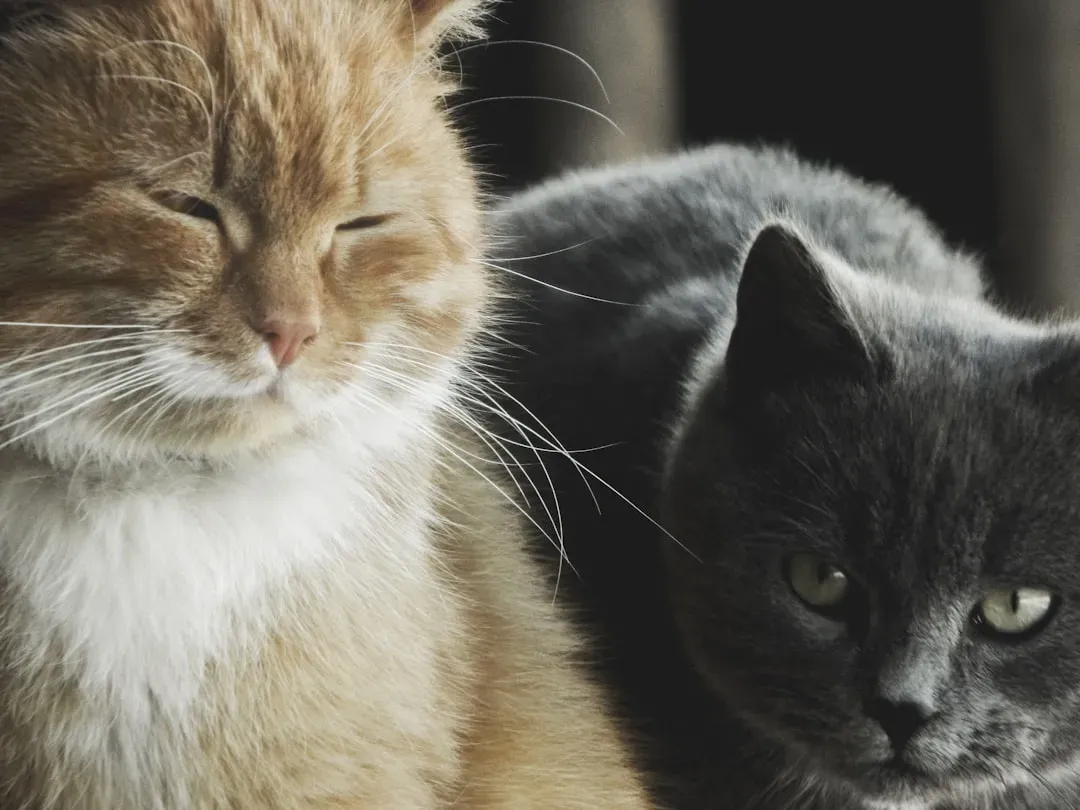
Smart cats have good social skills and can build friendly relationships with other cats or humans and express their emotions and needs through various ways. If your cat gets along well with other pets, greets visitors differently based on their personality, or adjusts their behavior in social situations, that’s social intelligence at work.
Intelligent cats often understand social cues, responding appropriately to your emotions or the actions of other pets, and their ability to communicate through various sounds and physical cues highlights their social intelligence. They’re reading the room constantly and modifying their actions accordingly. That requires sophisticated mental processing that many animals simply don’t possess.
They Have Remarkable Adaptability

A truly intelligent feline adjusts their behavior in new environments, and if your cat quickly learns to navigate a new home or adapts to changes in routine, it shows impressive cognitive flexibility. Moving house with a cat often reveals just how adaptable they can be.
Living in urban environments has exposed cats to challenges that require adaptive behaviors, contributing to cognitive development. Your cat can handle change, learn new rules, and figure out unfamiliar spaces with relative ease. This flexibility is a hallmark of true intelligence across species. Some cats adjust faster than others, but the ability to adapt shows mental agility that shouldn’t be underestimated.
They Understand Cause and Effect Relationships
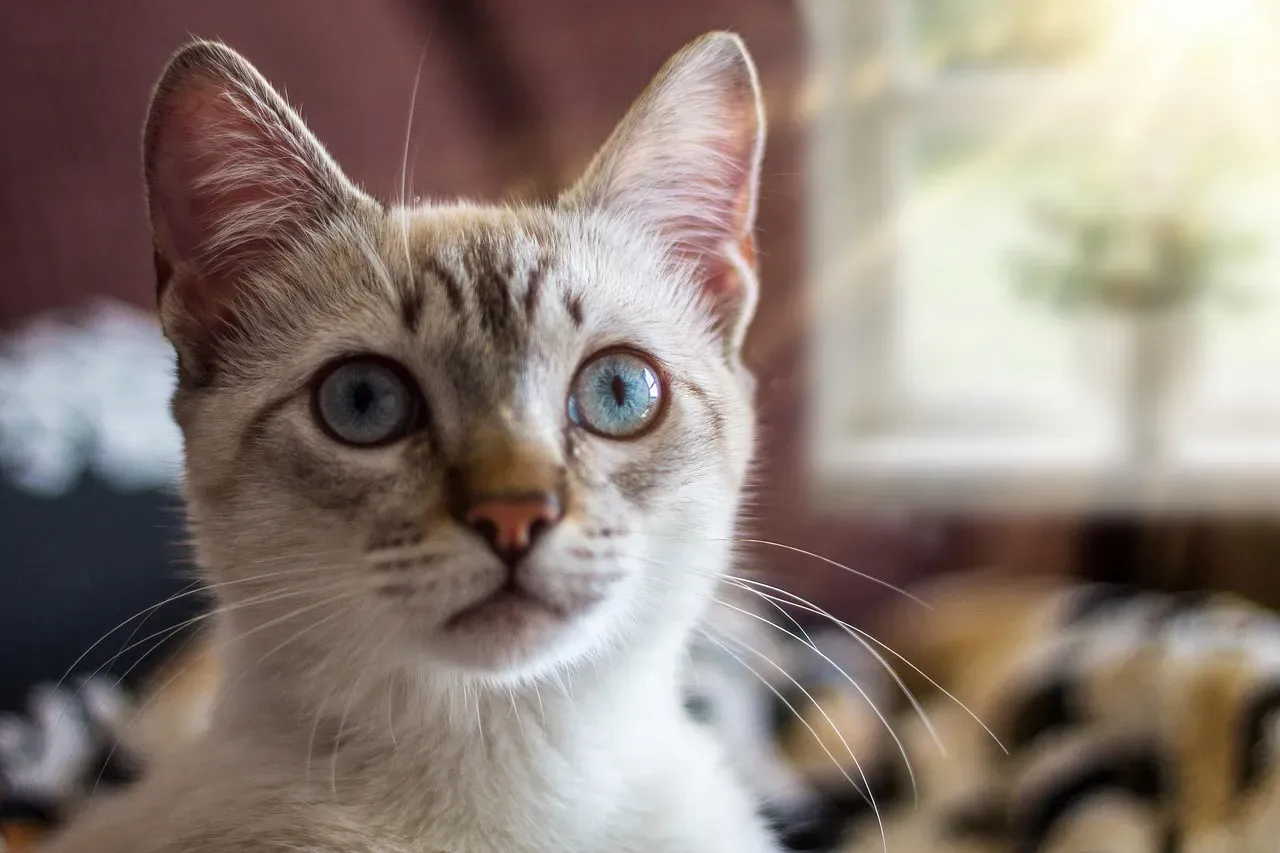
Your cat has figured out that pushing a glass off the counter causes a spectacular crash and gets your immediate attention. They’ve learned that scratching at the door opens it. They know that sitting by their food bowl at dinnertime speeds up the feeding process. These aren’t coincidences.
If your cat uses meows and other attention-getting behaviors to get you to feed it at a certain time, this indicates that your kitty understands the concepts of time and cause and effect, and if your cat knows how to open the cabinet where you keep his food or treats, this demonstrates problem-solving skills. They’ve connected actions with outcomes and use that knowledge strategically. That’s sophisticated thinking.
They Display Independent Thinking

Smart cats have the ability to think for themselves, make decisions based on their own judgment and experience, and aren’t easily distracted by other things. Unlike dogs who often look to humans for direction, cats make their own assessments and act accordingly.
This independence isn’t stubbornness; it’s intelligence. Cats are social when it suits them but can also take on a more solitary lifestyle, so it shouldn’t be too surprising that dogs turn to people more often for social cues, while cats more frequently try to solve problems on their own. Your cat weighs options, considers consequences, and chooses actions based on their own evaluation of situations. That’s critical thinking in action.
They Have Exceptional Observational Learning Skills

Cats are keen observers of their environment and the behaviors of those around them, and this skill allows them to quickly adapt to new situations and learn from both their human companions and other animals. Your cat watches everything you do with intense focus.
Cats have been known to learn how to open doors by watching their owners, observing the motion of turning a doorknob and often replicating this action, demonstrating not only their ability to learn but also their capacity for problem-solving. In experiments, kittens that were able to observe their mothers performing an experimentally organised act were able to perform the same act sooner than kittens that had observed a non-related adult cat. This observational learning shows they’re processing complex information and applying it practically.
They Have a Sophisticated Brain Structure

A cat’s brain measures about two inches and weighs between 0.9 to 1.1 ounces, but it is surface folding and brain structure that are most important in assessing intelligence, not brain size, and the feline brain’s structure and surface folding is 90 percent similar to that of humans. That’s a remarkable similarity that explains a lot about feline capabilities.
In humans, the cerebral cortex contains 21 to 26 billion neurons, while cats have 300 million neurons compared to dogs with 160 million neurons. The cerebral cortex not only governs higher functions of rational thought, but also problem solving, and it’s also the storage area for short-and long-term memory. Your cat literally has the brain hardware to support complex thinking and intelligence.
Conclusion

Your cat has been playing the long game all along. Behind those mysterious eyes and that nonchalant attitude lies a sharp, calculating mind that’s been analyzing, learning, and adapting this entire time. An adult cat’s intelligence is comparable to that of a two- to three-year-old child, since both species learn through imitating, observing, and experimenting.
The next time your cat does something that seems odd or random, take a closer look. Chances are there’s method to their madness and intelligence behind their actions. They’ve mastered the art of appearing aloof while actually being incredibly perceptive and smart. Maybe it’s time we stopped underestimating these furry geniuses and started giving them the credit they deserve.
Have you noticed any of these genius behaviors in your own cat? Which signs surprised you the most?
Kristina is a young writer from India. An arts graduate and an avid content creator, Kristina is passionate about animals and wildlife. She enjoys exploring topics related to pet care, animal behavior, conservation, and nature, combining thorough research with engaging storytelling.