Have you ever caught your cat’s ears twitching while they’re lounging on the couch, and wondered what’s going through their mind? Those little movements aren’t random. They’re actually part of an incredibly sophisticated communication system that’s been fine-tuned over thousands of years of evolution.
Your feline friend is constantly talking to you, whether you realize it or not. Those triangular ears perched atop their head are doing way more than just picking up the faint rustle of a treat bag from three rooms away. They’re expressing emotions, signaling intentions, and even warning you when something’s about to go sideways. Let’s dive into the fascinating world of feline ear language and discover what those subtle twitches really mean.
The Anatomy Behind Those Expressive Ears
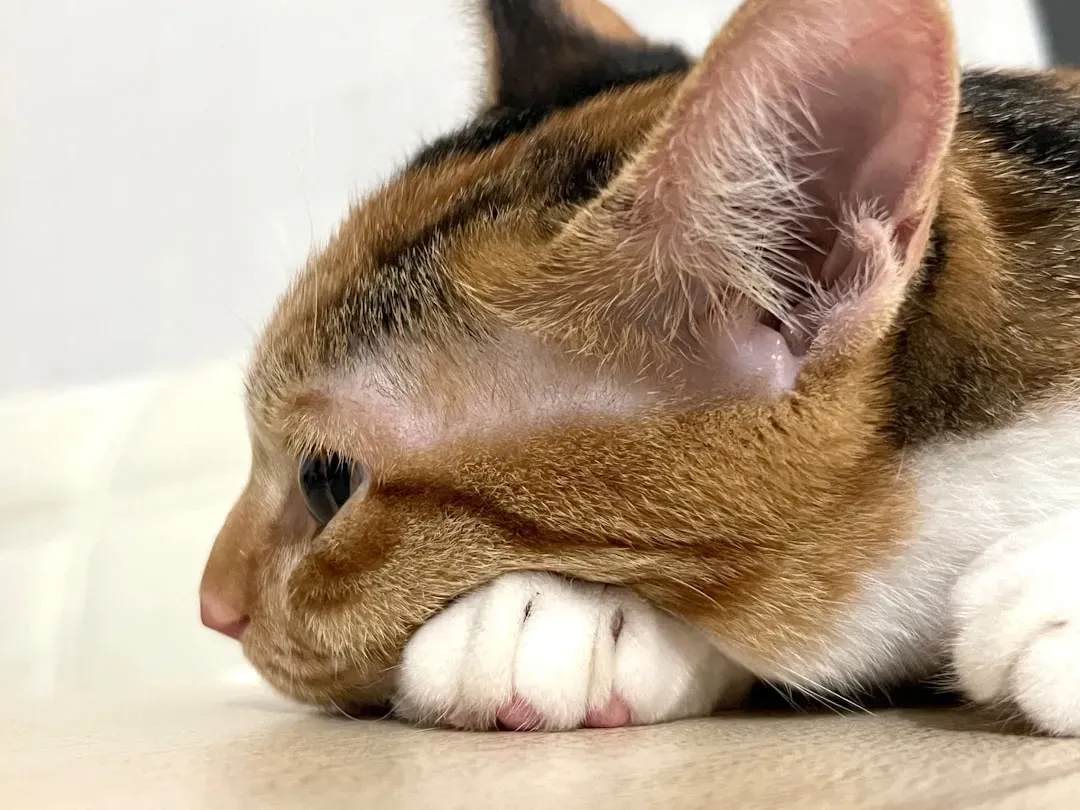
Your cat has over 30 muscles controlling each ear, compared to just 3 for us humans. That’s an astonishing difference when you think about it. These muscles allow for incredibly precise movements that can happen independently in each ear.
The external ear, or pinna, rotates up to 180 degrees to locate and identify even the faintest of squeaks, peeps or rustling noises. It’s like having two satellite dishes mounted on their head, constantly scanning the environment for important information. This remarkable range of motion means your cat can track sounds from nearly every direction without even moving their head. Pretty impressive for an animal that also spends roughly sixteen hours a day sleeping.
When Ears Twitch During Play and Hunting Mode
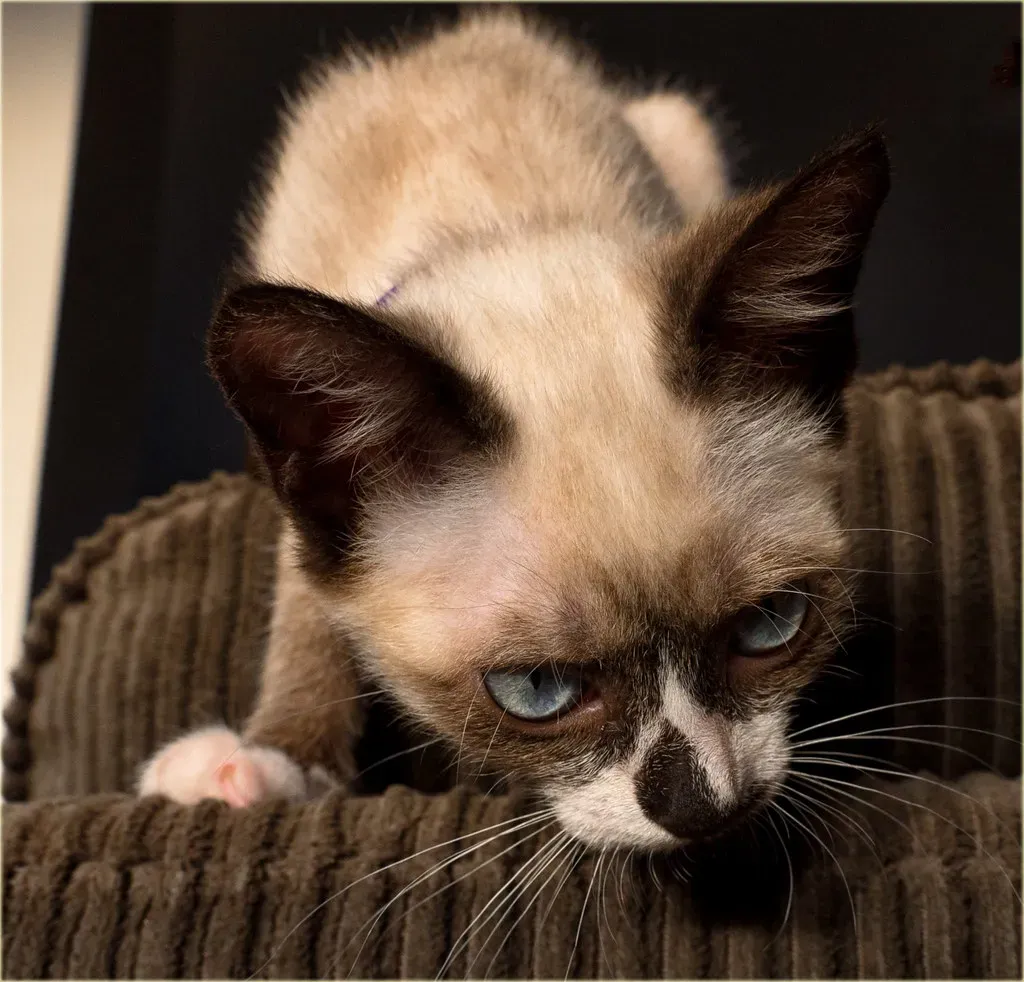
If you see your cat’s ears twitching, they may be getting ready to pounce on something, and this ear language will often follow the straight-up and facing-forward position. Think of it as their way of fine-tuning their targeting system before launch.
While they’re twitching their ears, you may also see your cat wiggling their bottom and lowering their bodies as they prepare to pounce. This entire sequence is pure predator instinct kicking in. Whether they’re stalking a toy mouse or preparing to ambush your unsuspecting ankle, those ear twitches are part of the precision equipment that makes cats such efficient hunters. The twitching helps them calculate distance, trajectory, and timing with remarkable accuracy.
Rapid Twitches Signal Irritation and Overwhelm
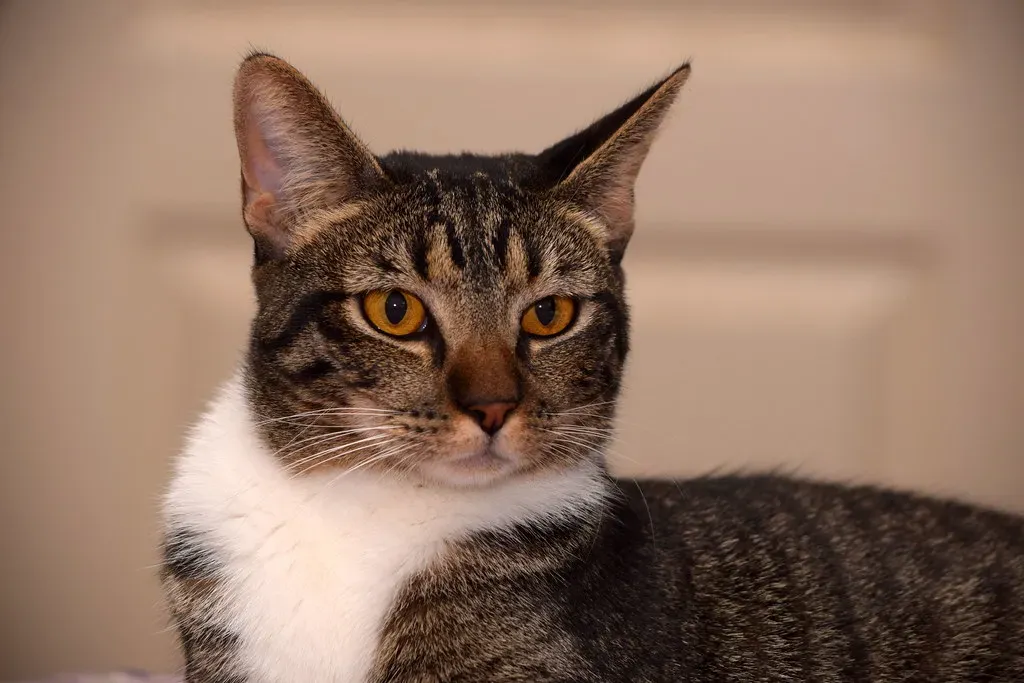
Quick, repeated ear flicks often mean your cat is feeling irritated or overwhelmed, and you might see this when there’s too much noise, movement, or unwanted touching. It’s basically your cat’s way of saying they’ve hit their limit.
When your cat is nervous or agitated, their ears will twitch, and if you’re a parent to kitty siblings, one’s twitching ears might indicate they feel an attack, playful or otherwise, coming on. Here’s the thing: cats are sensitive creatures despite their aloof reputation. That birthday party with screaming kids or the vacuum cleaner running can send their stress levels through the roof. Those rapid ear flicks are your early warning system that your cat needs some space and quiet time, pronto.
The Sleep Twitch Is Actually Active Monitoring
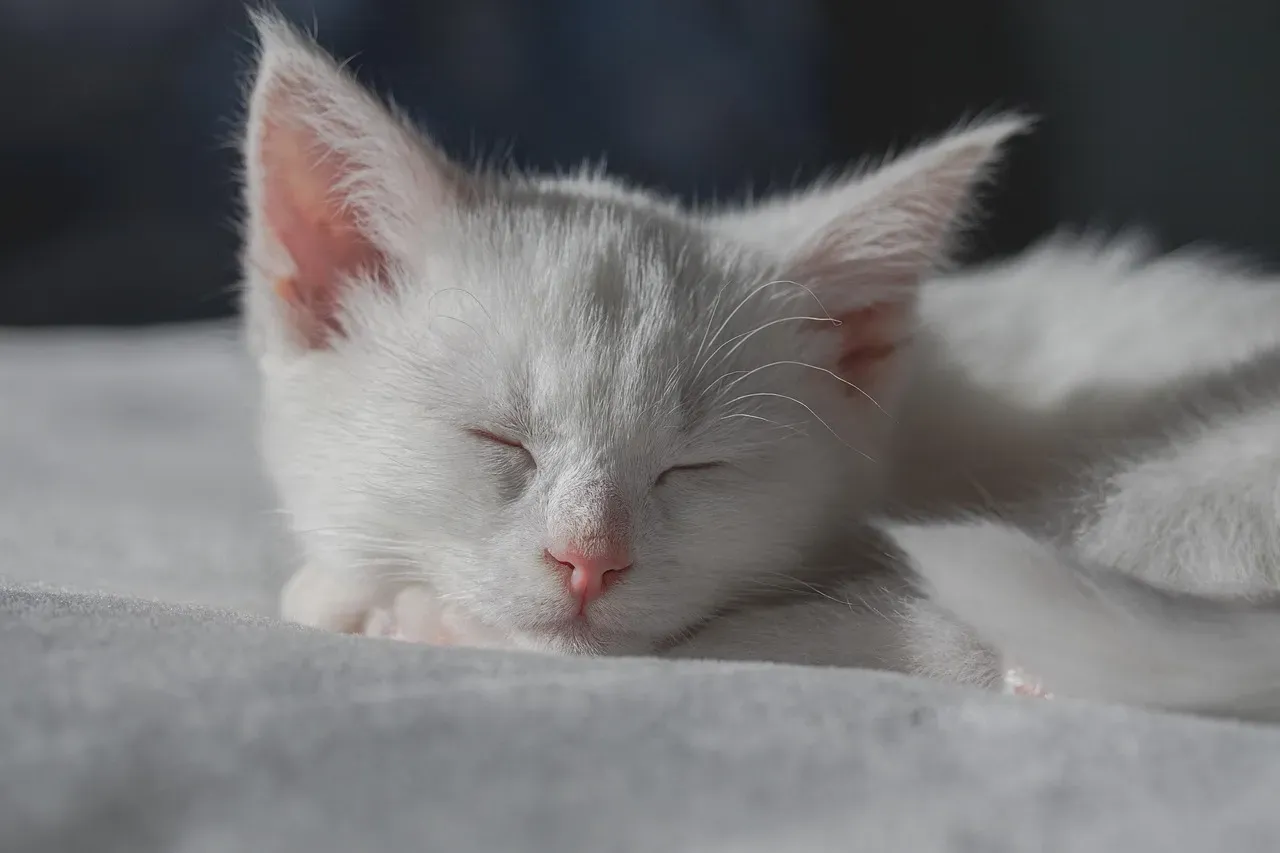
Ever notice your cat’s ears moving while they’re supposedly fast asleep? Even while snoozing, a cat’s ears stay active and don’t fully shut down the way humans do, instead they keep picking up sounds and shifts in the environment. It’s honestly fascinating when you think about their evolutionary programming.
In the wild, staying alert helps felines avoid threats and catch prey, so if your cat’s ears twitch or rotate while they snooze, they’re not dreaming but monitoring. This low-energy surveillance mode is why your cat can go from seemingly dead asleep to fully alert in a split second. Twitching ears can also be seen when a cat is dreaming in deep REM sleep, which adds another layer to understanding those midnight ear movements.
Nervous Uncertainty Shows in Single Ear Movements
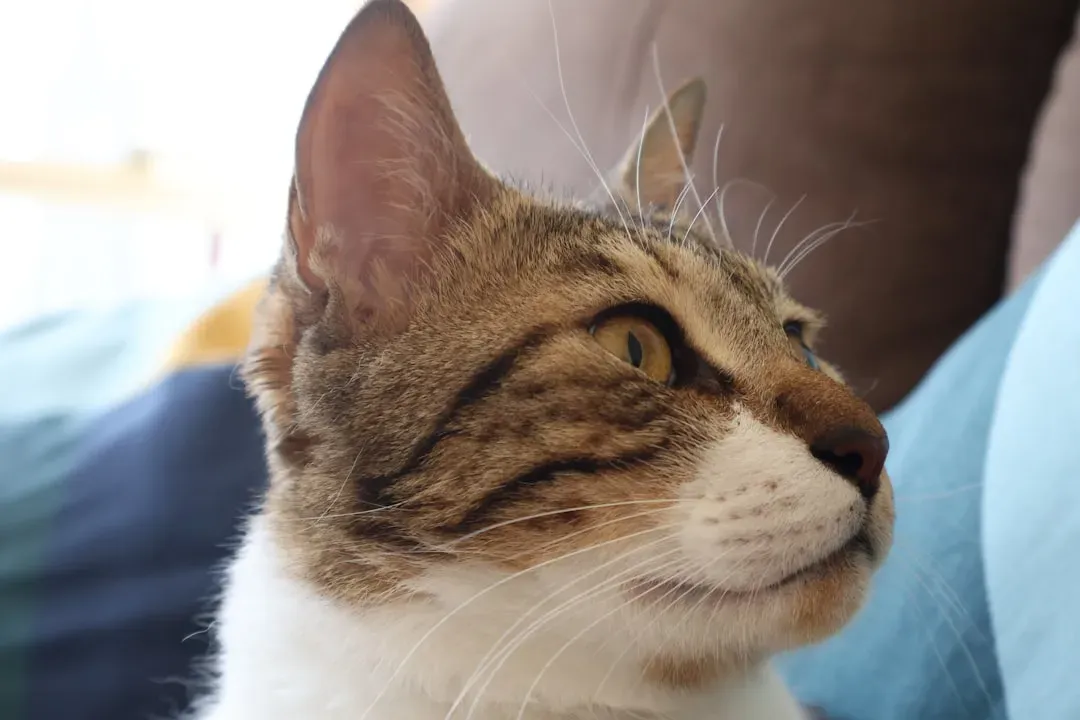
If your cat is holding one of their ears up, it can mean that they are feeling confused, and often our cats do this when they are trying to focus on two different noises. It’s like watching someone try to follow two conversations at once.
The cat is attentive to different sounds and feeling ambivalent about where to focus, for example, your cat may be watching birds at the window and hear you open a drawer in the kitchen, so one ear stays tuned to the birds while the other swivels to hear the kitchen happenings. This asymmetrical positioning reveals the internal debate happening in your cat’s mind. Should they investigate the potential treat situation, or continue their bird-watching entertainment? That moment of indecision is written all over those independently moving ears.
Environmental Annoyances Trigger Specific Twitches

If your cat’s ears are twitching, there may be something particularly annoying in the environment, such as buzzing fly. Small irritants that we barely notice can drive cats absolutely crazy because their hearing is so much more acute than ours.
Cats can detect higher frequencies than dogs, which means sounds we can’t even perceive might be incredibly bothersome to them. That high-pitched buzz from electronics, the ultrasonic pest deterrent your neighbor installed, or even certain lightbulbs can cause ear twitching. Ear twitching when not accompanied by playful or stalking behavior may indicate something irritating their ears, such as a flying insect, mites, or an ear infection. If the twitching persists beyond what seems normal, it might be time for a vet visit rather than assuming it’s just typical cat behavior.
Medical Issues Can Cause Excessive Twitching
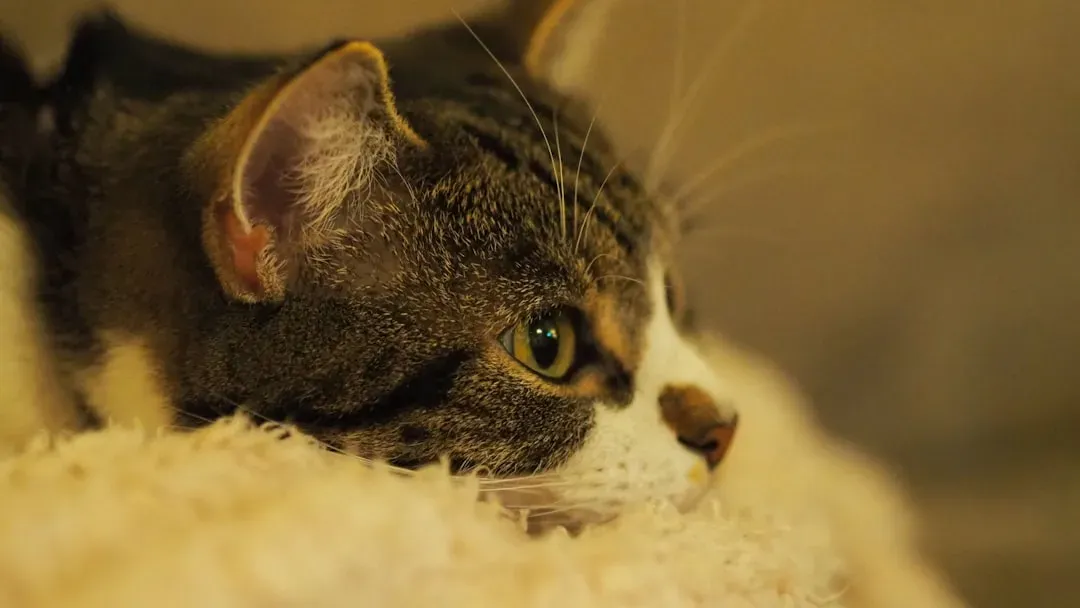
Quick, repeated ear flicks often mean your cat is feeling irritated or overwhelmed, but this behavior can also point to skin discomfort, ear mites, or issues inside the ear canal. Sometimes what looks like communication is actually discomfort.
Ear mites are tiny, microscopic parasites that can cause significant irritation, responsible for intense itchiness in cat ears, leading them to twitch, scratch, or shake their heads frequently. Other medical culprits include infections, allergies, or even diabetes in some cases. Continuous twitches, especially if your kitty also shakes her head, scratches at her ear, or has a stinky, reddish-black substance in her ear canal, could indicate ear mites. The key difference between normal communication twitches and medical twitches is frequency and accompanying symptoms like scratching or head shaking.
Context Matters More Than Individual Signals
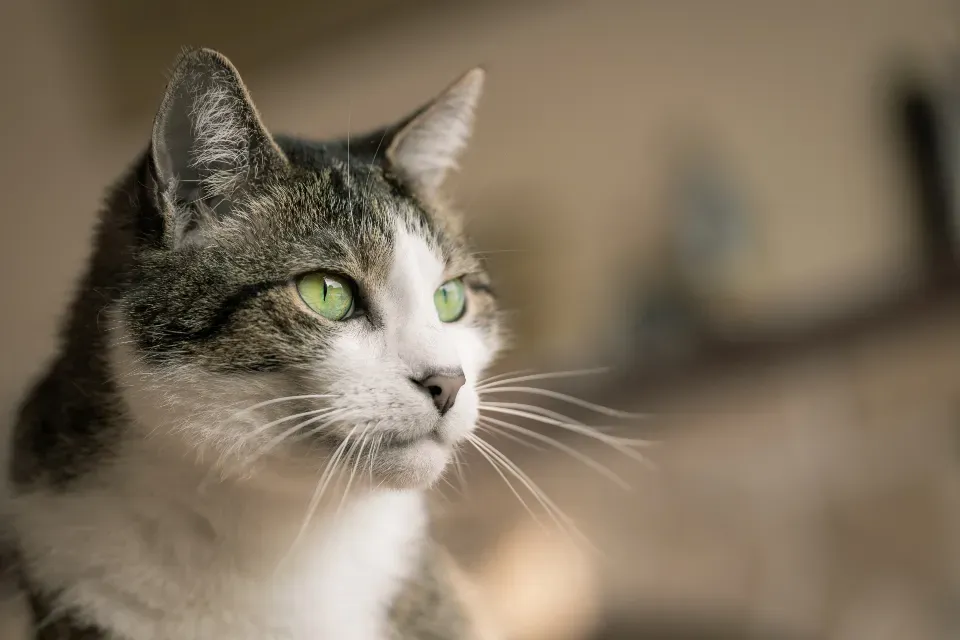
Cats can express many emotions and different moods through their ears, and when taken in combination with their eyes, body, and tail language, these can tell you about what your cat might be thinking. Reading ear twitches in isolation is like trying to understand a sentence with only one word.
Cats usually use a combination of communication signals through their ears, eyes, and body posture. A twitch paired with dilated pupils and a puffed tail means something entirely different than a twitch with relaxed whiskers and a gently swaying tail. Your cat’s entire body is part of the conversation, and honestly, the more you observe these combinations, the better you’ll become at understanding what they’re actually trying to tell you. Cat ears broadcast an array of information, and by learning a few ear positions, cat owners can tune in to their cat’s different moods that signal whether to back off or if it’s safe to approach.
Building Trust Through Understanding Ear Signals
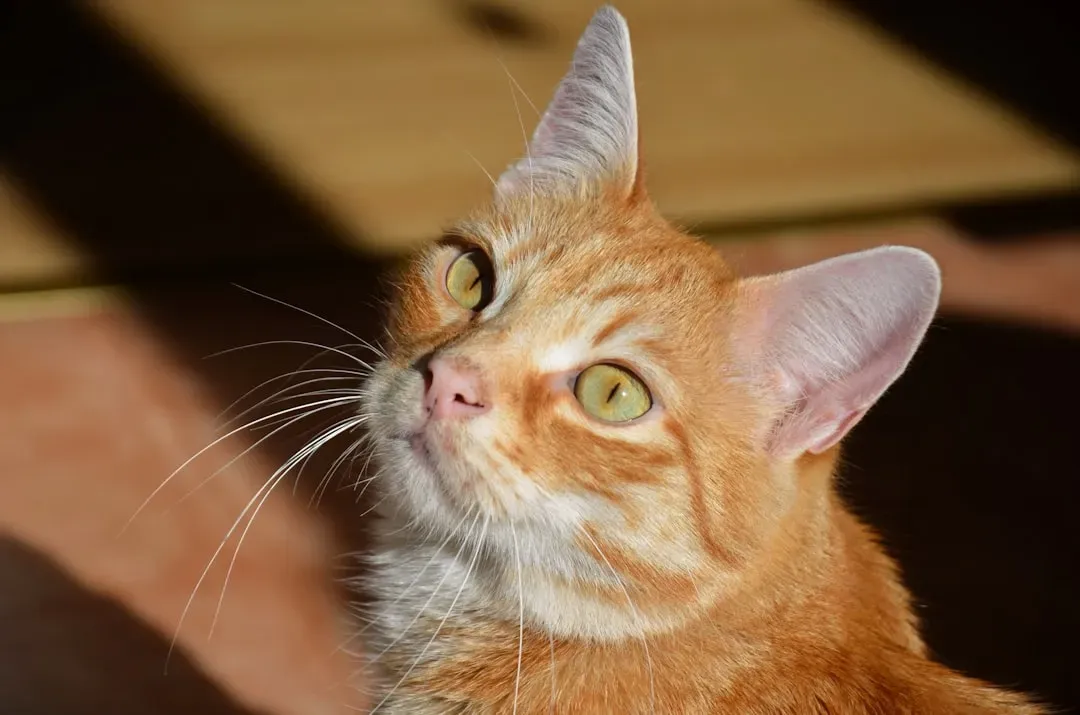
Reading your cat’s ears helps build trust, and if you notice ears upright and facing you, that’s a green light to interact, but if those triangles start shifting sideways or flattening, take it as a sign to back off. Respecting these signals shows your cat that you’re listening.
Cats feel safer when humans respect their signals, and responding calmly to anxious behaviors or backing off during tense moments shows your kitty they can trust you. This mutual understanding strengthens your bond over time. Think about it from their perspective: imagine if someone kept touching you after you clearly signaled discomfort. Eventually, you’d stop trusting that person’s judgment, right? Cats work the same way. When you demonstrate that you understand their ear language and respect their boundaries, they become more relaxed and affectionate around you. It’s not rocket science, just good communication.
Those you’ve been noticing aren’t just adorable quirks. They’re a sophisticated language that your cat uses to express everything from playful excitement to genuine distress. By paying attention to these small movements and learning to read them in context, you’re opening up a whole new channel of communication with your feline companion. Next time you see those ears twitch, you’ll know exactly what’s going on in that mysterious feline mind. What has your cat’s ear language been telling you lately?
Kristina is a young writer from India. An arts graduate and an avid content creator, Kristina is passionate about animals and wildlife. She enjoys exploring topics related to pet care, animal behavior, conservation, and nature, combining thorough research with engaging storytelling.