You’ve probably noticed it. Your cat curls up in the same sunny spot for hours, barely moving a whisker. Then suddenly, out of nowhere, they’re sprinting up the stairs like a tiny cheetah, pouncing on imaginary prey, or leaping onto the highest bookshelf in the house. What gives?
Here’s the thing: your cat isn’t being lazy. They’re being strategic. Those long stretches of sleep aren’t about boredom or indifference. They’re about conservation, efficiency, and a perfectly honed survival mechanism inherited from their wild ancestors. Let’s dive in and explore exactly why cats have become such masters of energy management.
Built-In Battery Savers from the Wild
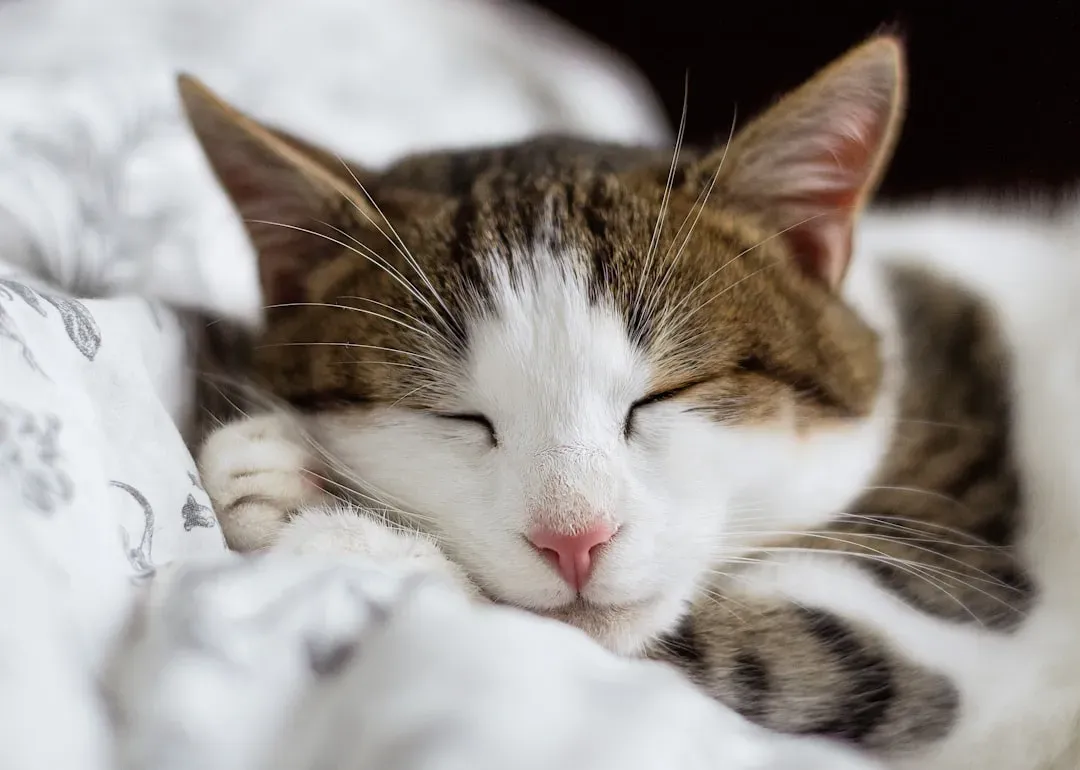
Cats are fundamentally predators, and sleeping is vital to conserve their energy after hunts, even though your cat’s food now comes in a bowl. This behavior stems from their evolutionary adaptation to conserve energy for hunting, chasing, and capturing their prey in the wild. Think of it this way: wild cats couldn’t afford to be constantly active because prey doesn’t just walk up and volunteer to become dinner. Wild cats are commonly observed hunting their prey and then sleeping for extended periods of time because hunting demands a huge amount of energy.
Even though you fill that food bowl twice a day, your domestic fluff ball still operates on ancient programming. In the wild, cats have to conserve energy and hunt at any opportunity, even if they are not hungry, and cats in the wild have the best chance to hunt after a nap when they are well-rested. Your kitty isn’t really lazy; they’re just hardwired to rest up before the next big moment.
The Science Behind All That Snoozing
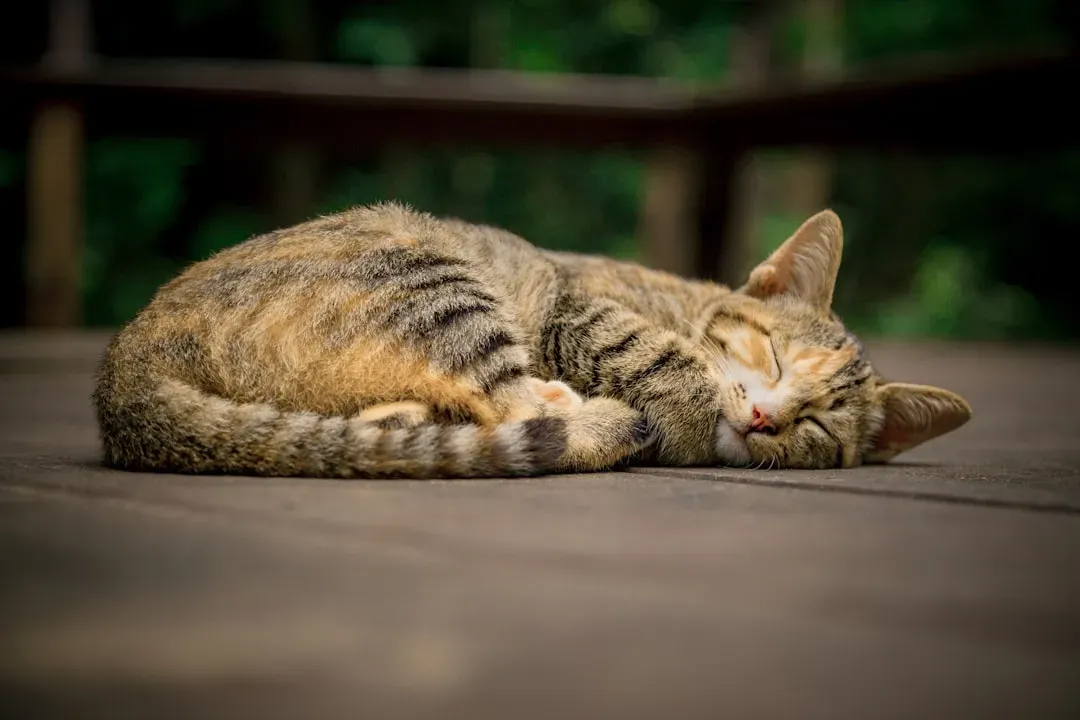
Most cats sleep between twelve and sixteen hours a day, though some can rack up nearly twenty hours. That’s a lot of downtime compared to us humans who barely manage seven or eight. Cats use a lot of energy when they hunt, play, or explore their environment, so it makes sense that they need to conserve energy by sleeping more.
Cats experience both REM and NREM sleep, and NREM sleep allows their bodies to recharge and conserve energy. Interestingly, their sleep isn’t like ours. About three-quarters of a cat’s sleep time is spent in light sleep, while the remaining one-quarter is dedicated to deep sleep. During that lighter phase, they’re kind of half-awake, ready to react if something interesting happens. It’s impressive if you think about it.
Explosive Energy Bursts Are Part of the Plan
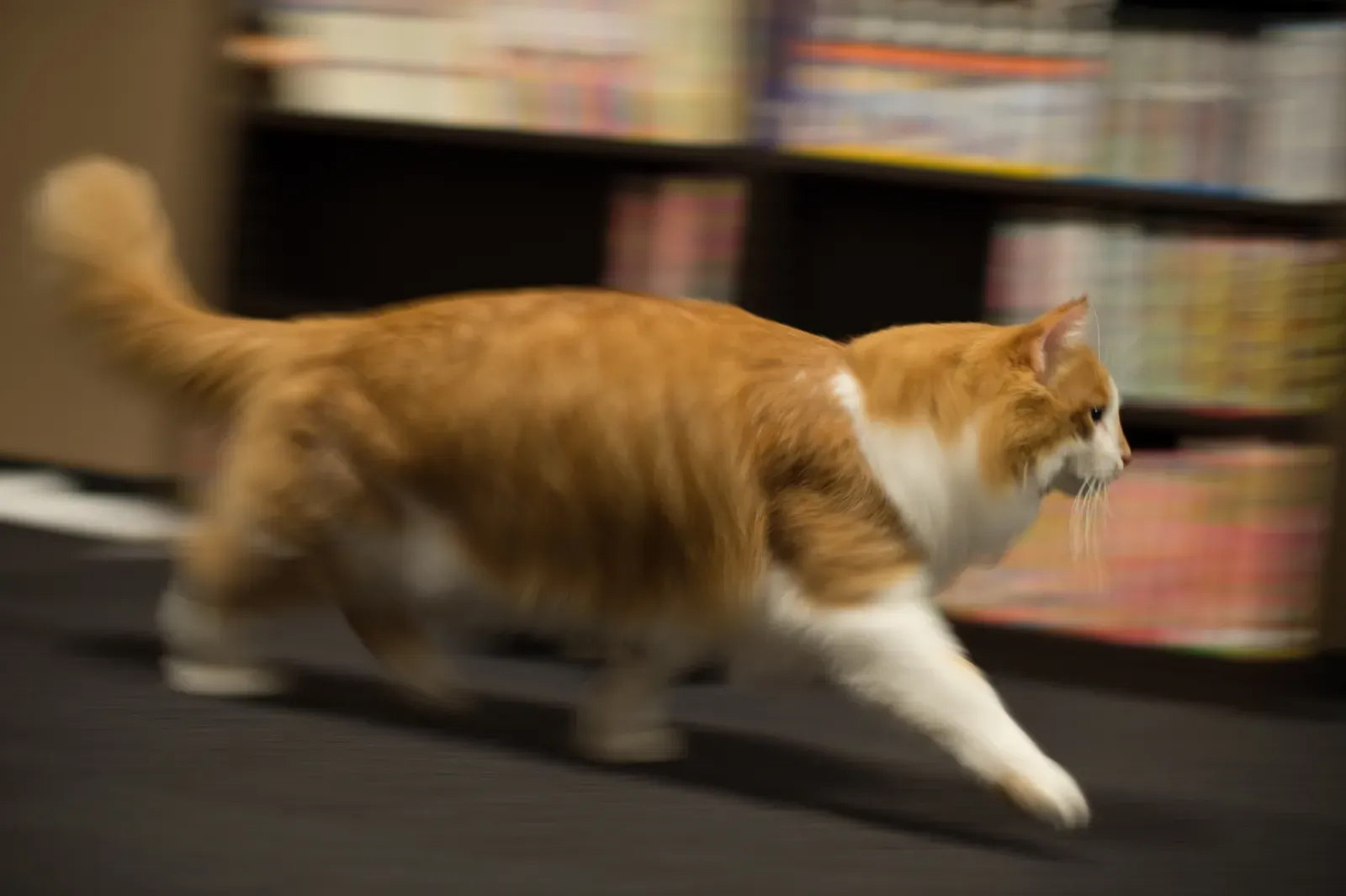
Have you witnessed the infamous zoomies? That moment when your cat suddenly tears through the house like they’ve been possessed? Zoomies have a scientific name: frenetic random activity periods, or FRAPs. Zoomies are rooted in feline instincts, as cats are predators by nature, and without hunting opportunities, they release pent-up energy in sudden, high-speed dashes around the house.
Even if they’re only hunting a toy or chasing after a mouse, domestic cats employ energy-intensive techniques such as stalking, pouncing, chasing, and climbing, using high levels of adrenaline and energy, which results in the need for a well-deserved cat nap. That burst of chaos you see? It’s your cat being exactly what evolution designed them to be.
Dawn and Dusk: Prime Time for Action
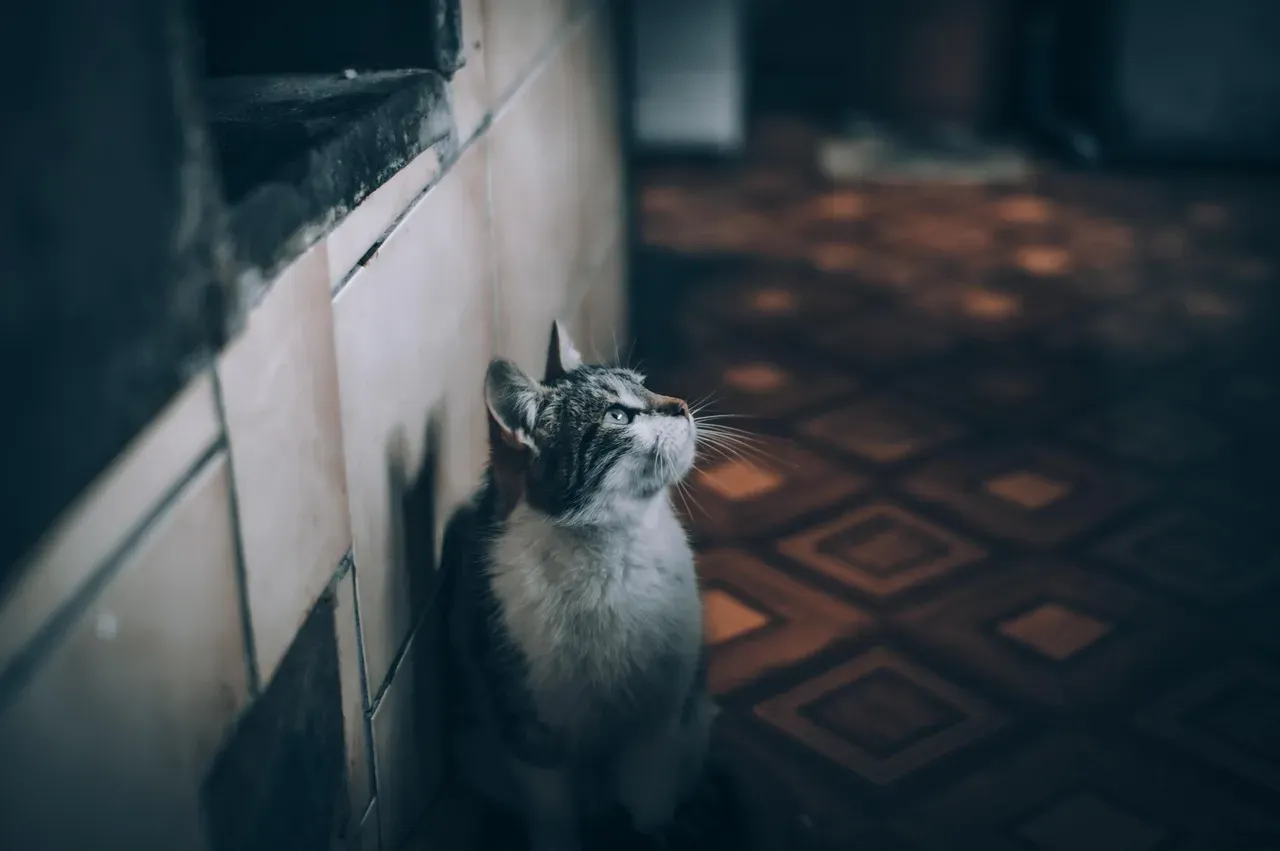
Cats are crepuscular animals, which means they’re most active at dawn and dusk. Cats have crepuscular sleeping habits, meaning they’re most active during dawn and dusk, a behavior that comes from their wild ancestors who hunted during these times. This isn’t random. Cats’ ancestors adapted to hunting during twilight hours to take advantage of cooler temperatures and the increased activity of their prey.
So when your cat wakes you up at five in the morning or starts racing around right before bedtime, they’re not trying to annoy you. They’re following an ancient biological clock that tells them it’s showtime. They sleep or are restful the rest of the time to conserve energy and restore for the next hunt. Your living room is just their modern hunting ground.
Short Naps Over Long Sleep Sessions
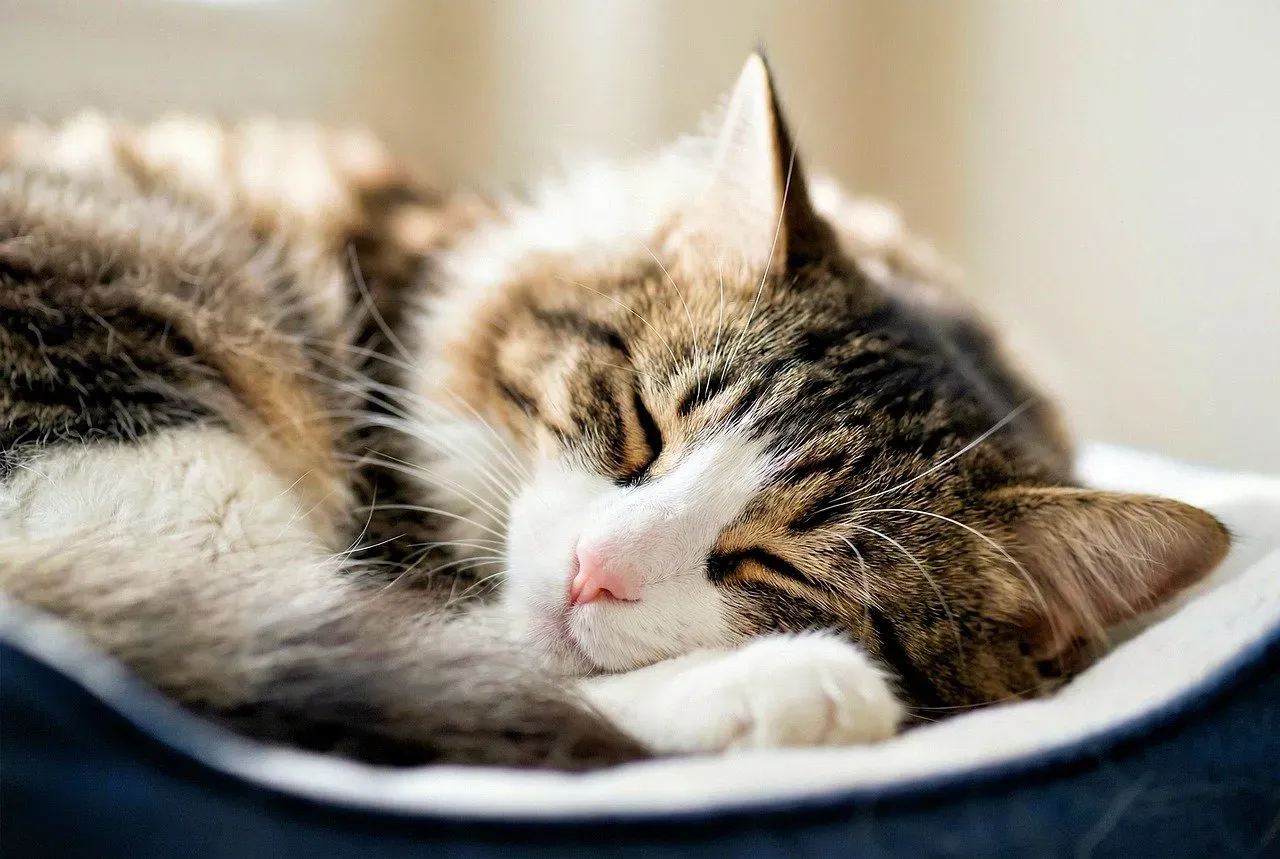
Cats don’t really sleep for long stretches; rather, they take frequent catnaps that last fifteen to thirty minutes, allowing your cat to rest his body and mind without falling into deep sleep. This polyphasic sleep pattern is actually genius. Cats have evolved to follow a polyphasic sleep pattern, experiencing multiple periods of sleep within a twenty-four-hour cycle, a survival mechanism rooted deeply in their predatory nature.
Why sleep in chunks? Because predators need to be alert. These catnaps allow felines to still react quickly to potential threats in their environment. Even though your pampered house cat faces no real danger from the couch, evolution hasn’t caught up with modern living yet. Let’s be real, that’s probably a good thing.
Age Changes the Energy Equation
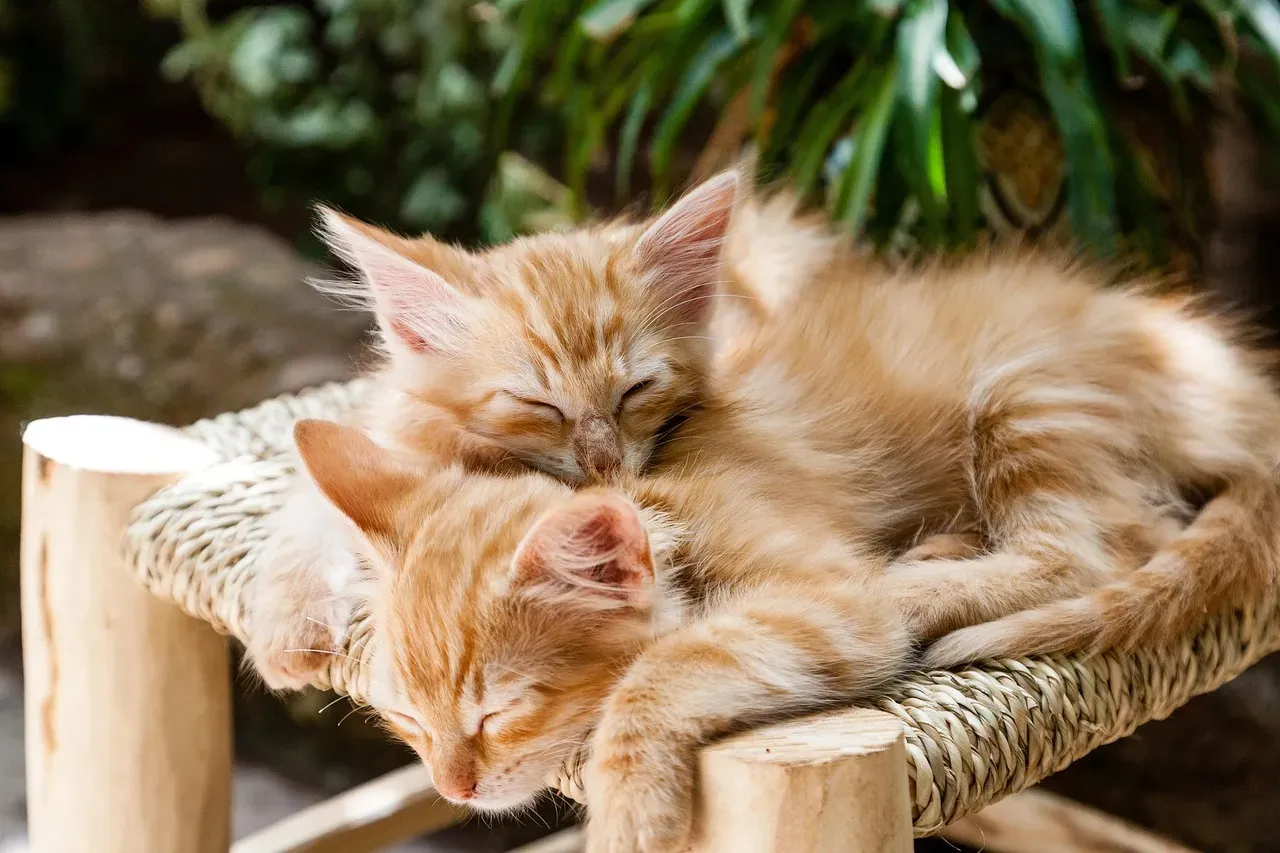
Kittens are still growing and developing, so they’re likely to need up to twenty hours of sleep per day, while adult cats need fifteen hours or less. Young cats are basically little energy factories that need constant recharging. Kittens spend roughly ninety percent of their time snoozing because they need a lot of energy to support their fast growth and to constantly recharge their batteries as their brain and central nervous system develop, and this time spent sleeping strengthens their muscles and bones and keeps their immune system functioning.
On the flip side, older cats start sleeping more again. Senior cats snooze a lot too, usually up to twenty hours a day, and this increased amount of sleep is because, just like with humans, when cats get older, they tire more quickly. It’s kind of sweet when you think about it – both ends of life require extra rest.
Temperature Regulation Through Rest
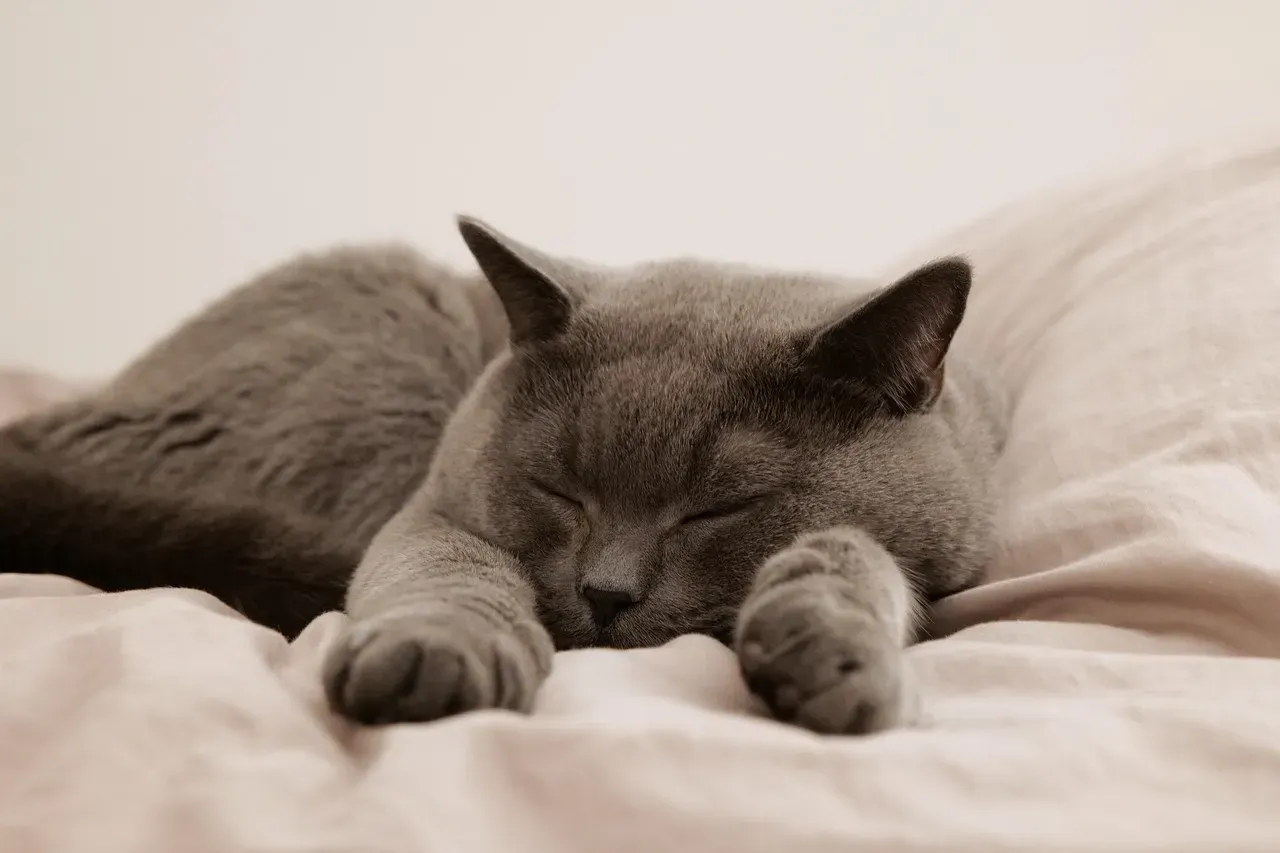
Cats sleep to help regulate their body temperature, and in hot climates or during summer months, cats might sleep more, as this increased sleep helps them stay cool and conserve energy, preventing overheating. Honestly, have you ever seen a cat stretched out in a sunbeam during summer? They’re basically solar panels that also happen to need naps to avoid overheating.
You may notice your cat napping more throughout the day and refusing to leave their comfy beds when the weather is dreary. Weather impacts their activity levels more than you’d think. Cats are smart about not wasting energy when conditions aren’t ideal for activity.
Hunting Instincts Never Really Fade
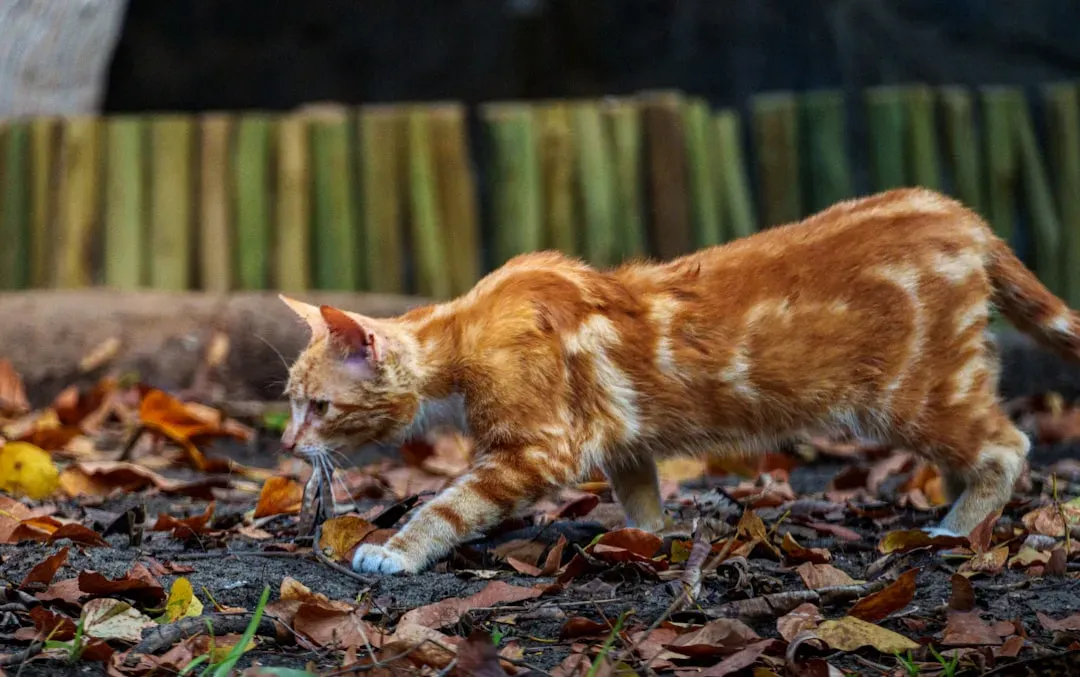
To eat enough to meet their energy needs, cats need to make several kills per day, and with no supplementary food from a caregiver, cats can make as many as ten to twenty kills every day. That’s exhausting. The motivation to hunt prey is only partly related to hunger, and as a species that hunts alone, cats rely solely on themselves to provide enough food, so if they wait until they’re hungry to hunt, they could starve to death.
Cats are natural predators, and their hunting behavior, even when it’s just pouncing on a toy mouse, requires a huge amount of energy, allowing them to rest and recharge for their next hunt, and long periods of rest are essential for them to recover and maintain their predatory instincts. So when your cat attacks that feather toy for ten minutes and then collapses into a three-hour nap, they’re behaving exactly as nature intended.
Boredom Can Mimic Natural Rest Patterns
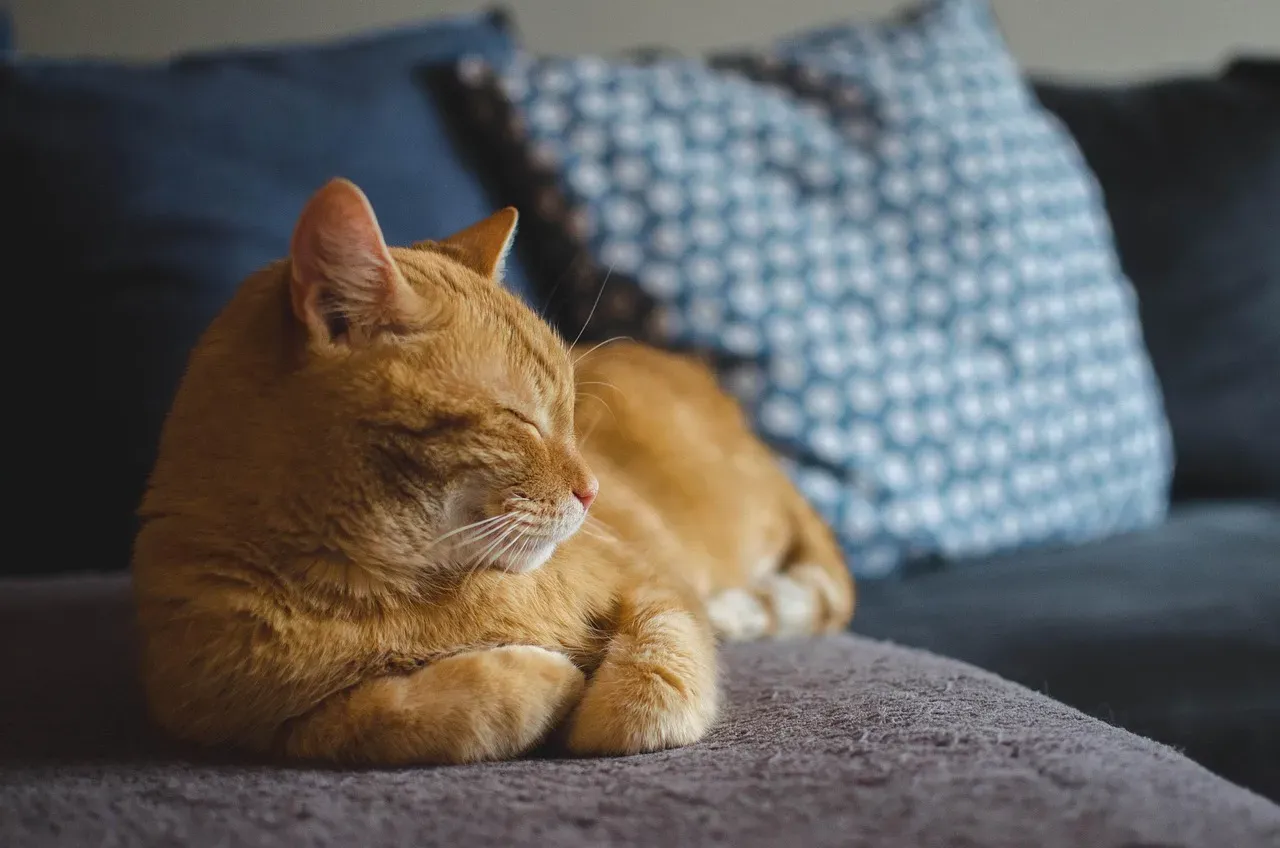
Sometimes cats sleep because they’re bored, and while sleeping might not seem like a big deal, boredom can lead to other problematic behaviors in cats, such as destruction, constant meowing, and over-grooming. It’s hard to say for sure, but indoor cats without enough stimulation might sleep even more than they naturally would. If cats lack enriching activities or mental stimulation, they tend to sleep more out of boredom, and changes in their environment can also make them sleep more as they adjust, though regular playtime and interactive toys can reduce this boredom-induced sleep.
Still, don’t feel too guilty. Even bored cats are following their biological blueprint. They’d rather conserve energy than waste it pacing around when there’s nothing productive to do. Your cat’s basically a tiny efficiency expert with fur.
When Rest Becomes Something to Watch
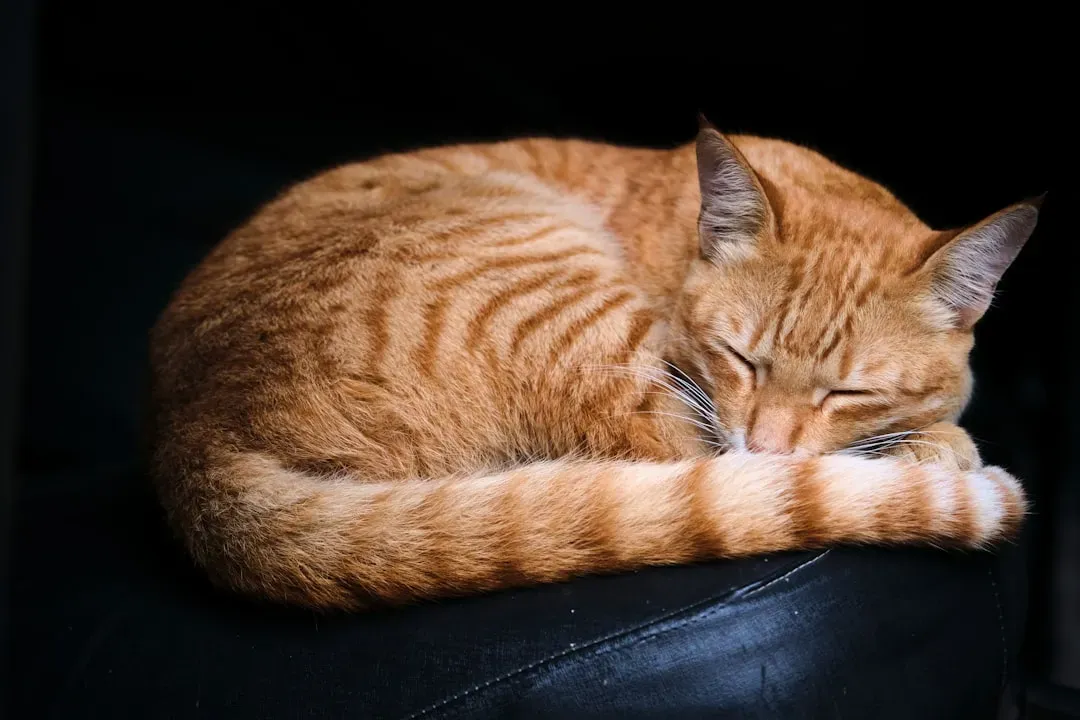
It’s important to understand your cat’s normal sleep patterns and recognize when those patterns change significantly, because if your cat begins to sleep a lot more or a lot less than is usual, there may be a health issue, and cats who begin to sleep more than usual could be ill or experiencing pain. Changes in sleep can sometimes signal bigger problems. Sudden increases in sleep time or changes in how they rest can be an early sign of illness.
That said, not every extra nap is a red flag. Cats are individuals with their own quirks and routines. Pay attention to overall behavior, appetite, and mood. If something feels off, a vet visit is never a bad idea. You know your cat better than anyone.
Conclusion: Respect the Nap Master
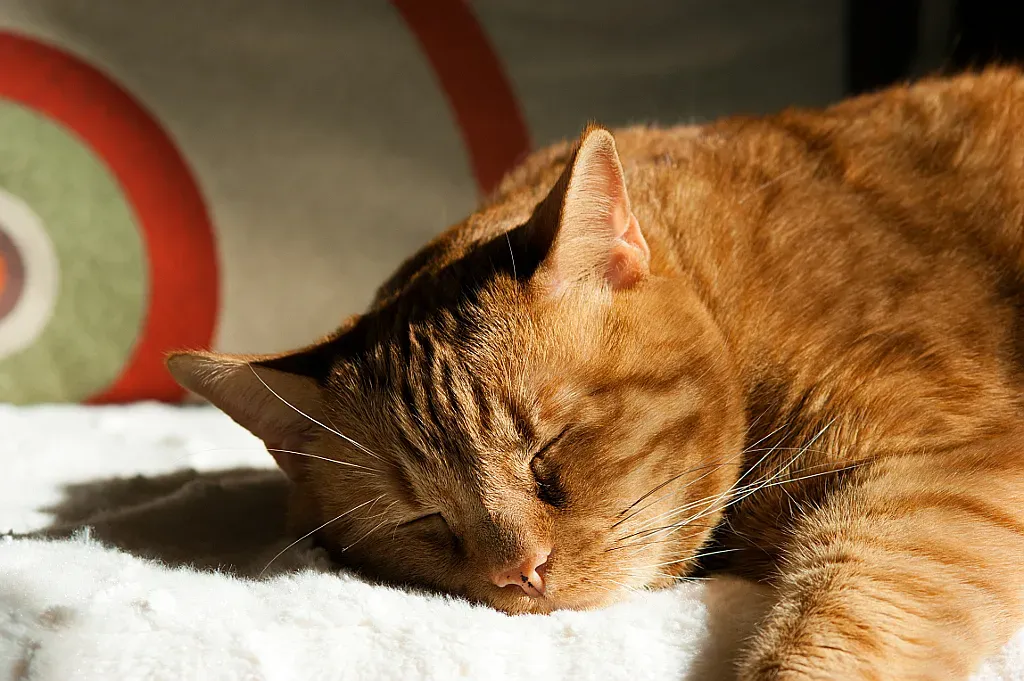
Your cat isn’t being unproductive when they sleep the day away. They’re actually following millions of years of evolutionary programming that tells them to save energy for the moments that matter. Whether it’s a sprint across the living room, a pounce on a toy, or just being ready to react at a moment’s notice, your cat’s rest is part of their brilliance.
So next time you see your feline sprawled out in yet another nap, remember: they’re not wasting time. They’re conserving it for something important. Maybe it’s playtime. Maybe it’s midnight zoomies. Maybe it’s just the thrill of knocking something off the counter at three in the morning. Whatever it is, they’ll be ready when the moment strikes. What do you think? Does your cat seem to follow this energy-saving lifestyle, or are they more of a hyperactive exception to the rule?
Kristina is a young writer from India. An arts graduate and an avid content creator, Kristina is passionate about animals and wildlife. She enjoys exploring topics related to pet care, animal behavior, conservation, and nature, combining thorough research with engaging storytelling.