Ever watched your cat stare intently at nothing or make a gravity-defying leap, then wonder what else they’re capable of? Those mysterious creatures lounging on your couch are hiding skills that would make superheroes jealous. Sure, they’re adorable when they’re napping or demanding dinner, but beneath that fluffy exterior lies a whole arsenal of abilities most cat owners never fully appreciate.
Your feline friend isn’t just a pet. They’re a walking miracle of evolution, equipped with senses and abilities that put humans to shame. Let’s dive in and discover what makes your whiskered companion so extraordinary.
Night Vision That Rivals Military Equipment
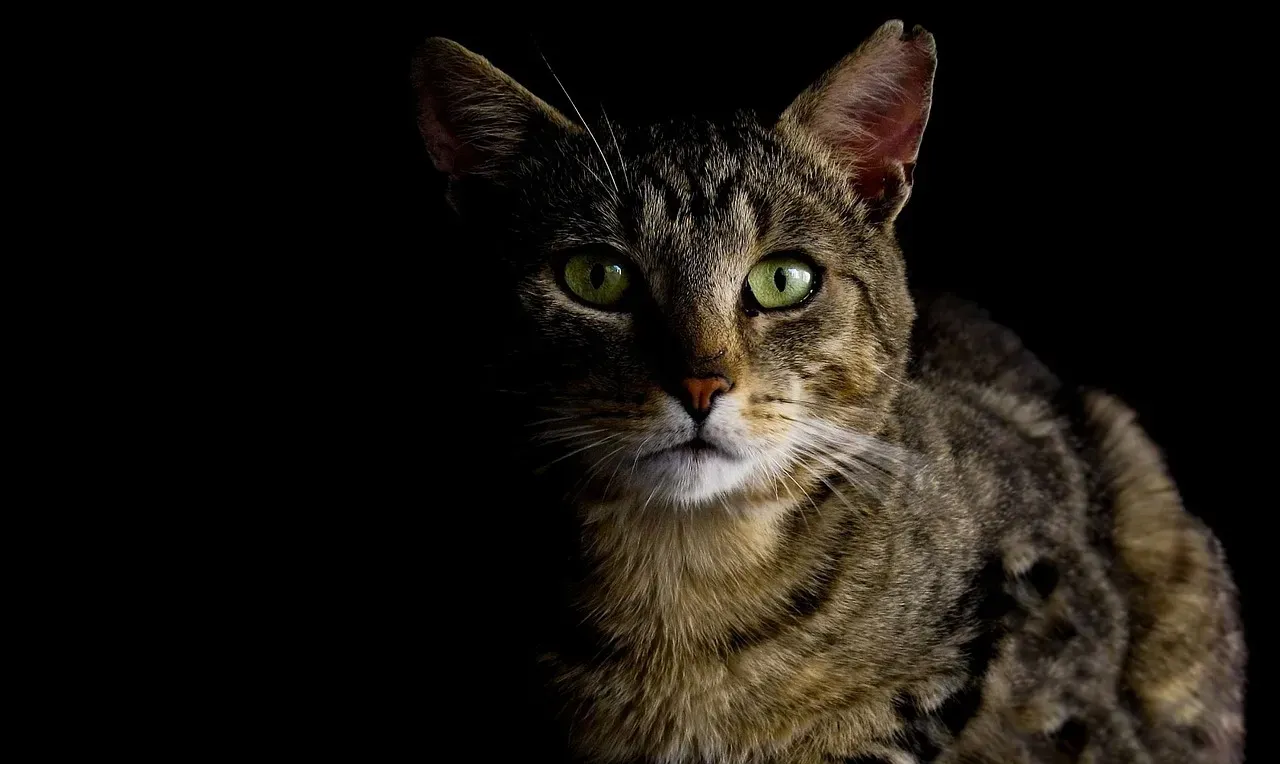
Your cat can see in about one sixth of the light humans need, which basically means while you’re fumbling for a flashlight at two in the morning, your cat is navigating the hallway like it’s midday. Their eyes contain a layer of tissue called the tapetum lucidum, which reflects light back through their retinas, giving them that eerie glow when light hits them just right. This isn’t some party trick. It’s a genuine evolutionary advantage that makes them exceptional hunters, even in near total darkness.
Think about it this way: your cat sees the world in ways you never could. Not only do cats have excellent peripheral vision, their eyes have a high number of rod cells, which are super sensitive to low light. While you’re tripping over shoes in the dark, your cat is casually strolling through shadows, completely aware of every obstacle and opportunity around them.
Whiskers That Function As Sensory Radar
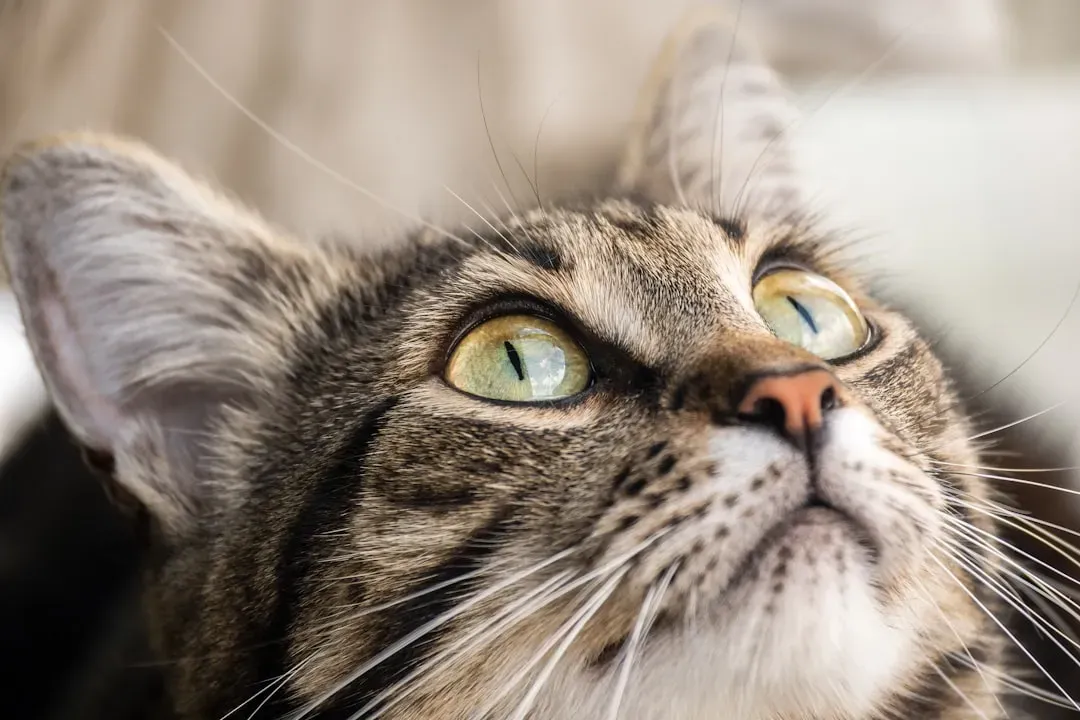
Whiskers are so sensitive that they don’t have to touch an object for a cat to sense nearby movement, changes in airflow can be enough. Those adorable facial hairs aren’t just for looks. They’re sophisticated detection instruments that give your cat a three dimensional understanding of their immediate surroundings. These whiskers also help cats measure tight spaces to decide whether they can fit through, which explains why your cat somehow squeezes into boxes that seem impossibly small.
With the help of those adorable whiskers, they sense changes in air currents, allowing them to determine the size, shape, and speed of objects nearby. It’s hard to say for sure, but this might explain why blind cats can move so confidently through familiar spaces. Your cat essentially has built in motion detectors all over their face and legs, constantly feeding them information about their environment that you’ll never experience.
Hearing That Detects The Undetectable
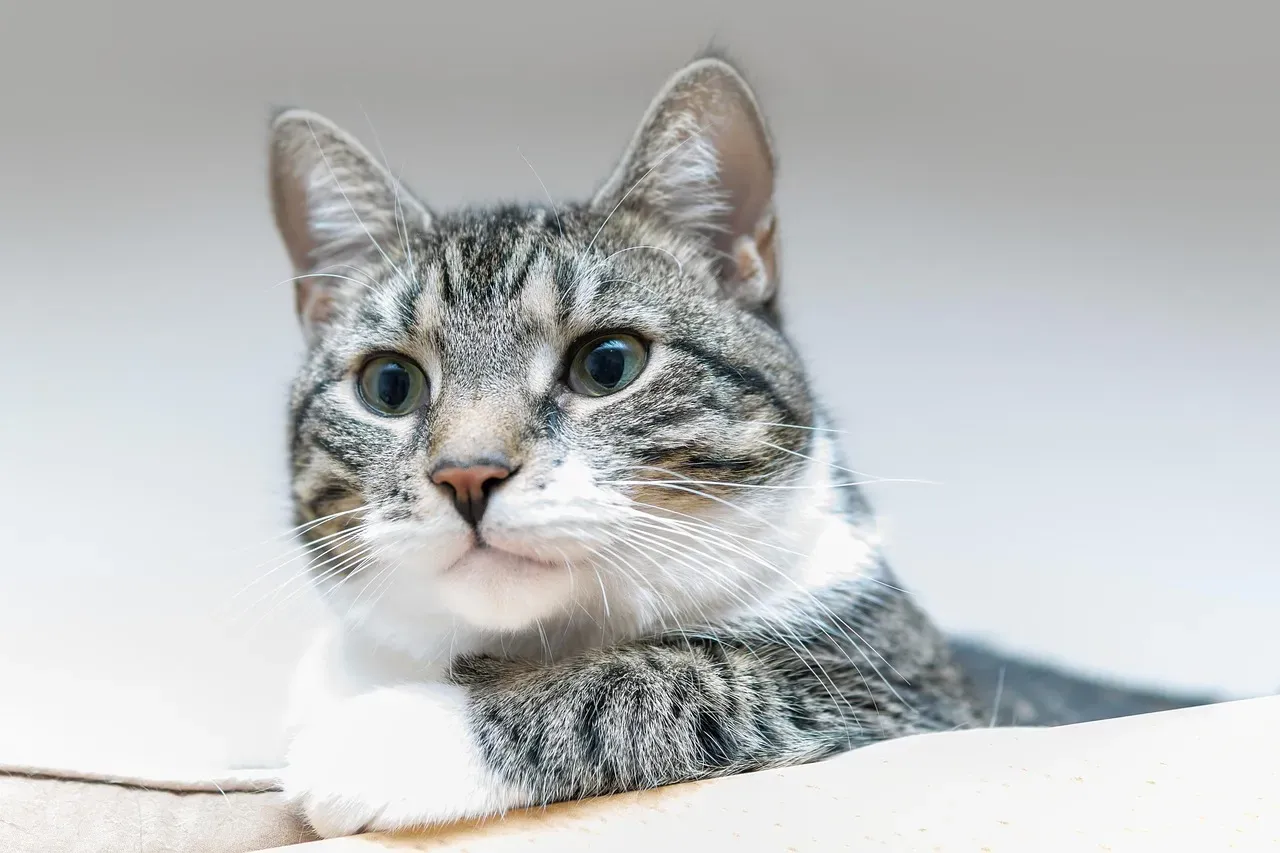
Your cat’s cone-shaped ears can pick up sounds and movements up to five times farther than humans can, which means they’re hearing conversations from rooms away and detecting mice scurrying through walls you didn’t even know existed. These remarkable organs can detect sounds up to 64,000 Hz, while human hearing typically stops at around 20,000 Hz. Let’s be real, this acoustic advantage is why your cat sometimes stares at the wall like there’s a ghost there.
What’s particularly fascinating is how precisely they can locate sounds. The hearing range of a cat is around 45-64,000 Hz, allowing them to detect frequencies both higher and lower than what humans perceive. Those cone shaped ears aren’t just cute. They’re rotating radar dishes constantly scanning the environment for information you’re completely oblivious to.
A Sense Of Smell That Rivals Any Laboratory
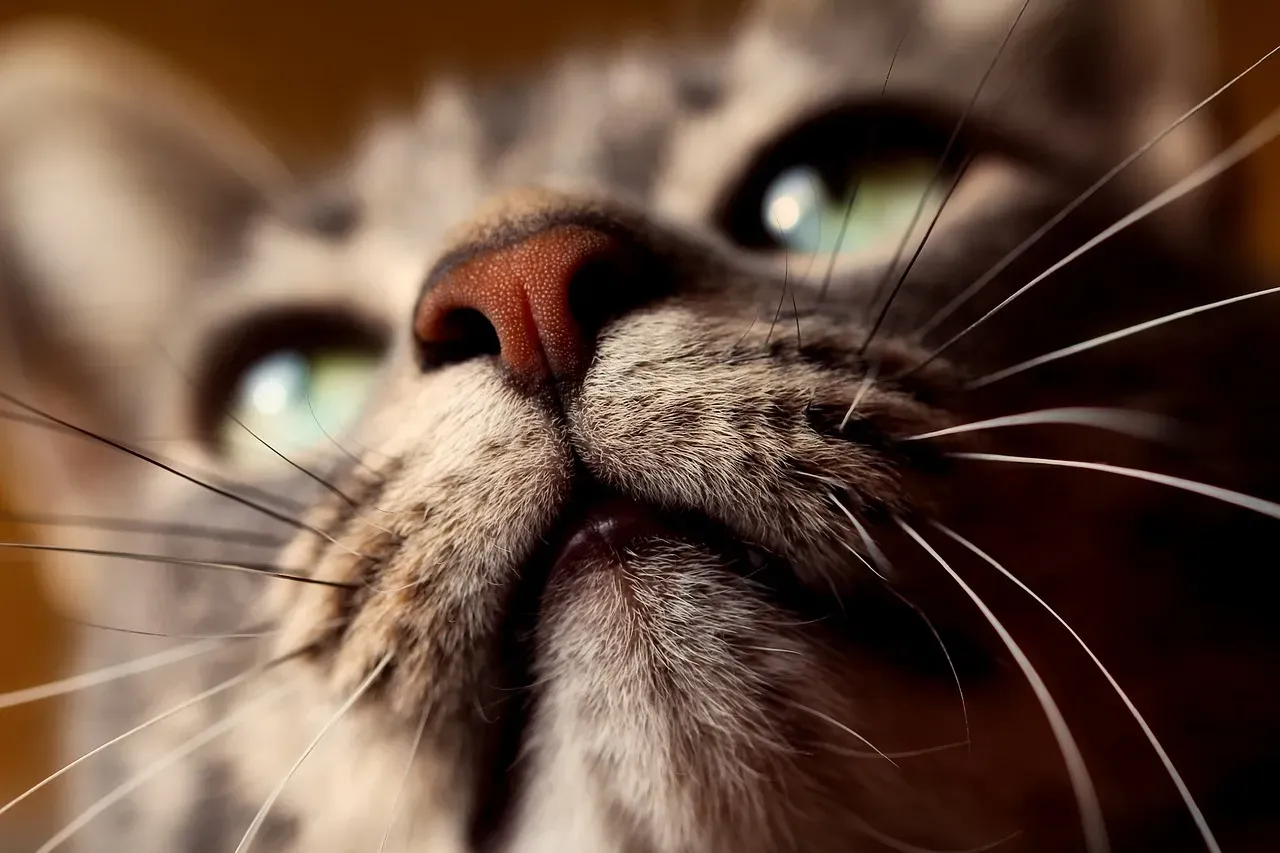
Your cat’s adorable button nose holds remarkable power, functioning about 40 times more effectively than a human’s sense of smell, with approximately 200 million odor-sensitive cells. When your cat sniffs around the kitchen or inspects your grocery bags, they’re not just being nosy. They’re conducting a chemical analysis that would cost you hundreds of dollars at a testing lab.
Here’s where it gets truly wild: cats have a structure in the roof of the mouth called the vomeronasal organ, which enables them essentially to taste what they smell. This organ increases the sense of smell 14 times over. When you notice your cat with their mouth slightly open in that funny expression, they’re actually engaging this secondary scent detection system to gather even more detailed information about their surroundings.
The Ability To Predict Weather Changes

Cat fur attracts static electricity, allowing them to sense its buildup in the air before major storms, and their inner ears are highly sensitive to changes in air pressure. Sailors kept cats on ships not only for pest control but also as weather forecasters by observing their behavior. So when your cat starts grooming more intensely than usual or acting restless for no apparent reason, they might be detecting an incoming storm hours before the weather report mentions it.
Their keen sense of smell allows them to detect rain and lightning, which honestly sounds like a superpower straight out of a comic book. Your cat is essentially a living barometer, picking up atmospheric changes that our modern instruments can barely detect. I know it sounds crazy, but cats might be better meteorologists than the people on TV.
Lightning Fast Reflexes And Speed
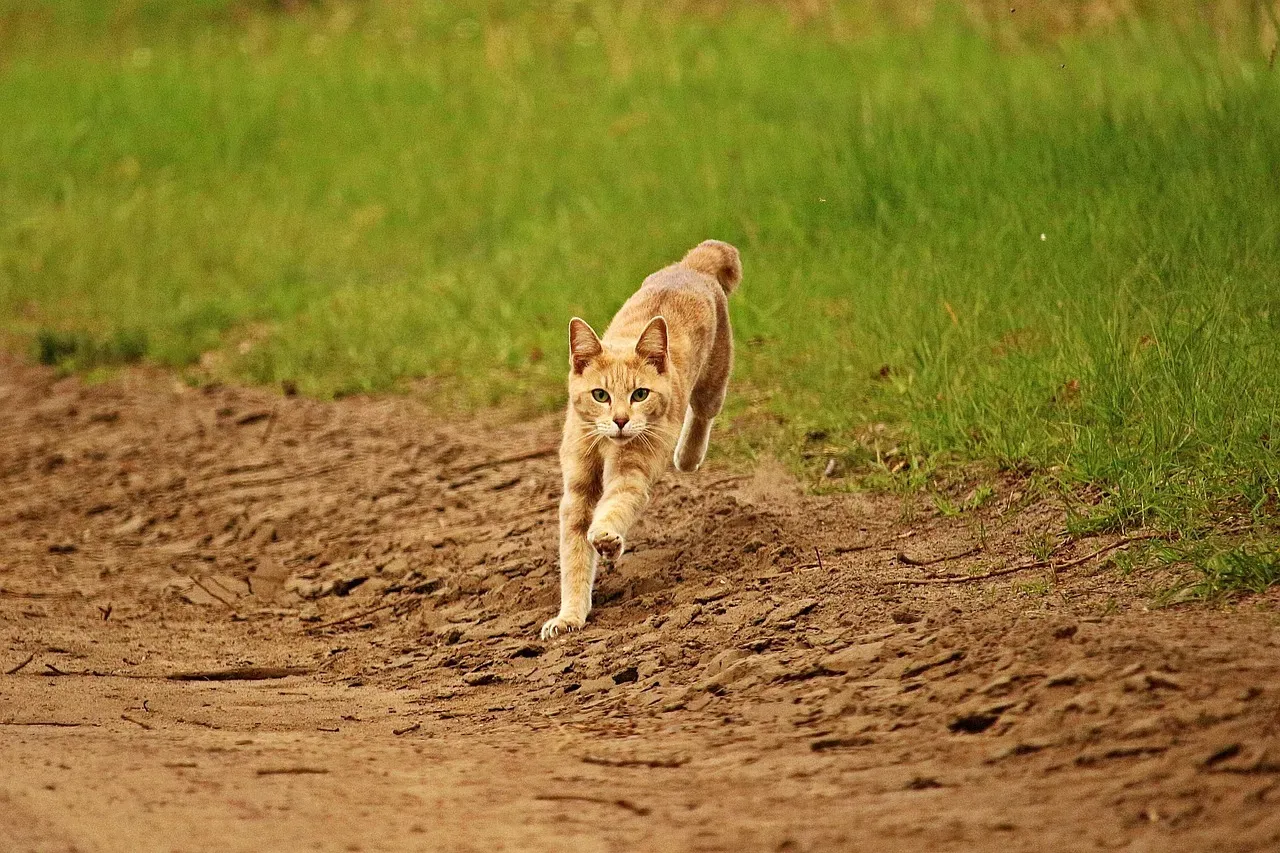
Some cat breeds can reach speeds of about 30 miles per hour over short distances, which is seriously impressive when you consider they’re accelerating from a standstill to catch that toy mouse. They possess extraordinary reflexes, allowing them to navigate narrow ledges, jump incredible heights, and execute mid-air acrobatics with unmatched precision. You’ve probably laughed when your cat’s rear end wiggles before they pounce, but that’s actually them testing the ground and calculating their trajectory.
What makes these reflexes even more remarkable is how they tie into survival. They have the ability to twist their bodies in mid-air and land on their feet, a talent called the righting reflex. This isn’t just about avoiding injury from furniture falls. It’s an evolutionary adaptation that’s saved countless feline lives throughout history.
A Flexible Spine That Defies Physics
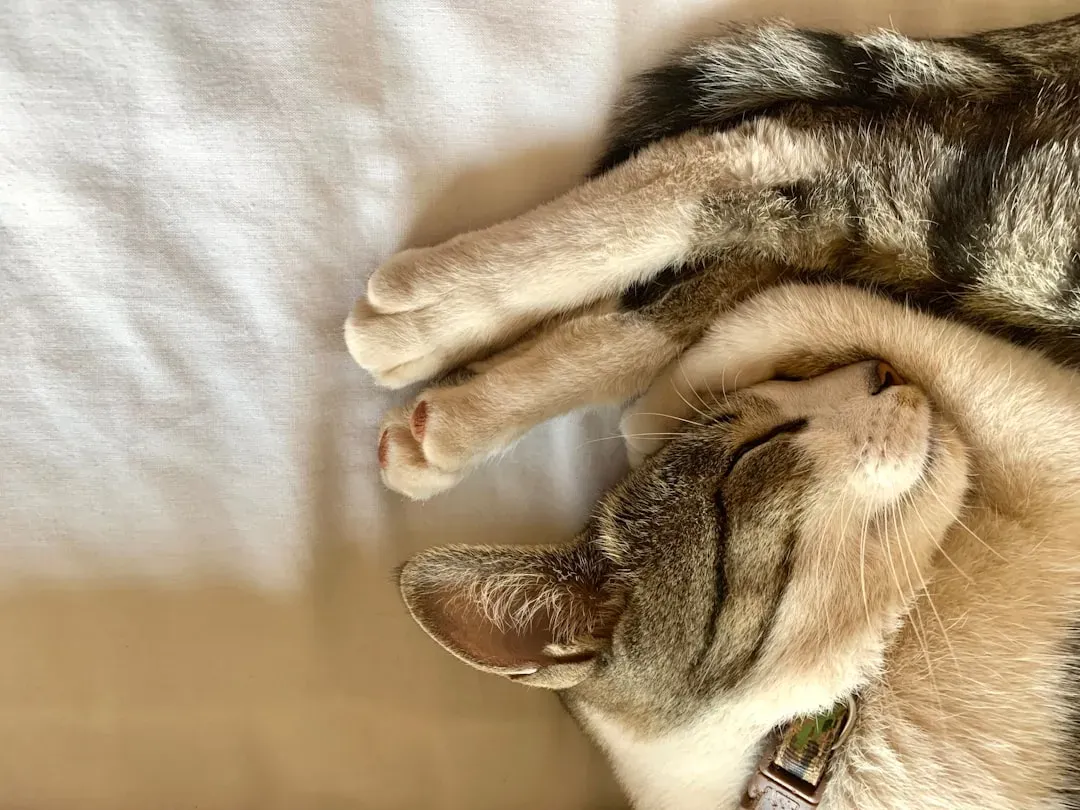
Frequent standing, arching and stretching help keep the cat’s 30 spinal vertebrae pliable and resilient, and the narrow chest and lack of a true collarbone allow your cat to squeeze through tight spaces. Honestly, it’s borderline creepy how your cat can contort themselves into positions that would send you straight to the chiropractor. This extreme flexibility isn’t accidental. It’s a precise anatomical design that makes them phenomenally effective predators and escape artists.
Their skeletal structure, featuring a highly flexible spine and the absence of a collarbone, affords them an incredible range of motion. This is why your cat can twist around to groom nearly their entire body and why they can fit through openings that seem impossibly small. They’re basically liquid when they want to be.
Healing Purrs With Therapeutic Frequencies

The specific vibrational frequency of a cat’s purr can promote healing and reduce swelling in their own bodies, acting as a natural remedy that assists recovery from various conditions. There’s a stress reduction as cats purr in the 20-140 hertz range of sound frequencies. When your cat curls up on your lap and starts that rumbling motor, they’re not just showing affection. They’re potentially providing actual medical benefits.
The vibrations produced during purring have been linked to lowering human blood pressure, decreasing stress levels, and even stimulating the healing of bones and muscles. Here’s the thing: cats also purr when they’re injured or stressed, possibly to heal themselves. It’s like they’ve got a built in medical device that works on both themselves and their human companions. What do you think about that remarkable ability?
Extraordinary Problem Solving Intelligence
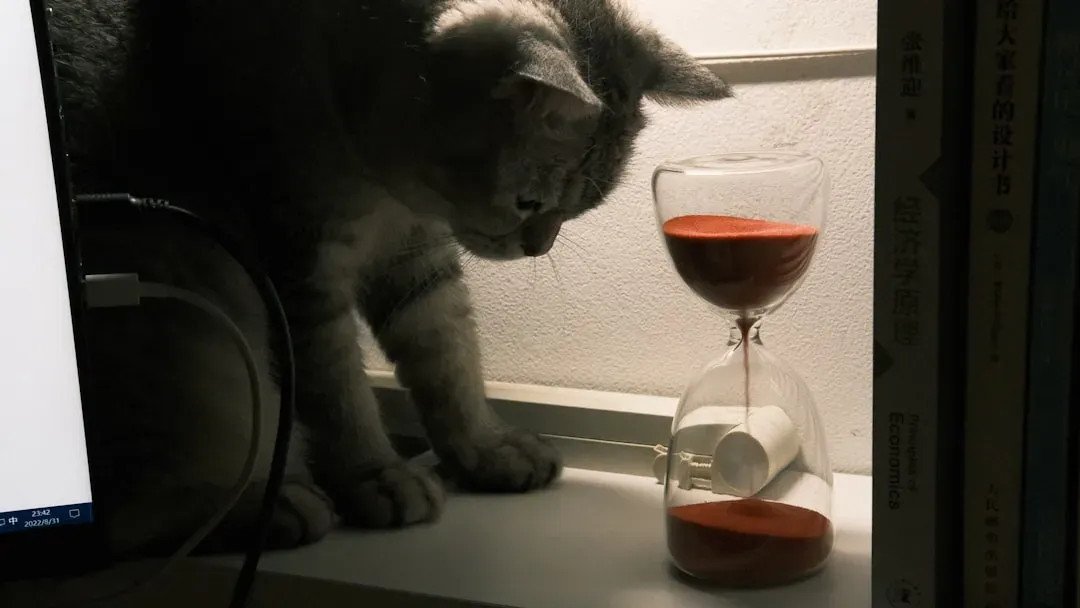
Cats have been known to learn how to open doors by watching their owners, demonstrating not only their ability to learn but also their capacity for problem-solving. Many cats quickly learn to manipulate these puzzles, showcasing their ability to understand cause and effect relationships. Your cat isn’t just randomly pawing at things. They’re conducting experiments and learning from results.
Contrary to popular belief, cats possess excellent long-term memory and can remember people, places, and experiences for extended periods. They’re capable of recognizing patterns and adapting their behavior based on past experiences. That’s why your cat knows exactly when you’re about to leave for work or when it’s dinner time, even without checking a clock. Their cognitive abilities are vastly underestimated by most people.
Potential Earthquake Detection Capabilities

The delicate skin of feline toe pads is packed with nerve endings, making them extra sensitive to textures, movements, and vibrations, and whiskers are attached to sensitive nerves, allowing them to pick up on the tiniest of vibrations. Animals can detect the ions created when the planet’s underground plates move and rub together, and the body surface of cats being quite a bit drier than a human’s makes felines more likely to pick up on electrostatic variances.
Reports showed that 18.7% of dog owners and 16.4% of cat owners observed unusual behaviors before earthquakes, with 44.6% of cats showing it immediately prior and 30.4% in the few hours before. While scientists debate whether this constitutes true prediction, there’s no denying that cats display unusual behavior before seismic events. Maybe your cat’s random three a.m. zoomies aren’t so random after all.
Conclusion: Living With A Four-Legged Marvel
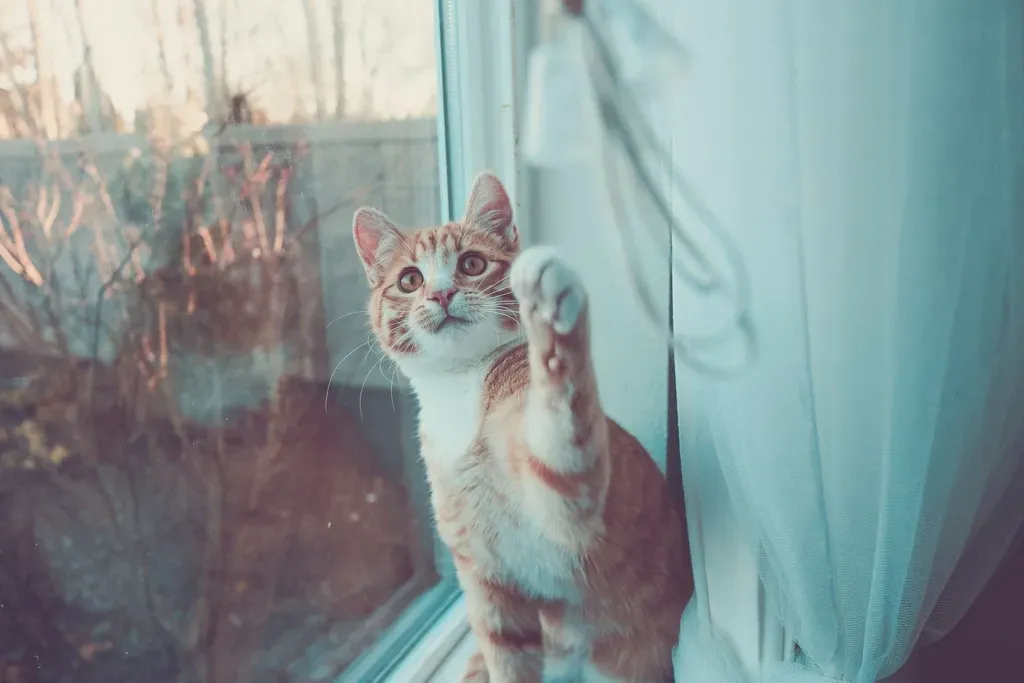
Your cat is far more than a cuddly companion who occasionally knocks things off tables. They’re living proof that evolution can create beings with abilities that seem almost supernatural. From detecting storms before they arrive to potentially sensing earthquakes, from seeing in near darkness to hearing sounds you’ll never perceive, cats possess a sensory toolkit that puts human capabilities to shame.
Next time your cat does something that seems strange or inexplicable, remember they’re experiencing the world in ways you literally cannot imagine. They’re operating with senses tuned to frequencies and stimuli completely invisible to you. Those peculiar behaviors aren’t random. They’re responses to information their extraordinary senses are constantly feeding them.
So the next time you catch yourself wondering what your cat is staring at or why they suddenly bolted from a room for no apparent reason, consider that they might be responding to something you simply can’t detect. Did you ever suspect your laid back house cat was hiding this many superpowers? What do you think about your feline friend now?
Kristina is a young writer from India. An arts graduate and an avid content creator, Kristina is passionate about animals and wildlife. She enjoys exploring topics related to pet care, animal behavior, conservation, and nature, combining thorough research with engaging storytelling.