Does Your Cat Understand More Human Words Than You Think?

You've probably had that moment. You're standing in your kitchen, calling out to Fluffy to come for dinner. Nothing. Complete silence except for the faint sound of purring coming from the couch. You call again, this time a little louder. Still nothing. Yet the second you crack open a can of tuna, your cat appears like magic, weaving between your legs with impressive urgency. Does your feline friend really not understand you, or is something else going on here? What if your cat actually comprehends far more than you've ever suspected?
Let's be real. Most of us have underestimated our cats at one point or another. While dogs get all the credit for being in tune with human communication, cats have been quietly observing us, picking up on our words, tones, and gestures in ways that might genuinely surprise you. Recent research has turned up some fascinating insights that challenge everything we thought we knew about feline intelligence and language comprehension.
Your Cat Knows Their Name
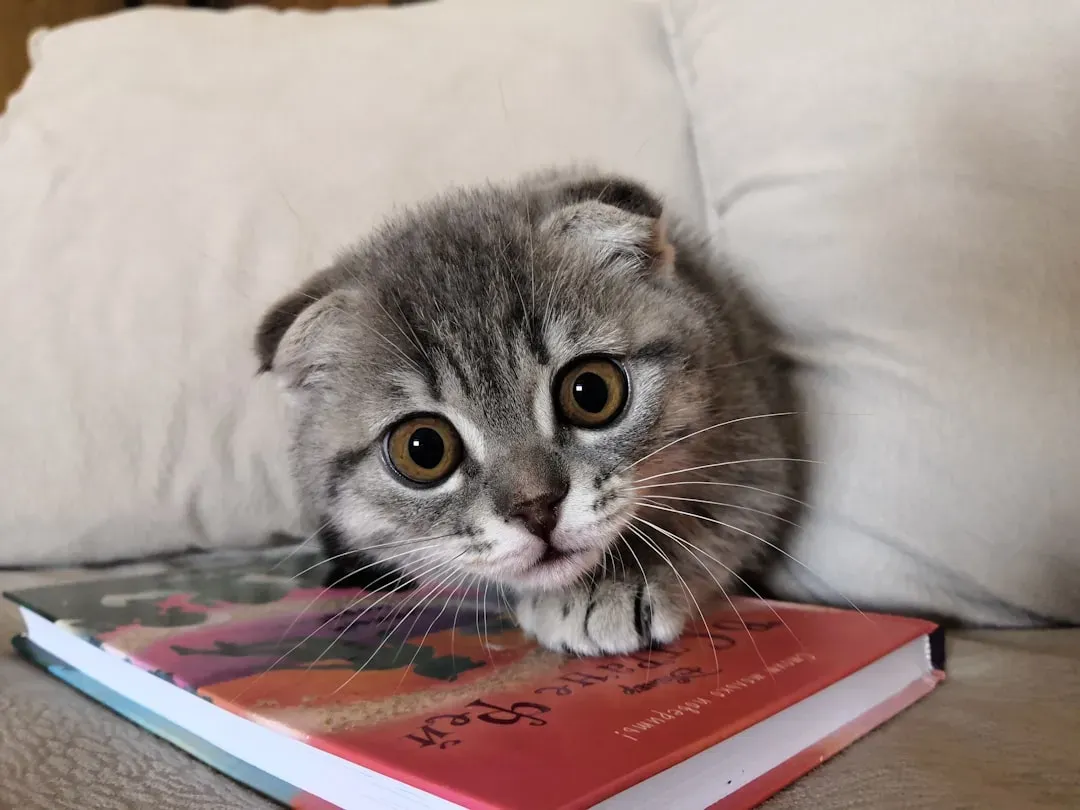
Research has proven that cats respond more strongly to their own names than to other words, showing orienting behavior like head and ear movements when they hear it. This holds true whether you're the one saying it or a complete stranger is calling out to them. Here's the twist though: your cat doesn't necessarily understand their name is a label for themselves the way humans do.
Instead, cats recognize their name as a sound that generally means something else will happen afterward. Think of it like a dinner bell. The name often results in a positive outcome, such as food or playtime. So when your cat hears their name, they're not thinking "Oh, that's me!" They're thinking "Something good is about to go down."
The Surprising Number of Words Cats Can Recognize

Cats understand around twenty to forty human words, and some might recognize up to fifty. That's honestly a lot more impressive than most people would guess. Many cats can learn around ten to fifteen cue words, though this number varies wildly depending on how much training and interaction they receive.
The words your cat picks up are typically the ones you repeat most frequently. The words that are repeated most frequently are the ones our cats are most likely to respond to. Words like "dinner," "treat," "no," and "outside" become part of your cat's working vocabulary over time. It's perhaps more appropriate to say that cats are able to associate and distinguish words rather than understand their meaning.
How Cats Actually Learn Words

Your cat isn't sitting there parsing grammar or trying to decode syntax. Cats learn to understand words through something called associative concept training. This means they connect specific sounds with specific outcomes, actions, or experiences. It's similar to how you might recognize a song from just the first few notes, even if you can't remember all the lyrics.
By using positive reinforcement such as treats, you can teach your cat to associate the sound of certain words with a specific activity. Repetition is key. Through using body language and different tones of voice, your cat will soon learn to associate certain words with outcomes, such as feeding or playtime. The more consistent you are, the faster your cat will learn.
Cats Can Learn Word Associations Faster Than Babies
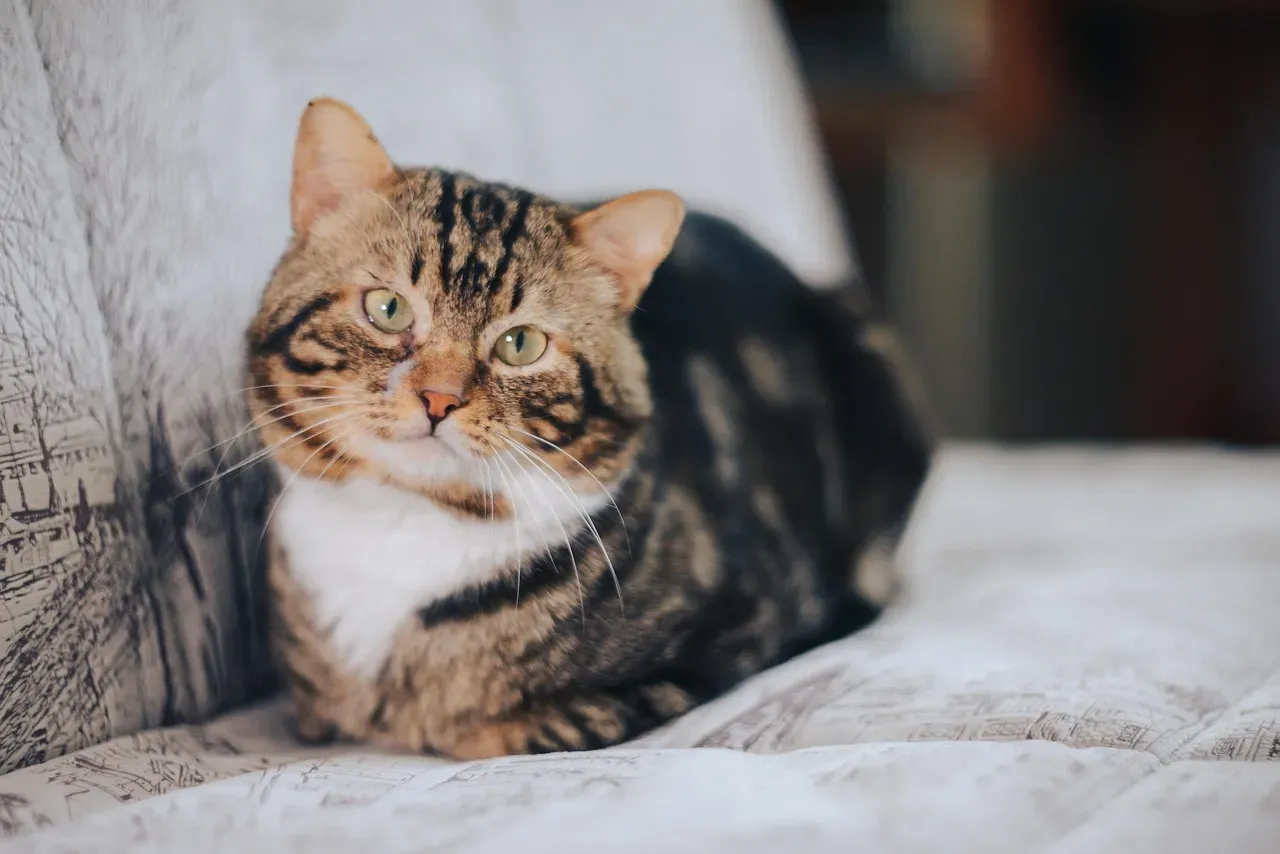
This one sounds wild, I know. In a 2024 study, cats spent an average of thirty three percent more time looking at the screen when hearing mismatches between words and images, a sign they had learned to associate the original words with images. The crazy part? Most cats habituated to the stimulus pairing after four trials, which means that they received only nine second exposures in two trials for each picture word pair.
Critically, cats appear to be learning these word associations without any training or clear promise of reward for doing so, the same way babies learn languages. The researchers used made up words like "keraru" and "parumo" paired with animated images, and the cats picked up the connections remarkably quickly. Your feline friend might just be a faster learner than you think.
Tone Matters More Than Actual Words
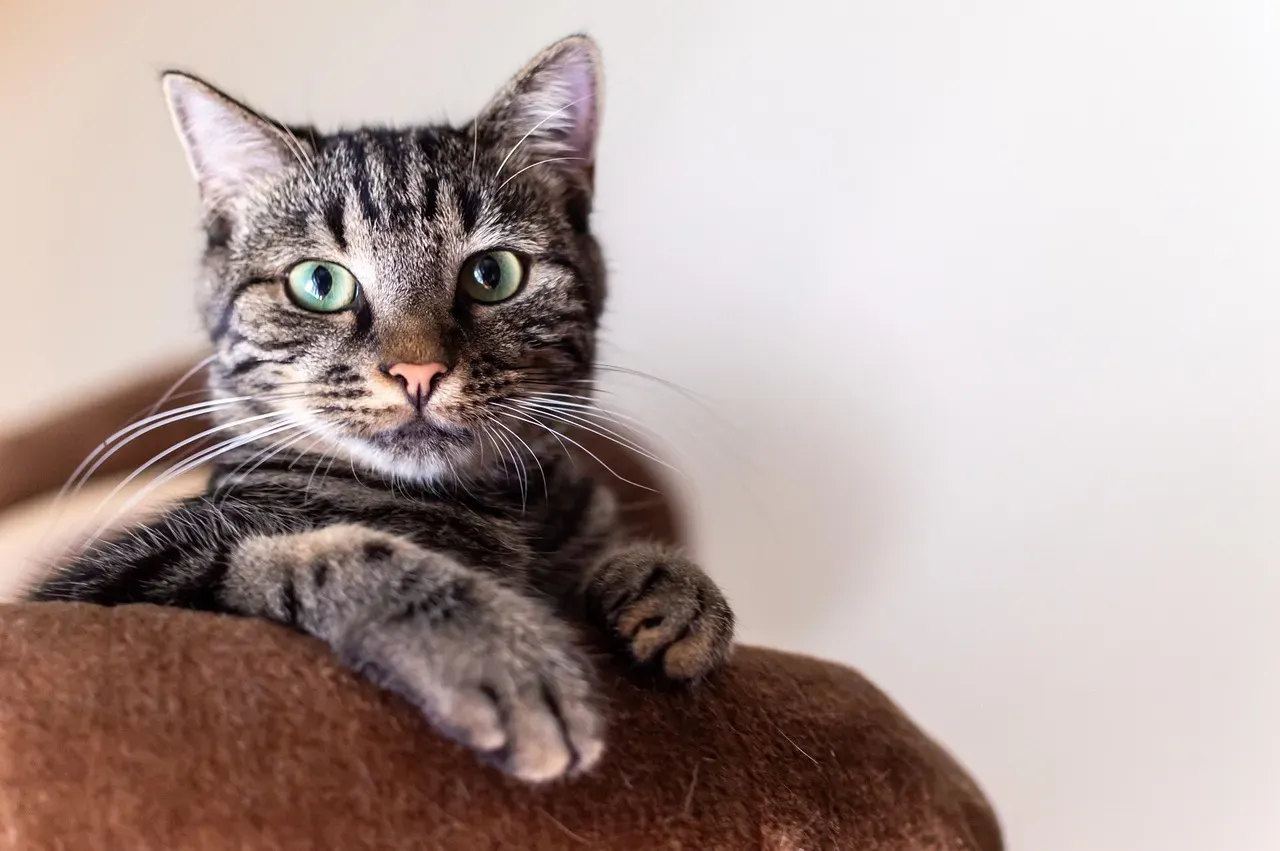
Ever notice how your cat reacts differently when you use a cheerful voice versus a stern one? That's no accident. Cats can understand the meaning of your tone. Cats can pick up the tone and emotion in our voices, where a calm and soothing voice can be comforting while a harsh or loud tone might be alarming.
Cats distinguish between words through tone of voice and body language rather than understanding the meaning of a word, and they hear our voices and pick up on our tone, different sounds, as well as the body language we use when we speak to them. You could theoretically say "bad cat" in a sweet, happy voice, and your cat would respond positively because they're reading the emotion behind your words, not the words themselves.
Why Your Cat Ignores You Sometimes
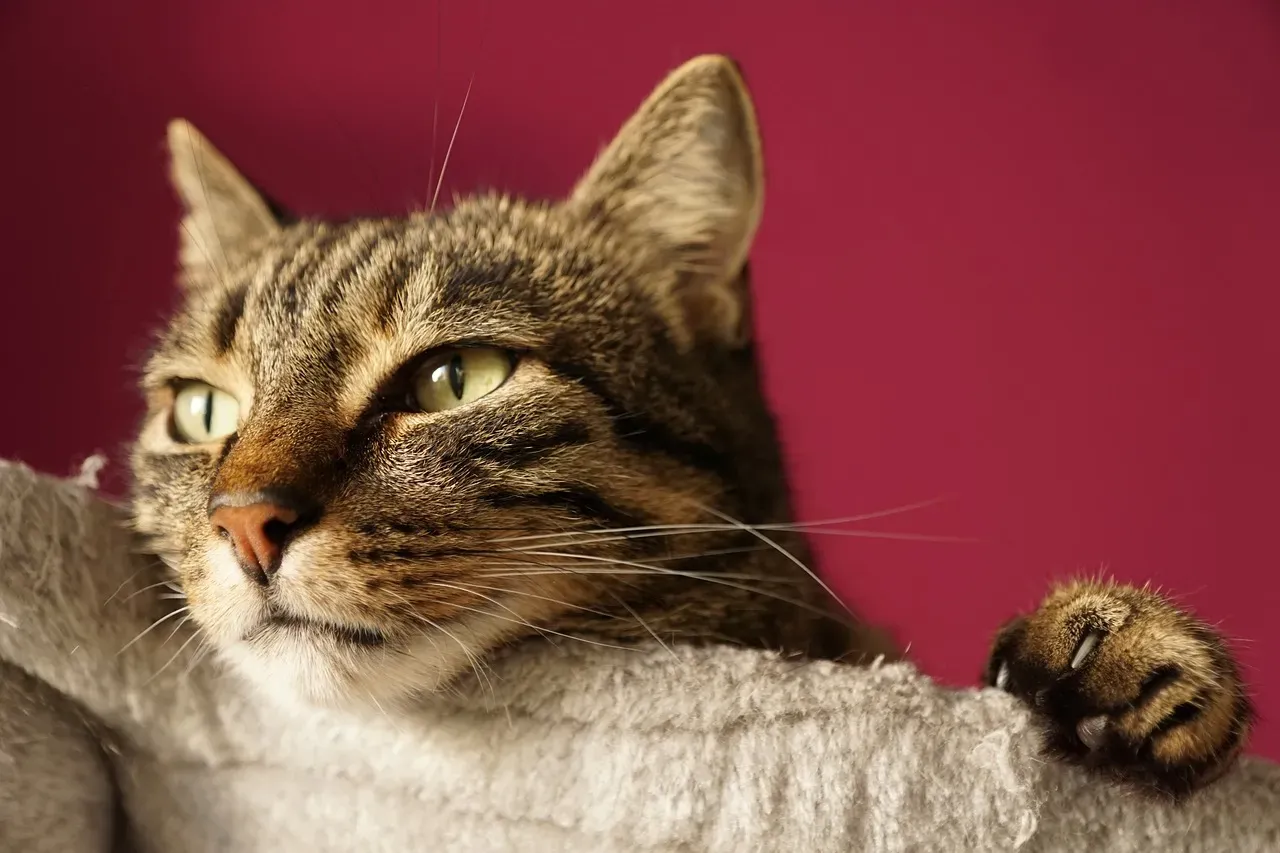
Your cat might ignore you when you call their name, but that doesn't mean they don't recognize it, as research and behavior experts agree that cats are aware of human communication but just tend to respond on their own terms. This independent streak is deeply rooted in feline evolution. Unlike dogs, cats have not been domesticated to obey humans' orders, and rather they seem to take the initiative in human cat interaction.
Honestly, this is part of what makes cats so fascinating. Cats are able to recognize and respond to human voices as well as gestures and expressions, well, only if they choose to, of course. Your cat understands you perfectly fine. They just might not care at that particular moment. It's not personal; it's just cat nature.
Cats Recognize More Than Just Words
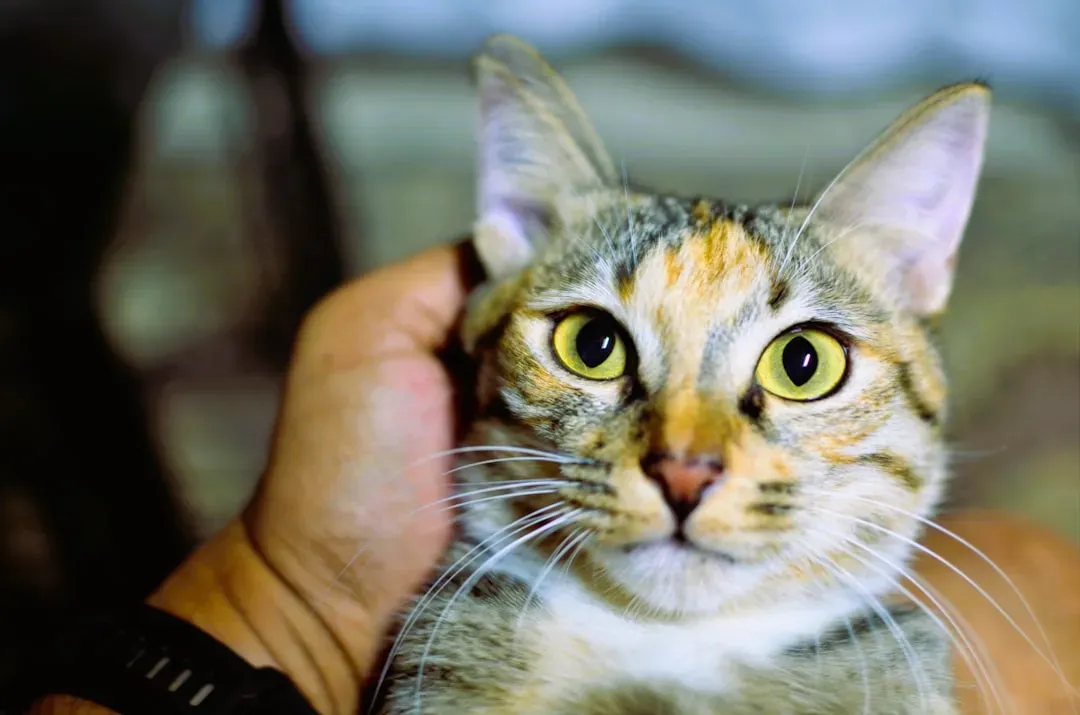
Cats can understand a lot about their owners based on emotions and facial expressions, as they recognize when their owners are angry, happy, or afraid, and will also change their behavior based on these observations. This emotional intelligence goes way beyond simple word recognition. Your cat is constantly reading your body language, facial expressions, and overall demeanor.
In unfamiliar or scary situations, cats look to their owners to check their humans' reactions before deciding how they will behave. Think about that for a second. Your cat is basically using you as an emotional barometer to gauge how they should respond to new situations. That requires a pretty sophisticated level of social awareness and communication comprehension.
Teaching Your Cat New Words

Unlike with dogs, there's no conclusive research to indicate the maximum number of words a cat could learn to recognize, but ultimately, the number of words you can teach your cat depends on how many cues you wish to use in daily life. The secret is consistency. Because cats learn words by associating a sound with an experience rather than by definition, there are really no rules about which words cats can and can't learn, and as long as you're consistent with your training, you can teach your cat a word for almost any activity.
Start with simple, single syllable words for best results. Keep training sessions short because cats have notoriously short attention spans for activities they're not immediately interested in. Training can strengthen communication and your bond with your cat. It's not just about obedience; it's about building a shared language between you and your feline companion.
What This Means for Your Relationship
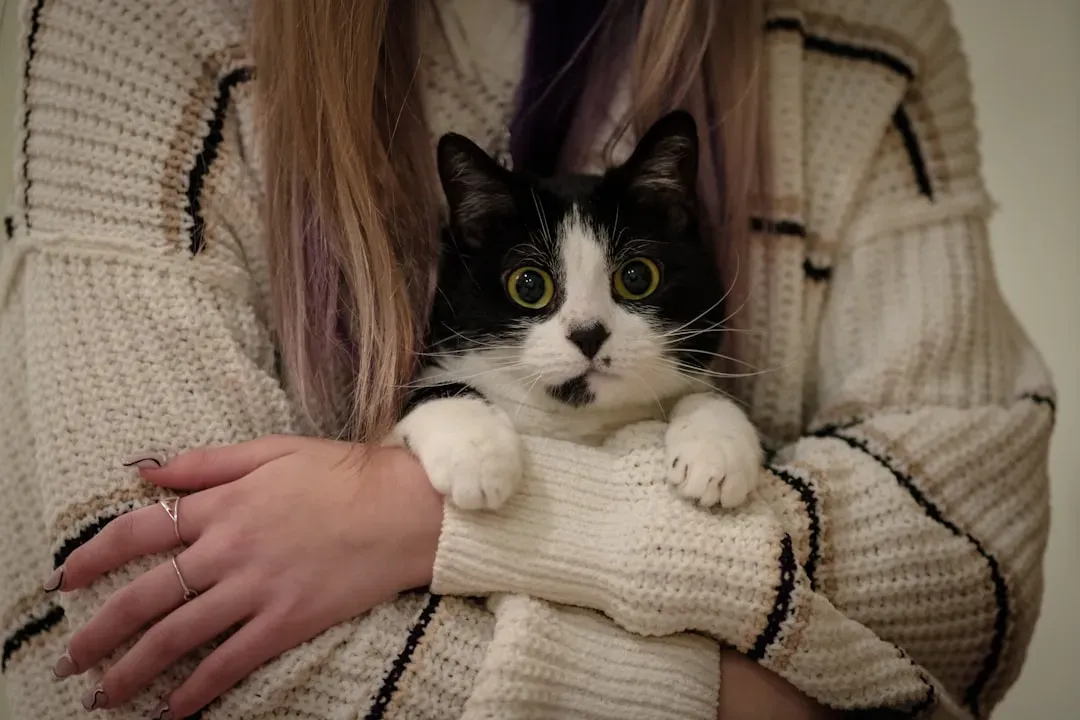
Cats pay attention to human speech and may understand the meaning of words, and it is possible that cats understand much of what humans say, just not react to it. Let that sink in. Your cat might be silently judging your entire conversation, understanding more than they let on, simply choosing not to acknowledge it. That's both impressive and slightly unsettling.
Speaking to your cat frequently is a bonding experience and should not be overlooked, and although we know that cats don't understand language in the same way we do, we do know that they respond positively to their owner's voices. Keep talking to your cat. They're listening, even when they pretend they're not. Cats pay attention to what we say in everyday life and try to understand us more than we realize.
So the next time your cat stares at you blankly when you're chatting away, remember they're probably comprehending more than you think. They've just mastered the art of selective acknowledgment. Your feline friend knows exactly what you're saying. They're just exercising their right to decide whether your words are worth their immediate attention. What do you think? Has your cat been secretly understanding you all along?