You’ve probably heard it a thousand times. That rumbling, gentle vibration when your cat curls up on your chest or settles beside you on the couch. It feels like contentment, like everything is right in the world, like your feline friend is simply saying they’re happy. Yet there’s something far more intricate happening beneath that soothing sound.
Your cat’s purr is actually one of the most complex and fascinating forms of communication in the animal kingdom. It’s not just a simple expression of joy. Cats purr in various situations, including when they’re injured or anxious, indicating that purring serves multiple purposes. Understanding what your cat is really telling you through that soft hum can transform how you care for them and deepen the bond you share. So let’s get started.
The Mechanical Marvel Behind the Sound
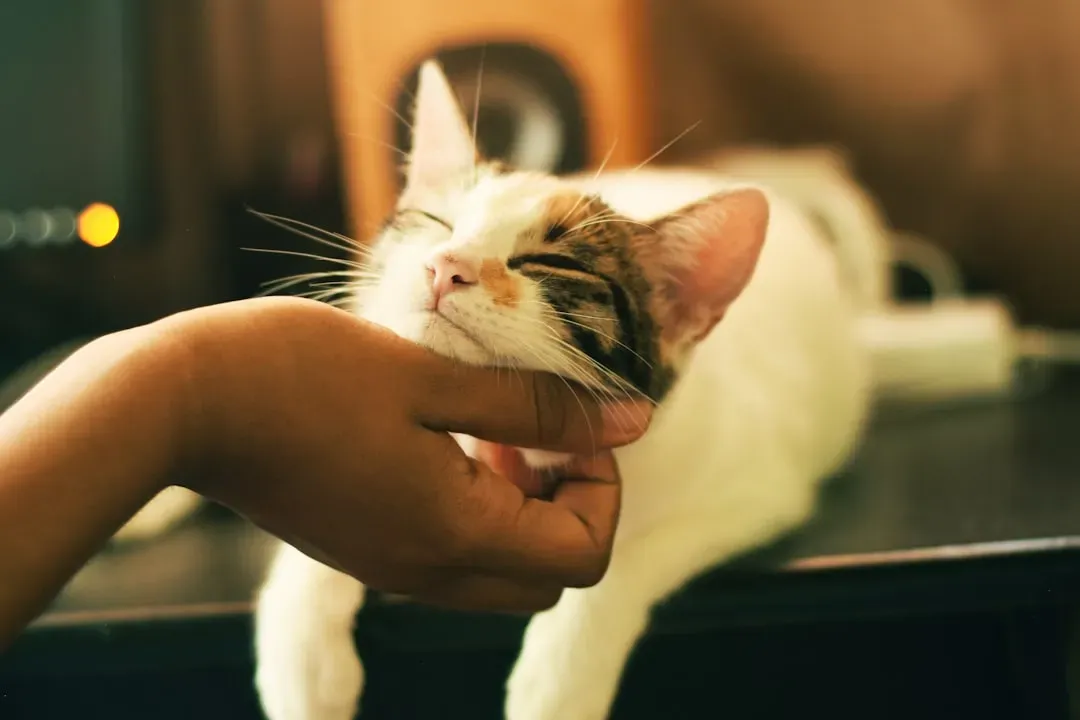
Ever wondered how your cat actually produces that distinctive rumbling noise? The answer is more fascinating than you might think. The mechanism behind purring involves the rapid contraction and relaxation of the cat’s laryngeal muscles, coupled with the movement of the diaphragm. This creates that characteristic sound you can often hear from across the room.
The purr is a soft buzzing sound, similar to a rolled ‘r’ in human speech, with a fundamental frequency of around 25 Hz, occurring with noticeable vibrations on the surface of the body during both inhalation and exhalation. What makes this even more interesting is that purring happens during the entire respiratory cycle. Unlike meowing, which only occurs when your cat breathes out, the purr continues steadily through both breathing in and out.
More Than Just Happiness
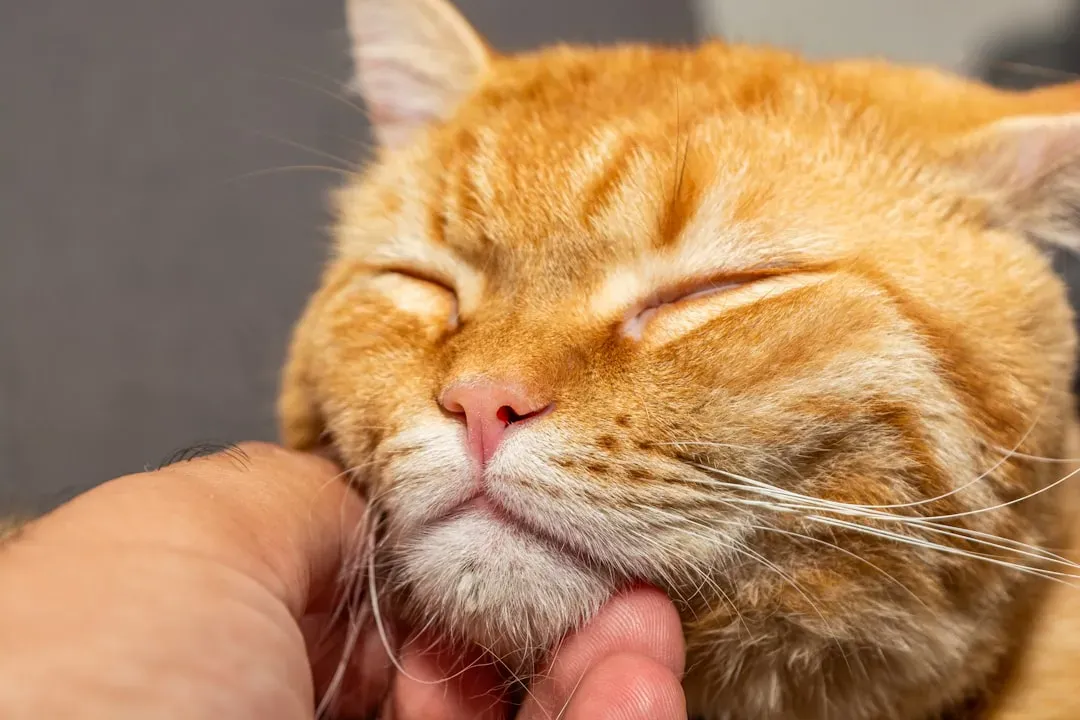
Purring is a rhythmic sound often associated with contentment or relaxation, but its significance extends beyond simple pleasure. This is where things get really interesting. While you might instinctively believe your cat is always happy when they purr, the reality is far more nuanced.
Cats may purr when they are frightened, anxious, or in pain, and this type of purring is believed to be a self-soothing mechanism. Think of it like a person humming to calm themselves during a stressful moment. Your cat might be purring at the veterinarian’s office not because they’re enjoying the experience, but because they’re trying to comfort themselves through a difficult situation. Context matters enormously when you’re trying to decode what your furry companion is telling you.
The Healing Frequency Within
Here’s something that sounds almost too remarkable to be true. Most cats purr at a frequency between 25 and 150 Hertz, which is interestingly the same frequency range known to promote healing and reduce pain in humans and animals. This isn’t just random chance.
The frequency of cat purrs has been shown to promote tissue regeneration, reduce inflammation, and aid in healing, while purring frequencies between 25-150 Hz may promote healing and provide pain relief as a self-soothing mechanism. Some studies suggest that the low-frequency vibrations of a purr can aid in healing bones, reduce swelling, and even help with breathing, making cats remarkable healers who may recover more efficiently from injury or illness. It’s almost as if your cat has an internal physical therapy device built right into their body.
A Language Between Mother and Kitten
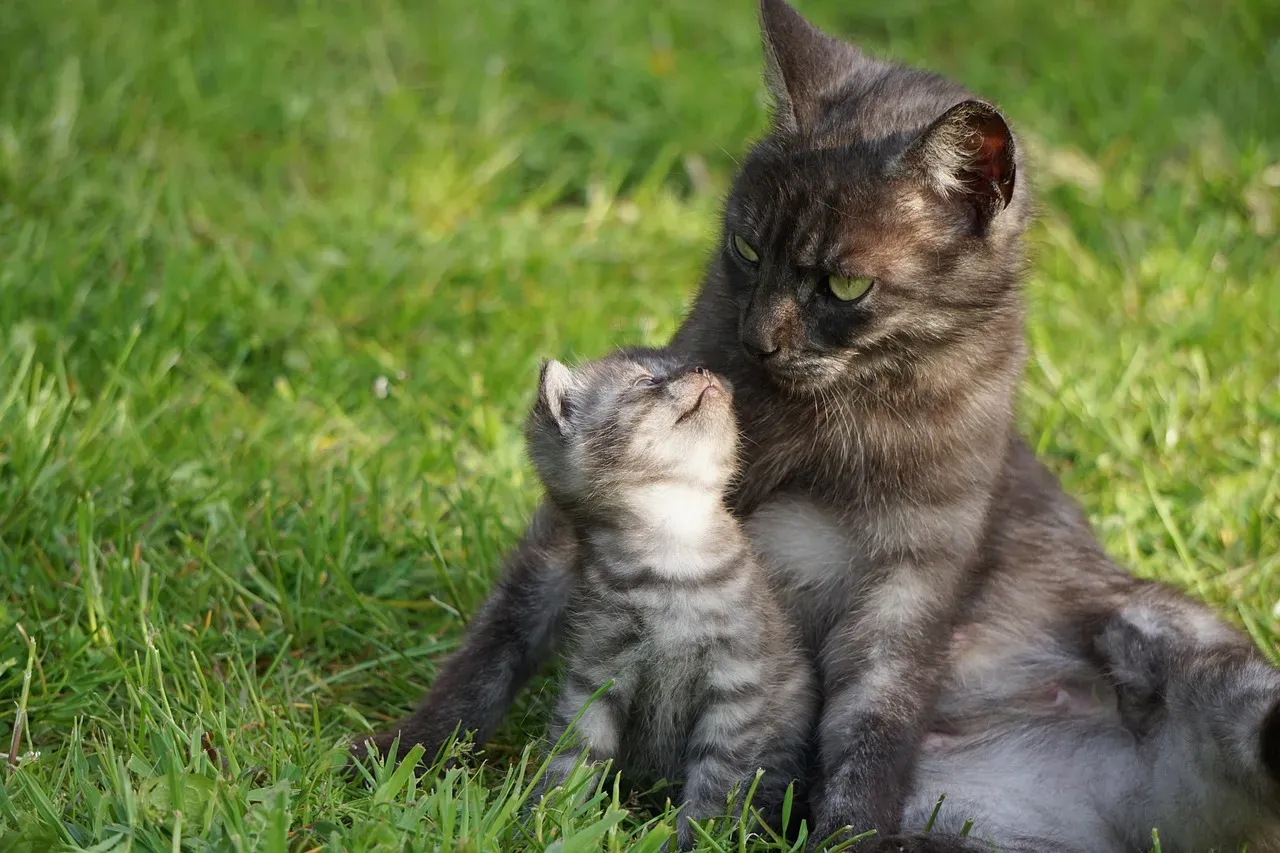
Mother cats and kittens use purring to communicate from the very beginning, with kittens able to purr as early as two days old, helping mothers locate them and bond during nursing. This is one of the earliest forms of communication your cat ever learns.
A mother cat may constantly purr while attending to her kittens, creating a strong sense of love, care, and security that comforts the young ones, with the purr creating vibrations that the kittens can feel even before they can see or hear. That rumbling sensation becomes associated with safety and warmth from the very first days of life. Honestly, it’s one of nature’s most beautiful forms of bonding.
The Solicitation Purr That Gets Your Attention
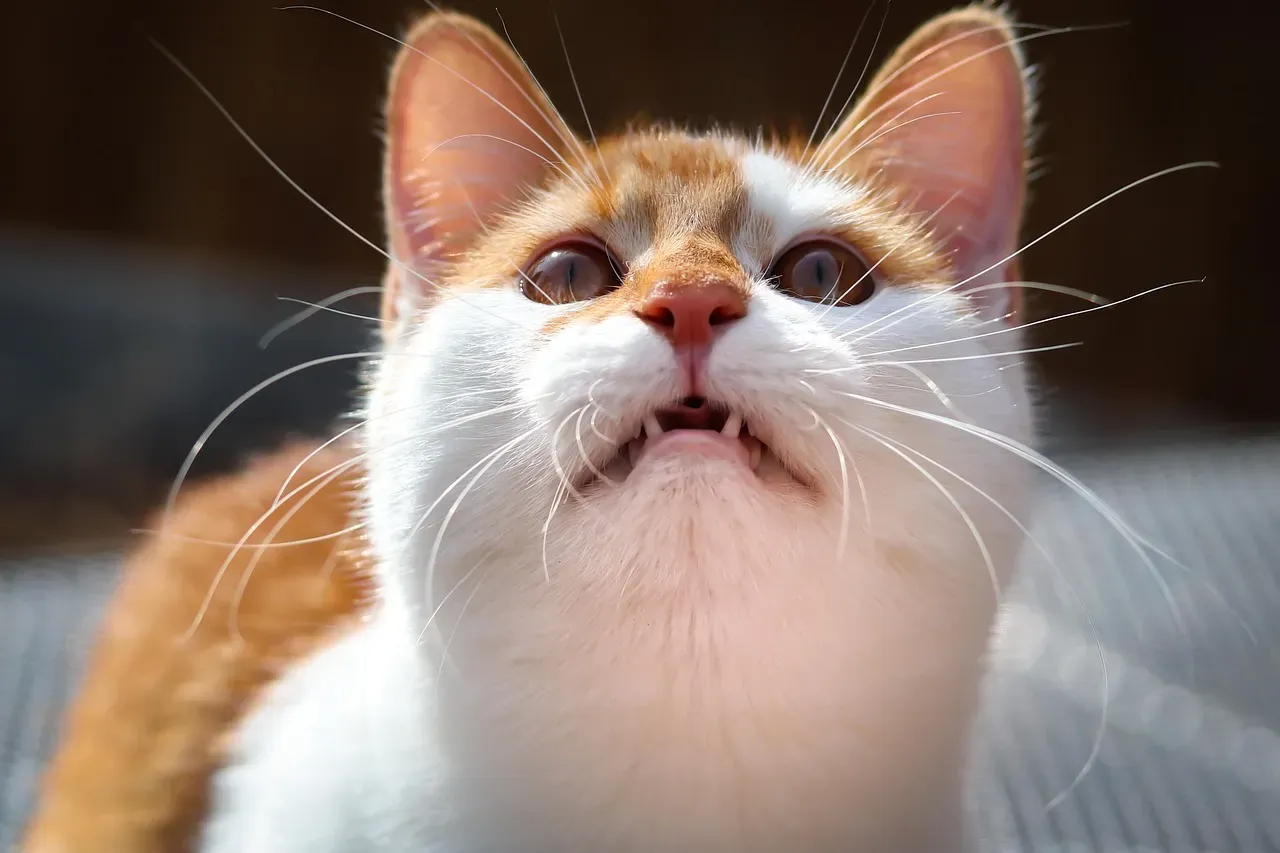
Your cat might be smarter than you realize when it comes to getting what they want. Cats have a special purr called the ‘solicitation purr,’ a blend of purring and meowing used when they want attention, particularly during mealtime, serving as a way to communicate with us much like how babies’ cries attract parental attention.
Let’s be real, you’ve probably noticed this. When your cat wants breakfast or is begging for treats, the purr sounds slightly different. When cats purr for food, they combine their normal purr with an unpleasant cry or mew, a bit like a human baby’s cry, and experts believe that we’re more likely to respond to this sound. Your cat has essentially learned to manipulate your parental instincts. Clever, right?
Building Bonds Across Species
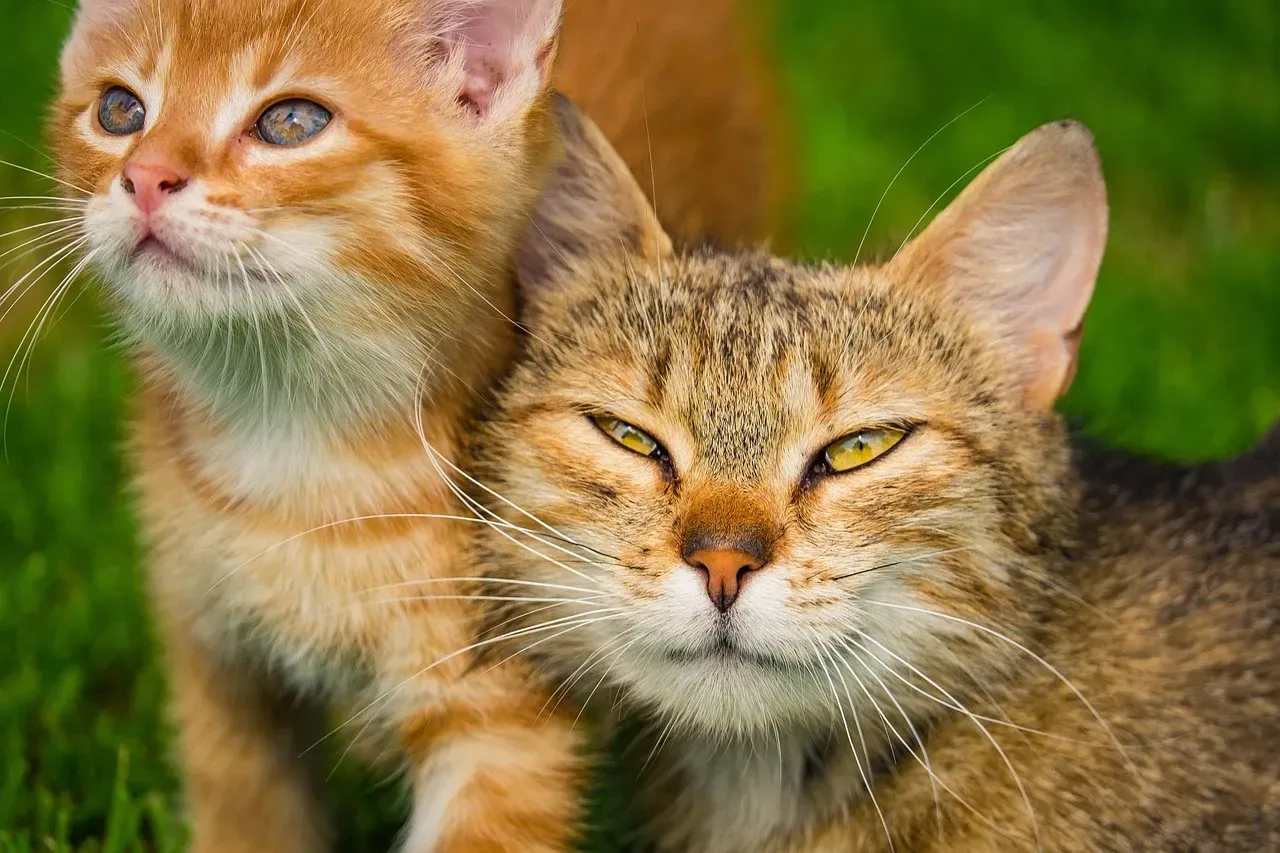
Cats also purr when they are in the company of other cats, signalling a sense of relaxation and camaraderie, establishing and maintaining social bonds within their feline communities. Yet this behavior extends far beyond cat-to-cat interaction.
Purring often strengthens the bond between a cat and their human, serving as a non-verbal way of communicating trust and affection, with mother cats and kittens purring to comfort one another, and this behavior carrying into adulthood as a social tool that cats use to express safety and connection. When your cat purrs while sitting with you, they’re not just happy. They’re actively reinforcing your relationship, telling you that you’re part of their trusted inner circle.
The Physical Benefits for Humans
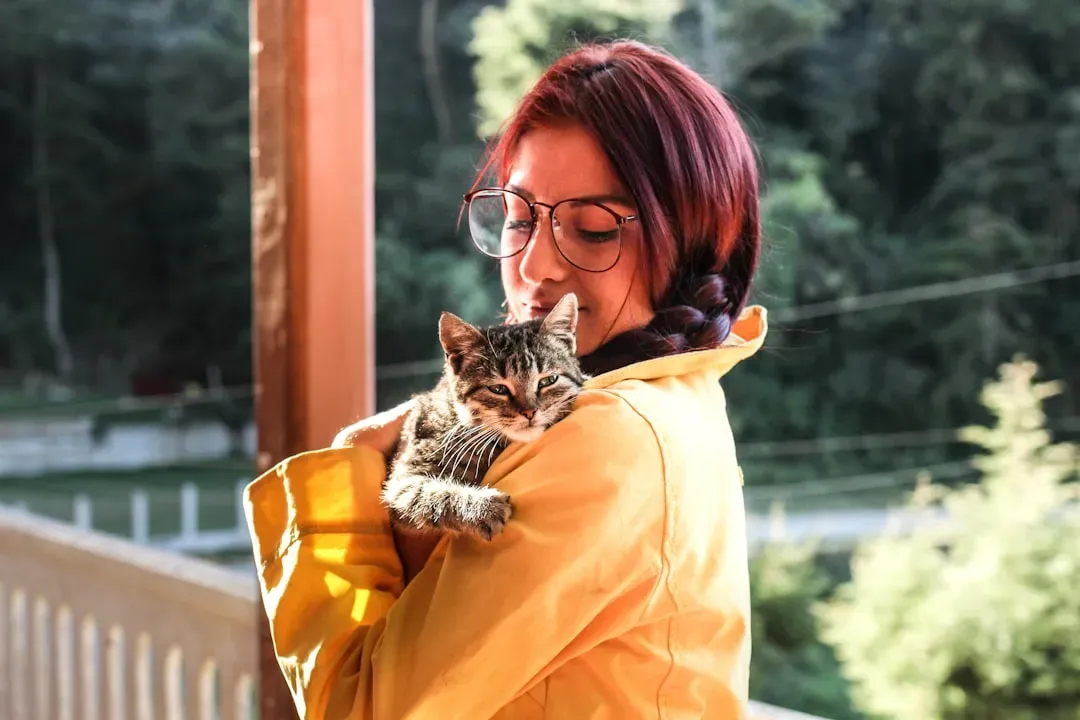
Petting a cat or listening to their purring triggers the release of oxytocin, a hormone that promotes happiness and reduces stress, while lowering cortisol levels and helping alleviate pain, with many people experiencing a decrease in heart rate and blood pressure. These aren’t just small changes either.
A 2008 study at the University of Minnesota showed that cat owners have a 40% reduced risk of heart attacks. Think about that for a moment. Simply living with a purring cat might significantly improve your cardiovascular health. The low-frequency vibrations of a cat’s purring are often used in sound therapy, helping reduce inflammation, improve circulation and stimulate the healing of damaged tissues, while promoting bone cell regeneration and increasing bone density.
Decoding Your Cat’s Emotional State
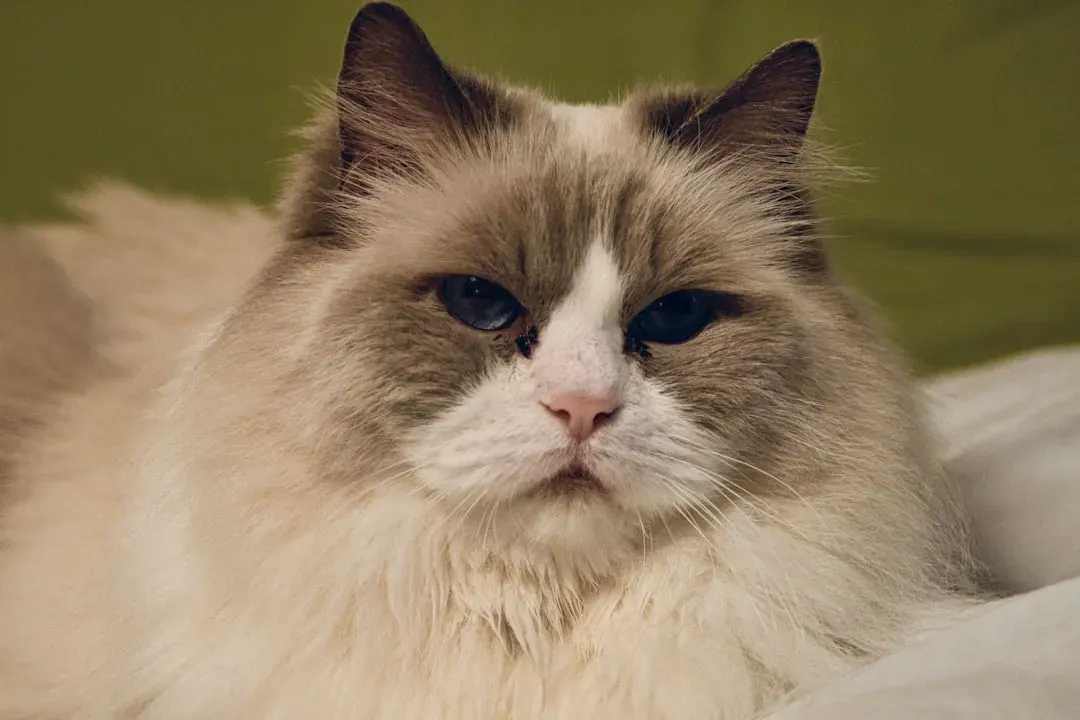
Understanding the context in which a cat purrs is crucial for interpreting its meaning accurately, with paying attention to other cues such as body language and vocalizations providing further insight into the cat’s emotional state. Here’s the thing: you need to become a detective.
Stress-related purring often comes with other signs of discomfort or anxiety, including a tense body posture, flattened ears, rapid breathing, or avoiding eye contact. If your cat is purring but also hiding, refusing to eat, or showing unusual behaviors, they might be trying to comfort themselves during discomfort. The volume of your cat’s purr can often indicate the intensity of the situation and their emotions. A louder, more insistent purr might signal a greater need for attention or help.
A Symphony With Purpose
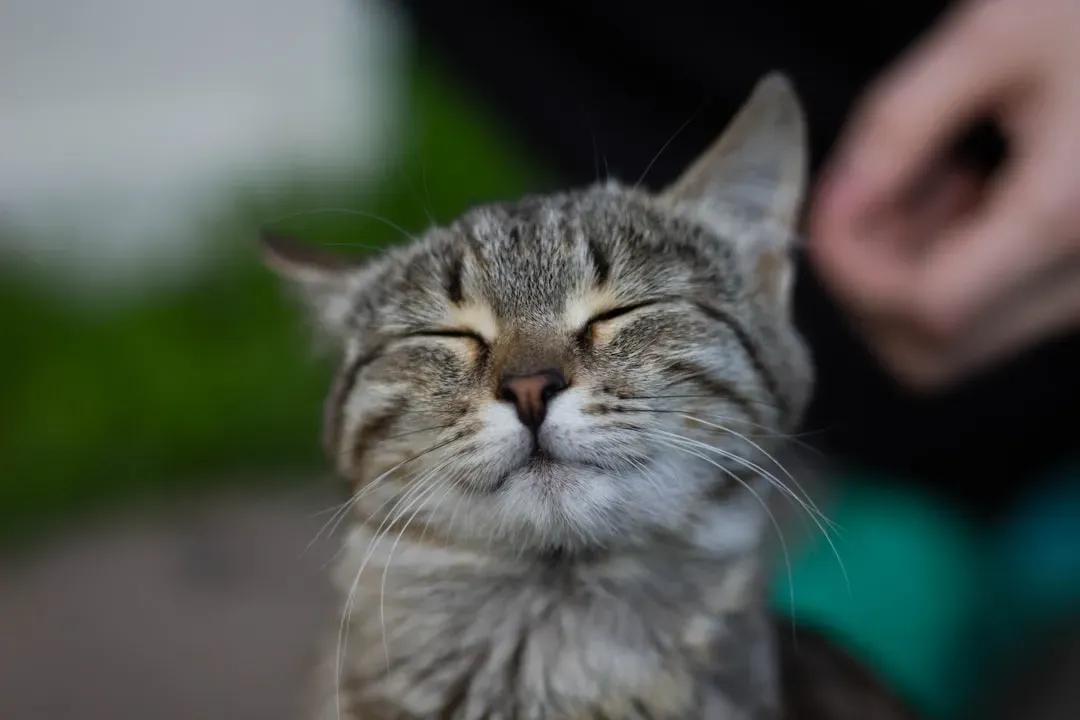
Hidden in what seems to the ear as a single sound or frequency is actually multiple frequencies representing multiple sounds, a veritable symphony of sound with a single overall purpose: to promote a healthier life. Your cat isn’t just making noise. They’re creating something far more sophisticated.
Being multi-frequency, the cat’s purr accelerates the healing of bones, reduces pain, and relaxes muscles. Purring serves as a means of connection, communication, and even self-comfort from kitten days to adult lives, providing a unique glimpse into the hidden world of cats and showcasing their ability to bridge the gap between humans and themselves through sound and emotion. What seemed like a simple expression of contentment is actually one of nature’s most elegant multitool solutions.
Conclusion: Listening With New Understanding
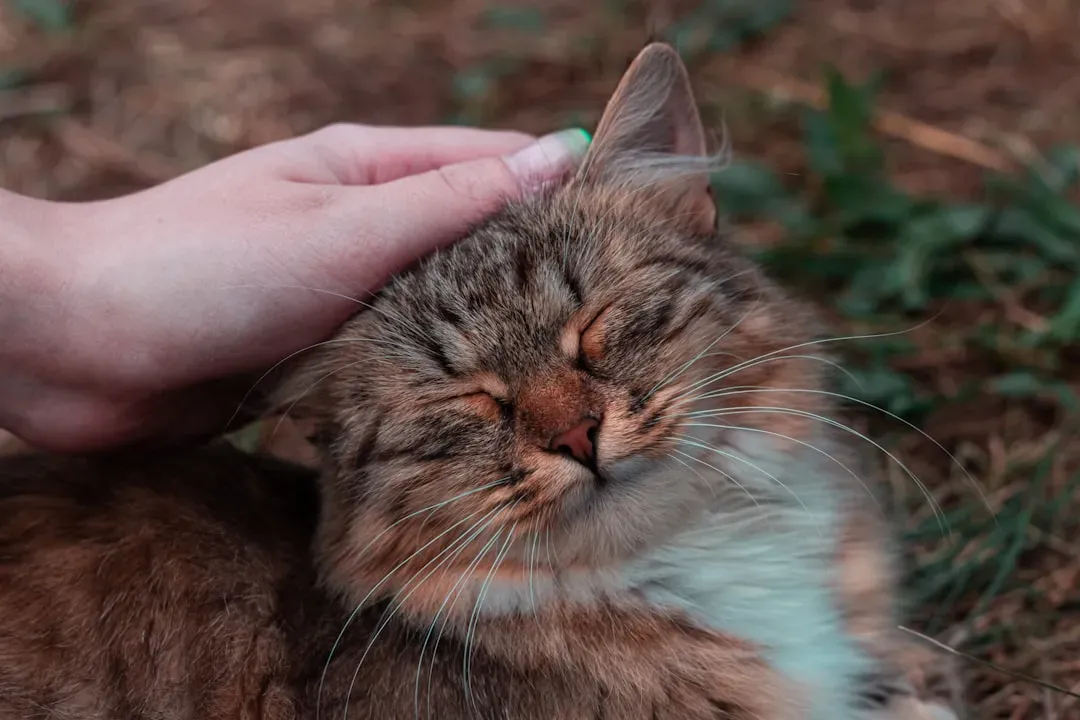
Your cat’s purr is far more than background noise during lazy afternoons. It’s a complex language expressing everything from deep contentment to distress, a self-healing mechanism that operates on frequencies science is only beginning to fully understand, and a bridge connecting you to your feline companion in ways you might never have imagined.
The next time your cat settles beside you and begins to purr, take a moment to really listen. Notice their body language, the context of the situation, and the quality of the sound itself. You might be hearing a request for breakfast, a signal of comfort, or even your cat’s way of healing themselves from the day’s minor aches. That gentle rumble contains layers of meaning waiting to be understood.
What fascinates you most about your cat’s purr? Have you noticed different types of purring in different situations? Pay attention, and you might discover an entire conversation you’ve been missing all along.
Kristina is a young writer from India. An arts graduate and an avid content creator, Kristina is passionate about animals and wildlife. She enjoys exploring topics related to pet care, animal behavior, conservation, and nature, combining thorough research with engaging storytelling.