Your Cat's Daily Nap is a Highly Strategic Energy Reserve
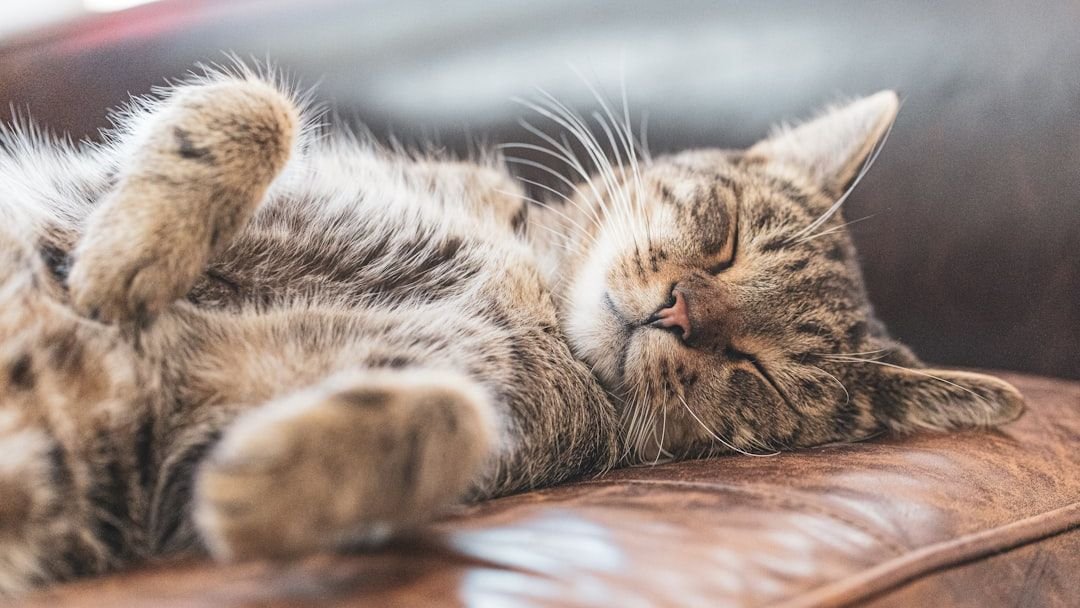
You've probably watched your cat sprawled across a sunny windowsill at two in the afternoon, looking utterly lifeless except for the occasional flick of an ear. Maybe you've wondered if they're just being lazy. Spoiler alert: they're not.
Your feline companion sleeps between twelve and sixteen hours a day on average, which might seem excessive when you're lucky to get seven. Yet this marathon of snoozing isn't just about comfort. There's something much more calculated happening behind those half-closed eyes.
The Ancient Blueprint Still Running Your Modern Cat
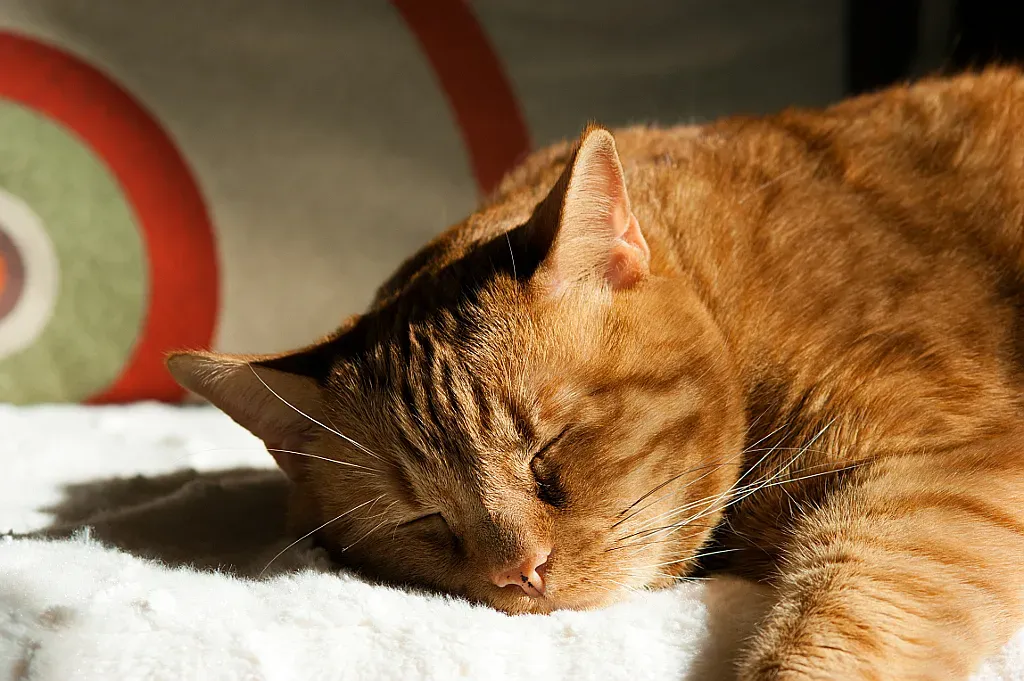
Wild cats, the ancestors of domestic felines, were skilled predators who relied on bursts of energy to hunt their prey, requiring immense physical exertion and mental focus. These hunting expeditions left them needing serious downtime to recharge. Your cat, lounging on the couch, isn't hunting wildebeest, true. Yet their sleeping patterns remained deeply ingrained in their DNA, and even modern cats still possess the innate instinct to conserve energy through snoozing.
This energy-conservation strategy has carried over into the domestic cats we know today. Even though your tabby gets food served in a ceramic bowl twice daily, their body doesn't know that. They're still wired like a stealthy predator preparing for the next big hunt, whether that hunt involves an actual mouse or just a rogue dust bunny under the fridge.
Not All Sleep is Created Equal
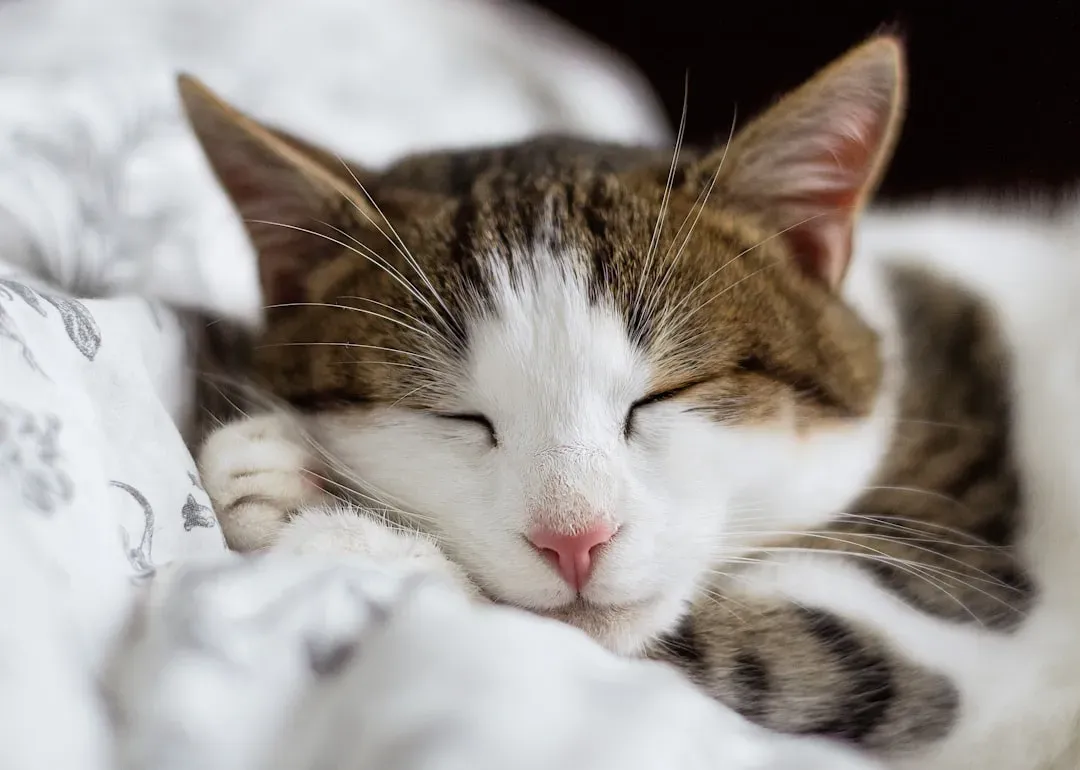
Here's the thing: your cat isn't in a deep coma for sixteen hours straight. Cats take frequent catnaps that last roughly fifteen to thirty minutes, allowing them to rest without falling into deep sleep. These brief intervals keep them ready to spring into action at any moment. Think of it like keeping one foot on the brake while the engine idles.
About three-quarters of a cat's sleep time is spent in light sleep, while the remaining one-quarter is dedicated to deep sleep. During that lighter phase, cats can relax while still being aware of their environment, with eyes partially open or ears moving in response to sounds. It's honestly impressive when you think about it. They've mastered the art of resting while still keeping tabs on everything around them.
The Predator's Schedule Doesn't Follow Yours
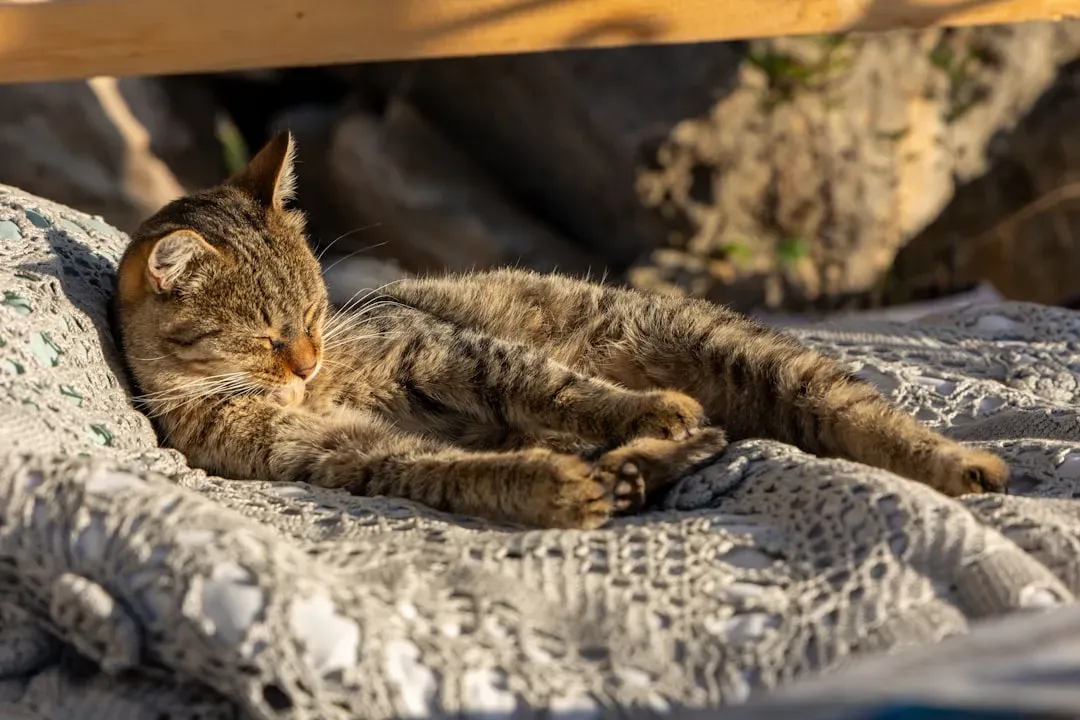
Cats are crepuscular animals, meaning they're most active at dawn and dusk. This isn't random quirkiness. Cats are most active during these twilight hours when their prey is also more active. So when you're crawling into bed at ten p.m., your cat is just getting warmed up for prime hunting time.
Unlike humans, who are prone to sleep at night and wake during the day, cats have a crepuscular cycle, with their bodies naturally awake and alert around sunrise and sunset. This explains why you sometimes wake up at five a.m. to a furry paw tapping your face. Your cat isn't being annoying on purpose. Their internal clock is just telling them it's go-time, and you happen to be a warm, semi-responsive object in their territory.
The Hunt Uses More Energy Than You'd Think
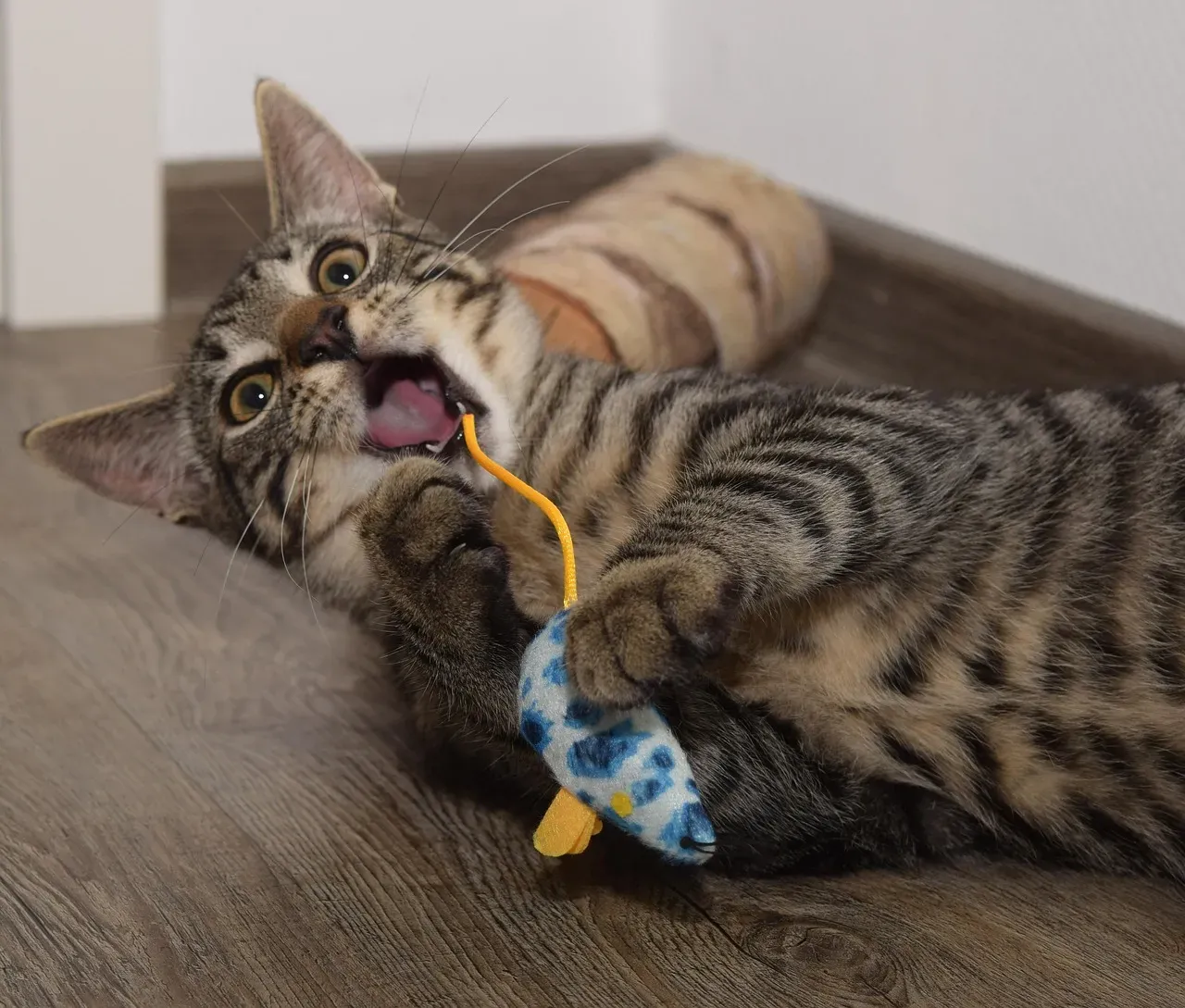
Even when your indoor cat is "hunting" a feather toy, they're burning through energy reserves at an alarming rate. Domestic cats employ energy intensive techniques like stalking, pouncing, chasing and climbing, staying on alert throughout their hunt using high levels of adrenaline to keep their body fueled. That short burst of activity? It's exhausting.
Cats use a lot of energy when they hunt, play, or explore, so it makes sense that they need to conserve energy by sleeping more, waking up ready to tackle whatever activity they want. It's essentially their biological insurance policy. Sleep hard now so you can pounce harder later. This might be why your cat tears around the apartment like a maniac at midnight and then passes out for hours immediately afterward.
Catnaps Are Tactical Power-Ups
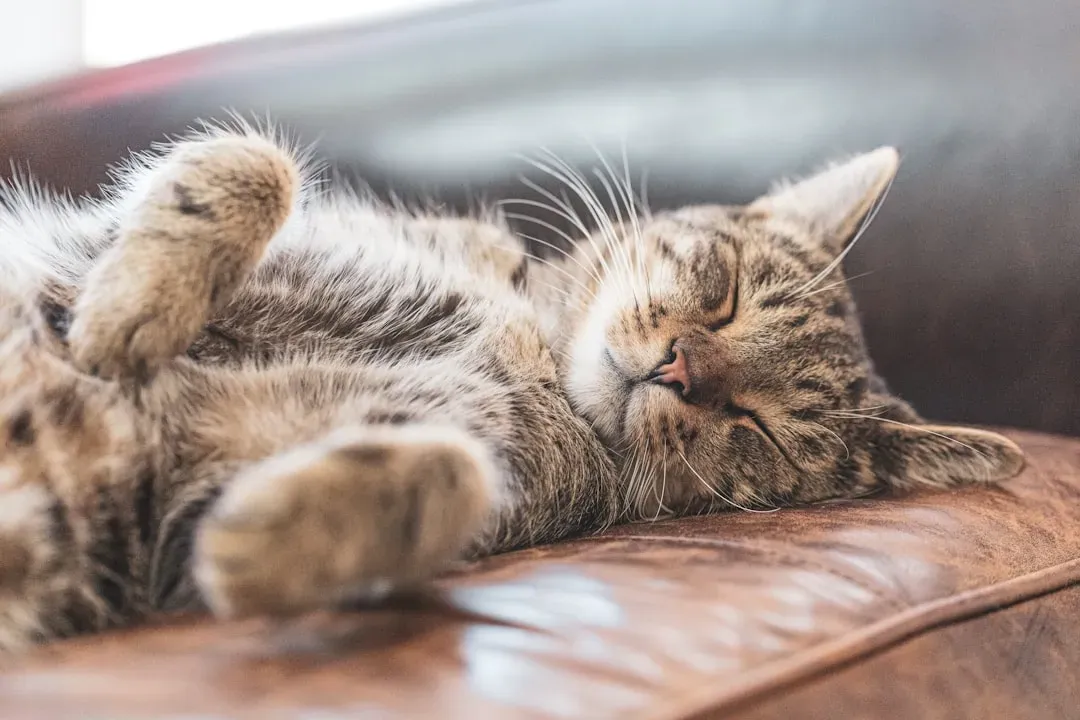
Let's be real: the term "catnap" didn't come from nowhere. The truth about catnapping is this twilight state of resting and awareness, which is an important part of their unique sleep pattern. Your cat can be technically asleep but still monitoring the environment. They don't have to be fully conscious to track what's happening around them.
These catnaps allow felines to still react quickly to potential threats in their environment. So even when your cat looks completely out of it, curled up in a bread loaf position on your laptop, part of their brain is still running surveillance. It's like they're on standby mode rather than fully powered down. Honestly, I think that's why they always seem to wake up the second you open a can of tuna three rooms away.
Age Changes the Sleep Game
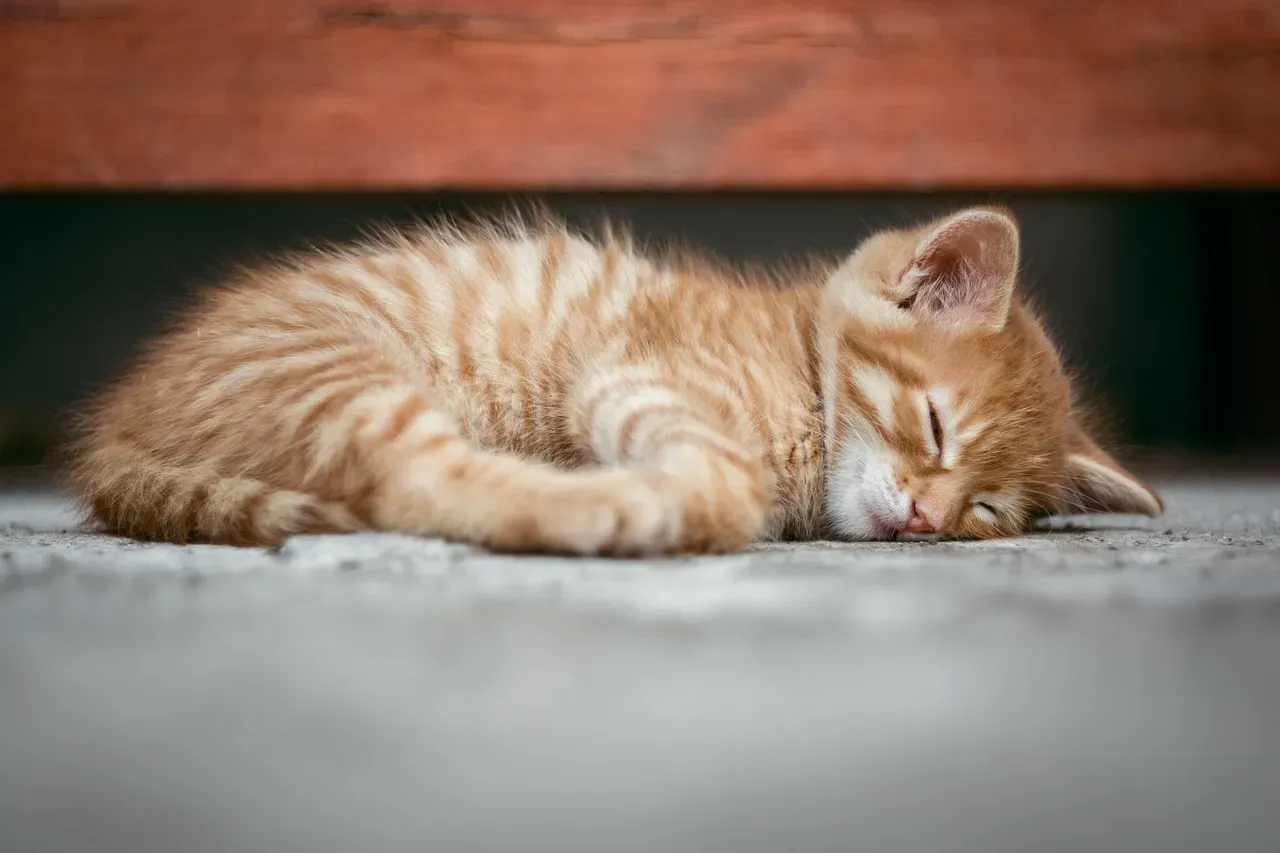
Kittens sleep upwards of twenty hours a day, and this extensive sleep is important for their development, as growth hormones are released during sleep. Those tiny furballs are basically sleeping their way into adulthood. Their brains and bodies are under construction, and sleep is when the heavy lifting happens.
Senior cats often revert to longer sleeping periods, much like kittens, due to decreased overall energy levels and the need for more rest to recuperate. Older cats might also be dealing with joint pain or other health issues that make rest more appealing. If you notice your aging cat snoozing more than usual, it's likely just their body telling them to take it easy. Still, drastic changes are worth mentioning to your vet.
REM Sleep and the Mystery of Cat Dreams
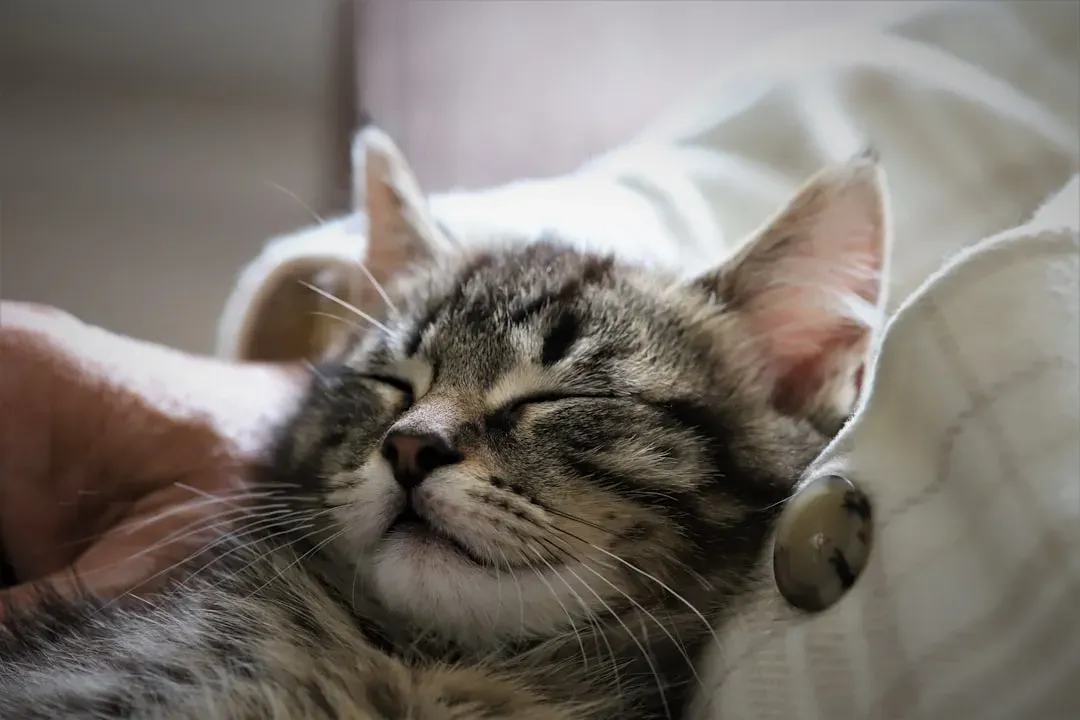
Cats experience both REM and NREM sleep, and similar to humans, cats dream during REM sleep, while NREM sleep allows their bodies to recharge and conserve energy. When you see your cat twitching, paddling their paws, or making those adorable little chirping sounds while asleep, they're probably deep in REM. What are they dreaming about? We can only guess. Maybe they're chasing infinite mice or knocking imaginary objects off equally imaginary tables.
REM sleep is when humans dream and the same is theorized for cats, although we can only guess about their dream content, and this phase lasts only about five to seven minutes. It's a brief but apparently essential part of their rest cycle, helping their brains process the day's events and file away important survival information, like where you keep the treats.
Boredom and Sleep Are Uncomfortably Connected
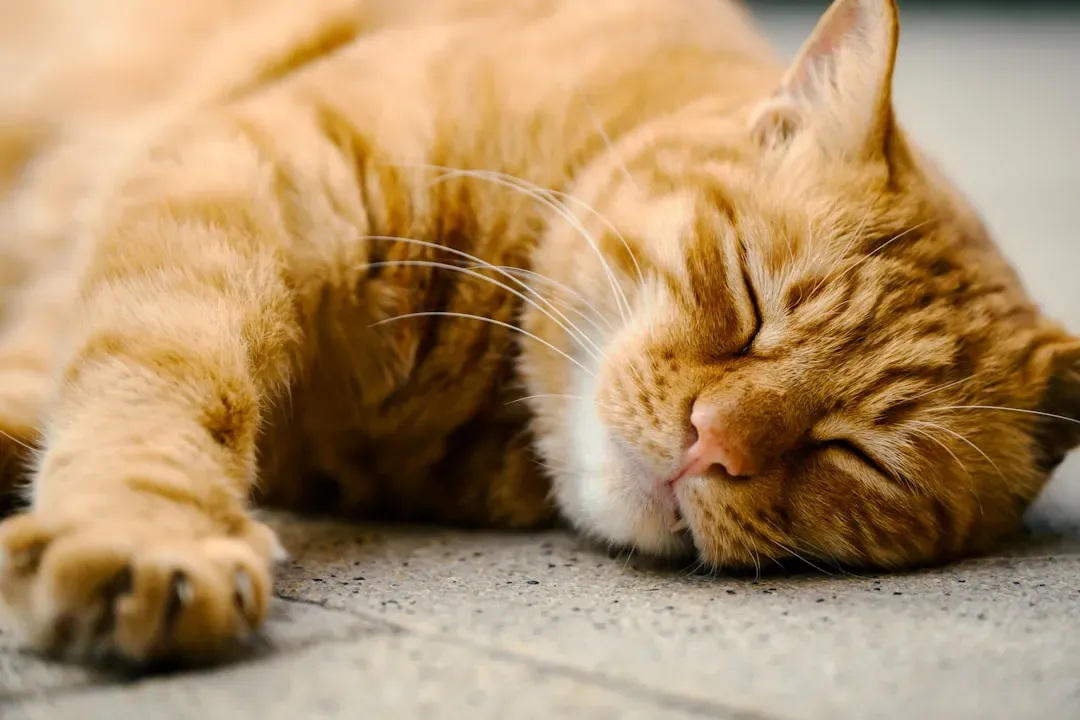
Cats who lack mental stimulation often become lethargic and sleepy as a way of filling the time. If your cat seems to sleep more than the average and they're otherwise healthy, they might just be bored out of their minds. Indoor cats especially need enrichment: puzzle feeders, interactive toys, climbing structures, anything to keep their brains engaged.
House cats are all hardwired to the same internal clock, and they also sleep when they are bored. It's their default setting when nothing interesting is happening. Think of it as their version of scrolling through your phone for the fiftieth time today. You're not tired, just unoccupied. Your cat feels the same way, except their solution is to zonk out instead of doom-scrolling.
When Sleep Becomes a Red Flag
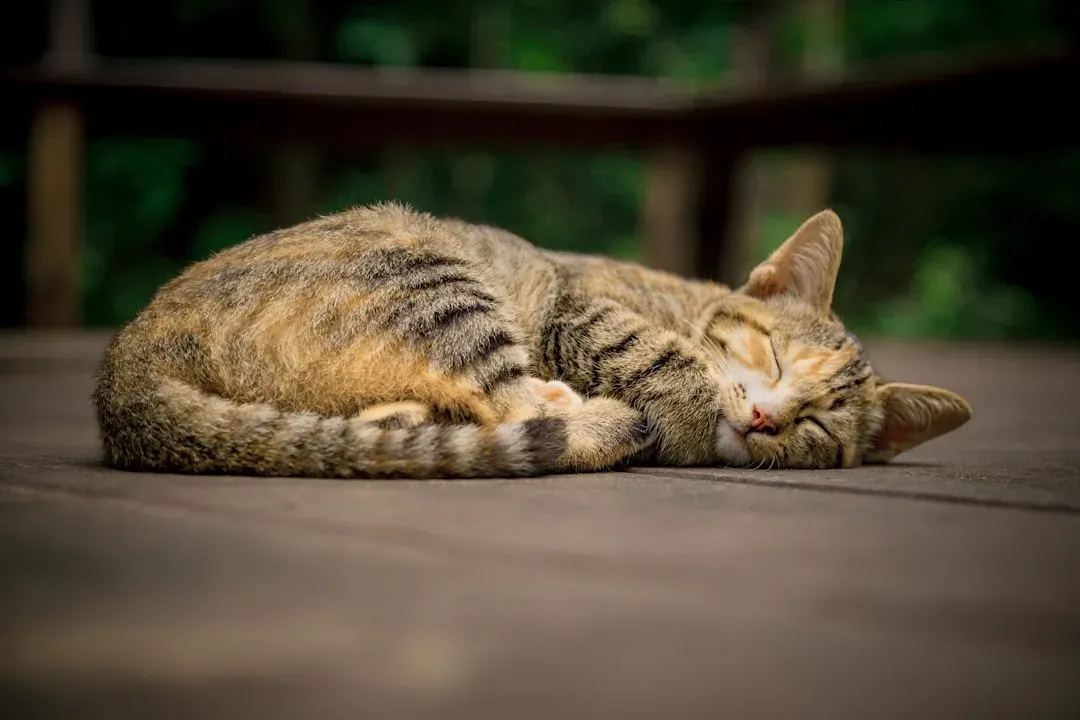
It's important to understand your cat's normal sleep patterns and recognize when those patterns change significantly, because if your cat begins to sleep a lot more or less than usual, it may be a health issue. Sudden shifts can indicate underlying problems like kidney disease, hyperthyroidism, pain, or stress. Excessive sleep combined with other symptoms, like loss of appetite or lethargy when awake, should prompt a vet visit.
Cats are affected by stress, and one way they express stress or anxiety is by changing their sleep patterns, with sudden increases potentially signaling they're feeling overwhelmed or anxious. Major changes in the household, like a new pet, a move, or even shifting your work schedule, can throw off their internal balance. Keep an eye on how much they're sleeping and whether their behavior seems off in other ways too.
Your Cat is a Strategic Sleeper
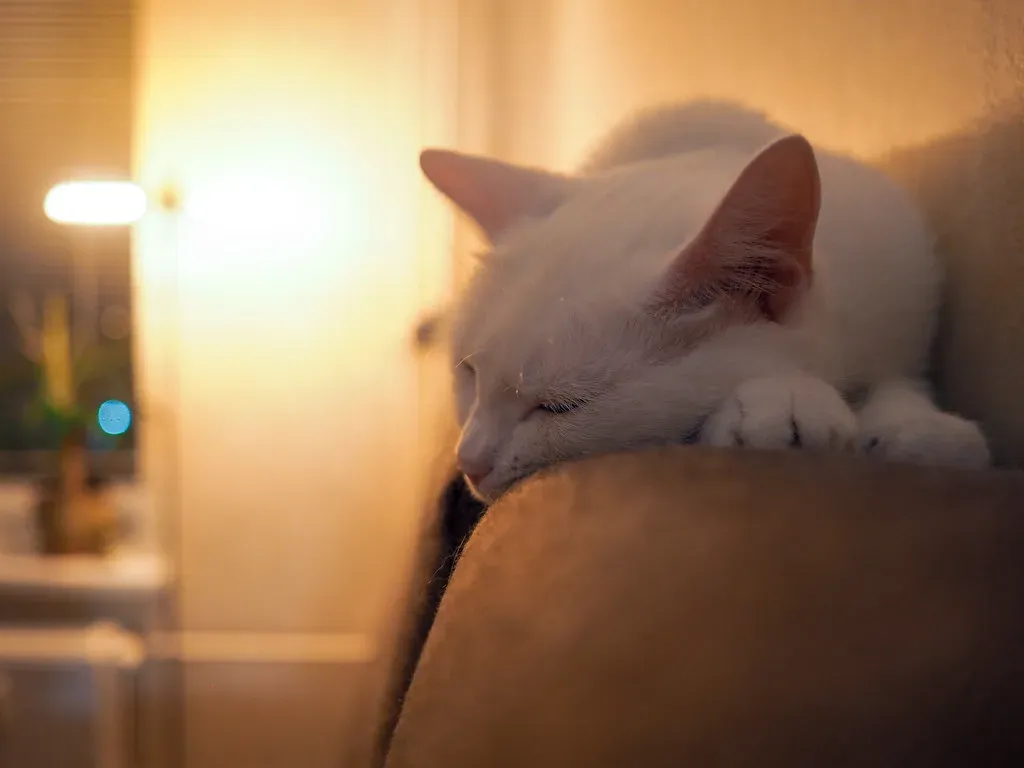
So no, your cat isn't lazy. They're efficient. Cats sleep so much because it's a natural part of their biology and helps them conserve energy, regulate their body temperature, and maintain good mental health. Every snooze session is a calculated move to ensure they have enough fuel in the tank for when it matters, even if "when it matters" just means sprinting across the house at three a.m. for no apparent reason.
To eat enough to meet their energy needs, cats need to make several kills per day, and with no supplementary food, cats can make as many as ten to twenty kills every day. Your indoor cat may not need to make twenty kills, but their body hasn't gotten the memo. They're still operating on that ancient programming, banking energy for a lifestyle that no longer exists but lives on in their DNA. That's why those sixteen-hour sleep marathons aren't indulgence. They're survival instinct wrapped in a fur coat, purring softly on your favorite chair.
What do you think about your cat's sleep habits now? Still think they're just being lazy, or do you see the strategic genius behind those endless naps?