Have you ever stopped to wonder why your feline friend seems utterly obsessed with that one particular toy while completely ignoring the expensive gadget you just bought? It’s easy to assume they’re just being picky or playful. Here’s the thing though. The toy your cat gravitates toward might actually be telling you something deeper about who they really are. Your cat’s toy preference isn’t random. It’s a window into their inner world, their personality quirks, and even their emotional needs. Let’s dive in.
The Hunter Within Every House Cat
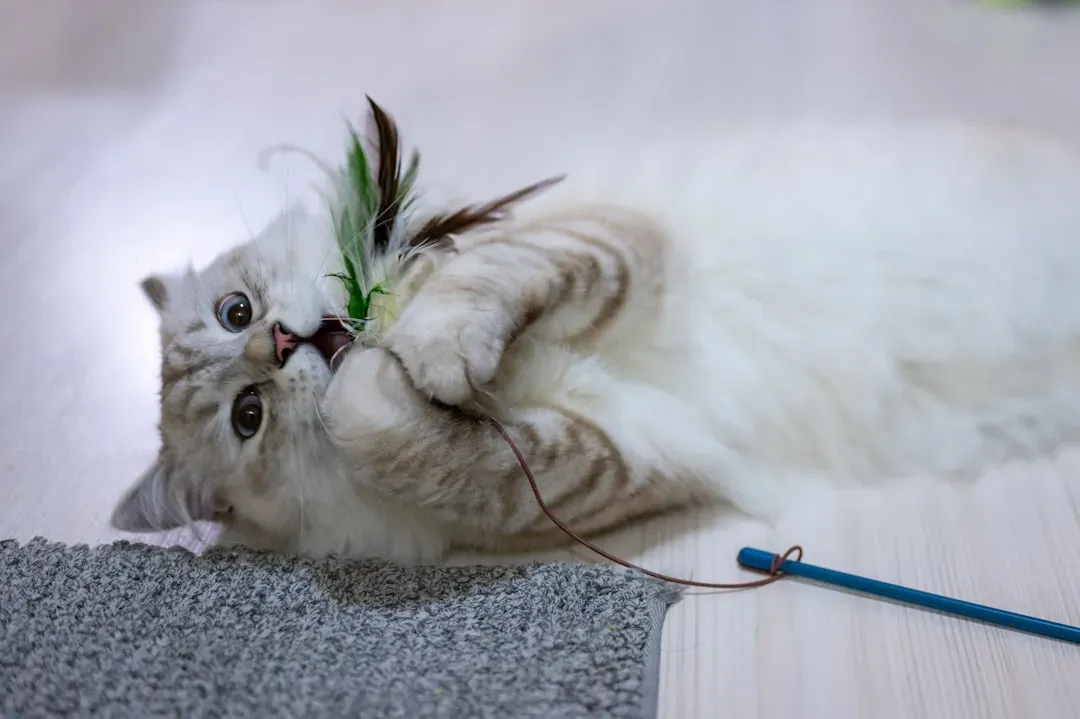
If your cat gravitates toward laser pointers or feather wands, you’re likely living with a natural-born hunter who’s agile, focused, and full of energy, always ready for the thrill of the chase. These aren’t just playful preferences.
Your cat’s obsession with specific toys often ties back to their predatory instincts, especially when those toys mimic the movement, texture, or sound of prey. Think about it. That darting feather wand isn’t just entertainment, it’s triggering something primal. Most modern domesticated cats never hunt a day in their life, but even the gentlest among them still has a hunter’s instincts honed over millennia, and they want to hunt, need to hunt, and if they can’t hunt, they at least need to play.
The Comfort Seeker’s Gentle Soul
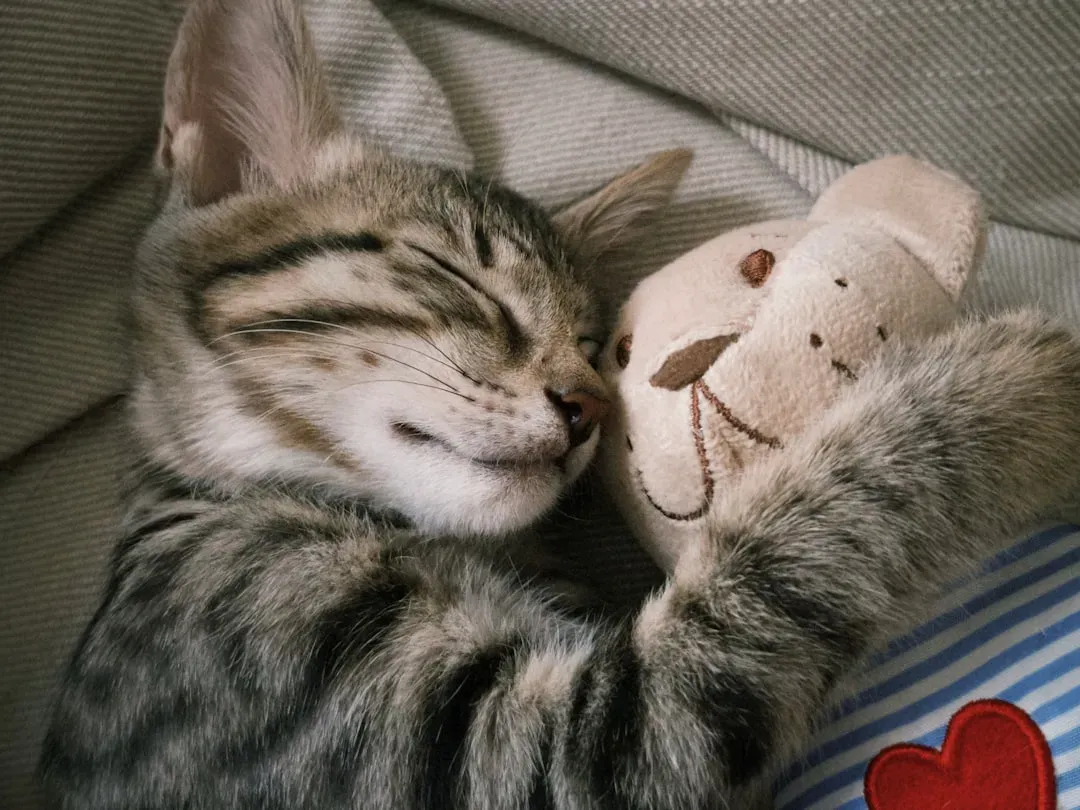
For comfort seekers, soft, plush toys are the way to their heart, and these cats might carry a stuffed mouse around like it’s their kitten or snuggle up with it for a nap, tending to be laid-back, affectionate, and enjoying a good snuggle session. Honestly, it’s kind of adorable.
Just like humans, cats can form attachments to objects that bring them comfort, and a toy your cat has had for a long time may become a source of familiarity and security, especially for cats who are shy or anxious, reminding them of a time when they felt safe and happy. Don’t even think about losing their favorite stuffy because they’re not easily tricked by an off-brand replacement.
Independent Spirits Who Play Alone
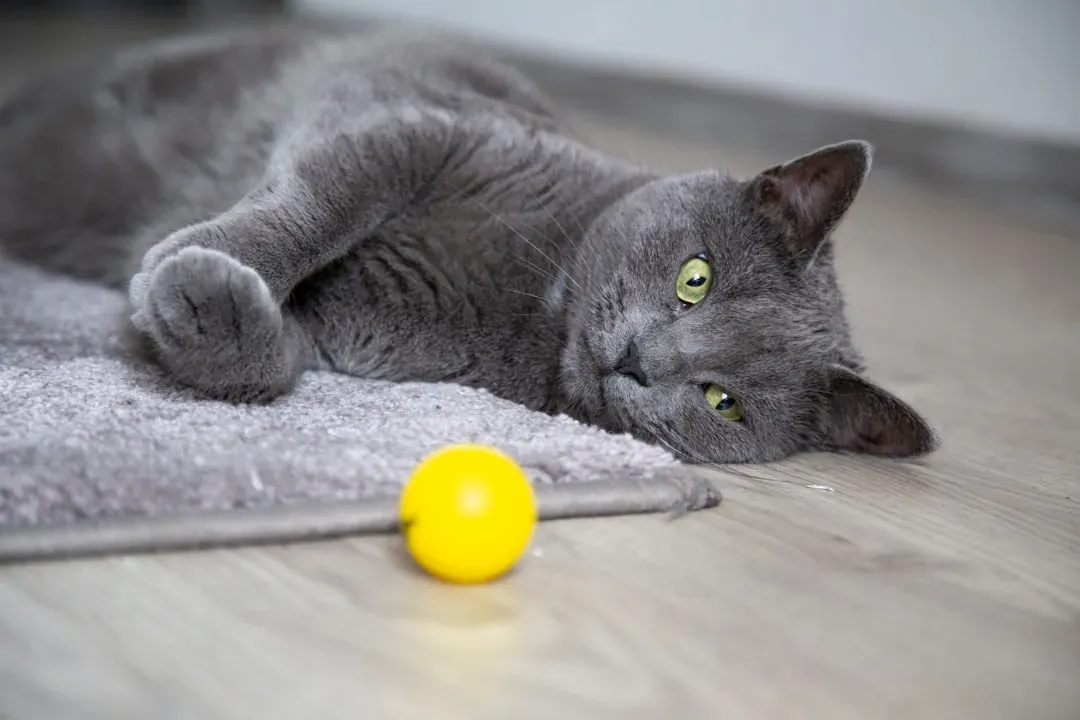
Not all cats want you hovering over them during playtime. Some cats prefer toys they can use on their own, like a ball in a circular track or a battery-operated mouse, and these independent spirits don’t always need a human to start the fun, often content with their own company but still appreciating occasional interactive play.
Your elusive Lone Ranger may be a master of hide-and-seek, especially when guests stop by, but only you get to see their playful and humorous side. There’s something special about being chosen by a cat who doesn’t freely give their affection to just anyone. It makes those play moments feel earned.
The Minimalist’s Surprising Choice
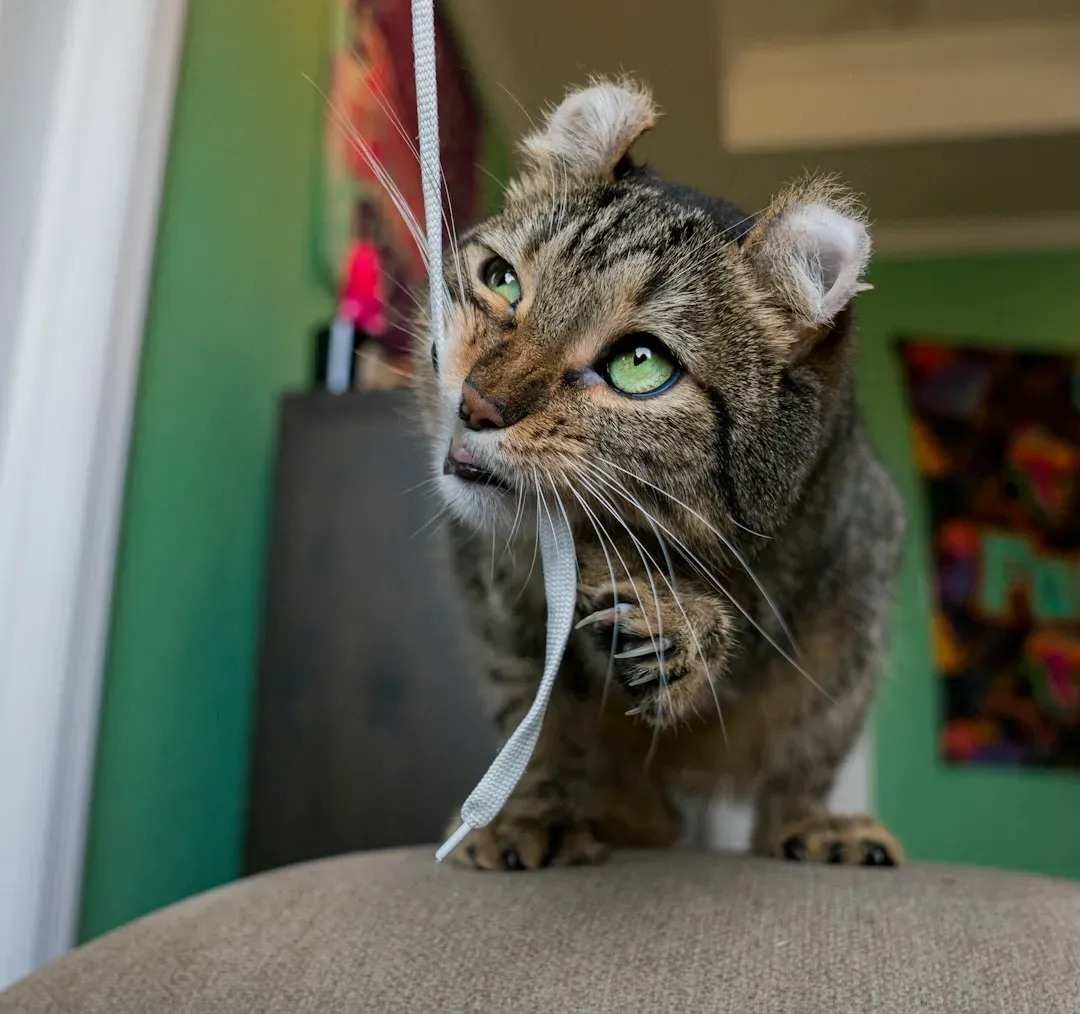
You’ve invested in all sorts of fancy toys, yet here they are, utterly captivated by a plain old string, and maybe they’re on to something because simplicity is bliss, and their choice is easy on your wallet, reminding us that joy doesn’t have to be complex even if we don’t understand it. Let’s be real, some of the best cat toys cost absolutely nothing.
Your cat might enjoy batting around a ping-pong ball or crinkled paper. Sometimes the rustling sound alone is enough to send them into a playful frenzy. I know it sounds crazy, but the most expensive isn’t always the most engaging.
Texture and Sound Create Deep Connections
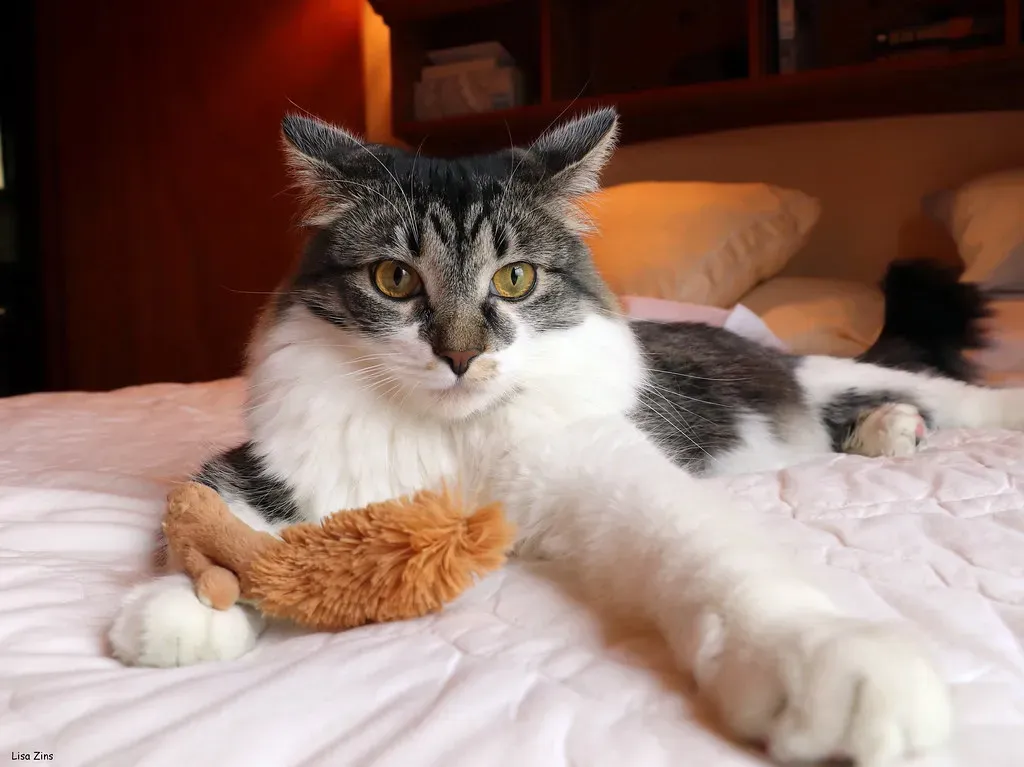
Your cat may have a texture preference and might prefer a soft toy they can sink their teeth into over a hard plastic toy, and sound also plays a part in whether your cat will enjoy or ignore the toy. These sensory details matter more than you might think.
A toy that makes a rustling sound may be very appealing as it resembles the sound of a chipmunk or mouse darting through the leaves. Cats have sensitive paws and mouths, so the texture and material of a toy can greatly influence their interest, with some cats preferring soft, plush toys while others might be drawn to toys with feathers, strings, or crinkly materials. The way it feels between their paws or in their mouth can make or break the entire experience.
Size Matters More Than You’d Expect
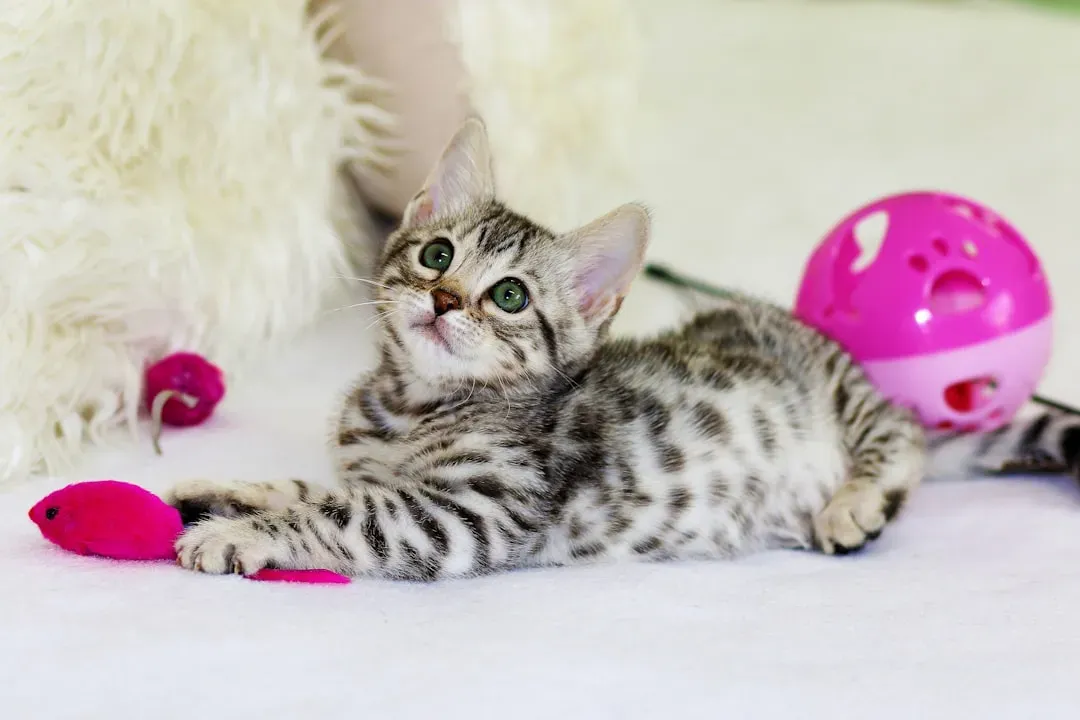
A small, timid cat may not want to play with a large kitty kick-bag toy because it may resemble more of an opponent than prey. It’s hard to say for sure, but smaller toys might feel safer, more manageable.
A shy, unsure cat might prefer a smaller toy, while an athletic cat might go for a toy that flies through the air. Smaller toys appeal more to cats because your cat might view a large toy as an opponent rather than prey. This reveals whether your cat sees themselves as a confident predator or a cautious observer.
Prey Preference Shows Hunting Heritage
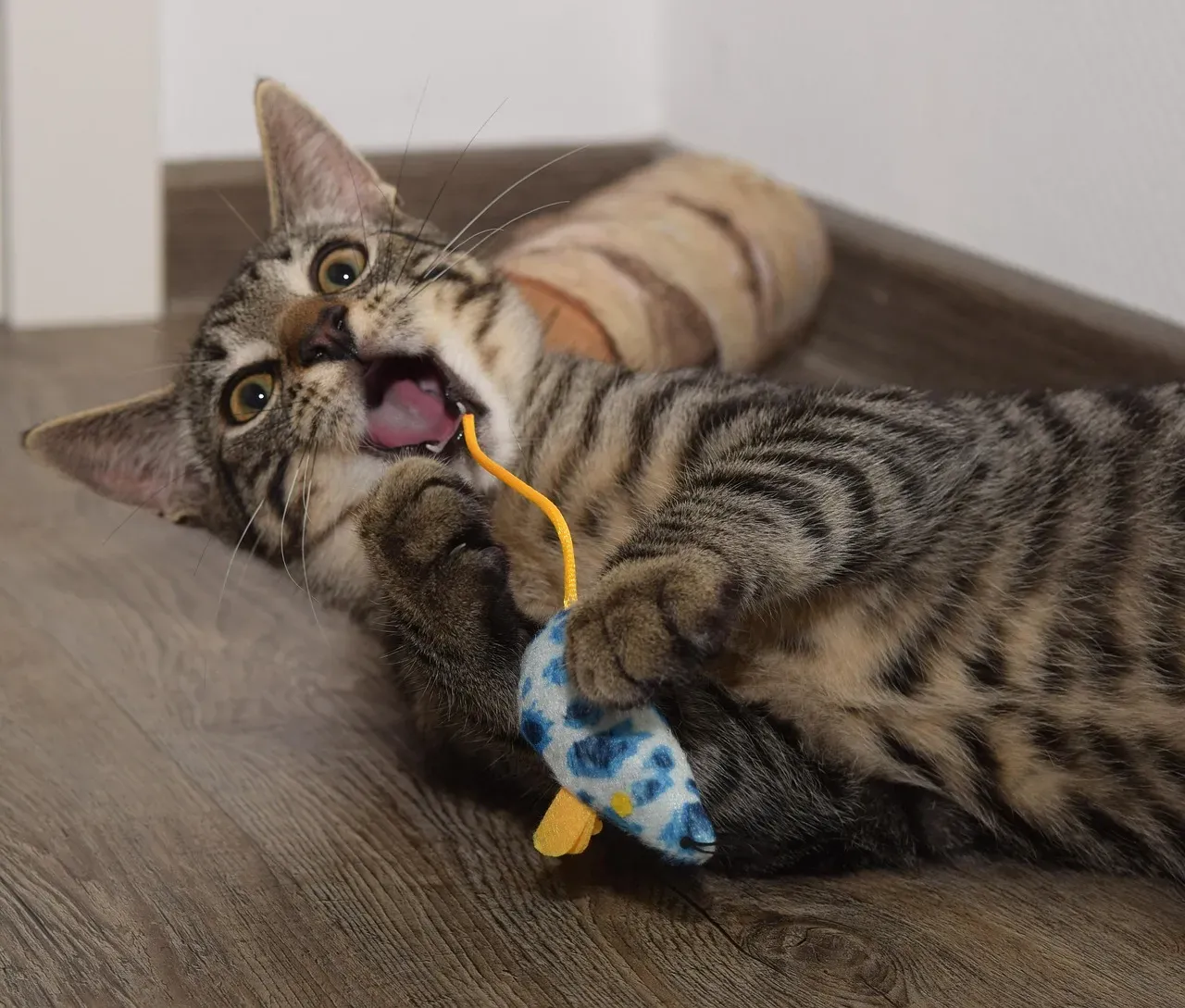
Your cat’s preferred method of hunting will often be reflected in its choice of favorite toys. Some cats are natural bird hunters, others are mousers.
Sometimes cat toy preferences can be passed down through feline generations, and a cat in the wild might hunt as its mother taught it to hunt, with barn cats whose moms are mousers tending to grow up to be mousers as well. If your cat enjoys feathers or objects in the air, choose toys resembling birds, but if your cat prefers furry toys or toys moving on the ground, choose objects resembling mice, and if your cat likes tiny objects with lots of movement, choose toys resembling bugs. The connection to ancestral behavior runs deeper than we often realize.
The Link Between Play and Emotional Well-Being
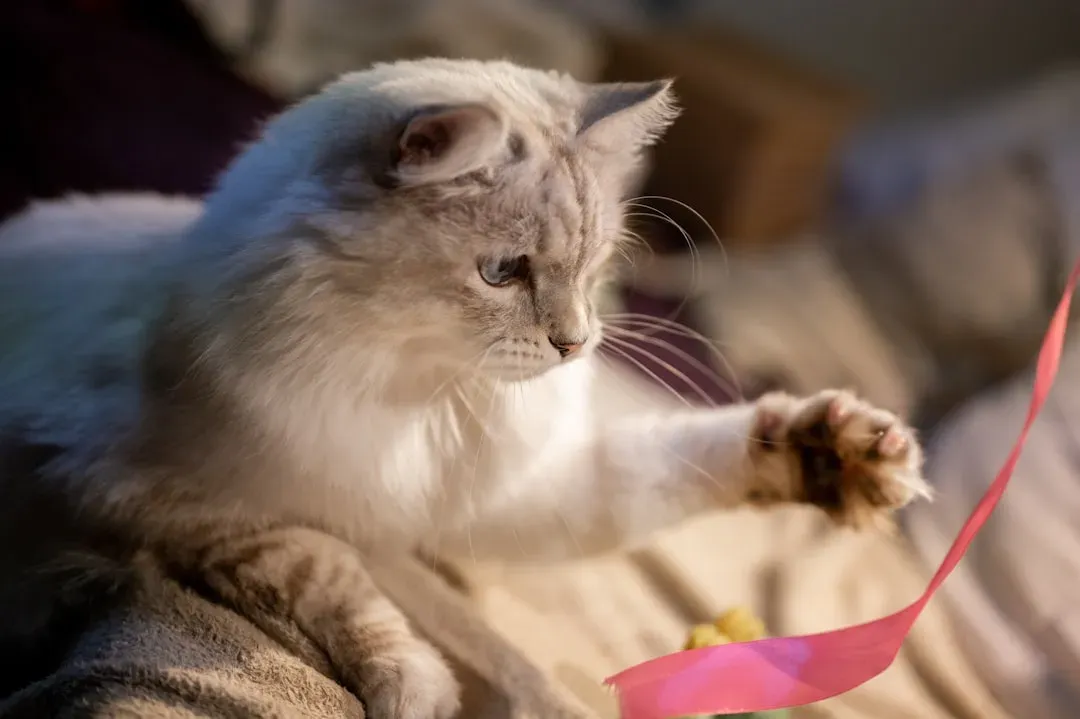
Your cat’s obsession with a toy is more than just a quirky behavior because it’s a window into their instincts, personality, and needs. The toys they choose can actually indicate their overall happiness.
In most cases, a cat’s obsession with one toy is harmless and even beneficial, but if your cat becomes overly fixated to the point of ignoring food, water, or social interaction, it might be worth consulting a veterinarian or animal behaviorist, as excessive fixation could indicate stress, anxiety, or an underlying health issue. Paying attention to how they play matters just as much as what they play with. Their toy choice might be their way of telling you something important.
What Your Cat’s Toy Choice Says About You
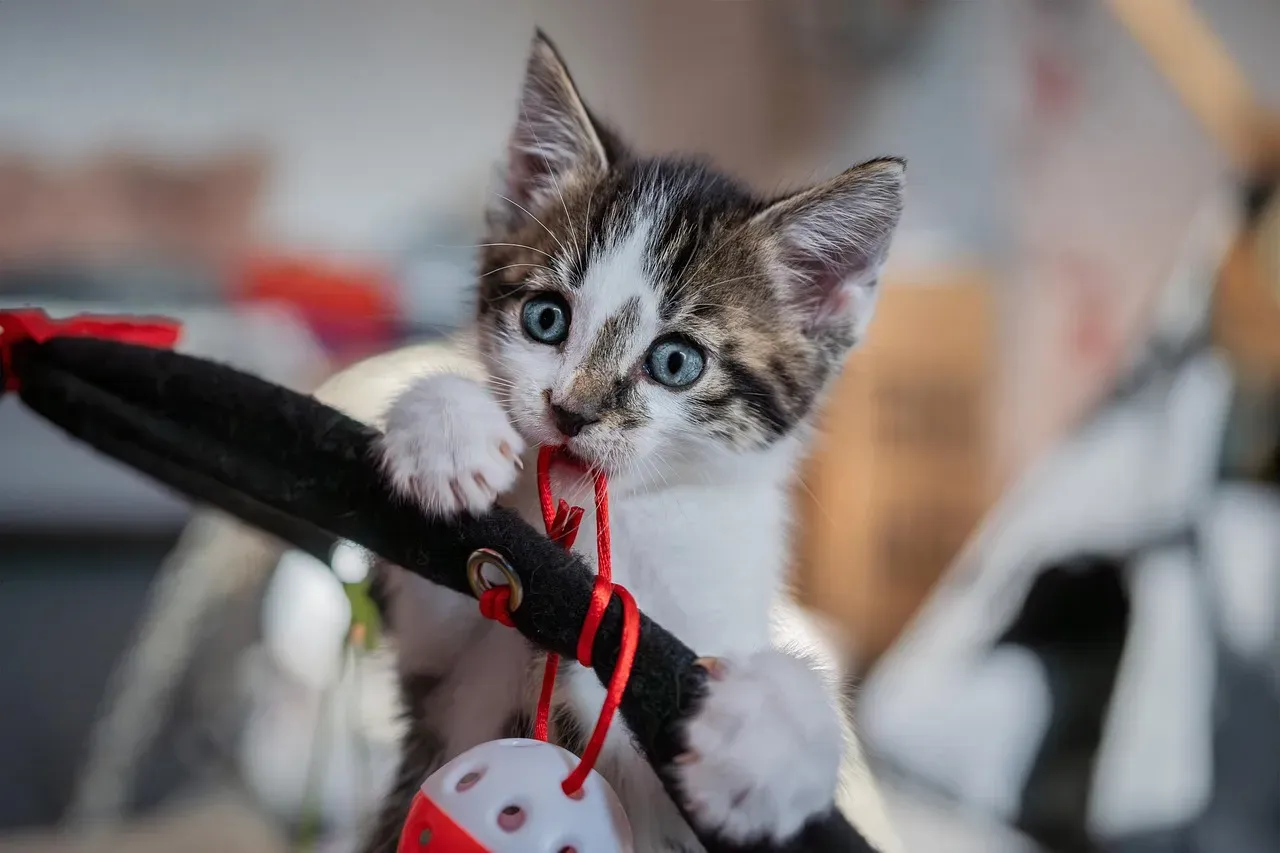
A higher number of games regularly engaged with was associated with higher cat-guardian relationship scores, and it’s possible that guardians who report having a low relationship score were less likely to interact with their cat, or that regular engagement in a variety of play is beneficial for improving cat-guardian relationships. The toys you provide and how you use them can strengthen your bond.
Although there was clear individual variability in cat preference, social interaction with humans was the most-preferred stimulus category for the majority of cats, followed by food, and this was true for cats in both the pet and shelter population. What does this tell us? That your cat values your participation more than the toy itself. The wand toy means nothing without you moving it, creating that predator-prey dance together.
Conclusion: The Silent Language of Play
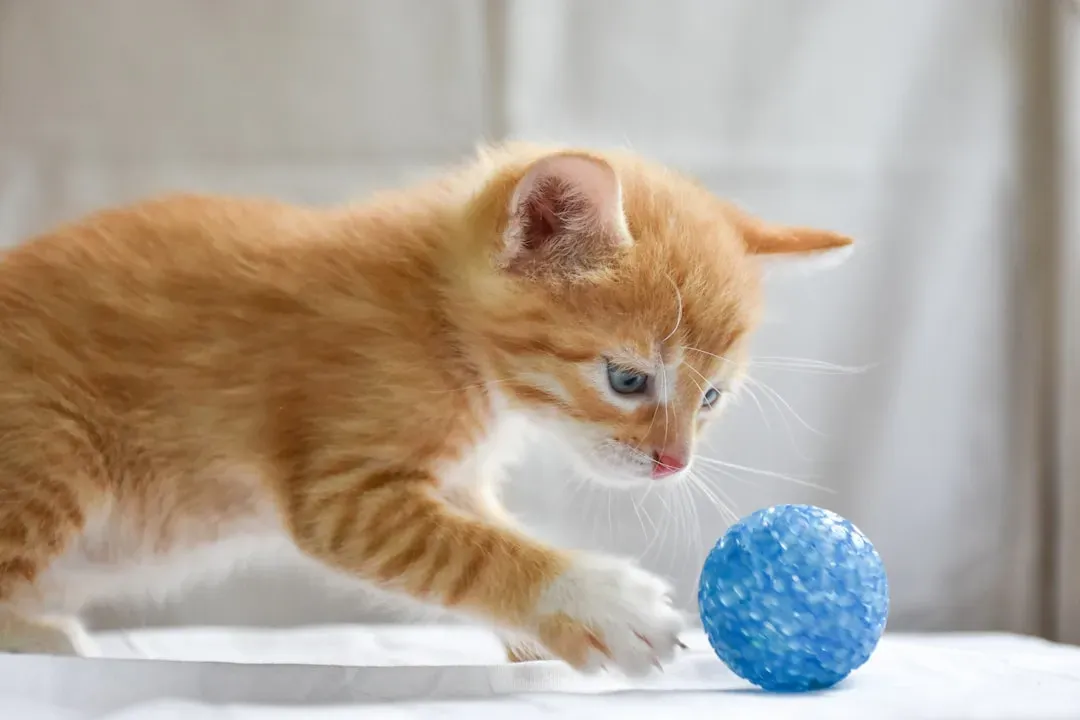
The next time you watch your cat batting at their favorite toy, look closer. That crinkly ball or feathered wand isn’t just keeping them entertained. It’s revealing their personality, their confidence level, their emotional needs, and even the hunting legacy passed down through generations.
Every toy choice is a little insight into your cat’s mind, a glimpse into their preferences, quirks, and what makes them the charming companions we love so dearly. Understanding what drives their choices helps you provide better enrichment, deeper connection, and a happier life together. What does your cat’s favorite toy say about them? Pay attention, and you might be surprised by what you discover.
Kristina is a young writer from India. An arts graduate and an avid content creator, Kristina is passionate about animals and wildlife. She enjoys exploring topics related to pet care, animal behavior, conservation, and nature, combining thorough research with engaging storytelling.