You’ve probably heard the stereotype a thousand times before. Cats are aloof, indifferent, basically tiny furballs who tolerate your presence as long as the food keeps coming. They stare at walls, knock things off tables for no reason, and seemingly have no interest in anything beyond their next nap. Let’s be real, though. What if you’ve been completely wrong about your feline friend this entire time?
We tend to underestimate cats because they refuse to perform on command like dogs do. They won’t fetch your slippers or do tricks for a crowd. Here’s the thing: that’s not stupidity. That’s selective intelligence. Your cat isn’t failing to understand you; they’re just deciding whether your request is worth their time. Recent research has turned our assumptions upside down, revealing cognitive abilities in cats that rival many other species. So let’s dive in.
They Remember Far More Than You Think
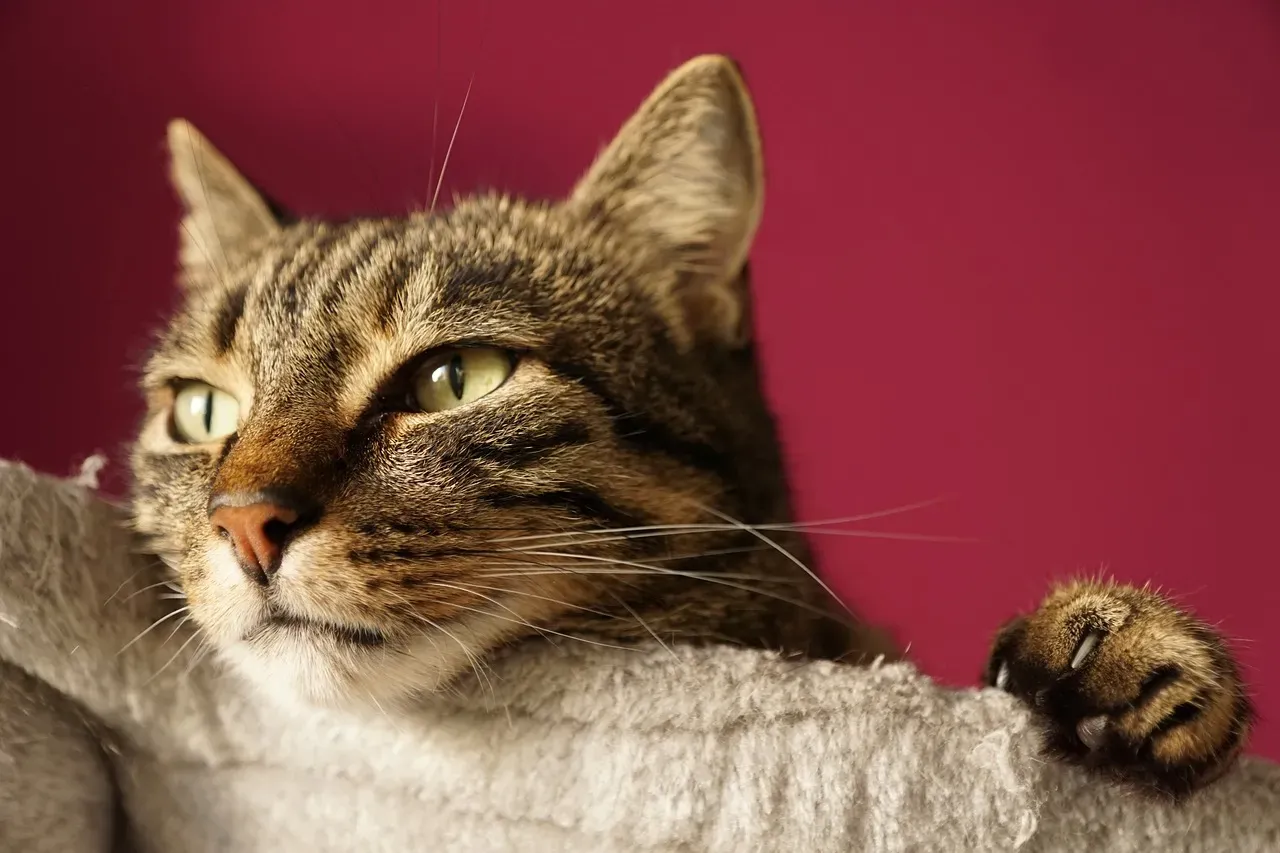
Your cat possesses impressive long-term memory capabilities, retaining recollections of events and locations for a decade or longer. Think about that for a second. Ten years. These memories are often intertwined with emotions, allowing cats to recall both positive and negative experiences associated with specific places. This isn’t just remembering where the food bowl is.
Scientists believe cats only remember things that are beneficial to them, including people and animals they bond with, as well as people and animals they don’t like. Your cat hasn’t forgiven you for that vet visit three years ago because they genuinely remember it. They’re believed to remember events that are either very positive or very negative and attached to something that’s important to them like food or even something emotional. Honestly, that level of emotional recall is something humans struggle with ourselves.
Object Permanence Puts Them Ahead of Infants
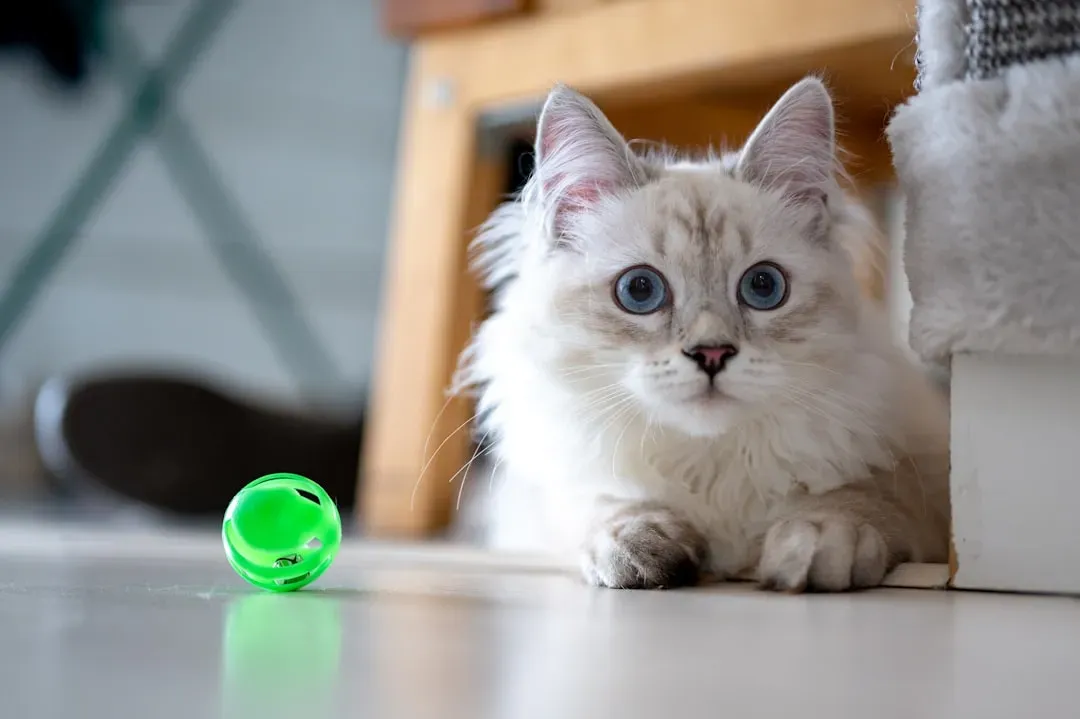
In controlled experiments, cats demonstrated fully developed concepts of object permanence, indicating that their sensorimotor intelligence is complete. What does that mean for you? It means when your cat watches you hide their toy under the couch, they know it’s still there.
Cats have a sense of object permanence, where an object isn’t directly visible, like a toy under a couch or prey under a shed, a trait not even very young human babies have. Your cat understands that things continue to exist even when they can’t see them. Cats are able to hold an object in mind and reason where it may be, so stash toys in a cabinet or treats in a drawer where your cat can’t see them and they still know they’re there. That’s actual reasoning, not just instinct.
Problem Solving Skills That Shame Most Pets
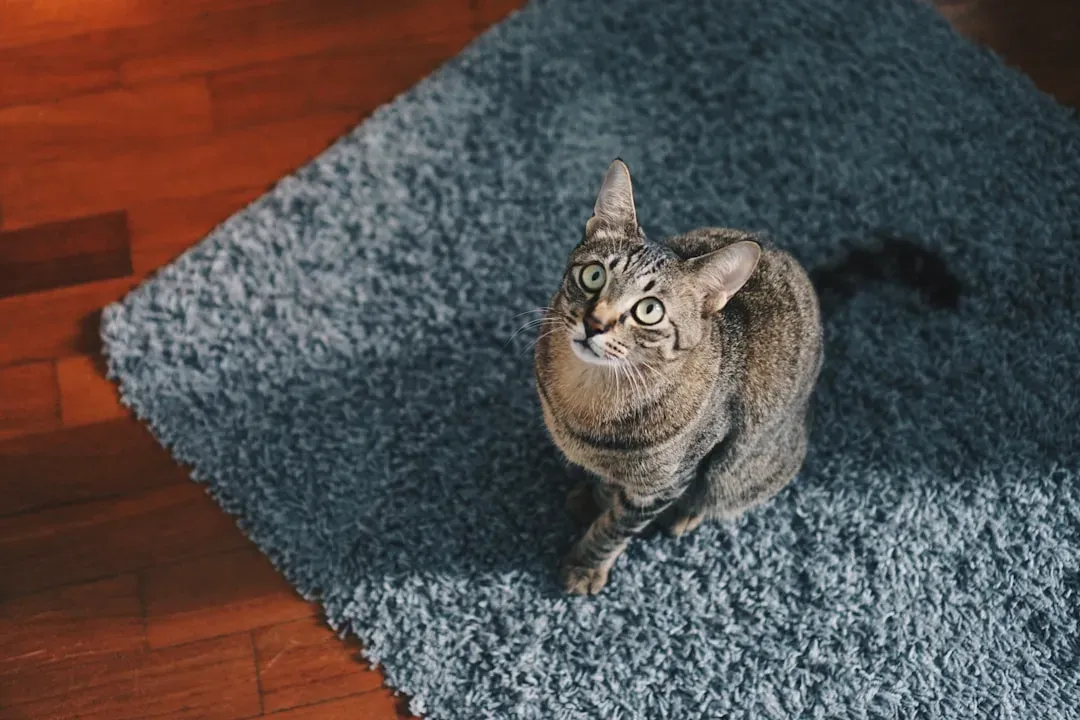
Let’s talk about problem solving for a moment. Researchers found that cats use logical reasoning to access rewards through trial and error, suggesting feline cognition involves a combination of instinct and problem-solving skills. They’re not just randomly batting at things hoping something works.
Cats are better at solving puzzles than dogs; in experiments, a dog seeks a human to help, but a cat works on a puzzle independently until they solve it. That independent streak people criticize? It’s actually a sign of higher problem-solving ability. More socialized cats were more likely to solve problems, solve them faster, and approach new apparatus sooner. Your social butterflies aren’t just friendly; they’re actively smarter.
They’re Reading Your Face Right Now
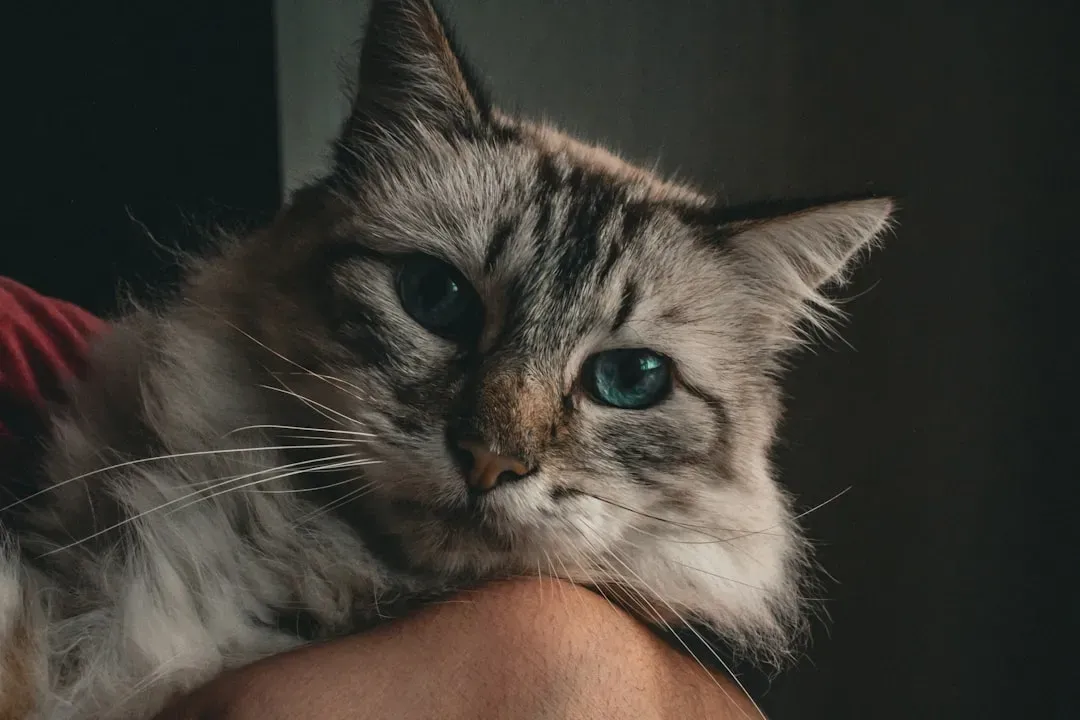
This might unsettle you slightly. Cats correctly matched human auditory and visual signals of happiness and anger, suggesting they have a cognitive representation of these emotions and integrate visual and auditory signals into a cognitive representation of humans’ inner states. They’re not just hearing your voice or seeing your expression. They’re connecting the two and understanding what you’re feeling.
Studies suggest cats can recognize happy and angry faces and adjust their behavior accordingly, like choosing to cuddle when you’re down or avoiding eye contact when you’re mad. Next time your cat gives you space after a rough day at work, that’s not coincidence. They not only recognize human emotions but may also respond to them in ways that reflect their own emotional states. They get you, probably better than you think they do.
Social Intelligence You Never Knew Existed
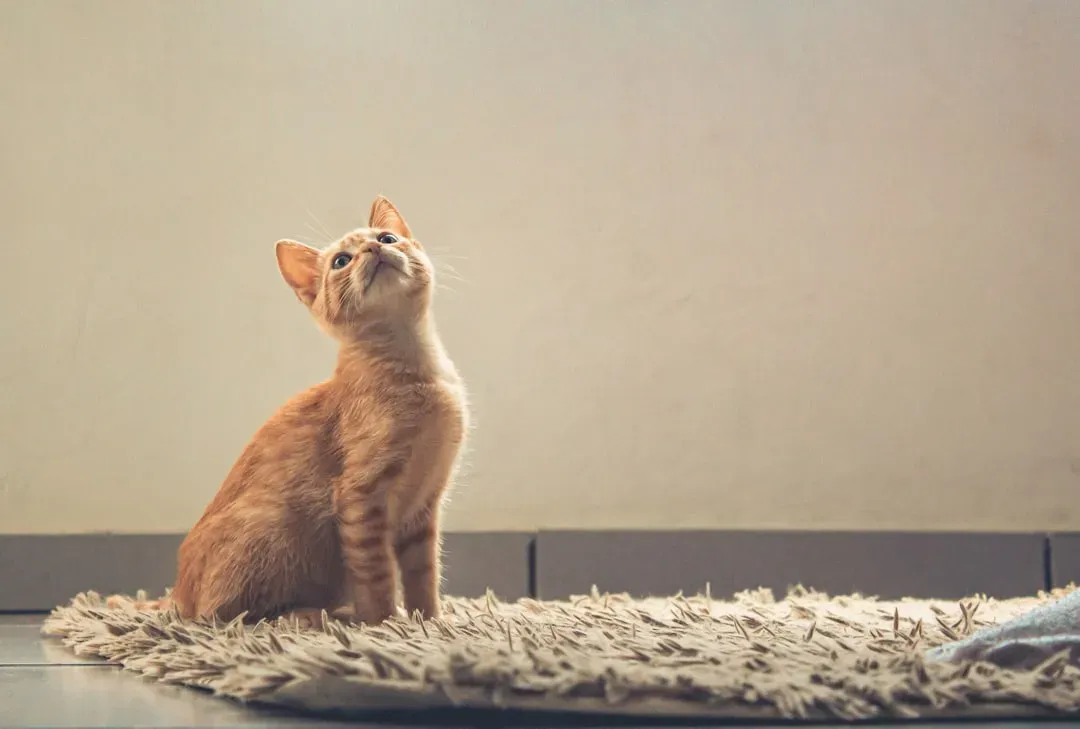
A small but growing number of studies is showing that cats match dogs in many tests of social smarts. Yes, you read that correctly. Cats are performing at the same level as dogs in social cognition tests. Recent research has shown that cats have remarkable social cognitive abilities.
They can follow human pointing and gazing cues, discriminate human emotional expressions, recognize their owners’ voices and match voice to face, and form attachment-like bonds. The whole “cats don’t care about humans” narrative? Complete nonsense. Some cats can pass social intelligence tests, suggesting these abilities are inherent to the species; a well-socialized, calm cat is going to perform similarly to a dog. The difference is motivation, not capability.
Communication Complexity Beyond Meowing
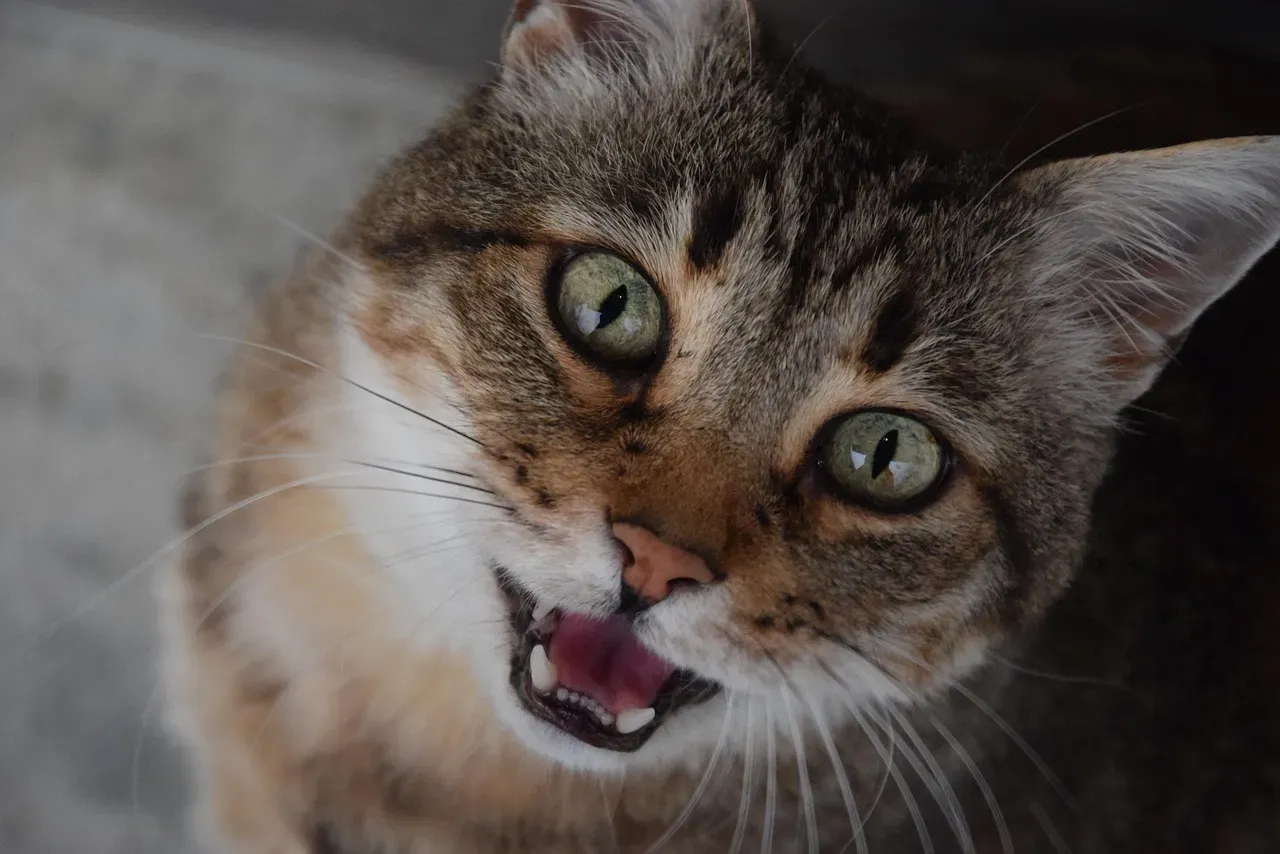
Up to 21 different cat vocalizations have been observed. That’s not just random noise. Cats can use a range of communication methods, including vocal, visual, tactile and olfactory communication. They’re operating on multiple sensory channels simultaneously to get their message across.
Studies have shown that domestic cats tend to meow much more than feral cats and rarely meow to communicate with fellow cats or other animals. Think about what that means. Your cat developed an entire vocal language specifically for you. They adapted their communication style because they wanted to talk to humans. Your cat’s meows vary in pitch, length, and volume because each meow is a masterpiece, tailored to communicate specific needs and desires. That’s sophisticated linguistic adaptation.
Their Brain Structure Rivals Ours
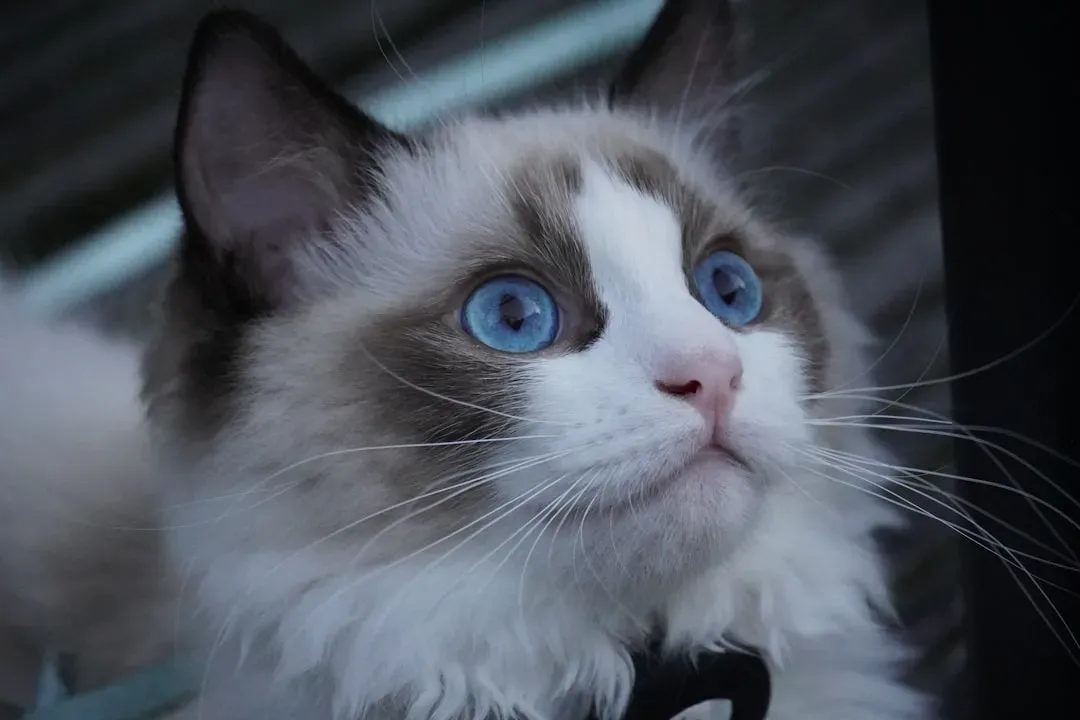
Here’s where it gets really interesting. The feline brain’s structure and surface folding is 90 percent similar to that of humans. Ninety percent. In humans, the cerebral cortex contains 21 to 26 billion neurons; cats have 300 million neurons compared to dogs with 160 million neurons.
The number of cortical neurons contained in the brain of the cat is reported to be around 250 million in the cerebral cortex. These aren’t small numbers we’re talking about. The cerebral cortex not only governs higher functions of rational thought, but also problem solving, and it’s the storage area for short and long-term memory. Your cat has the neural architecture for complex thought, and they’re using it.
Learning Through Observation Like Tiny Scientists
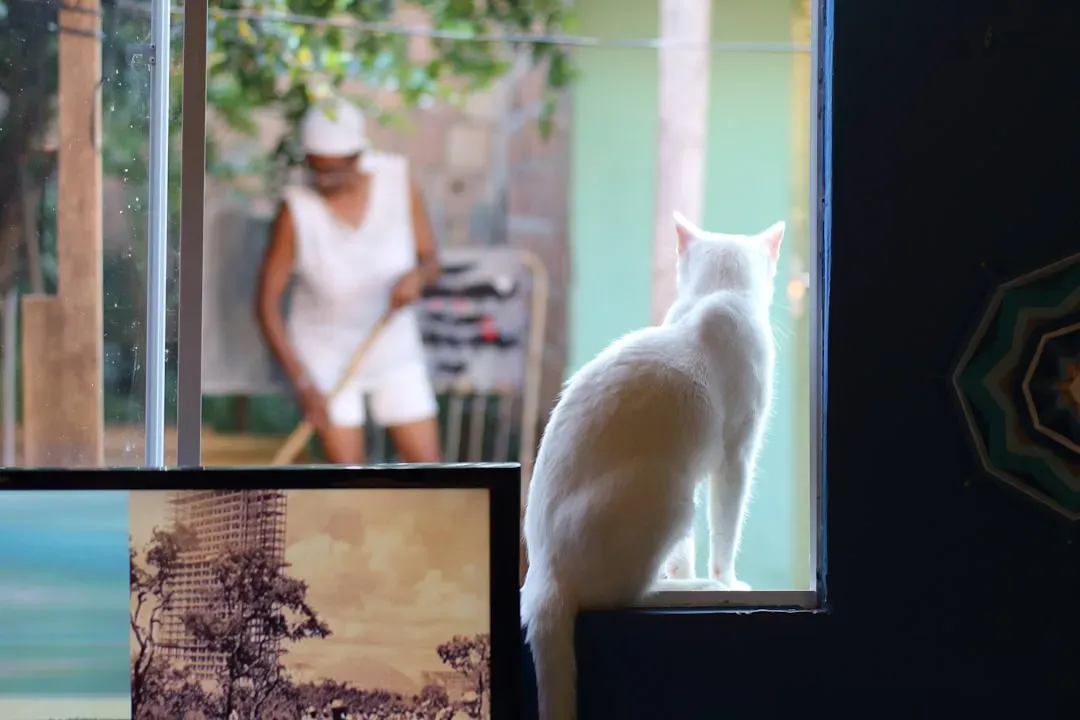
Cats are keen observers of their environment and the behaviors of those around them, allowing them to quickly adapt to new situations and learn from both their human companions and other animals. They’re watching you. All the time. Learning from every move you make.
Cats have been known to learn how to open doors by watching their owners, observing the motion of turning a doorknob and often replicating this action, demonstrating not only their ability to learn but also their capacity for problem-solving. That’s observational learning combined with physical coordination and goal-directed behavior. An adult cat’s intelligence is comparable to that of a two to three-year-old child, since both species learn through imitating, observing, and experimenting; simply by watching their owners and mirroring their actions, cats are capable of learning human-like behaviors.
Facial Expressions You’ve Been Missing

Cats have 276 distinct facial expressions, a discovery that turns on its head the popular belief that our pet felines are aloof; cats likely evolved these various expressions because of us, a product of communication between felines and humans over 10,000 years of domestication. Nearly 300 different facial signals. Meanwhile, you probably think your cat only has three expressions: annoyed, hungry, and asleep.
Many cat people would instantly recognize some expressions as friendly, such as ears and whiskers forward and eyes closed, but some don’t have such obvious meanings. Content or happy cats almost always point their whiskers forward. Those subtle cues you’ve been missing? They’ve been talking to you the whole time. You just didn’t know the language.
We’ve spent thousands of years living alongside cats while fundamentally misunderstanding them. We called them aloof when they were actually just independent thinkers. We assumed they didn’t care when they were reading our emotions and adjusting their behavior accordingly. We thought they were simple when they possessed memory spans that put ours to shame.
Your cat isn’t stupid, unmotivated, or emotionally detached. They’re complex, intelligent creatures with rich inner lives and sophisticated cognitive abilities. They remember your routines, understand your moods, solve problems independently, and have developed an entire communication system just to talk with you. Maybe it’s time we started giving them the intellectual credit they deserve. What do you think about it? Have you been underestimating your own cat this whole time?
Kristina is a young writer from India. An arts graduate and an avid content creator, Kristina is passionate about animals and wildlife. She enjoys exploring topics related to pet care, animal behavior, conservation, and nature, combining thorough research with engaging storytelling.