You probably think you know what your cat is saying when their tail swishes or stands tall. Most people do. It’s one of those things we assume we’ve figured out just by living with felines for years. Here’s the thing though: your cat’s tail is way more complex than that simple wagging motion dogs are famous for. Felines have developed an incredibly sophisticated communication system through their tails, and a lot of it contradicts what we’ve been led to believe.
Ready to decode what your furry friend has actually been trying to tell you all this time? Let’s get started.
That Straight Up Tail Isn’t Always Friendly
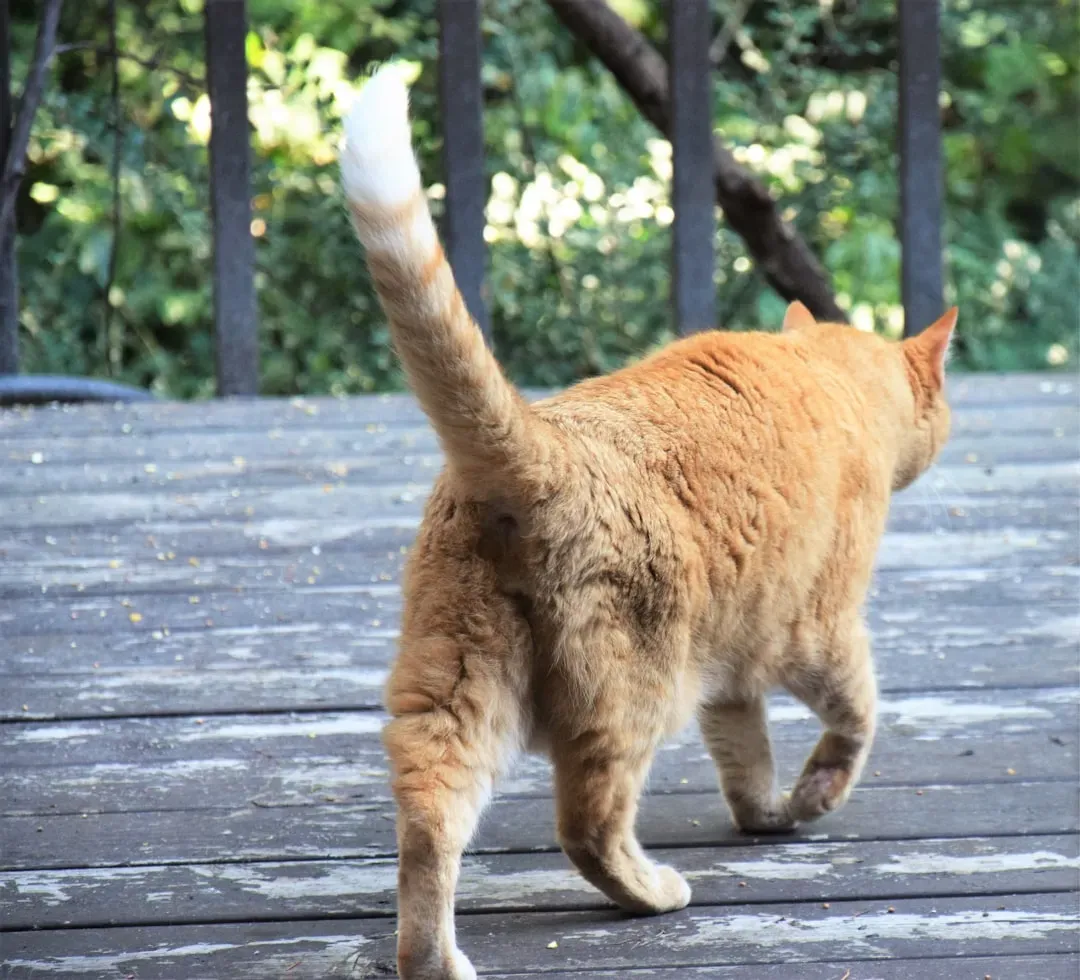
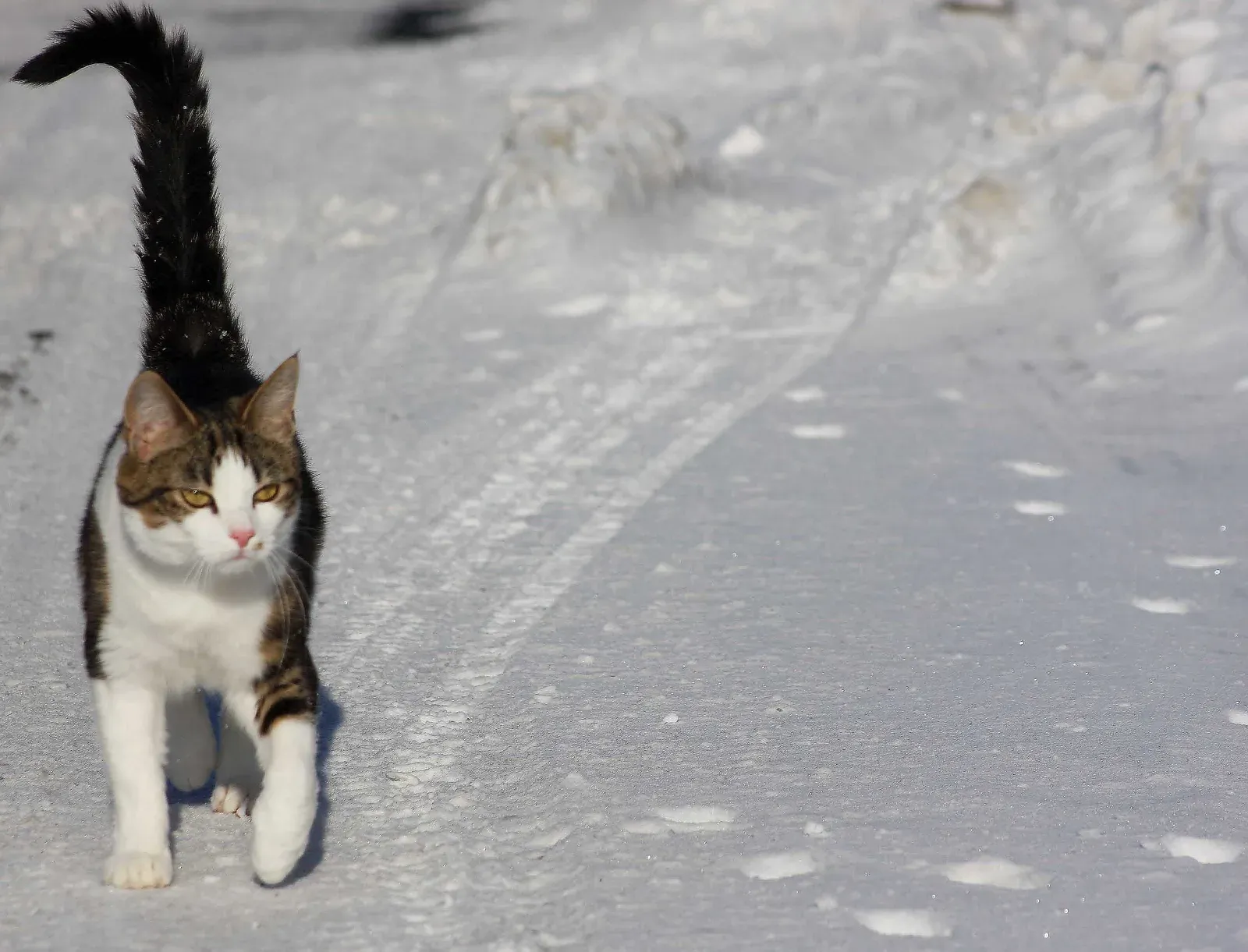
When a cat’s tail is upright, they are feeling social and confident, and are approaching in a friendly manner. Most cat owners recognize this as a positive sign, especially when their feline companion greets them at the door.
This cat tail language indicates a friendly greeting between cats, and it’s how kittens greet their mothers. The vertical tail position has deep roots in feline social behavior. Yet context matters enormously. If your cat’s posture is hunched and his back curved, a straight-up tail means he’s scared and you should keep your distance. The same tail position can signal completely opposite emotions depending on what the rest of the body is doing.
The Question Mark Curve Means Your Cat Wants Something Specific
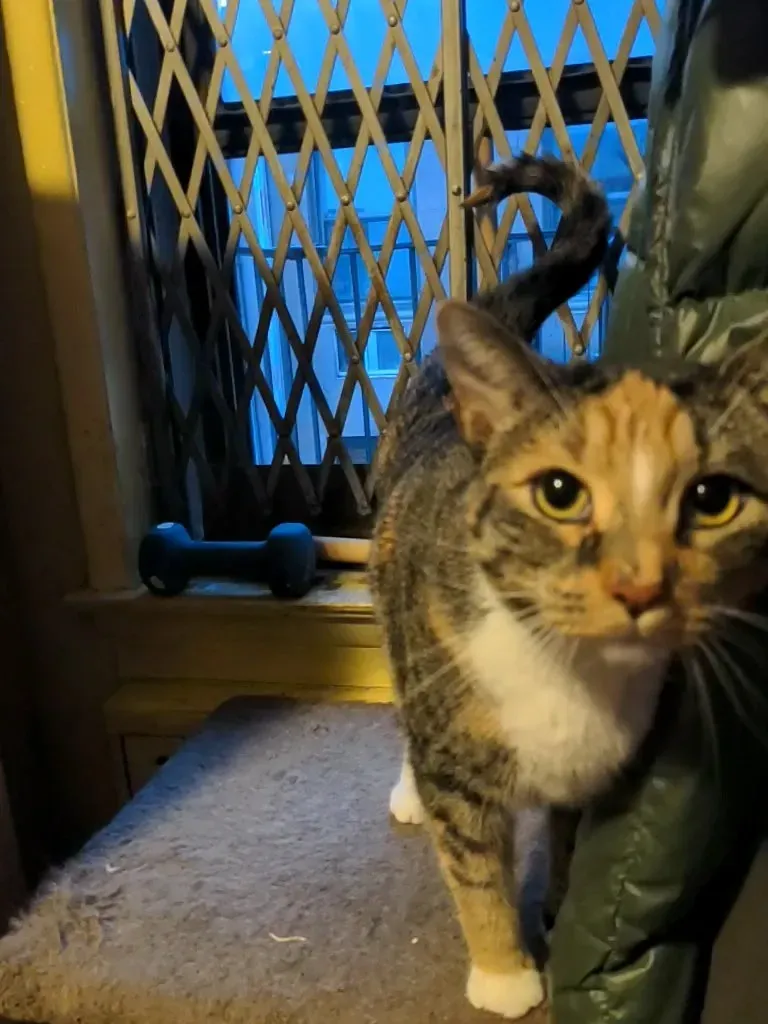
A tail held high with a “question mark” curve at the tip is friendly and usually in a good mood. You’ve probably seen this dozens of times without realizing what your cat was actually asking for.
The question mark isn’t about confusion but instead, is an invitation to play or interact. It’s honestly one of the more direct ways your cat communicates desire for engagement. When your cat’s tail is in this position, it means it’s an invitation to interact with your cat. Think of it as your feline friend literally putting a question out there, waiting to see what you’ll do next.
Tail Wrapping Is Actually Scent Marking
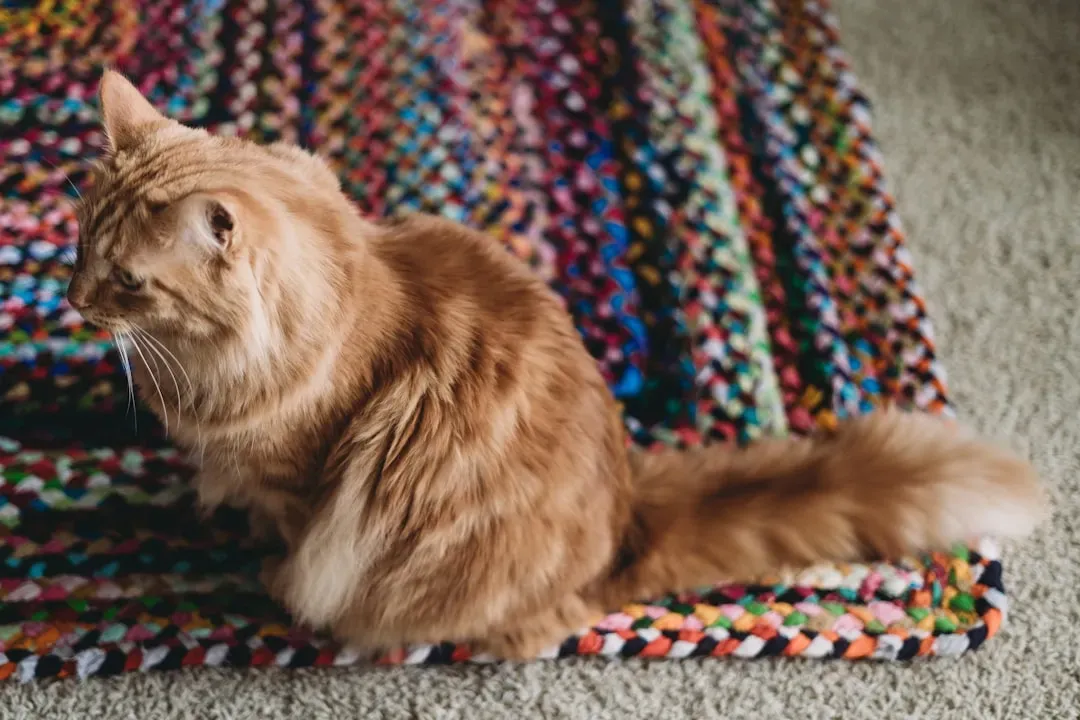
When your cat curls their tail around your leg, it feels like a hug. That warm, fuzzy feeling you get seems justified. Yet there’s something more calculated happening beneath that affectionate gesture.
A cat’s scent glands are in his tail, so when he wraps his tail around you, he’s sharing his scent with you: a sure sign of affection. It’s both love and ownership rolled into one. When a cat wraps their tail around a person or animal, it is usually a sign of affection, and if a cat uses their tail to wrap around your leg, or perhaps another cat’s tail, this is a sign of close affection. You’re not just being loved. You’re being claimed.
That Gentle Swish Doesn’t Mean They’re Happy Like Dogs
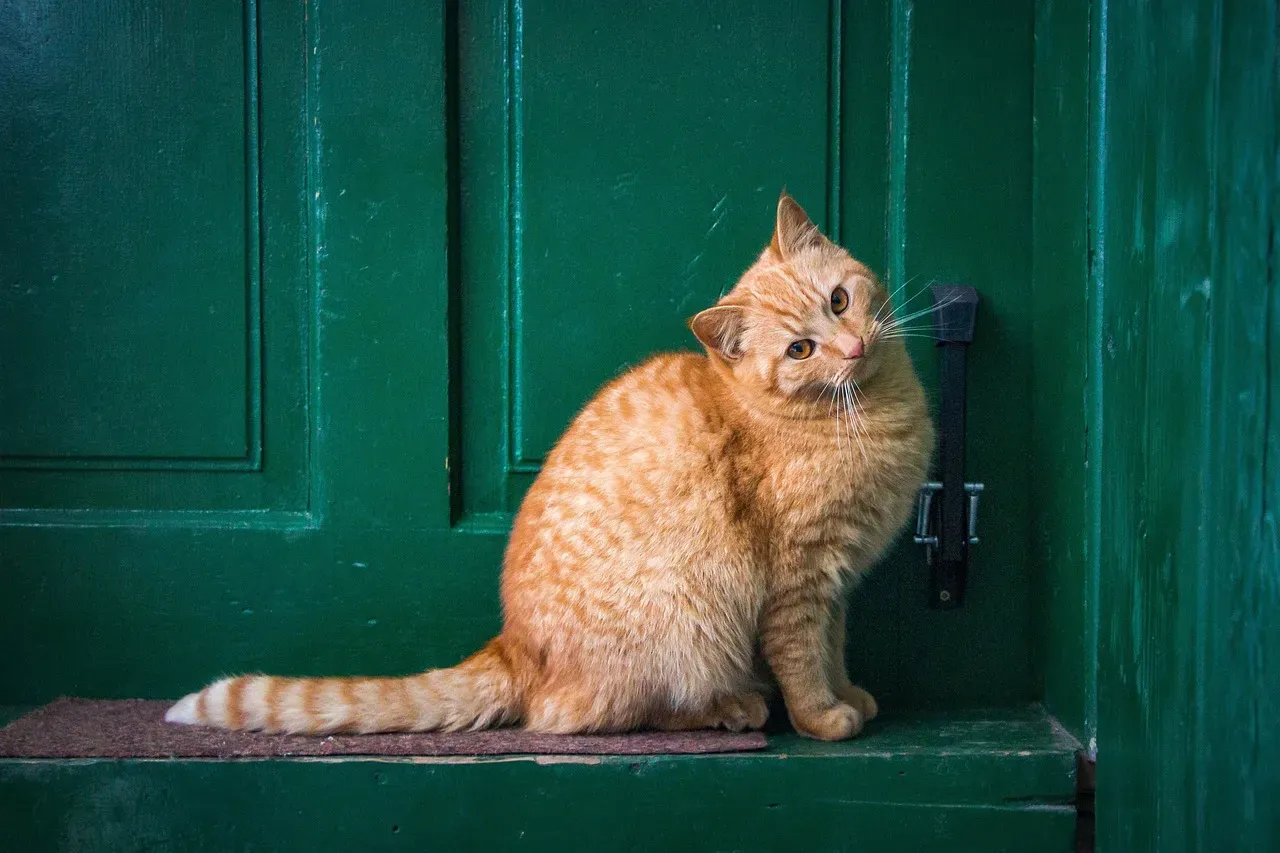
Let’s be real: if you’ve grown up around dogs, you might assume tail wagging equals happiness. With cats, this assumption could get you scratched.
Tail wagging in dogs is generally thought of as friendly, but the equivalent movement in cats is not. This tail movement does, in fact, mean a cat is in the zone and has zeroed all their attention on a target of interest but is likely feeling playful. Still, the intensity matters. A slow, gentle swish while they’re focused on a toy is completely different from rapid thrashing.
The Thrashing Tail Is Your Final Warning
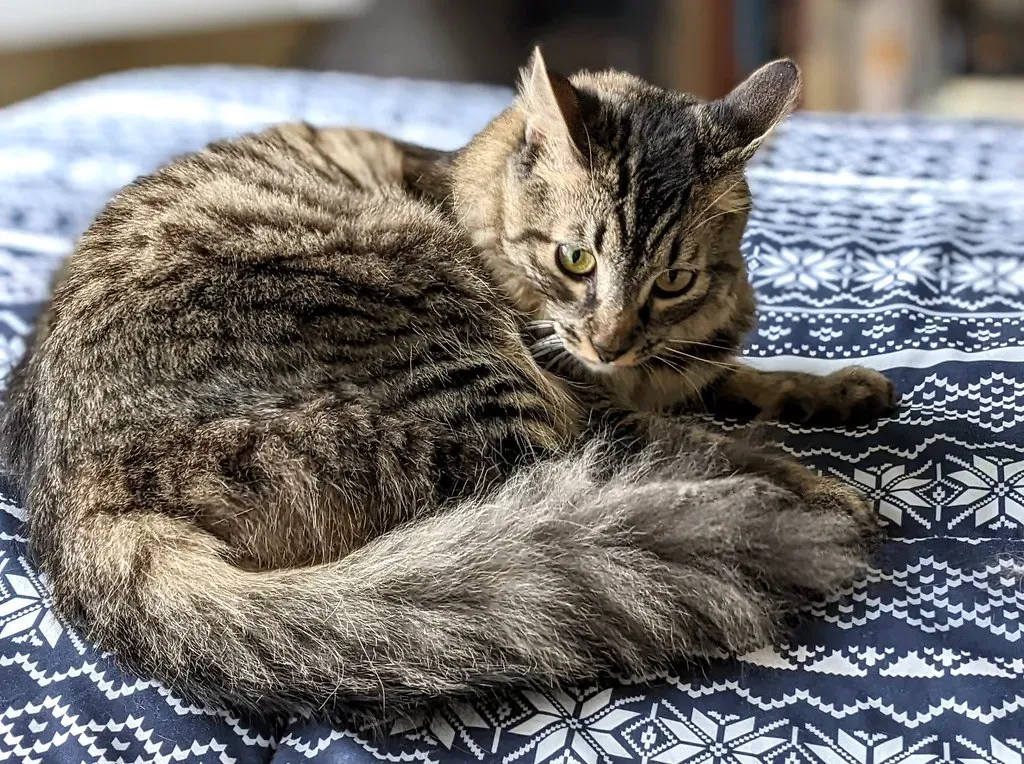
When your cat thrashes their tail or is thumping it on the ground, they are irritated, annoyed, or angry. This isn’t a suggestion. It’s a demand for you to back off immediately.
If you are petting your cat and they start thrashing their tail, they are trying to tell you to stop, and if you don’t, then the thrashing tail may be a prelude to hissing, growling, swatting, or biting. Cats give warnings before they lash out. The thrashing tail is often the last one you’ll get. A thrashing, thumping, or slapping tail generally means annoyance, conflicted emotions, or uncertainty.
The Twitching Tip Has Dual Meanings You Need to Distinguish
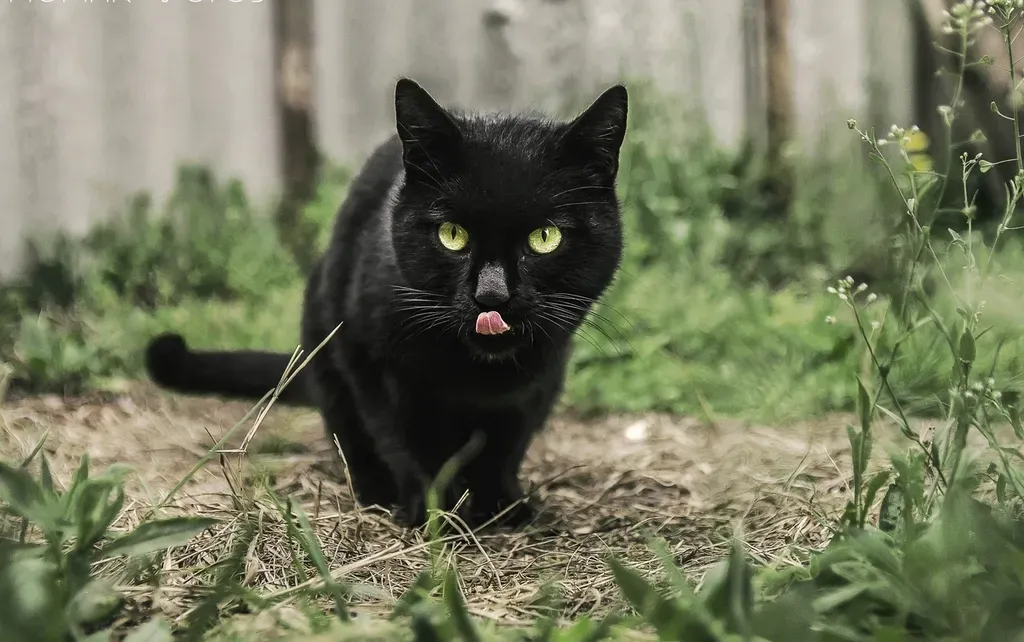
Cats twitch the end of their tails when they are hunting and playing, as well as when they are mildly irritated and frustrated. Confusing, right? This is where observing the entire situation becomes crucial.
In this case, read the scene and look for other clues to their mood, and if they’re not playing or stalking something, then the twitching tail movement probably means that they are annoyed. The twitch itself looks nearly identical whether your cat is about to pounce on a toy or getting increasingly irritated with your presence. Context is everything. Look at their ears, eyes, and overall body tension to figure out which message they’re sending.
The Puffed Up Tail Isn’t Just About Fear
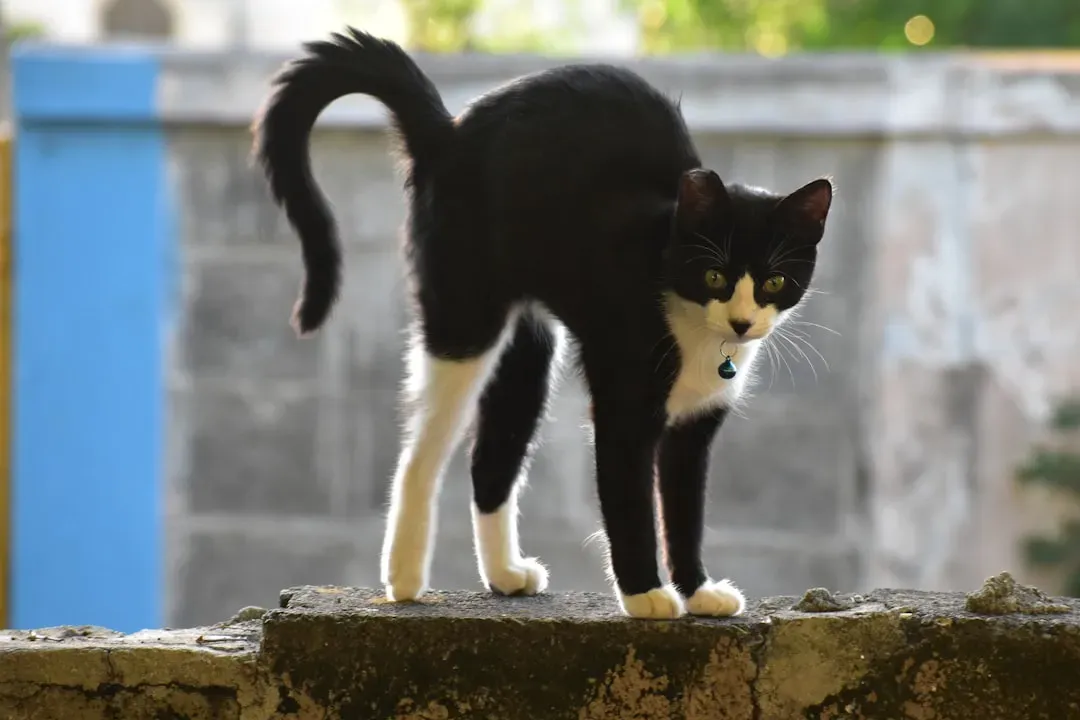
If your cat assumes the quintessential Halloween-cat posture with a puffed tail and arched back, then they are startled or frightened by a sudden, severe threat, and your cat’s hair stands on end (piloerection) so they can appear to be larger. Most people recognize this as the classic scared cat pose.
However, a puffed-out tail, often two or three times the size of a normal one, is either a sign of a very excited cat or one that is scared and ready for a fight. Excitement and fear can trigger the same physiological response. I’ve seen cats puff up during intense play sessions when they’re having the time of their lives. The emotion driving it might be completely opposite from what you assume.
Tail Position in Cat Interactions Matters Less Than You Think
Our analysis of tail–ears configurations shows clearly that the position of the ears is more important than tail position for both cats when they interact. This comes from actual research on feline communication, and it challenges what many of us believe.
Although the tail did not seem to play a significant role in visual configurations in cat interactions, the “tail-up” display was important when a cat approached a human being, and in the vast majority of cases the cat rubbed itself on a human’s leg(s). Your cat uses different signals depending on whether they’re communicating with you or another cat. The tail matters more in your relationship with them than in their relationships with each other.
The Tucked Tail Can Signal Pain, Not Just Fear
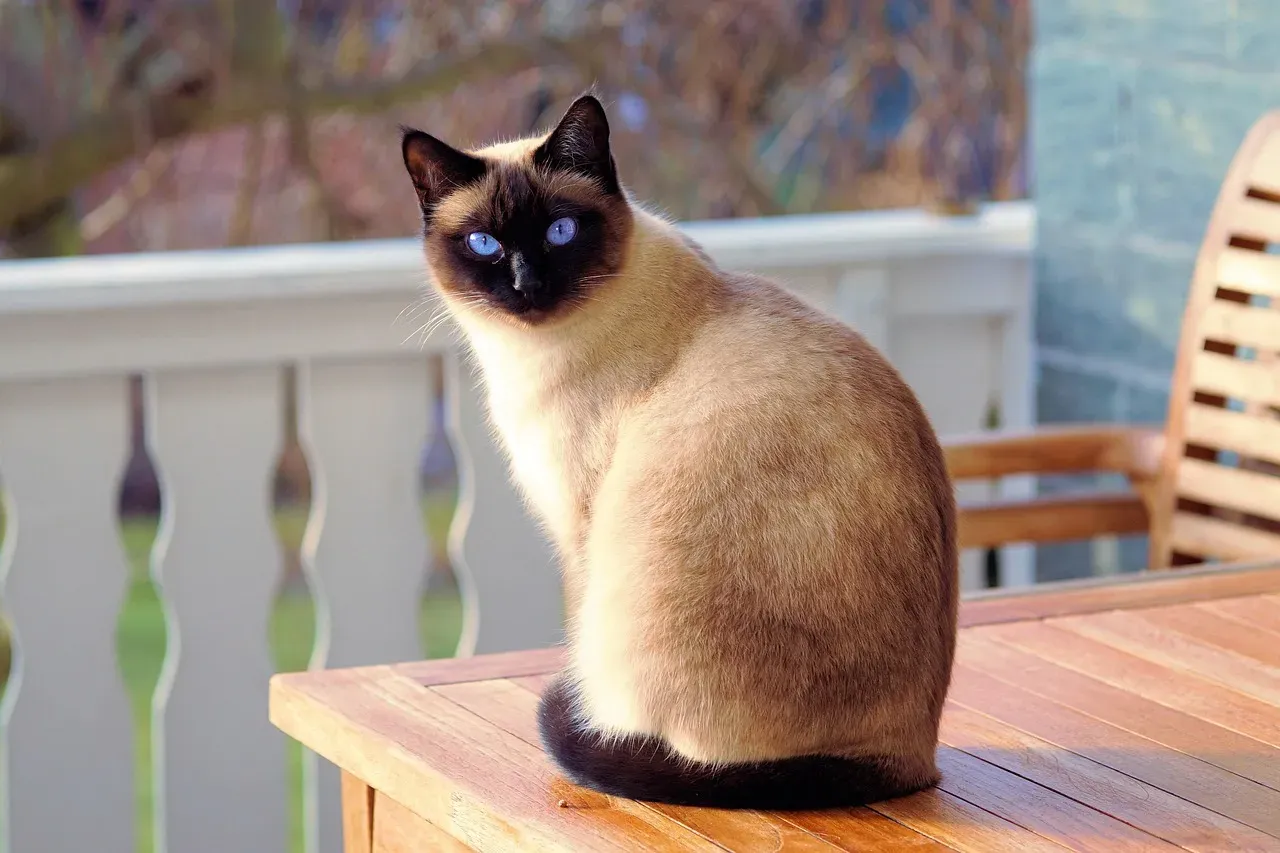
A cat may lower their tail below the level of their back if they are frightened or anxious, and if your cat’s tail is tucked between their legs, then they are really scared or may be experiencing pain. Pain and fear produce similar body language in cats.
Reading the tail language of a cat can also help you identify illness and pain more readily. If your cat suddenly starts keeping their tail low or tucked without an obvious fear trigger, don’t dismiss it. If your cat frequently crouches with their tail curled tightly around their body for more than a few days, then an evaluation by your veterinarian is warranted to rule out pain or illness. This could be your first clue that something’s physically wrong.
Understanding Tail Language Strengthens Your Bond
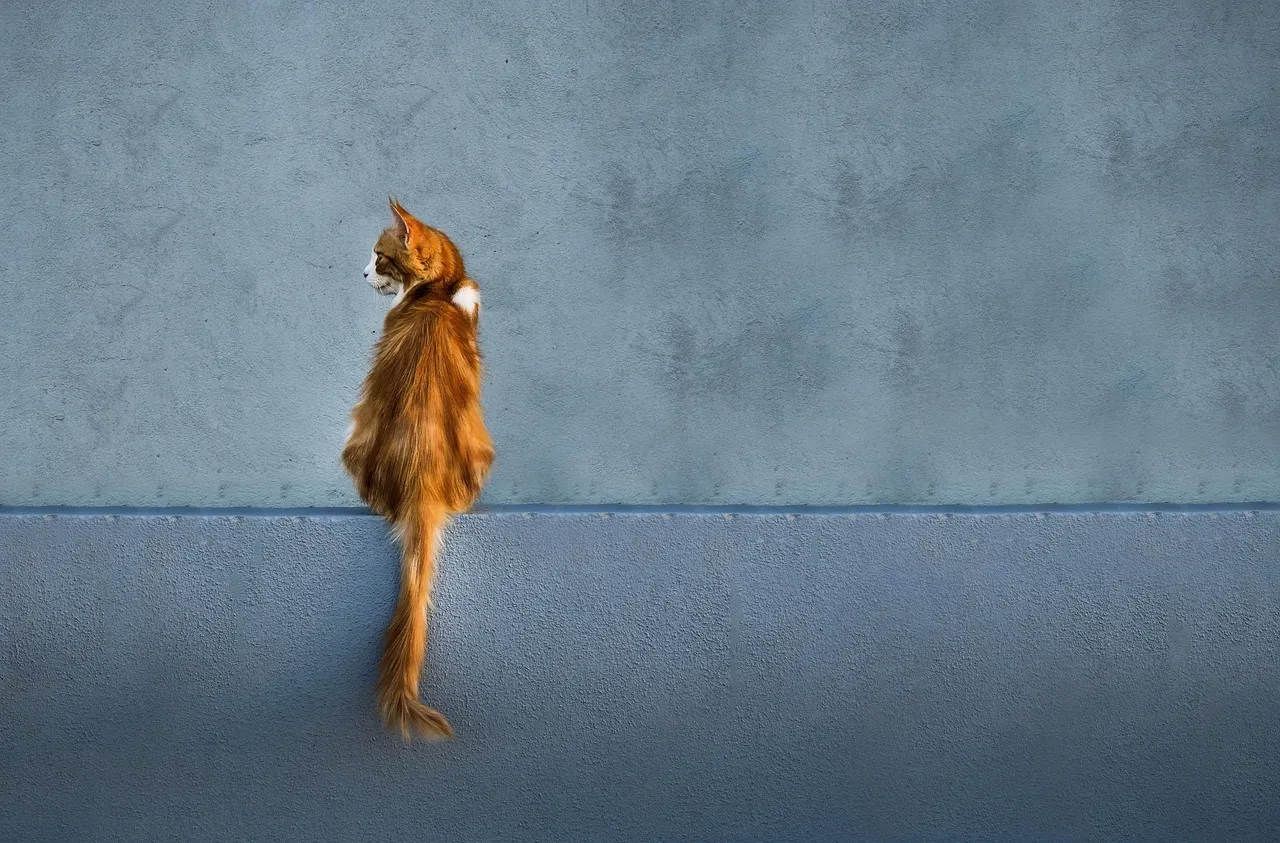
These tips for understanding cat tail language will empower you to build a more loving, trusting, and fulfilling relationship with your cat. Learning to read these signals isn’t just about avoiding scratches or understanding moods.
Reading your cat’s body language will help you determine how your kitty feels about particular interactions, and this allows you to identify the situations or environments that make your cat happy or cause fear. You become a better companion when you can recognize what your cat needs before they escalate to more aggressive communication. The tail gives you advance notice of their emotional state, creating opportunities to respond appropriately. Honestly, it makes you realize how much your cat has been trying to tell you all along.
Your cat has been speaking to you through their tail this entire time. The signals were always there, subtle and sophisticated, waiting for you to pay closer attention. Now that you know what to look for, you might be surprised by how much clearer your conversations become. What do you think your cat has been trying to tell you? Take a moment today to really watch their tail and see what message comes through.
Kristina is a young writer from India. An arts graduate and an avid content creator, Kristina is passionate about animals and wildlife. She enjoys exploring topics related to pet care, animal behavior, conservation, and nature, combining thorough research with engaging storytelling.