Ever caught your cat staring at you with those unblinking eyes and wondered what was going through their fuzzy little head? Maybe you’ve been sitting on the couch, minding your own business, when suddenly your feline companion decides to swish their tail in that peculiar way that makes you second-guess whether you should reach out for a pet or pull your hand back. Here’s the thing: your cat isn’t being mysterious just for the fun of it. They’re actually talking to you, constantly broadcasting their feelings, needs, and intentions through a complex language of body movements, sounds, and subtle gestures.
You’re probably missing half the conversation. Most people think cats are these aloof, independent creatures who barely acknowledge our existence, but that couldn’t be further from the truth. Every twitch of a whisker, every flick of an ear, every slow blink carries meaning. Learning to read these signals can transform your relationship with your cat from simple cohabitation to genuine understanding. So let’s dive into the fascinating world of feline communication and discover what your cat has been trying to tell you all along.
That Tail Tells a Thousand Stories
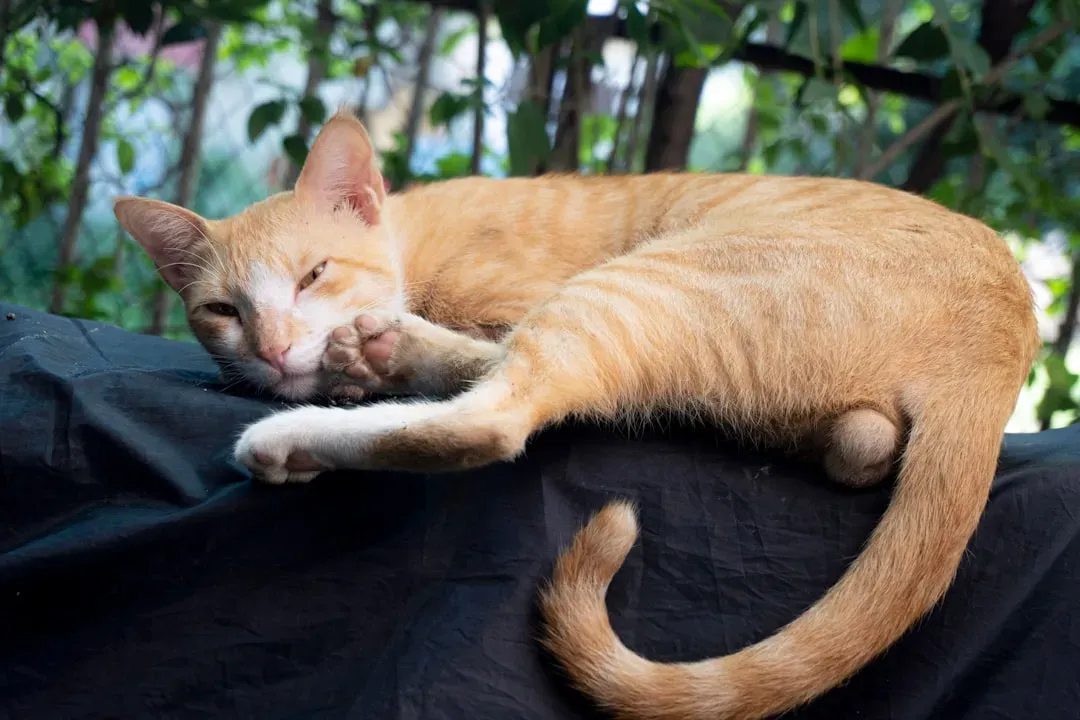
Your cat’s tail provides the greatest insight into what they are feeling. Think of it as a mood barometer that’s constantly updating you on their emotional state. When their tail is upright, they’re feeling social and confident, approaching in a friendly manner.
If the tail looks a bit like a question mark as they walk towards you, this means they are happy to see you and saying hello. That little curve at the tip? It’s basically your cat’s version of a warm greeting. On the flip side, when your cat thrashes their tail or thumps it on the ground, they are irritated, annoyed, or angry, and something is bothering them.
If your cat’s tail is tucked between their legs, then they are really scared or may be experiencing pain. You’ll want to give them space and figure out what’s causing their distress. A puffed tail and arched back mean they are startled or frightened by a sudden threat, making their hair stand on end so they can appear larger.
Ears Are Nature’s Emotional Radar
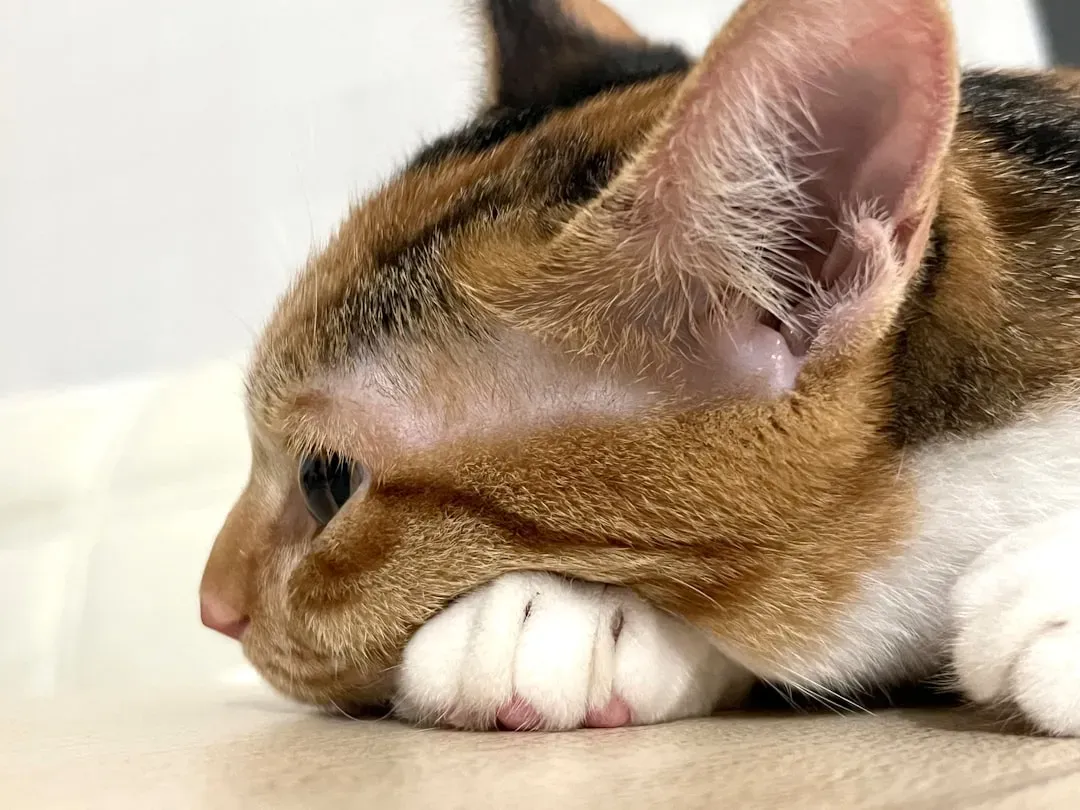
The cat’s external ear rotates up to 180 degrees to locate and identify even the faintest of squeaks or rustling noises. But ears aren’t just for hearing. They’re powerful communication tools that reveal exactly how your cat is feeling in the moment.
When a cat’s ears are facing forward in the neutral position, it indicates that a cat is feeling happy and relaxed and wants to chill out. This is your green light for interaction, cuddles, or playtime. If their ears are straight up, your cat is on high alert and listening intently, being curious and keeping aware of their surroundings.
Here’s where things get serious. If your cat’s ears are flattened against their head in airplane mode, it means that they’re frightened or nervous, and it could lead to aggressive behavior. When cats have their ears held back or sideways, they are frightened or anxious, something has upset them, and they are on high alert with their fight or flight response triggered. Don’t push your luck if you see this position.
The Eyes Have It
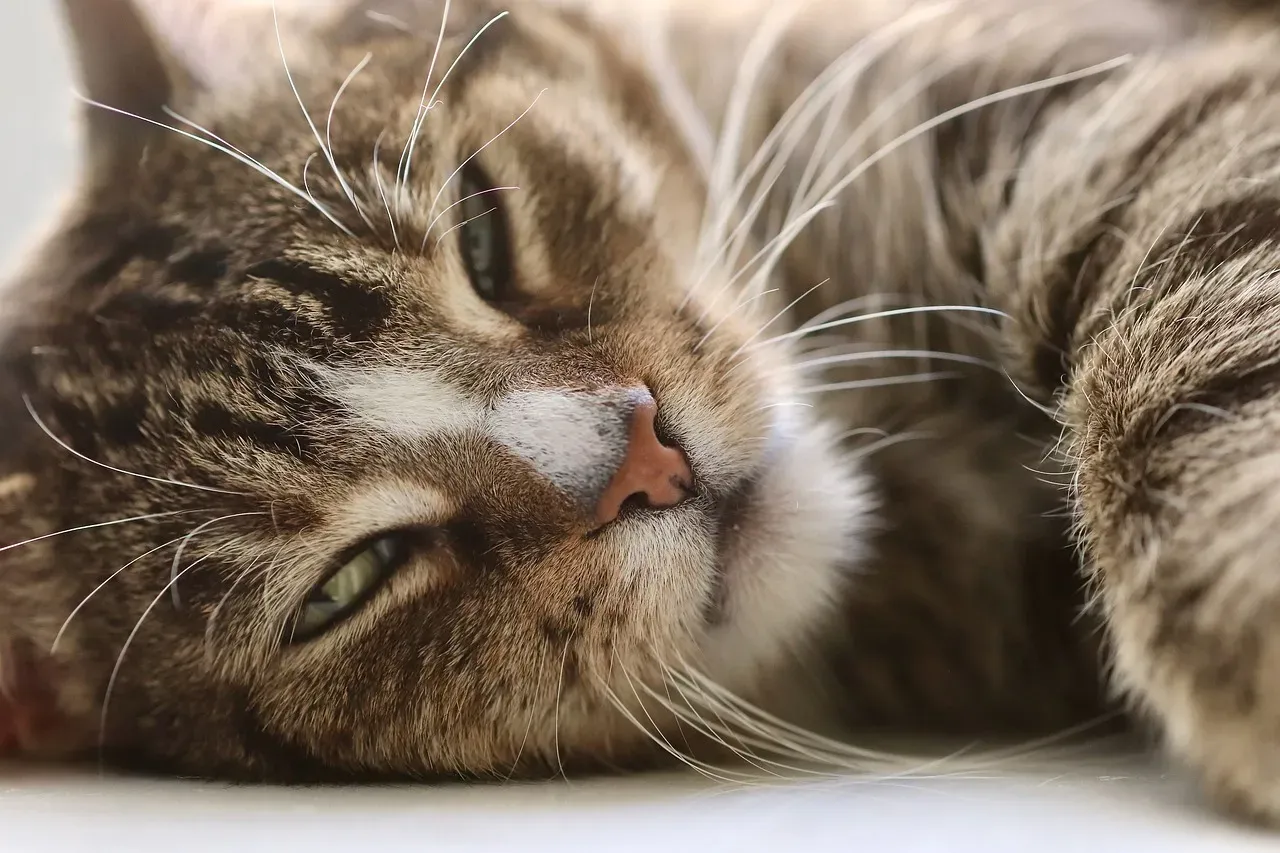
A cat who slowly blinks or lowers their eyelids is showing trust and affection, often referred to as a cat kiss. Honestly, it’s one of the sweetest things a cat can do. When your feline friend gives you one of these slow, deliberate blinks, they’re essentially saying they feel safe and comfortable with you.
A direct stare by a cat usually communicates a challenge or threat and is more likely to be seen in high-ranking cats. So if you’re locked in a staring contest with your cat, you might actually be engaging in a low-level dominance display. Staring with wide eyes and little blinking occurs during antagonistic meetings, while cats that feel threatened may look away or rapidly blink.
If cats have relaxed eyes, with blinking and winking, sometimes with their eyes half-closed, these are non-threatening signals that show the cat is content. You can actually communicate back by giving your cat slow blinks. Try it sometime – it’s like speaking their language fluently.
Whisker Wisdom You Can’t Ignore
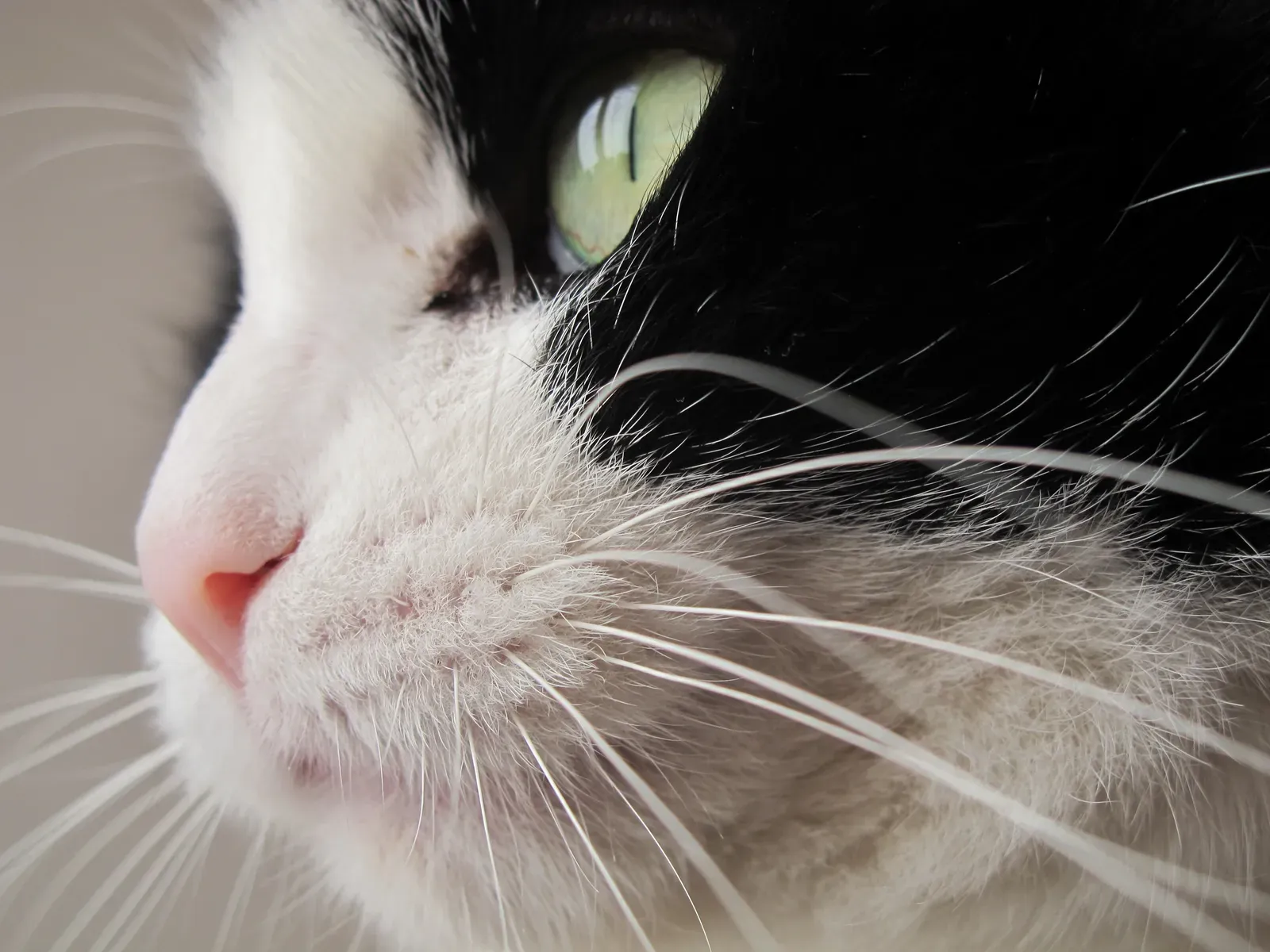
When tense or highly alert, the whiskers will be fanned out and pointing forward, while relaxed whiskers point directly out and are less spread out. These aren’t just cute facial features. They’re sophisticated sensory instruments that also telegraph emotional states.
A frightened or nervous cat may flatten their whiskers against the side of their face and bunch them together. It’s as if they’re trying to make themselves smaller and less noticeable. If whiskers are forward and fanned out, the cat is interested in something, but if pressed tight to their face, the cat is most likely afraid and attempting to make itself look smaller.
Watch how your cat’s whiskers move when they’re investigating something new or when they’re settling down for a nap. The difference is remarkable once you start paying attention. Those little movements are part of an ongoing broadcast of information about how they’re processing their environment.
The Meow: Your Cat’s Special Human Language
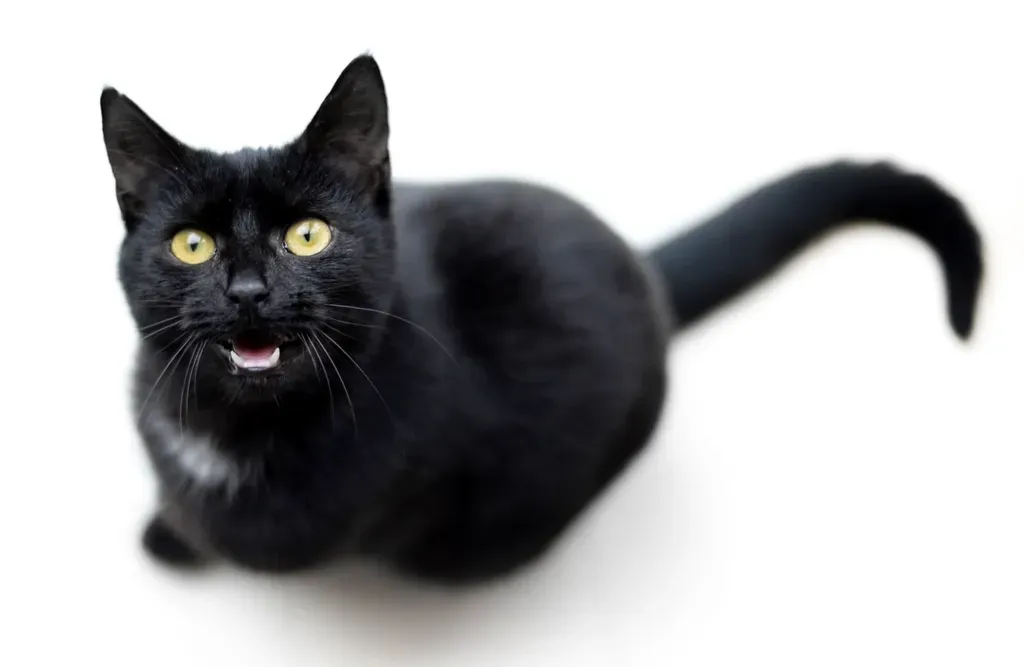
Studies have shown that domestic cats tend to meow much more than feral cats, and they rarely meow to communicate with fellow cats or other animals. Let’s be real: they developed this vocalization specifically for us. Adult cats only meow to humans and not to each other, most likely because their mothers stopped responding once they were weaned.
The meow of an adult cat is almost exclusively used to communicate with humans; as cats in domesticity tend to think of themselves as our eternal offspring, they maintain this endearing vocalization throughout their adult lives, and generally a meowing cat wants something. Sometimes it’s food. Sometimes it’s attention. Sometimes it’s just a friendly hello.
The frequency of meowing is an indicator of a cat’s frame of mind; rapid-fire meows mean hey, pay attention to me, while a longer, more plaintive meow can indicate worry, annoyance, or objection to something. Pay attention to the pitch, length, and intensity. Your cat is adjusting these variables to convey specific meanings just for you.
Purring Isn’t Always What You Think
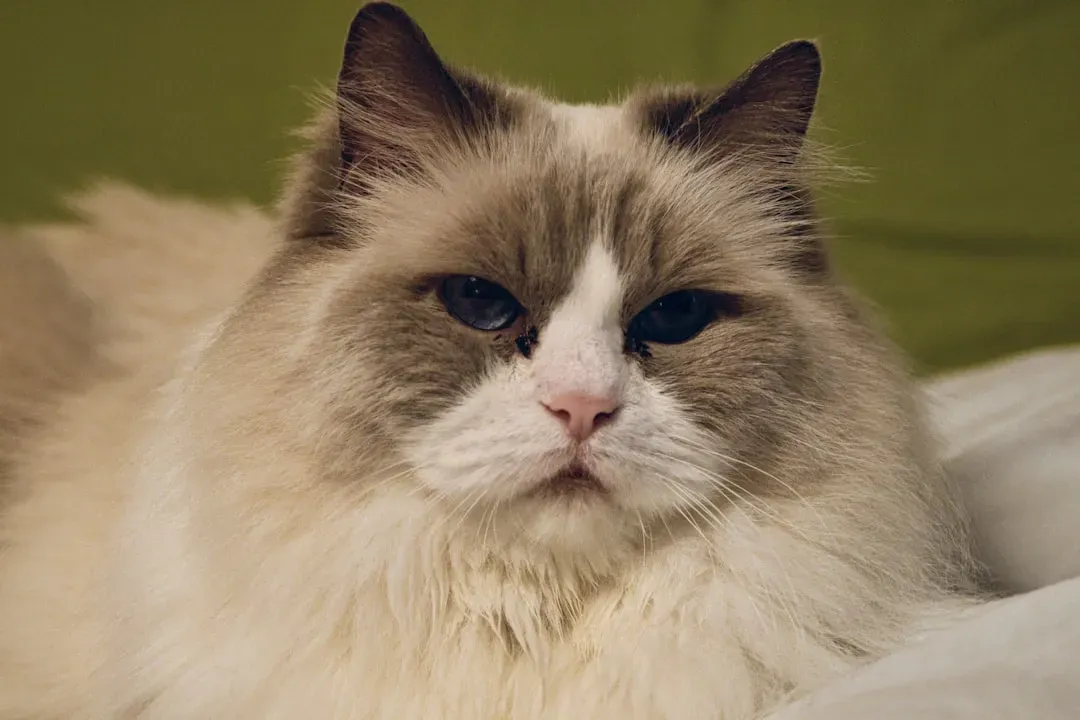
Most people assume purring equals happiness, and often that’s true. We often think that our cats are happy when they purr, but this is only true if their body language is relaxed. Here’s where it gets interesting, though.
Sometimes cats can purr in stressful situations, such as going to the vet, and they can also sometimes purr if they are in pain. It’s hard to say for sure, but scientists believe purring might serve as a self-soothing mechanism. A cat’s purring can also indicate distress, such as illness or injury, and it is suspected that by purring, the cat communicates to other cats that it is harmless or tricks potential predators, or the cat can soothe itself by purring.
Context is everything. Look at the whole picture – the ears, the tail, the body posture – before deciding what that purr really means. Your cat might be telling you they’re uncomfortable rather than content.
Body Posture: The Big Picture Signal
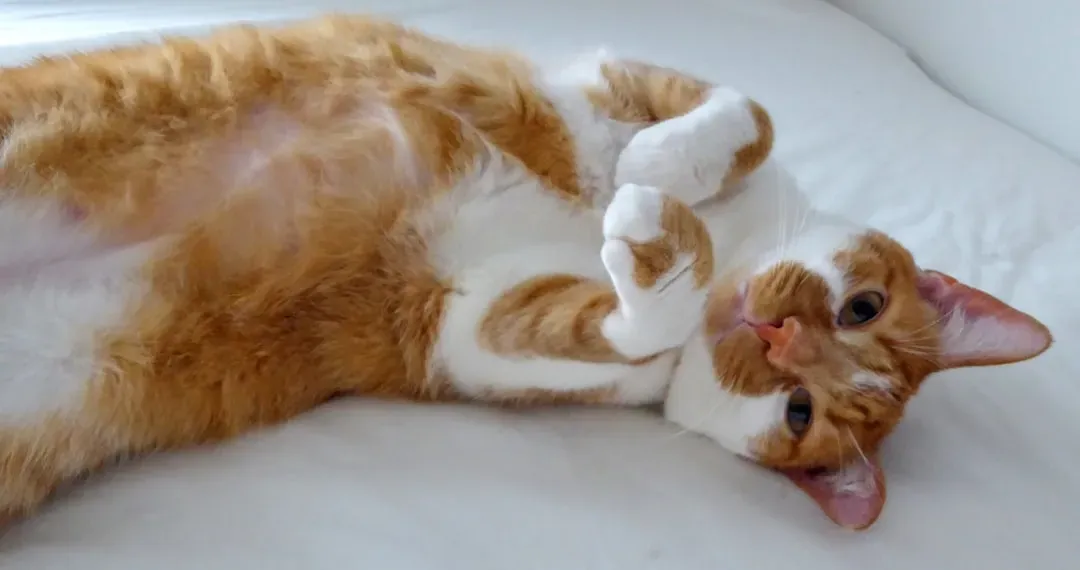
When cats lie on their back with their bellies exposed, they are in a position of vulnerability, and therefore this position may communicate a feeling of trust or comfort. But here’s the catch: that doesn’t necessarily mean they want you to touch their belly. Many cats will quickly go into defensive mode if you take that as an invitation.
A fearful cat will be lying on its belly or crouching directly on top of its paws, with its entire body shaking and very near the ground, breathing fast with legs bent near the surface and tail curled close to its body. This is a cat in serious distress who needs space, not interaction.
Loafing, where the cat has paws tucked in its body with its body low to the ground and tail underneath or around the body, happens when cats are relaxed or cold. That classic bread loaf position is actually pretty adorable and usually indicates your cat feels safe.
Scent Messages You Can’t Even Detect
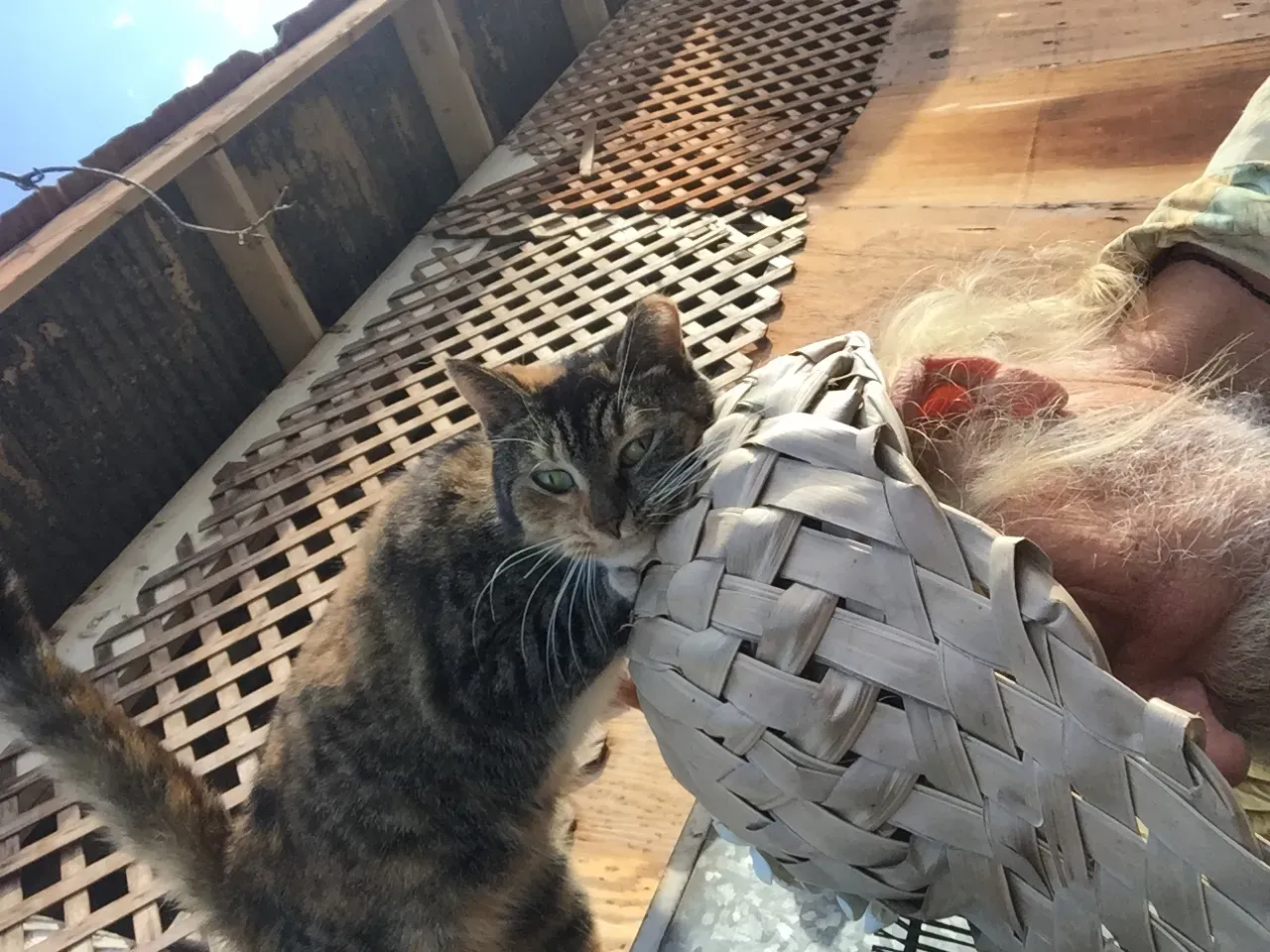
When your cat rubs around your legs to greet you, they are doing the same as they would in greeting another cat by mutual rubbing of the face and body. But there’s way more going on than you realize. Cats have nine scent glands spread throughout their body, with the most prominent located on the face, tail, paws, and anal region, releasing pheromones that help mark territory and signal emotions.
When your cat rubs their head and body along you, they are releasing pheromones, marking you as a bonded, trusted, and safe member of their social group. You’ve basically been claimed as part of their family. Certain areas of the skin are rich in these glands, such as beneath the chin, the sides of the mouth and cheeks, the sides of the forehead, the tail base and along the tail.
This chemical communication system is incredibly sophisticated, even if we can’t smell what’s happening. Your cat is constantly leaving messages for other cats and marking their territory, all while appearing to just rub against things for fun.
Special Sounds: Chirps, Trills, and Chatters
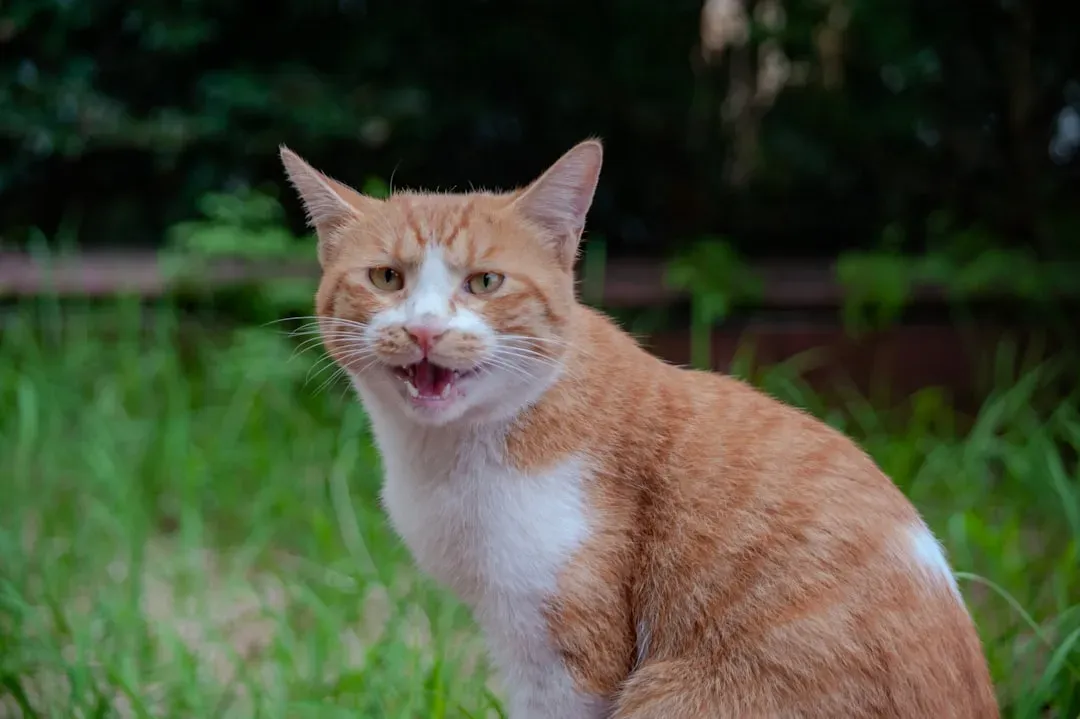
Chirps and trills are how a mother cat tells her kittens to follow her, and when aimed at you, it probably means your cat wants you to follow them, usually to their food bowl. It’s one of the friendliest sounds a cat can make. A trill is produced with a soft voice and sounds like a purr but with a higher pitch, and cats may trill to greet and thank their human family members for something; it is one of the most common amicable sounds a cat makes.
Then there’s that weird chattering sound. Cat chatter occurs when a cat is viewing prey that’s unattainable, usually directed towards birds but may be targeted towards other prey and even toys, produced in sequences with the jaw and a tensely open mouth. Chattering, chittering or twittering are the noises your cat makes when they’re sitting in the window watching birds or squirrels, and it usually translates to excitement.
No one is completely certain why cats do this, but theories range from frustration at not being able to catch the prey to practicing their killing bite. Either way, it’s one of the most distinctive and amusing sounds in the feline vocabulary.
Touch: When Your Cat Chooses Contact
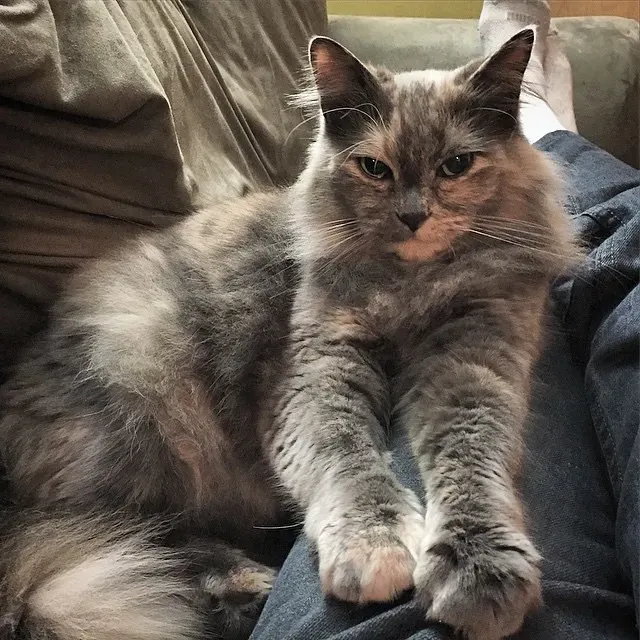
Cats sometimes repeatedly tread their front paws on humans or soft objects with a kneading action; this is instinctive and is presumably derived from the action used to stimulate milk let-down from the mother during nursing. When your cat does this to you, they’re in a deeply content, regressed state of happiness.
Gentle biting, often accompanied by purring and kneading, can communicate affection or playfulness directed at the human owner or another cat. These love nibbles are usually soft and controlled. Stronger bites that are often accompanied by hissing or growling usually communicate aggression, so it’s important to know the difference.
Every cat has a different petting threshold, meaning that some cats don’t mind being pet for a really long time and other cats only want a few minutes worth of petting before they are done. Learning your individual cat’s preferences and limits will save you from unexpected swats and build trust between you.
Reading the Whole Message
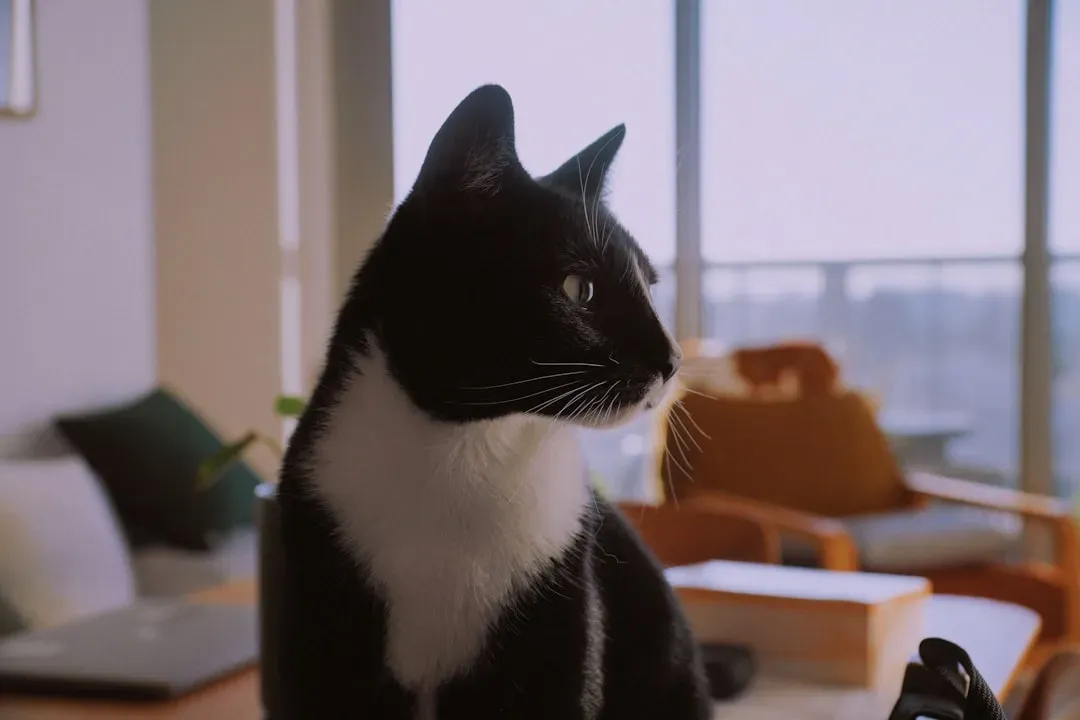
Usually cats use a combination of communication signals through their ears, eyes, and body posture, and responsible pet owners need to learn how to read their cats body language and be understanding of their emotions. You can’t just look at one element in isolation. A thrashing tail combined with flattened ears and dilated pupils tells a very different story than a gently swaying tail with relaxed ears.
Behavior is always contextual, so pay attention to the cat’s entire body and to what’s going on in the environment; by paying close attention to our cats’ body language, we can do a better job of attending to their needs and have even stronger, happier relationships with them. It takes practice, but once you start seeing the patterns, it becomes second nature.
When a cat lives with a human, it very quickly learns to read their mood at any given moment from their body language, the sound of their voice and eye contact, and cats are extremely good at picking up on emotions such as nervousness, fear, affection and joy. Your cat is already reading you like a book. It’s only fair you learn to read them back.
The fascinating truth is that your cat has been communicating with you all along. Every moment you spend together, they’re broadcasting their feelings, desires, and boundaries through this intricate system of signals. The question isn’t whether your cat is talking to you – it’s whether you’ve been listening. Now that you know what to look for, you’ll probably be amazed at how much your cat has to say. What will you discover when you start paying closer attention?
Kristina is a young writer from India. An arts graduate and an avid content creator, Kristina is passionate about animals and wildlife. She enjoys exploring topics related to pet care, animal behavior, conservation, and nature, combining thorough research with engaging storytelling.