You’ve heard it a million times before. Cats are aloof. Independent. They barely tolerate your existence and only hang around for the food. That’s the stereotype, anyway. For decades, we’ve been conditioned to believe our feline companions are little more than four-legged roommates who occasionally grace us with their presence.
Here’s the thing: recent science is flipping that narrative completely on its head. It turns out your cat isn’t just putting up with you – they’re actually engaging in complex social behaviors that rival those of dogs. Yes, dogs. I know it sounds crazy, especially if you’ve spent years apologizing for your cat’s seemingly cold demeanor. The truth is far more fascinating and, honestly, kind of heartwarming. Let’s dive in.
They Match Dogs in Social Intelligence Tests
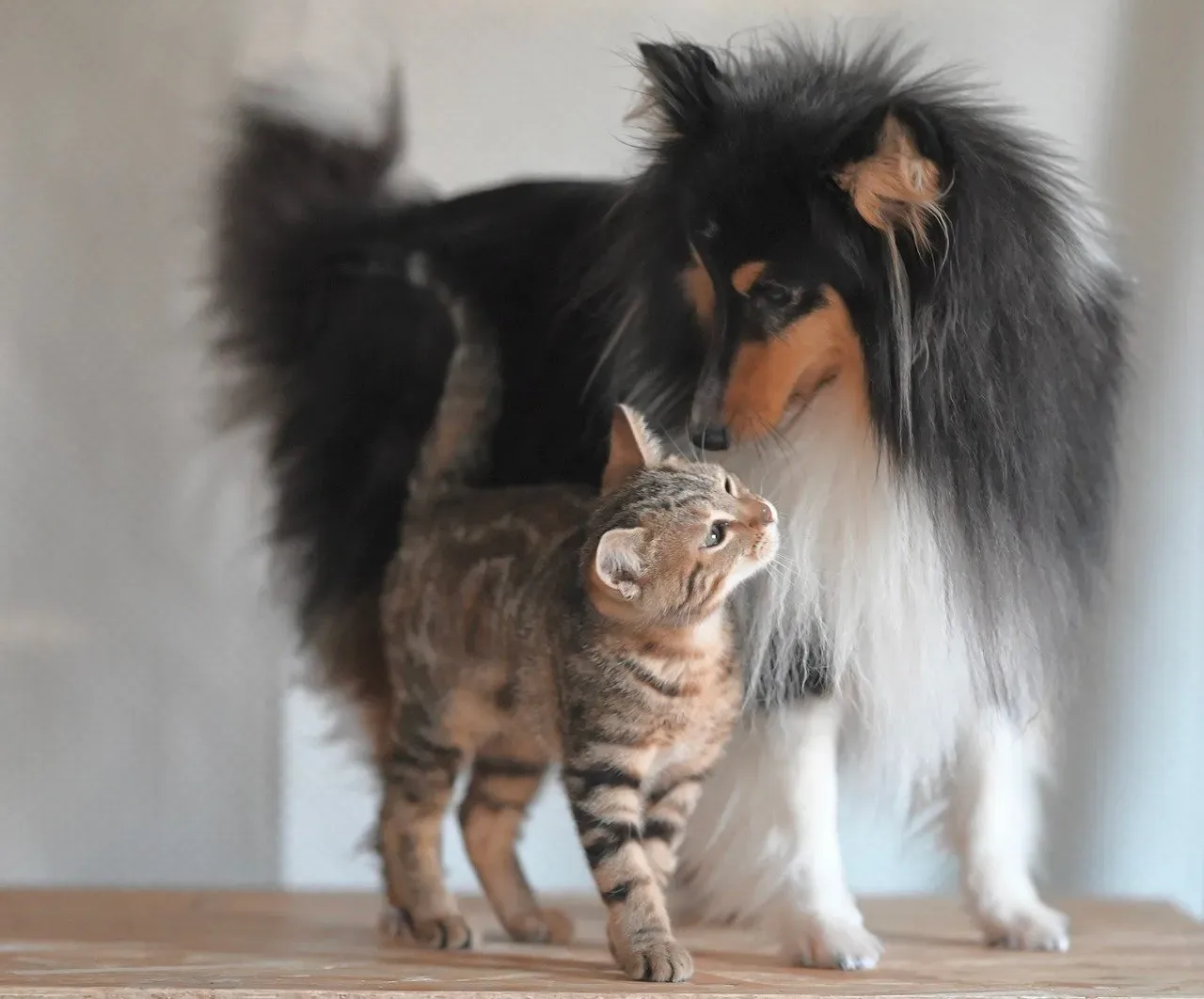
Labs studying feline social cognition have popped up around the globe, and a small but growing number of studies is showing that cats match dogs in many tests of social smarts. Think about that for a second. After years of researchers focusing almost exclusively on canine intelligence, cats are finally getting their moment in the spotlight. The results? Pretty surprising.
Cats can trot right over to the bowl an experimenter is pointing at, passing the test as easily as their canine rivals. This ability to follow human pointing gestures is a big deal in animal cognition research. It shows that cats understand we’re trying to communicate something specific to them. Cats’ ability to follow human gaze is considered to be one of the more difficult visual referential signals given during human-animal interactions. So yeah, your cat gets it when you’re trying to show them something.
Your Cat Actually Recognizes Your Face and Voice
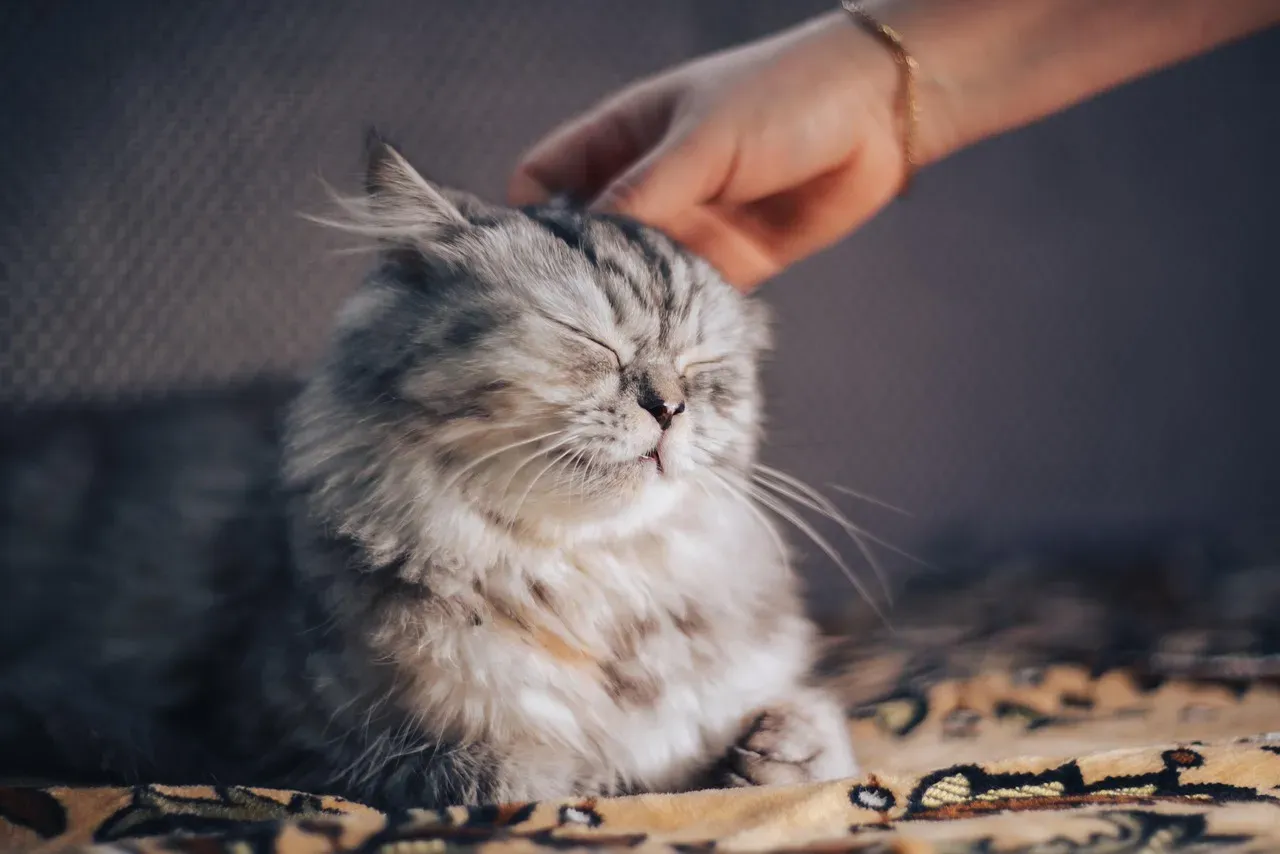
Let’s be real: most cat owners have suspected their pets know exactly who they are. Science backs this up now. Privately owned cats can discriminate their own names from other words. They’re not just reacting to random sounds – they know when you’re calling them. Whether they choose to respond is another matter entirely, which honestly makes perfect sense if you’ve ever lived with a cat.
People all around the world live with cats and cats engage in many social behaviors toward their owners, yet olfaction’s role in recognizing humans remains unclear. Recent studies show cats use multiple senses to identify their favorite humans. Domestic cats meow more frequently when greeting male caregivers than female caregivers, and this behavior may be an adaptive response to less verbal engagement from men. That level of adjustment shows serious social awareness.
They’ve Developed a Special Language Just for Us
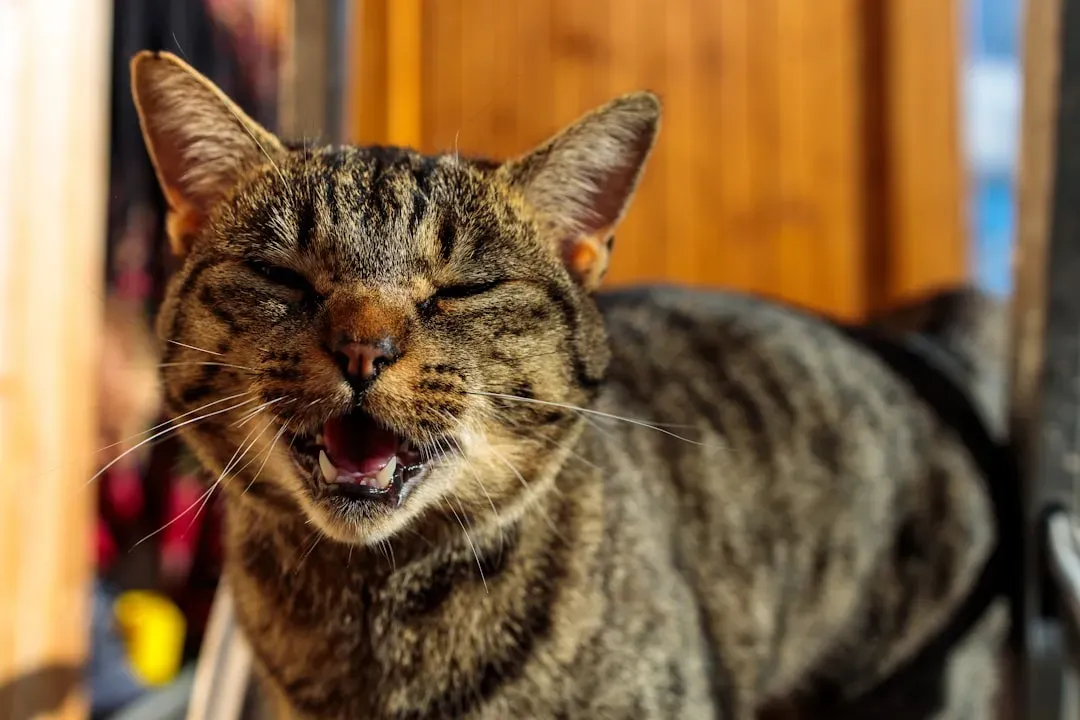
Studies have shown that domestic cats tend to meow much more than feral cats, and they rarely meow to communicate with fellow cats or other animals. Let that sink in. Your cat literally created a communication method specifically for interacting with humans. That’s not the behavior of an aloof, asocial creature.
Meows are attention-seeking vocalizations in interspecific situations and higher pitched than in feral cats and wild ancestors. They’ve actually evolved their vocalizations to be more appealing to human ears. Cats modify their purrs when actively soliciting food, making them more urgent and less pleasant than when just resting, and people are capable of distinguishing these. If that’s not sophisticated social behavior, I don’t know what is.
Cats Form Complex Social Bonds With Each Other
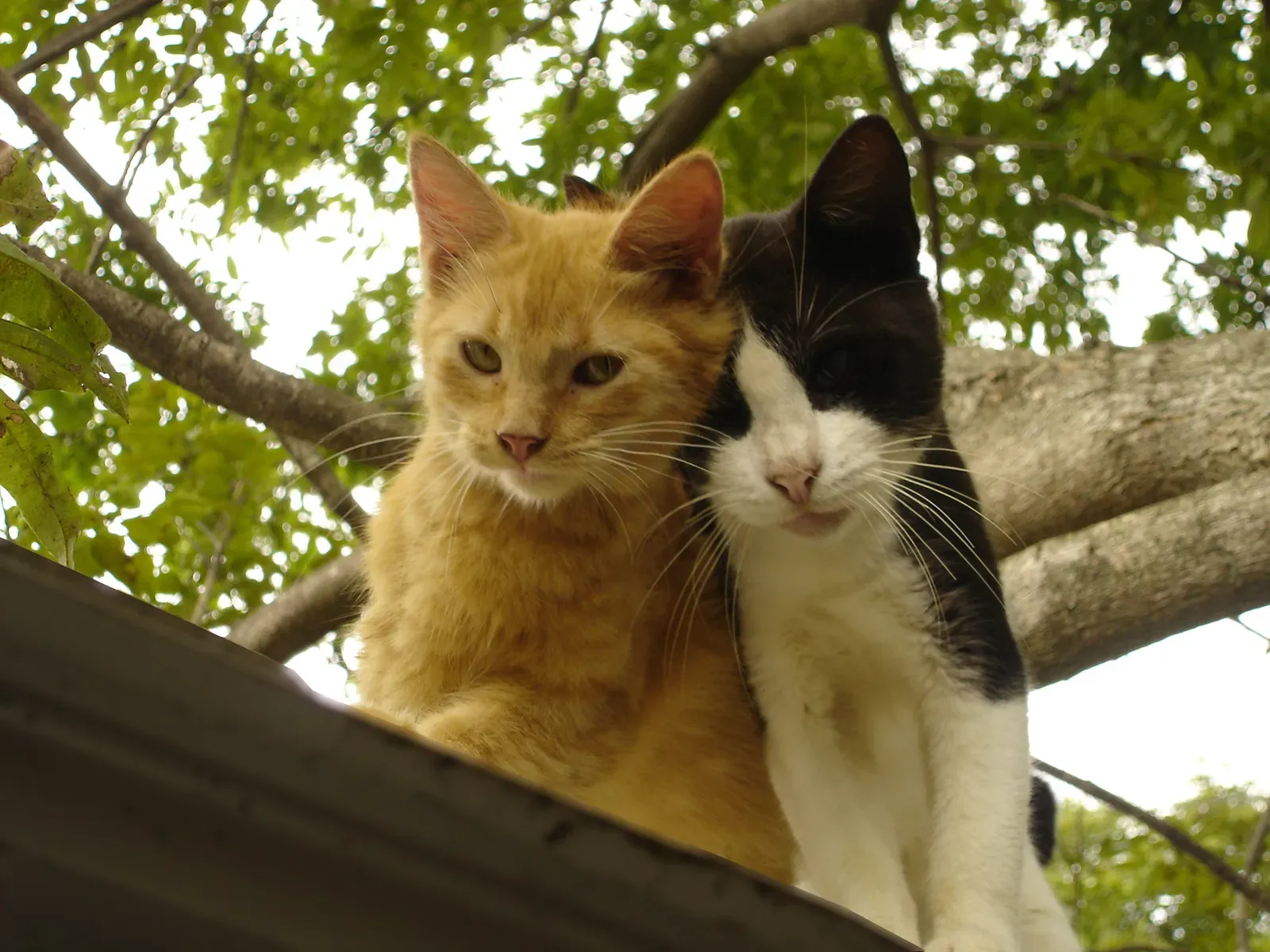
Here’s where things get really interesting. While Felis catus can survive in the solitary state, social groups with an internal structure are formed whenever there are sufficient food resources to support them, and most people who have cats have two or more cats. So the whole “solitary hunter” thing? It’s only part of the story.
Within the group, a number of affiliative behaviors are exhibited, particularly between cats that are preferred associates – cats that can be found close together more frequently than they are found with other members of the colony, together in a variety of contexts and locations. They choose their friends, basically. Females that aid each other during rearing of kittens may or may not be related. That’s pretty remarkable cooperative behavior for supposedly antisocial animals.
They Use Sophisticated Communication Strategies
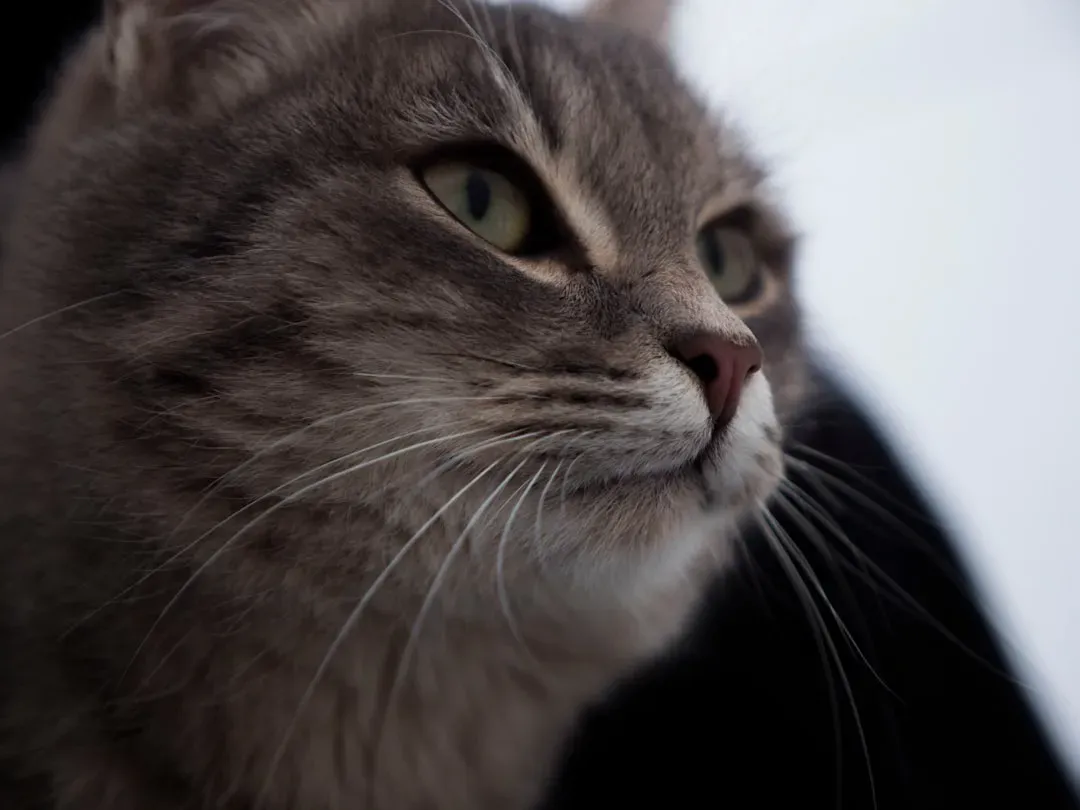
Gaze alternation is a behavior reliably indicating social referencing in cats and cats’ social communication with humans is affected by the person’s availability for visual interaction. Translation: your cat is checking in with you, looking between you and something they’re interested in. It’s the same thing human babies do before they can talk.
When in the presence of an attentive caregiver, cats initiated first gaze at the caregiver faster, gazed at the caregiver for longer, and approached the treat more frequently compared to when the caregiver was inattentive. Your cat notices whether you’re paying attention or scrolling through your phone. They adjust their behavior accordingly. That requires some serious social processing power.
Therapy Cats Are Proving Their Social Skills
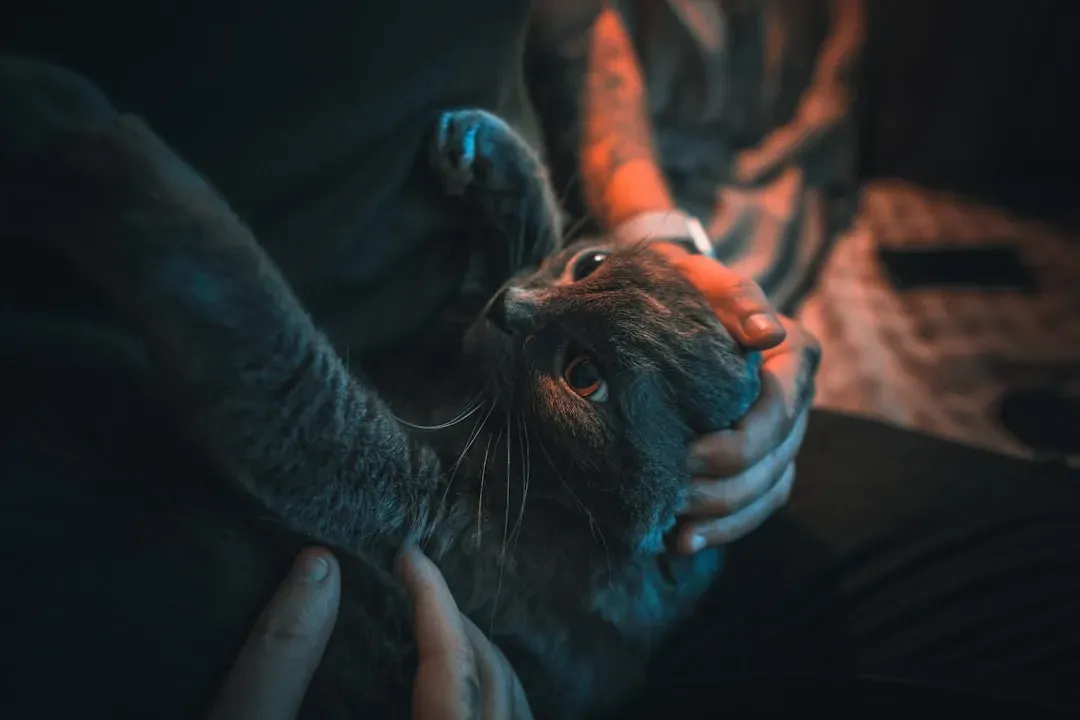
Cats chosen to engage in Animal Assisted Services seem to exhibit the same behavioral traits as therapy dogs – like high sociability and a willingness to engage with people. This completely challenges the assumption that only dogs are suited for therapeutic work. Expanding therapy programs to include felines could make therapy more accessible to a wider range of people, as some individuals may find comfort in a cat’s quiet presence rather than the enthusiastic energy of a dog.
Cats participating in Animal Assisted Services tend to be more social with both humans and other cats, more attention-seeking and more tolerant of being handled. Not every cat has this temperament, obviously. Still, the fact that many cats naturally possess these traits tells us something important about their capacity for social connection.
Socialization Makes Them Better Problem Solvers
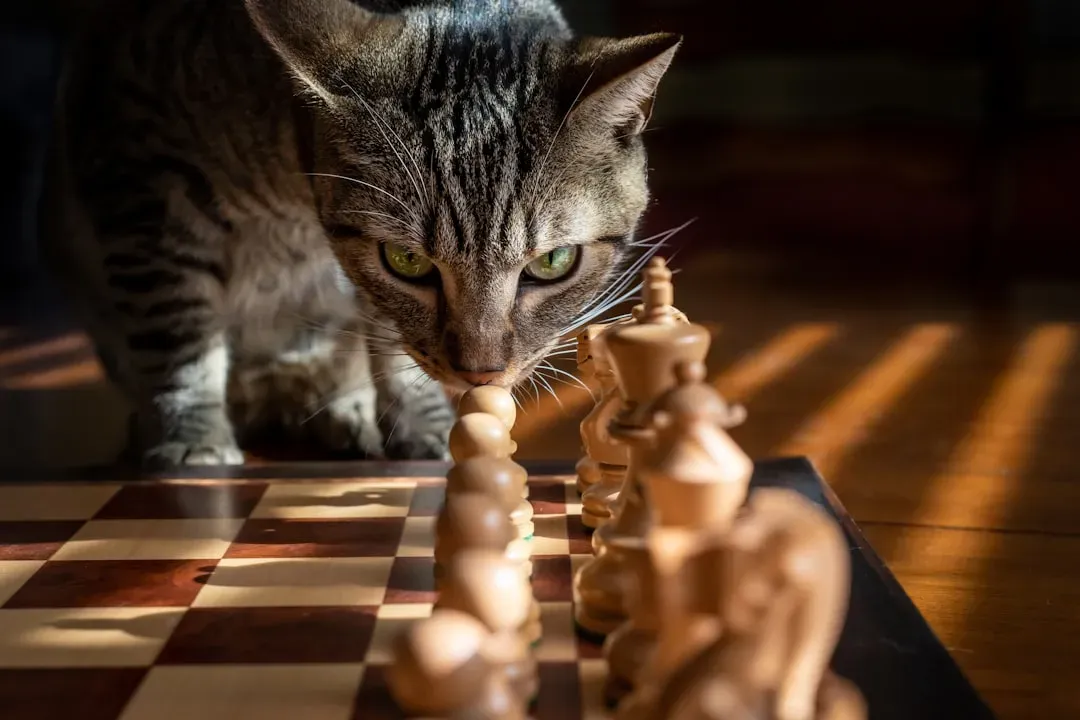
More socialized cats were more likely to solve puzzles and solve them faster, giving us information about cat socialization, cat cognition, and the effects of human exposure on other animals. Social interaction doesn’t just make cats friendlier – it actually makes them smarter. That’s a huge finding.
Domestic cats are capable of leading both solitary and social lives and socializing to humans, and this type of socialization may also enhance an animal’s problem-solving ability. The more your cat interacts with you and learns to trust you, the more cognitively flexible they become. Think about what that means for cats in shelters or those who haven’t had much human contact. With proper socialization, their entire world could open up.
They Show Empathy and Emotional Intelligence
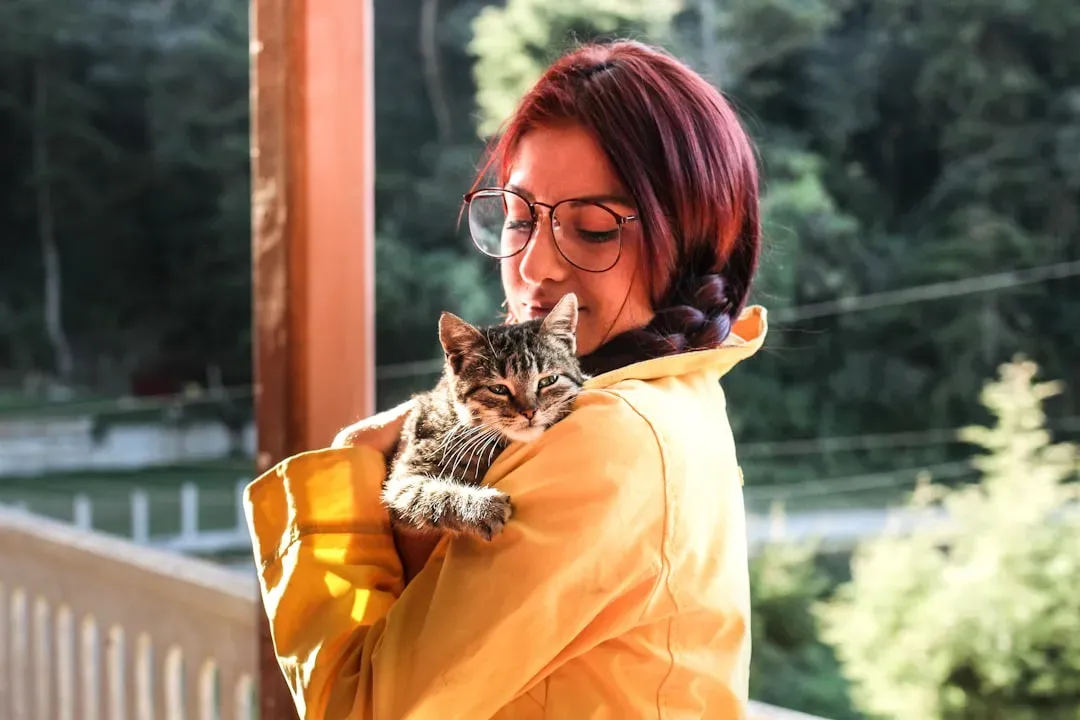
A cat will alternate their gaze between an object and the caregiver, which is a strategy cats use to communicate with their caregiver, suggesting the cat understands the problem and is seeking attention from their caretaker. This is called referential communication. It’s not just random behavior – it’s intentional social signaling.
Stress and increased levels of inflammatory markers predicted reduced social referencing, particularly in older cats. Aging processes are changing who they are and the way in which they interact with their environment and with you. When your older cat seems less social, it might not be personality – it could be a health issue that deserves attention.
The Science Behind Their Social Evolution
There is no evidence for intraspecific social behavior in the ancestral species Felis silvestris, and the capacity for group formation almost certainly evolved concurrently with the self-domestication of the cat during the period 10,000 to 5,000 years before present. In evolutionary terms, that’s incredibly recent. Cats essentially taught themselves to be social during their relationship with humans.
The domestication process and responsiveness to socialization emphasized the possible relevance in the development of human-compatible socio-cognitive skills even in animals where the ancestor was not a highly social species. Your cat’s ability to read you, communicate with you, and bond with you isn’t just instinct. It’s the result of thousands of years of mutual adaptation. Pretty amazing when you think about it. What do you think about your cat’s social skills now? Still think they’re ignoring you on purpose?
Kristina is a young writer from India. An arts graduate and an avid content creator, Kristina is passionate about animals and wildlife. She enjoys exploring topics related to pet care, animal behavior, conservation, and nature, combining thorough research with engaging storytelling.