A Cat's Blink Is a Powerful Gesture of Trust and Affection
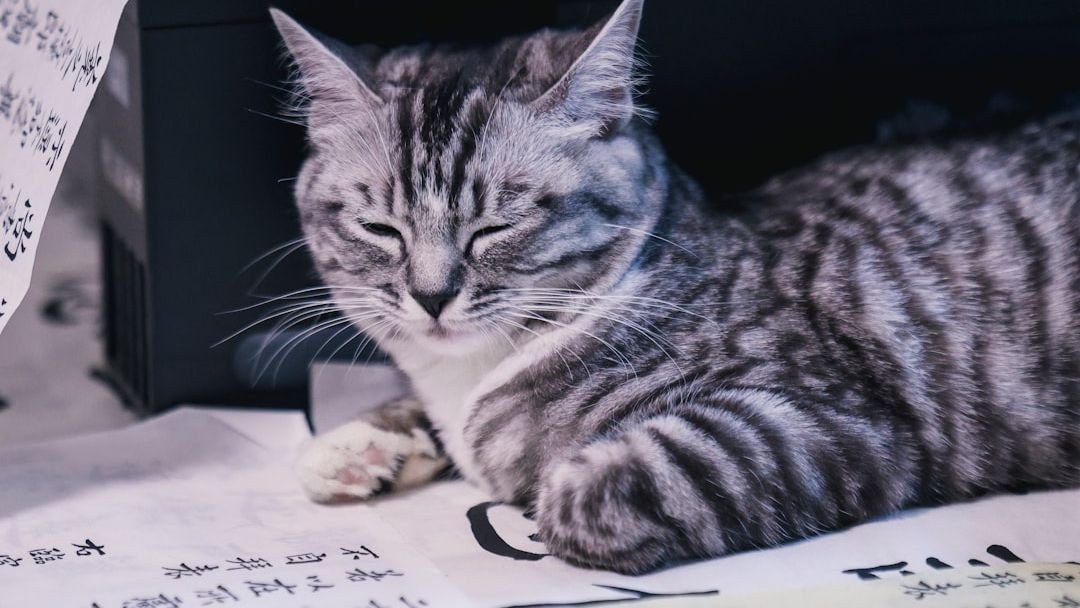
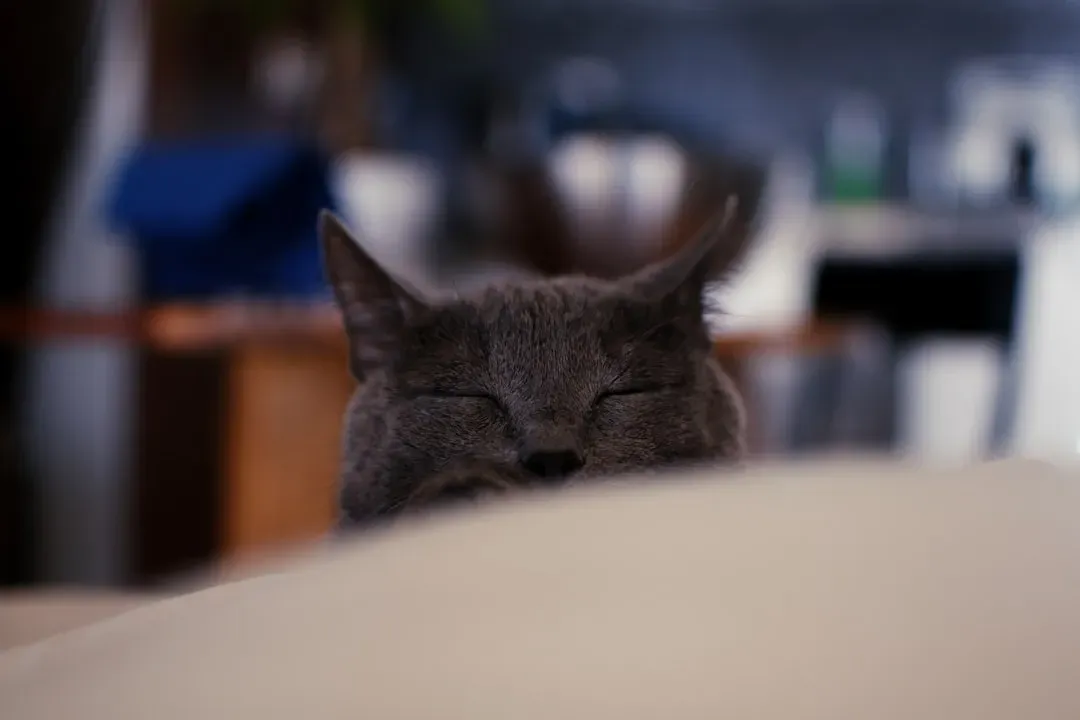
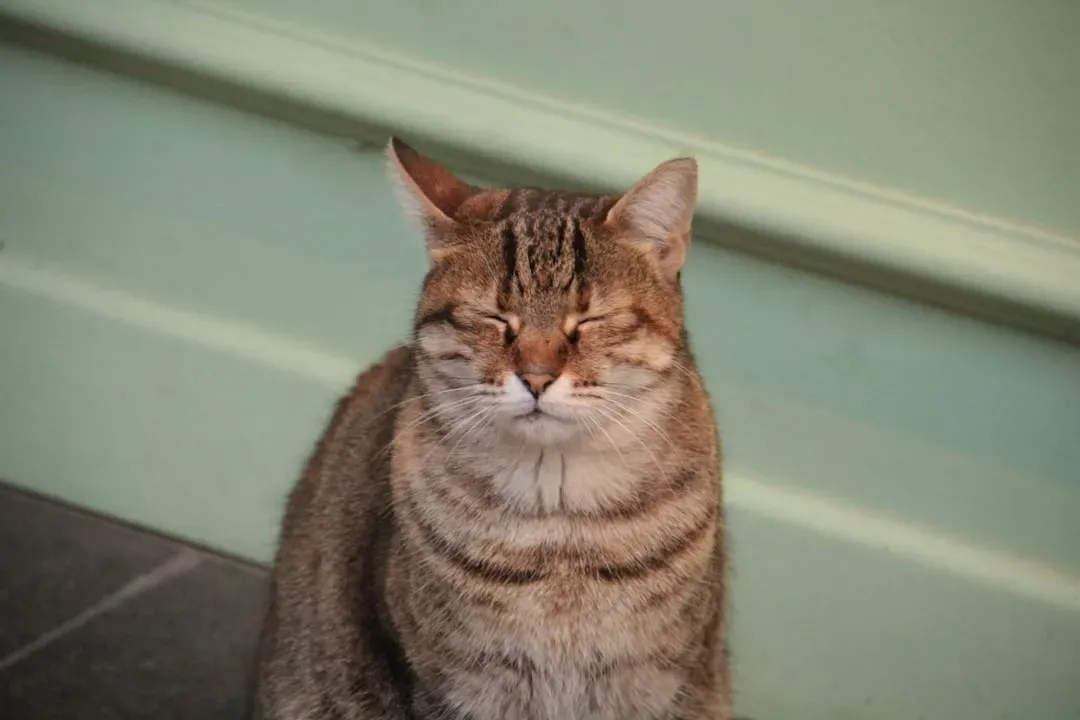
You've probably noticed it. That slow, deliberate closing of your cat's eyes when they're looking at you. It's easy to miss if you're not paying attention. Maybe you thought they were just sleepy or bored. Let me tell you, it's so much more than that.
For cats, slow blinking is a sign of trust, meaning they trust you enough to lower their guard. This isn't just some cute behavior people made up. Scientists have actually studied this, and what they found is pretty remarkable. Your cat is speaking to you in their own language, one that doesn't involve meowing or purring. It's subtle, quiet, almost like a secret between the two of you.
So let's dive into what makes this simple eye movement one of the most beautiful forms of communication between cats and humans.
The Vulnerable Act of Closing Their Eyes
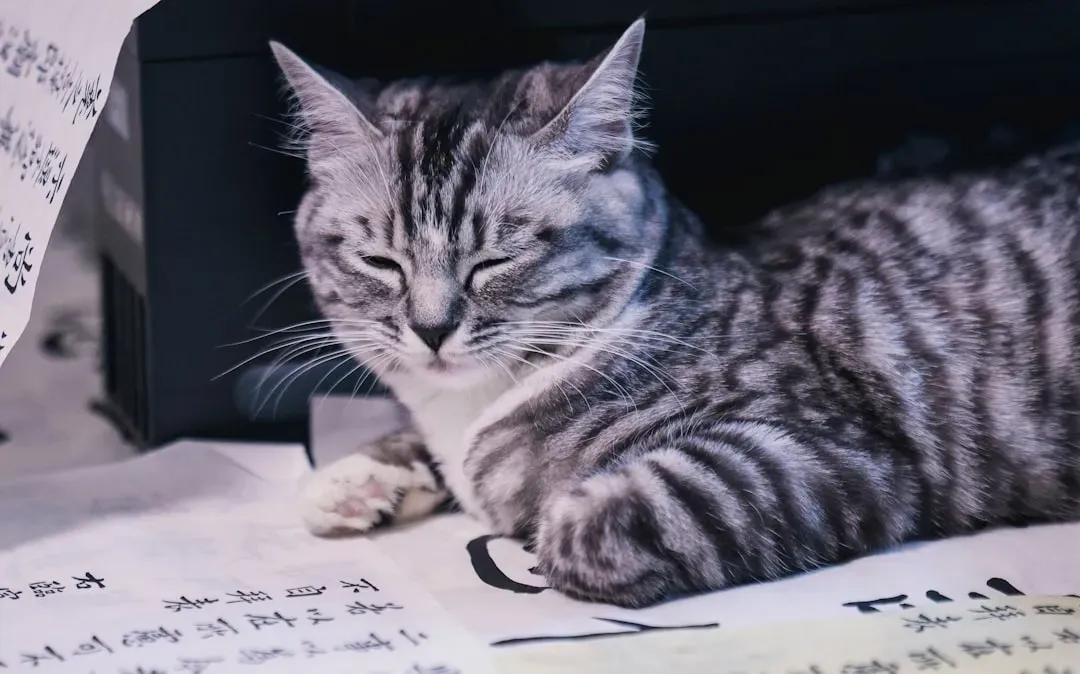
Think about it for a second. In the wild, cats are both predators and prey, and anytime their eyes are closed, they can't spot potential threats nearby. They're completely vulnerable. Every instinct in their body tells them to stay alert, to keep watch.
When a cat slow blinks at you, closing their eyes in the presence of another creature makes them vulnerable, as they are unable to detect potential threats. It's a massive act of faith. Your cat is choosing to be defenseless around you. That's not something they do lightly or for just anyone.
The Science Behind the Slow Blink
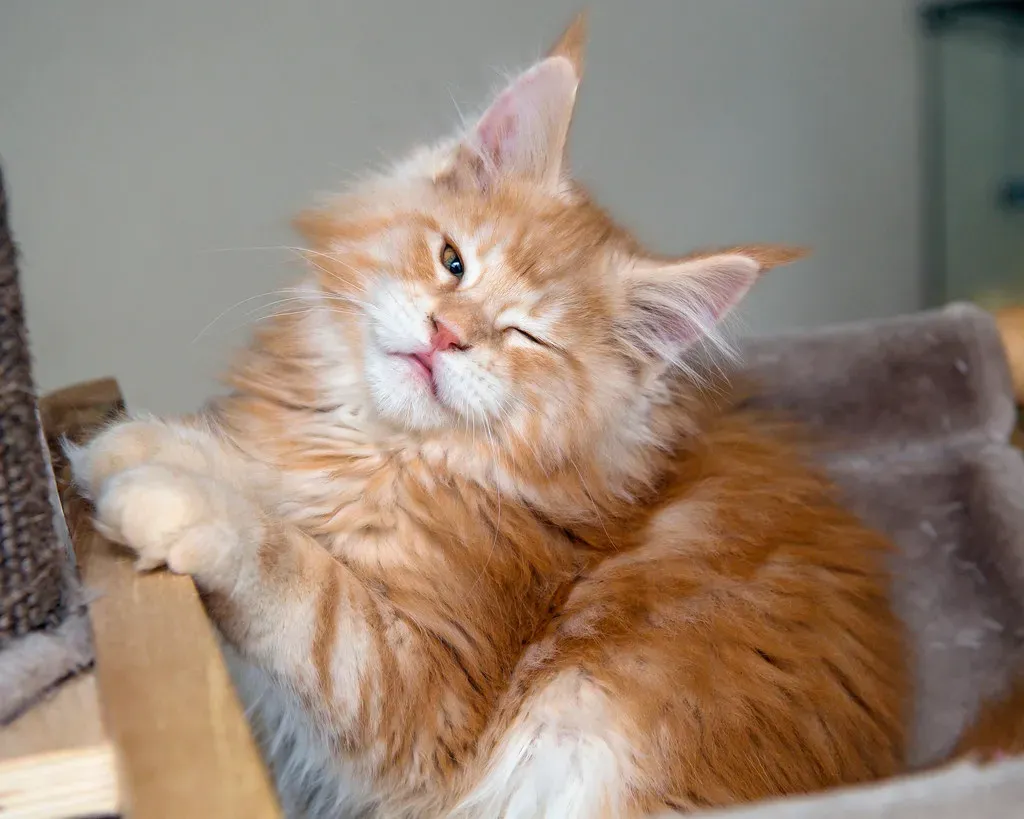
Research has shown that slow blinking is not just an anecdotal behavior observed by cat owners but a scientifically supported form of communication, with a study conducted by the University of Sussex finding that cats are more likely to slow blink at their owners when their owners slow blink at them. This is solid evidence that cats understand what we're trying to communicate.
The slow blink sequence appears to be an indicator of positive emotion in cats. Researchers didn't just observe this casually. They set up controlled experiments and recorded everything. The first experiment revealed that cats are more likely to slow blink at their owners after their owners have slow blinked at them, compared to when they don't interact at all.
Even more fascinating? Cats were more likely to approach an experimenter's outstretched hand after they'd slow blinked at the cat, compared to when they had adopted a neutral expression. This was with strangers, not their owners. The gesture works across the board.
What Your Cat Is Really Saying
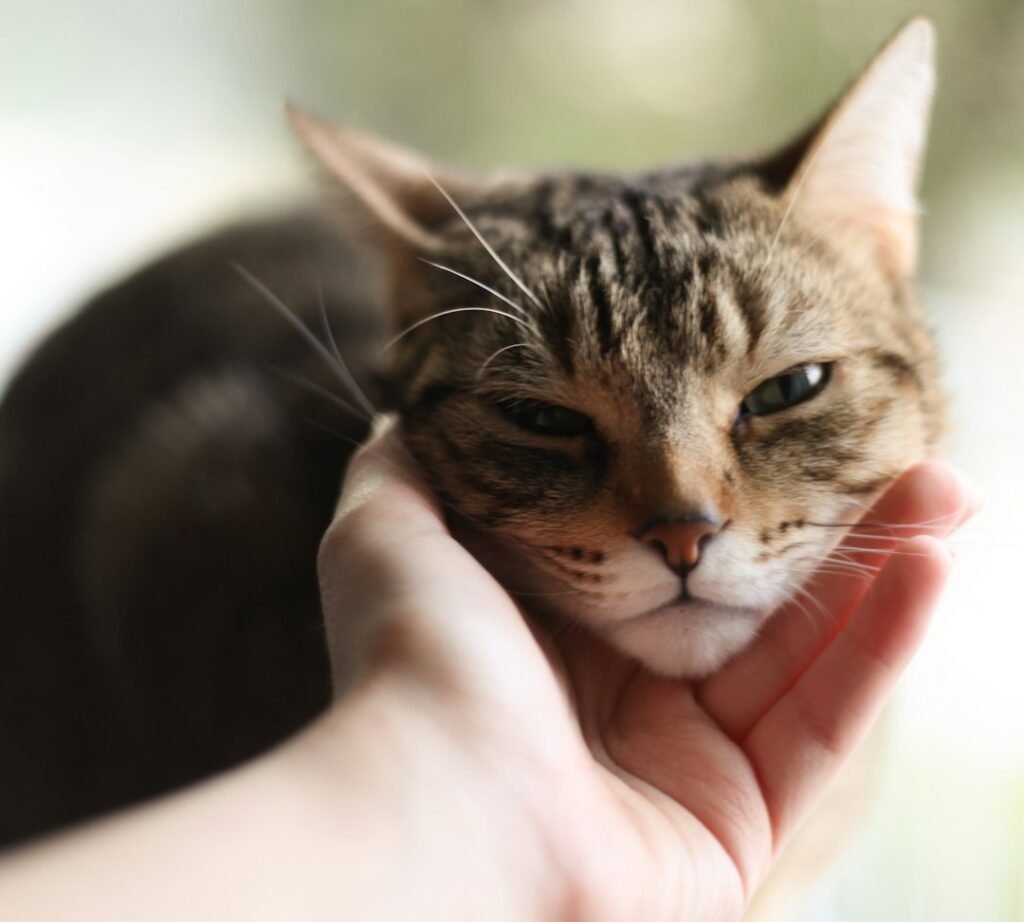
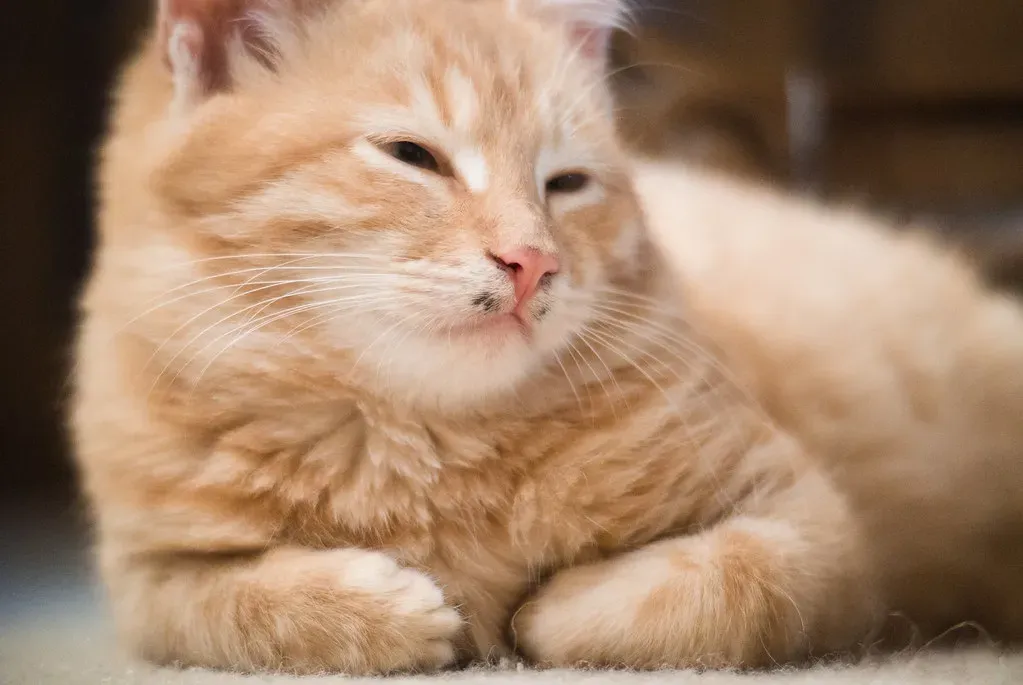
When your cat gives you that slow blink, they're telling you something important. Slow blinking is your cat telling you they feel comfortable and relaxed in your presence. It's their version of saying, "I'm safe with you."
This behavior is often referred to as the "cat kiss". Honestly, I think that's a perfect name for it. It's intimate without being invasive. It's affectionate without being needy.
Some experts suggest there's even more to it. The eyes are important in signalling emotions, with the act of narrowing the eyes appearing to be associated with positive emotional communication in a range of species. So this isn't just a cat thing. It's a universal signal of goodwill.
How to Return the Gesture
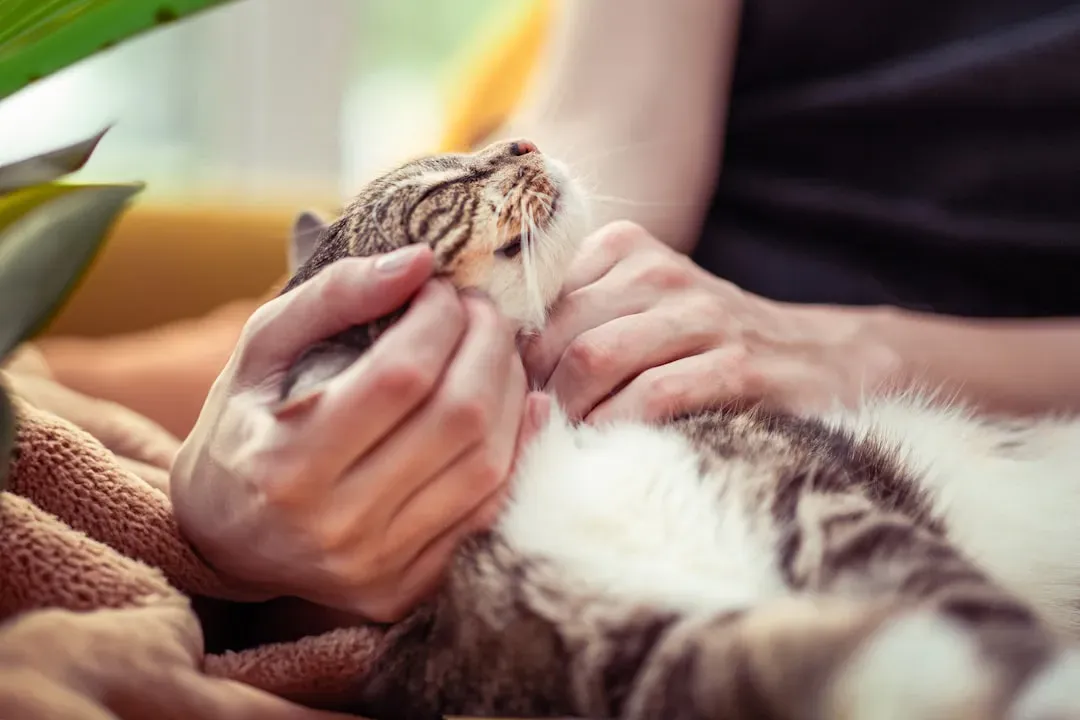
You can actually talk back to your cat using their language. It's surprisingly simple. Try mirroring your cat's slow blink by gently closing and opening your eyes in a relaxed manner, which can help to reinforce your bond and create a sense of mutual trust and affection.
Here's the technique. Look at your cat when they're relaxed. Narrow your eyes slowly, like you're giving them a gentle smile. Close your eyes for a couple of seconds. Then open them again. In controlled experiments, cats show unmistakable signs of emotional connection when their owners slowly blink back at them, and the animals were also more likely to slow blink at the humans if the people slow blinked at them first.
You might feel a bit silly doing this at first. I get it. However, the response you'll get from your cat is worth it. They understand what you're saying.
Not All Cats Are Frequent Blinkers
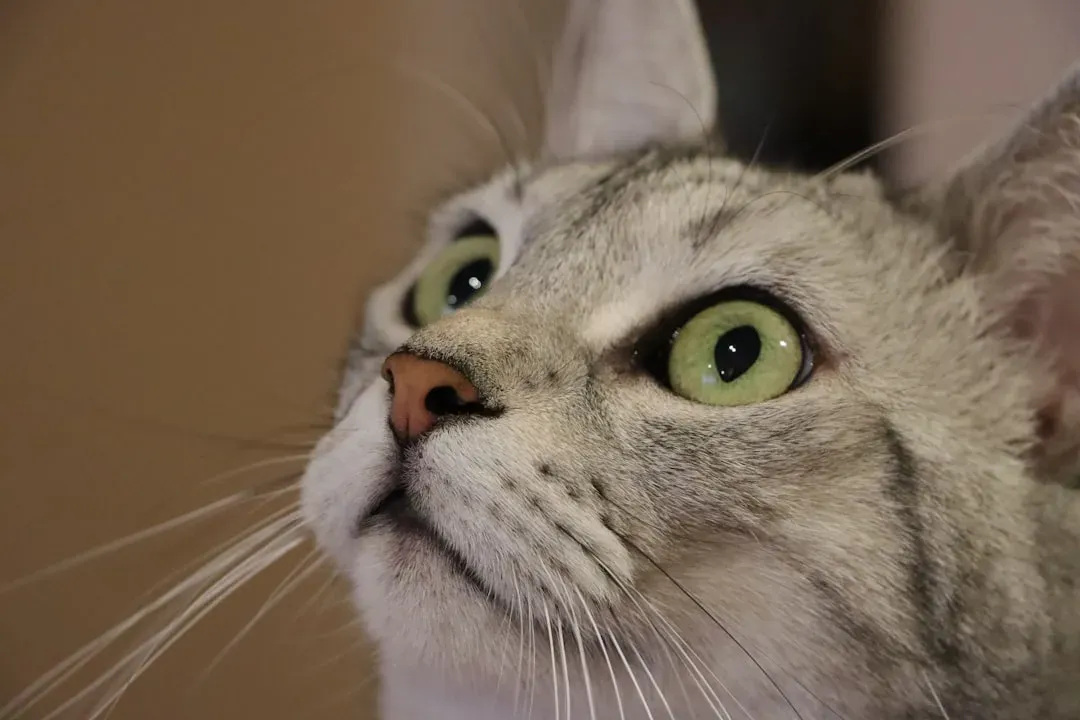
Not all cats slow blink, and while the message is consistent among those who do slow blink, some cats prefer other communication methods, such as rubbing on us, rolling onto their back to expose their belly, licking, and head bunting. Don't worry if your cat isn't a big slow blinker. It doesn't mean they don't love you.
Cats have different types of love languages, and with a little patience and consistency, you can figure out the subtle cues that yours trusts you. Some cats are just more reserved. Others might show affection by sitting near you, purring, or following you around the house.
Still, it's worth trying to initiate the slow blink yourself. Cats who are more nervous around people tend to take longer to slow blink back at them. Give them time. Building trust is a process.
Why Cats Developed This Behavior
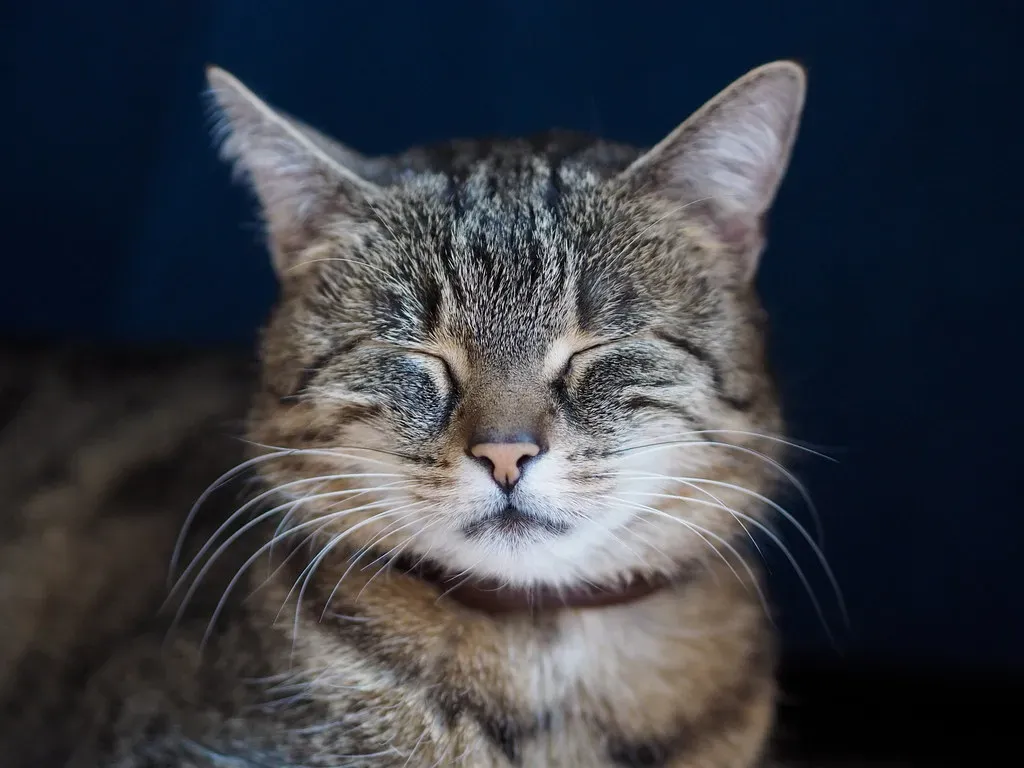
There are a couple of theories about where slow blinking comes from. It's been interpreted as a means of signaling benign intentions since cats are thought to interpret unbroken staring as threatening. Direct eye contact can be aggressive in the animal world. A slow blink breaks that tension.
It could be argued that cats have developed slow blink behaviours because humans appear to perceive slow blinking as positive and cats may have previously been reinforced by their owners for responding to slow blink sequences. Maybe cats learned this over time because we responded well to it. That would make sense. Cats are incredibly observant and adaptive.
Either way, the behavior exists now as a bridge between two species. It's one of those rare moments where we truly understand each other.
The Role of Context and Body Language
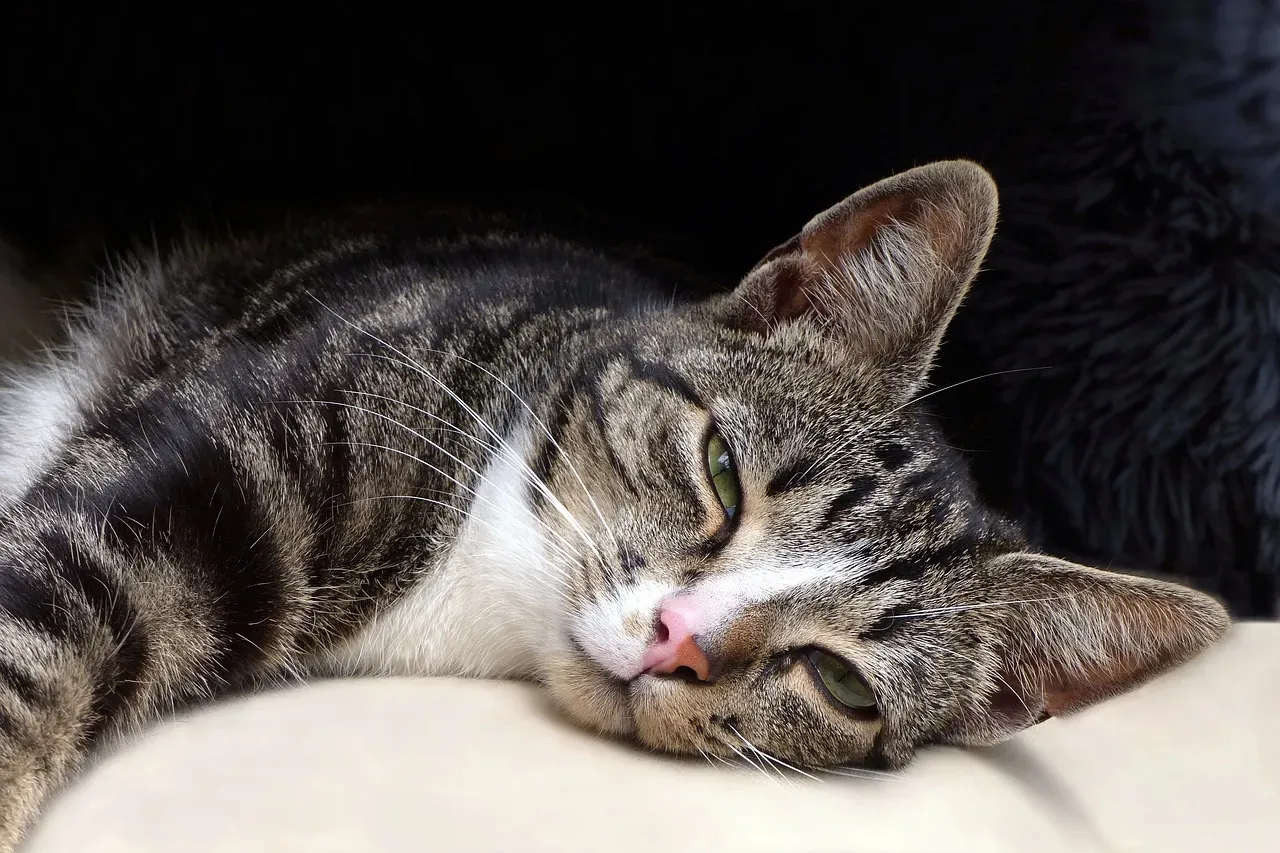
It's essential to pay attention to your cat's body language and respect their boundaries, and if your cat slow blinks but also displays signs of agitation or discomfort, such as a twitching tail or flattened ears, it's crucial to give them space and avoid overwhelming them. The slow blink doesn't exist in isolation. You need to read the whole picture.
If the slow blinks are accompanied by relaxed ears, a softly swishing tail, and a calm posture, it's a good sign your cat is happy. That's when you know the message is genuine. Your cat isn't just tolerating your presence. They're genuinely content.
Sometimes, cats will look away after giving you a slow blink. A cat looking away after a slow blink does not indicate distrust or disinterest; on the contrary, it frequently signifies comfort and respect. They're not ignoring you. They're just showing they don't feel the need to keep watching you constantly.
Practical Applications Beyond Your Home
This knowledge isn't just useful for bonding with your own cat. Since the slow blink is becoming increasingly recognised as a form of communication employed by cat owners and non-cat owners alike, these findings may have practical implications for shelters by introducing strategies to promote positive social interactions between potential adopters and shelter cats.
One notable social behaviour that cats exhibit in relation to humans is the slow blink sequence, which research suggests can function as a form of positive communication between cats and humans. Shelter workers could use this technique to help anxious cats feel more comfortable. Potential adopters could use it to connect with a cat they're considering bringing home.
Think about veterinary visits, too. Cats are usually stressed in those environments. A slow blink from a vet or vet tech might help calm them down. It's such a small thing, yet it has the potential to make a real difference in how cats experience stressful situations.
What It Reveals About Feline Intelligence
Cats are actually attentive students of human behavior and mirror what they perceive from us, and if we show trust, so do they. This behavior shows just how socially aware cats really are. They're not the aloof, indifferent creatures they're often made out to be.
There is circumstantial evidence that cats may be sensitive to human emotional cues, displaying more affiliation behaviors toward owners in a depressed mood. They pick up on our emotions. They respond to our body language. The slow blink is just one example of how sophisticated their communication really is.
Honestly, it's easy to underestimate cats. They don't communicate the same way dogs do, so people assume they're less connected to us. That's just not true. They're communicating all the time. We just need to learn their language.
Building Trust Through Slow Blinking
Building trust with your cat is vital to fostering a strong bond and encouraging slow blinking behavior, and some strategies to establish trust include providing a consistent and predictable routine, as cats thrive on routine and predictability. The slow blink is part of a larger picture of trust and security.
It's essential to respect your cat's personal space and allow them to approach you on their terms. You can't force a cat to trust you. You have to earn it. The slow blink is a tool in that process, not a magic solution.
Be patient. Be consistent. Show your cat that you're safe, that you respect their boundaries, that you're paying attention to what they need. Over time, you might notice those slow blinks becoming more frequent. That's when you know you're getting somewhere.
Conclusion: A Silent Language of Love
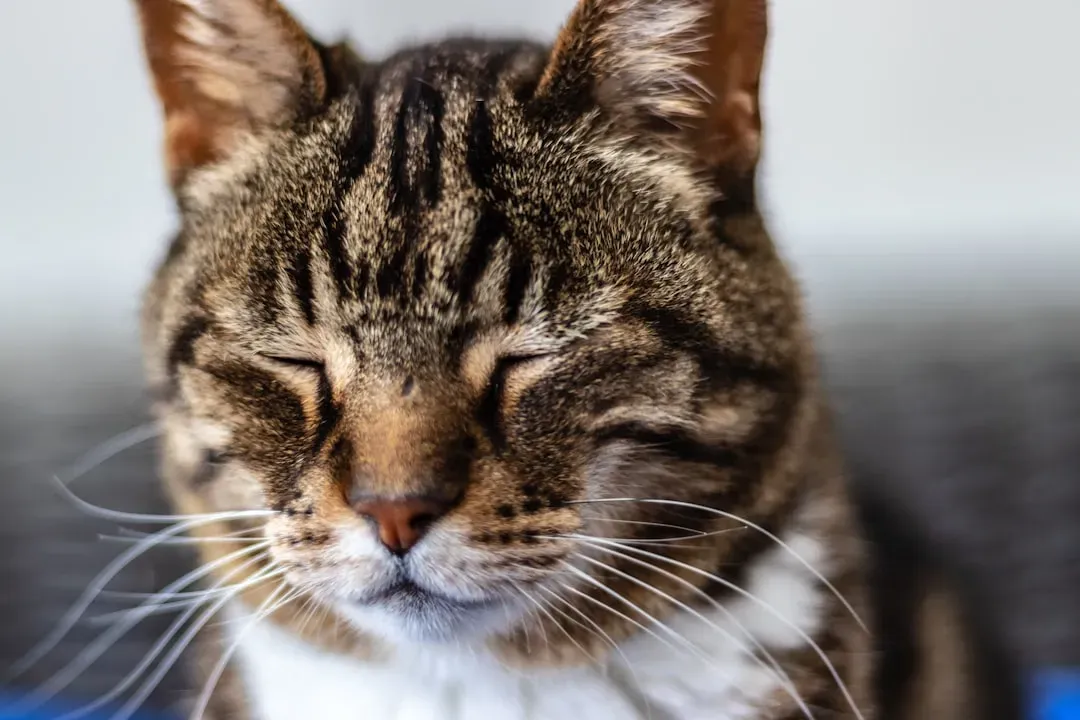
A genuine slow blink is one of the most original, fun, and charming ways our pets communicate their trust, affection, and love for us. It's easy to overlook because it's so subtle. Yet it carries enormous meaning.
Next time your cat gives you that slow, deliberate blink, take a moment to appreciate what they're really saying. They're choosing vulnerability over caution. They're offering you their trust. They're telling you, in the only way they know how, that you matter to them.
Try blinking back. See what happens. You might be surprised by how much deeper your connection becomes. What's the most meaningful way your cat shows you affection? Have you noticed the slow blink before?