You’ve probably heard it countless times. Cats are distant. Cold. Independent to the point of indifference. They tolerate us, at best, and secretly wish we’d just leave them alone with their kibble and cardboard boxes. Let’s be real, though. This reputation has persisted for generations, turning cats into the misunderstood introverts of the pet world. Yet anyone who’s lived with a feline knows there’s so much more happening beneath that composed exterior.
The truth is that your cat isn’t aloof. They’re speaking a language you might not have learned to hear. While dogs wear their hearts on their furry sleeves, cats communicate in whispers, slow blinks, and the tiniest flick of a tail. Once you start paying attention to these subtle signals, you’ll realize your cat has been shouting their love all along. So let’s get started on decoding the real story behind your feline’s behavior.
The Aloof Myth Has No Scientific Backing
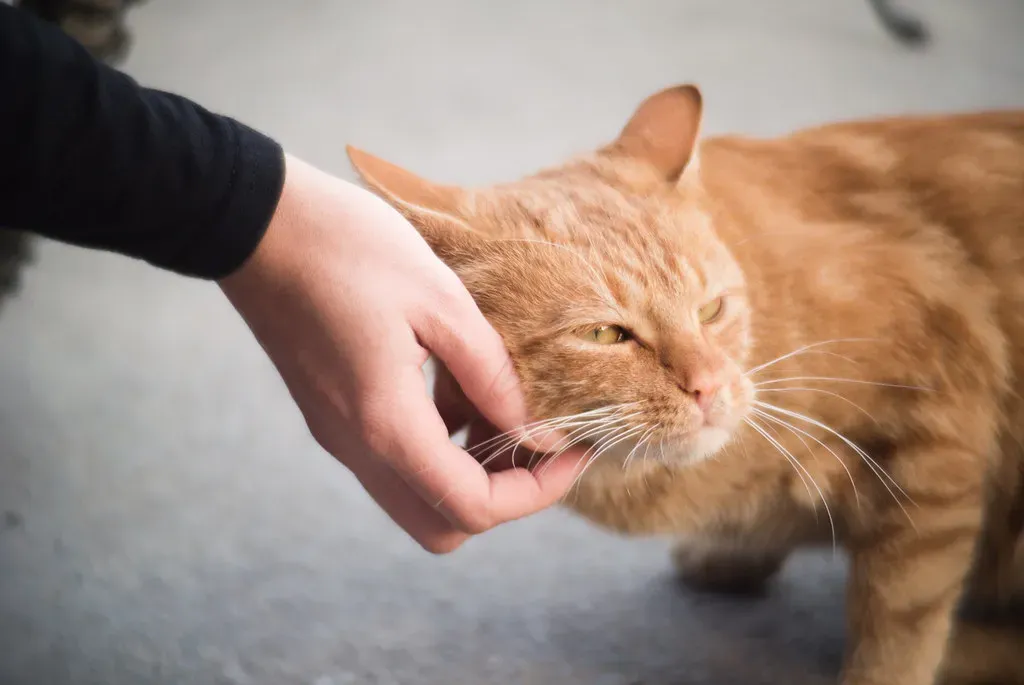
Recent studies suggest that feline body language is mainly misunderstood by pet owners, earning them a reputation for being aloof. According to feline researchers, cats often get maligned as aloof and even spiteful, when many of them are quite social and eager to interact. The stereotype has stuck around not because cats lack affection, but because we’ve been comparing them to the wrong species.
While cats may often be perceived as aloof and independent, most actually appear to have close attachments to their owners who they turn to as a source of safety and security, just the same as dogs do. In fact, research from Oregon State University revealed something fascinating. Pet cats form attachment bonds to human caretakers, forming secure attachments at roughly the same rate as has been observed in dog-human bonds and human infant-caregiver bonds. That’s not indifference. That’s deep connection happening on their terms.
They’re Descended From Solitary Hunters, Not Pack Animals
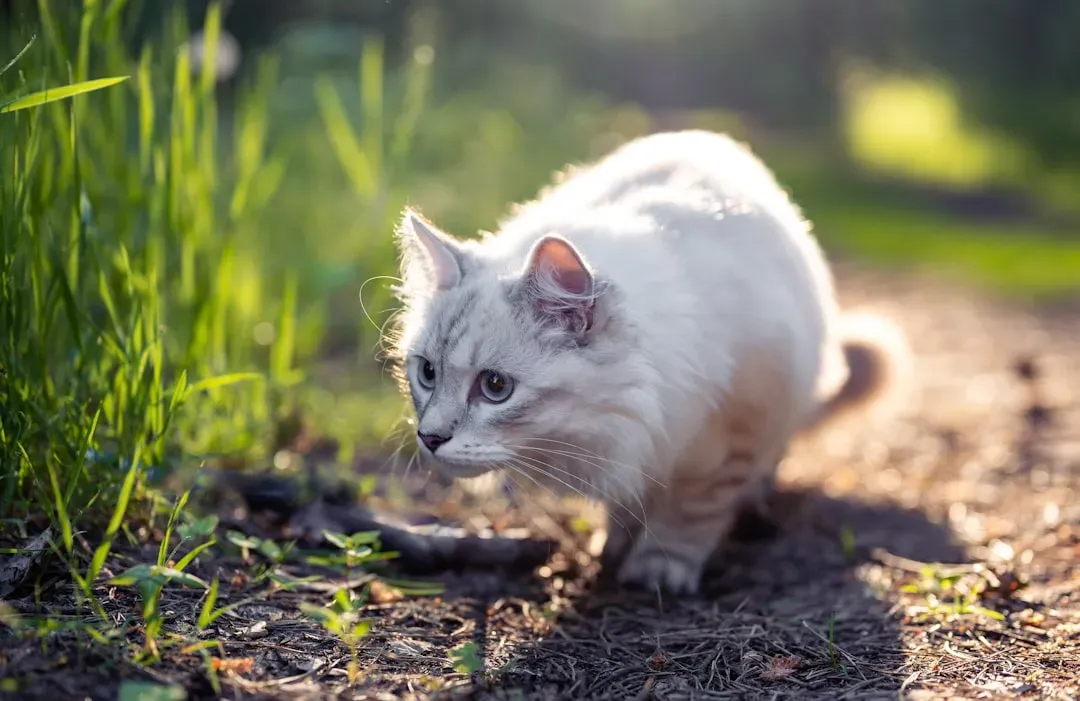
Cats are descended from a largely solitary-living species, North African wildcats, and although they have been domesticated for more than ten thousand years, it’s a common perception that cats remain aloof and often fiercely independent animals. Their ancestors didn’t hunt in packs or rely on teamwork to survive. This solitary heritage shaped how they relate to the world and to us.
Here’s the thing: solitary doesn’t mean antisocial. Despite not being gregarious, cats can create strong affectionate connections with other cats and with humans. They’ve simply evolved a different communication toolkit. Where dogs immediately seek approval and physical closeness, cats prefer to assess their surroundings first. Once they’ve moved past that observational phase, cats can be very loving animals, while still being unyielding. Independence and affection can absolutely coexist in the same creature.
The Slow Blink Is Their Version of “I Love You”
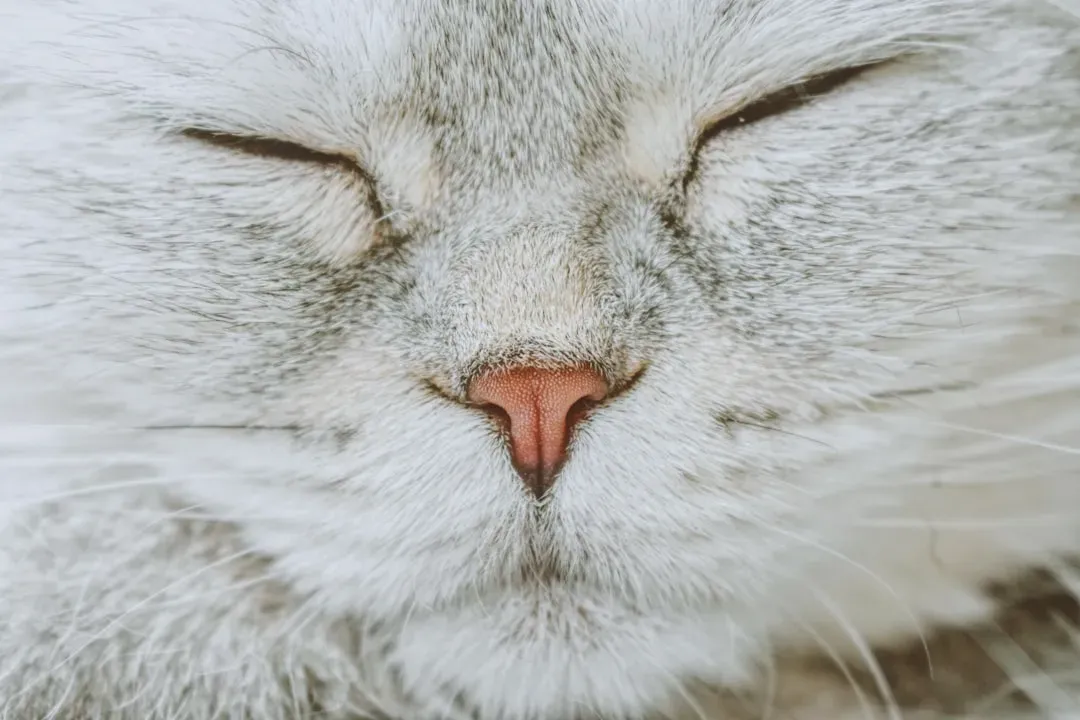
As theorized by animal behavior experts, the slow blink is how a cat tells her human family that she feels safe. When your cat gazes at you and slowly closes their eyes, they’re making themselves vulnerable in your presence. In the feline world, closing their eyes in the presence of another creature makes them vulnerable, as they are unable to detect potential threats, so by slow blinking at you, your cat is demonstrating their trust in you.
Science backs this up. Research revealed that cat half-blinks and eye narrowing occurred more frequently in response to owners’ slow blink stimuli, and cats had a higher propensity to approach the experimenter after a slow blink interaction than when they had adopted a neutral expression. Honestly, this is one of the most beautiful gestures in the animal kingdom. You can even slow blink back to tell your cat the feeling’s mutual. It’s like a secret handshake, but softer and infinitely more meaningful.
Head Bunting Means You’re Part of Their Colony
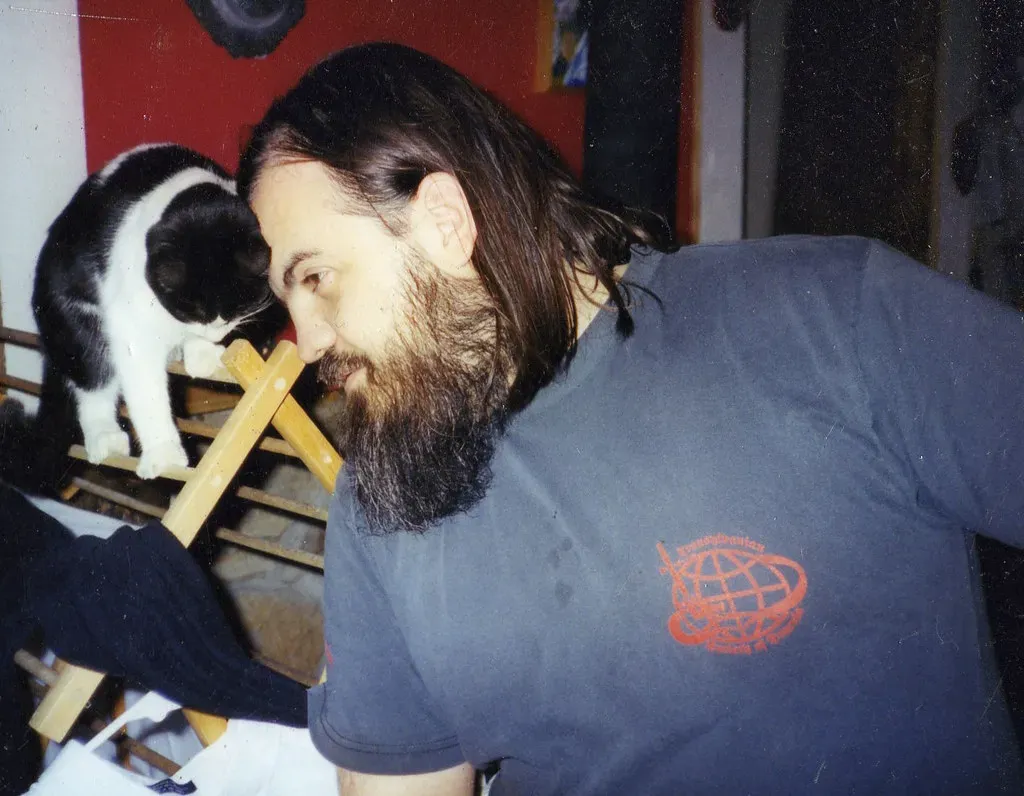
Head butting, also called head bunting, is like a fist bump but even better, as cats do this to create physical contact and deposit pheromones, leaving their scent on you to claim you as one of their own. When your cat rubs their face against your leg, hand, or forehead, they’re not just being cute. They’re marking you as family.
Cats use their scent to mark their favourite humans, and nuzzling against you mixes their scent with yours, a territorial sign of acceptance and belonging. This behavior shows incredible trust. Your cat considers you safe enough to claim publicly as part of their social circle. That’s the opposite of aloofness. That’s them proudly announcing to the world that you belong together.
Kneading Is a Sign of Deep Contentment
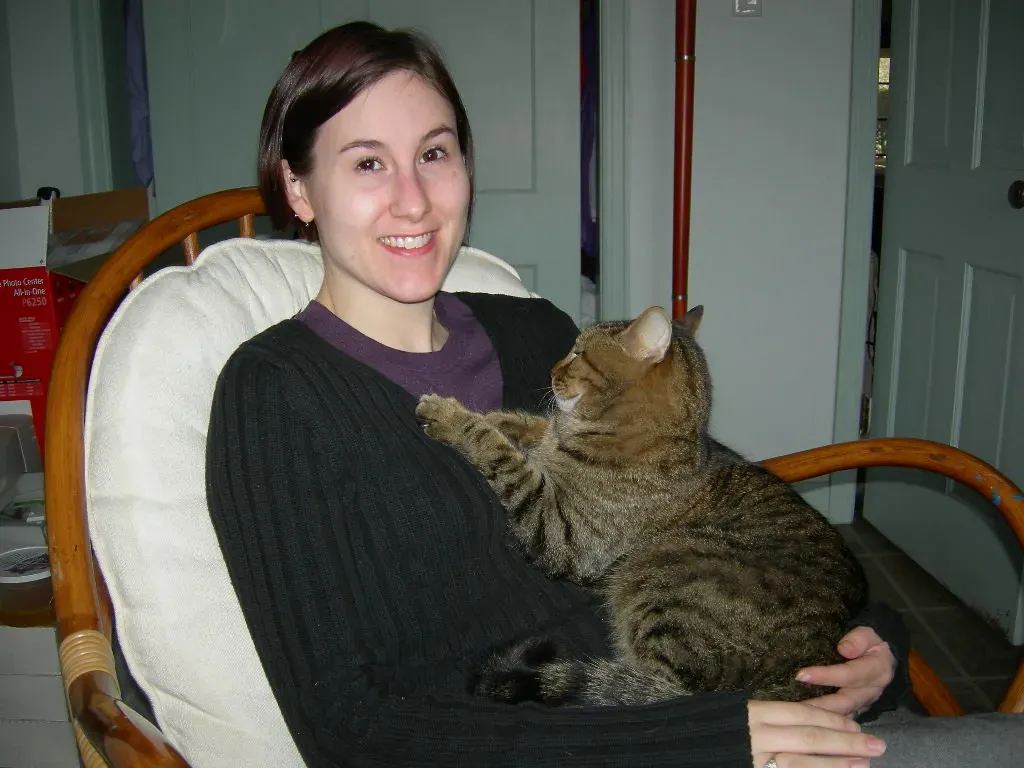
Cats usually knead with their front paws, a behavior that begins in kittenhood and is associated with nursing on their mother, and kneading is believed to bring comfort by releasing endorphins to reduce stress and promote relaxation. When your cat pushes their paws rhythmically into your lap, they’re reliving their most peaceful early memories.
Cats can show affection by kneading their people with their front paws, which is a behavior kittens do with their mothers to stimulate the flow of milk, and it is strongly associated with happy times. Sure, those claws can be a bit uncomfortable. Yet the gesture itself reveals how safe and loved your cat feels in that moment. They’re literally treating you like their mother figure. If that’s not affection, I don’t know what is.
Following You Around Is Their Way of Staying Close
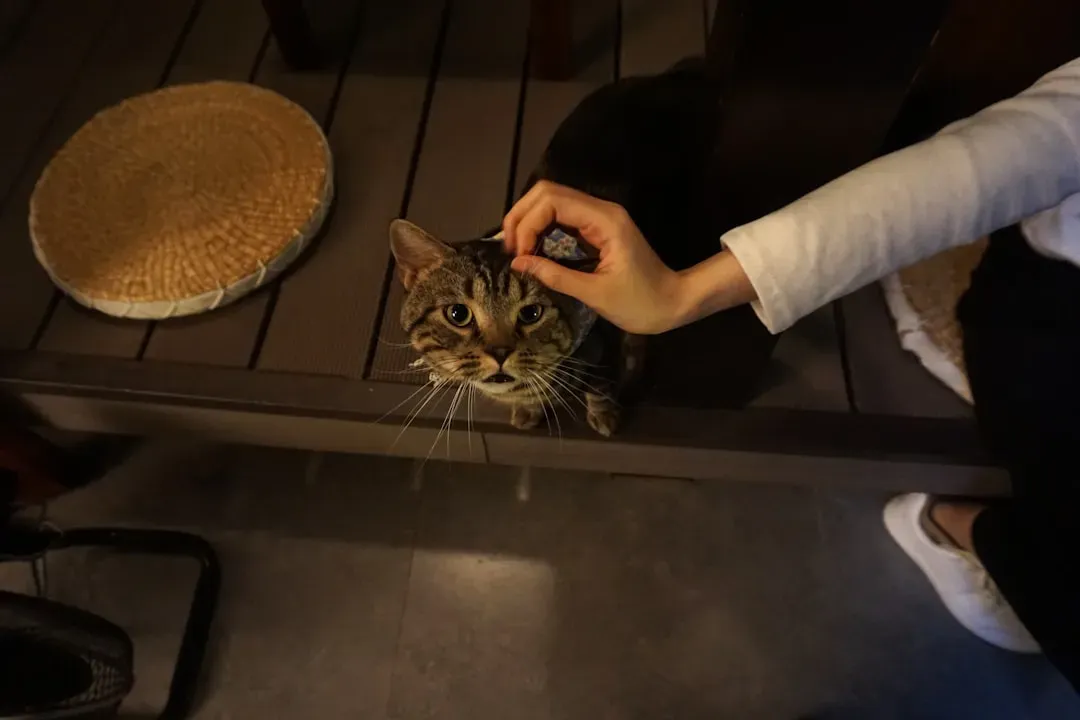
Cats often follow those they love and trust around the home. If your cat trails you from room to room, hovers near you while you work, or insists on being in whatever space you occupy, they’re choosing your company. If your cat’s love language is quality time, they will spend a lot of time near you or in the same room as you.
People sometimes think cats don’t care where we are, but that bathroom supervisor routine tells a different story. Your cat wants to be where you are because you make them feel secure. They might not demand constant physical contact like a dog would, but their proximity speaks volumes. They’re saying, through their presence alone, that being near you matters.
Purring Isn’t Always About Happiness
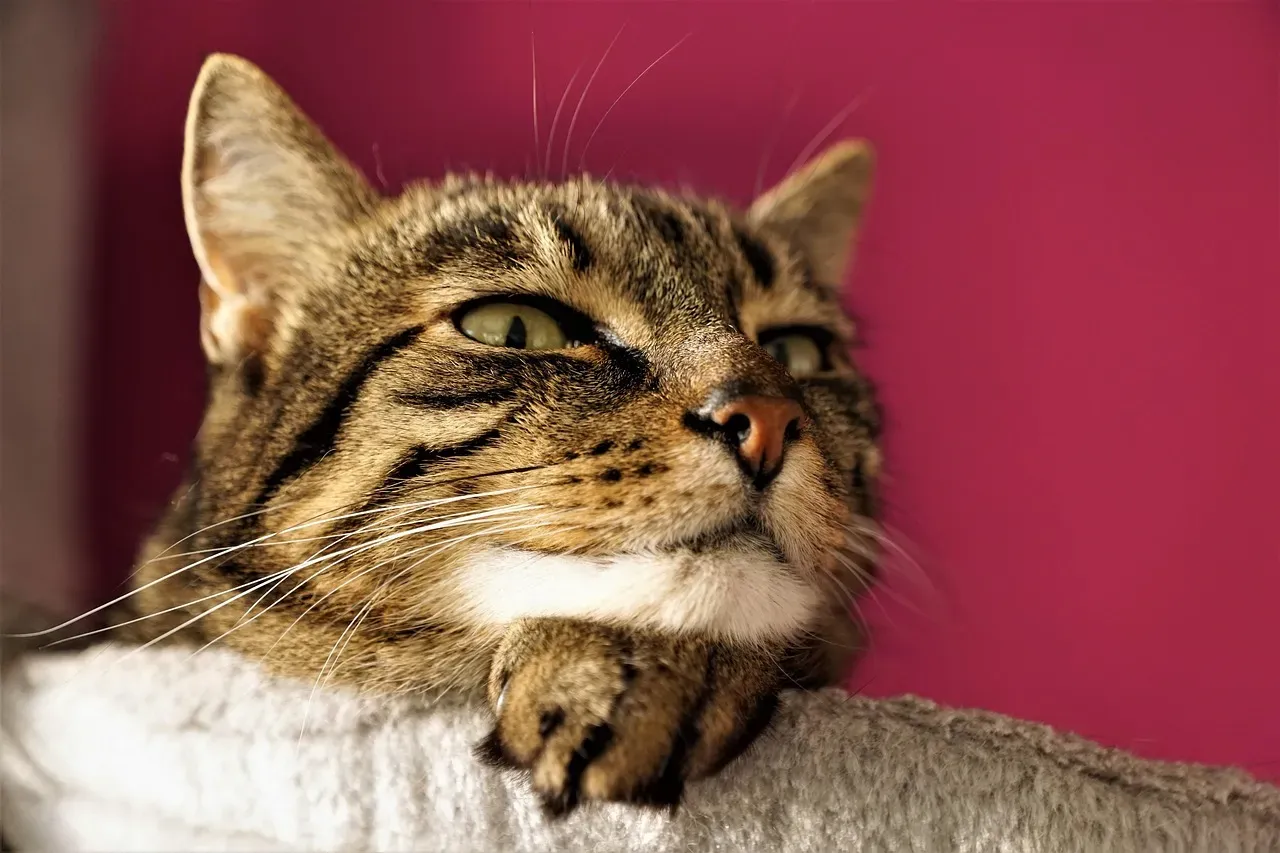
Cats often purr to show contentment when they are resting near you or when you’re petting them. That gentle rumble is one of the most satisfying sounds a cat owner can hear. Yet purring has layers of meaning that go beyond simple happiness.
They may also purr when they’re nervous, but this is often paired with different body language such as holding their ears back, putting their head down, fast tail-swishing, or hiding. Sometimes cats purr to self-soothe during stress or even pain. The context matters enormously. A relaxed cat purring on your lap is showing affection. A tense cat purring at the vet might be trying to calm themselves. Learning to read the whole picture helps you understand what your cat really needs in that moment.
Bringing You “Gifts” Shows You’re Family
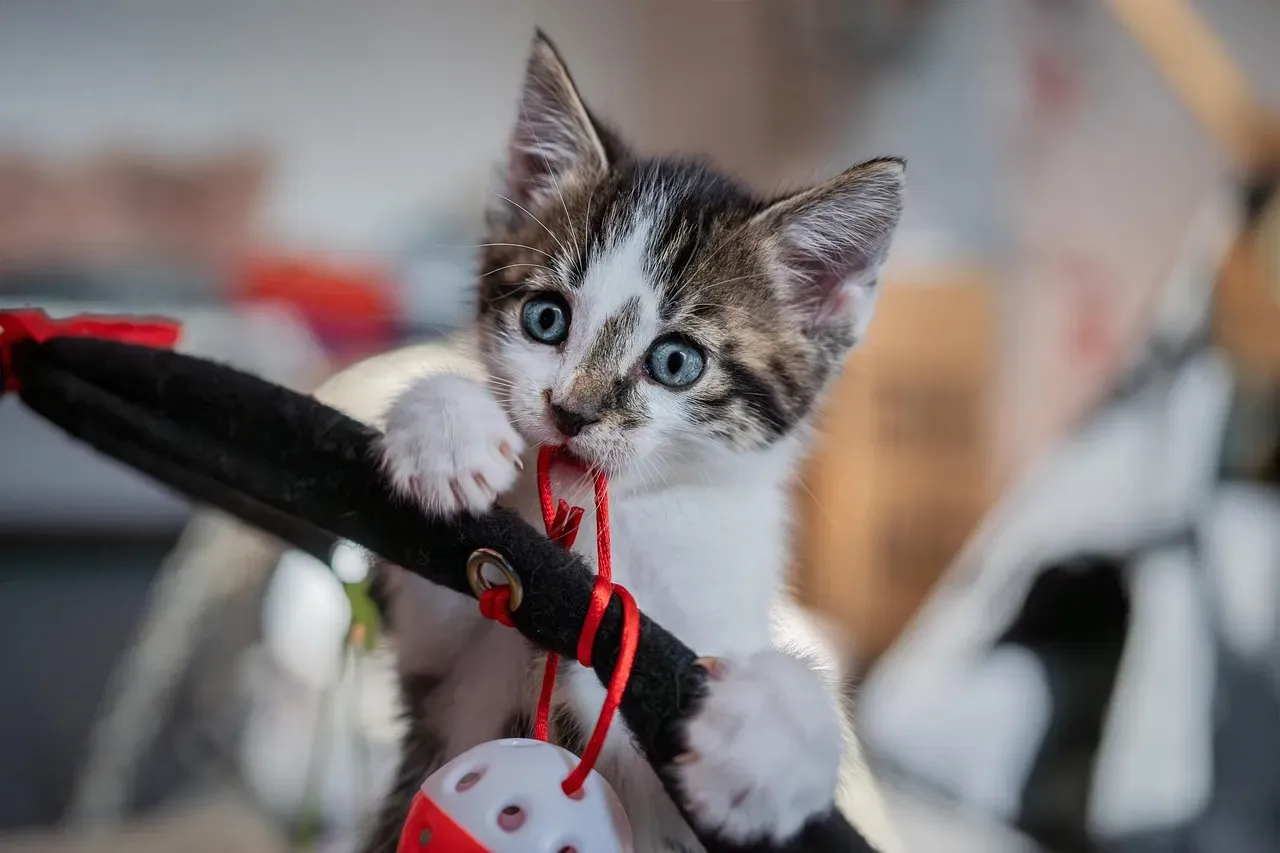
Hunting and presenting captured prey, whether it’s a live mouse or a toy, is a sign of love and trust, as this behavior continues into adulthood with cats gifting food to their human companions as a way of showing affection. Yes, those predawn offerings of toy mice or, less pleasantly, real rodents can be unsettling. Your cat isn’t trying to horrify you.
When your cat presents you with their gift, it’s not about feeding you but sharing their success and expressing their love, and in their eyes, they view you as part of their family. It’s hard to appreciate a dead bird on your doorstep, I’ll admit. Still, recognizing the intention behind the gesture helps you see it for what it is: your cat including you in their most primal activities because you matter to them.
Greeting You at the Door Is Pure Affection
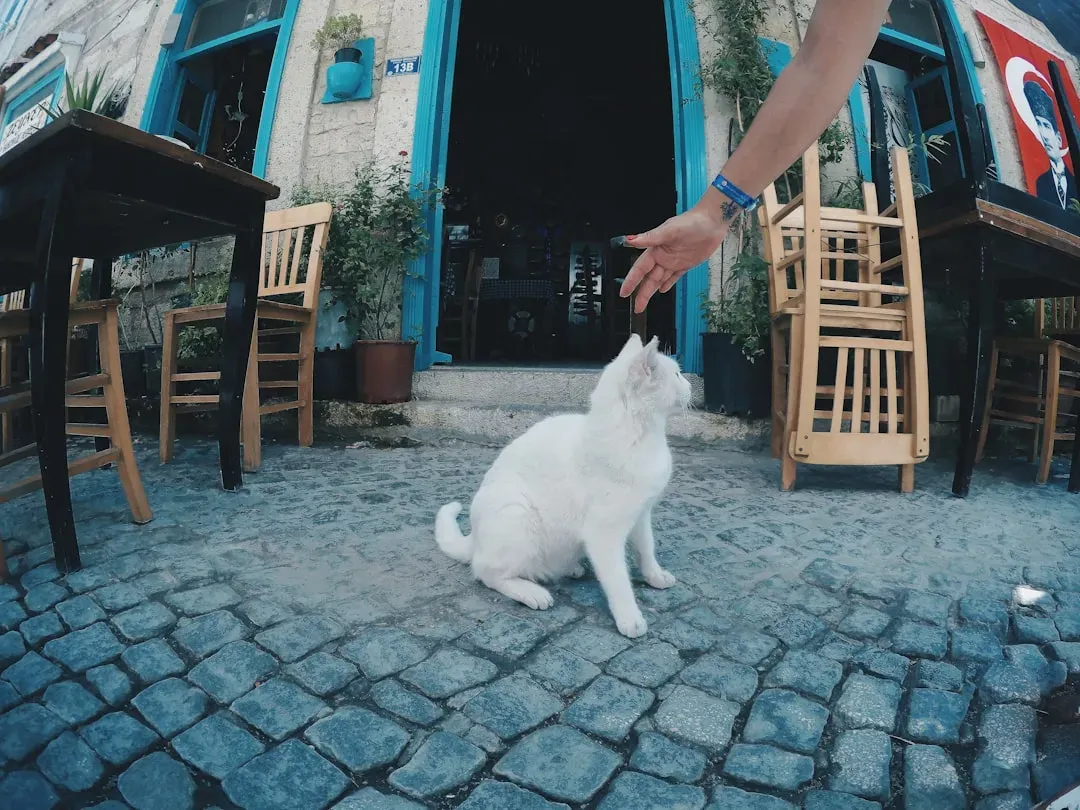
Your cat is trying to show you that they missed you when they greet you at the door, often followed by walking in between your legs and curling their tail around your legs, sometimes accompanied by meowing and rattle-tail behavior where your cat will shake their tail quickly, which is your cat’s way of welcoming you home. That enthusiastic hello isn’t random or food-motivated, though they might also be hungry.
They’re genuinely happy to see you return. At the individual level, nearly half of cats chose to spend time engaged with their human owners preferentially compared with available food, toys, and scent items. Think about that for a second. Your cat would rather hang out with you than eat. That’s not indifference. That’s choosing your presence over their most basic drives.
Understanding Their Language Deepens Your Bond
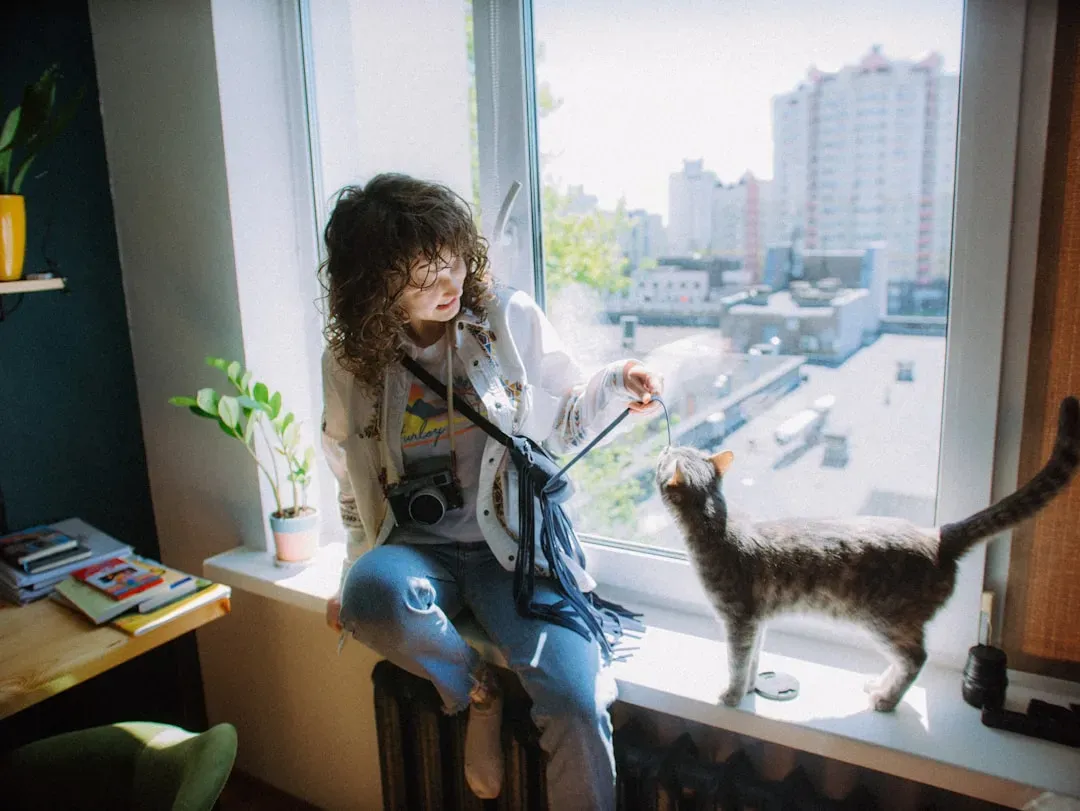
Cats try to interact with their owners as they would a fellow feline, and this communication is much more indirect than we are used to and is often missed by owners. The problem has never been that cats don’t love us. The problem is that we’ve been looking for dog-style devotion in a creature that expresses affection completely differently.
Pay attention to your cat’s body language, how they act around you, communicate with you, look at you, spend time with you, and how they seek your company, then understand your cat’s personality, physical boundaries, and unique needs and wants, and properly respond to them. Once you start noticing the slow blinks, the head bunts, the quiet presence in the next chair, you’ll realize your cat has been loving you loudly all along. You just needed to learn their dialect. What do you think about it now? Did any of these signs surprise you?
Kristina is a young writer from India. An arts graduate and an avid content creator, Kristina is passionate about animals and wildlife. She enjoys exploring topics related to pet care, animal behavior, conservation, and nature, combining thorough research with engaging storytelling.