Have you ever watched your cat snooze peacefully and wondered if there’s some master plan behind all those naps? You’re not imagining things. While it might look like your feline friend is simply lazy or indifferent about where and when they sleep, the truth is far more fascinating. Your cat’s sleep habits aren’t random at all.
More than half of cats sleep between twelve and eighteen hours a day, and some really committed nappers push that number even higher. That’s a serious chunk of time spent in dreamland. Yet the real mystery isn’t how much they sleep, but the deliberate choices they make about when, where, and how they catch those Z’s. Let’s dive in and uncover why your kitty’s slumber is anything but accidental.
Your Cat’s Sleep Schedule Is Wired Into Their DNA
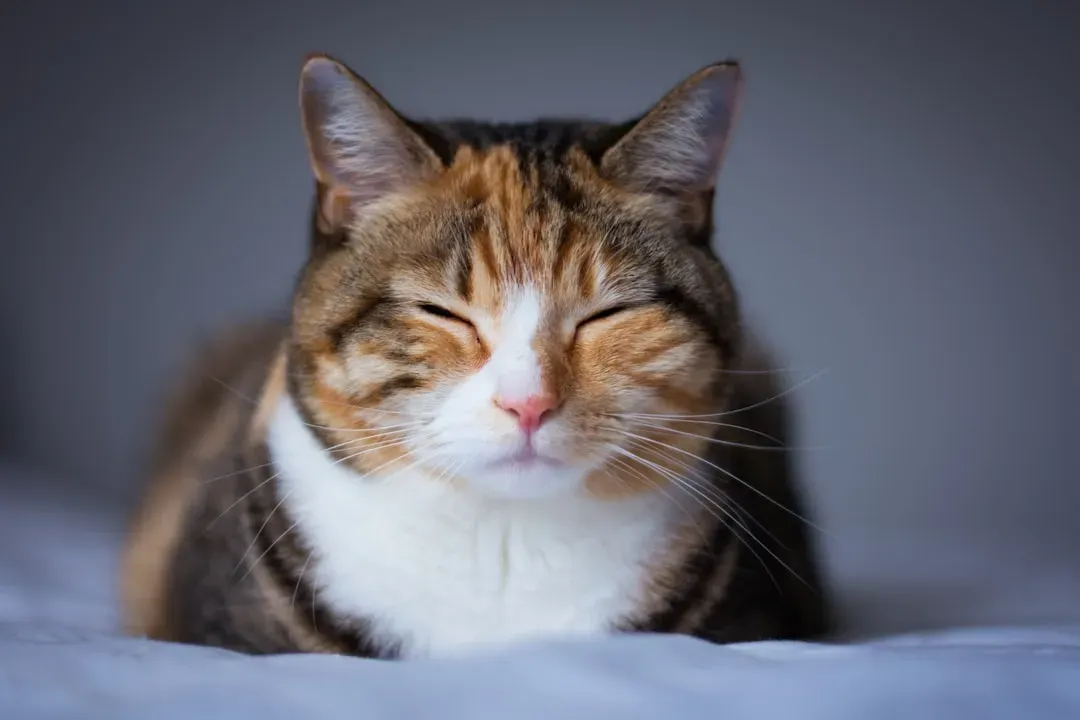
Here’s the thing about cats: they’re not built like us. Cats are crepuscular, experiencing two peaks of activity, one in the early morning before sunrise and one in the evening around sunset. Think about it. Their wild ancestors hunted at dawn and dusk because that’s when their prey was most vulnerable. Even though your pampered house cat isn’t stalking anything more dangerous than a toy mouse, those ancient instincts remain hardwired.
This explains why your cat might zoom around the house at five in the morning or pounce on your toes just as you’re settling in for the evening. They’re simply following millions of years of evolutionary programming. Polyphasic sleeping is beneficial for survival because it enables cats to get rest without falling into deep sleep and being easy prey for natural predators. So when your cat takes short naps instead of one long sleep session like you do, they’re actually being incredibly strategic about survival – even in the safety of your living room.
They Take Multiple Power Naps, Not One Long Sleep
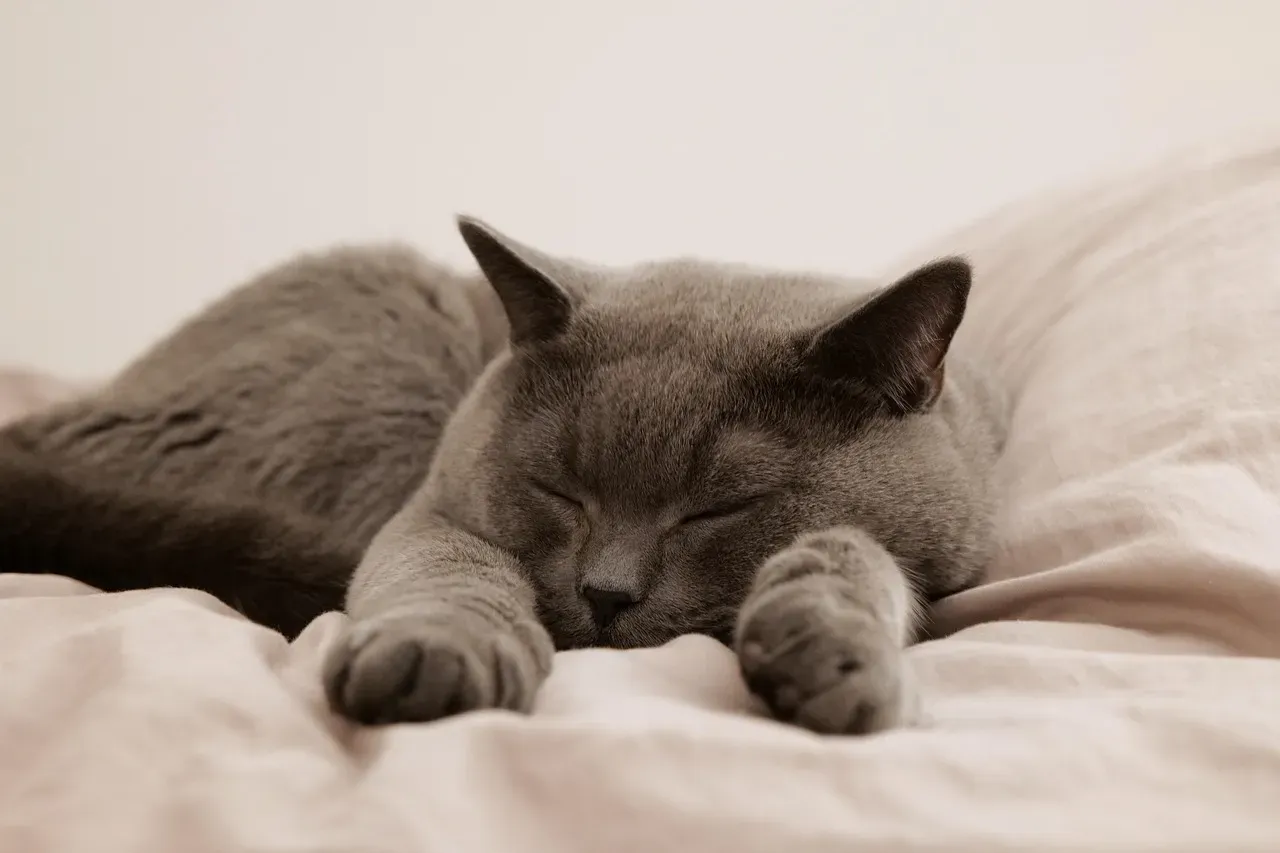
Your cat doesn’t crash for eight hours straight like you might. Cats have a polyphasic sleep pattern, which means they sleep multiple times each day rather than in one long period, and these cat naps average seventy-eight minutes in length, though they commonly sleep for periods ranging from fifty to one hundred thirteen minutes. I find it pretty clever, honestly. Instead of committing to a marathon snooze session, they break it up into manageable chunks.
This fragmented sleep pattern serves a purpose beyond simple rest. Cats in the wild need to hunt as many as twenty small prey each day; they must be able to rest between each hunt so they are ready to pounce quickly when prey approaches. Even though your indoor cat’s biggest “hunt” might involve stalking a piece of kibble across the kitchen floor, their body still operates on that ancient rhythm. These short bursts of sleep allow them to recharge without losing awareness of their surroundings.
Light Sleep Versus Deep Sleep: Cats Are Always On Alert
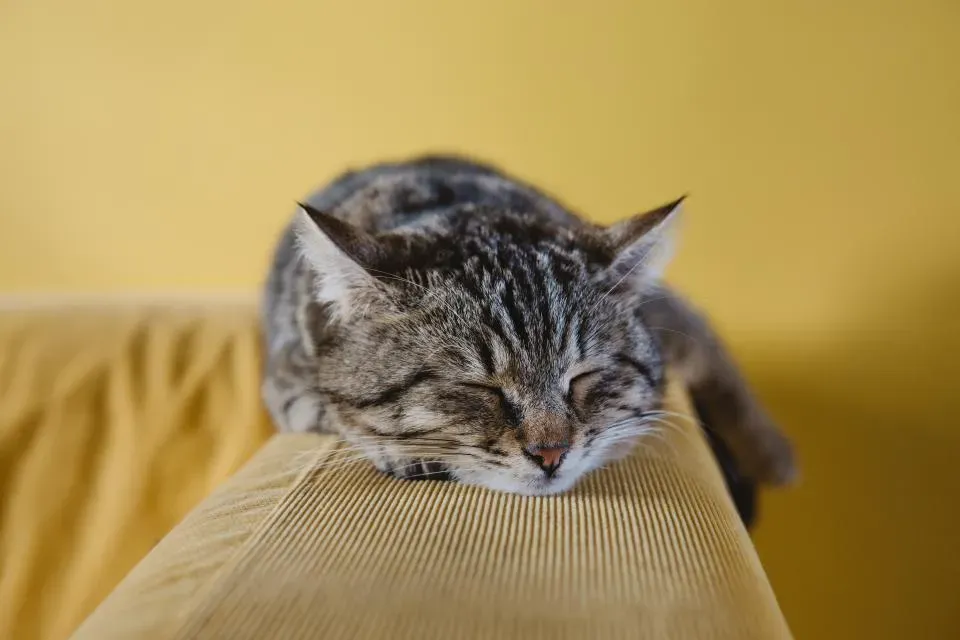
About seventy-five percent of their total sleep time is spent in light, doze-like states, often punctuated by periods of alertness. That means roughly three-quarters of your cat’s sleep is what you might call a “half-awake” state. They look totally relaxed, maybe even blissfully unconscious, yet one small noise can snap them to full attention in a heartbeat.
Predators may have many enemies, and therefore many reasons to sleep lightly; as your cat dozes in and out of REM sleep, he or she is on the alert for an attack and can awaken at the lightest sound – alert and ready for action. The remaining quarter of their sleep is deeper and more restorative. Moving into a deeper sleep phase, muscles below the neck relax and they tend to roll over onto their side, and this REM phase lasts only about five to seven minutes. It’s during these precious minutes that you might notice twitching whiskers or paws – signs your cat is dreaming about who knows what.
Location, Location, Location: Why Cats Are Picky About Their Nap Spots
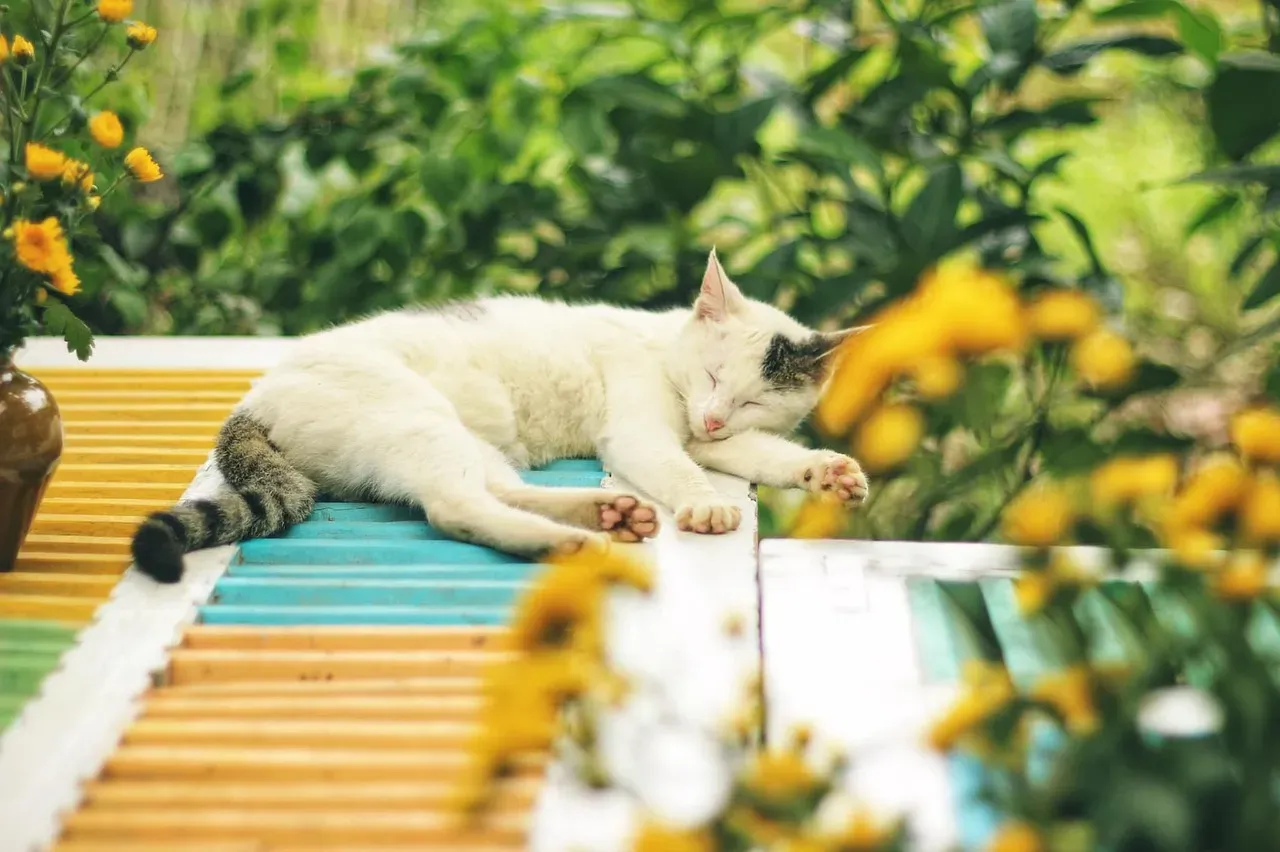
Your cat doesn’t just plop down anywhere when tiredness strikes. Applied Animal Behavior Science surveyed over a thousand cats and discovered that most felines had five preferred sleeping areas. Five! That’s more real estate planning than some people put into choosing an apartment. Cats rotate through these locations based on factors like temperature, safety, and even their mood.
Cats naturally gravitate toward high spots for sleeping, such as cat trees, windowsills, and tall furniture. Height offers them a tactical advantage – they can survey their domain and feel secure from potential threats. Wild cats regularly move their nests and colonies to avoid detection from predators, and cats also sleep in different locations to claim territory, enjoy privacy, moderate their body temperature, or react to stressful experiences. So when your cat suddenly abandons their favorite cushion for the top of your bookshelf, they’re not being dramatic – they’re being instinctively cautious.
Temperature Controls Where Your Cat Decides to Sleep
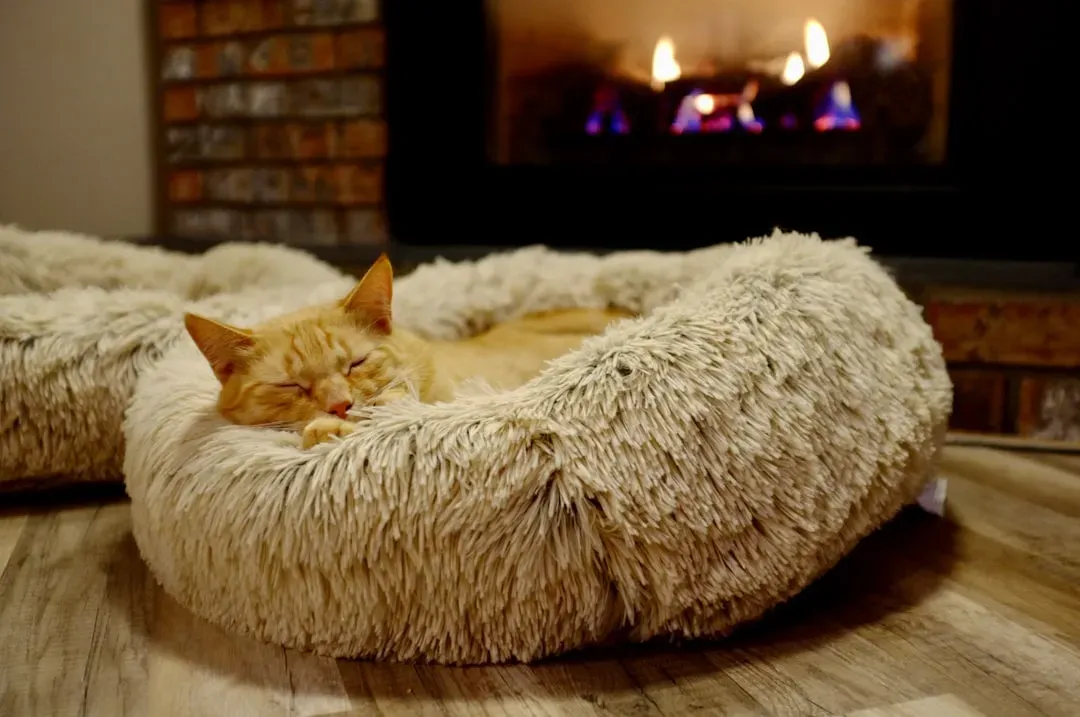
Let’s be real: cats are masters of climate control. Change of season figures heavily in the never-ending quest for perfect sleeping spots; if home is a place that experiences noticeable temperature changes, your cat will likely seek a spot that’s not too hot and not too cold. In winter, you’ll find them curled up near heating vents or snuggled into blankets. Come summer, they migrate to cool tile floors or shady corners.
Cats run a standard body temperature of between one hundred point five and one hundred two point five degrees Fahrenheit, and being warmer or colder than this temperature makes a cat feel uncomfortable, with a room temperature of seventy degrees Fahrenheit keeping most cats happy and contented. They’re not being finicky; they’re regulating their body temperature through strategic napping locations. Cats sleep to help regulate their body temperature, and in hot climates or during summer months you might notice your cat sleeping more, as this increased sleep helps them stay cool and conserve energy.
Sleeping Positions Reveal How Safe Your Cat Feels
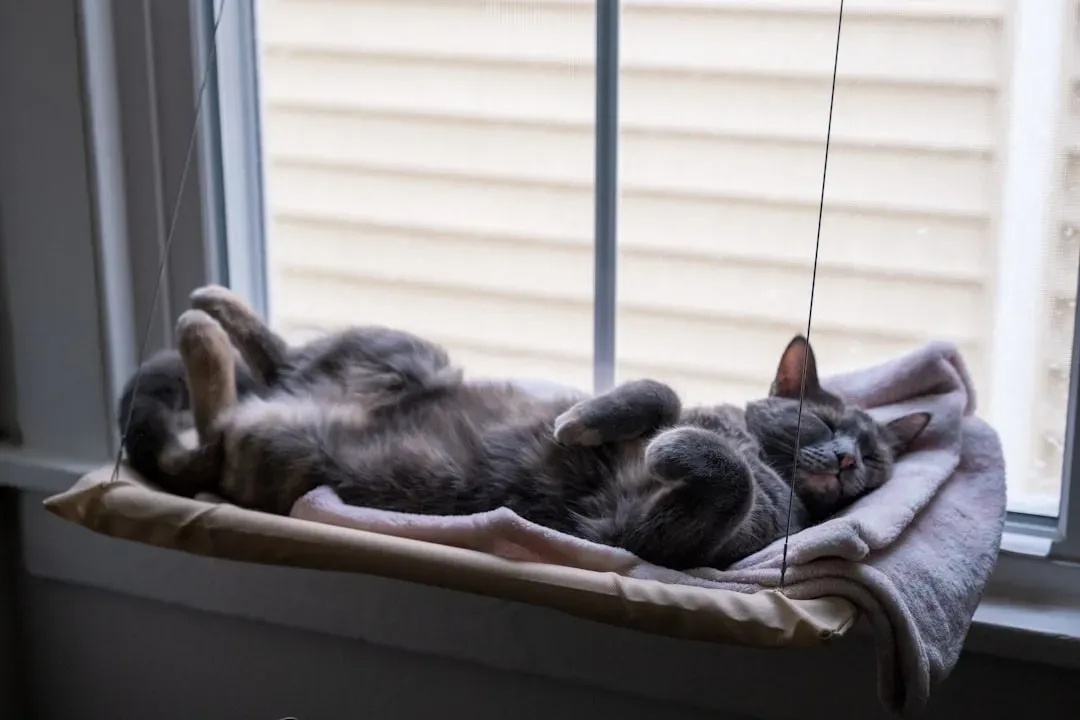
Pay attention to how your cat sleeps, and you’ll learn volumes about their emotional state. Cats instinctively protect their vulnerable organs, so if a cat is sleeping with their belly exposed, it means they feel very safe and confident. When you see your cat sprawled on their back, legs akimbo, belly to the world – that’s the ultimate trust signal. They’re essentially saying, “I feel zero threat here.”
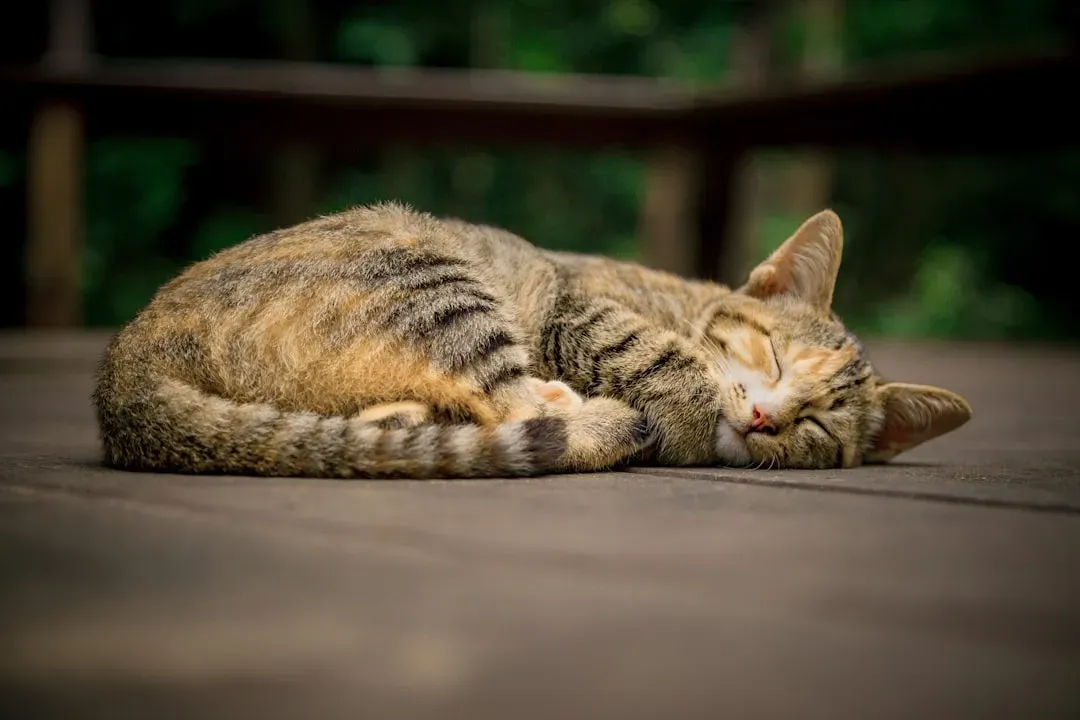
Conversely, the loaf position, where cats keep their front paws curled underneath their body with their head up, preserves a cat’s body heat and protects their vital organs; cats sleeping in a loaf position may be relaxed, but they are also poised to spring into action. It’s that perfect balance between comfort and readiness. Cats often sleep curled up in a ball with nose to tail because cats like to be warm, and this shape helps them retain body heat while also protecting vital organs in their abdomen.
They Choose Sleeping Companions Deliberately
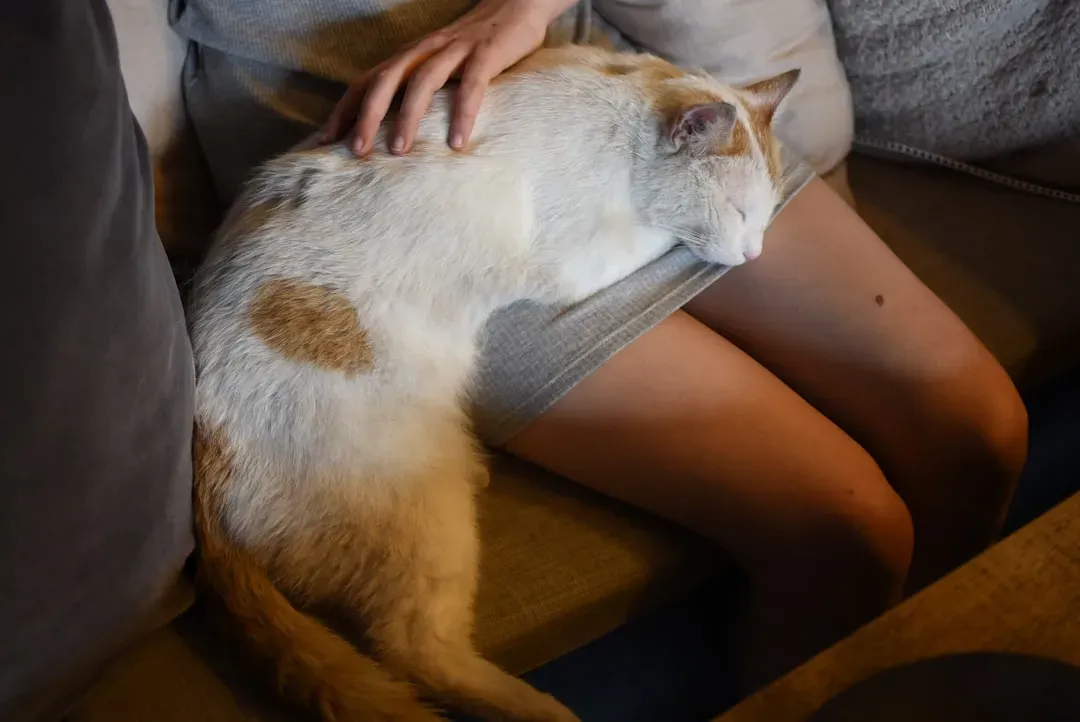
If your cat sleeps on you or next to you, don’t take it for granted. Cats are particular about where they sleep, ensuring it’s safe and secure, and they will choose a spot where they can make a quick getaway. When they opt to snooze on your lap, chest, or even at your feet, they’re making a conscious decision to prioritize closeness with you over maximum security.
Cats are sensitive to scents and sounds and can be attuned to a certain person’s snores, odors, etc.; your scent may be another way to make your pet feel connected to you and therefore safer, and the sound of breathing has a lull to it that can also be soothing. Honestly? It’s kind of touching when you think about it. They also seek out warmth from body heat while sleeping, leading cats to sleep on you or next to you. So yes, you’re basically a heated, scented security blanket – and your cat has intentionally chosen you for that role.
Boredom and Stress Change Sleep Patterns
Not all sleep is created equal. Sometimes cats sleep more because, well, there’s nothing better to do. If cats lack enriching activities or mental stimulation, they tend to sleep more out of boredom, and changes in their environment, like moving to a new house or a new pet, can also make them sleep more as they adjust. It’s hard to say for sure, but if your cat seems to be logging more than their usual hours, it might be a cry for more engagement.
On the flip side, sudden changes in sleep patterns can signal stress or illness. If your cat’s sleeping habits change suddenly or significantly, it is worth paying attention, as while some changes in sleep are harmless, others can be a sign of an underlying health issue. Things like excessive sleepiness paired with lethargy when awake, or restlessness and insomnia at night, deserve a vet visit. Your cat can’t tell you something’s wrong in words, but their sleep behavior might be screaming it.
Age Dramatically Affects How Much They Sleep
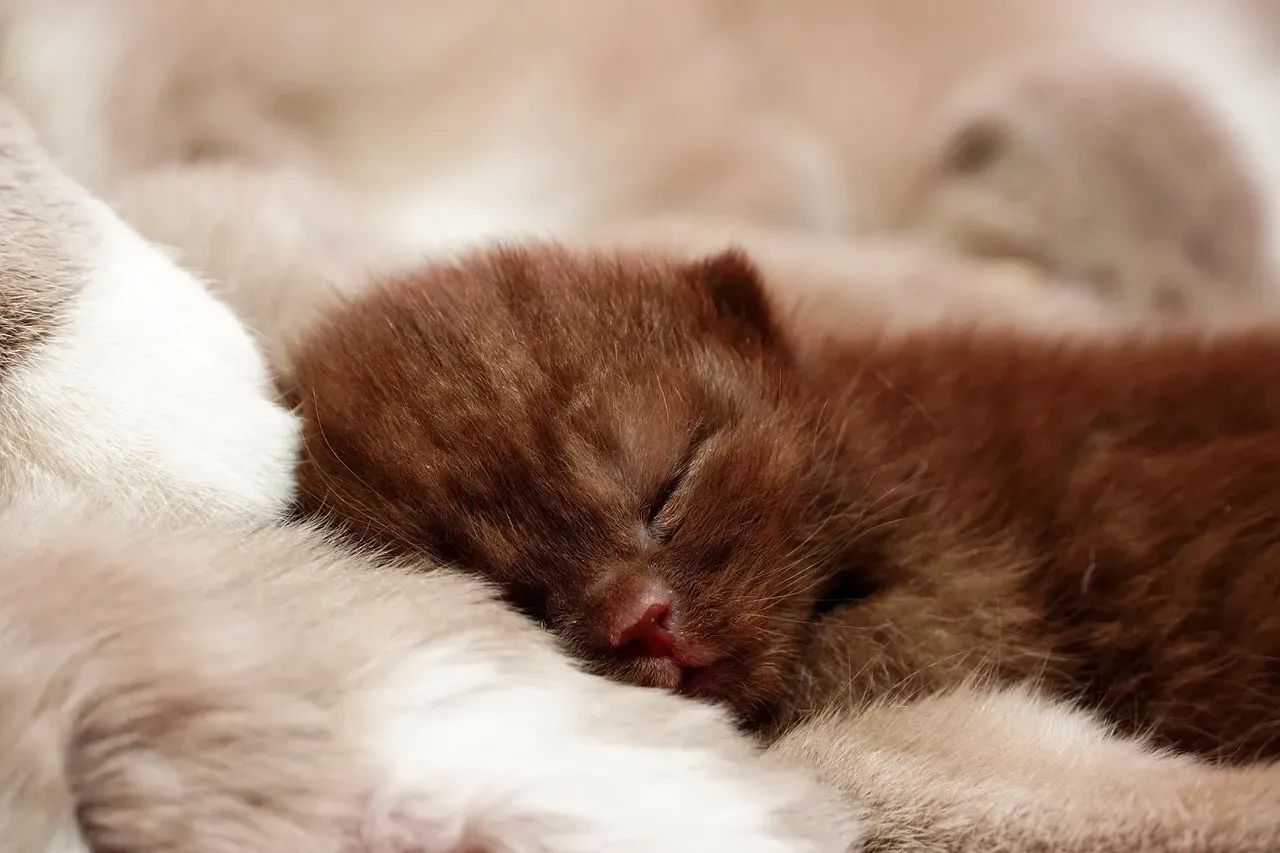
Kittens are basically professional sleepers. Newborn kittens can sleep nearly twenty-four hours a day, aiding their rapid growth and development. If you’ve ever had a kitten, you know they’re either zooming around like tiny maniacs or completely unconscious – there’s no in-between. That excessive sleep isn’t laziness; it’s biology at work, building muscles, bones, and brain connections.
As cats age, their sleep needs shift again. As they grow older, a majority of cats sleep for more hours each day than they did in their younger years. Senior cats may return to kitten-like sleep schedules, racking up roughly twenty hours a day. Baby kittens and older cats tend to sleep the most. It’s the circle of feline life – lots of sleep at the beginning, a bit less in the prime years, then back to marathon napping in their golden age.
Conclusion
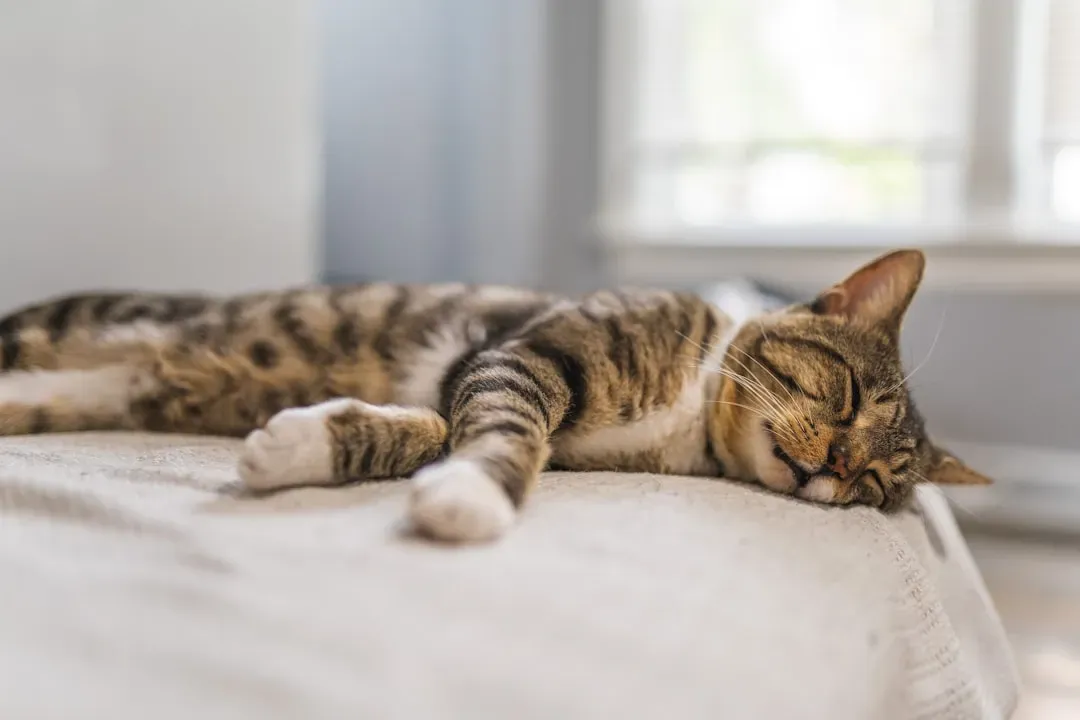
So the next time you catch your cat mid-nap, remember: this isn’t some mindless act of laziness. Every sleeping location, position, and duration is part of a carefully orchestrated plan rooted in survival instincts, temperature regulation, emotional security, and age-related needs. Your cat’s power naps are intentional, strategic, and remarkably sophisticated.
Understanding these sleep choices gives you valuable insight into your cat’s health, happiness, and trust levels. Whether they’re sprawled belly-up on your bed or tucked into a high perch surveying their kingdom, your feline friend is making deliberate decisions about rest. What do you think – have you noticed your cat’s intentional sleep habits? Tell us in the comments.
Kristina is a young writer from India. An arts graduate and an avid content creator, Kristina is passionate about animals and wildlife. She enjoys exploring topics related to pet care, animal behavior, conservation, and nature, combining thorough research with engaging storytelling.