You’ve probably watched your cat for hours without really understanding what’s happening right before your eyes. Their mysterious movements seem random, unpredictable, even nonsensical at times. Yet there’s a language happening in plain sight, one that speaks through the simplest gesture imaginable. The flick of a tail, that subtle twitch at the very tip, carries more meaning than most people realize. Once you learn to read it, you’ll never look at your feline friend the same way again.
The Tail Tells Tales You’ve Been Missing
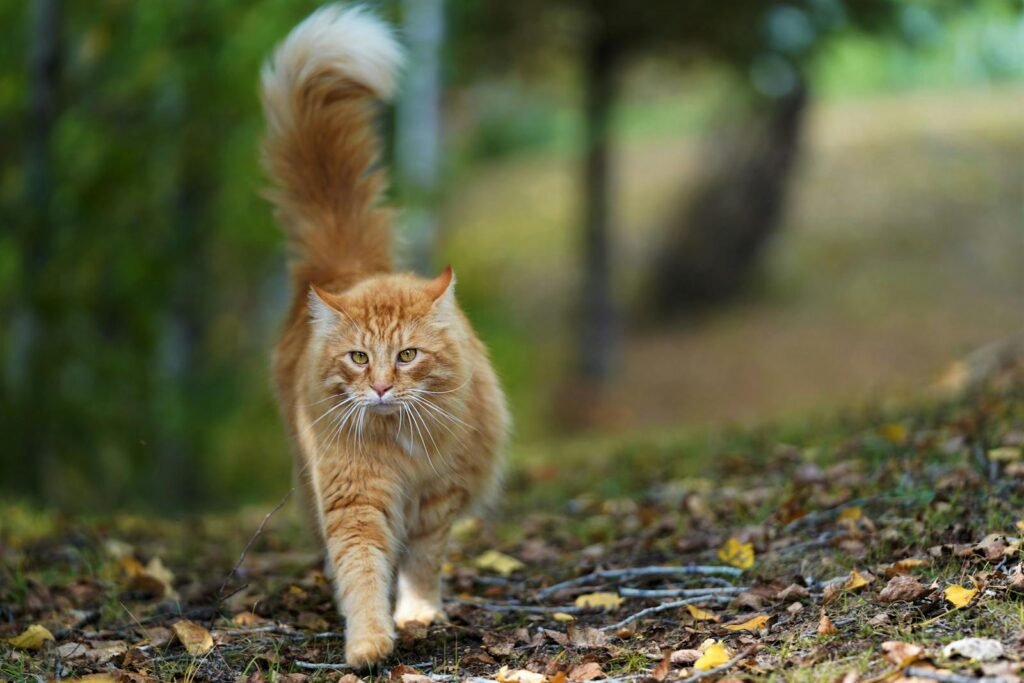
Let’s be real, most people think cats are just aloof creatures doing whatever they please. That couldn’t be further from reality. Your cat’s tail position provides the greatest insight into what a cat is feeling, and honestly, it’s one of the most expressive parts of their entire body. While dogs wear their hearts on their tails with happy wags, cats have developed something far more nuanced.
The tail may be the most expressive part of a cat’s body language, and cats use their tail movements, along with their eyes, ears, and body postures, to communicate. Think of it like this: if your cat’s face is a poker game, their tail is the tell. I think what surprises people most is just how deliberate these movements are. Nothing your cat does with their tail is accidental.
When That Upright Tail Means Welcome Home
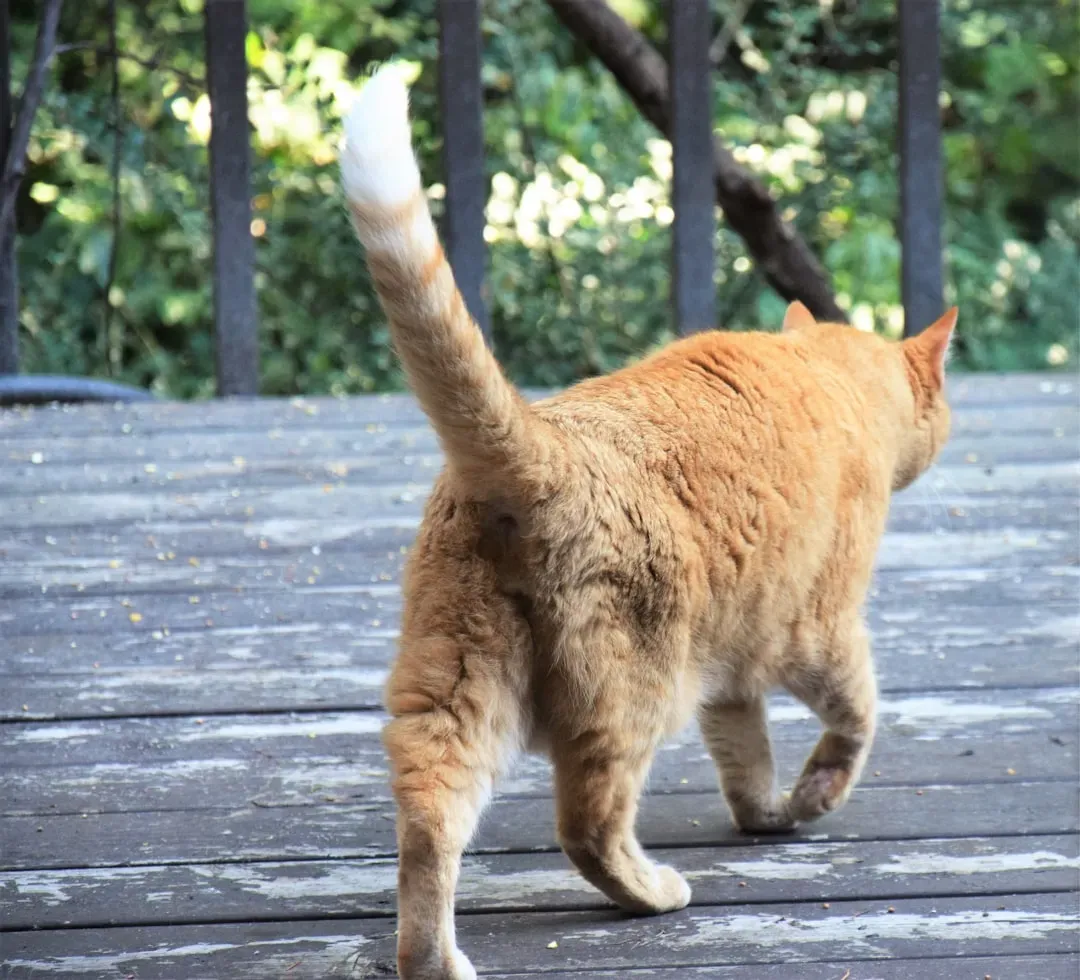
When a cat’s tail is upright, they are feeling social and confident, and are approaching in a friendly manner. Picture this: you walk through the door after a long day, and your cat trots toward you with their tail held high like a flagpole. That’s not just a greeting. This cat tail language indicates a friendly greeting between cats, and it’s how kittens greet their mothers.
When your cat holds their tail high in the air as they move about their territory, they’re expressing confidence and contentment, and a tail that sticks straight up signals happiness and a willingness to be friendly. Sometimes you might notice a little curve at the tip, almost like a question mark. That’s your cat basically asking if you want to play or hang out. It’s hard to say for sure, but I’ve noticed cats reserve this particular gesture for beings they genuinely trust.
The Question Mark Tail Is an Invitation
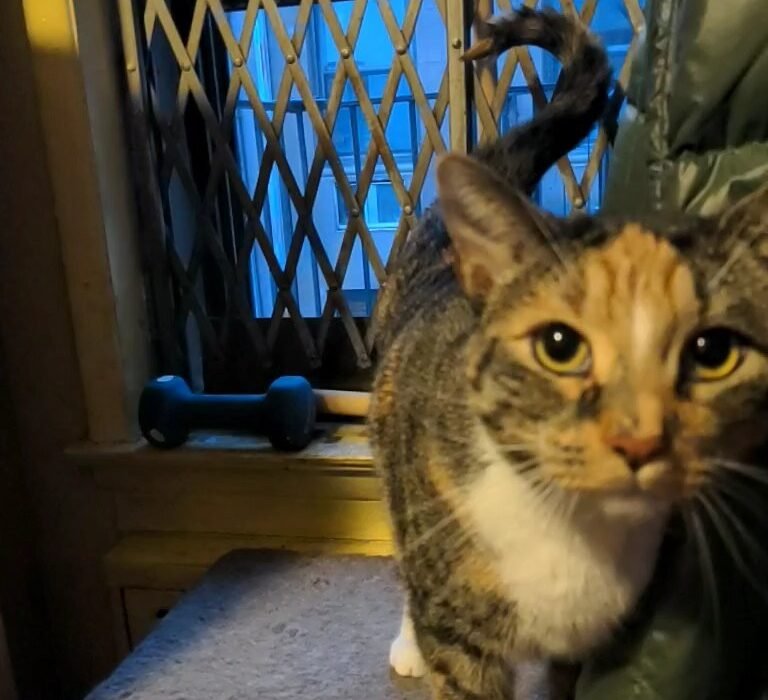
A question mark or hooked tail is straight up but curls at the tip, and these cats are playful, telling you they are ready to have fun. Here’s the thing: this is one of the clearest signals your cat will ever give you. They’re literally reaching out with curiosity and enthusiasm. Question mark tail is a pro-social behavior, and it’s your cat’s way of giving you a friendly greeting.
When you spot that curved tip, your cat is basically saying they’re open to interaction and feeling good about life in general. It’s the feline equivalent of someone walking up to you with a smile and open arms. Most cats prefer being petted around their facial glands rather than on that tempting curly tail, though.
The Twitch That Speaks of Focus or Frustration
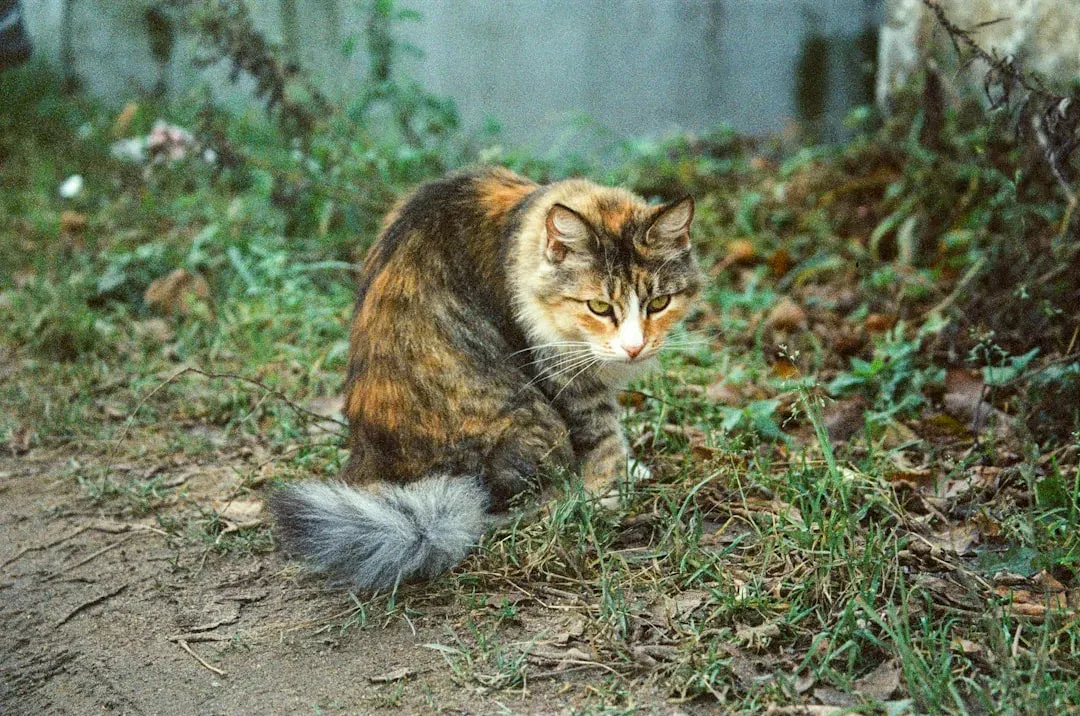
If your young cat is twitching the end of their tail, they may be engaging their natural hunting behaviors, and you may notice this tail movement if your cat is watching a bird outside the window. I know it sounds crazy, but that tiny movement at the tip tells you exactly where your cat’s attention has locked on. Tail twitching is often a normal part of hunting behavior and can happen when they’re focused on a target, such as a bird, bug, or toy.
However, context matters enormously here. In some cases, such as if you disturbed your cat’s rest, a little tail twitching may indicate mild irritation. The difference between hunting mode and annoyance mode often comes down to the rest of their body language. Are their ears forward and eyes wide? They’re hunting. Are their ears flattened back? Back away slowly.
When the Tail Thrashes, Take the Hint
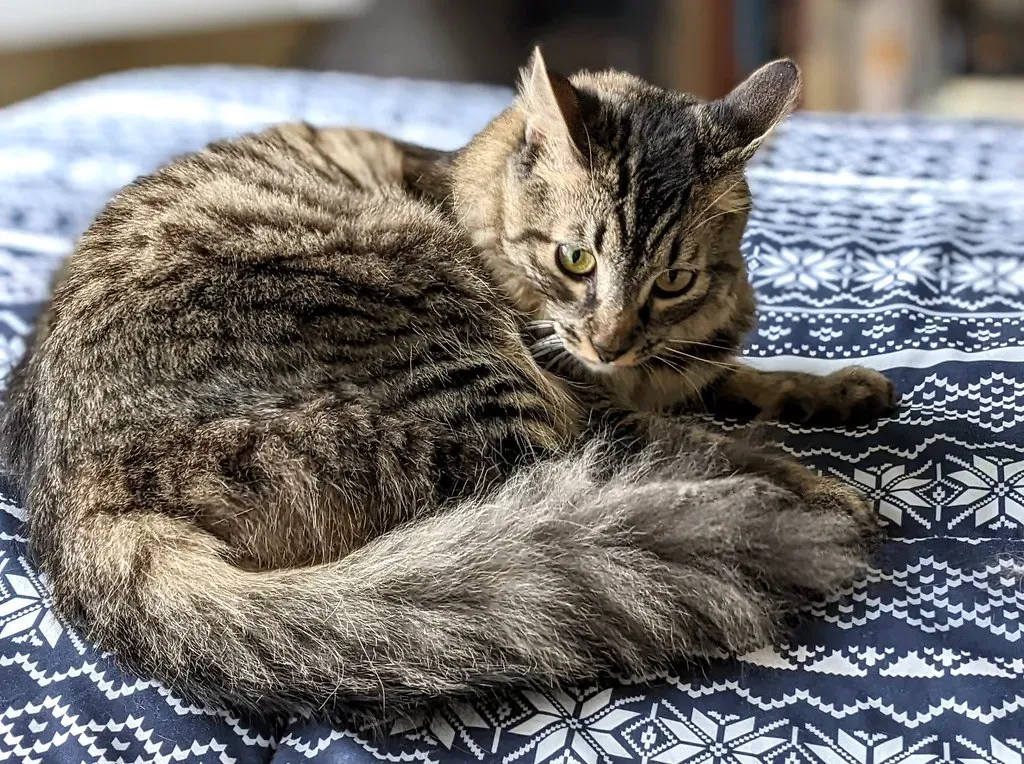
When your cat thrashes their tail or is thumping it on the ground, they are irritated, annoyed, or angry, and this tells you that something is bothering your cat. This is not subtle communication anymore. Your cat has moved past polite hints and into clear warnings. When your cat thrashes their tail back and forth, you’ve got an annoyed or angry cat on your hands, and it may be about to become aggressive.
Think of it as your cat tapping their fingers impatiently on a table, except they have claws and aren’t afraid to use them. A tail wag typically signals irritation, agitation, or mental conflict, and if your cat lies down and flicks its tail back and forth, it may be wrestling with two instincts. Best to give them space until that tail calms down. Trust me on this one.
The Puffed Tail Means Serious Business
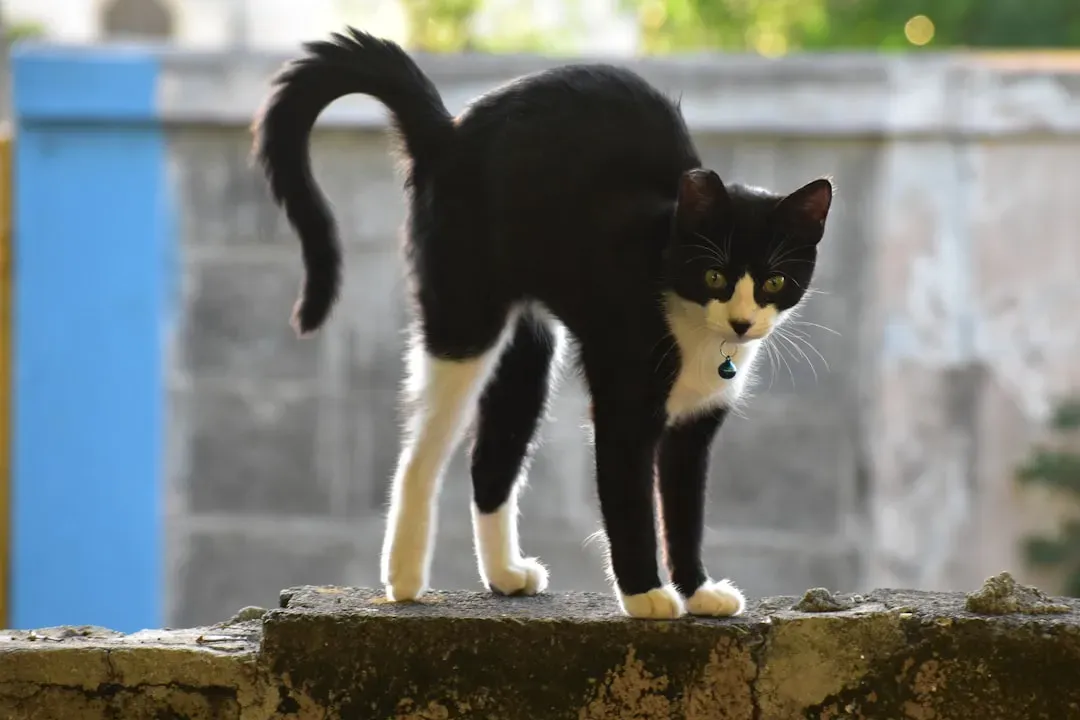
If your cat assumes the quintessential Halloween-cat posture with a puffed tail and arched back, then they are startled or frightened by a sudden, severe threat, and your cat’s hair stands on end so they can appear to be larger. This is your cat’s emergency broadcast system activating. They puff their tails up when they feel threatened because it gives the illusion of a bigger, more menacing body.
What’s fascinating is that this response is deeply hardwired into feline biology. Even the tiniest kitten will puff up when startled, instinctively trying to look intimidating despite being adorably ineffective at it. Your cat wouldn’t puff their tail if they weren’t feeling threatened to begin with, so the behavior almost always stems from a fearful reaction. Whatever triggered this reaction needs to be removed or your cat needs an escape route, immediately.
The Low Tail Signals Uncertainty or Fear
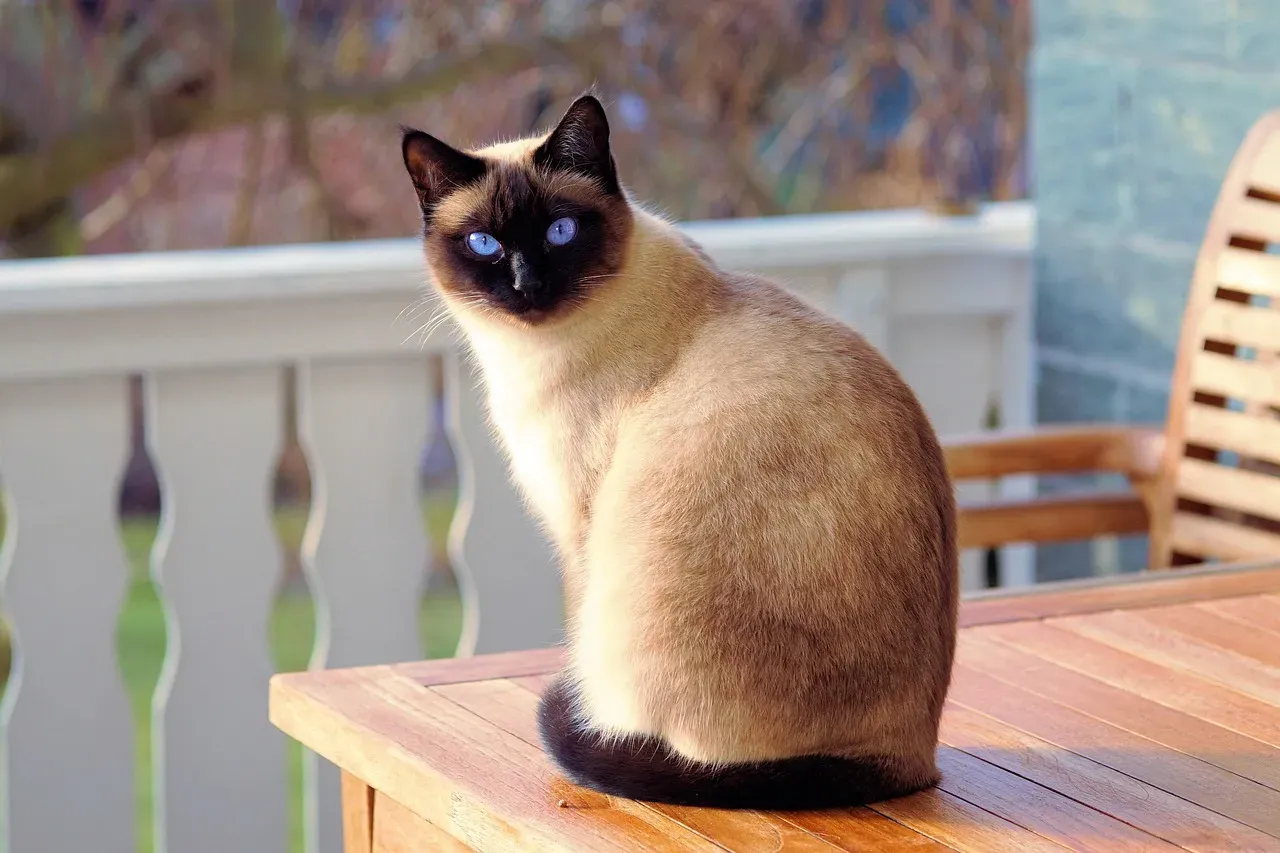
A cat may lower their tail below the level of their back if they are frightened or anxious, and if your cat’s tail is tucked between their legs, then they are really scared or may be experiencing pain. This posture makes your cat smaller, less noticeable. Tails below the level of the back convey a serious mood and can indicate stress, and when a feline tail drops lower and tucks beneath the body, something might be making that cat nervous.
It’s worth noting that certain breeds naturally carry their tails lower without any emotional distress involved. Persians, for instance, just do this as their default setting. Still, if your normally confident cat suddenly starts tucking their tail, something has shifted in their environment or their health. Pay attention to what else is happening around them.
The Wrapped Tail Speaks of Affection
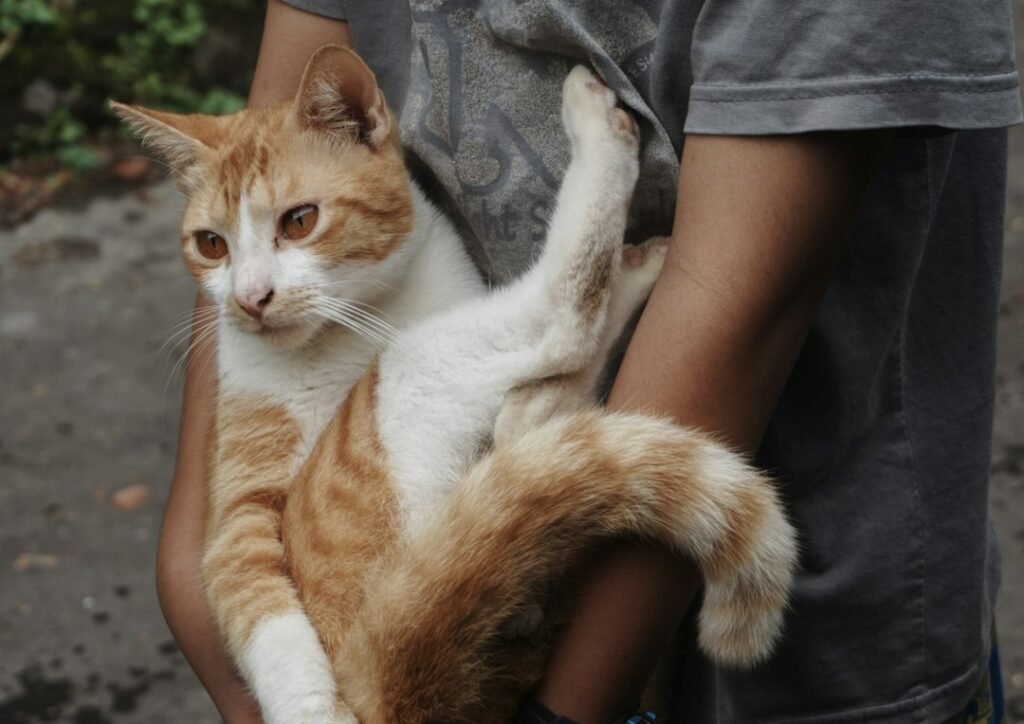
When your young cat approaches you, bumps up or rubs against you and wraps their tail around your leg or arm, this is a sign of affection. Think of it as a feline hug, genuinely one of the sweetest gestures cats offer. A cat’s scent glands are in his tail, so when he wraps his tail around you, he’s sharing his scent with you: a sure sign of affection.
Cats cuddling curled with their tails around each other use a very pro-social tail behavior, and this is one of the ways cats bond and socialize with each other. When your cat includes you in this ritual, you’ve been accepted into their inner circle. They’re marking you as part of their family, their colony. Honestly, there’s nothing quite like that feeling when your cat wraps their tail around your ankle while purring.
The Quivering Tail Shows Pure Excitement
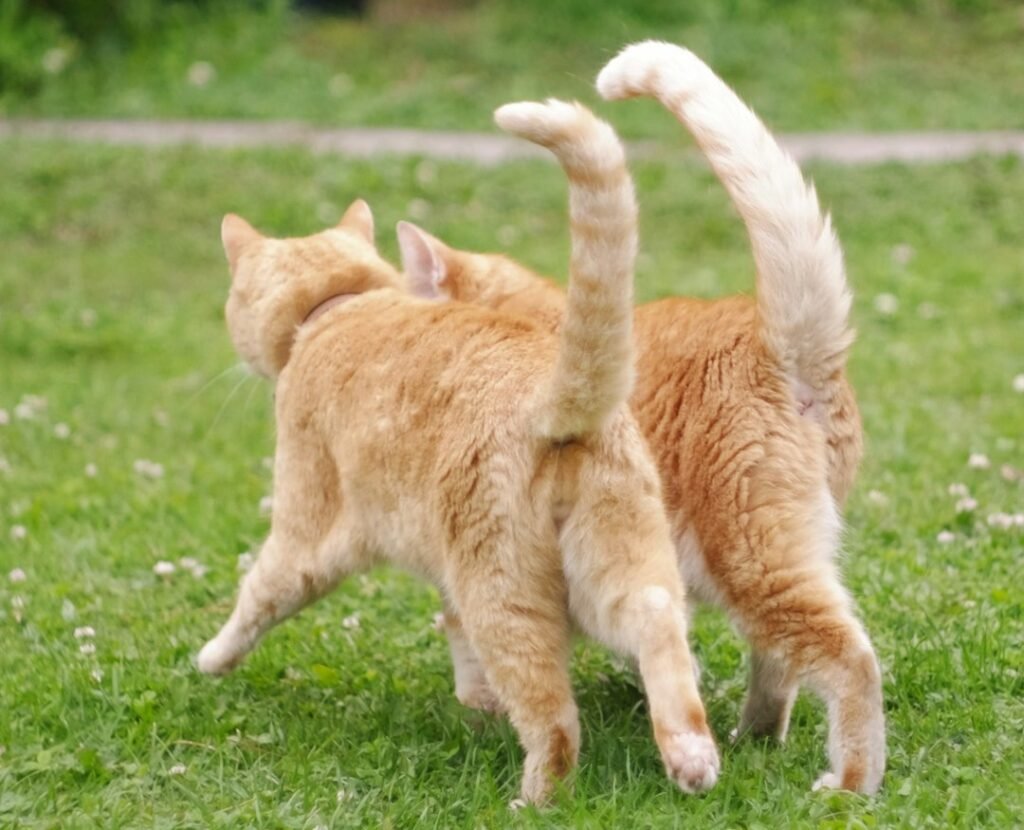
Your cat may quiver their tail when they are especially excited to see you or another cat. This one’s pretty easy to spot because the tail literally vibrates with excitement. If her tail is quivering, it may mean that she is excited to see you or whomever she is encountering. Picture a tail held high that suddenly starts trembling like they can barely contain their joy.
However, there’s an exception you need to watch for. Sometimes, when a cat quivers their tail while holding it straight up and backing up against a vertical surface, they may be urine marking. Context absolutely matters here. If they’re facing you with that quivering tail, it’s excitement. If they’re backing up to your wall or furniture, that’s a completely different conversation you’ll need to have with them.
Understanding the Complete Picture
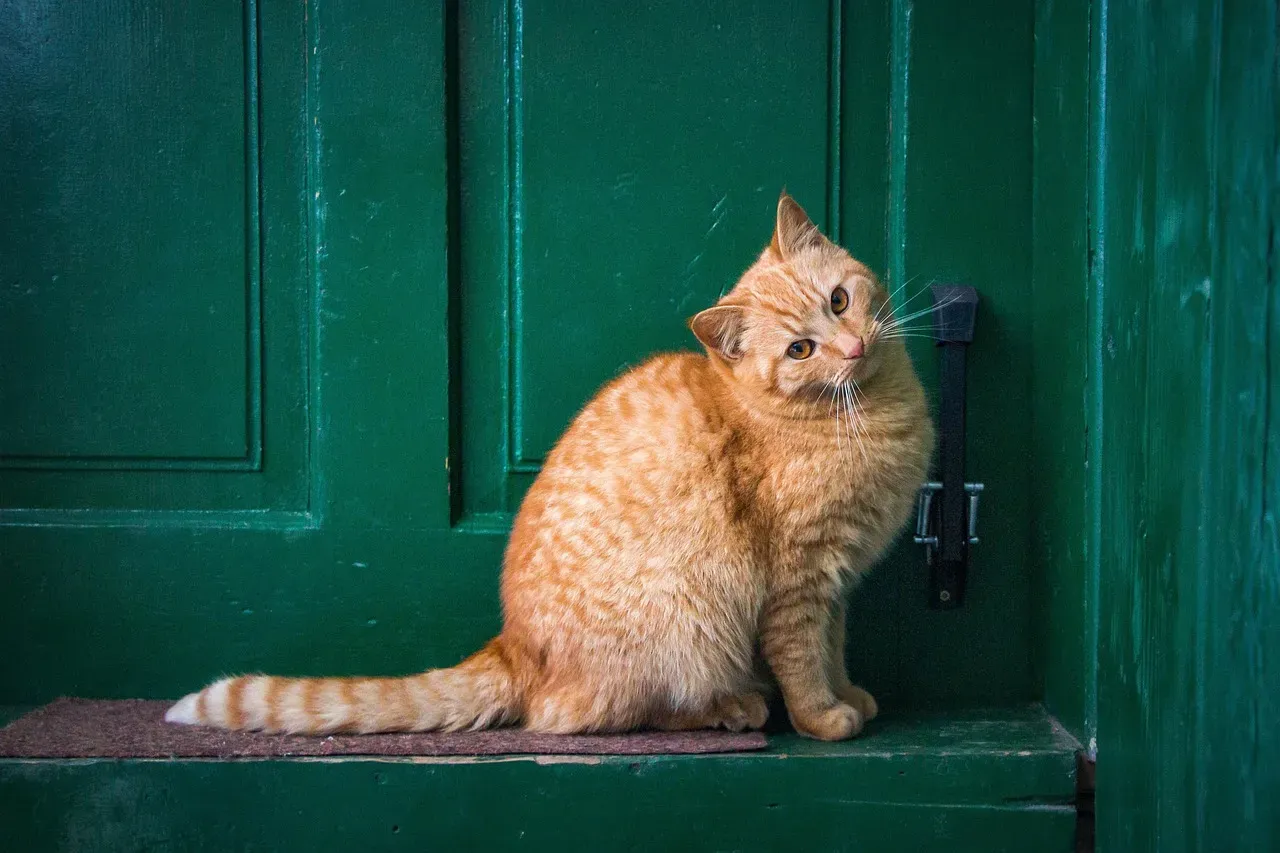
While tail movements are a critical aspect of feline body language, it’s essential to consider the entire body when interpreting your cat’s emotions, and pay attention to their tail signals alongside other body language cues like ear position and posture. The tail never acts alone. Your cat’s ears, eyes, whiskers, and overall body tension all contribute to the story they’re telling.
Reading the tail language of a cat allows you to identify the situations or environments that make your cat happy or cause fear, and can also help you identify illness and pain more readily. Once you start paying attention to these signals, you’ll realize just how much your cat has been trying to tell you all along. What did you expect? That they’d just start speaking English? The language was always there, written in the curve and flick of that remarkable tail. What would you have guessed if someone told you a simple twitch could mean the difference between a happy cat and one about to bolt?
Kristina is a young writer from India. An arts graduate and an avid content creator, Kristina is passionate about animals and wildlife. She enjoys exploring topics related to pet care, animal behavior, conservation, and nature, combining thorough research with engaging storytelling.