Have you ever caught your cat wedged inside a shoebox that seems three sizes too small? Or discovered them tucked into a grocery bag, looking utterly content despite the cramped quarters? It’s one of those behaviors that makes cat ownership endlessly fascinating. While we humans might find these tight spots uncomfortable or even claustrophobic, cats seem to actively seek them out, transforming the most improbable locations into personal sanctuaries.
This curious tendency isn’t just about being adorable, though it certainly checks that box. There’s a whole world of instinct, psychology, and evolutionary hardwiring behind why your feline friend becomes an expert architect of impossibly cozy retreats. Let’s explore the remarkable ways cats master the art of comfort in spaces that barely seem large enough to contain them.
The Ancient Blueprint: Security Through Confinement
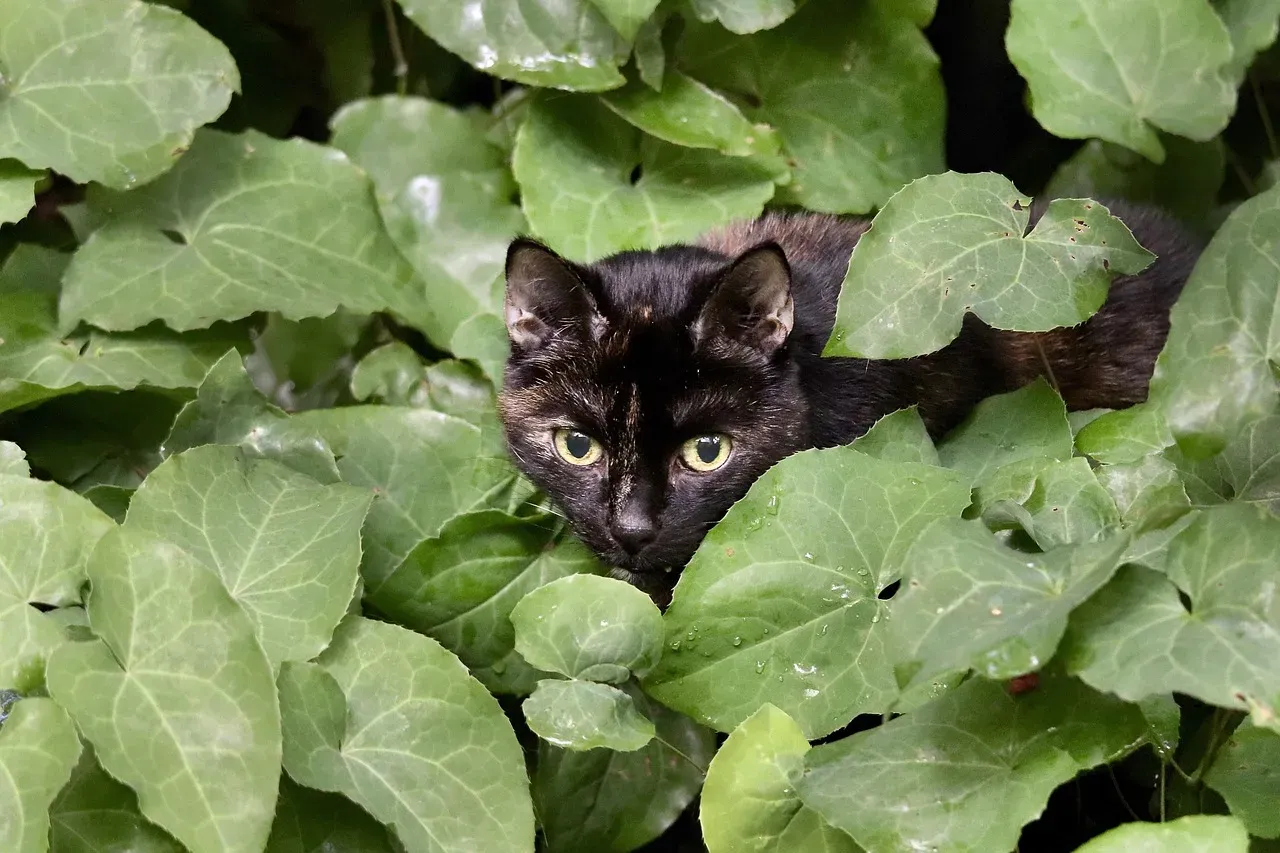
Cats are both predators and prey animals, and small enclosed areas provide them with crucial advantages by allowing them to observe their surroundings without being seen, protecting them from potential threats. Think about it from their perspective. In the wild, a cat’s ancestors needed constant vigilance. This survival instinct remains deeply ingrained even in pampered house cats, and hiding in small enclosed spaces makes them feel shielded from potential dangers, reducing stress and anxiety.
What we see as a random cardboard box is actually a brilliant defensive position. The walls provide protection from multiple angles, while the opening allows surveillance of the surrounding territory. Fixed walls block sudden approaches from behind while the opening lets the cat monitor what’s happening. Your cat isn’t being quirky when she disappears into that tiny space during a thunderstorm or when guests arrive. She’s accessing a coping strategy perfected over millennia.
The Warmth Factor: Natural Insulation Engineers
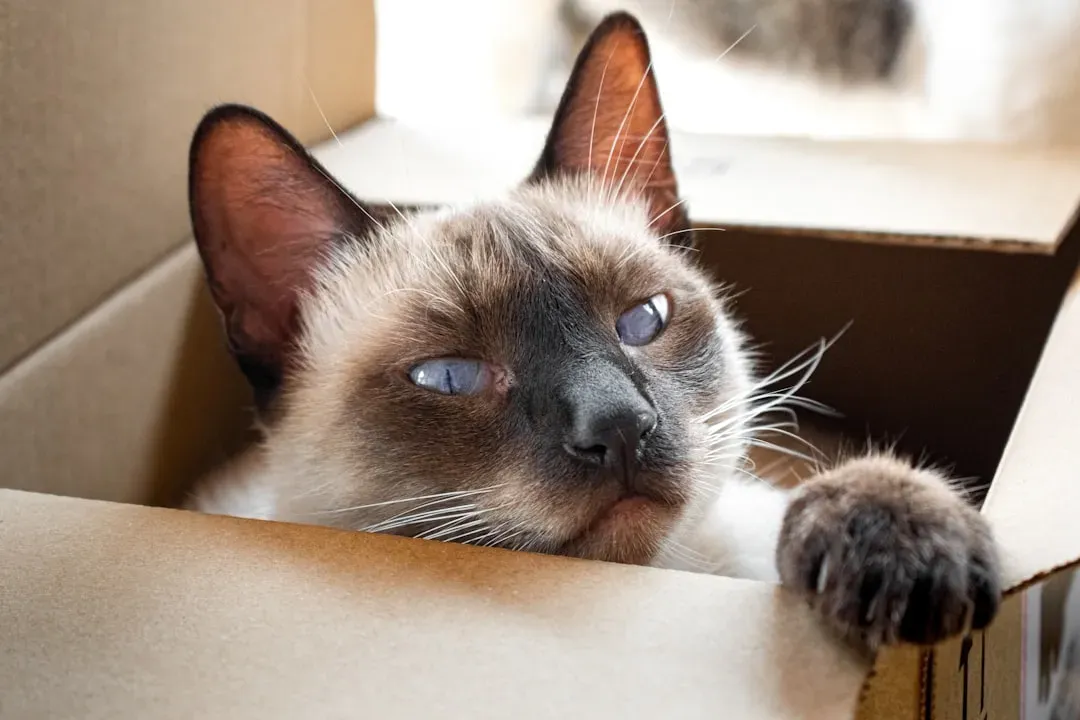
Here’s something that might surprise you: cats prefer temperatures significantly higher than what most of us keep our homes at. Cats’ ideal ambient temperature ranges between 86°F and 97°F, and cardboard is an excellent insulator whose fibrous structure traps body heat, creating a microclimate that helps them maintain core temperature with minimal energy expenditure. That flimsy box you nearly recycled? To your cat, it’s sophisticated climate control technology.
The closeness of the walls helps contain the cat’s own body heat, keeping them warm and relaxed. When your cat curls into a ball inside that snug space, she’s minimizing heat loss through surface area exposure. It’s physics meets biology, and your cat intuitively understands the equation better than most engineers. Even on warm days, cats often seek these confined spots because the sense of enclosure itself provides psychological comfort beyond mere temperature regulation.
Stress Relief Through Spatial Control
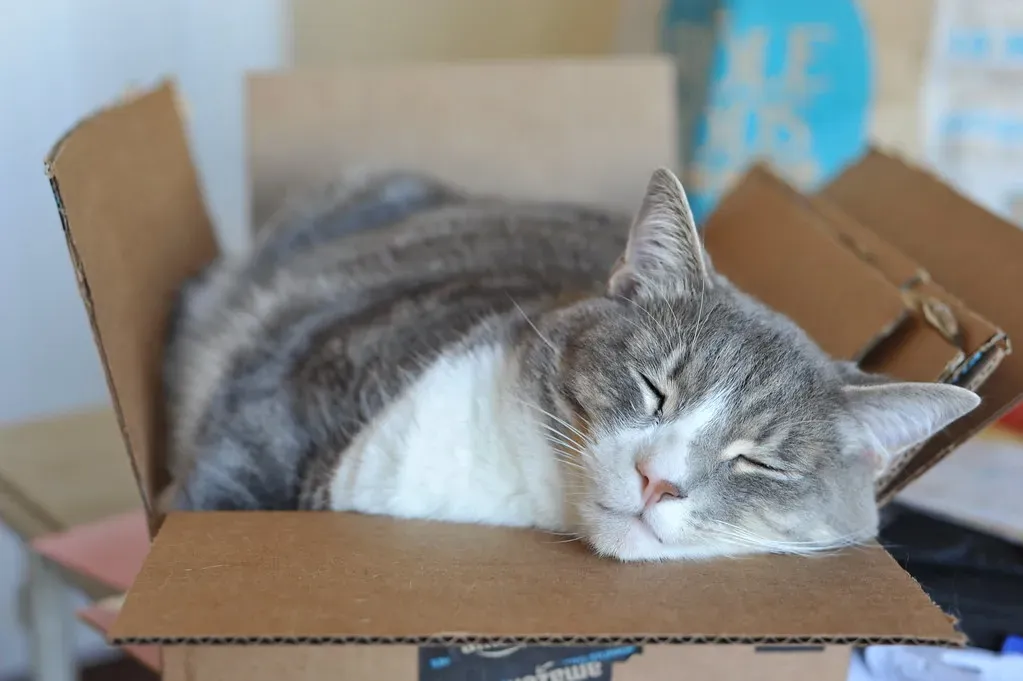
Research has shown that confined spaces like boxes have a calming effect on cats, helping reduce stress levels and provide a sense of security, particularly evident in shelter environments where providing boxes lowers stress and improves overall welfare. It’s not just speculation. Scientists have actually studied this phenomenon with measurable results. A study found that shelter cats with boxes adapted to their new environment more quickly compared to a control group without boxes, because cats with boxes were less stressed having a cardboard hiding place.
Your home might be loving and safe, yet it can still feel overwhelming to a cat. The world can be busy and chaotic, especially in households with children, other pets, or loud noises, and a hidden spot allows cats to have a personal retreat where they can relax without being disturbed. That bathroom sink your cat keeps napping in? She’s not being weird. She’s practicing excellent self-care by creating boundaries in an environment where everything else might feel unpredictable.
Flexible Bodies Built for Tight Squeezes
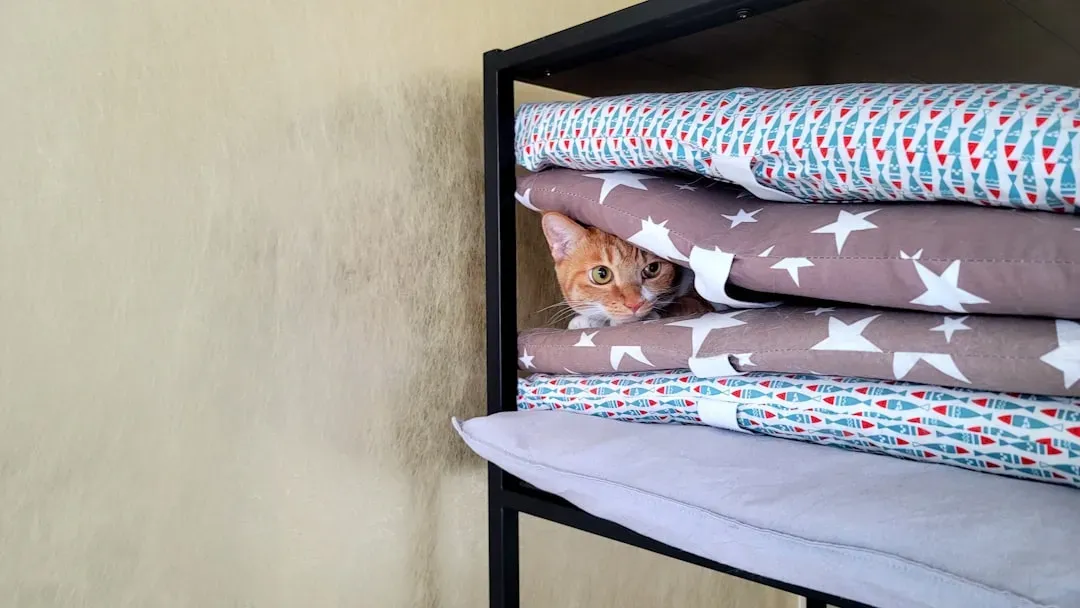
Let’s talk about the mechanics. Cats’ shoulder blades are attached primarily by muscles rather than bone connections, and their collarbones are small and floating, not rigidly connected to other bones, allowing them to compress their shoulders and chest area to make their body as narrow as their head. It sounds almost impossible, yet you’ve probably witnessed it firsthand. A cat’s spine contains up to 53 vertebrae connected by elastic discs and loose ligaments, enabling them to rotate their bodies up to 180 degrees side-to-side, which is exceptional flexibility key to squeezing through narrow spaces.
Unlike human contortionists who must dislocate their shoulders to squeeze through tight spaces, cats don’t need to dislocate anything because they have a loose shoulder girdle, and a really skinny cat can squeeze through a hole just the size of their head or slightly larger. Your cat isn’t breaking the laws of physics when she flows like liquid into that impossibly small container. She’s simply using the incredible anatomy evolution gifted her species.
Territorial Marking Through Space Occupation
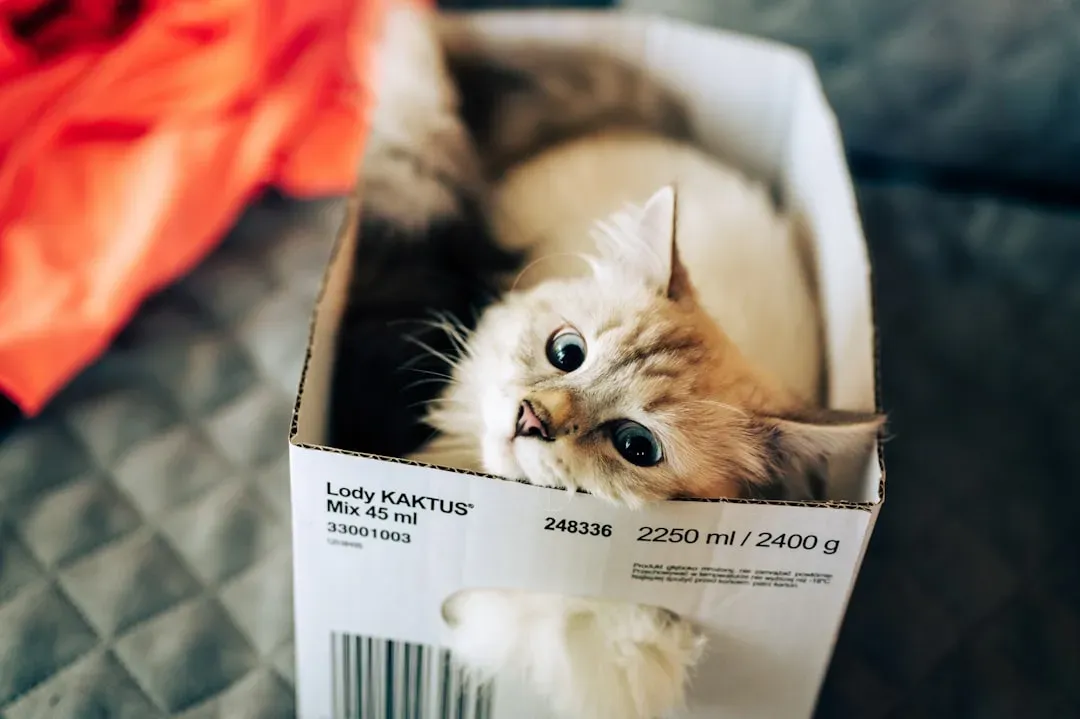
Cats are territorial animals, and squeezing into tight spaces can be a way of marking their territory by occupying a confined area, leaving their scent behind, and establishing a familiar safe zone within the larger environment. Every time your cat settles into a new box or bag, she’s not just resting. She’s making a declaration of ownership. Cats are territorial animals who use scent marking to establish and maintain their territory, and when a cat enters a box, it leaves its scent behind, effectively claiming the box as its own territory.
This behavior stems from a deep-seated need for control. Control is a cornerstone of feline well-being; unlike dogs who seek social validation, cats prioritize autonomy and thrive when they can choose when to interact, observe, or withdraw, and a box gives them exactly that private domain they can enter and exit on their own terms. The next time you notice your cat’s “collection” of favorite small spaces throughout your home, recognize that she’s created a network of personal territories that make her world feel manageable and secure.
Nostalgia for the Nest: Echoes of Kittenhood
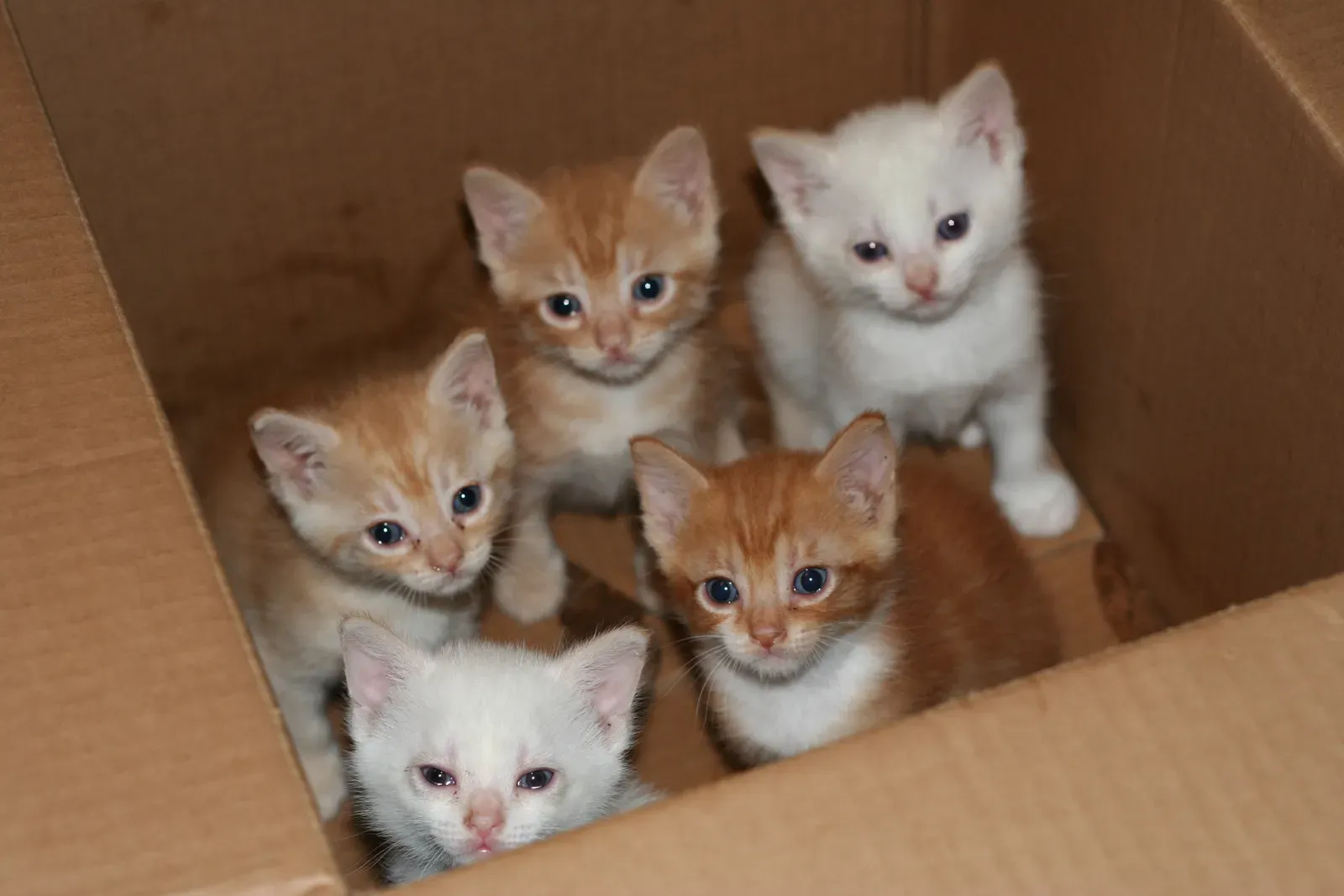
Small spaces are in cats’ behavioral repertoire from when they were young and used to snuggle with their mother and litter mates, feeling warmth and soothing contact, and close contact with enclosed spaces is believed to release endorphins that cause pleasure and reduce stress. There’s something profoundly comforting about these tight spaces that goes beyond simple practicality. It taps into your cat’s earliest memories of safety and warmth.
This instinctual behavior returns to their wild ancestors, as in the wild cats created nests to keep themselves and their kittens warm and protected from predators. Even though your cat has never faced a predator and was born in the comfort of a modern home, those ancestral memories remain encoded in her DNA. When she kneads that blanket inside a cardboard box, she’s recreating the security she felt as a tiny kitten, nestled against her mother’s warmth.
The Hunting Advantage: Ambush Headquarters
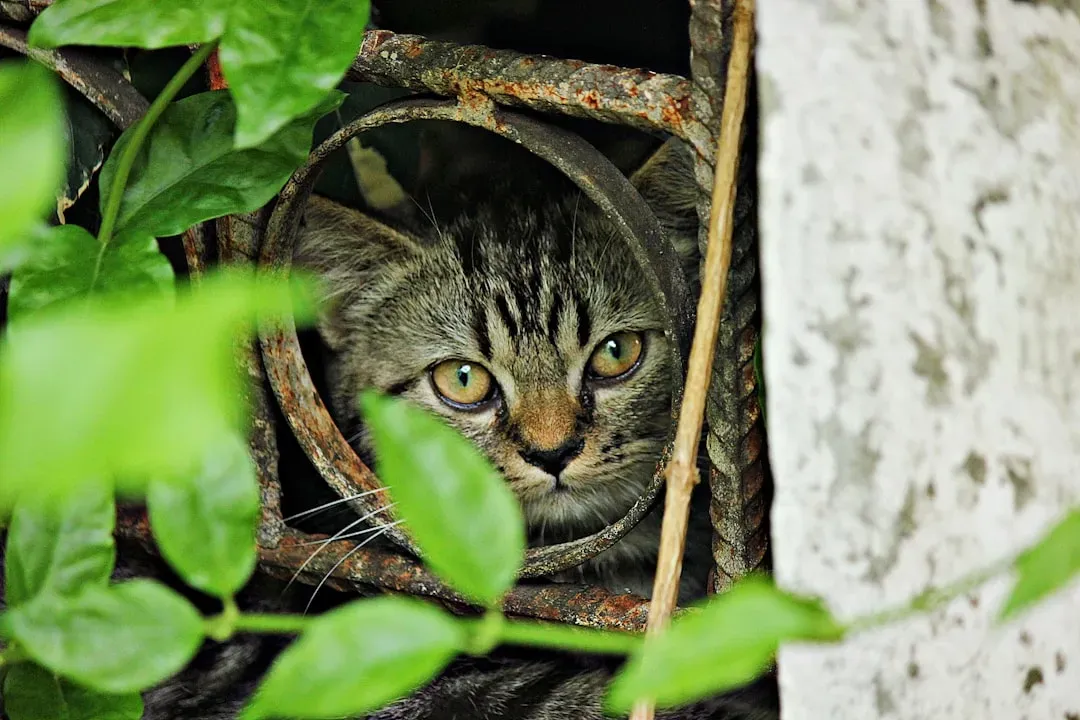
Cats are natural hunters whose ancestors relied on stealth and agility to capture prey, and small crevices can provide hiding spots that give cats an advantage when stalking and ambushing prey, especially noticeable during play. Watch your cat carefully the next time she occupies a box. You’ll likely notice her eyes tracking movement, her body tensed, ready to pounce. That innocent-looking cardboard container has transformed into a tactical operations base.
A small box acts as an effective toy by inviting stalking games, ambushes, and quick bursts of athletic movement that tap into behaviors linked to hunting and territory defense, as cats crouch inside and launch surprise attacks on passing feet or toys. Even the most pampered indoor cat retains hunting instincts. Those tight spaces don’t just offer comfort; they provide the perfect staging ground for practicing predatory skills. Your ankles have probably learned this lesson the hard way.
Orthopedic Benefits: Stretching in Tight Quarters
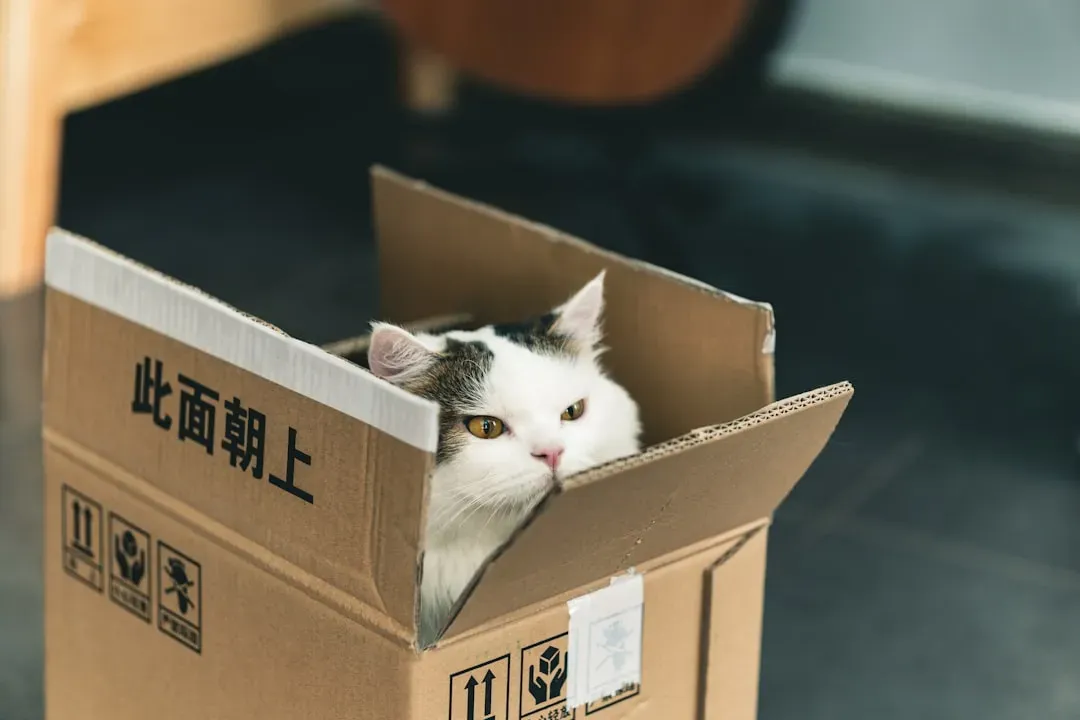
Here’s something you might not have considered. Squeezing into tight spaces might have orthopedic benefits for cats, as when a cat curls up in a small space, it allows them to stretch and flex their muscles, promoting joint health and flexibility. Those seemingly uncomfortable positions are actually a form of physical therapy. It’s like your cat is doing yoga, except the yoga mat is a shoebox.
Body compression has been proven in humans and dogs to lead to a release of endorphins that help calm anxiety and result in feelings of calmness and happiness, and it’s reasonable to think cats may get a similar endorphin boost from squeezing into tight spaces. Think of it as a self-administered weighted blanket effect. The gentle pressure from the walls surrounding them provides a soothing sensation that goes beyond simple comfort. Your cat’s strange contortions aren’t signs of discomfort; they’re evidence of sophisticated self-care.
Environmental Enrichment: Mental Stimulation Through Exploration
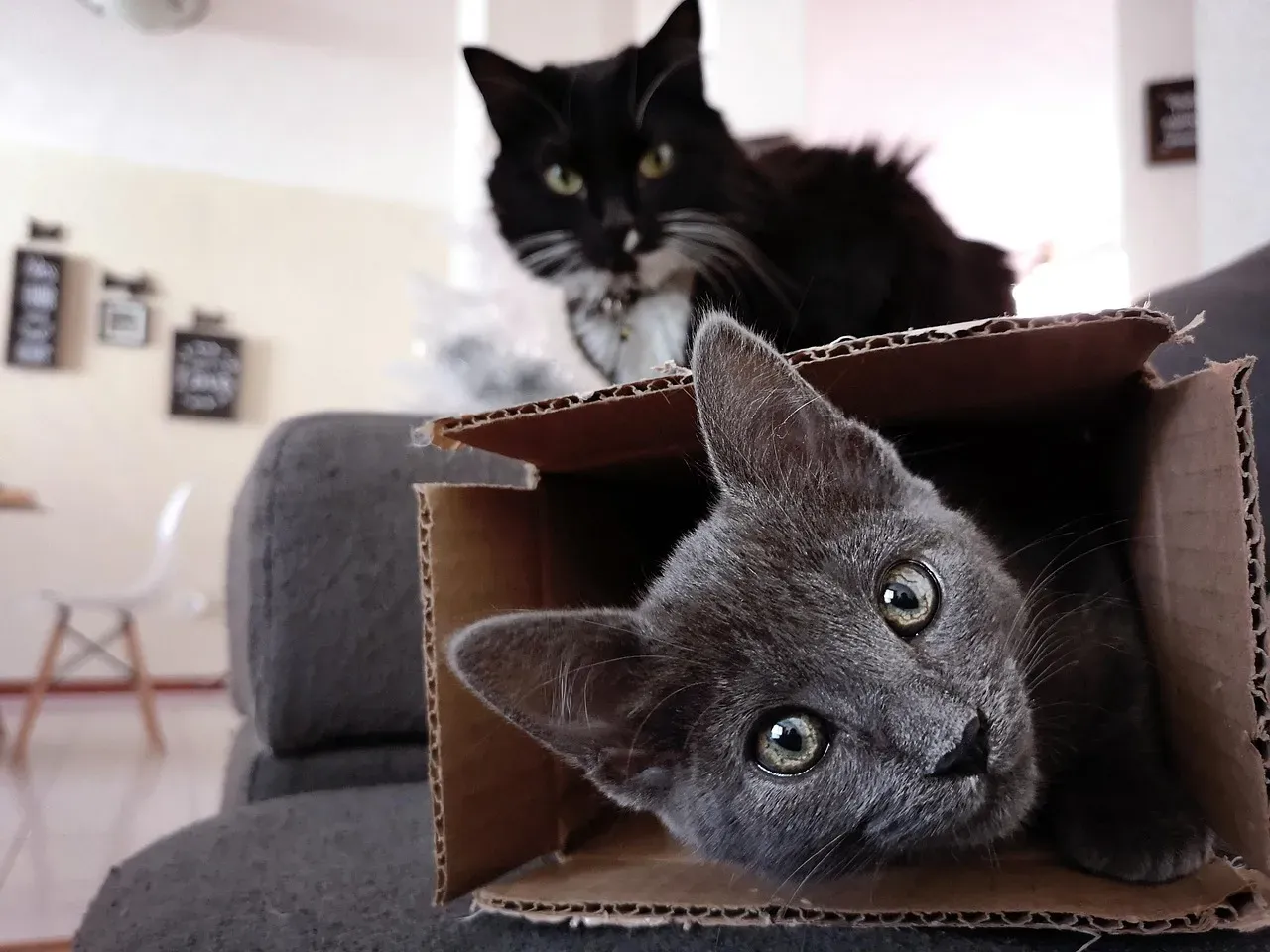
Some cats are highly curious and playful, and squeezing into tight spaces can be a form of exploration and play for these adventurous cats, helping them get the exercise they need to stay fit. Every new box represents an adventure, a puzzle to solve, a territory to conquer. Boxes provide cats with environmental enrichment by offering them a novel and stimulating environment to explore and interact with, which is essential for their mental and emotional well-being.
Let’s be real. Indoor cats can get bored. Their wild cousins spend hours hunting, patrolling territories, and navigating complex environments. Your cat has food delivered on schedule and climate-controlled rooms. Environmental enrichment refers to tweaks in a pet’s surroundings that keep body and mind engaged, and when combined, these small adjustments like boxes can create a home where a cat feels both secure and stimulated rather than bored or on edge. That pile of empty boxes in your living room isn’t clutter. It’s an investment in your cat’s psychological health.
The Psychology of the “Safe Shell” Effect
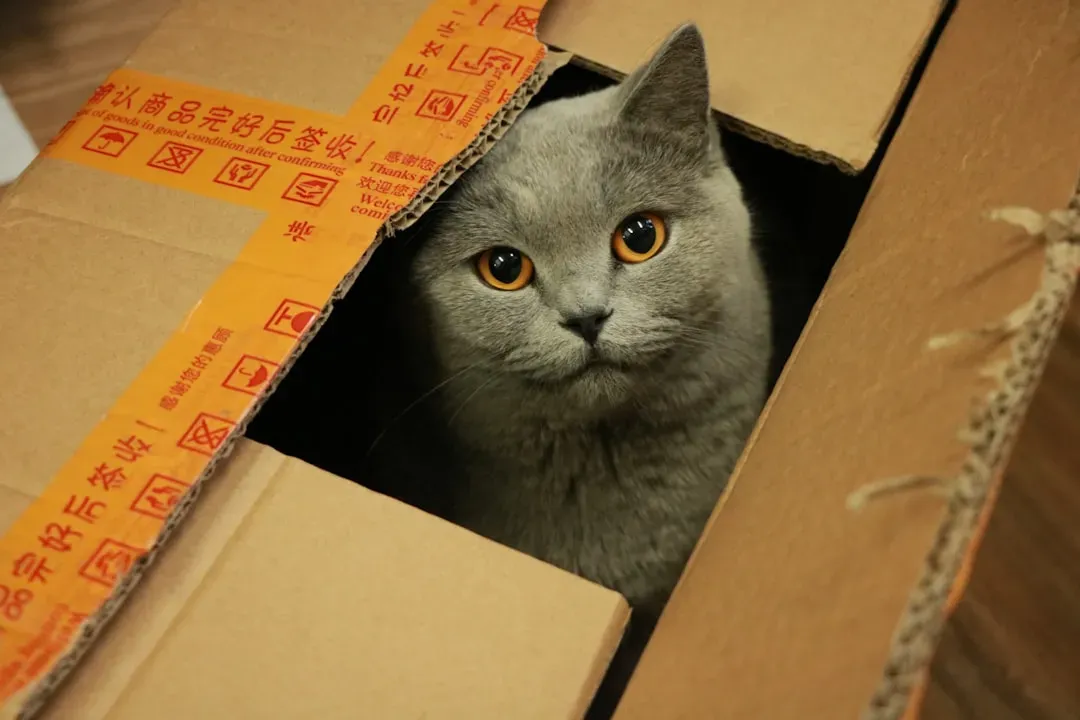
The safe shell effect is a psychological concept describing how cats experience comfort and security in enclosed spaces, much like how humans feel safer in a familiar room, as cats feel protected in confined areas. It’s fascinating when you think about it. Humans and cats share this fundamental need for spaces that feel contained and safe, though we express it differently. You might seek out a cozy reading nook; your cat seeks out that Amazon delivery box.
A confined controllable space helps an animal manage overwhelming surroundings, as behind cardboard walls unfamiliar sounds and smells seem less threatening, allowing the cat’s nervous system to reset. When life feels chaotic, your cat retreats to reset her emotional state. It’s remarkably sophisticated coping behavior disguised as simple quirk. A cat vanishing into a box during a noisy evening isn’t being antisocial but is self-medicating with architecture, and over time such coping strategies can lower overall stress burden, potentially benefiting physical health from digestion to immune function.
Understanding why cats gravitate toward small spaces reveals something profound about these animals. They’re not just tolerating tight quarters; they’re actively seeking them out because these spaces fulfill multiple deep-seated needs simultaneously. Your cat’s architectural preferences reflect millions of years of evolutionary refinement, blending security, comfort, territorial instincts, and stress management into a single behavior. The next time you find your cat squeezed into an improbably small container, remember she’s not being silly. She’s being brilliantly, instinctively feline. What do you think about it? Does your cat have a favorite impossibly small space?
Kristina is a young writer from India. An arts graduate and an avid content creator, Kristina is passionate about animals and wildlife. She enjoys exploring topics related to pet care, animal behavior, conservation, and nature, combining thorough research with engaging storytelling.