What Does It Mean When Your Cat Brings You an Unexpected 'Gift'?
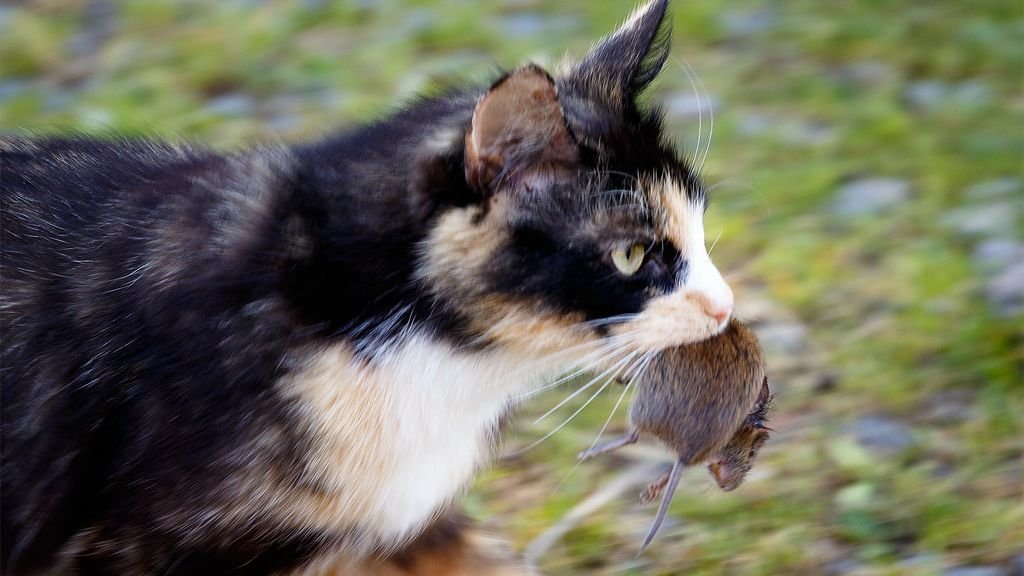
You wake up one morning to find something unusual on your pillow. Maybe it's a toy mouse, or worse, an actual mouse that isn't quite as lively as it used to be. Your cat sits nearby, watching you with what seems like pride. If you've ever experienced this peculiar moment, you know it's both touching and slightly unsettling at the same time.
Why do our feline friends insist on presenting us with these surprises? Is it a genuine gift, or is something deeper happening in their mysterious minds? Let's explore the fascinating reasons behind this behavior and what your cat is really trying to tell you.
The Ancient Hunter Within Your Pet
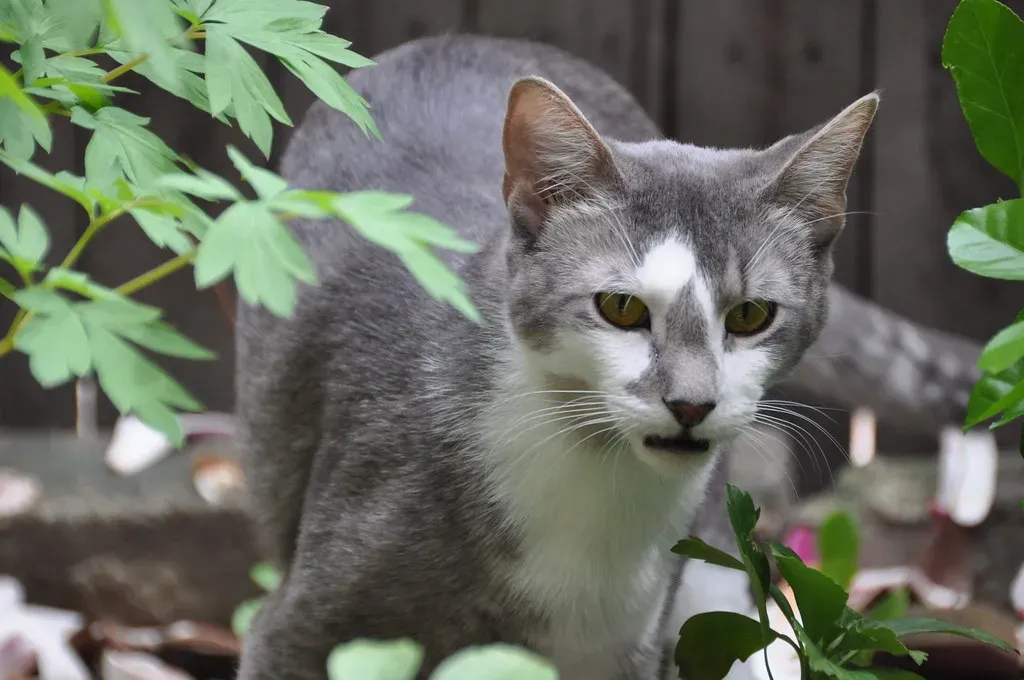
Your domestic cat might spend most of the day lounging on the sofa, but deep inside, they're still wired like their wild ancestors. Domestic cats are predatory species, and much like their wild ancestors, they are solitary hunters. Even though you feed them the finest kibble or wet food twice a day, it is their natural instinct to stalk and capture prey whenever the opportunity presents itself.
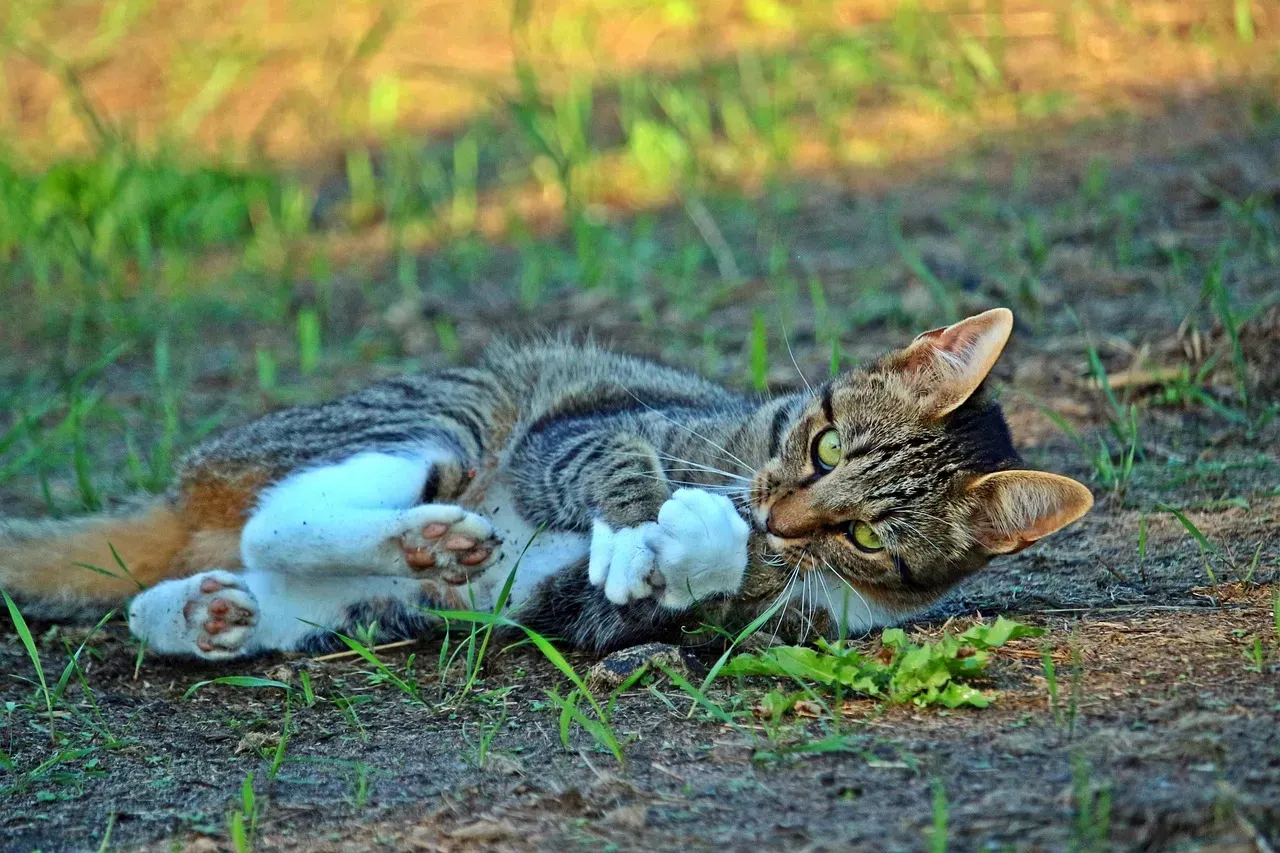
This hunting drive isn't about hunger at all. Today, cat hunting is more about fun and entertainment. The mere sight and sound of prey triggers your cat's hunting instinct which is hardwired into their brains. That means even the most pampered indoor cat retains these powerful predatory urges. Think of it like an athlete who just has to throw a ball around even when they're not at practice.
Teaching You the Skills You Apparently Lack
Here's the thing that might bruise your ego a bit. When your cat brings you dead animals, it might be because they think you're a terrible hunter and want to help you practice. I know it sounds harsh, but from your cat's perspective, you're kind of hopeless at catching prey. You've never brought home a mouse or bird, after all.
In the wild, mother cats go out and hunt and then bring the food back for their kittens. This not only feeds the young cats but also provides something for them to play, practice how to hunt and recognize prey. Your cat may genuinely view you as part of their family who needs some serious hunting lessons. Spayed females are more likely than their male counterparts to catch mice for their humans.
Your Home Is Their Safe Haven
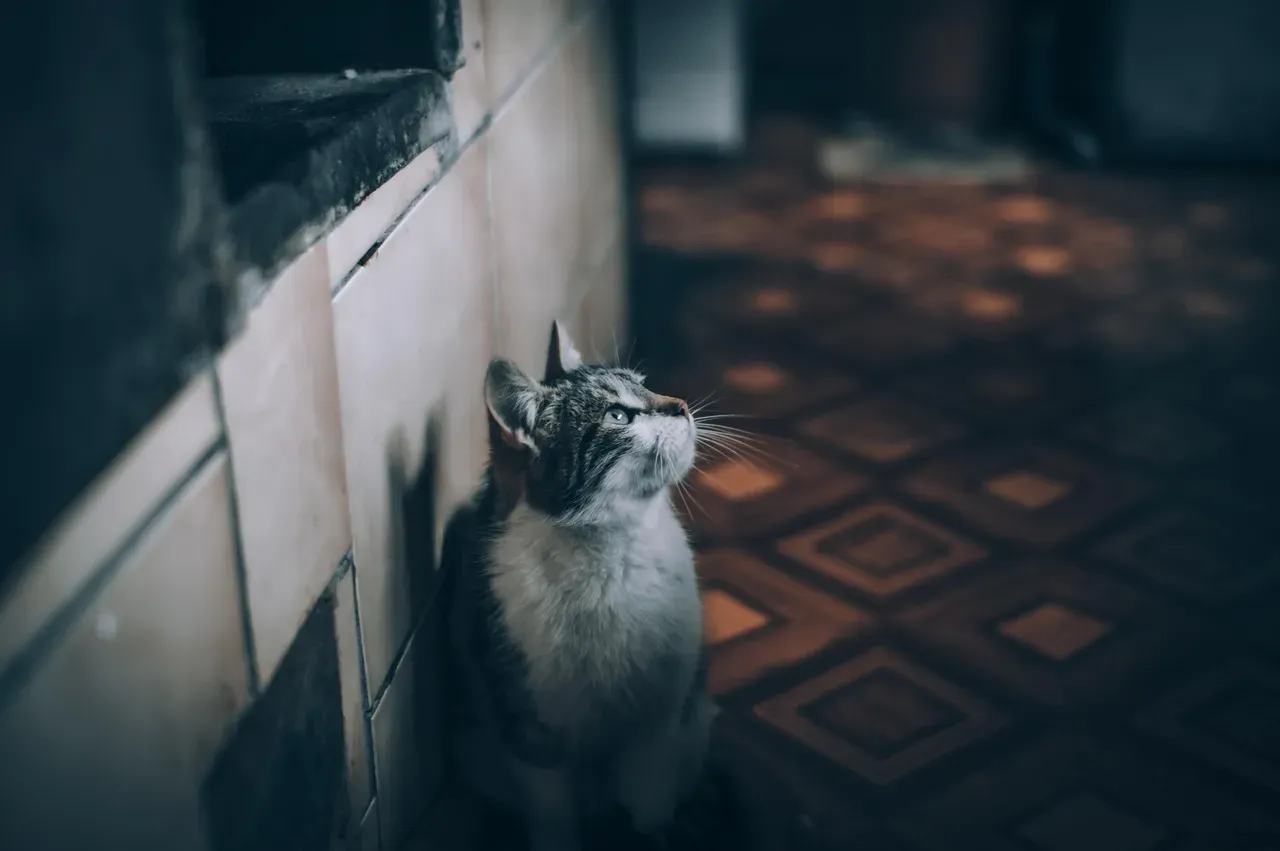
Cats bring these gifts home because their home is where they feel safe and secure. When cats catch prey they may not want to eat it or leave it where other animals could steal it from them. It's less about you and more about your house being the perfect storage facility. While cats are fierce hunters, they're also small enough to be vulnerable to larger predators in the wild.
Cats tend to hunt out in the periphery of their territory, but bring their prey back to their core area (usually your house) to eat. They are solitary hunters, but social eaters, so it is good cat manners to bring food back to their social group to share. Honestly, when you look at it that way, your cat is actually being quite polite by feline standards.
A Sign of Affection and Trust
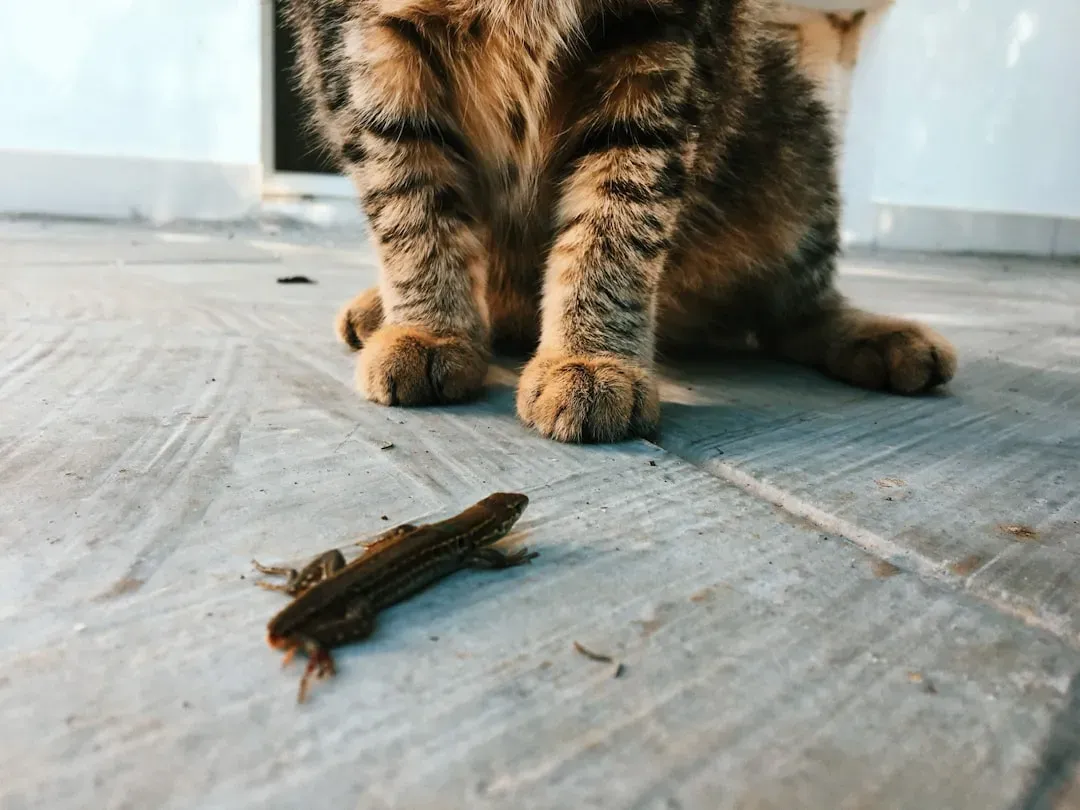
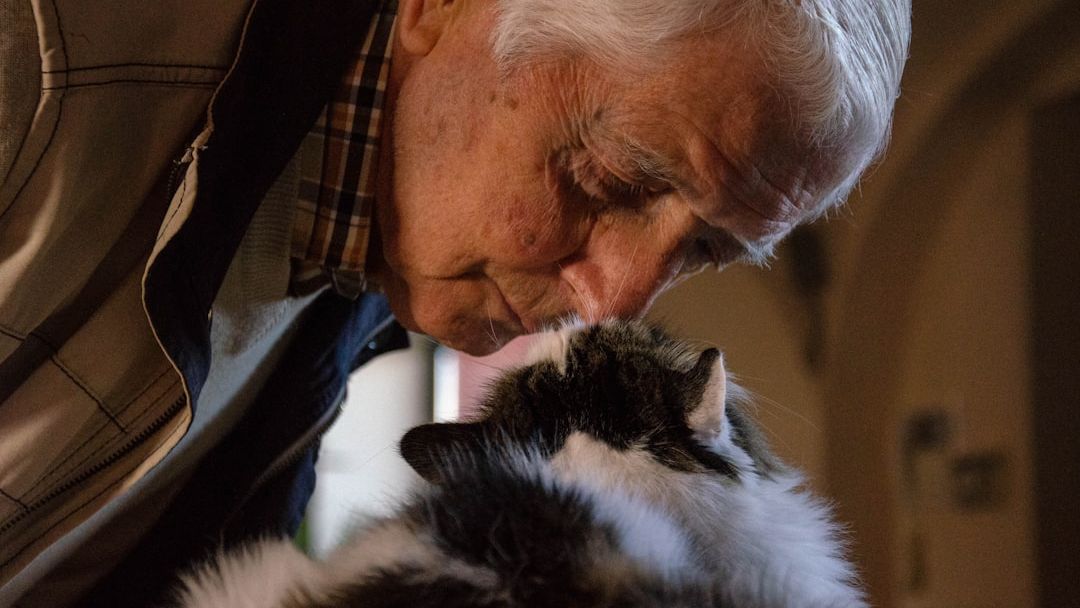
Despite their reputation for being aloof, cats do form strong bonds with their humans. Cats bringing dead animals home can indeed be seen as a form of affection or gifting, stemming from their instinctual behaviors. This behavior can carry over into domestication, where cats present their catch to their human companions to share their success and demonstrate care. Your cat considers you part of their family group, their inner circle.
It's somewhat of a compliment. They feel comfortable in their home. They consider you part of their family. So while you might not appreciate the actual gift itself, the intention behind it is actually quite sweet. Your cat trusts you enough to share what they consider valuable.
Not All Gifts Come from Outside
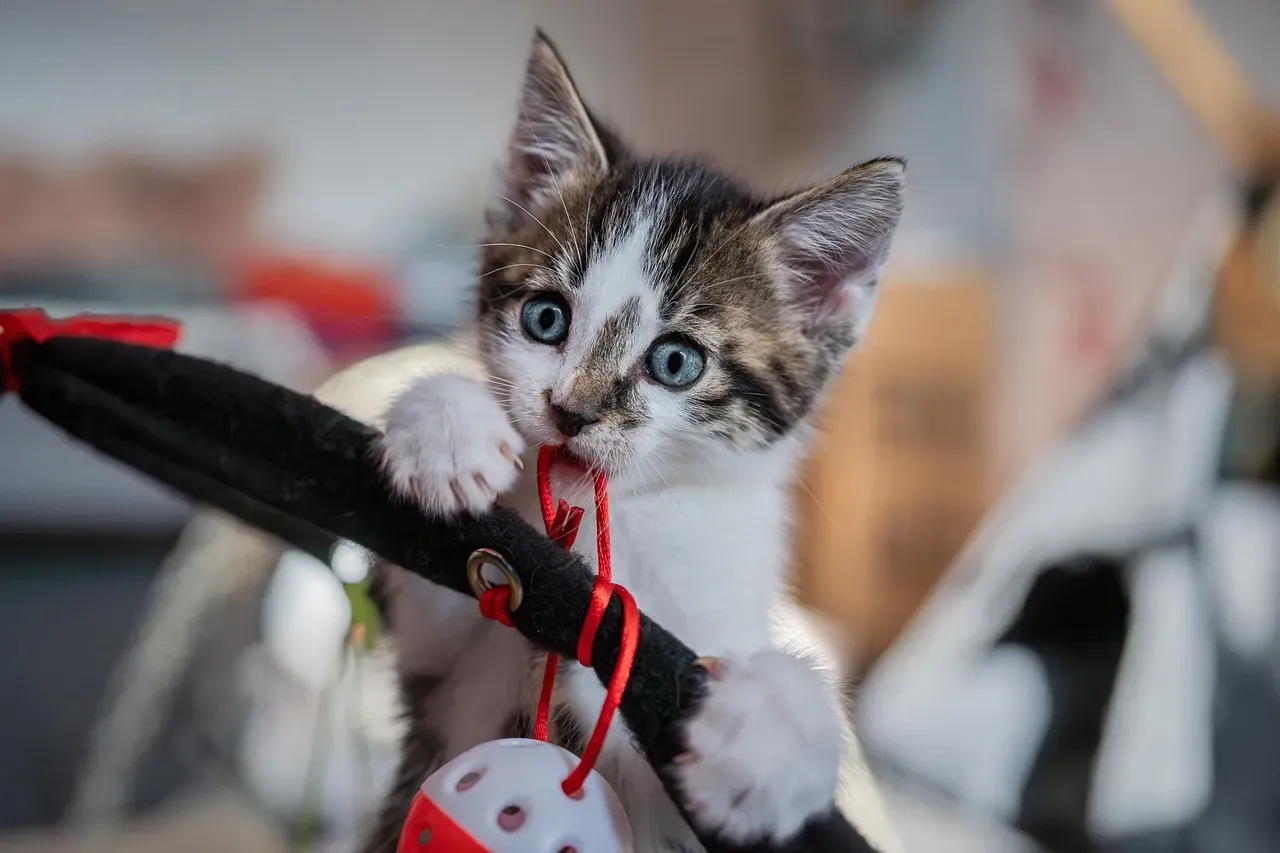
Some cats may bring home random objects such as leaves or branches, toys, human or cat food, and even the neighbour's laundry they've hung out to dry. Just like with bringing home dead or lives animals, these objects aren't actually a gift for you. The cat will have brought the object home because they find it interesting. Indoor cats who've never hunted live prey will often bring their favorite toys to you instead.
I've heard countless stories of cats proudly presenting socks, hair ties, or even Q-tips to their owners. Because cats will often play with their prey before eating it, your cat might bring you dead animals or toys to engage in a play session with you. As such, gift-giving might be a kind of attention-seeking and bond-building behavior in cats. Sometimes they just want to play, and they're inviting you to join the fun.
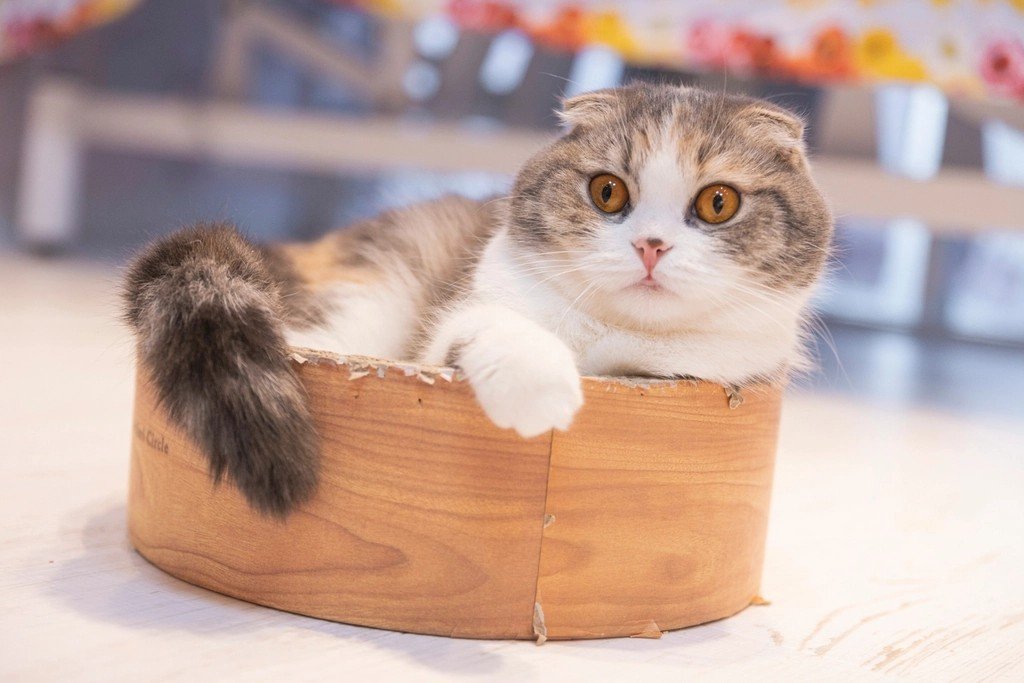
Biscuit
Biscuit is looking at you hopefully.
The Personality Factor Makes a Difference
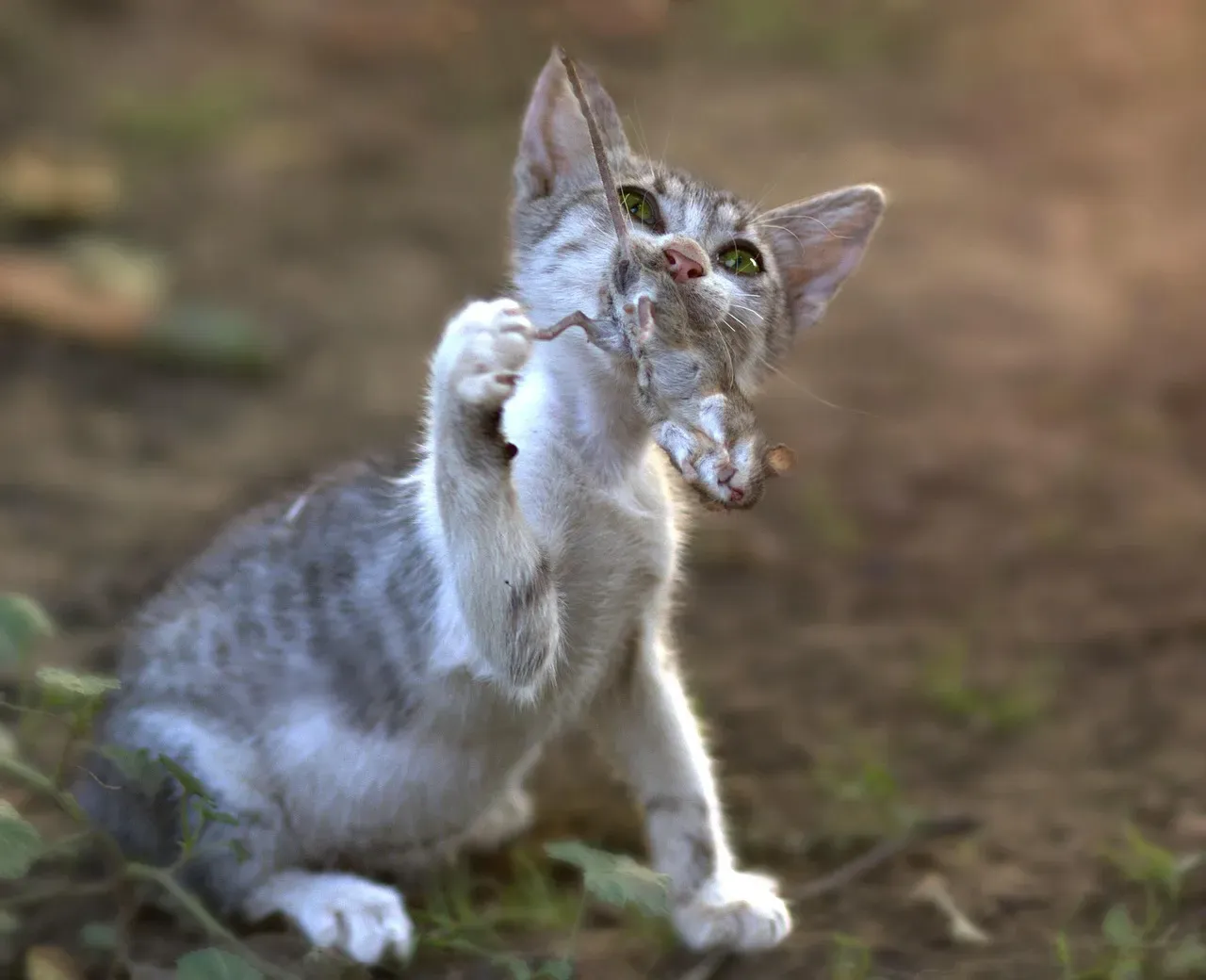
Their study showed that dominant, aggressive and active cats, as noted by their owners, brought back more dead animals into the home. In contrast, cats that were shy and friendly with their owners tended to bring home less prey. So if your cat is constantly leaving presents, it might say something about their bold and adventurous personality.
Not every cat engages in this behavior with the same intensity. Some felines hunt constantly while others rarely bother. How much hunting a cat does depends on both its environment and how much time it spends outside. For instance, a cat that lives in a rural area may have more space to roam and access to more prey than city cats do. Location matters just as much as temperament.
The Risks You Should Know About
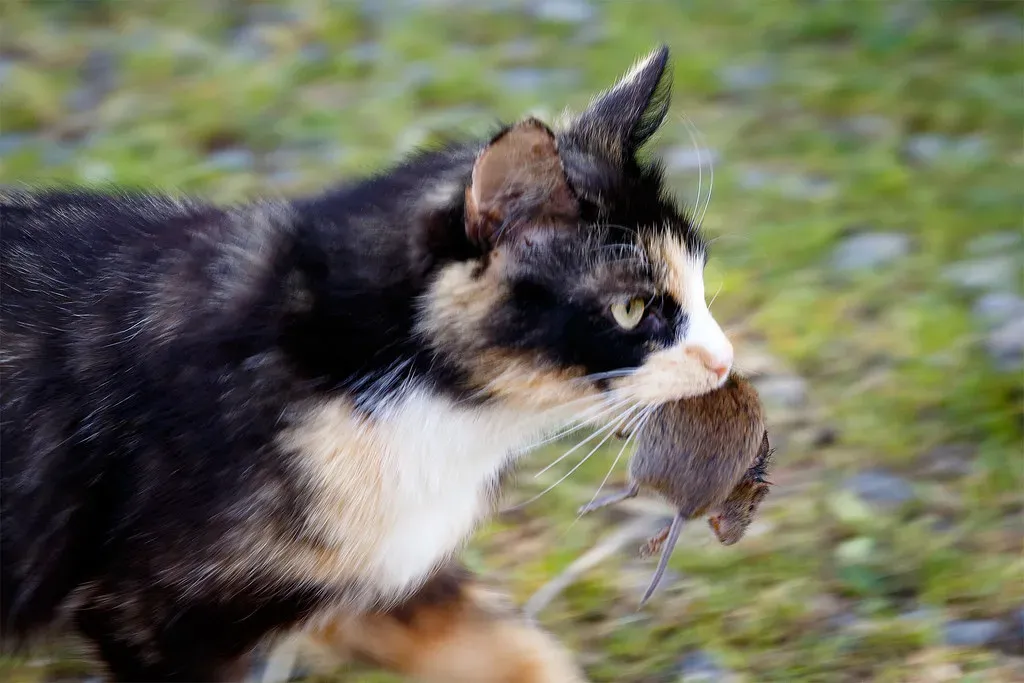
While this behavior might be natural, it's not without concerns. Cats are incredibly efficient hunters that can do an extensive amount of damage to wild bird numbers in any given area. According to the American Bird Conservancy, cats kill 2.4 billion birds in the U.S. every year. That's a staggering impact on wildlife populations.
Small rodents, such as mice or rats, that your cat might put in their mouth can carry parasites like tapeworms or might have ingested rodenticide poisons, both of which can make your cat sick. Your cat could be injured if the prey animal bites or scratches them. Dead animals in your home are also unsanitary and can pose health risks to you and your family. So beyond the gross factor, there are legitimate safety concerns.
How to Manage the Gift-Giving
It's important not to punish your cat for catching wildlife or bringing their prey home. They won't understand what they've done wrong. As hunting is a natural instinct for cats, shouting at them won't deter them from doing again. Instead, you need to redirect that energy into safer outlets. Play with your cat using toys that mimic prey, like feather wands or toy mice.
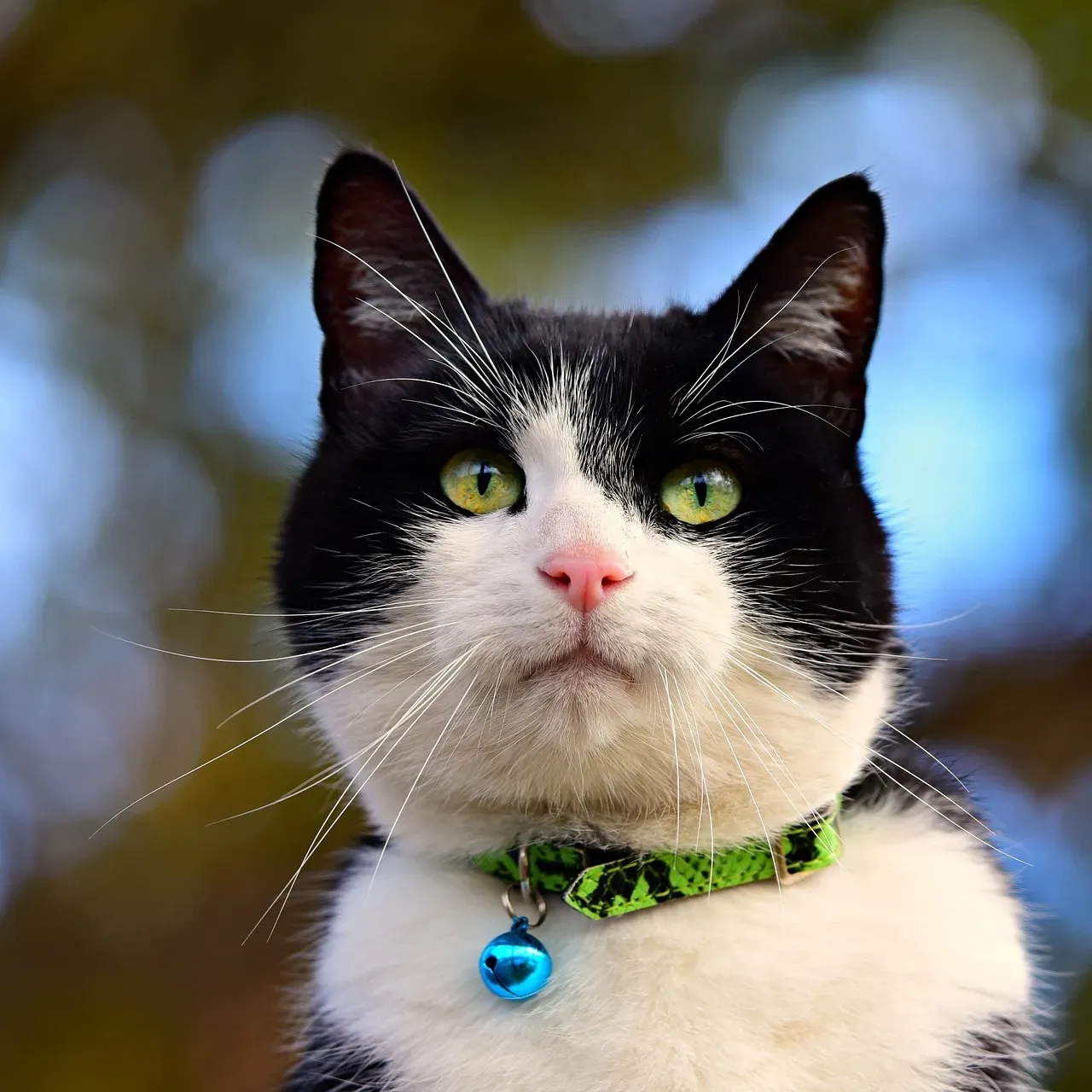
Putting a bell on your cat's collar is one of the easiest ways to prevent many of your cat's successful hunts. A bell will sound your cat's approach to wildlife and give them time to fly or scurry to safety. Always make sure that it is a quick-release collar though as this will undo if your cat happens to get stuck on something. Prevent your cat from going outside in the first place, especially at dawn and dusk, when prey animals are foraging. If they crave outside time, consider a secure catio. These strategies work better than scolding ever will.
Understanding Makes All the Difference
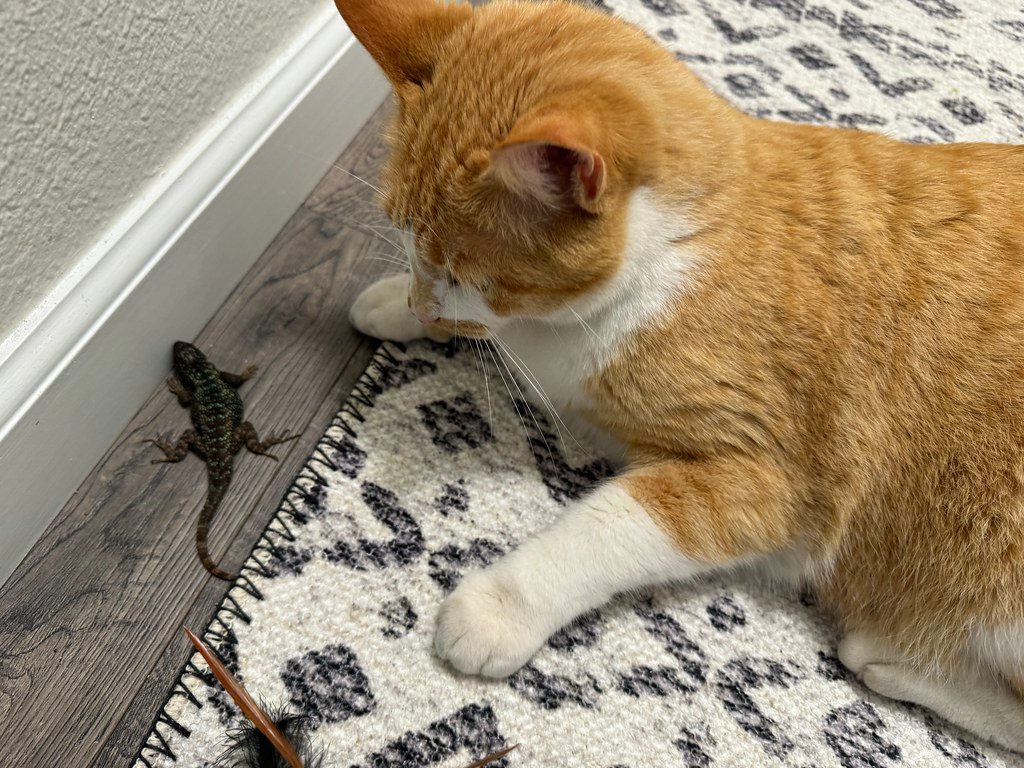
When you find that unwanted surprise on your doorstep or bedroom floor, try to remember what your cat is actually doing. They're not trying to gross you out or make your life harder. Cats bring dead animals to you because they are treating you as family, presenting the catch to their clan, and attempting to teach you to do likewise. In their own strange way, they're showing love and trying to take care of you.
If your cat manages to bring home a dead animal, the first thing to do is react as little as possible. Diverting your cat's attention with a toy or treat might be perceived as a reward for bringing you prey, which could cause the behavior to increase. Simply dispose of it safely, wash your hands thoroughly, and appreciate the thought behind the gesture, even if the execution leaves much to be desired. Your cat is doing what comes naturally, and that natural behavior is rooted in millions of years of evolution.
So the next time your furry hunter leaves you a present, you'll know exactly what they're trying to say. It's not malicious or random - it's actually one of the most genuine ways they can show they care. Did you find that surprising, or have you already suspected your cat was just trying to help your terrible hunting skills? What's the most unusual gift your cat has ever brought you?