Have you ever noticed your feline friend acting strangely just hours before a thunderstorm rolls in? Maybe they dart around the house, hide under the bed, or stare intensely at nothing in particular. You might wonder if your cat somehow knows something you don’t. This fascinating phenomenon has sparked curiosity for centuries, with sailors bringing cats aboard ships specifically to predict storms and various cultures developing folklore around feline weather predictions.
The truth is, while cats don’t possess supernatural powers, they do have something arguably just as impressive. Your pet’s heightened senses create an almost magical ability to detect atmospheric changes well before humans notice anything amiss. Let’s explore the captivating world of cats and their remarkable weather-sensing abilities.
The Science Behind Feline Atmospheric Awareness
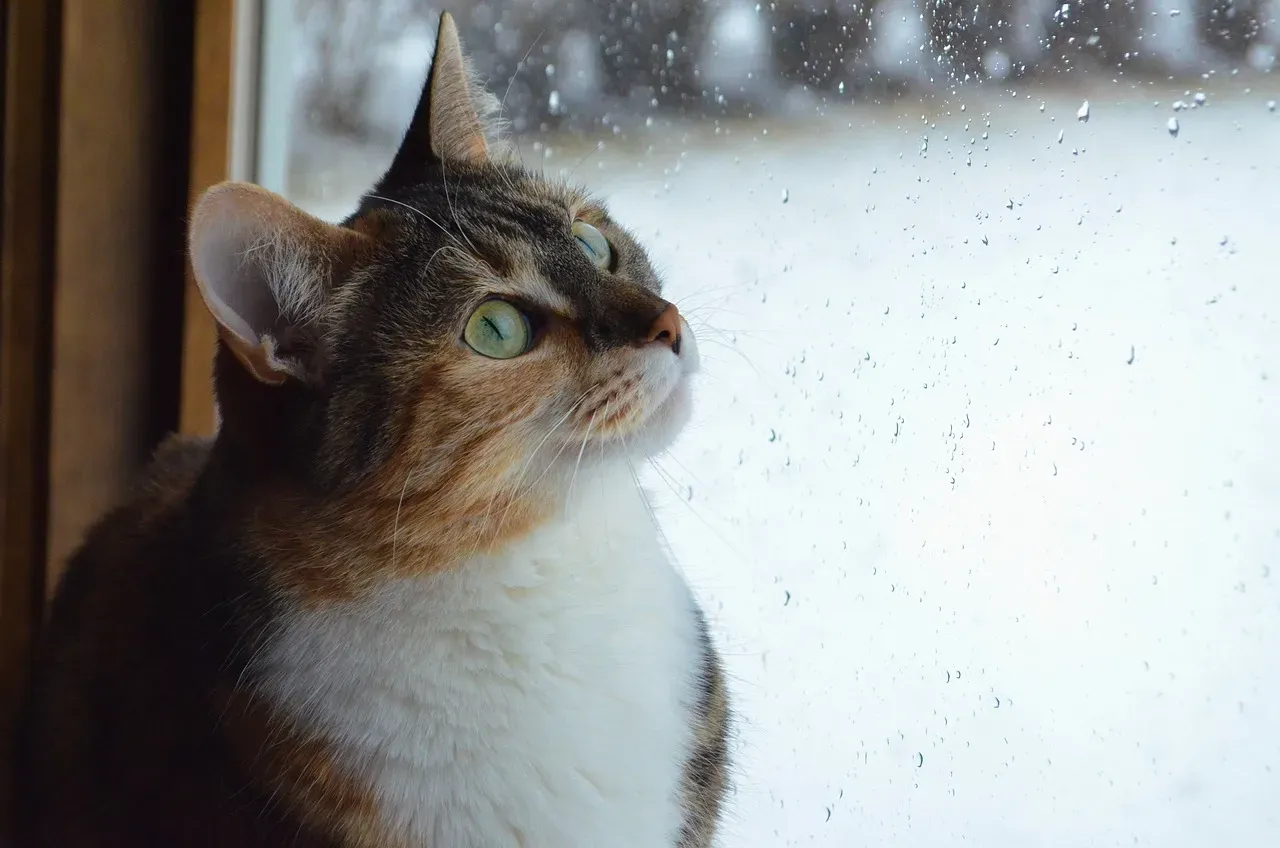
Cats are more sensitive to changes in atmospheric pressure, and their inner ears may detect the sudden fall that occurs before storms. Think of it like having a built-in barometer embedded right in their skull. Barometric pressure begins to change hours ahead of a storm, long before humans can tell that bad weather is approaching.
These felines are incredibly sensitive to changes in atmospheric pressure, with their inner ears being finely tuned to detect even the slightest fluctuations. When air pressure drops, which typically happens before a storm arrives, your cat’s vestibular system picks up on these subtle shifts. Because cats are natural predators with senses that allow them to be finely tuned into their environment, they easily detect such shifts in pressure, and their first instinct may be to flee or hide.
Whiskers as Weather Radar Systems
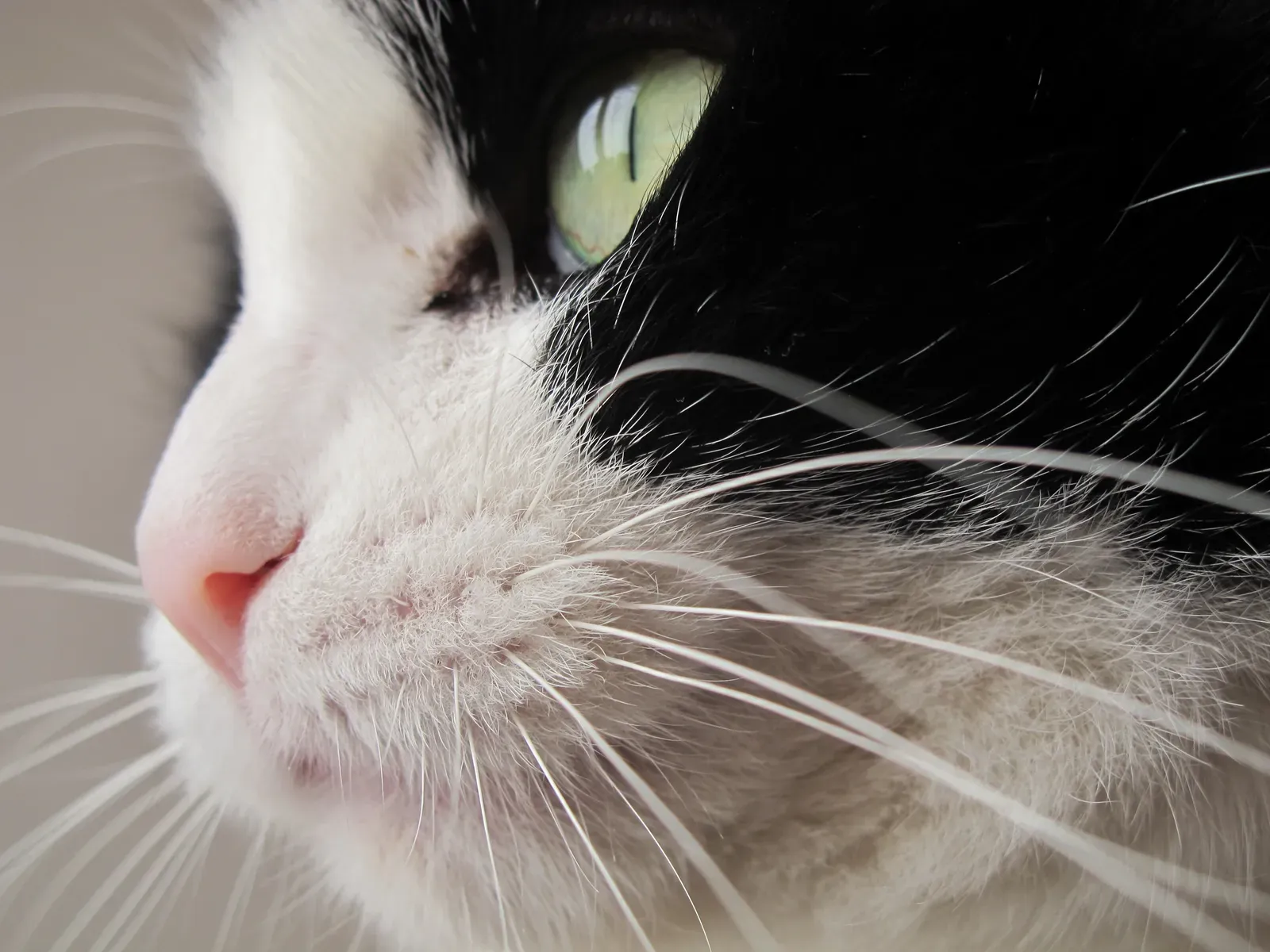
A cat’s whiskers are incredibly sensitive to even the slightest changes in air currents, and as weather changes, particularly wind direction and speed, a cat can detect these shifts. These aren’t just cute facial decorations. Whiskers can detect even the slightest changes in air currents, vibrations, and pressure, providing real-time sensory feedback, which is why they can sense alterations in air pressure and humidity that are often precursors to an impending storm.
Each whisker is an intricate receptor designed to detect even the most minute changes in the environment: tiny movements, air currents, changes in air pressure, temperature, or wind direction. Imagine having dozens of tiny antennae sprouting from your face, constantly feeding you information about the invisible world of air movement and pressure. That’s essentially what your cat experiences every moment of every day.
The Powerful Nose That Smells Tomorrow’s Weather
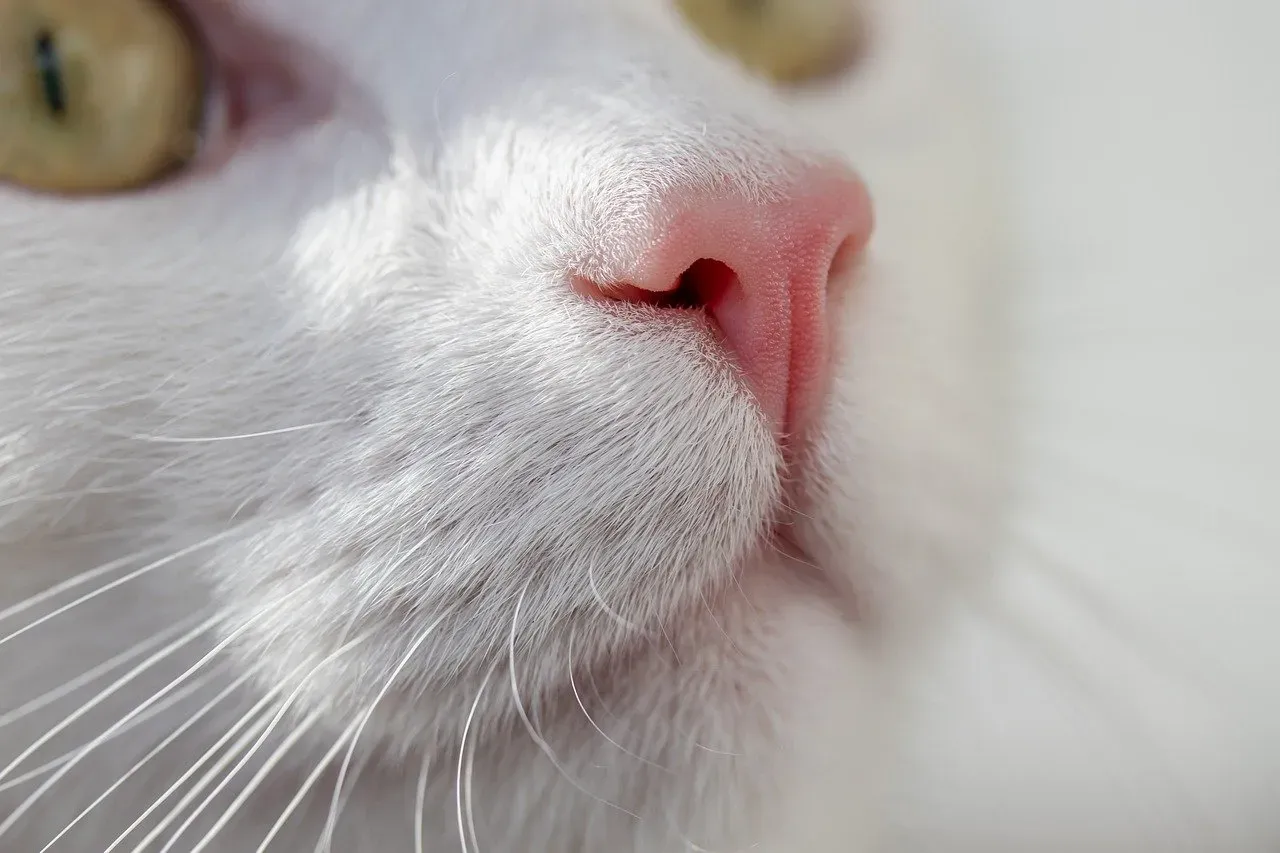
Your cat’s sense of smell is nothing short of extraordinary. While humans have only five million smell sensors in the nose, cats have over 200 million odor sensors. This massive difference allows them to detect scents that completely escape human notice.
A cat’s sense of smell is estimated to be 14 times stronger than that of humans, allowing them to detect the scent of rain or the ozone produced by lightning, which signals an impending storm. Before rain arrives, the air composition actually changes. Cats can smell lightning because it produces a very characteristic metallic odor, caused by released ozone gas. Plus, they can pick up on increased humidity and moisture long before the first raindrop falls.
Hearing the Storm Before the Rumble Begins
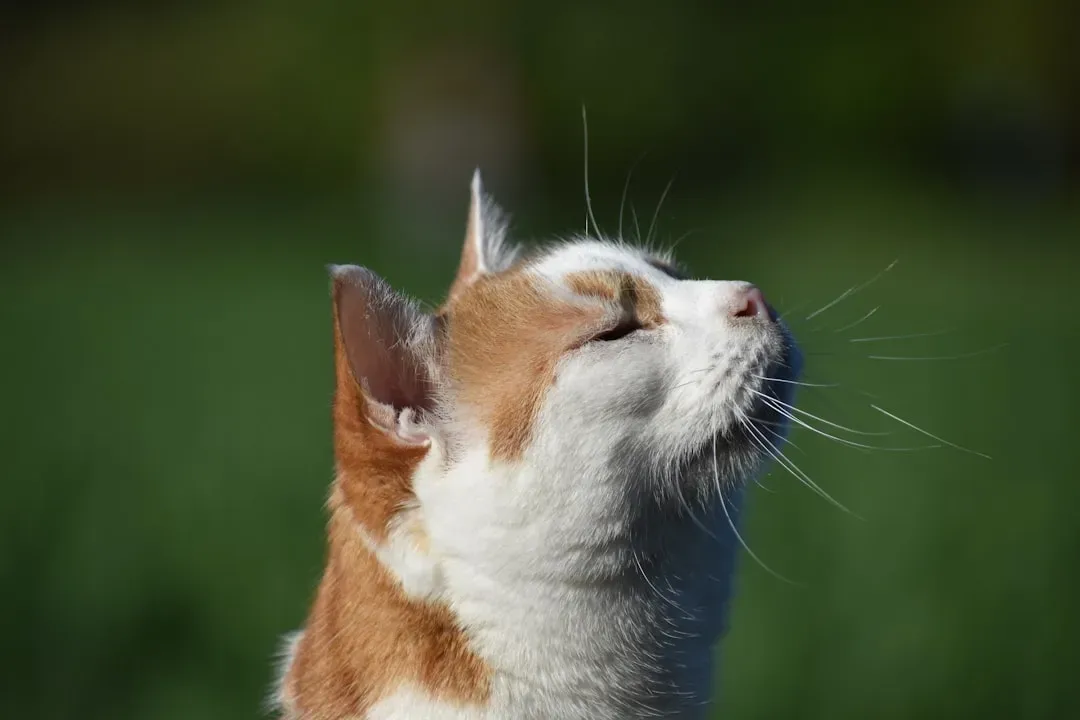
Cats can hear sounds up to 64,000 hertz, while humans hear on average sounds that range from 20 hertz to 20,000 hertz. This expanded auditory range gives them a significant advantage in detecting incoming weather events. Your feline buddy can pick up thunderstorm rumbles that are four to five times further than the typical human hearing range.
Cats can hear frequencies far beyond human capability, including infrasonic sounds below 20 Hz that we can’t detect at all, and distant thunder, wind patterns, and even the sound of rain falling miles away might register in their ears. It’s like your cat has a weather radio permanently tuned in, picking up signals from storms that are still beyond the horizon. This explains why they sometimes become agitated on what seems like a perfectly beautiful afternoon.
Ancient Folklore and Historical Cat Weather Predictions
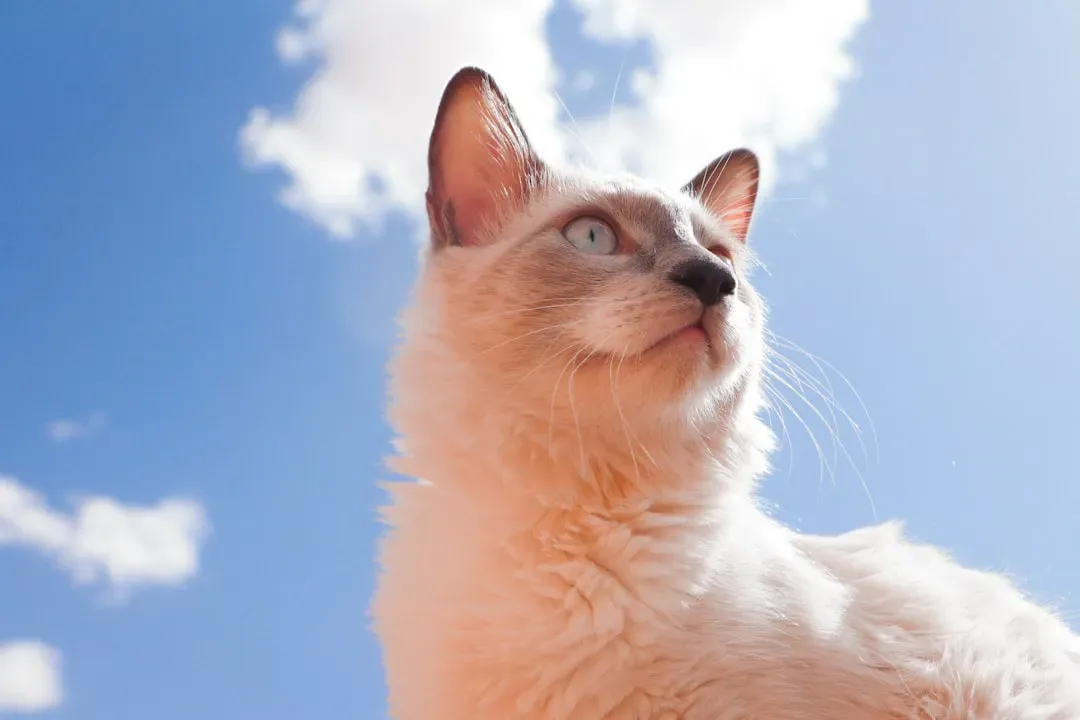
Many European cultures believed that cats could influence or even forecast the weather, such as in Britain and Wales where rain was likely if a cat busily washed its ears, or in Holland where cats could predict the wind by clawing at carpets and curtains. These weren’t just random superstitions. People noticed patterns in feline behavior that correlated with weather changes.
In early America, if a cat sat with its back to the fire, it was foretelling a cold snap, and if it slept with all four paws tucked under, bad weather was coming, while sailors who spent considerable time watching the ship’s cat believed that if a cat licked its fur against the grain, it meant a hailstorm was coming, if it sneezed rain was on the way, and if it was frisky the wind would soon blow. Honestly, sailors’ lives depended on accurate weather prediction, so they paid extremely close attention to any available clues.
Behavioral Changes That Signal Approaching Storms

Cats may become restless, hide, or groom excessively because they feel pressure shifts and vibrations caused by approaching storms. Every cat is different, though. Some become anxious and clingy, while others might seem energized or frisky. Some cats are sensitive to the scents and sounds of storms and the drop in barometric pressure, which might lead to behavioral changes such as restlessness, vocalization, hiding away, or even aggression.
Two behaviors explained by science include cats grooming their ears more frequently because of pressure changes that affect their sensitive inner ear, and licking their fur more because of changes in humidity when a storm approaches. According to experts, the action of a cat wiping her paws repeatedly over her face could be an indication that the low atmospheric pressure and electromagnetic changes caused by storms are causing her discomfort, and by running her paws over her face and across her ears she could be trying to relieve some of that unpleasant feeling.
Why Some Cats React More Than Others
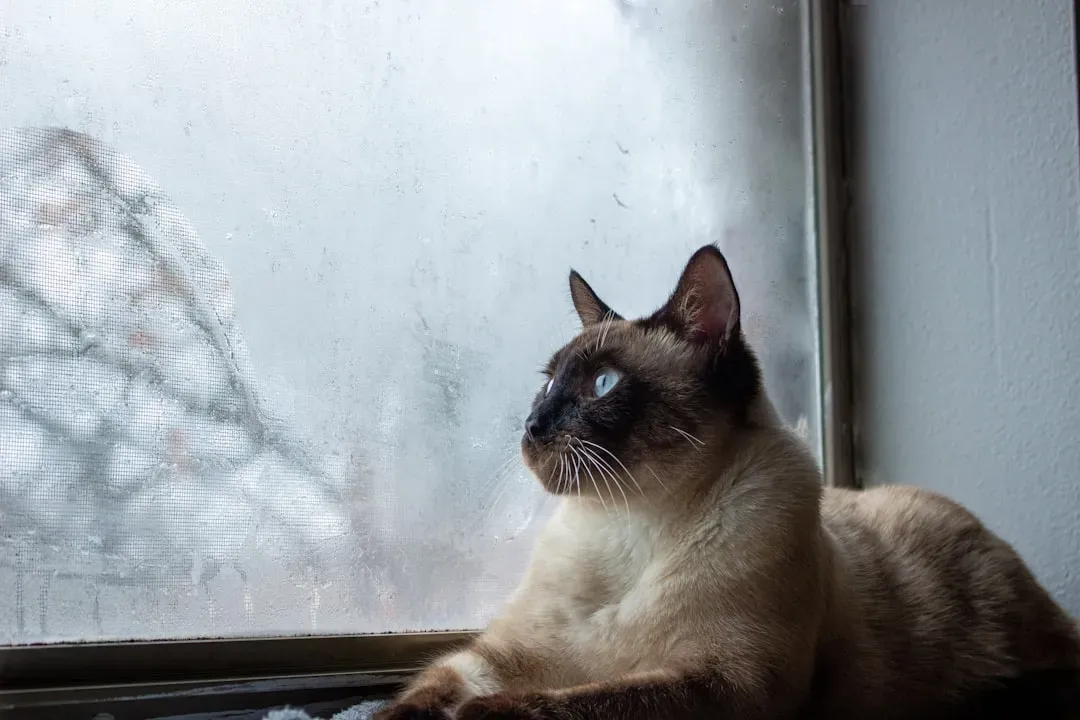
Not every cat turns into a furry meteorologist. Depending on a cat’s sensitivity, some cats may become overly nervous or scared when sensing air pressure changes, while others can simply disregard these senses. Think about it this way: just as some people get headaches when the barometric pressure changes and others don’t notice anything, cats have varying degrees of sensitivity.
Some cats may sense weather changes but simply not react to them, which can make it hard to predict the weather simply by observing your cat, and every cat is individual, meaning that not all cats will react the same to weather changes. Your cat might detect the incoming storm perfectly well but choose to continue their nap rather than alert you. Typical cat behavior, really. It makes perfect sense that these early warning signs may trigger behavioral changes as a protective instinct to find shelter and warmth, though some cats seem more disturbed by weather changes than others.
Static Electricity and Electromagnetic Sensitivity
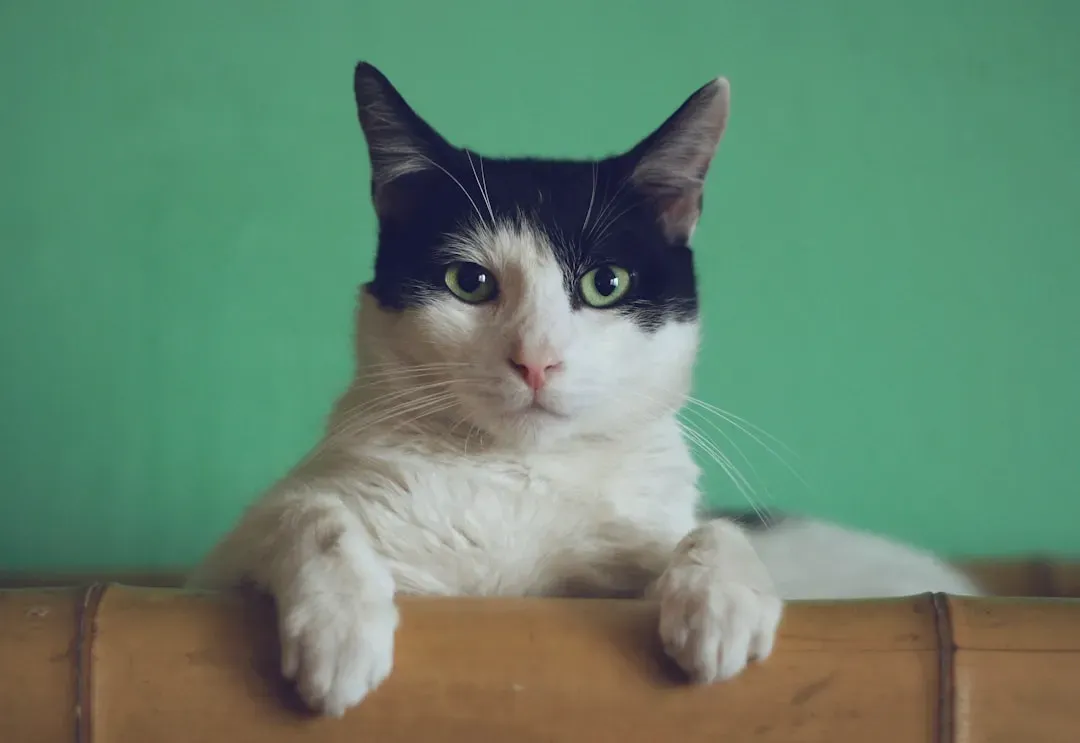
Have you ever noticed your cat’s fur standing on end during a storm? This is due to static electricity in the air, and cats, with their fine fur, can feel the buildup of static electricity that often precedes thunderstorms. This uncomfortable sensation might explain some of the peculiar pre-storm behavior you observe.
Both cats and dogs might seek places where the static feeling is minimized, like bathtubs or behind appliances. If you’ve ever found your cat hiding in the bathroom right before a storm, this explains why. The porcelain and metal fixtures help dissipate the static charge, providing relief from that prickly, uncomfortable feeling. Cats can pick up on the electrical charges that build up in the atmosphere before a thunderstorm.
The Reliability Question: Can You Trust Your Cat?
Let’s be real here. A cat cannot actually predict the weather, but it can sense the change in the air, smell the rain, or a coming storm, and although cats can sense changes in air pressure and react to them, that still doesn’t make them an entirely reliable weather forecast. They’re responding to environmental cues, not forecasting the weekend.
So is there any scientific proof that animals have a sixth sense for meteorological conditions? Not yet, although researchers are determined to make a connection, and even though there are claims that animals behave a certain way, there isn’t much proof on a large enough scale. While there isn’t anything psychic about an animal’s ability to foretell a weather event, it is a mystery as to how the animals know so far in advance, and the theory is that cats use their superior senses to predict weather changes by smelling incoming rain, feeling trembles in the earth, hearing thunder and wind, and sensing pressure changes long before their human counterparts.
Helping Your Weather-Sensitive Cat Through Storms
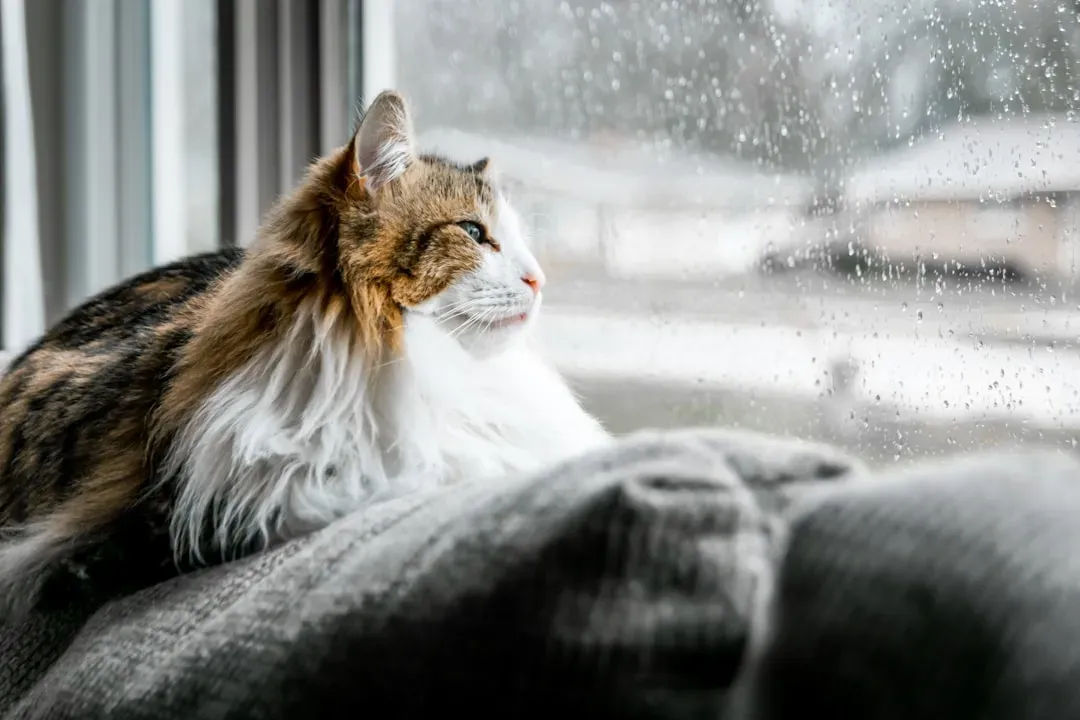
Since cats are so sensitive to weather changes, it’s not uncommon for them to become anxious or stressed during that period, and you should try to help your cat cope with the situation. To help cats feel secure during weather changes, it is essential to create safe spaces within the home, such as a cozy bed in a quiet room, a covered cat tree, or even a designated area with their favorite toys, as these safe spaces can provide comfort and reduce anxiety during storms or other extreme weather events.
For cats that exhibit severe anxiety during storms, training and desensitization techniques can be beneficial, including gradual exposure to recorded storm sounds combined with positive reinforcement to help reduce fear and anxiety over time. Cats’ sensitivity to weather changes can also impact their health, as sudden changes in temperature or humidity can exacerbate conditions such as arthritis or respiratory issues, so by understanding these sensitivities, owners can take steps like adding extra warmth or watching their cat’s breathing to keep them healthy.
Your cat’s apparent sixth sense for weather isn’t mystical at all. It’s a remarkable combination of highly evolved sensory systems that detect changes in barometric pressure, electromagnetic fields, humidity, temperature, and sound waves that humans simply cannot perceive. While we shouldn’t throw away our weather apps just yet, there’s something deeply fascinating about recognizing the natural abilities our feline companions possess. Next time your cat starts acting peculiar on a sunny day, maybe glance at the forecast. They just might be onto something. What unusual behaviors have you noticed in your cat before storms hit?
Kristina is a young writer from India. An arts graduate and an avid content creator, Kristina is passionate about animals and wildlife. She enjoys exploring topics related to pet care, animal behavior, conservation, and nature, combining thorough research with engaging storytelling.