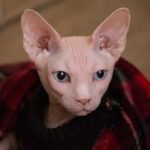
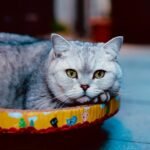
Central Asia’s expansive steppes and rocky highlands conceal one of nature’s most endearing oddities: the Pallas’s cat, a compact wild feline whose flattened face and plush coat evoke a grumpy hobbit straight from a fantasy tale.
A Face Built for Memes and Survival
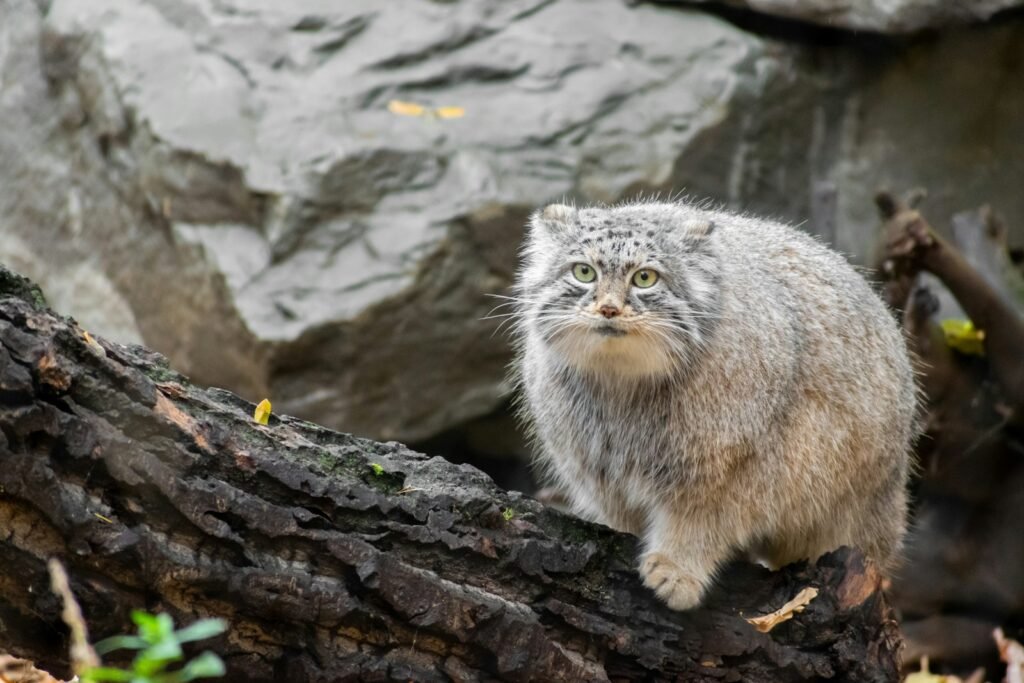
The Pallas’s cat draws immediate attention with its distinctive appearance. Stocky and low-slung, adults weigh between 2 and 5 kilograms and measure 50 to 65 centimeters in body length, comparable to many house cats. Their fur ranks among the thickest and longest in the feline world, providing insulation against harsh climates and creating a frosted, silvery-gray or tawny hue that blends seamlessly with rocky terrain.
Low-set, rounded ears and a broad, depressed mouthline craft an expression of perpetual annoyance, earning them viral fame as nature’s grumpiest cats. Short legs and a bushy tail further enhance their stout, hobbit-esque silhouette, adapted for navigating boulders rather than sprinting across open plains. This build suits their lifestyle perfectly, prioritizing stealth over speed.
Thriving in Harsh, High-Altitude Realms
Pallas’s cats roam the grasslands, montane steppes, and semi-deserts of Central Asia, from Mongolia and China to Kazakhstan, Russia, and beyond. They favor rocky slopes, outcrops, and abandoned marmot burrows up to 5,000 meters elevation, where sparse shrubs offer cover.
Solitary by nature, these cats maintain low densities – often 4 to 8 individuals per 100 square kilometers in prime habitat – due to reliance on specific refuges and prey availability. Their camouflage proves vital against predators like eagles and foxes in these exposed landscapes.
Hunters of the Twilight Hours
Nocturnal and crepuscular, Pallas’s cats emerge at dawn and dusk to stalk small mammals. Pikas, voles, and rodents form their primary diet, supplemented by birds and occasionally lizards.
Poor runners, they ambush prey from crevices or pounce from low perches, relying on explosive bursts of power. Dens in rock cavities or burrows serve as nurseries for litters of two to six kittens born after a roughly three-month gestation.
- Primarily solitary, except during brief mating seasons.
- Use rocky cover to evade larger carnivores.
- Kittens remain dependent for up to eight weeks.
- Live up to 11 years in captivity, shorter in the wild.
- Mark territories with scent but rarely clash.
Facing Uncertain Futures Despite Wide Range
The IUCN Red List classifies Pallas’s cats as Least Concern since 2020, reflecting their broad distribution and estimated stable numbers. Yet populations decline in fragmented areas due to prey poisoning, habitat loss from grazing and mining, and fur trapping.
Conservation efforts focus on protecting pika populations and key steppe habitats in Mongolia and Russia, where densities peak.
Key Takeaways
- Pallas’s cats boast the densest fur for extreme cold tolerance.
- Their grumpy look stems from evolutionary facial adaptations.
- Least Concern status masks localized declines from human pressures.
These resilient fluffballs remind us of wildlife’s quiet tenacity amid vast, unforgiving terrains. What fascinates you most about the Pallas’s cat? Share in the comments.
Kristina is a young writer from India. An arts graduate and an avid content creator, Kristina is passionate about animals and wildlife. She enjoys exploring topics related to pet care, animal behavior, conservation, and nature, combining thorough research with engaging storytelling.