Have you ever walked into your living room only to find your cat perched on top of the bookshelf, gazing down at you like royalty surveying their kingdom? Maybe they’ve claimed the refrigerator as their personal throne, or perhaps they’re stretched out on a high windowsill, watching the world go by. If this sounds familiar, you’re witnessing one of the most fascinating and deeply rooted behaviors in feline nature.
Cats don’t just climb high because they’re curious or playful. There’s something far more profound going on beneath those whiskers. Their preference for elevated spots is wired into their very DNA, shaped by thousands of years of survival instincts. When your cat chooses the highest perch available, they’re not being difficult or showing off. They’re responding to ancient drives that helped their ancestors stay alive in the wild. So let’s dive in and explore what makes these furry acrobats reach for the sky.
Ancient Instincts Drive Modern Climbing Behavior
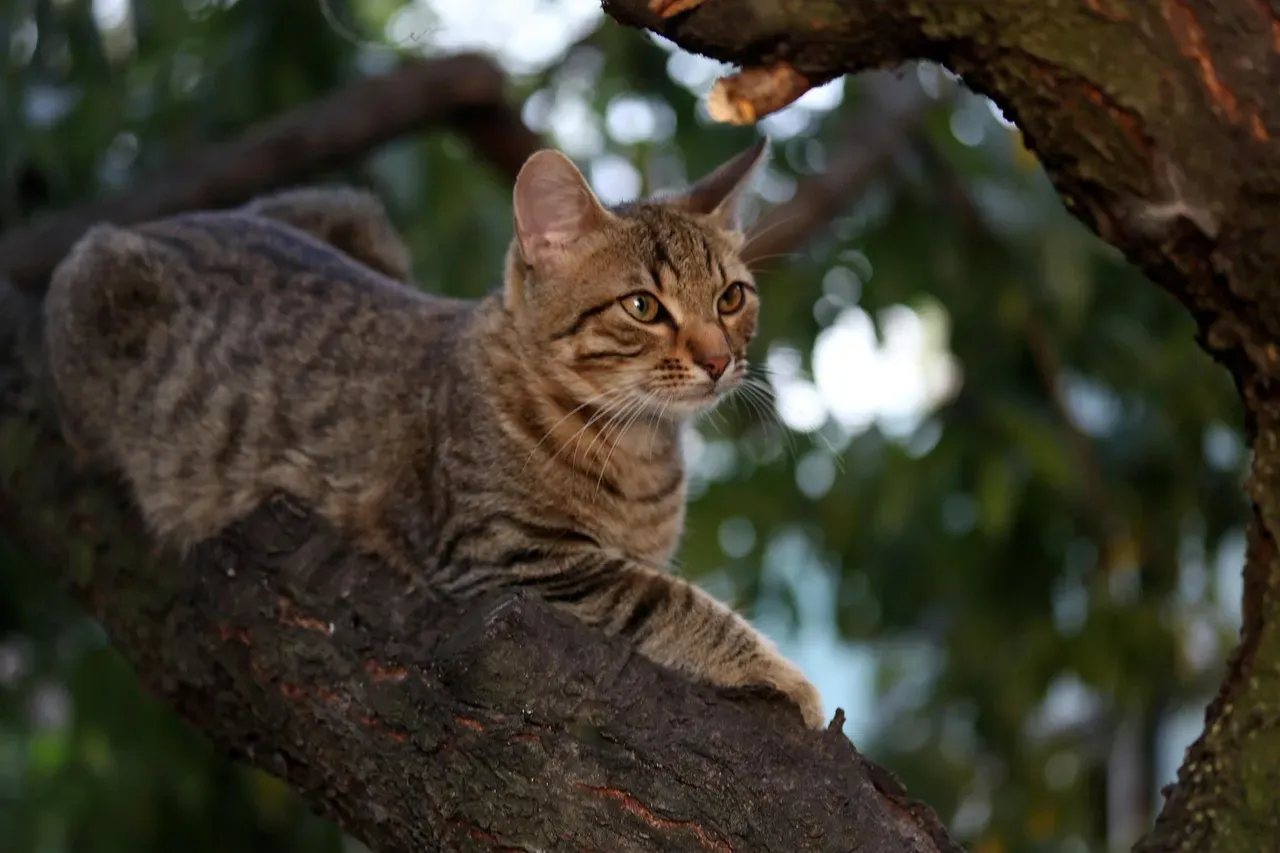
Your cat’s attraction to heights is driven by instinct, a powerful force behind their preference for lofty perches. Let’s be real, your pampered house cat isn’t exactly dodging predators on a daily basis. Yet, cats are both prey and predators, and before they graced our homes, they were potential meals for wild animals while also seeking out small rodents and birds to satisfy their hunger.
Cats are tree-climbing mammals that descended from Proailurus, the first true cat, and early cats were hunters living in rain forests where their claws enabled them to climb skillfully, escaping into trees for safety or climbing up high to lie in wait for prey. Climbing had survival value and became hard-wired as a way of life for cats. Even though your indoor cat has never faced a coyote or swooped down on a mouse from a tree branch, those instincts remain incredibly strong. It’s hard to say for sure, but sometimes I think cats remember their wild heritage better than we give them credit for.
Height Equals Safety and Security
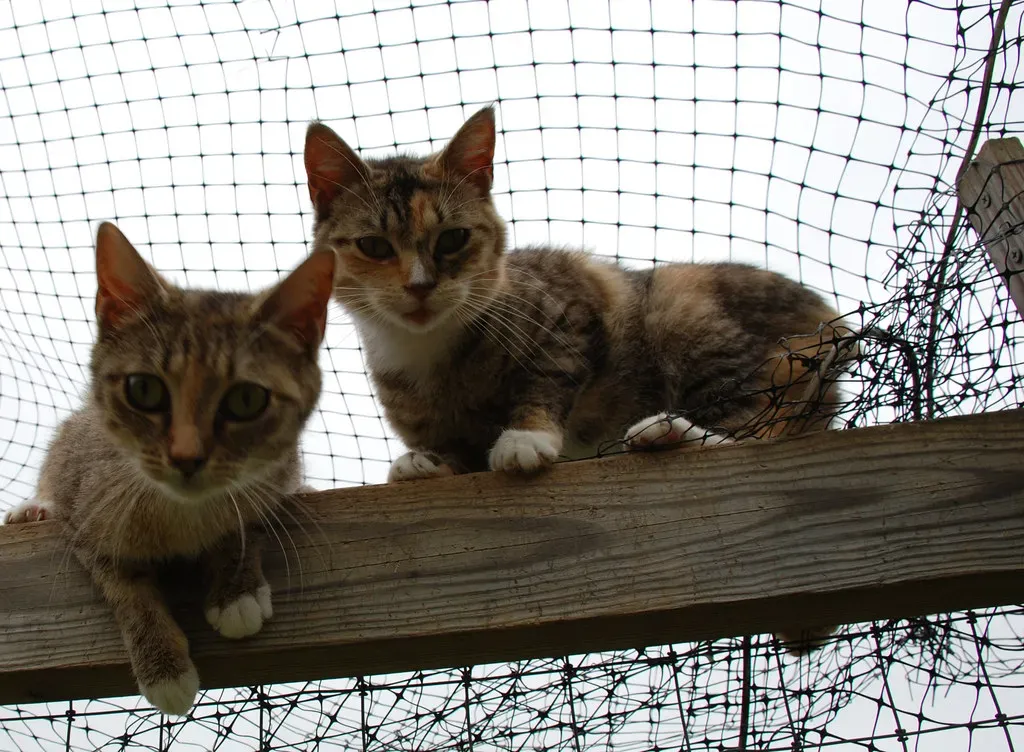
Cats feel safest when they can observe their environment from an elevated position, and climbing to a high perch allows them to feel more in control and less vulnerable to sudden changes in their surroundings. Think about it from their perspective. When you’re sitting on the ground, anything can approach from any direction. That’s stressful, especially for an animal that’s naturally vigilant.
The higher up a cat is, the more visual advantage and warning time they have, and they can easily see anyone approaching. For an indoor cat, if the perch is situated close to a wall or window, it limits an opponent’s ability to sneak up and ambush from behind. This elevated sanctuary gives them precious seconds to assess whether someone approaching is friend or foe. In households with dogs or young children, this becomes even more critical. If the cat lives in a household with young children or dogs, the ability to retreat to a high perch is the best way to be left alone.
Territorial Control from Above
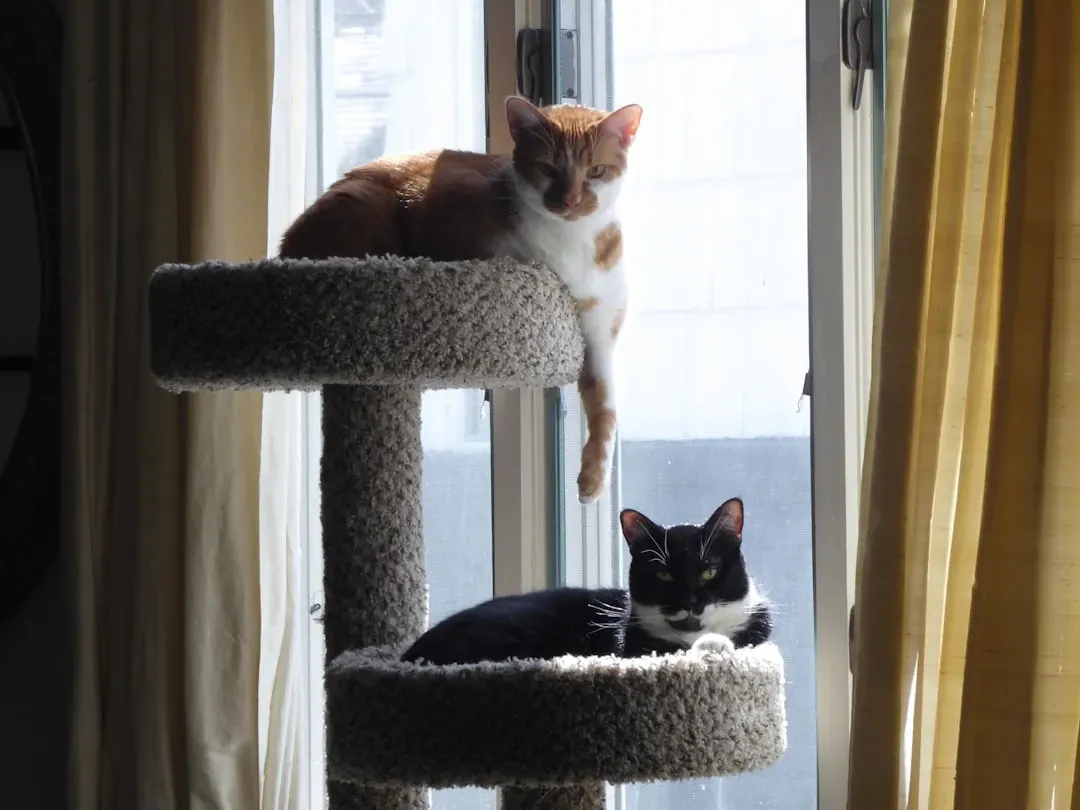
Cats are territorial creatures by nature, and height plays a surprisingly important role in how they establish and maintain their domain. In a multicat environment, a higher ranking cat may choose the top elevated location to display his positioning in the group. Here’s the thing: cats have figured out how to negotiate status without constantly fighting. By claiming the highest spot in a room, they’re making a statement.
Cats show their position in their flexible hierarchy by where they sit or stand when they are in the same vicinity, and the hierarchy is not static; in multi-cat households the cats take turns, with one cat relaxing on the highest shelf while another sits on a lower shelf, and a few hours later they might switch places. Honestly, it’s quite elegant when you think about it. Instead of confrontation, they use elevation as a peaceful negotiation tool. This gives them a sense of control and ownership, satisfying a deeply ingrained behavioral instinct to protect their space, and vertical territory also helps reduce conflict among cats.
Temperature Regulation Through Vertical Choices
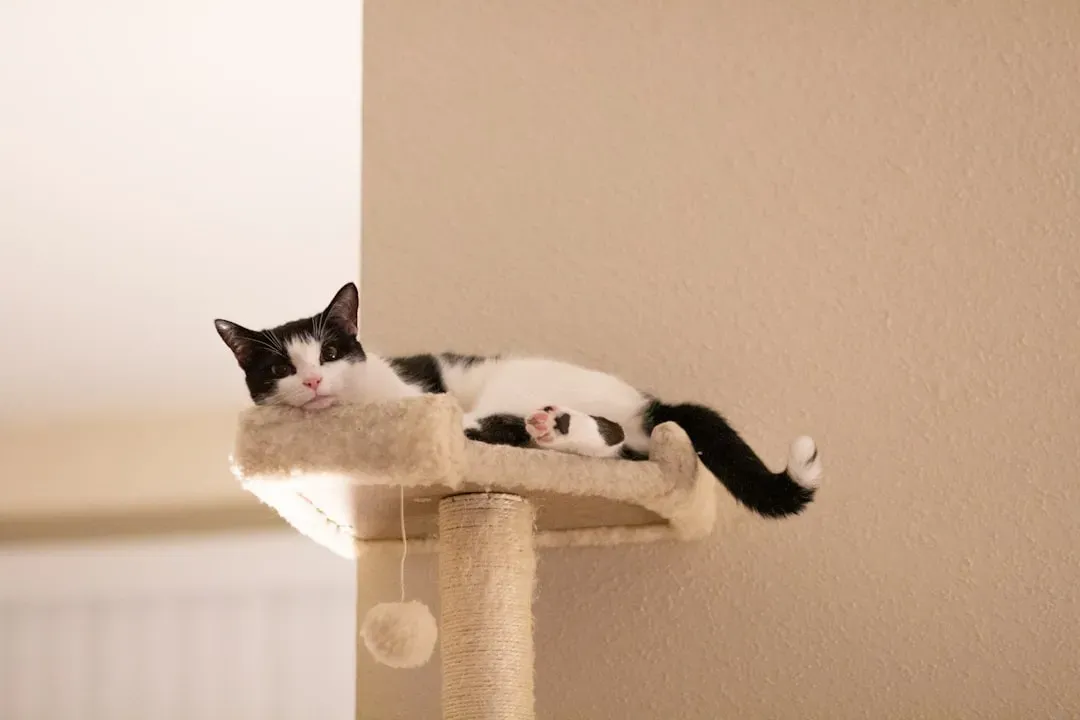
Most people don’t realize that cats are masters of thermoregulation, and their choice of perch height often has everything to do with comfort. Cats instinctively understand that heat rises, and on a cool day, they will climb higher up a cat tree or onto a tall shelf to find warmer air, while on a hot day, they may retreat to a lower, cooler level.
This is actually quite brilliant when you consider it. While other pets need multiple beds in different rooms to stay comfortable, your cat can simply change their altitude on the same structure. This use of the third dimension gives them a much more nuanced ability to regulate their body temperature within a single room, and while a dog needs multiple beds in different locations, a cat can achieve the same goal by simply changing their altitude on a multi-tiered cat tree. I know it sounds crazy, but cats might be more energy-efficient than we ever imagined.
Enhanced Hunting and Observation Opportunities
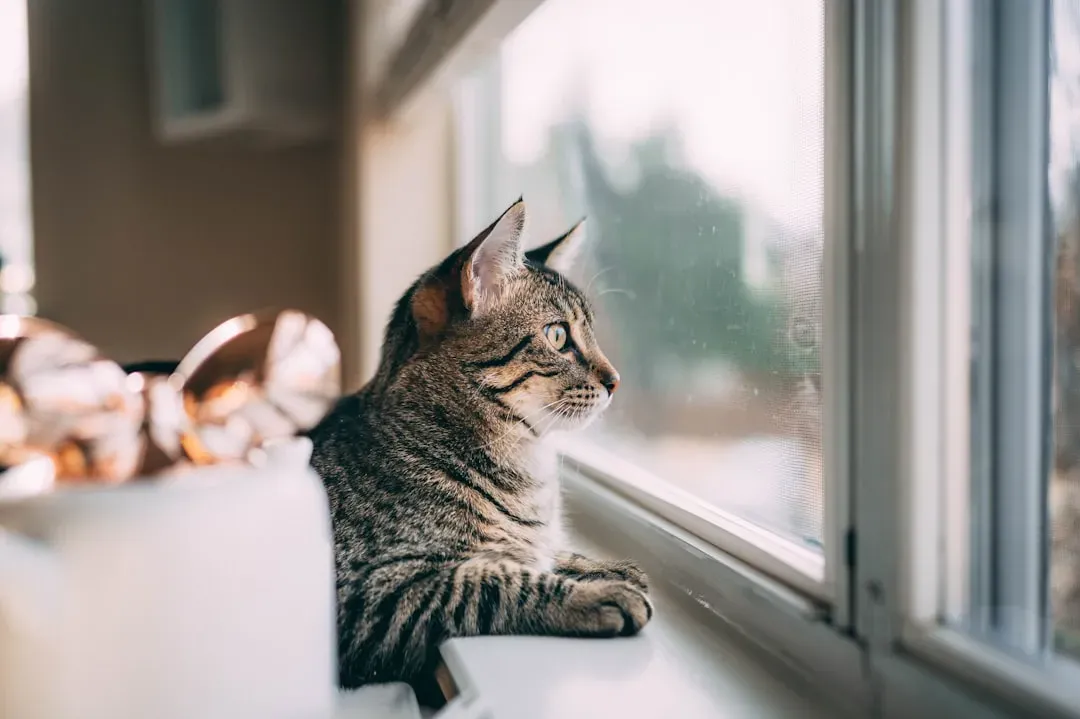
For an indoor cat, the perch or cat tree located near a window is the perfect spot to keep an eye on potential prey activity happening outdoors, and even though he won’t be able to get to the prey, it becomes a form of Cat TV. Your cat might spend hours watching birds, squirrels, or even just leaves blowing in the wind. This isn’t just entertainment; it’s mental stimulation that taps into their predatory nature.
Observing their surroundings from an elevated perch provides cats with mental stimulation and helps satisfy their natural curiosity. Even the laziest house cat maintains that hunter’s focus. It also provides a handy view of any unfortunate spider or bug who wanders into the room, and for an outdoor cat, the elevated perch offers a safe place to visually scan for prey. That intense stare your cat gives from their high perch? They’re not judging you. Well, maybe a little. Mostly they’re just doing what comes naturally.
Safe Sleeping Spots Away from Disturbances
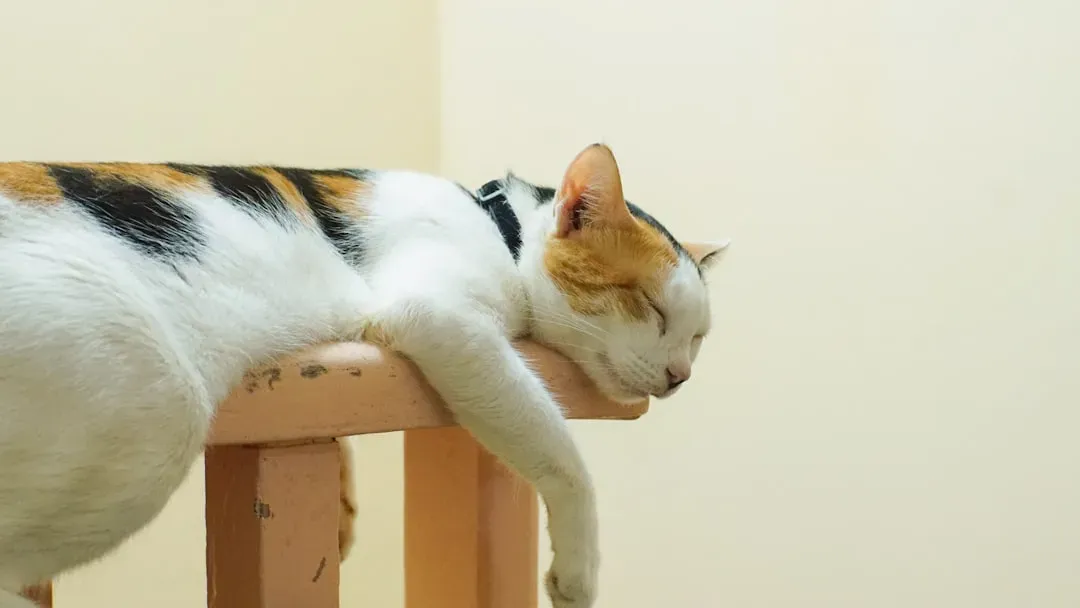
Sleeping is a major activity for cats, averaging roughly fifteen hours a day, and elevated spots for this important task are popular because of that feeling of safety. When your cat chooses a high spot to nap, they’re making a calculated decision about their vulnerability during sleep. Let’s be real, nobody wants to be disturbed during a good nap, and cats take this seriously.
Cats need a secure space to retreat to, where they know they can sleep undisturbed, and since they feel safe when they’re up high, a partially enclosed perch is the perfect place for a deep, refreshing catnap. Sleeping in an elevated spot is popular among cats, especially if the perch offers them protective edges to support their back, and having a high spot with its own little wall or next to an actual wall seems to make many cats feel less vulnerable. That vulnerability factor is huge. When they’re sleeping, they can’t stay alert to threats, so choosing the right location becomes essential.
Personal Scent Territory Without Interference
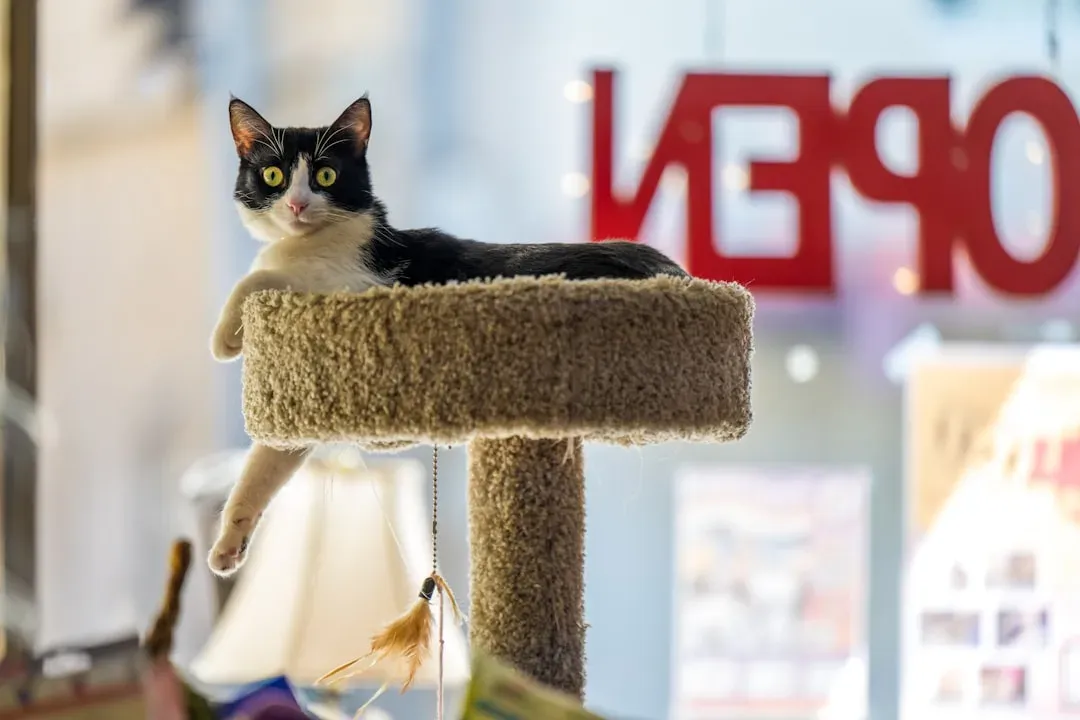
Something I find particularly fascinating is how cats use elevated spaces to maintain their own scent zones. Furniture shared by other family members will have their scents on them, whereas the perches and cat trees will only smell like the cats themselves, and scent plays a huge role in the cat world when it comes to identification, comfort, and familiarity; for many cats, the ability to curl up in a spot that smells exclusively like them can provide extra reassurance.
An appealing feature of high perches for some cats is those spots have only their scent on them, and due to their inaccessibility to everyone else in the household, no scents from other family members such as dogs or people are present. Think about how comforting it must be to have a place that’s completely yours, unmarked by anyone else. This can make a big difference if your cat is typically nervous or uncomfortable when visitors come to the house. It’s their personal sanctuary, scented with familiarity and safety.
Physical and Mental Exercise Benefits
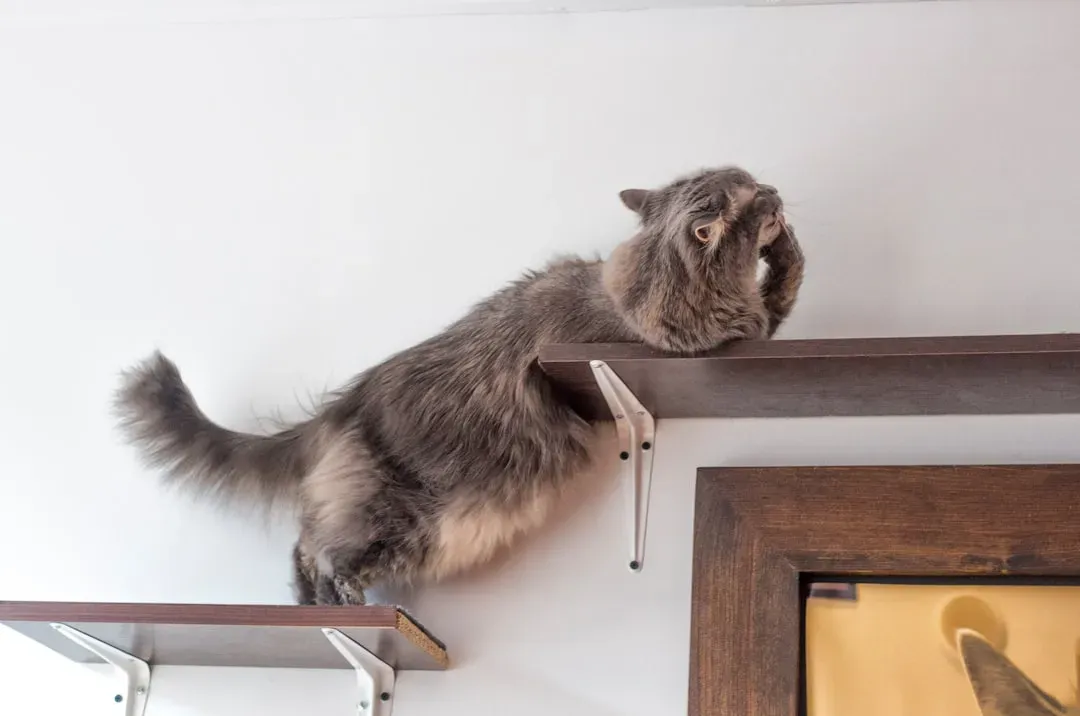
Climbing isn’t just about reaching a destination; the journey itself provides crucial exercise. Climbing is a workout, and it helps keep your cat healthy, as cats need daily exercise to keep their joints and muscles in good shape, and when they can get exercise by doing something that comes naturally, like climbing up to a high perch, they’re more likely to stay fit.
Climbing and jumping between perches provides much-needed exercise, which helps keep cats agile, toned, and healthy. Perching at different heights gives cats new views, helping to keep their environment interesting, and it also allows them to engage in natural behaviors like watching the action below, which stimulates their mind and reduces boredom. It’s not just physical health either. Cats need mental challenges, and navigating vertical space provides both. Without these opportunities, cats can become restless, anxious, or even destructive. When cats don’t get enough exercise, they can suffer from obesity, which leads to health problems, and overweight cats are more likely to develop chronic diseases like diabetes and arthritis, but giving your cat something to climb will help them maintain a healthy weight.
Escape Routes and Stress Reduction
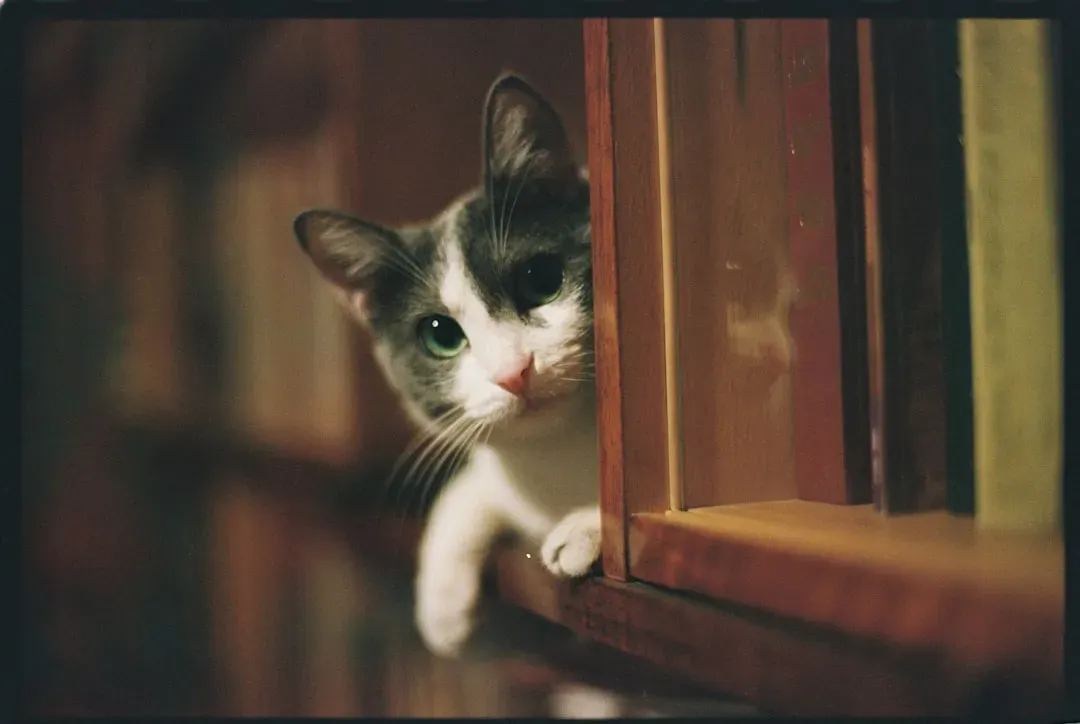
Elevated areas offer cats the opportunity to escape from anyone who is upsetting them, and that most frequently means dogs and children, but can also apply to adults, especially unfamiliar ones. I think we can all appreciate the need for a good escape route sometimes. For cats, having vertical territory isn’t just nice to have; it’s essential for their emotional wellbeing.
When household chaos erupts, whether it’s a vacuum cleaner, a loud party, or just an overenthusiastic toddler, your cat needs somewhere to go. Vertical spaces give them a sense of security because they can view their living space from way up high, and this vantage point keeps them separated from the immediate action while staying informed of what’s happening there. Vertical territory helps keep cats safe, as cats can sleep and relax on high cat shelves and cat condos out of the reach of dogs and children. It’s their safe zone, their fortress of solitude. Without access to these elevated retreats, cats can become chronically stressed, which affects their health and behavior.
Building Your Cat’s Vertical World
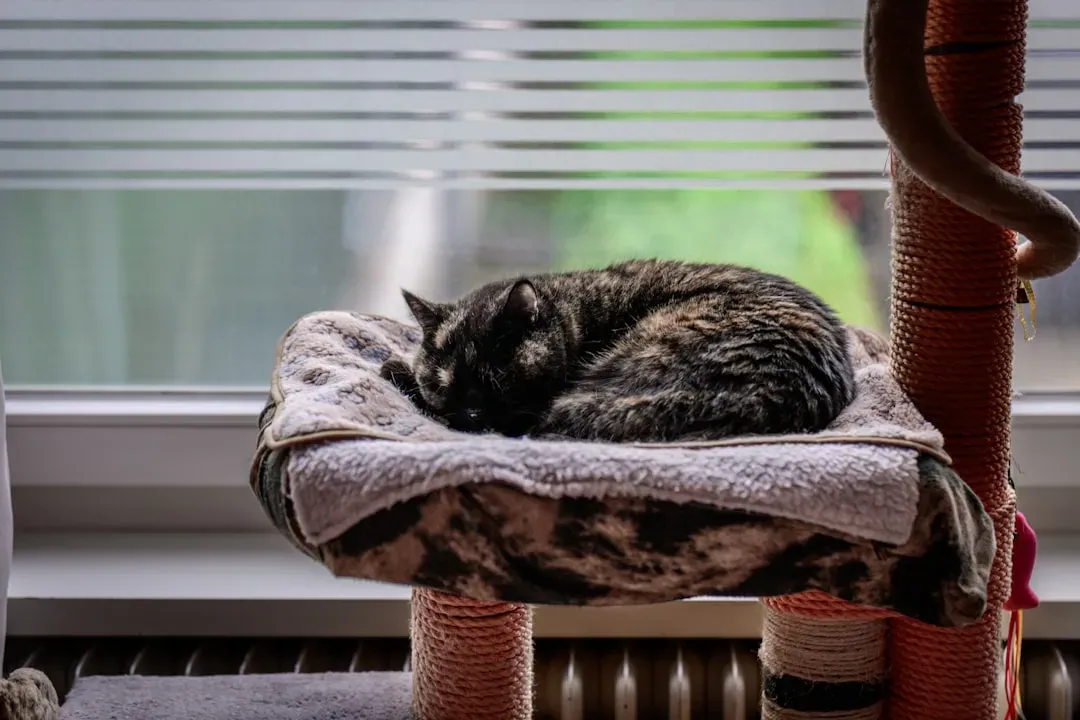
Now that you understand why your cat craves height, you might be wondering how to satisfy this instinct safely. To increase your cat’s space simply involves the addition of vertical territory, because we live in a horizontal world but cats live in a vertical world. The good news is that creating vertical space doesn’t require a mansion. Even small apartments can accommodate cat-friendly climbing options.
Tall cat trees are another great investment for vertical cat space, and if you have multiple cats who like to climb, providing one cat tree per cat can help prevent tension between the cats for access to resources. You can also install wall-mounted shelves, window perches, or cat hammocks. When shopping for a cat tree, look for one that’s tall and sturdy, because the higher the tree, the wider and heavier the base needs to be to prevent the tree from toppling over when a cat makes a flying leap from the ground to a top perch. Safety is paramount here. The last thing you want is for your cat’s sanctuary to become a hazard. Make sure everything is securely anchored and can support your cat’s weight during those dramatic leaps they love so much.
Conclusion: Embracing Your Cat’s Natural Architecture
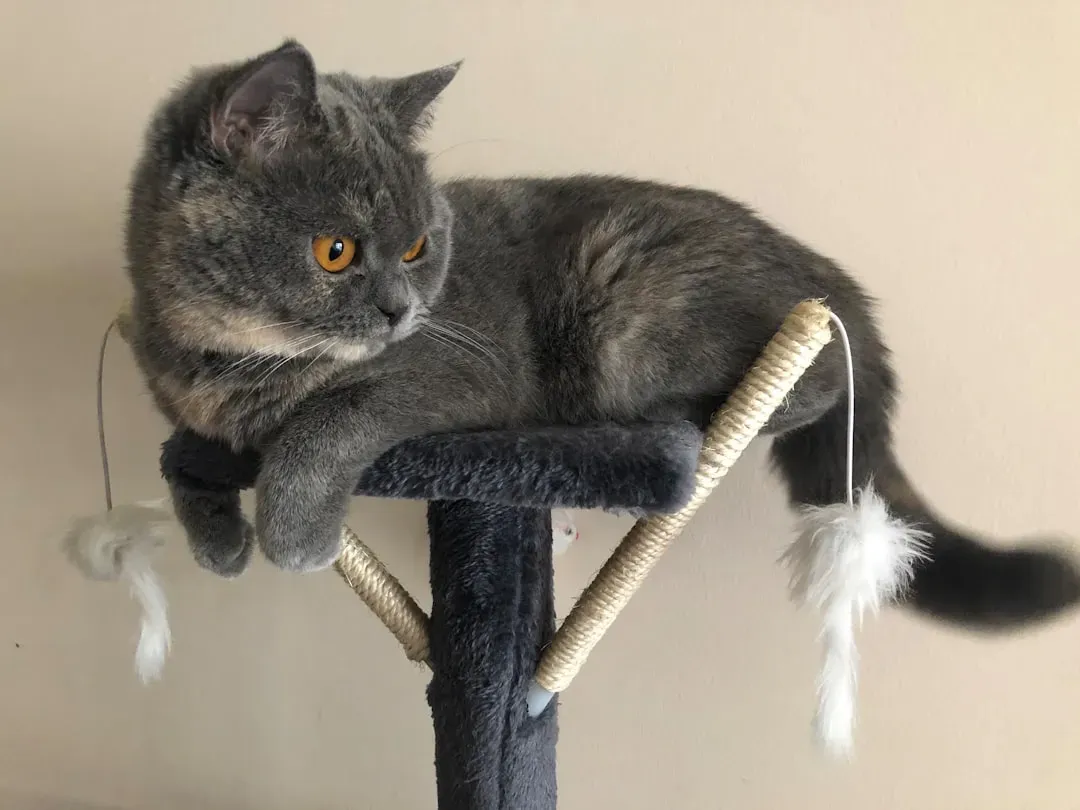
Understanding why cats choose the highest perch in a room reveals just how complex and fascinating these animals truly are. Their preference for elevation isn’t quirky or arbitrary; it’s a sophisticated response to instincts shaped over millennia. From safety and territorial control to temperature regulation and mental stimulation, height provides cats with multiple benefits that are essential to their wellbeing.
When you provide appropriate vertical spaces in your home, you’re not just indulging your cat’s whims. You’re honoring their nature and giving them the tools they need to thrive physically and emotionally. Whether it’s a fancy cat tree, simple wall shelves, or just clearing off the top of your bookcase, these elevated spaces can dramatically improve your cat’s quality of life. What’s the highest spot your cat has claimed in your home? You might be surprised at how much thought went into that choice.
Kristina is a young writer from India. An arts graduate and an avid content creator, Kristina is passionate about animals and wildlife. She enjoys exploring topics related to pet care, animal behavior, conservation, and nature, combining thorough research with engaging storytelling.