Ever wonder if your feline friend is truly happy or just tolerating your presence? You’re not alone. Cats are notoriously mysterious creatures, and their ways of expressing joy can be so subtle that most people completely miss them.
Unlike dogs who wear their hearts on their furry sleeves, cats prefer a more understated approach. They’re masters of sending secret signals that say “I love you” without making a fuss about it. The truth is, your cat has been communicating all along, you just haven’t been fluent in their language. Let’s dive in and decode the fascinating ways your furry companion is telling you they’re content, loved, and genuinely happy to share their space with you.
The Slow Blink Kiss
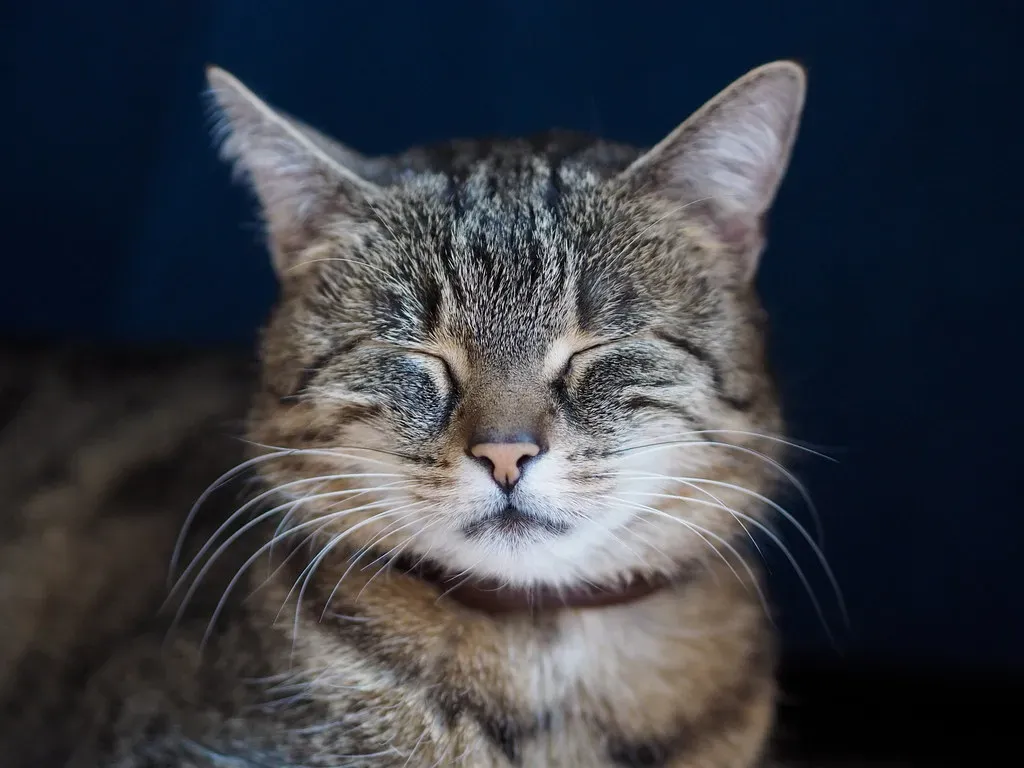
One of the easiest happy cat signs to miss is the slow blink, yet it’s also one of the sweetest. When your cat looks at you and closes their eyes slowly while opening them at the same pace, this is their way of communicating trust. Think of it as the feline equivalent of blowing you a kiss. This gesture might seem like your cat is just sleepy or zoning out, but it’s actually an intimate expression of affection.
In cat language, slow blinking means something along the lines of “I trust you,” because cats are always alert in nature, so by closing their eyes, they trust you to keep them safe. You can actually respond by slowly blinking back at your cat. It’s a silent conversation that speaks volumes about the bond you share together.
Making Biscuits on You
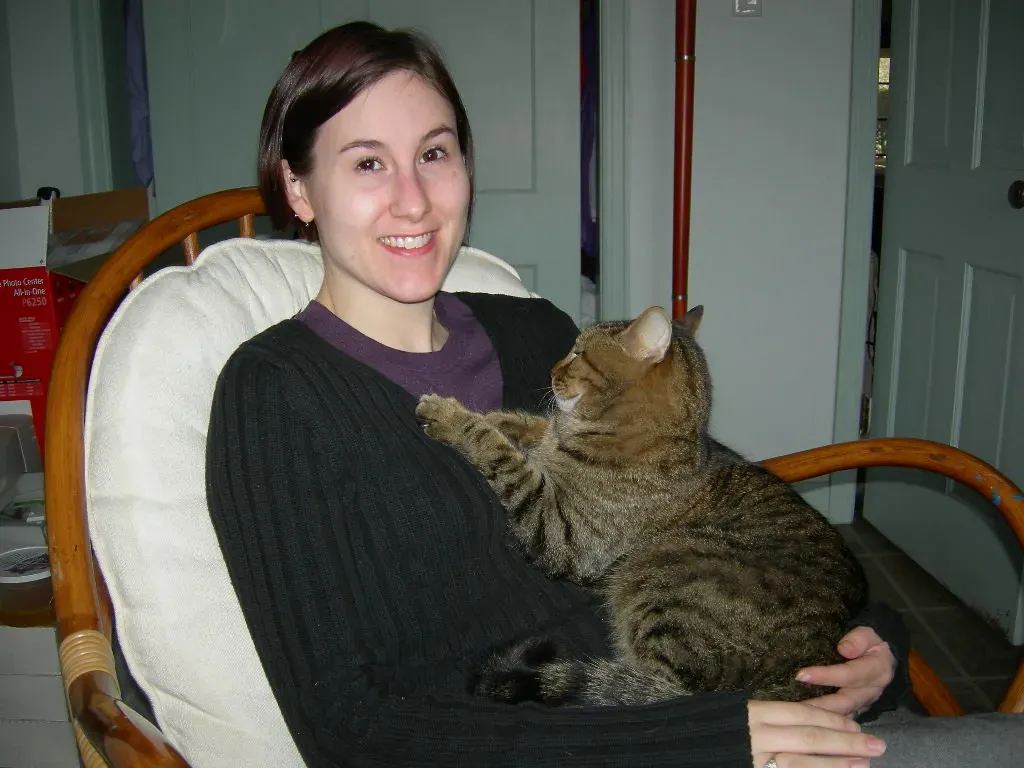
Kneading their paws into their bed, blanket, or your stomach is a good sign of a happy cat, and this behavior is often accompanied by purring. Let’s be real, it can hurt when those claws come out during a vigorous kneading session. Still, this behavior is deeply rooted in their kittenhood memories.
Felines learn the act of kneading from their mothers as kittens, and if your kitty gives you a massage with their paws, they are showing you affection in the same way they would do with their mum. This rhythmic paw pressing harks back to kittenhood nursing, carrying associations of maternal comfort and safety, and is often accompanied by purring. When your cat is making biscuits on your lap, they’re essentially telling you that you make them feel as safe and loved as their mother once did.
That Upright Tail Signal
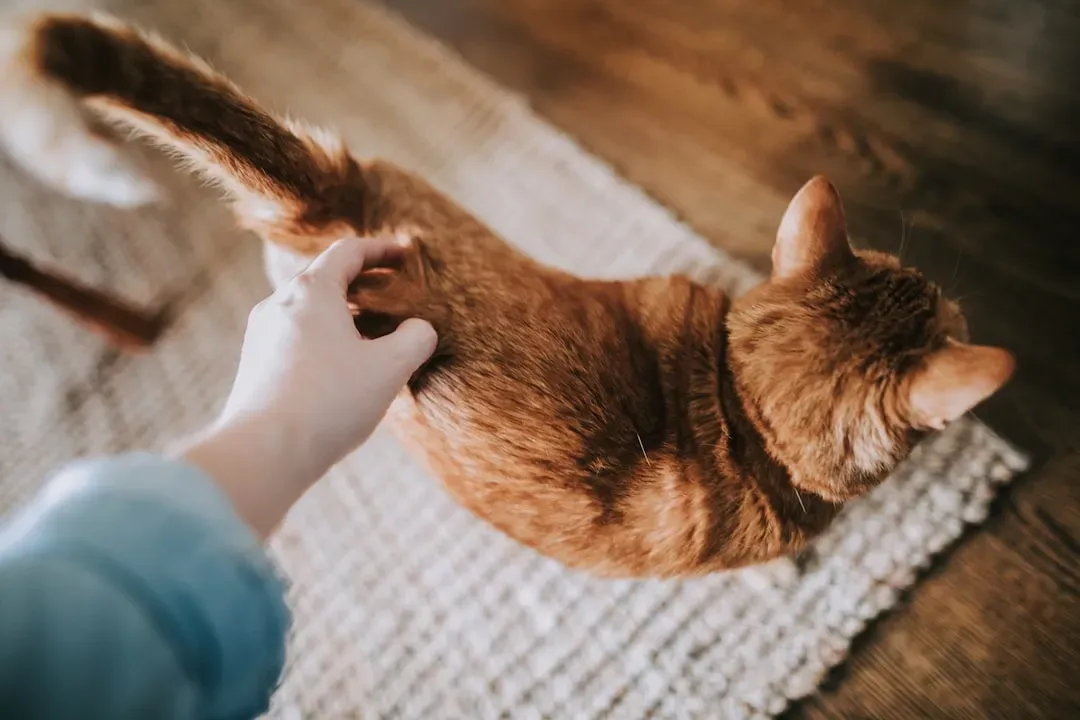
Look for a raised tail, upright ears, and a calm demeanor to know if your cat is content. Here’s the thing about cat tails: they’re like emotional antennas broadcasting your cat’s current mood to anyone who knows how to read them. When your cat’s tail is straight up, unless it’s fiercely bristling, this is a clear sign your cat is content, and a hook on the end or a vibration on the end may mean an especially perky moment.
An upright tail is basically a cat’s way of saying “Hi! Nice to see you!” while a quivering tail pointed up and held high is usually a declaration of happiness and excitement. When your cat approaches you with their tail held high, sometimes with a little curve at the tip like a question mark, they’re showing genuine pleasure at being near you.
The Head Butt of Love
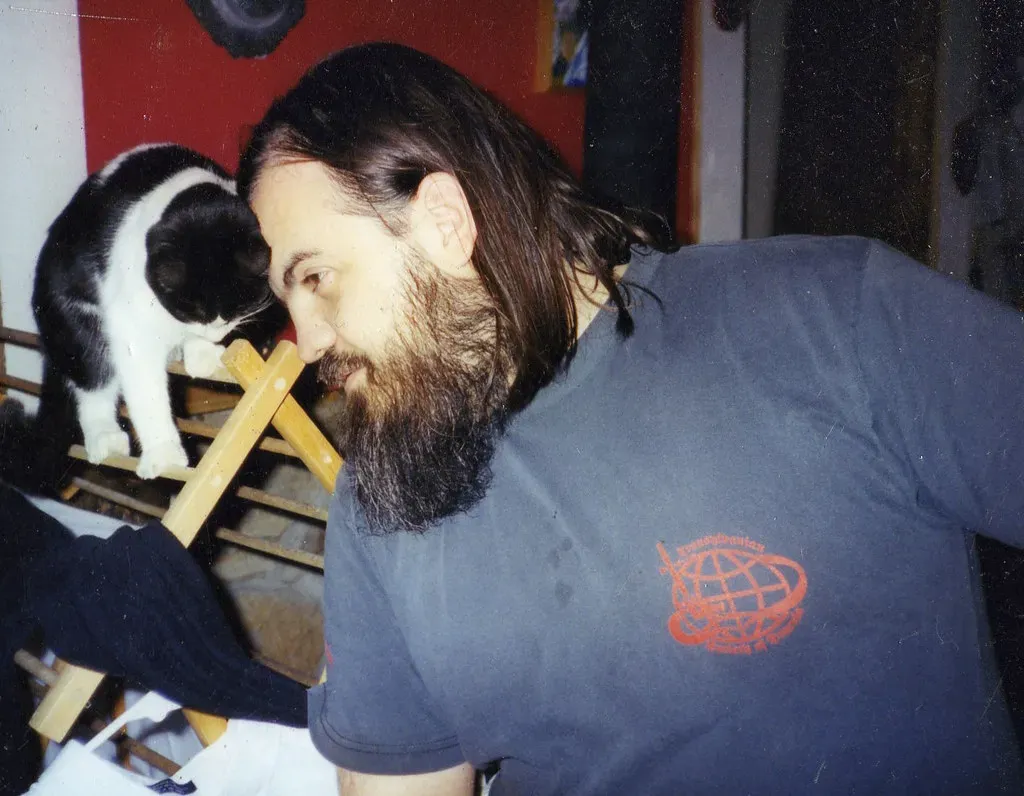
Head-butting, kneading, or even a simple nuzzle can all be signs of a happy cat. If you’ve ever been on the receiving end of a cat head butt, you might have wondered what exactly your cat was trying to accomplish. Happy cats have scent glands in the sides of their faces, so when they rub and head-butt you, they are marking you as theirs.
When your cat rubs its head against you, it transfers scent markers that integrate you into its social group, demonstrating trust and belonging. It’s honestly one of the most endearing things about cats. They’re essentially claiming you as part of their family and letting other animals know that you belong to them. This bunting behavior is their version of a hug and a kiss rolled into one.
Purring in Your Presence
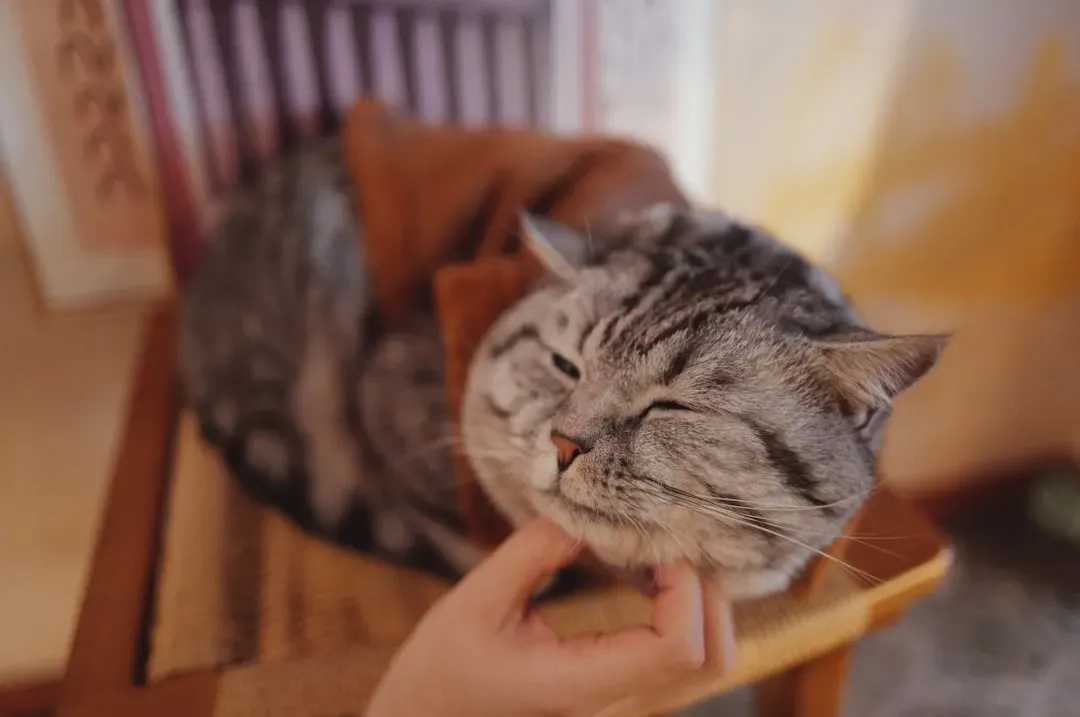
The universal sign of a content cat, purring often means your feline friend is happy and comfortable. Most people recognize purring as a positive sign, which it usually is. Purring is the classic sign of a happy cat, a soft, steady rumble that usually means your cat feels relaxed and comfortable, and you’ll often hear it when your cat is being petted, cuddling with you, or settling down for a nap.
Though it’s worth noting that cats can also purr when they’re stressed or in pain, so context matters. When your cat curls up on your lap and starts their little motor running while you stroke their fur, that’s a clear message of contentment. It’s hard to say for sure, but researchers believe purring may also release endorphins that promote well-being in cats.
Following You Everywhere
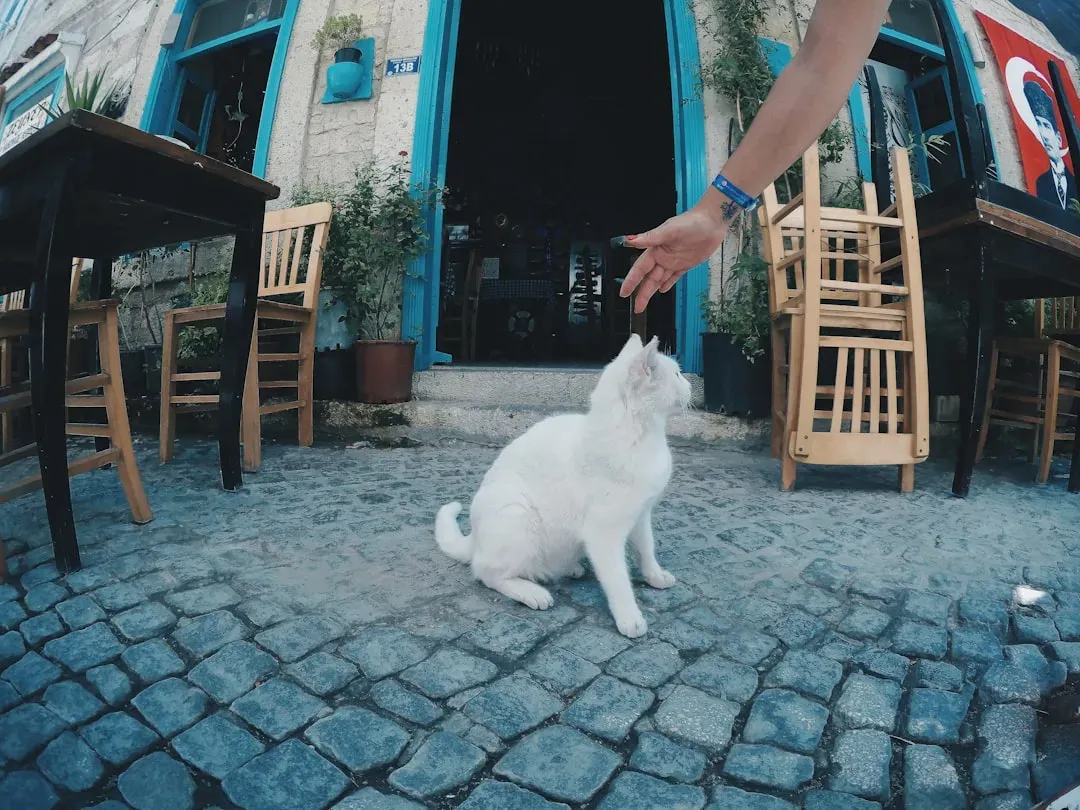
Some cats don’t really enjoy physical contact but that doesn’t mean they don’t want your companionship, and if your cat follows you from room to room when it’s not feeding time, they want to be close to you. Your cat shadowing you from room to room isn’t accidental or annoying, it’s actually a compliment.
Cats are more likely to explore and interact with their environment when they feel relaxed and comfortable in a person’s presence, so if your pet is often on the move while you’re with them, take it as a subtle sign of how a cat shows affection. Even if they’re maintaining some distance or seem to be doing their own thing, the fact that they want to be in the same space as you speaks volumes. They’re essentially saying they feel safer and happier when you’re nearby.
The Belly Display
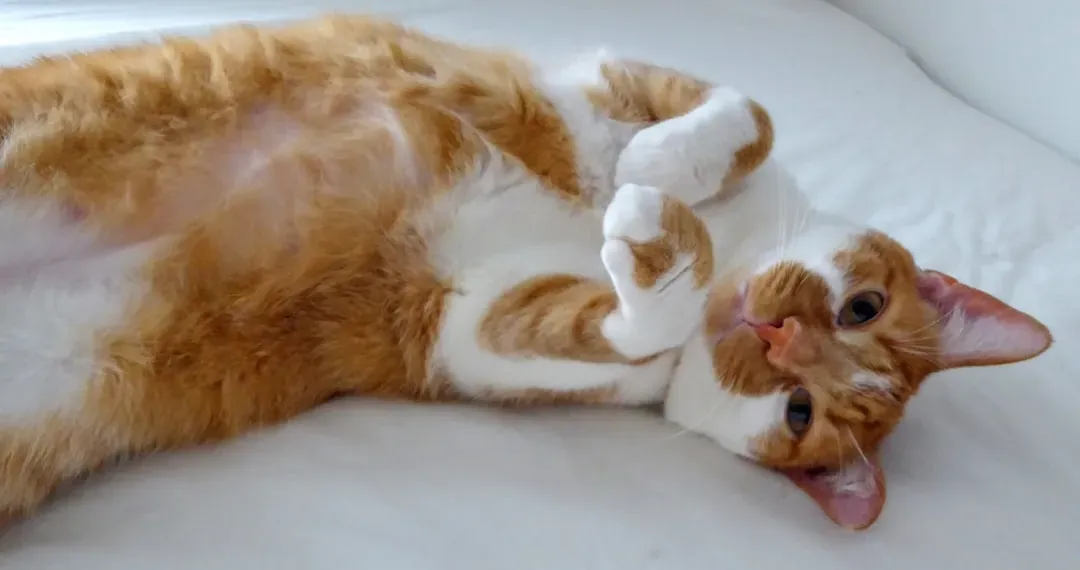
A cat that stretches out, flops over, and exposes their belly is a cat who’s telling you they feel safe and secure around you and in their environment. Honestly, this might be one of the most misunderstood cat behaviors out there. When your cat rolls over and shows you their vulnerable tummy, your first instinct might be to reach out and rub it.
Wait, hold on. The exposed belly is a sign of comfort and trust, but it is not necessarily an invitation for a belly rub, and many people have touched a cat’s stomach only to have it instantly seize up, latching onto their hand with claws and teeth. The belly display is more about your cat demonstrating that they trust you enough to be in a vulnerable position around you. It’s their way of showing complete relaxation and security in your presence.
Chirping and Trilling Sounds
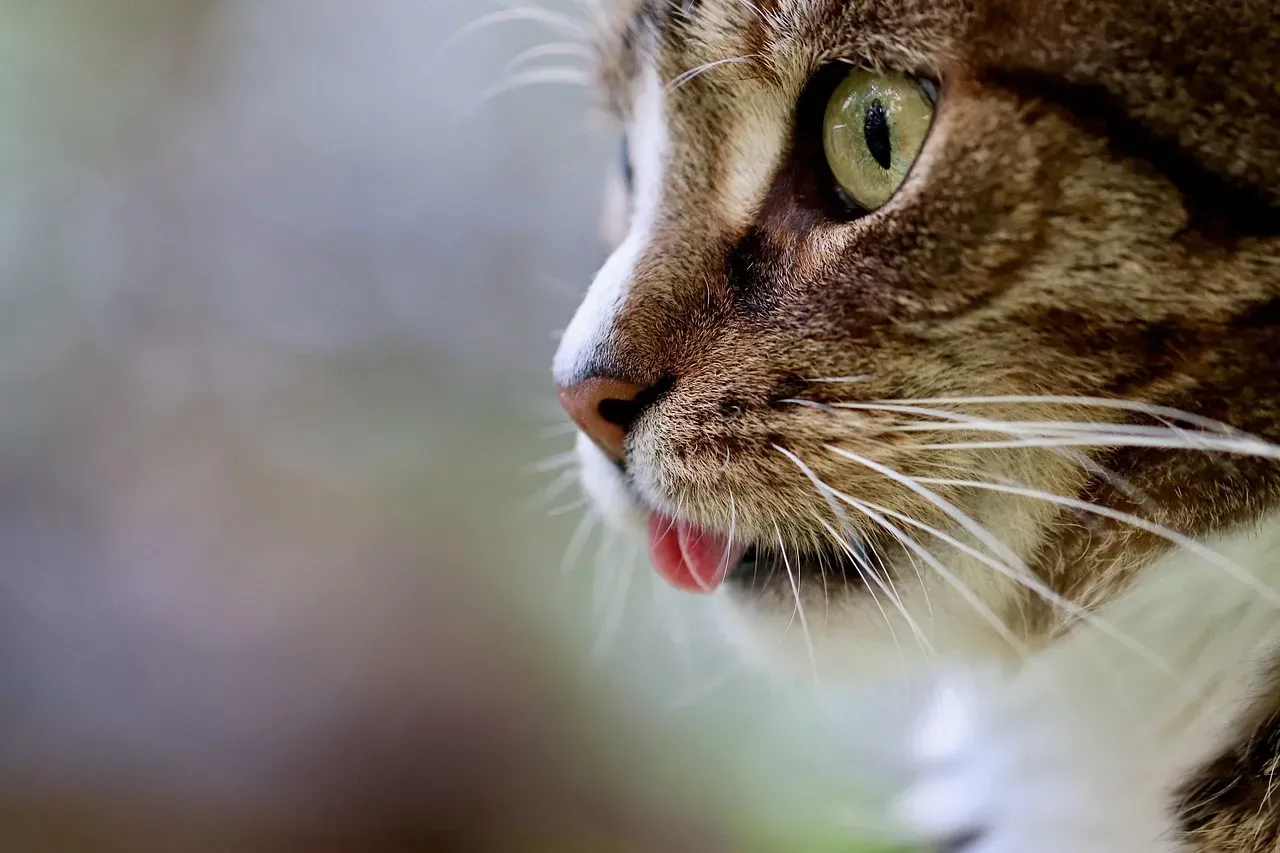
When you hear the trilling sound known as chirruping, you’ll know your cat is happy, and a chirrup is often an invitation to follow your cat somewhere or to ask for affection or play. These unique vocalizations are different from regular meows. Vocal kitties may have long conversations with you, and the pitch of their meow will allude to how they are feeling, with a high-pitched meow indicating a content cat.
Chirping is that adorable little sound that’s somewhere between a meow and a trill. Not all cats make this sound, but when they do, it’s almost always positive. Your cat might chirrup when they see you come home, when they want to show you something interesting, or when they’re inviting you to engage with them. It’s basically their way of saying “Hey, come check this out!” or “I’m so glad you’re here!”
Grooming Themselves Around You
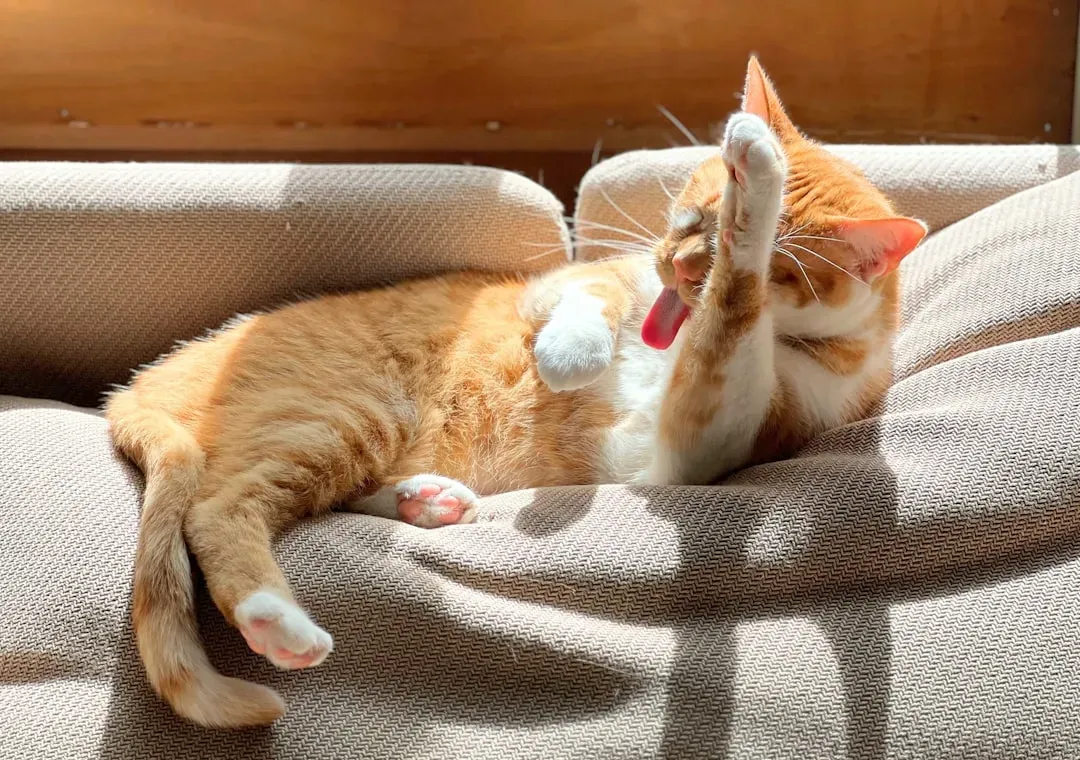
A cat who will come out into the middle of the room, throw up a leg, and begin grooming in front of you feels comfortable and at ease, and regular grooming is also a sign of a happy, healthy feline friend. When your cat engages in their grooming routine while you’re nearby, they’re sending a powerful message about their comfort level.
A cat that eats regularly, maintains coat cleanliness, and grooms without over-licking demonstrates both physical health and psychological stability, as the repetitive, rhythmic motion provides comfort and reduces anxiety. Cats are at their most vulnerable when grooming since they’re distracted and not paying attention to potential threats. The fact that they’ll do this in your presence means they trust you completely to watch out for danger while they’re preoccupied.
Gentle Love Bites
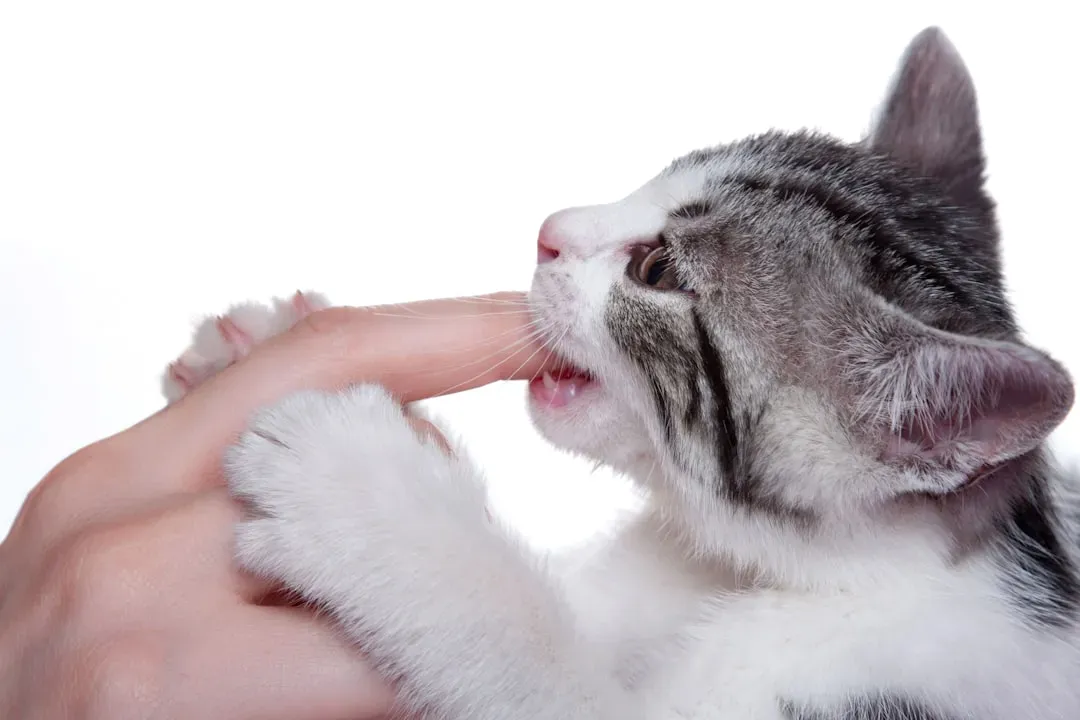
Sometimes it might feel like your cat is on the verge of being aggressive when they’re actually trying to display affection, and these gentle nips called “love bites” are often a sign of affection rather than anything aggressive. These aren’t aggressive bites meant to cause harm. They’re soft, controlled nibbles that cats use to communicate affection.
While biting is generally something people associate with negative feelings, cats are a little different, and when your cat nibbles you playfully, they’re really offering affection, which is much different from a fearful or defensive bite. Think of it as your cat’s version of a gentle kiss. They’re using a behavior from their kitten days when they would play-bite with their littermates. Of course, if the biting becomes too rough or frequent, that’s a different story, but those gentle nibbles are definitely a sign of happiness.
Playing and Being Curious
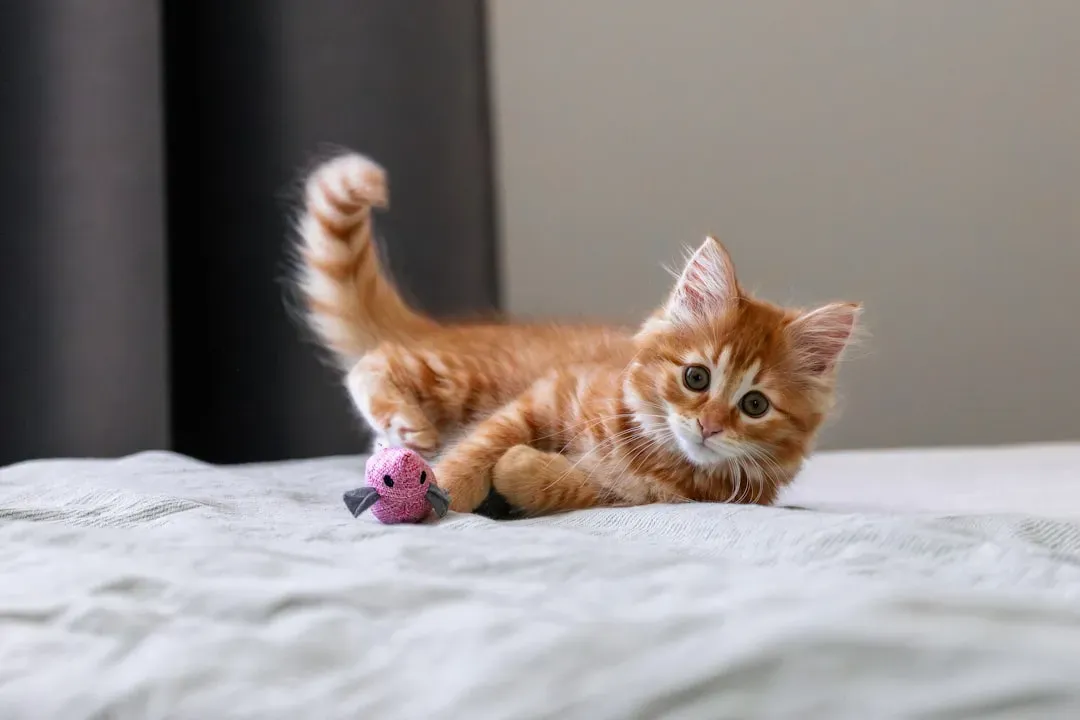
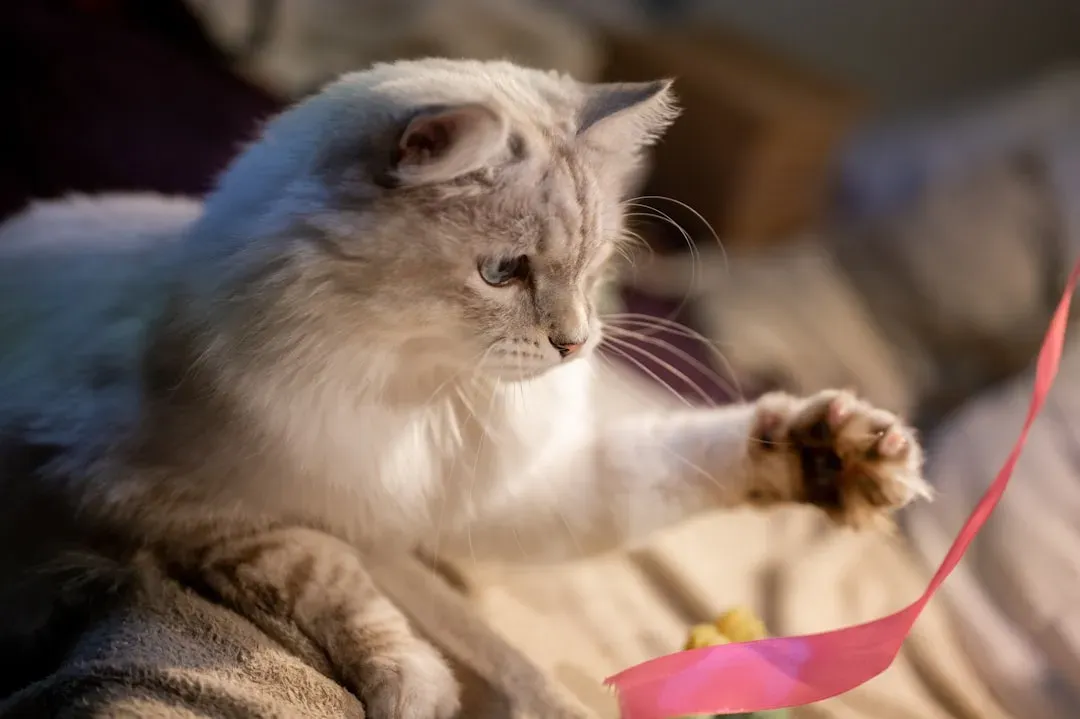
A happy cat is a curious cat, and if your feline is exploring and engaging with toys, she’s likely content. Play is a great indication of happiness, and your kitty will play with other pets and humans that they like or trust, from exuberant sprints and kitty wrestling matches to calm paw patting.
When your cat is batting around their favorite toy, chasing imaginary prey, or doing sudden zoomies around the house, they’re demonstrating that they feel secure enough to let loose and have fun. Cats who are stressed or unhappy tend to hide and avoid interaction. A playful cat is telling you that their environment feels safe and their needs are being met. It’s their way of expressing pure joy and contentment with their life.
Sleeping on or Near You
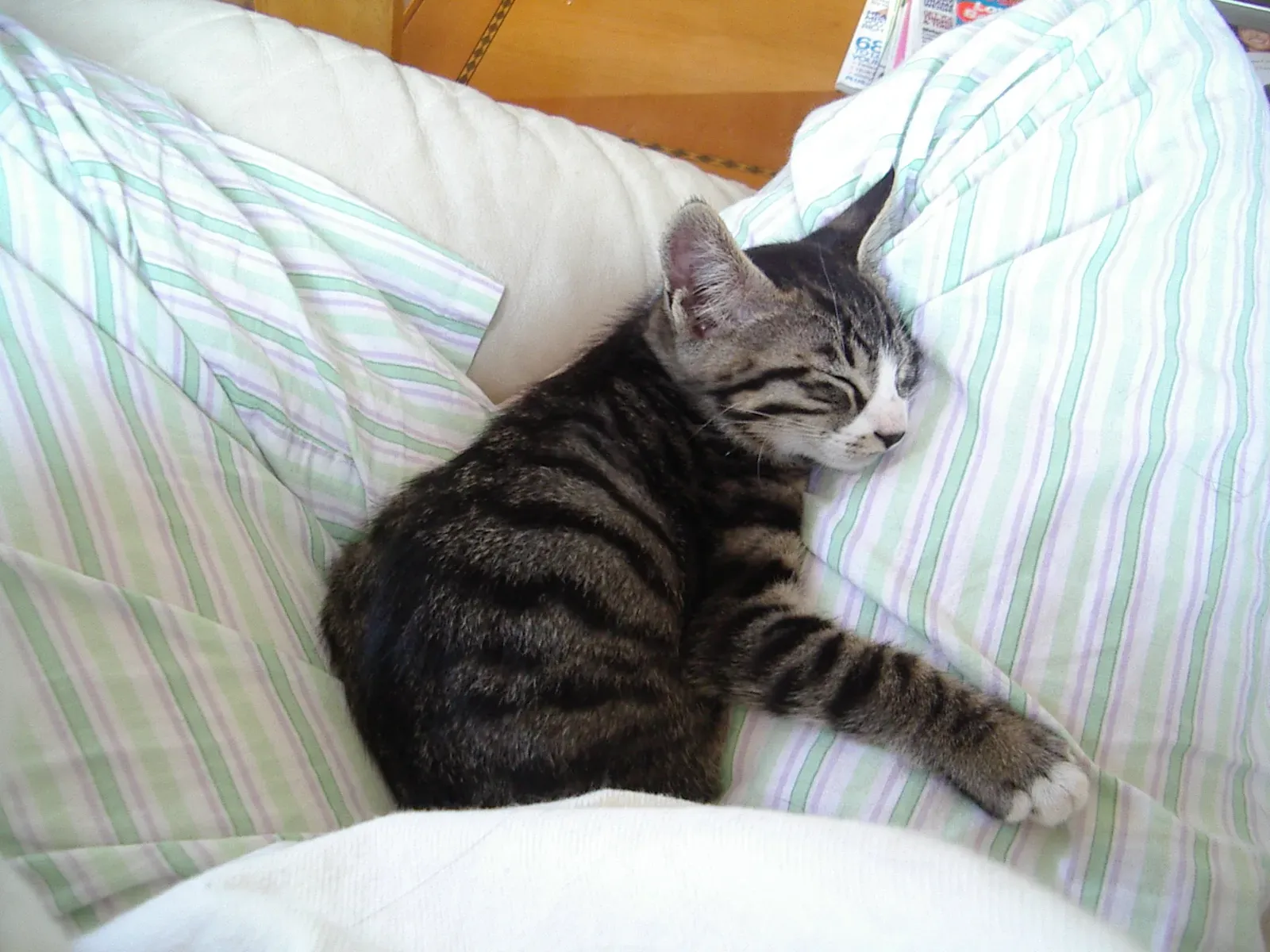
Cats can sleep anywhere from ten to fifteen hours each day and are most vulnerable while sleeping, choosing places that are safe and secure, so there is no better compliment to you than a cat who chooses to fall asleep on you, meaning they are completely comfortable with you and trust they are in safe and loving hands. Let’s be honest, having a cat sleep on your chest or lap can sometimes be inconvenient, especially when you need to move.
Choosing to curl up on your lap or sleep beside you further confirms secure attachment, which is a key indicator of happiness. Whether they’re sprawled across your legs, curled up on your chest, or just snoozing nearby with one paw touching you, your cat is telling you that you’re their safe haven. They’ve chosen you as their security blanket, and that’s about the highest honor a cat can bestow on a human.
Conclusion: Understanding Your Cat’s Happiness Language
Your cat has been speaking to you all along through these subtle yet meaningful gestures. From the gentle slow blink to the enthusiastic head butt, each behavior is a carefully crafted message of trust, affection, and happiness. The key is learning to recognize these signs for what they truly are: love letters written in feline body language.
Now that you know how to read these signals, you’ll start noticing them everywhere. Your bond with your cat will deepen as you become more attuned to their unique way of communicating. Remember, every cat is different, and some may show their happiness more openly than others. The important thing is to appreciate these moments and reciprocate in ways your cat understands. What surprising way does your cat show happiness to you? Pay attention today and you might discover a whole new dimension to your relationship.
Kristina is a young writer from India. An arts graduate and an avid content creator, Kristina is passionate about animals and wildlife. She enjoys exploring topics related to pet care, animal behavior, conservation, and nature, combining thorough research with engaging storytelling.