You might think you know everything about keeping your cat well groomed. After all, you’ve been doing it for years. Cats are naturally meticulous creatures, spending hours licking and preening themselves every single day.
Still, there are pitfalls that catch even the most devoted cat parents off guard. Some of these mistakes seem harmless at first, almost too small to matter. Others feel counterintuitive because you’re just trying to help. The truth is, grooming isn’t always intuitive, and what works for one cat can backfire with another. What follows might surprise you, especially if you’ve been unknowingly repeating the same errors for years.
Assuming Short-Haired Cats Don’t Need Regular Brushing
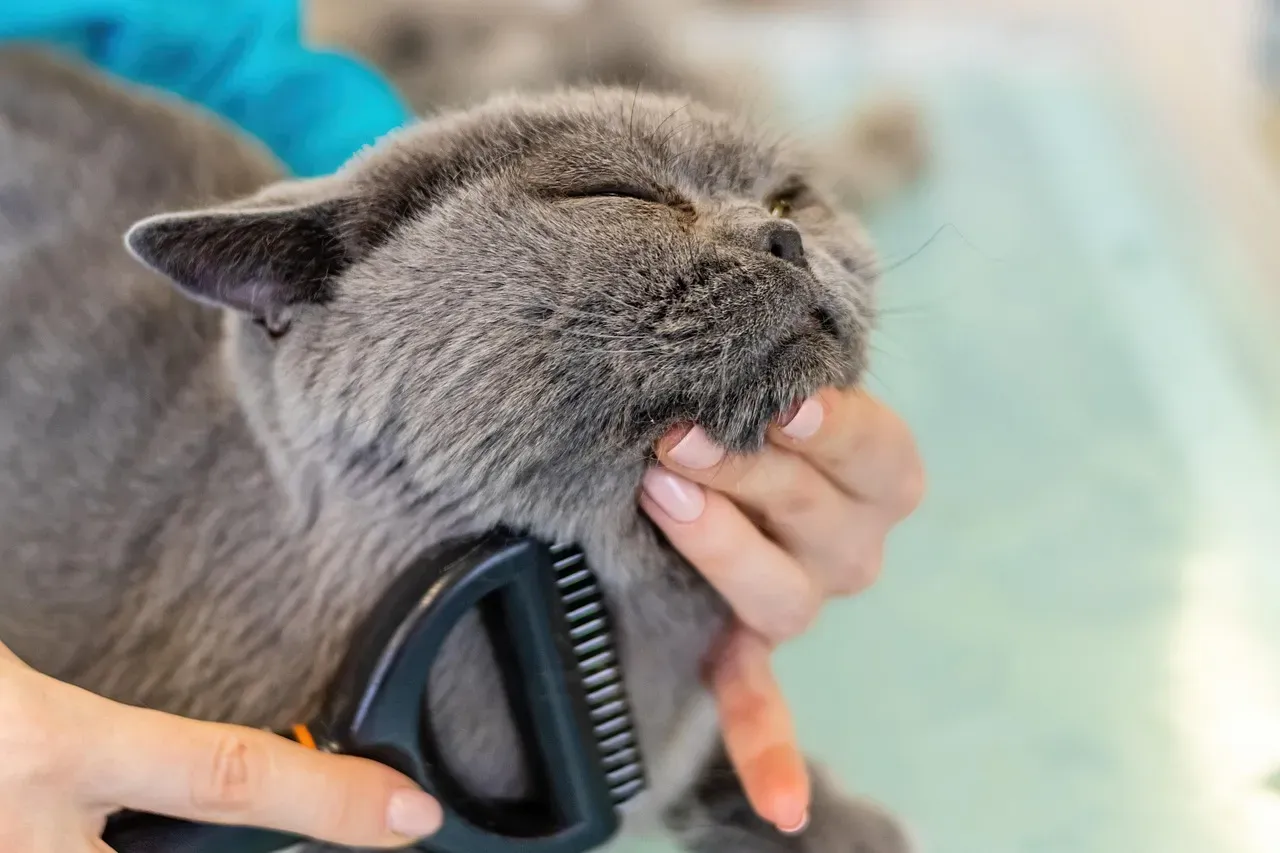
Many owners think brushing is only necessary for long-haired cats or when visible knots appear, but this is a significant misconception. Short-haired cats benefit from regular brushing just as much as their fluffy counterparts. The real purpose of brushing isn’t just detangling – it’s about maintaining the health of your cat’s skin. When you neglect this, you’re not just allowing loose fur to accumulate; you’re missing the chance to distribute natural oils, stimulate blood circulation, and check for skin issues or parasites.
Waiting too long between brushing sessions allows fur to mat or tangle, trapping dirt, debris, and even pests close to the skin. There’s too much hair for a cat to take care of on their own, and they need help removing excess hair, especially during heavy shedding times, with senior cats having an even more difficult time keeping themselves clean. You should aim to brush short-haired cats at least once weekly. The fur you remove now is fur that won’t end up on your sofa or in a hairball later.
Brushing Against the Direction of Fur Growth
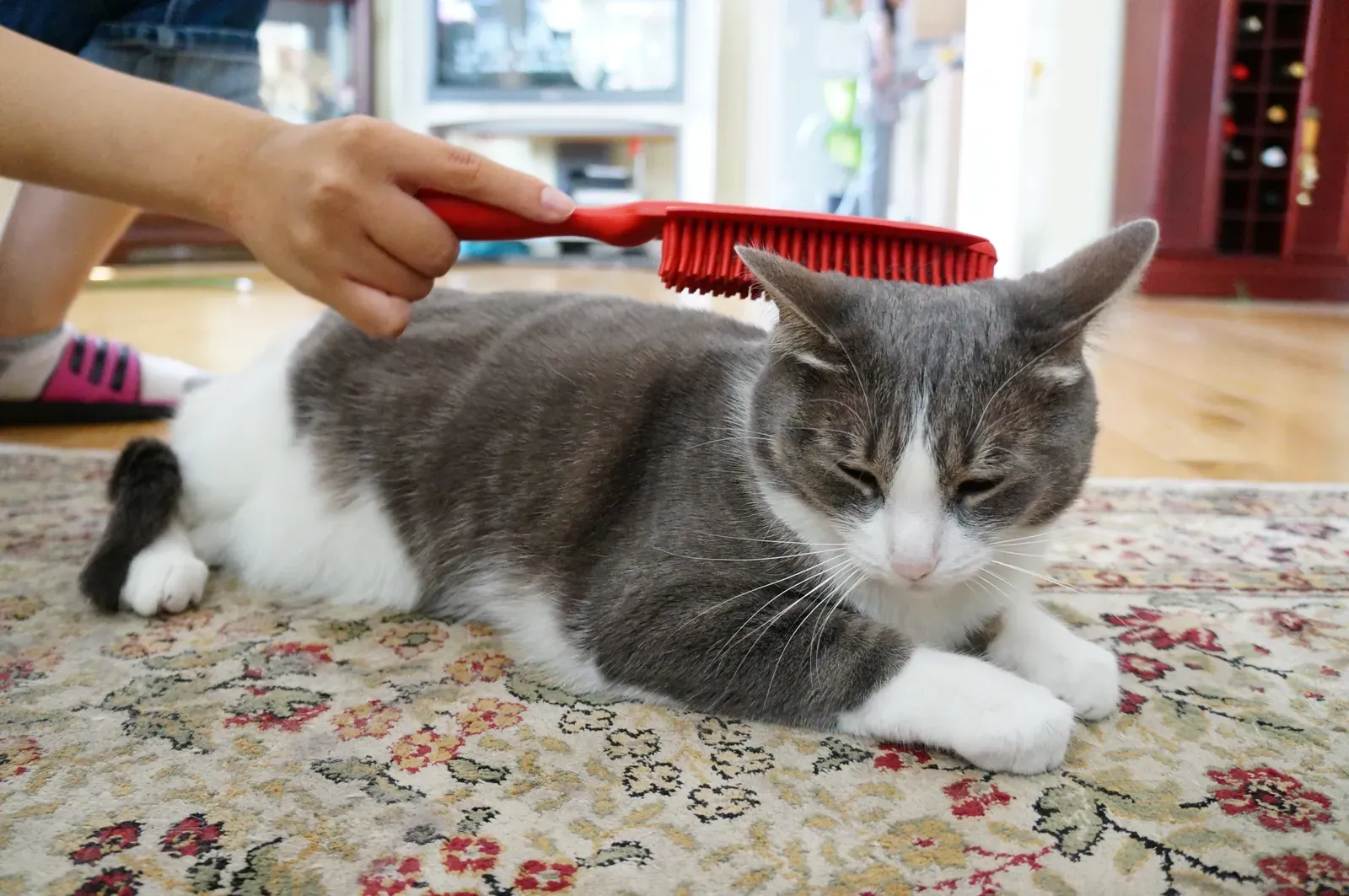
Some people say you should brush against the direction of the fur, but this can be problematic as it pulls more when you go against the grain, kind of like when someone pulled your hair into a ponytail too tightly. Cat skin is remarkably thin, only about three to four cell layers thick in some places, and beneath this thin layer lies a massive concentration of mechanoreceptors, meaning that what feels like a firm scratch to you can feel like a stinging abrasion to them. The discomfort isn’t always obvious, especially if your cat tolerates it quietly.
It’s important that you’re brushing with the grain and in the direction of the fur, as going against the grain can be uncomfortable for your kitty and may cause you to pull their fur out. If you want to remove loose hair more effectively, consider using a blower after brushing to work against the coat, rather than dragging a brush the wrong way. Applying too much pressure while brushing causes discomfort, while brushing too lightly can lead to ineffective grooming, leaving loose fur behind. Watch your cat’s body language closely. They’ll tell you when enough is enough.
Using Human Shampoo or the Wrong Products
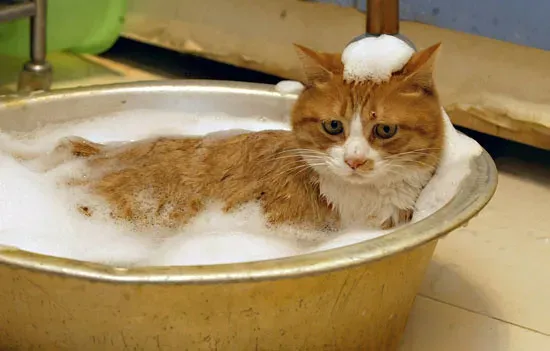
One of the most dangerous mistakes an owner can make is reaching for their own shampoo in a pinch. Human shampoos, even gentle baby formulas, have pH levels designed for human skin, not feline skin. Shampoos, conditioners, and even brushes made for humans can irritate a pet’s sensitive skin or disrupt their natural coat oils. You might not see the damage immediately, but over time this can lead to dryness, flakiness, and irritation that makes your cat uncomfortable.
Always use a cat-specific shampoo that’s unscented and hypoallergenic. Pet-specific grooming supplies are formulated to be gentle and effective for your dog or cat’s unique needs. Honestly, most indoor short-haired cats may never need a full water bath in their entire lives. Most indoor, short-haired cats are fastidious groomers and may never need a full water bath in their entire lives. Their tongues do an impressive job. Bathe your cat only when truly necessary, like when they’ve gotten into something sticky, greasy, or potentially harmful.
Neglecting to Clean Your Grooming Tools
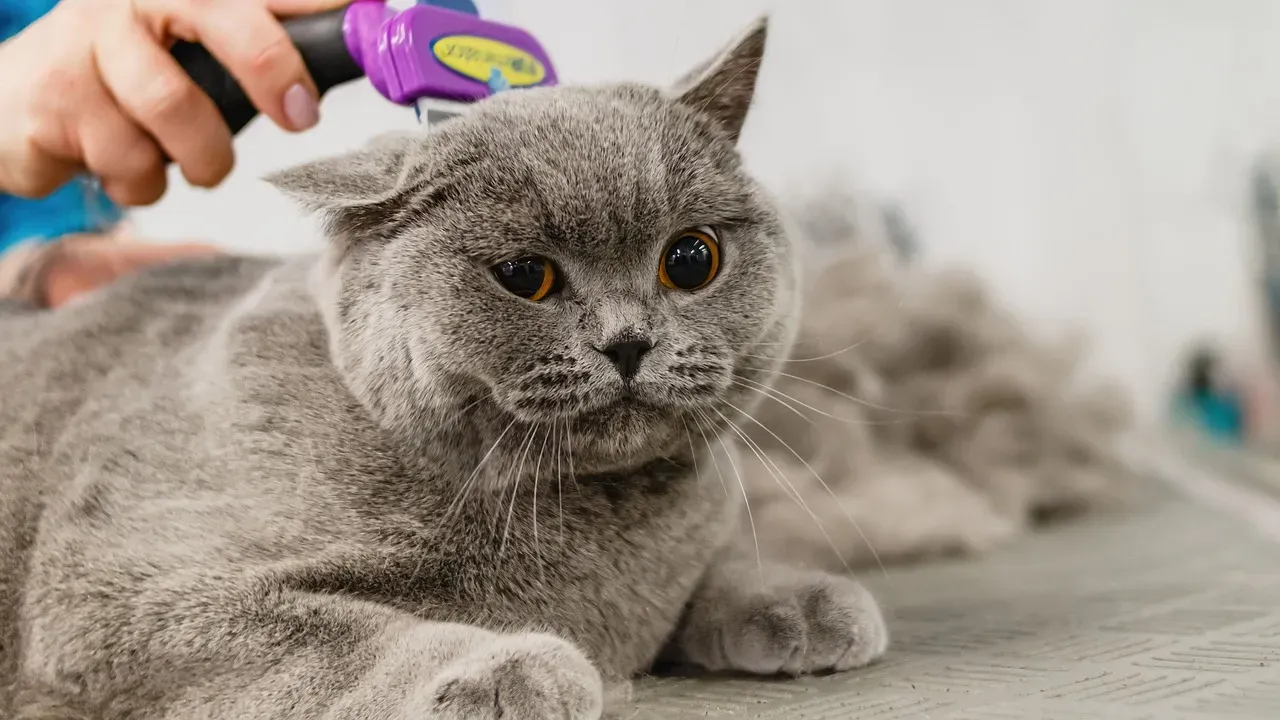
You probably wouldn’t use the same dirty hairbrush on your own head week after week, yet many cat owners forget to clean their pet’s grooming tools. Brushes and combs accumulate dead skin cells, oils, dirt, loose fur, and sometimes even bacteria or yeast. Every time you use a dirty brush, you’re redistributing all that grime back onto your cat’s coat and skin.
After each grooming session, remove the fur from the brush and wash it with warm soapy water at least once a month. Let it air dry completely before the next use. This simple habit keeps grooming hygienic and effective. It also extends the life of your tools, saving you money in the long run.
Ignoring or Mishandling Matted Fur
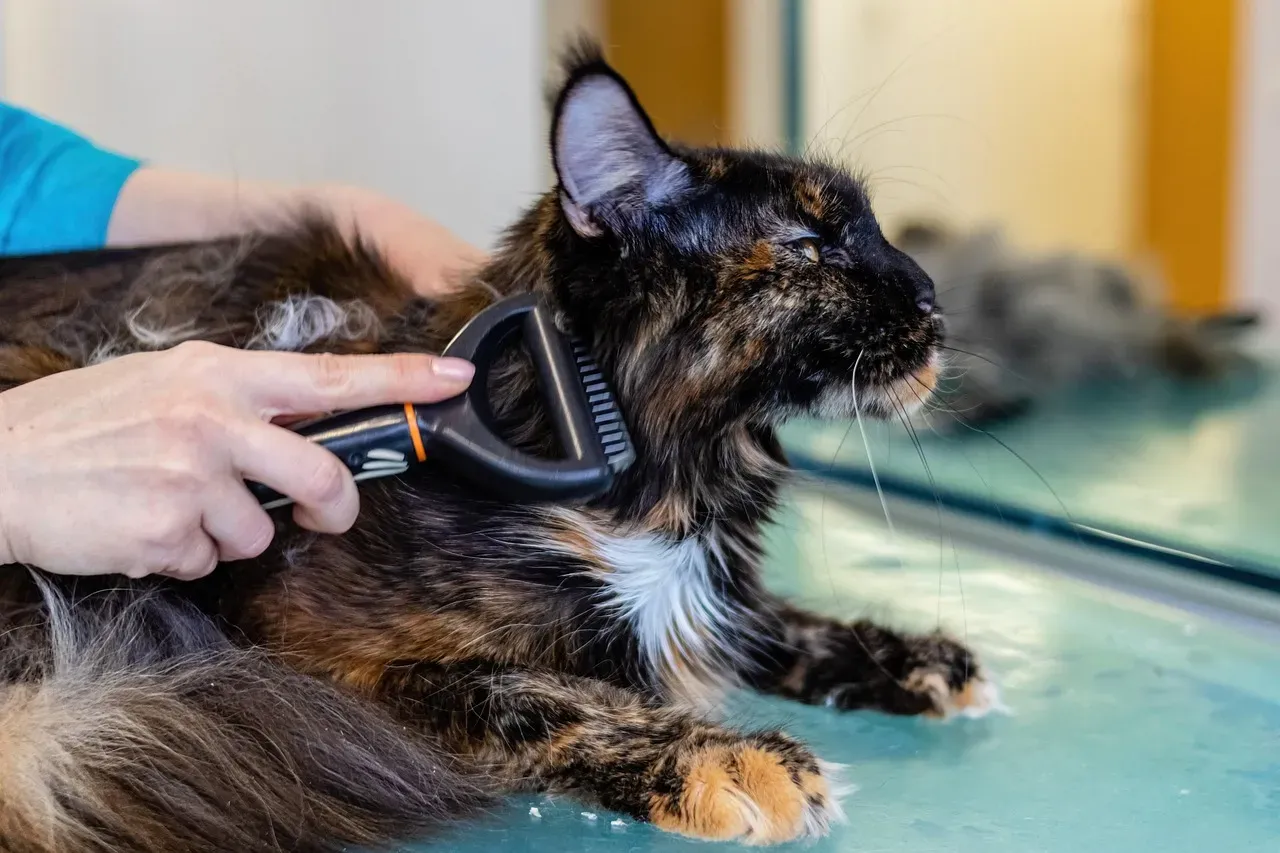
When brushing is neglected, fur can mat or tangle, trapping dirt, debris, and even pests close to the skin, and mats pull painfully on your pet’s coat, can cause skin irritation, and make bathing much harder. Don’t try to simply rip stubborn mats off your cat, as doing so will hurt the cat, who will come to mistrust both you and the brushing process. Some mats are loose and easily detangled with regular brushing, but hard, firmly entrenched ones require a different approach.
Home mat removal is fraught with danger, as one client decided to de-mat her cat using scissors and ended up in the animal ER getting twelve stitches to close the laceration caused by the scissors, so it’s better to have a groomer or your veterinarian remove any mats with a clipper. If your cat is prone to mats, consider purchasing your own clipper designed for pets. Never try to cut close to the skin with scissors. The risk of injury is simply too high, and the psychological damage to your cat’s trust can last far longer than the physical wound.
Rushing Through Nail Trimming Sessions
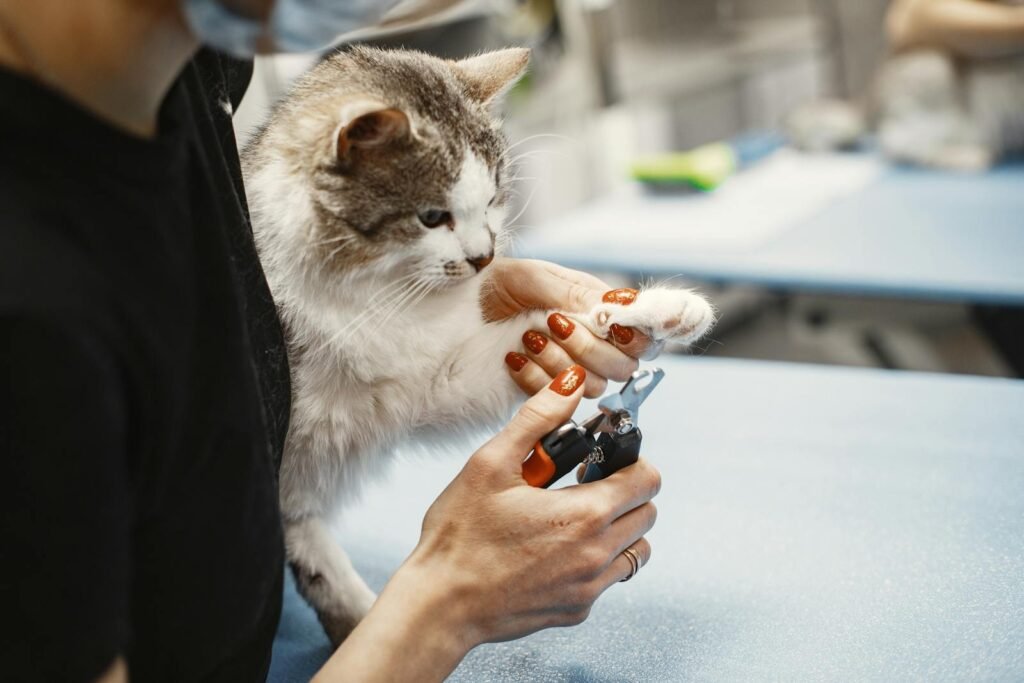
Many cats and dogs do not enjoy getting their nails trimmed, making the process difficult for both pet and owner, and many pet owners try to get this process done as fast as possible, but rushing the nail clipping process can increase the risk of accidentally clipping your pet, resulting in bleeding and pain. If your cat resists, don’t raise your voice or punish her, never attempt a clipping when your cat is agitated or you’re upset, don’t rush as you may cut into the quick, and don’t try to trim all of your cat’s claws at one time.
Let’s be real, nail trimming can feel like a wrestling match. Always have styptic powder on hand just in case you accidentally clip the quick, as it will stop the bleeding quickly. Start by getting your cat comfortable with having their paws touched during playtime or cuddles. Once they’re relaxed with that, trim just one or two nails per session. You don’t need to do all twenty claws in one sitting. Short, positive sessions build trust far better than one stressful marathon.
Bathing Too Frequently or Skipping Pre-Bath Steps
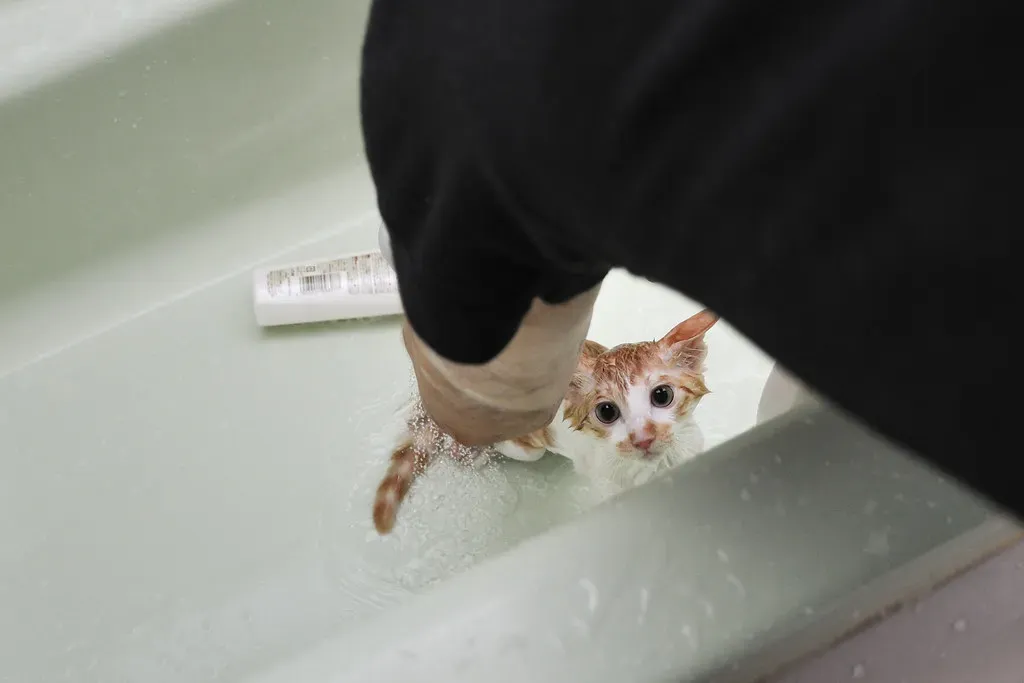
While regular grooming is essential, bathing your cat or dog too frequently removes the natural oils and proteins in your pet’s coat, and when you bathe your pet too frequently, it can dry out and irritate the skin, with most pets only requiring the occasional bath, about once a month. Cats are not dogs. They don’t need weekly baths unless they have a specific medical condition or are a hairless breed that requires extra skin care.
For your own protection, it’s recommended to trim your cat’s claws before bathing, give your cat a good brushing to remove any loose hair and mats, and gently place some cotton in her ears to keep the water out. Skipping these preparatory steps makes the bath harder and more stressful for everyone involved. Brushing beforehand prevents tangles from tightening when wet. Cotton balls protect delicate ear canals from water that can lead to infections. These small precautions transform a chaotic experience into something manageable.
Forgetting to Check Ears and Teeth During Grooming
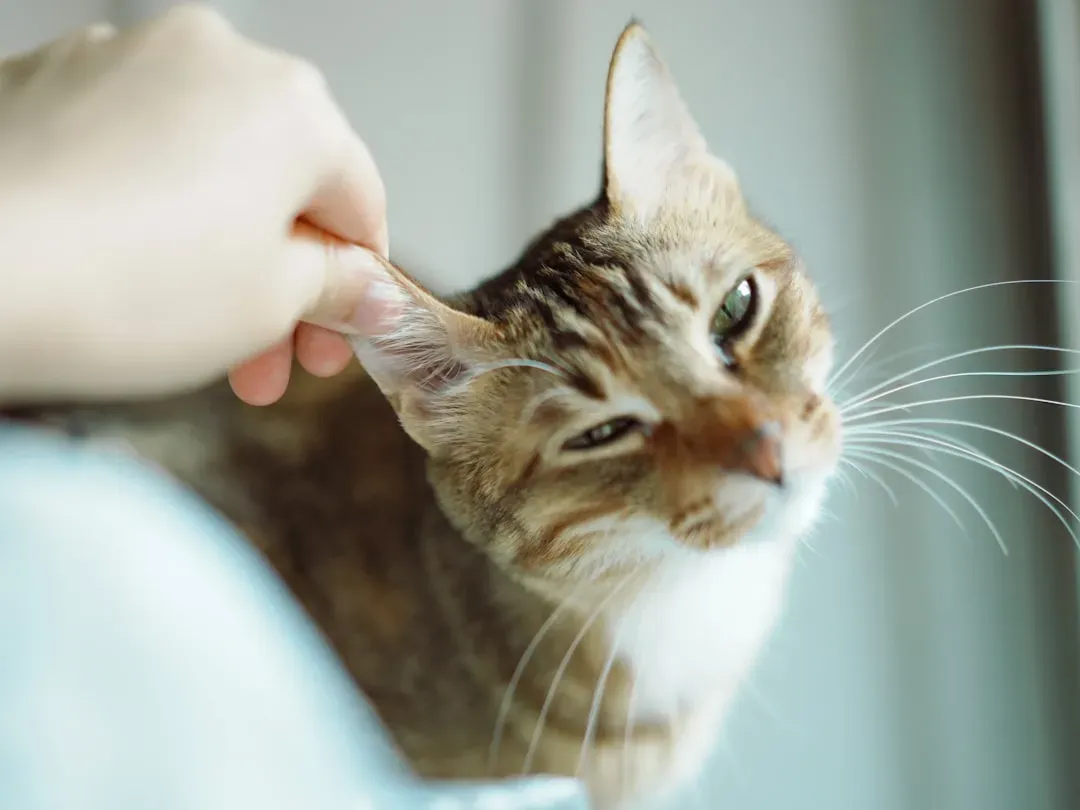
Ears are easy to overlook, but they’re one of the most sensitive and important parts to maintain, and forgetting to clean your pet’s ears or using unsafe products can lead to issues, as dirt, wax, and moisture buildup can lead to ear infections, especially in floppy-eared breeds or cats with lots of fur around their ears. Use a vet-approved ear cleaner and gently wipe the outer ear with a soft cotton pad, never insert cotton swabs deep into the ear canal, and check regularly for redness, odor, or excessive scratching – all signs of possible infection.
Dental health is just as crucial. Your cat needs clean, sharp teeth and healthy gums, as damage to the tongue, teeth, palate and gums can lead to many health risks for felines, but these can be prevented with regular home check-ups and good old-fashioned brushings. Grooming sessions are the perfect opportunity to peek inside your cat’s mouth and sniff their breath. Bad odor, red gums, or visible tartar buildup means it’s time for a veterinary dental exam. Ignoring oral health can lead to painful infections and systemic health problems that go far beyond bad breath.
Not Recognizing When to Stop or Seek Professional Help
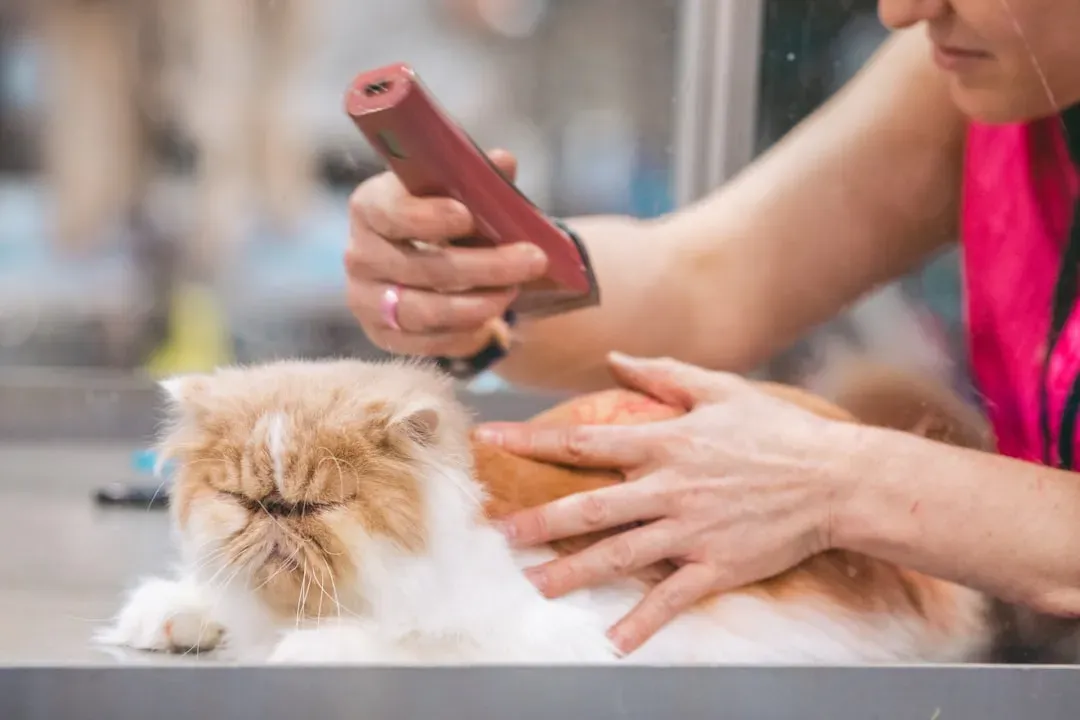
If you violate your cat’s boundaries by brushing too hard or ignoring their signals, you aren’t just failing at grooming; you are rejecting their social language, and recognizing when they are done is key. If you are truly uncomfortable with this process or if your cat is extremely resistant, don’t force it, as a quick trip to a professional groomer or your vet for a nail trim is a safe and perfectly acceptable alternative. Some cats simply will not tolerate certain grooming tasks at home, no matter how patient you are.
There are some cats who do not tolerate being groomed, and if your cat fights the grooming process and there is some potential that injury could occur to your cat or yourself, please make an appointment with a professional groomer or a veterinarian to have your cat groomed. Pushing through when your cat is distressed damages the bond between you. It teaches them that grooming equals stress, making future sessions even harder. There’s no shame in admitting defeat and calling in the professionals. Sometimes the kindest choice you can make is recognizing your limits and theirs.
Grooming isn’t just about keeping your cat presentable. It’s preventative healthcare, a bonding opportunity, and a chance to catch problems before they escalate. Even experienced cat owners can fall into patterns that work against these goals. The mistakes outlined here are common, fixable, and worth addressing now rather than later. Your cat might not thank you in words, but a healthier coat, calmer demeanor, and fewer trips to the vet speak volumes. What grooming habit will you change first?
Kristina is a young writer from India. An arts graduate and an avid content creator, Kristina is passionate about animals and wildlife. She enjoys exploring topics related to pet care, animal behavior, conservation, and nature, combining thorough research with engaging storytelling.