You probably think you know your cat pretty well. You’ve watched them leap impossibly high, race around the house at midnight, and stare intently at seemingly nothing. Here’s the thing, though: behind all those quirky behaviors lie some genuinely extraordinary sensory abilities. Your furry friend isn’t just acting strange for no reason. They’re processing a version of the world that’s wildly different from what you experience.
Think about it. While you rely heavily on your vision and maybe your sense of smell when cooking dinner, your cat is simultaneously picking up ultrasonic sounds you can’t hear, detecting movements in near darkness, and analyzing chemical messages through a secondary scent organ you don’t even have. It’s hard to say for sure, but these abilities probably make our world seem rather dull by comparison.
Their Eyes Glow Because of a Built-In Mirror
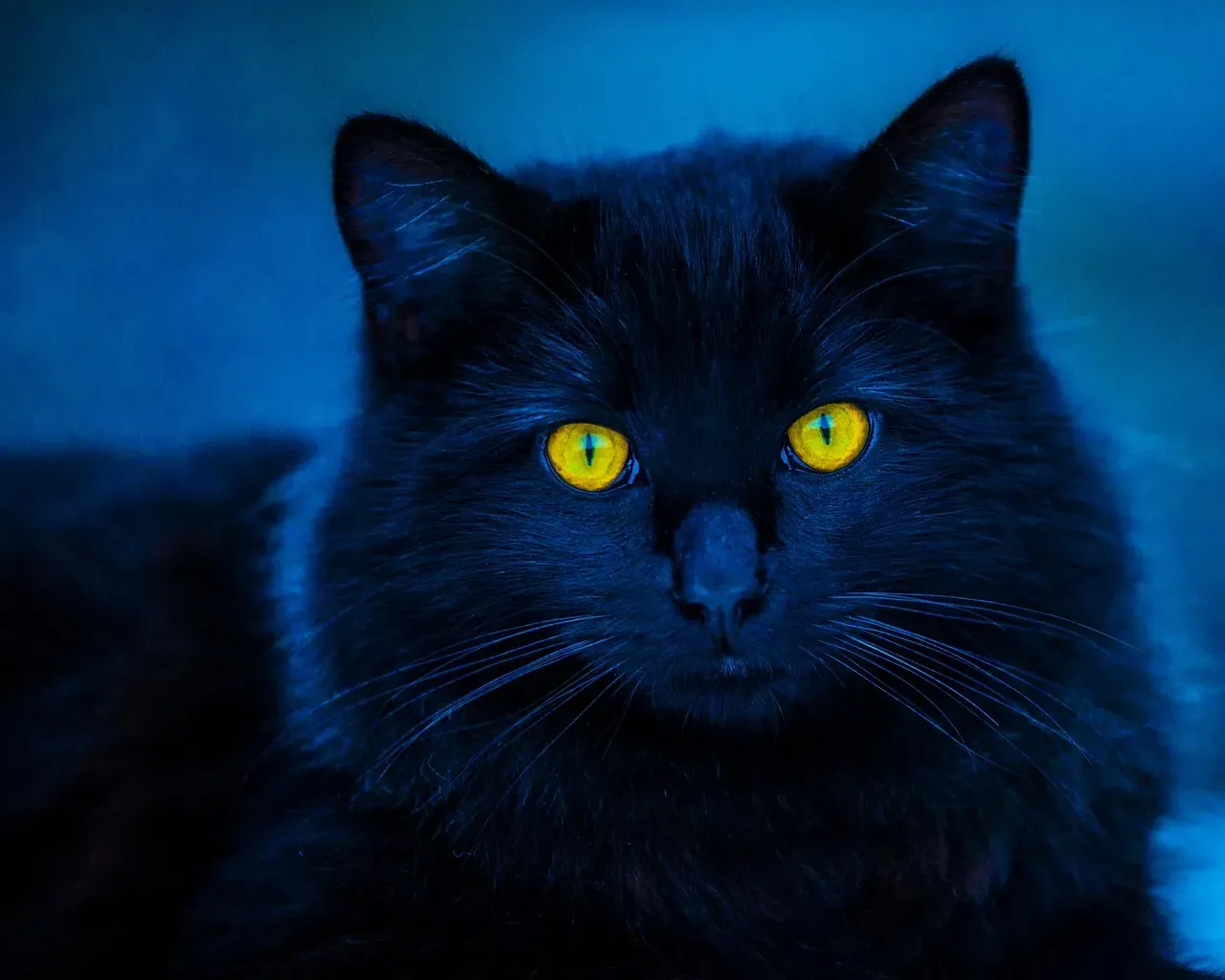
Your cat has a special reflective layer behind the retina called the tapetum lucidum that acts like a mirror, reflecting light back through the retina to increase the available light for photoreceptor cells. This is what creates that eerie green or golden glow when light hits their eyes at night. It’s not magic or some supernatural ability, it’s just really clever biological engineering.
This reflective layer gives cats their famous glowing eyes at night and allows them to see six times better than humans in low light. The tapetum essentially gives photoreceptors a second chance to capture light that would otherwise pass straight through. While enhancing night vision, increased light scatter within the tapetum slightly compromises visual acuity. So yes, your cat can navigate in the dark like a pro, though they sacrifice some sharpness in bright daylight.
They Need Far Less Light to See Than You Do
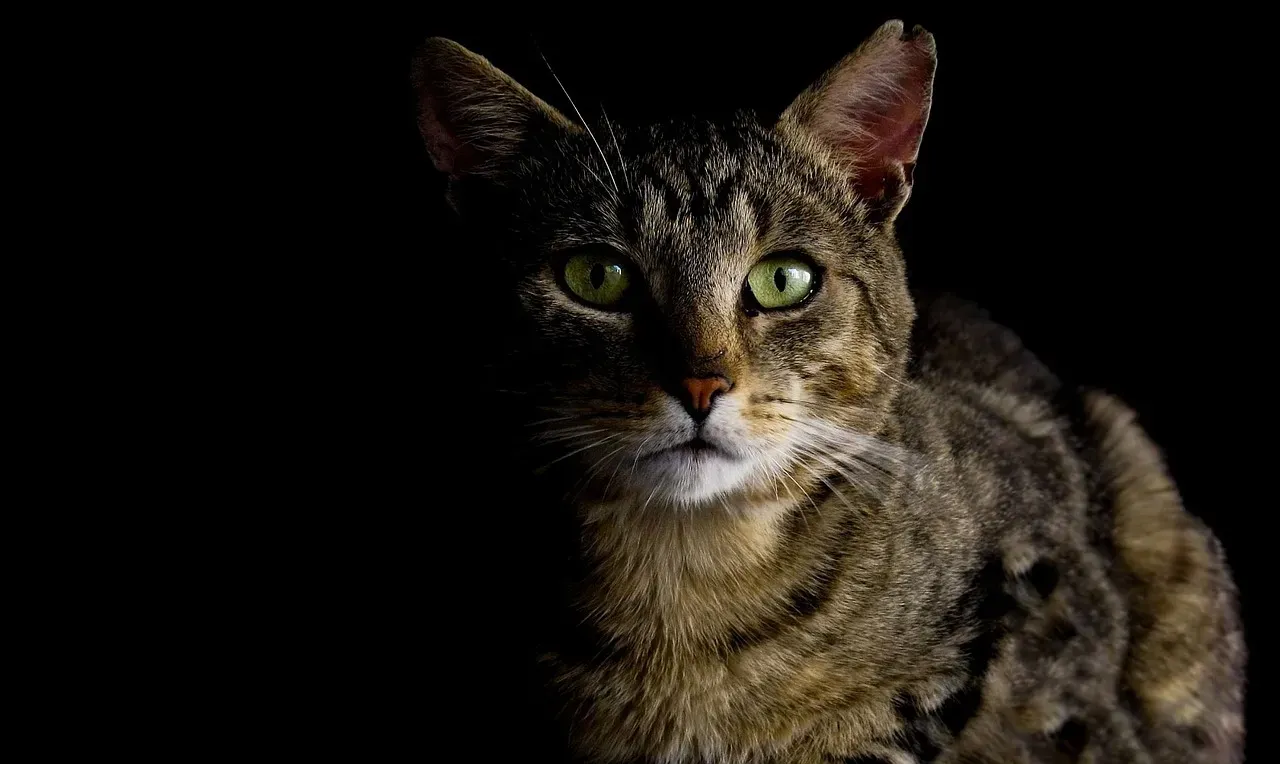
Let’s be real, if you tried to walk around your house with only the faint glow of a nightlight, you’d probably stub your toe within seconds. Cats require only about one-sixth of the amount of light that humans need to see. This means what looks like almost complete darkness to you is perfectly navigable for your cat.
Cats can see using roughly one-sixth the amount of light that humans need, though these adaptations appear to reduce net visual acuity when light is abundant. Their pupils can also expand dramatically in low light conditions, allowing significantly more light to enter the eye. While cats have remarkable night vision, they cannot see in total darkness, as no animal can see in absolute darkness since vision requires at least some level of light to function.
Cats Actually Have Limited Color Vision
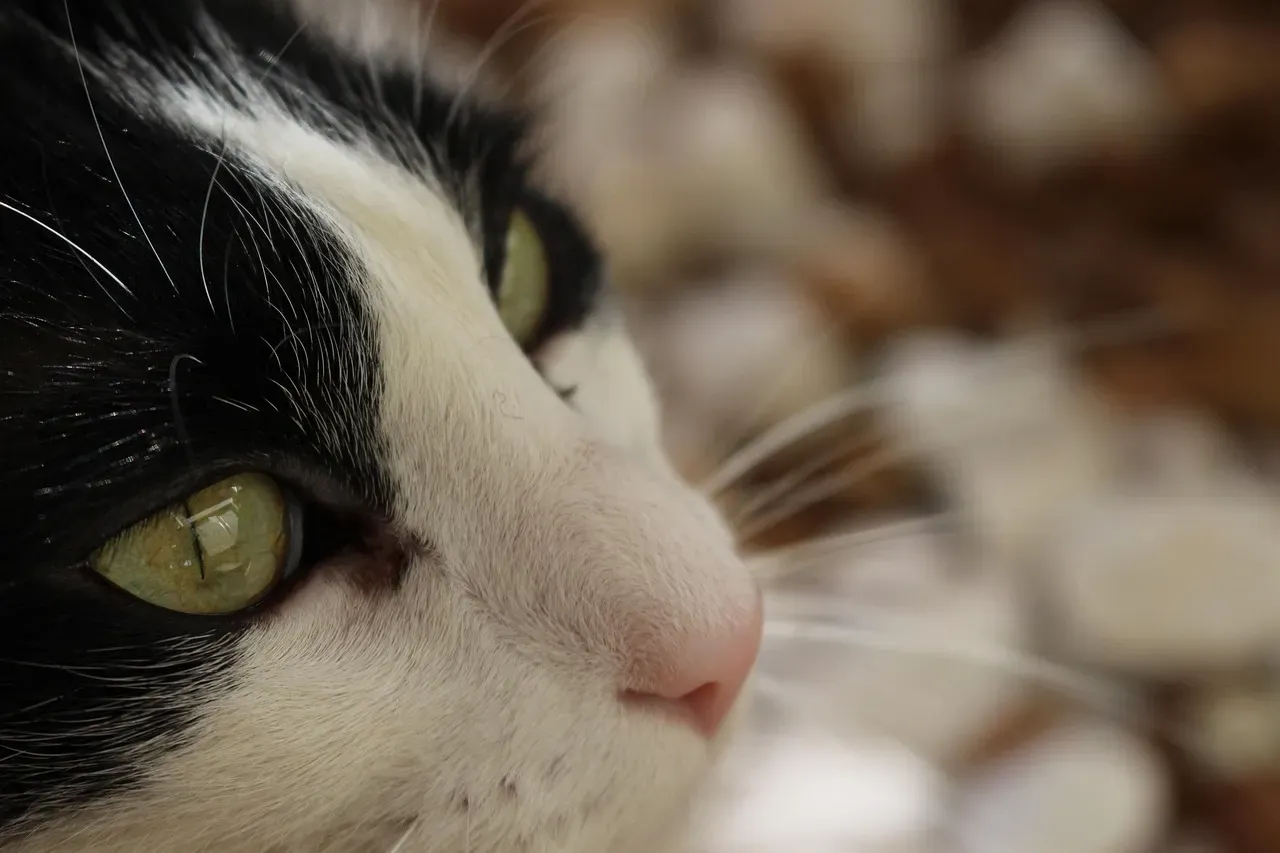
You might have heard that cats see in black and white. That’s not quite accurate. Cats are dichromats with two types of cone opsins, and can see some colors and distinguish between red, blue and yellow lights, though cats cannot see the same richness of hues and saturation of colors that humans can. They’re somewhat similar to humans with red-green color blindness.
Cats are able to distinguish between blues and violets better than between colors near the red end of the spectrum. So that bright red toy you bought might not look as vibrant to them as it does to you. Honestly, movement and texture probably matter more to your cat than color when it comes to their toys anyway.
They Can Detect Ultraviolet Light
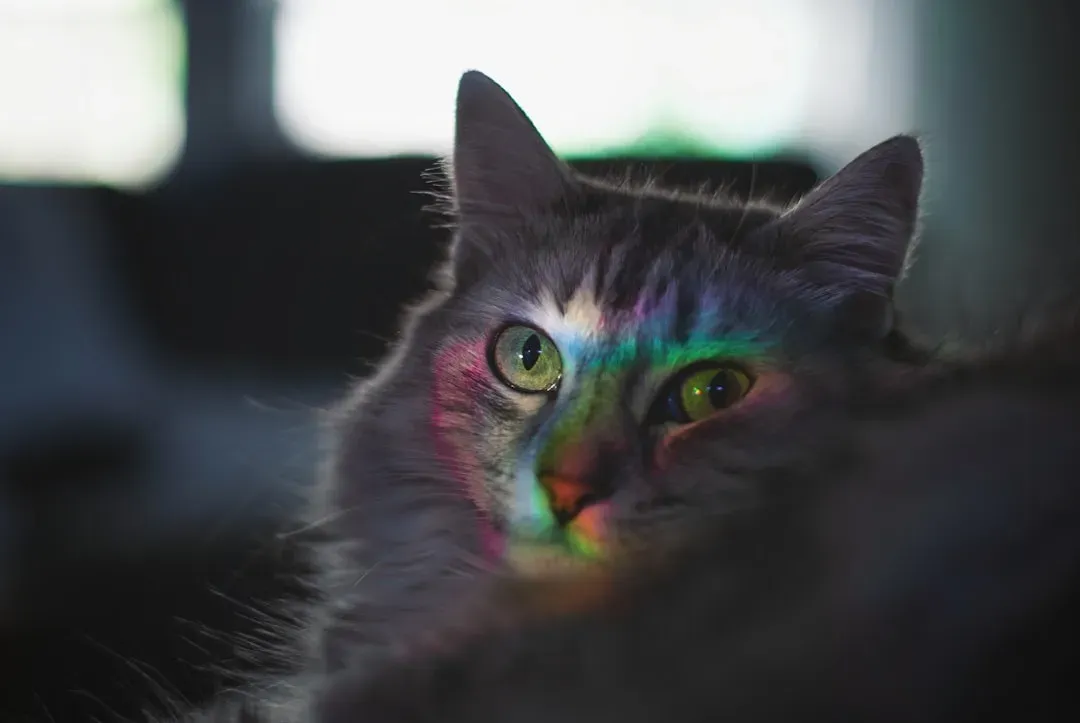
Here’s something wild that you probably didn’t expect. A 2014 study found that cats’ lenses transmit significant amounts of ultraviolet light, which suggests that they possess sensitivity to this part of the spectrum. This means your cat can see patterns and markings that are completely invisible to your eyes.
Think about what this means for a moment. Certain flowers, insects, and animal markings reflect UV light in ways we’ll never perceive. Your cat is seeing a secret layer of reality that’s hidden from us. It’s a fascinating adaptation that likely helps them track prey and navigate their environment in ways we’re only beginning to understand.
Their Whiskers Create a 3D Map of Their Surroundings
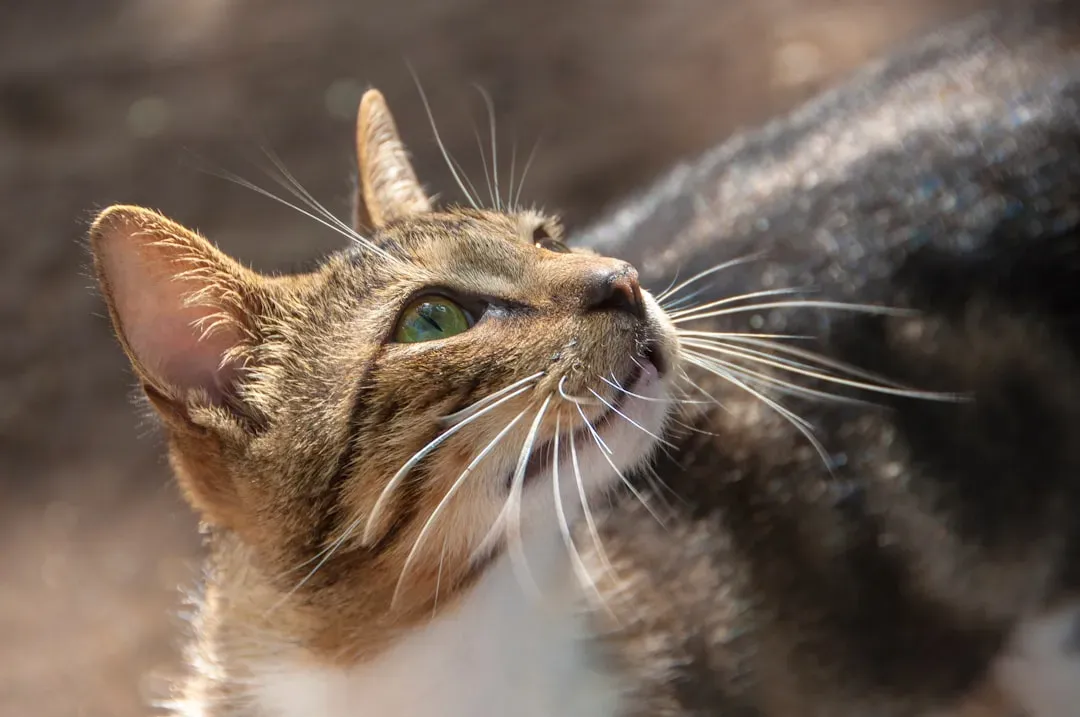
A cat has about twenty-four movable vibrissae, or whiskers, in four sets on each upper lip on either side of its nose. There are also a few on each cheek, tufts over the eyes, bristles on the chin, the cat’s inner wrists, and at the back of the legs. These aren’t just decorative features, they’re sophisticated sensory instruments.
The structure of the brain region which receives information from the vibrissae is similar to that found in the visual cortex which permits the cat to create a three-dimensional map of its surroundings. High speed photography reveals that when a cat is unable to see its prey because it is too close to its mouth, its whiskers move so as to form a basket shape around its muzzle in order to precisely detect the prey’s location. They’re basically touch sensors that work at a distance, detecting air movements and nearby objects without physical contact.
Whiskers Help Them Judge Whether They Can Fit Through Spaces
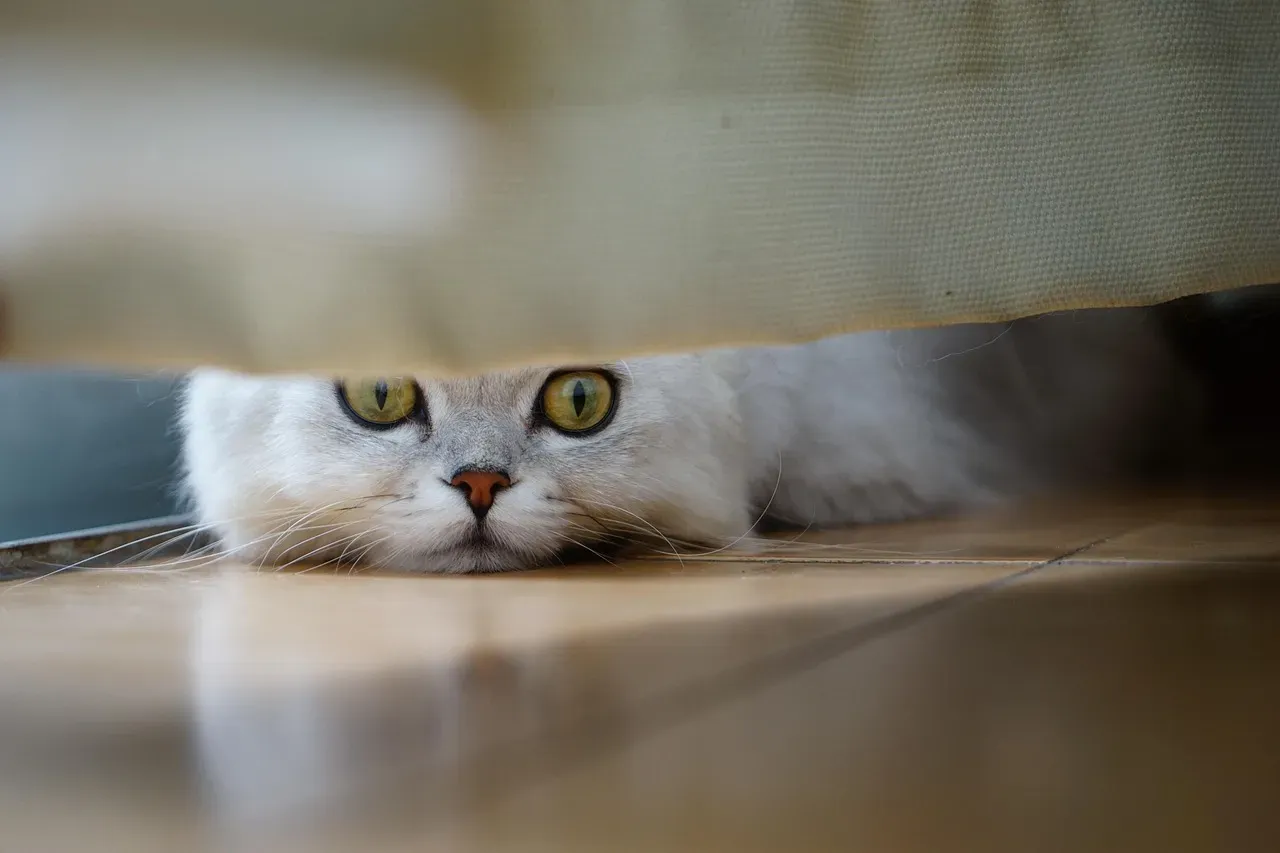
Ever notice how your cat seems to know instinctively whether they can squeeze through a gap? Their highly sensitive whiskers, or vibrissae, extend to the width of the cat’s body and allow them to gauge whether the body can squeeze through a narrow gap. It’s like having a built-in measuring tape attached to their face.
The upper two rows of whiskers are able to be moved independently from the lower two rows for greater precision during measurement. This independent control gives them incredibly detailed spatial information. Your cat isn’t being overly cautious when they pause to assess a doorway, they’re actively using their whiskers to calculate dimensions with remarkable accuracy.
Their Hearing Range Is One of the Broadest Among Mammals
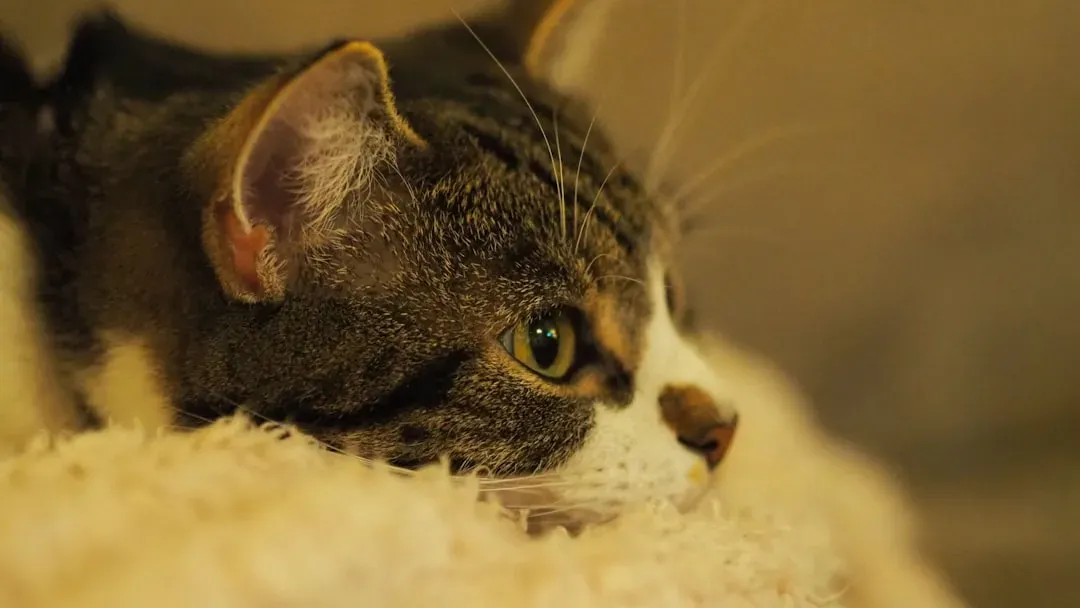
Cats have one of the broadest ranges of hearing among mammals, and can hear much higher-pitched sounds than humans, up to 64 kHz, which is 1.6 octaves above the range of a human. The hearing range of the cat for sounds of 70 dB SPL extends from 48 Hz to 85 kHz, giving it one of the broadest hearing ranges among mammals.
Cats can hear sounds from approximately four to five times farther away than humans can, and under optimal conditions, they can detect subtle sounds, like the movement of small prey, from up to 100 feet away. This explains why your cat’s ears perk up at sounds you can’t even register. They’re not being paranoid, they’re hearing things that are genuinely happening beyond your auditory range.
They Can Hear Ultrasonic Frequencies to Hunt Rodents
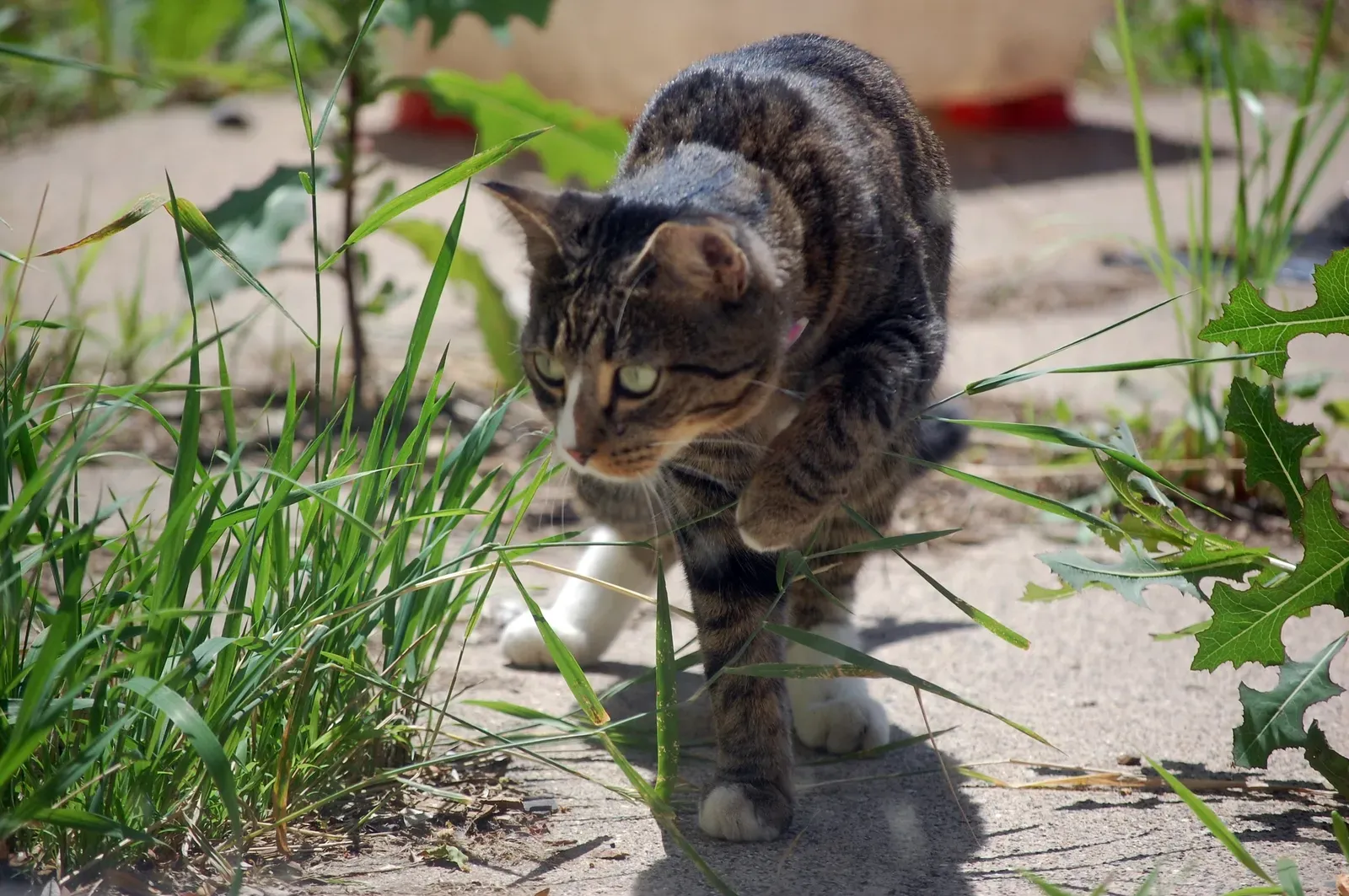
Being able to hear in the ultrasonic range helps cats hunt small rodents, as their ability to detect ultrasonic frequencies allows them to hear the high-pitched communications of prey animals like mice and rats, which often vocalize above 20,000 Hz. This is a massive evolutionary advantage. Mice might think they’re communicating secretly with each other, but your cat hears every squeak.
The mice use their ability to produce sounds out of predators’ frequency ranges to alert other mice of danger without exposing themselves, though notably, cats’ hearing range encompasses the mouse’s entire vocal range. Nature equipped cats with the perfect tools to be efficient predators. Even your pampered house cat retains this incredible ability, which is why they react to sounds you’d swear don’t exist.
Their Ears Can Rotate Independently Like Satellite Dishes
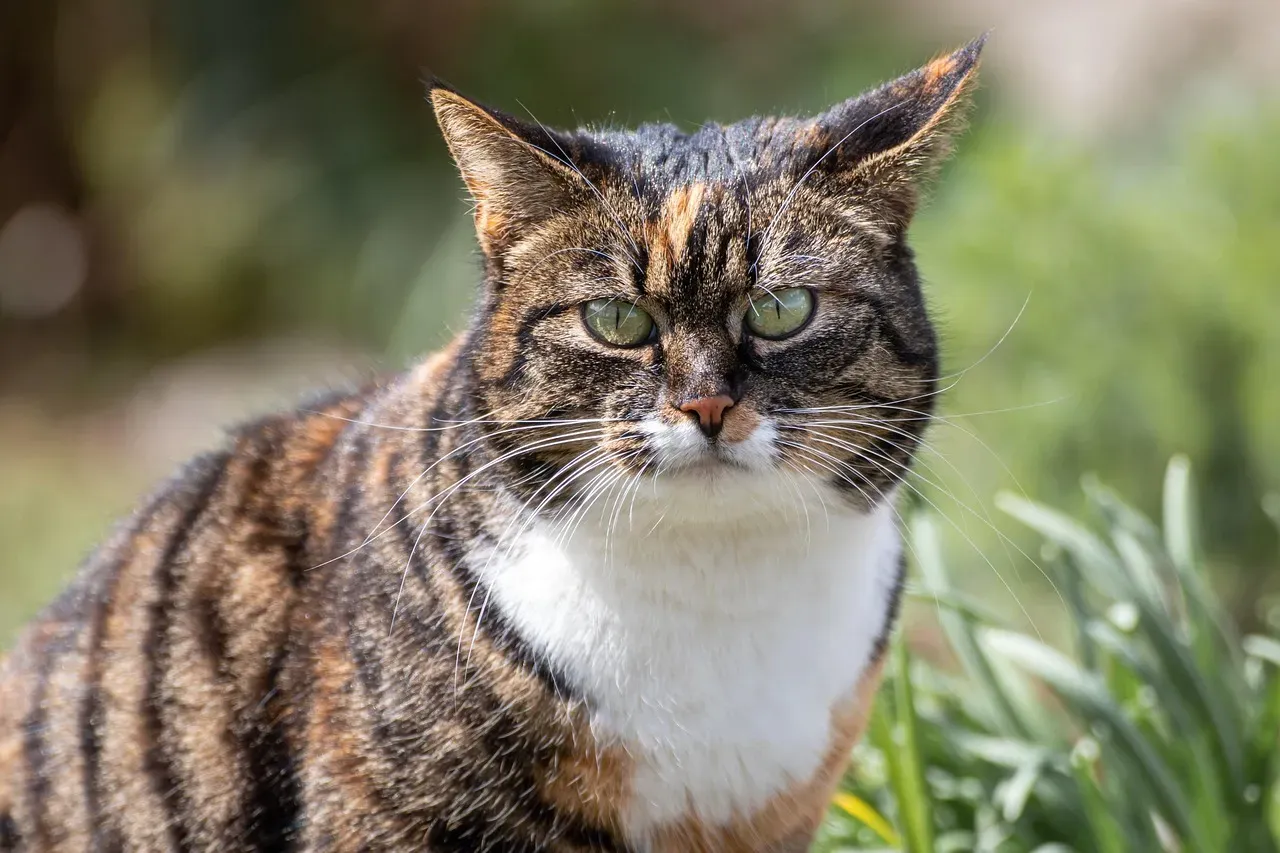
When listening for something, a cat’s ears will swivel in that direction, and a cat’s ear flaps can independently point backwards as well as forwards and sideways to pinpoint the source of the sound. The cat’s outer ear is connected by 27 muscles and can rotate 180 degrees to scan the environment or to direct attention to a particular sound.
Cats can judge within 8 centimetres the location of a sound being made 1 metre away, which can be useful for locating their prey. Cats can distinguish between sounds that are just 3 inches apart from a distance of 3 feet, and they can do this in less than 0.06 seconds, helping them pinpoint the exact location of sounds in their environment. That’s faster than you can blink.
Their Sense of Smell Is Much Stronger Than Yours
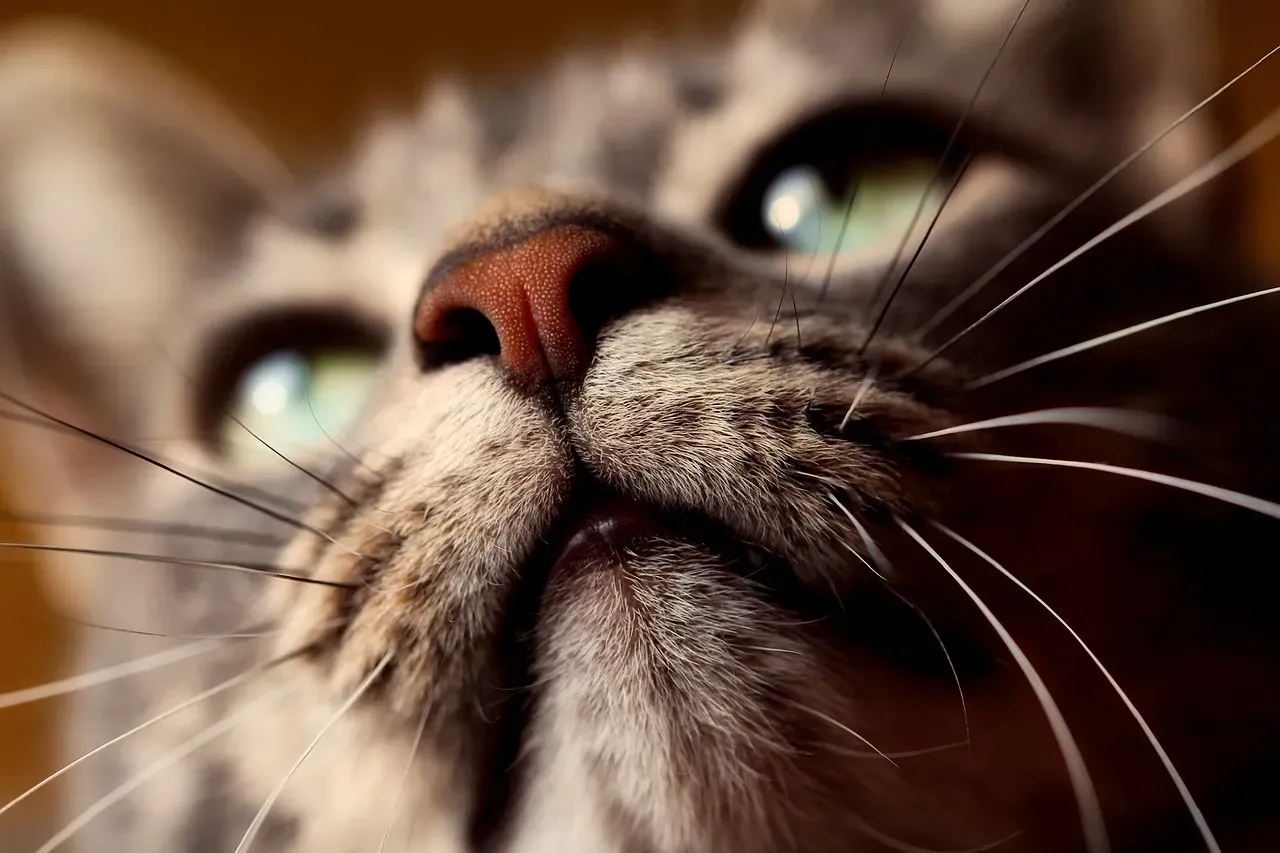
A domestic cat’s sense of smell is 9-16 times as strong as humans’. With almost 40 times more odour-sensitive cells than our human nose possesses, a cat’s sense of smell is a wonderfully intricate mechanism that some researchers even rank above that of our trusted canines. I know it sounds crazy, but in certain contexts, cats may actually outperform dogs at distinguishing between different scents.
While humans have around 5 million receptors, a cat boasts up to 200 million receptors. This heightened sense of smell enables them to perform a wide range of tasks including finding food, hunting, communicating, mating, detecting danger, and establishing territory. Smell is arguably more important to your cat than vision in many situations.
They Have a Secret Second Scent System

Cats have a dual scent mechanism that’s a cool superpower and quite rare in the animal kingdom, as cats also have a second nose located in the roof of the mouth, called the vomeronasal organ, which picks up pheromone signatures that regular scent receptors can’t detect. These pheromones are important for social, mating and territorial information.
When cats smell something particularly interesting, they open their mouth and curl their lip in a gesture called the flehmen response, and the term flehmen is a German word meaning to curl the upper lip. So if you’ve ever seen your cat make that weird grimacing face, they’re not reacting to a bad smell. They’re actually using their vomeronasal organ to analyze chemical information more deeply.
Cats Cannot Taste Sweetness at All
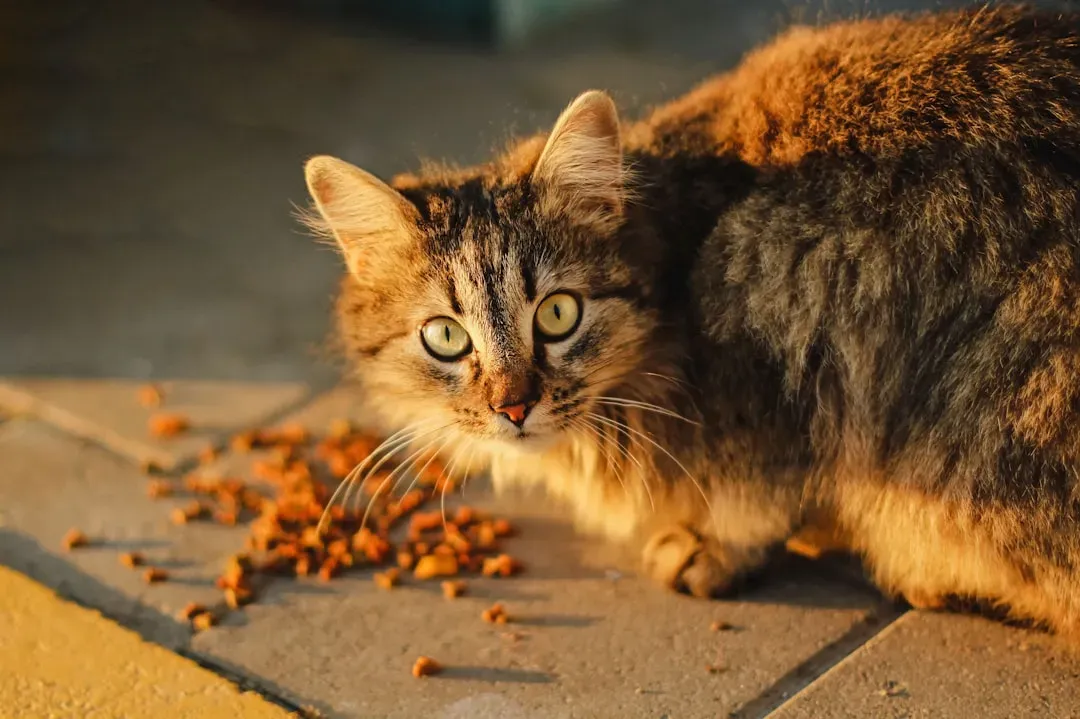
Cats lack the sweet taste receptor, so even if they seem attracted to some sweet foods, they are likely detecting only the fat and texture. The sense of taste in cats appears similar to that of other mammals with the exception of an inability to taste sweet stimuli. This isn’t just a preference, it’s a genetic reality.
All cats lack 247 base pairs of the amino acids that make up the DNA of the Tas1r2 gene. A functional sweet-taste receptor heteromer cannot form, and thus the cat lacks the receptor likely necessary for detection of sweet stimuli, and this molecular change was very likely an important event in the evolution of the cat’s carnivorous behavior. Your cat is a strict carnivore by design, and sugars simply aren’t part of their biological programming.
They Have Far Fewer Taste Buds Than You
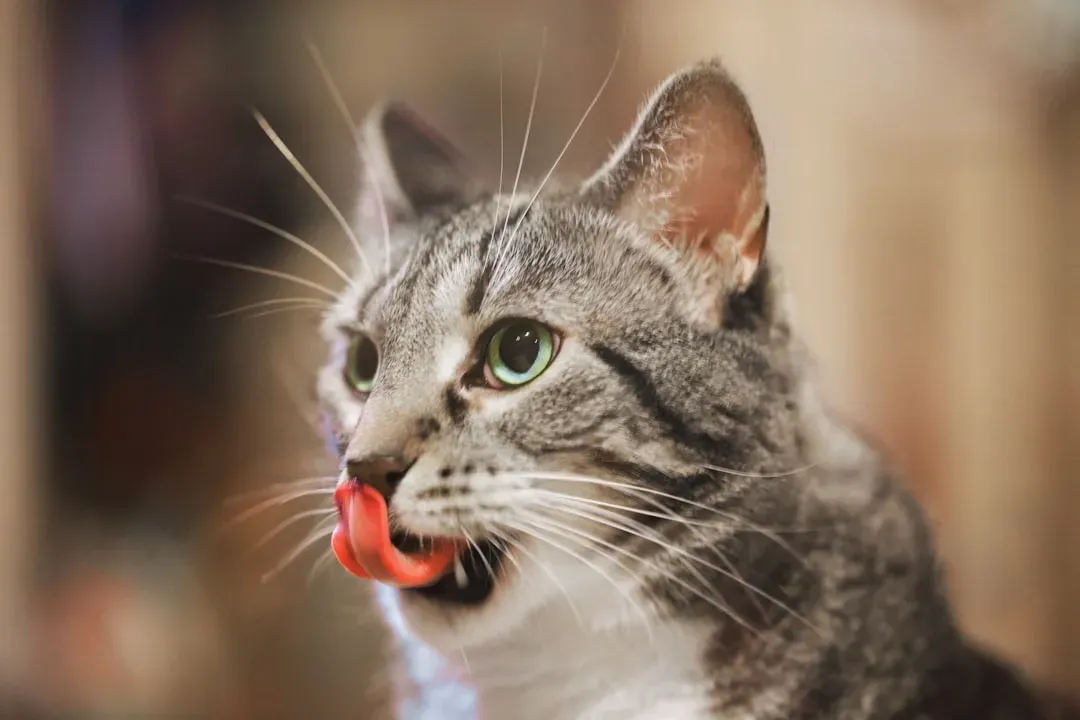
Humans have approximately 9,000 taste buds which distinguish among sweet, sour, bitter, salty, and meaty flavors, while cats only have about 480 taste buds which distinguish everything but sweet. This might sound like a disadvantage, though it actually makes perfect sense given their dietary needs.
They make up for this deficiency with a superior sense of smell, as their most powerful response to food is through smell, not taste. Cats can detect an additional compound that we cannot, called adenosine triphosphate, which supplies energy in every living cell and is thought to be a signal for meat. So while they taste less variety than you do, what they can taste is perfectly calibrated for their carnivorous lifestyle.
Their Fur Is a Sensory Organ
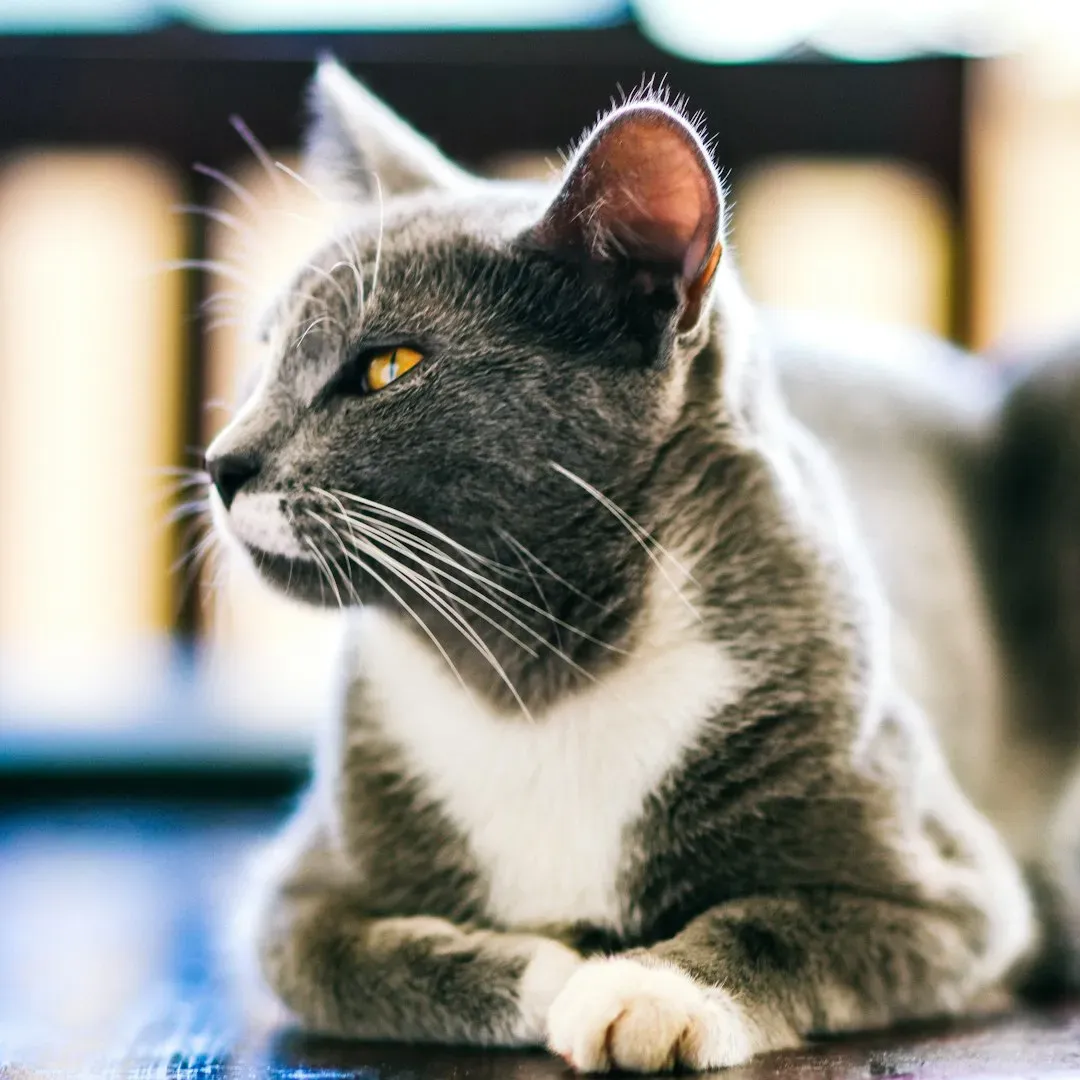
A cat’s fur itself contributes to a heightened sense of touch as it’s always picking up sensory information. Each hair has many nerve endings and evokes a very clear response from the nervous system, causing their heart rate to slow, their muscles to loosen and their body to relax. This is why petting feels so good to them.
From birth, touch is a primary source of affection for cats, and they will groom each other and lay against one another from a very young age. Your cat isn’t just tolerating your touch when they purr contentedly. Their entire coat is wired to pick up tactile information and respond to gentle contact. It’s one of their most fundamental ways of experiencing comfort and connection.
They Have a Protective Third Eyelid
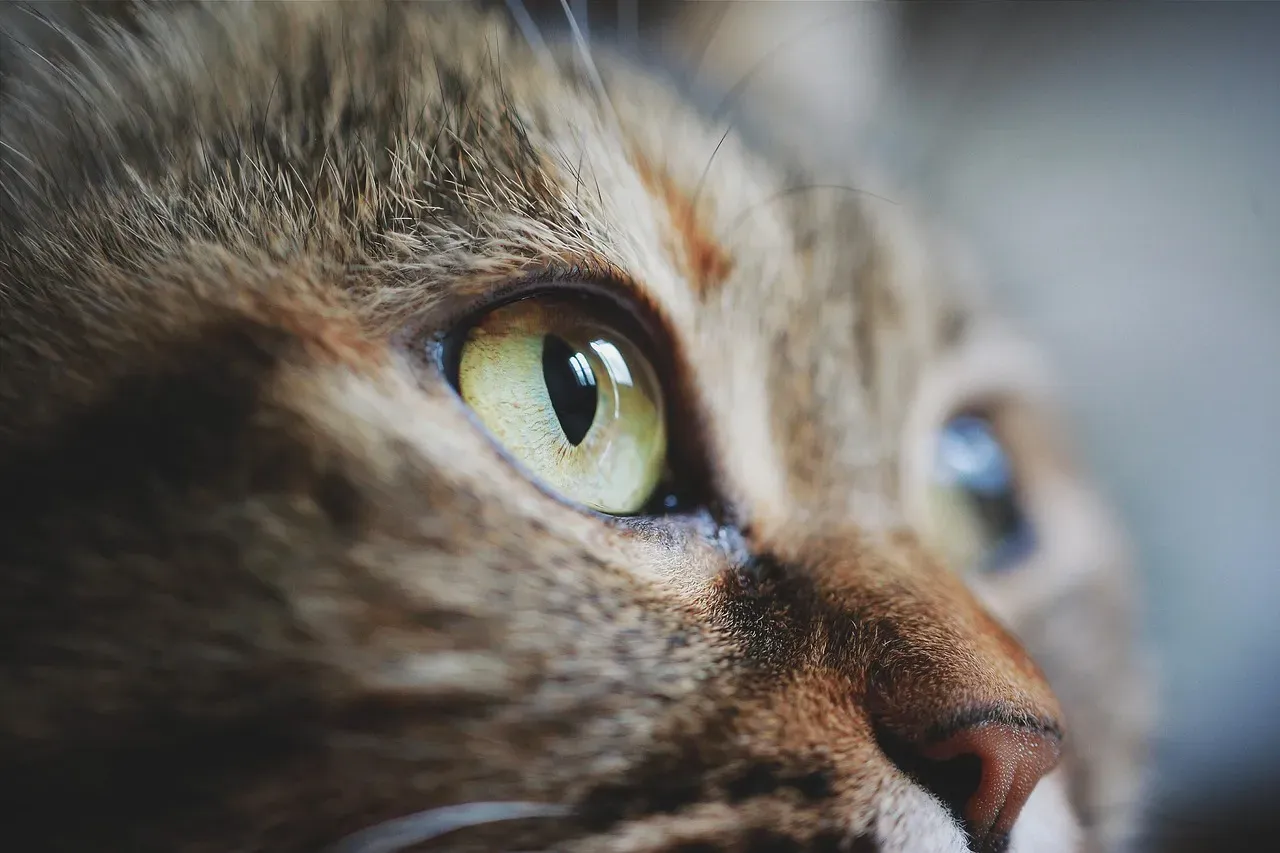
Cats have a third eyelid, the nictitating membrane, which is a thin cover that quickly closes from the side when the cat blinks, and this third eyelid extends upward to protect the eye from trauma, like when moving through tall grass or capturing prey. You’ve probably noticed this translucent membrane sliding across your cat’s eye occasionally.
This membrane partially closes if the cat is sick, although in a sleepy state this membrane is often visible. Unlike humans, cats do not need to fully blink their eyes on a regular basis to keep their eyes lubricated. This adaptation allows them to maintain constant visual contact with prey without the vulnerability of closing both eyes, even for a split second. Pretty clever, right?
Conclusion: A Hidden World Right in Front of You
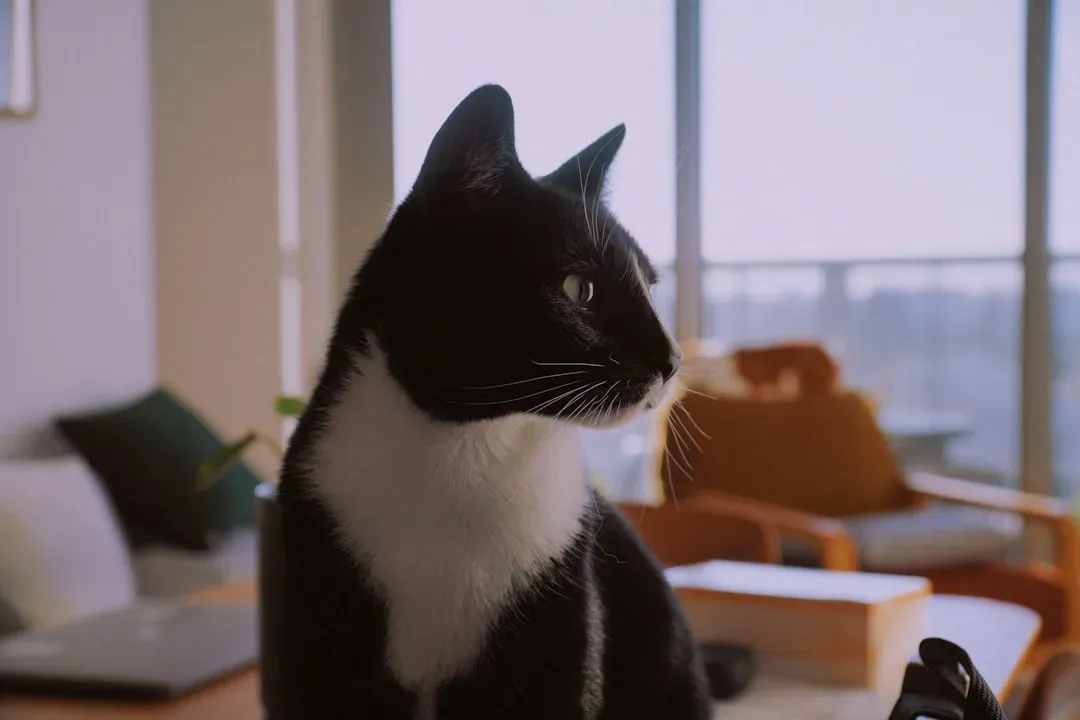
Your cat lives in a sensory universe that’s richer, stranger, and more complex than most people realize. They’re detecting ultrasonic mouse squeaks in the walls, seeing UV patterns on flowers, creating spatial maps with their whiskers, and analyzing pheromone messages you’ll never perceive. Every moment of every day, they’re processing information from a world that overlaps with yours yet remains fundamentally different.
These aren’t just fun facts to share at dinner parties. Understanding your cat’s extraordinary senses helps explain why they behave the way they do. That midnight zoomie session? They might be responding to sounds you can’t hear. That intense stare at a blank wall? They could be tracking movement in lighting conditions that leave you effectively blind. Their apparent pickiness about food? It’s all about smell and texture, not taste.
The next time your cat does something that seems odd or inexplicable, remember that they’re experiencing reality through senses that are, in many ways, superior to your own. What do you think surprises you most about your cat’s sensory abilities? Share your thoughts in the comments below.
Kristina is a young writer from India. An arts graduate and an avid content creator, Kristina is passionate about animals and wildlife. She enjoys exploring topics related to pet care, animal behavior, conservation, and nature, combining thorough research with engaging storytelling.