Have you ever stopped to watch your cat in mid-pounce and wondered what’s really happening in that furry little head? Maybe you’ve seen them crouching low, eyes locked on a toy mouse, tail twitching with intense focus before launching into the air. It’s easy to dismiss this as just another cute cat moment. Yet there’s something far more profound happening every time your feline friend engages in what looks like simple play.
Honestly, what appears to be innocent fun is actually a carefully orchestrated rehearsal for survival. Your cat’s leaps, pounces, and stalking maneuvers are ancient behaviors passed down through countless generations of wild ancestors. Even though your pampered house cat has never had to catch their own dinner, these instincts remain deeply embedded in their DNA. Let’s dive into the fascinating world of feline play and discover why every wiggle, every pounce, and every dramatic leap matters more than you might think.
The Ancient Hunter Hiding in Your Living Room
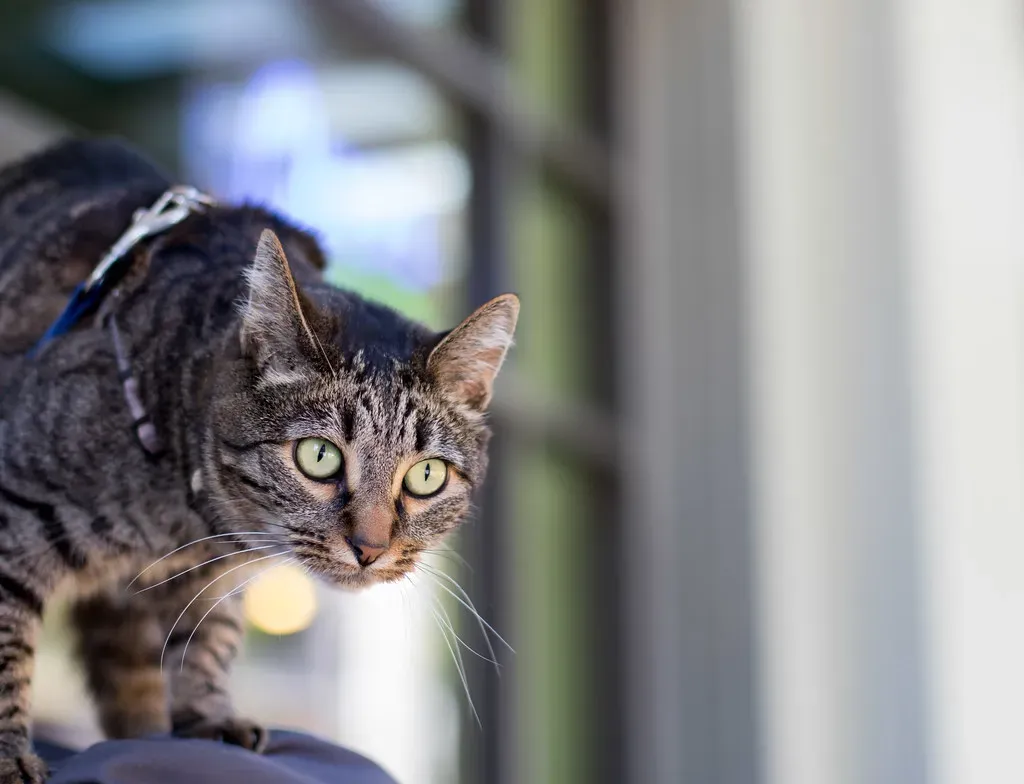
Your cat doesn’t need to be hungry to hunt, as the sound and sight of moving prey provides the stimulus to chase and capture, a behavior as natural to cats as purring. Think about that for a moment. Even when their food bowl is full, your cat’s eyes will still track that fluttering moth across the ceiling. It’s hard to say for sure, but this might be one of the most powerful instincts they possess.
Cats descended from wild hunters who stalked and pounced to survive, allowing them to get closer to their prey before pouncing while saving time and much-needed energy. Your domestic cat carries this legacy in every muscle, every reflex. When they’re batting at that crumpled piece of paper, they’re channeling thousands of years of predatory excellence.
Stalking Isn’t Sneaky, It’s Strategic
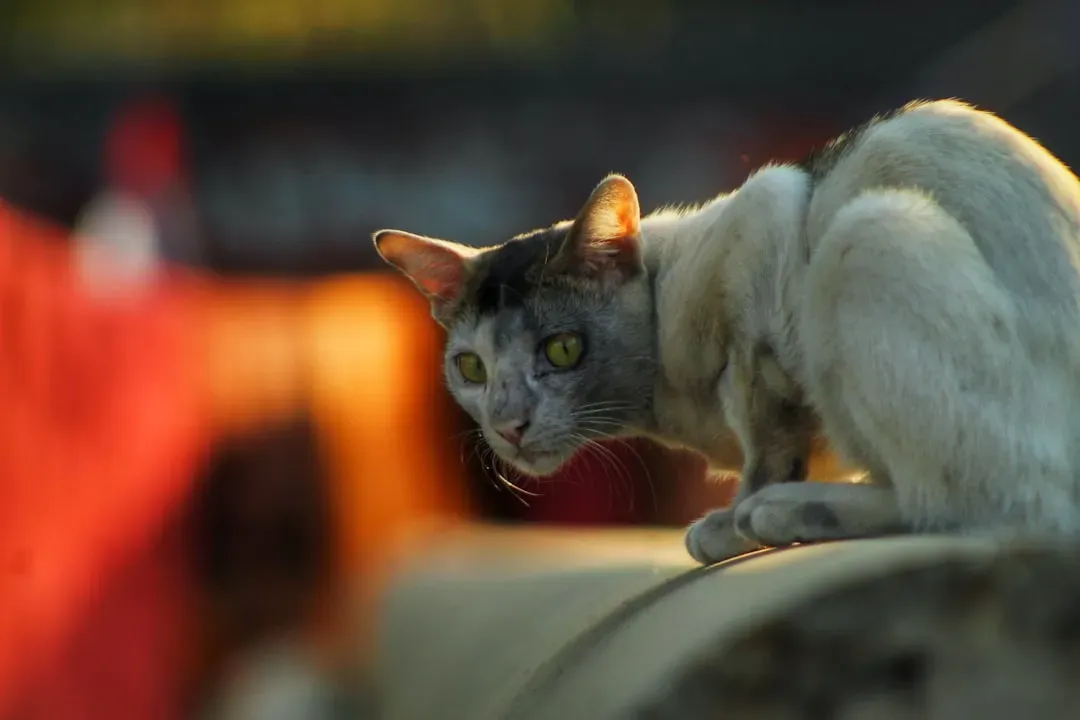
First, cats settle into their positions while preparing their back legs, then focus-stare on the object of their desire before beginning to wiggle their butts, which is an essential precursor for leaping forward impressively, allowing them to carefully observe their targets and adjust the energy they need to exert. That adorable butt wiggle you see? It’s actually a sophisticated calculation in progress. Your cat is essentially calibrating distance, angle, and force needed for a successful strike.
When cats are about to pounce, they’ll often crouch low to the ground and focus intently on their target while moving very slowly, inching ever closer to their intended victim to avoid detection. Stealth is everything in the hunting world. A wild cat that announces its presence doesn’t eat that day. Your indoor cat follows the same playbook, even though the worst-case scenario is missing a toy instead of missing dinner.
The Pounce Is Pure Precision Engineering
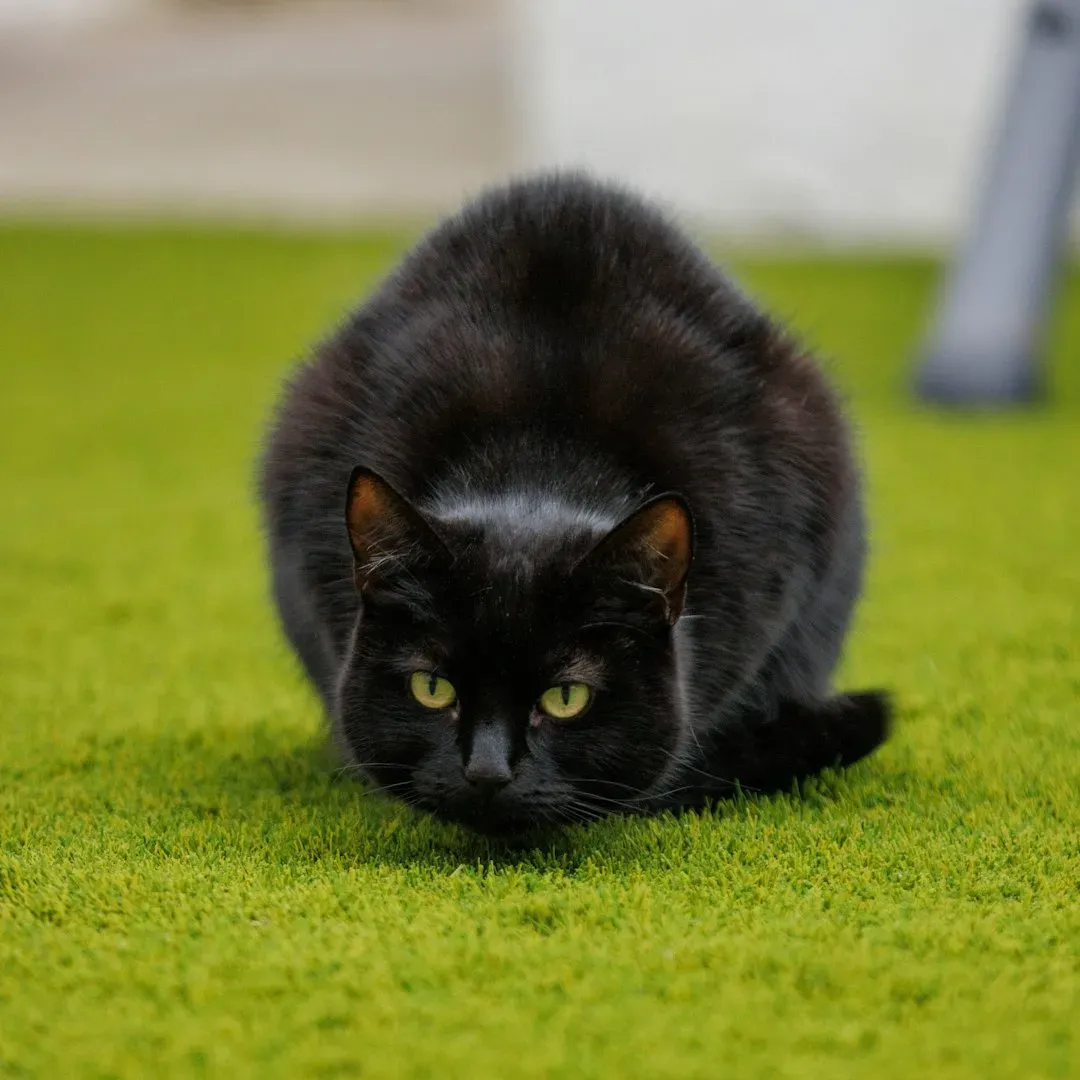
Let’s be real, watching a cat pounce is witnessing athleticism at its finest. Kittens begin practicing pouncing as early as six to seven weeks old, often by mimicking their mother, though their movements are often uncoordinated, requiring dedicated practice to improve their pounce while relying on older cats to demonstrate proper hunting behaviors such as stalking, crouching, and pouncing. It’s basically kitten boot camp, but cuter.
Wiggling and adjusting their back end helps ground them to get a good leap, while cats size up their target and adjust the force needed to have a solid pounce and take down the prey. Every single pounce is a physics problem being solved in real-time. Your cat is factoring in weight, distance, and trajectory faster than most of us can decide what to have for lunch.
Play Fighting Teaches Real-World Combat Skills
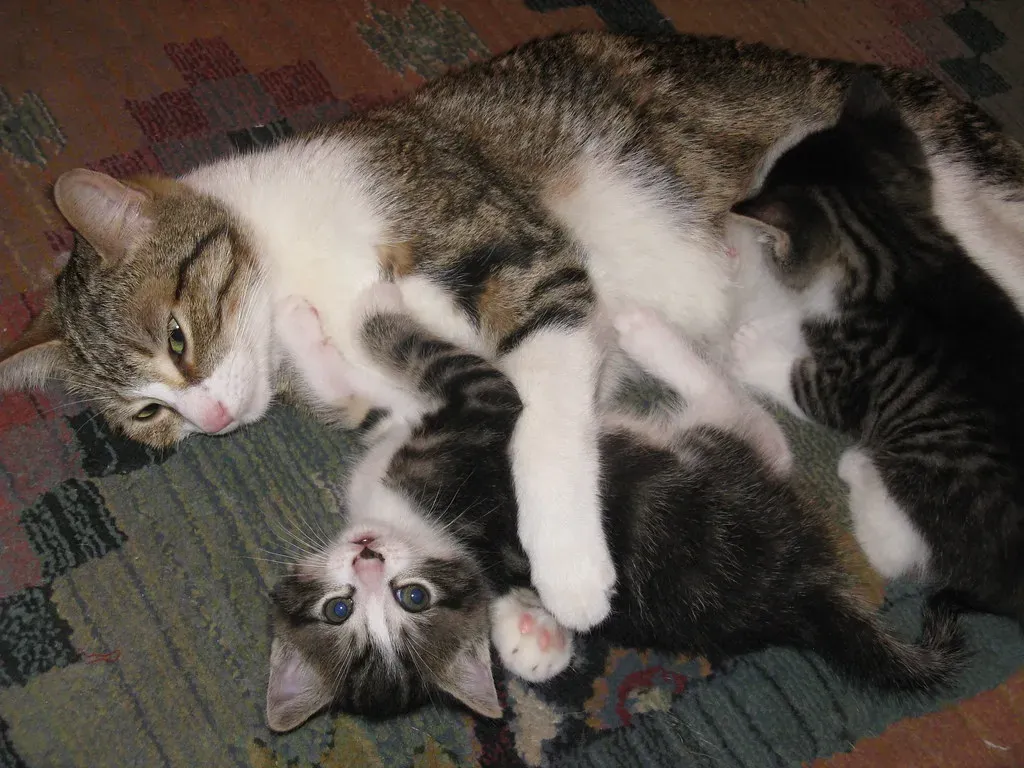
Social play is a pleasurable reciprocal interaction that affords both individuals the opportunity to obtain important social skills which can be used later on in life, while object play, locomotor, and self-play are pleasurable activities that facilitate the development of future behavioral skills. When kittens wrestle with their siblings, they’re not just burning energy. They’re learning boundaries, developing coordination, and understanding the give-and-take of physical interaction.
Through play with each other, young cats learn to inhibit their bites and sheathe their claws when swatting, though the degree to which individual cats learn to inhibit their rough play varies, and those who were orphaned or weaned early might never have learned to temper their play behavior. This explains why some cats play rougher than others. Early-weaned kittens essentially missed crucial lessons in the art of gentle combat.
Coordination Develops One Leap at a Time
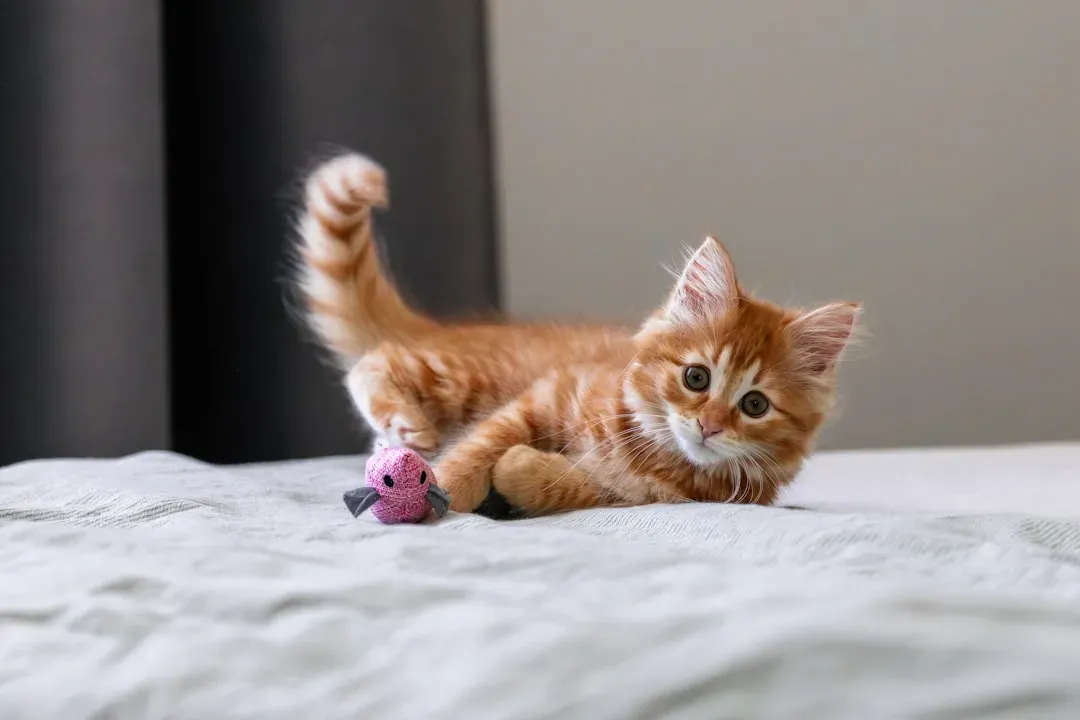
Kittens are programmed from birth to chase, and through play they develop the coordination and timing needed to successfully capture their target while learning to adjust their speed to the speed of moving objects, gauge distance by pouncing, and make judgments by experience. Here’s the thing: cats aren’t born with perfect aim. That laser-focused hunter you see today spent weeks as a kitten miscalculating jumps and face-planting into furniture.
These playful attacks help kittens refine their coordination and learn how to gauge distance and timing, and as they grow, this playful behavior becomes more refined. Practice genuinely makes progress, if not quite perfection. Every failed pounce is a data point, every successful catch builds confidence and muscle memory.
The Hunt Sequence Is Hardwired Into Their Brain
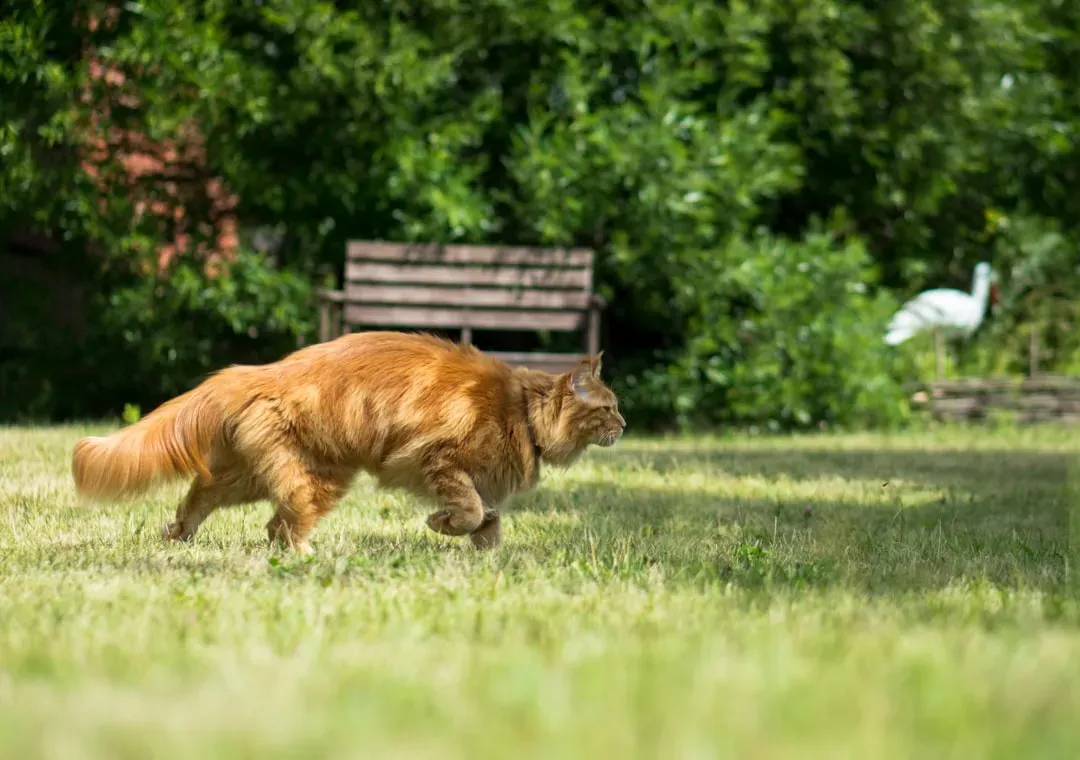
Playing helps them practice stalking, pouncing, leaping, chasing, batting, swatting, grabbing and biting, which are all skills normally needed for survival. Each of these movements flows naturally from one to the next, like a choreographed dance your cat knows by heart. Watch closely next time, you’ll see the same pattern repeat regardless of whether they’re hunting a feather toy or an unfortunate dust bunny.
When a cat detects potential prey, the predatory sequence of behaviors starts with silent stalking, watching and waiting for the perfect moment to strike, with the rear end wobbling from side to side and tail twitching, before finally sprinting toward the prey and striking it with front paws, then delivering a killing bite at the back of the neck to sever the spinal cord. It sounds brutal when described this way, yet it’s simply nature’s programming. Your cat can’t help following this script any more than you can help blinking when something flies toward your face.
Mental Stimulation Prevents Behavioral Problems
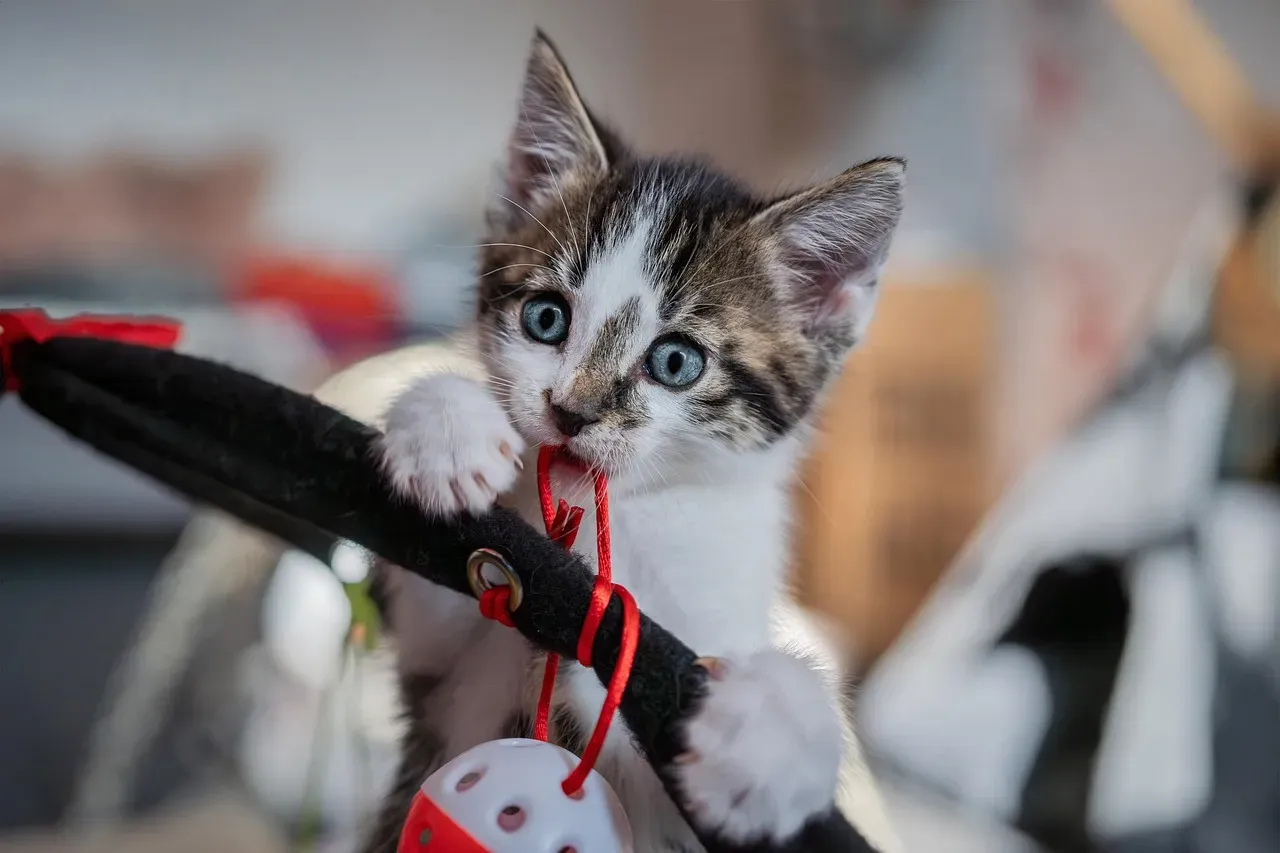
Indoor cats live safer, longer lives but miss out on natural hunting opportunities, which is why interactive play is so important as it provides exercise, prevents boredom, and helps reduce unwanted behaviors like scratching furniture or nighttime zoomies. Ever been woken up at three in the morning by a cat racing through your bedroom? That’s pent-up hunting energy with nowhere to go.
If the urge to stalk and pounce isn’t satisfied, cats can all too easily become bored, frustrated, depressed and lethargic, and worse still, a bored, frustrated cat may even use their claws on you in an effort to fulfill their innate desire to hunt prey. Boredom in cats doesn’t just mean a lazy lump on the couch. It can manifest as aggression, destructiveness, or anxiety. Play is essentially preventive medicine for the feline mind.
Confidence Building Through Successful “Hunts”
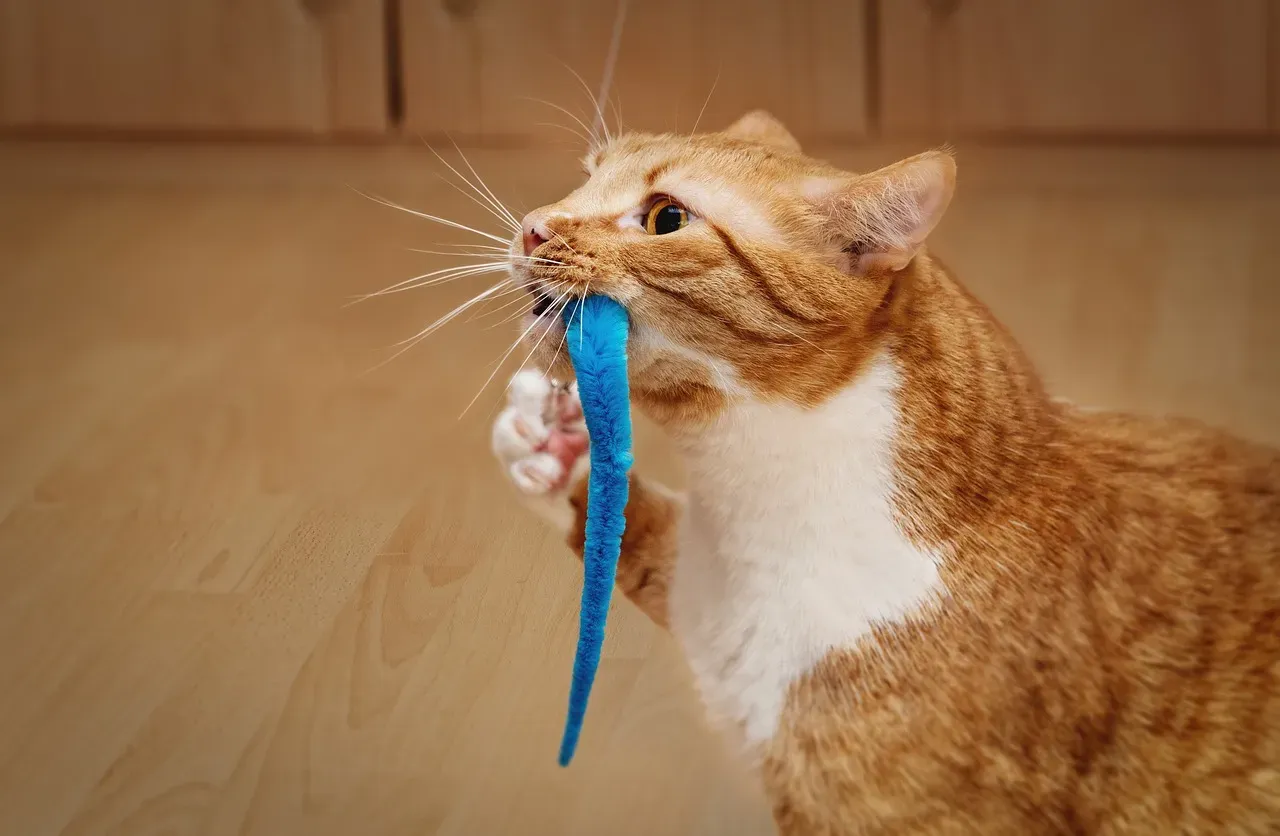
When a cat is able to stalk, capture, and kill the toy, they relieve stress and feel more confident. There’s something deeply satisfying for your cat about completing that full hunting sequence. It’s not just physical exercise but psychological fulfillment. Imagine going through all the motions of accomplishing something important but never actually finishing. Frustrating, right? That’s what happens when play doesn’t include those successful captures.
Executing a series of successful stalk, pounce, and capture maneuvers is satisfying to cats, reduces stress and may build confidence in shy and picked-on individuals. For cats lower in the household hierarchy or those naturally timid, play provides a safe space to feel competent and powerful. It’s their chance to be the apex predator they were always meant to be, even if only against a feather on a string.
Adult Cats Never Really Stop Being Kittens
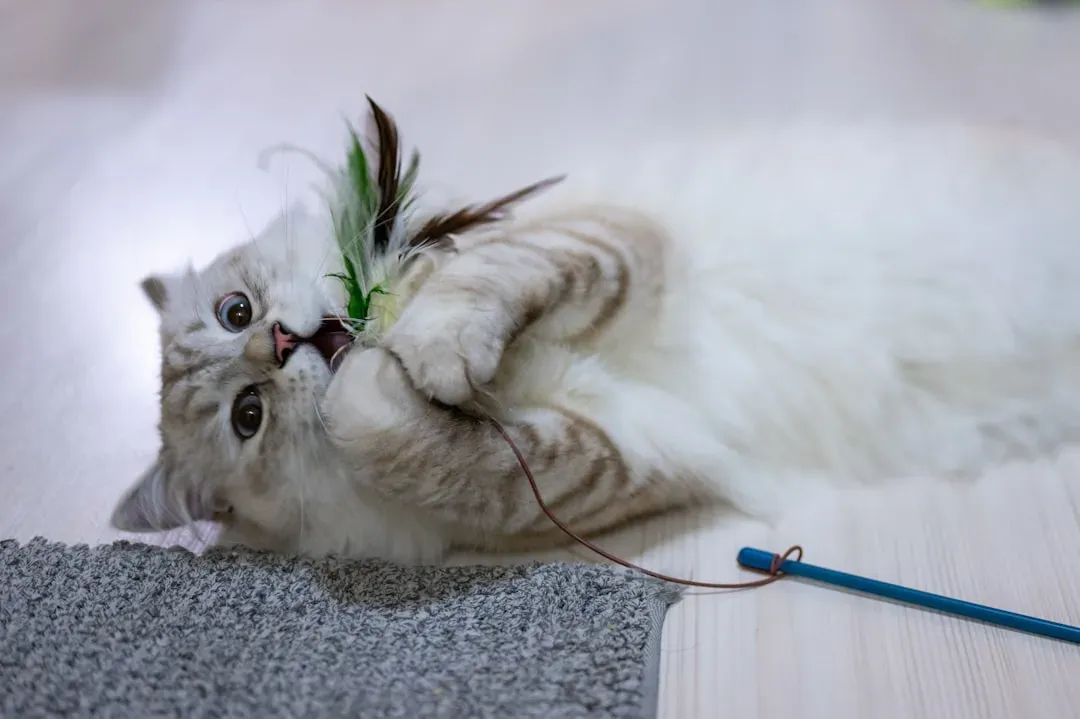
Higher cat playfulness scores and a greater number of games played were significantly associated with higher cat quality of life scores, while behavioral changes associated with distress in cats were reported when play was absent, suggesting play may be an important factor in assessing and maintaining cat welfare. Your thirteen-year-old cat still wants to play. They might be more selective about when and how, yet that playful kitten lives inside them still.
Kittens use play to develop coordination and social skills, and as cats mature, play evolves from rough-and-tumble wrestling to more refined stalking and pouncing, while adult cats use play to relieve boredom, stay fit, and strengthen their bond with you. The play style changes with age, becoming less frantic and more focused, but the need remains constant. Senior cats especially benefit from gentler play sessions adapted to their mobility and energy levels.
What Does This Mean for You and Your Cat?
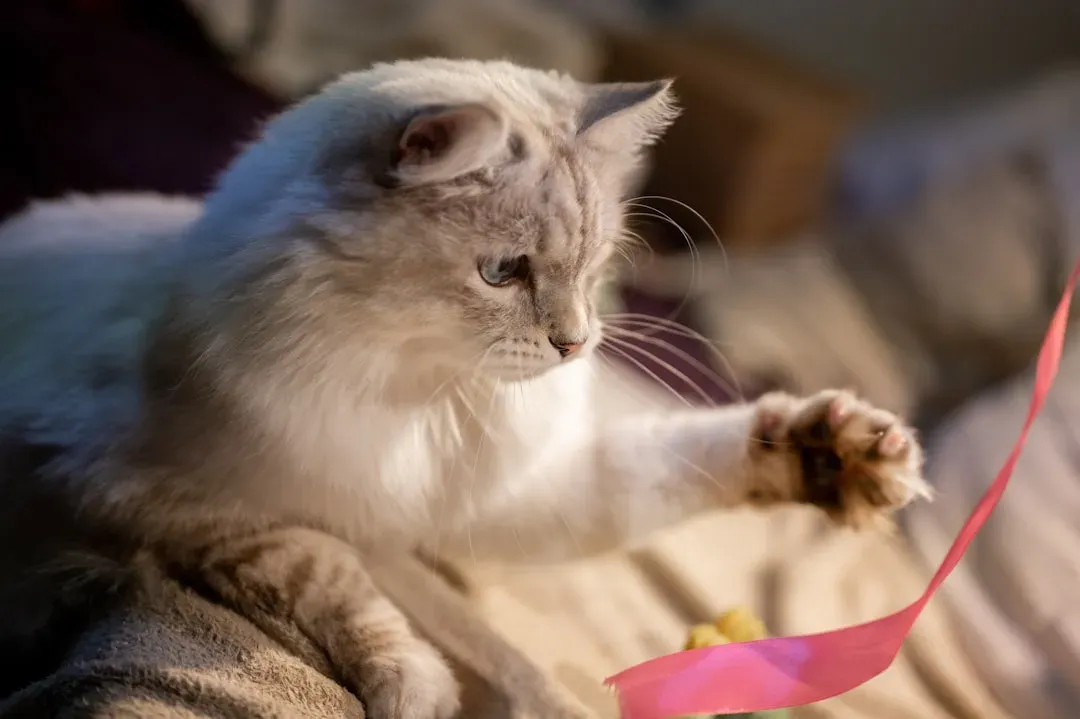
Understanding that your cat’s play is practice for essential life skills changes how you approach their enrichment needs. Those few minutes you spend dragging a feather toy across the floor aren’t just entertainment. You’re helping your cat fulfill deep biological needs, maintain physical fitness, exercise their brain, and experience the satisfaction of a successful hunt.
Interactive play with humans satisfies hunting instincts but also reinforces trust and affection. When you play with your cat, you become part of their world in a meaningful way. You’re not just a food dispenser or a warm lap. You’re a hunting companion, helping them practice the skills their ancestors needed to survive. What do you think about your cat’s play behavior now? Tell us in the comments.
Kristina is a young writer from India. An arts graduate and an avid content creator, Kristina is passionate about animals and wildlife. She enjoys exploring topics related to pet care, animal behavior, conservation, and nature, combining thorough research with engaging storytelling.