You’ve probably been jolted awake at 3 AM by the sound of your cat racing through the hallway like a tiny, furry rocket. Or maybe you’ve woken up to find your feline friend staring directly at your face, meowing insistently for reasons you can’t quite decipher. These midnight antics might seem random, chaotic even, but here’s the thing: they’re not. Your cat’s nighttime behavior follows patterns that have been etched into their DNA over thousands of years. Once you understand what drives these seemingly bizarre habits, you’ll realize that your cat isn’t being unpredictable at all. They’re simply following an ancient script written by nature itself. So let’s dive into the fascinating world of feline nighttime behavior and discover why your cat does what it does when the lights go out.
Your Cat Isn’t Actually Nocturnal
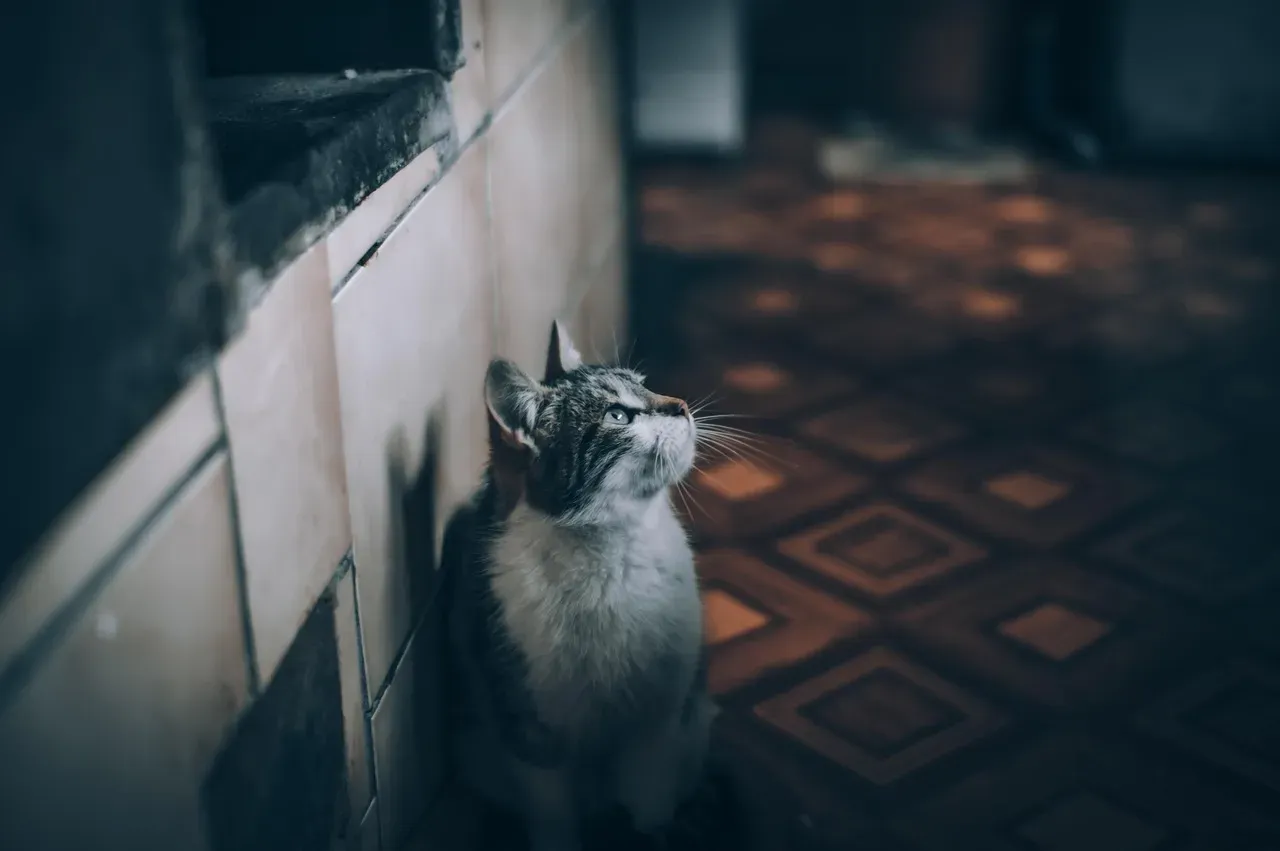
Cats are crepuscular, which means they are most active at dawn and dusk. This is one of the most misunderstood facts about feline behavior. While it might seem like your cat prowls around all night long, they’re actually programmed to be most energetic during twilight hours.
Cats evolved to hunt at dusk and dawn because birds and mice are very active during these times, and cats developed the ability to see in low-light conditions. Your indoor cat doesn’t need to catch dinner anymore, but their internal clock hasn’t gotten the memo. While cats aren’t truly nocturnal, they follow a crepuscular rhythm with more activity during low-light hours, then sleeping during the middle of the night and day.
This natural rhythm is why your cat might wake you up just before sunrise or start zooming around the house right as you’re settling in for the evening. It’s not personal. They’re just following millions of years of evolutionary programming.
The Midnight Zoomies Have a Real Purpose
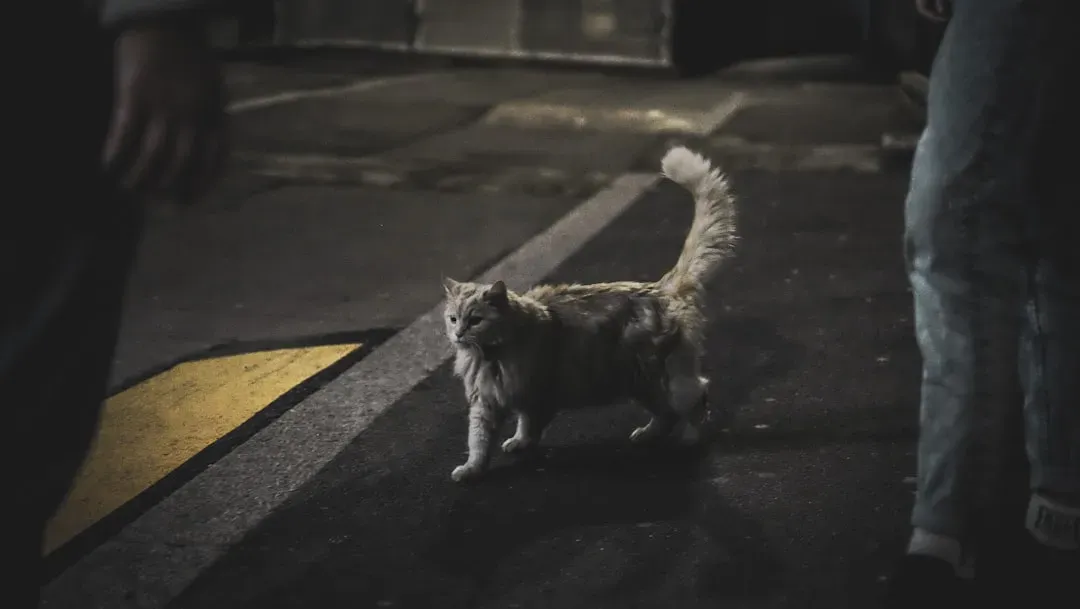
The zoomies are sudden bursts of hyperactivity that often include frenzied running, pouncing, bopping, and even excessive meowing seemingly out of nowhere. Scientists actually have a fancy name for this: Frenetic Random Activity Periods, or FRAPs. Sounds way more official when you put it that way, doesn’t it?
Zoomies are a form of instinctual play behavior that serve as an outlet for pent-up energy and satisfy your cat’s predatory instincts. Think about it. Your cat spends roughly 13 to 16 hours a day sleeping. All that rest means they’ve got energy reserves just waiting to explode.
Cats sleep for an average of 13 to 14 hours a day, which leaves plenty of stored energy for when they’re awake, and if they haven’t expended enough energy during the day, they may have zoomies at night. The solution? Tire them out before bedtime with interactive play sessions that mimic hunting behavior. Your feet will thank you.
That Insistent Meowing Isn’t Just for Attention
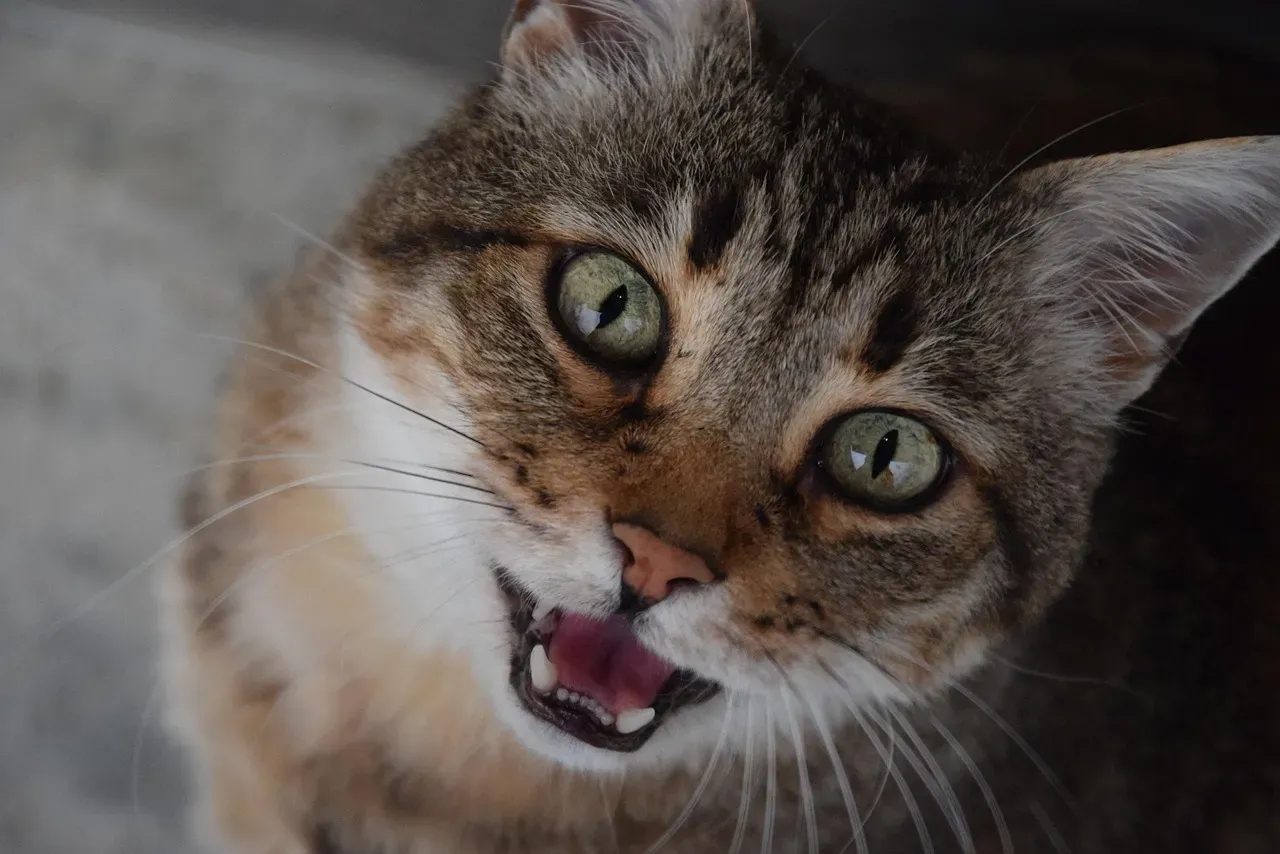
Your cat’s crying at night may be connected to the fact that they are naturally more active at certain hours, and while cats aren’t strictly nocturnal, they are crepuscular, meaning they are most active at dusk and dawn, which can make them especially active in the early morning hours when the house is asleep. Your cat’s meowing might sound like they’re just being needy, but there’s usually a reason behind it.
Cats cry at night for attention, hunger, boredom, or discomfort, and sometimes cat crying might indicate stress or health issues. It’s their way of communicating that something isn’t quite right. Maybe their water bowl is empty, or perhaps they’re genuinely hungry because their feeding schedule doesn’t align with their natural activity peaks.
Nocturnal meowing may be a sign that your cat is ravenous and wants food, and one way around this is to feed your cat later in the evening, just before bedtime. Sometimes the simplest solutions are the most effective. A well-timed meal can work wonders for everyone’s sleep schedule.
Their Hunting Instinct Never Sleeps
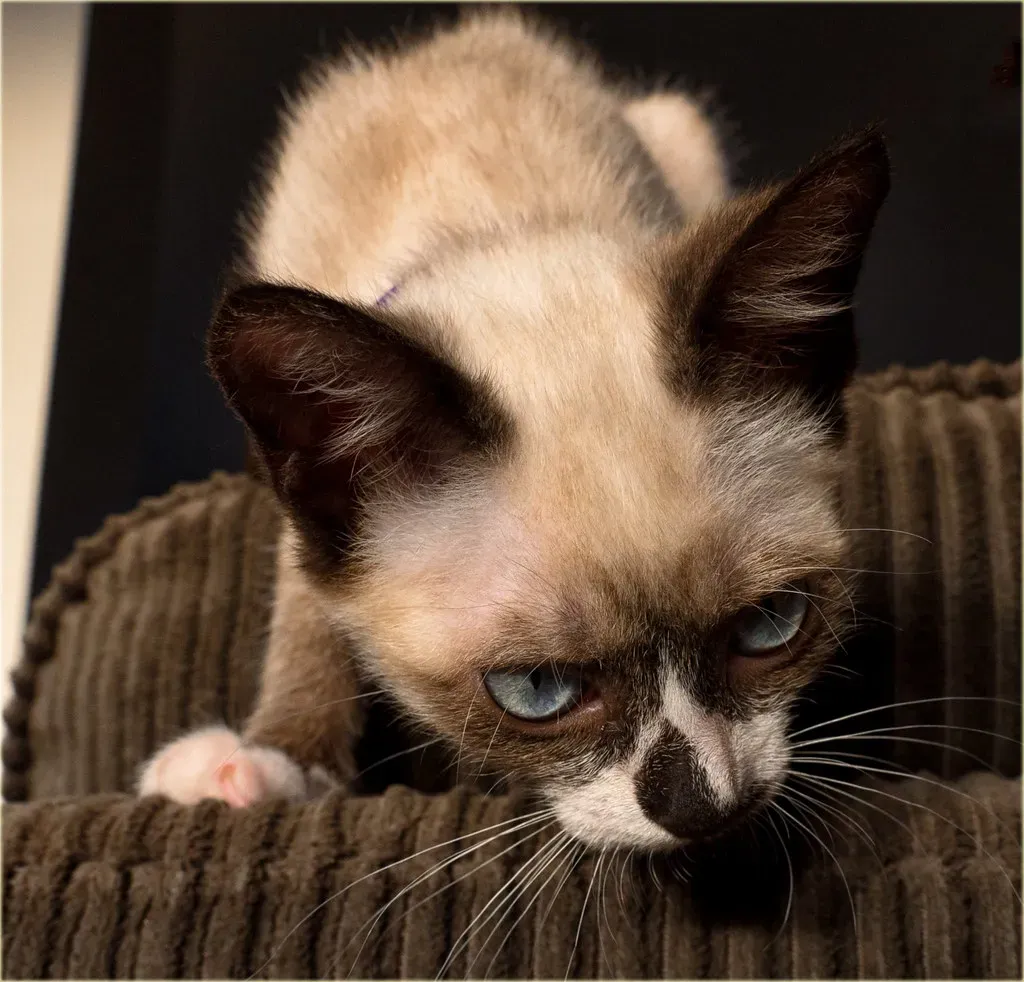
Although hunting is no longer required of the majority of cats, it remains a permanent part of their lives, and the hunting instinct is one of the most distinctive behavioral patterns in cats that is not governed by hormones and does not diminish after neutering. Your cat’s ancestors were solitary hunters who had to catch multiple small prey animals each day to survive. That drive is still there.
Cats need to make several kills per day to meet their energy needs, and without supplementary food from a caregiver, cats can make as many as 10 to 20 kills every day. Even though your pampered house cat has a full food bowl, their brain is still wired to hunt. This is why they stalk toys, pounce on your toes under the blanket, and bring you “gifts” that you’d rather not receive.
Interactive play that mimics hunting sequences can satisfy this instinct. Let your cat chase, pounce, and “capture” toys. It’s not just entertainment for them, it’s a biological necessity.
Routine Is Everything to Your Feline
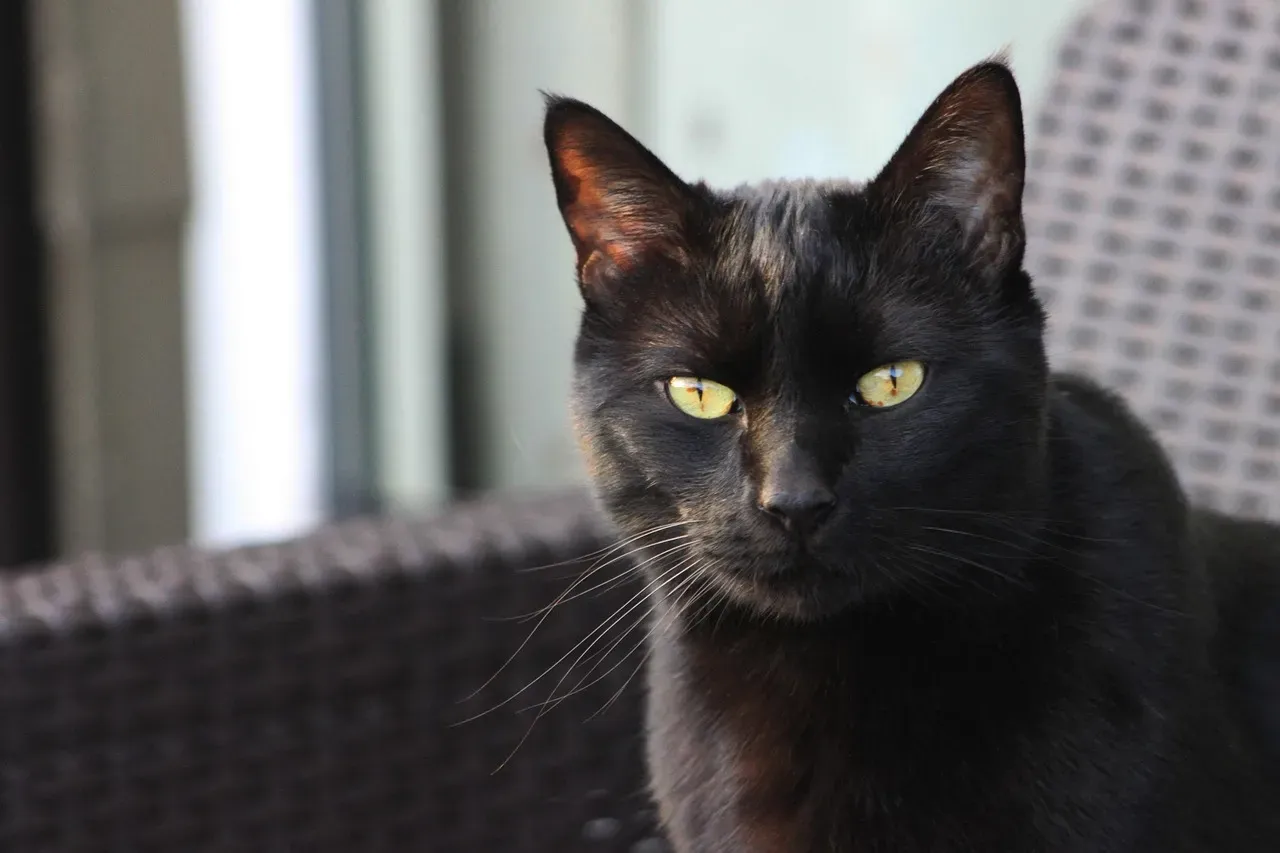
Cats are creatures of habit who tend to wake their owners up about the same time each morning because they want to be fed, and cats have a good internal clock and know when their owners are getting up, leaving for work, and coming home again. If you’ve ever wondered how your cat knows exactly when it’s dinner time, this is why.
A consistent routine can help regulate your cat’s sleep patterns by aligning them with predictable daily activities, such as meals, playtime, and quiet hours. Cats thrive on predictability. When you feed them at the same time every day, play with them on a regular schedule, and go to bed at consistent hours, their behavior becomes more predictable too.
This is actually good news for you. Once you establish a routine that works with your cat’s natural rhythms rather than against them, those 3 AM wake-up calls start to fade. Consistency isn’t just for training dogs, it’s equally powerful with cats.
Nighttime Is Prime Hunting Hour in the Wild
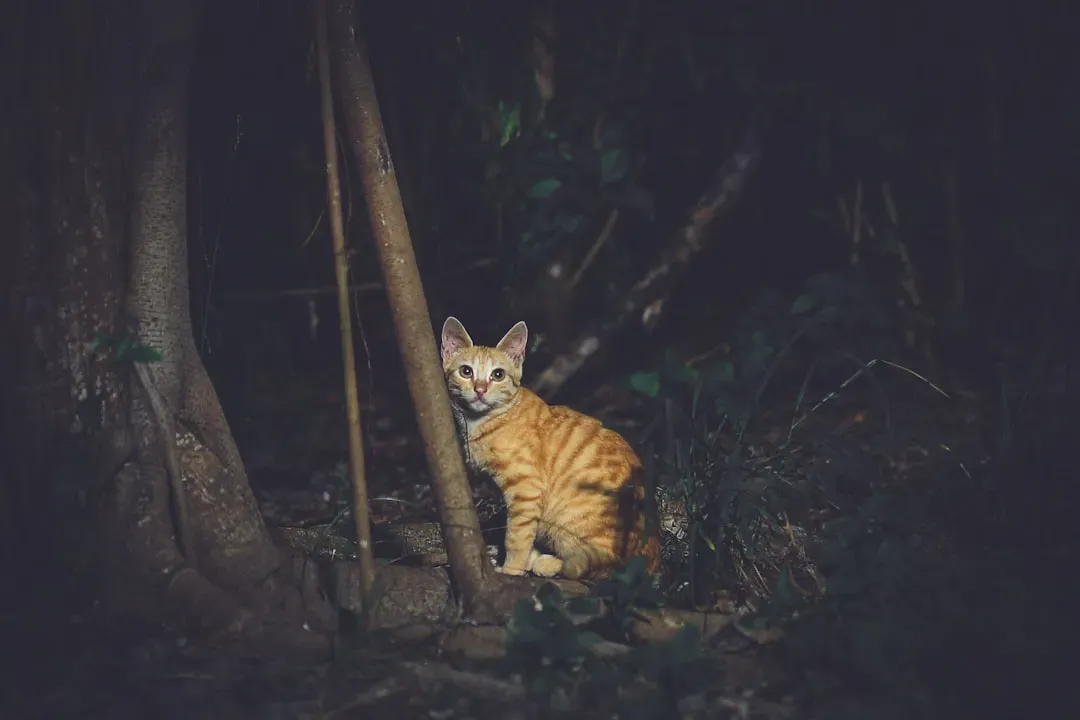
Cats are crepuscular hunters, and small movements in bed can trigger chase mode, especially during late evening and early morning. This explains why your cat might suddenly attack your feet under the covers just as you’re drifting off to sleep. They’re not being malicious; their predator brain just kicked into gear.
Cats’ activity at night is driven by their natural hunting instincts, as many of their prey species, such as rodents, tend to be more active at night, which is why cats are more inclined to play and hunt during nighttime hours. In the wild, this would be the perfect time to catch dinner. Your domestic cat might not need to hunt, but evolution hasn’t caught up with modern living arrangements yet.
You can work with this instinct rather than against it. Schedule an intense play session about an hour before bedtime, mimicking a successful hunt. Let your cat chase a wand toy, pounce, and “kill” it. Follow this with a small meal. This sequence, hunt, catch, eat, groom, sleep, mirrors what would happen in nature and can help your cat settle down for the night.
Sleep Patterns That Make Perfect Sense
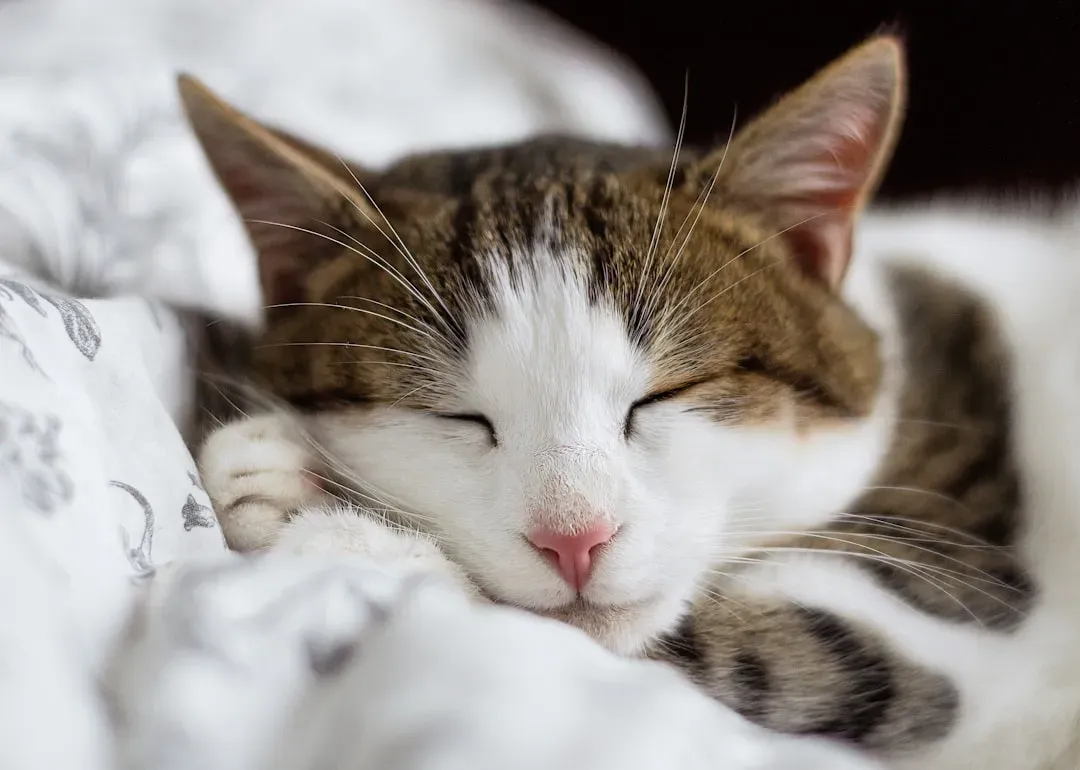
Cats often rest in preparation for short bursts of very intense activity, and when sleeping, they do so in short bursts in between waking moments, which is drastically different from humans who typically sleep several hours straight. Your cat’s sleep cycle is fundamentally different from yours, and understanding this can save you a lot of frustration.
Cats tend to nap during the day and become active once the sun begins to set, and they will also sleep at night once it’s very dark. This means your cat is likely awake during parts of the night, but that doesn’t necessarily mean they’re being disruptive. They might simply be quietly patrolling their territory or grooming themselves.
Your cat will probably be active at different points in the night, and you’ll see evidence of this the next morning when you find their toys spread throughout the house. Those mysterious toy migrations? That’s your cat having a solo play session while you were sleeping. Honestly, it’s kind of cute when you think about it.
Energy Management Is Key

Most house cats have an enormous amount of energy that is pent up during the day and needs to be released, and this combined with their nocturnal instincts to hunt during the night may wreak havoc on your sleep. If your cat doesn’t get enough physical and mental stimulation during the day, all that energy has to go somewhere, and it usually comes out at night.
Making time for regular sessions of interactive play early in the evening is important because cats will sleep all day if allowed, and many cats enjoy cat teasers, playing fetch, or chasing toys. Even just 10 to 15 minutes of dedicated play can make a huge difference. The key is consistency and timing.
Interactive toys like feather wands, laser pointers, or even crumpled paper balls can provide the mental stimulation your cat craves. Puzzle feeders are another excellent option, making your cat work for their food, which mimics the challenge of hunting. A tired cat is a cat who’s more likely to sleep through the night.
Understanding Leads to Harmony
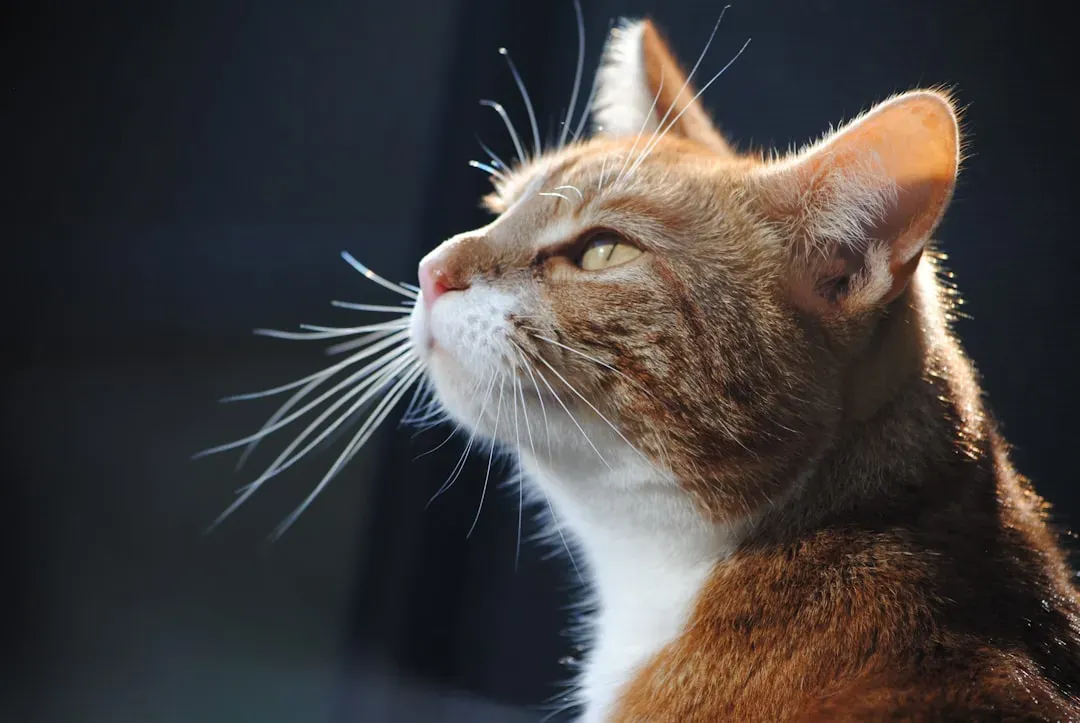
Cats that feel secure in their environment are more likely to relax and follow a predictable sleeping routine. The secret to peaceful nights isn’t trying to force your cat into a human schedule, it’s about creating an environment where their natural behaviors are satisfied in ways that don’t disrupt your sleep.
Cats not only get used to routines but depend on them to feel secure and happy, and by understanding cat psychology and the importance of predictability, you can create an environment where your feline companion thrives through consistent feeding schedules and recognizing how routines influence their sleep patterns. When your cat knows what to expect and when to expect it, anxiety decreases and behavior becomes more manageable.
The truth is, your cat’s nightly habits aren’t mysterious at all once you understand the biology and instincts driving them. They’re simply being cats, following patterns that have kept their species alive for millennia. By working with these patterns instead of fighting them, you can create a household where both you and your cat get the rest you need. Who knows? You might even start to appreciate those predictable quirks that make your feline friend uniquely theirs. After all, life would be pretty boring without a little midnight chaos now and then.
Kristina is a young writer from India. An arts graduate and an avid content creator, Kristina is passionate about animals and wildlife. She enjoys exploring topics related to pet care, animal behavior, conservation, and nature, combining thorough research with engaging storytelling.