You’ve probably heard people say cats are cold, distant, or impossible to read. Maybe you’ve even questioned whether your own feline friend actually cares about you at all. Here’s the thing though: cats do love. They just don’t shout it from the rooftops the way dogs might.
Their affection lives in a secret code, an intricate dance of gestures, glances, and quiet behaviors that speak volumes if you know where to look. It’s easy to miss these signs if you’re not paying attention. Yet once you crack the code, you’ll start noticing that your cat has been telling you how much you mean to them all along. Ready to discover what your furry companion has been saying without words? Let’s dive in.
The Slow Blink Is Their Version of a Kiss
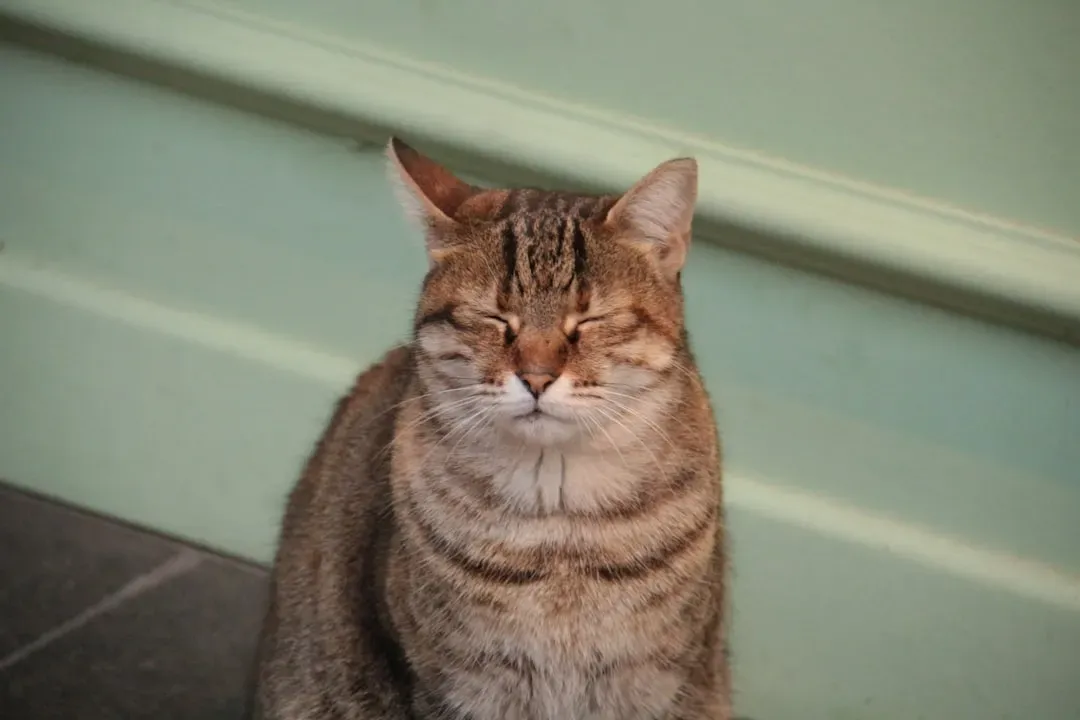
When your cat slowly blinks at you, it’s often called a “cat kiss”, and honestly, it’s one of the sweetest things they can do. Slow blinking is your cat’s way of telling you that they trust and are comfortable around you. Think about it: closing their eyes, even for a moment, makes them vulnerable. In the animal world, that’s a massive sign of trust.
When you’re present and your cat makes himself vulnerable by closing his eyes, you have officially made it inside your pet’s circle of trust. You can actually return this gesture. Try looking at your cat and slowly closing your eyes, pausing for a second, then opening them again. Research has shown that a cat will even approach a stranger if they are on the receiving end of a slow blink, and if you slow blink at your cat, it’s a great way to solidify your bond.
Not every cat is a slow blinker, though. Some prefer showing love in other ways, like purring on your lap or following you around. If your cat doesn’t slow blink, don’t take it personally.
Kneading Means You’re Their Safe Space
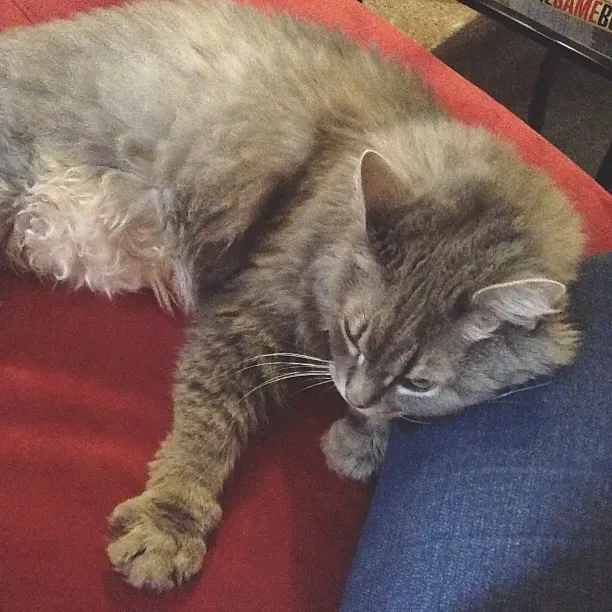
Have you ever noticed your cat pushing their paws rhythmically into your lap, almost like they’re making tiny biscuits? Kittens knead their mother’s mammary glands to stimulate milk flow, and adult cats associate kneading with the deep comfort of nursing. When they knead you, they’re reliving that warm, safe feeling from kittenhood.
Scientists who study cat behavior call this distinctive paw action “kneading” and believe it to be a sign of a relaxed cat. Your cat is basically saying, “I feel completely at ease with you.” If your cat climbs onto your lap and starts making biscuits while purring, they are showing that they feel completely relaxed and happy in your presence.
Sure, those claws can be a bit sharp sometimes. Keep a blanket nearby if you need to protect your legs. The gesture itself, however painful it might get, is pure feline affection. When a cat is kneading or pawing, it means he or she is happy and content.
The Tail Held High Is Their Happy Flag
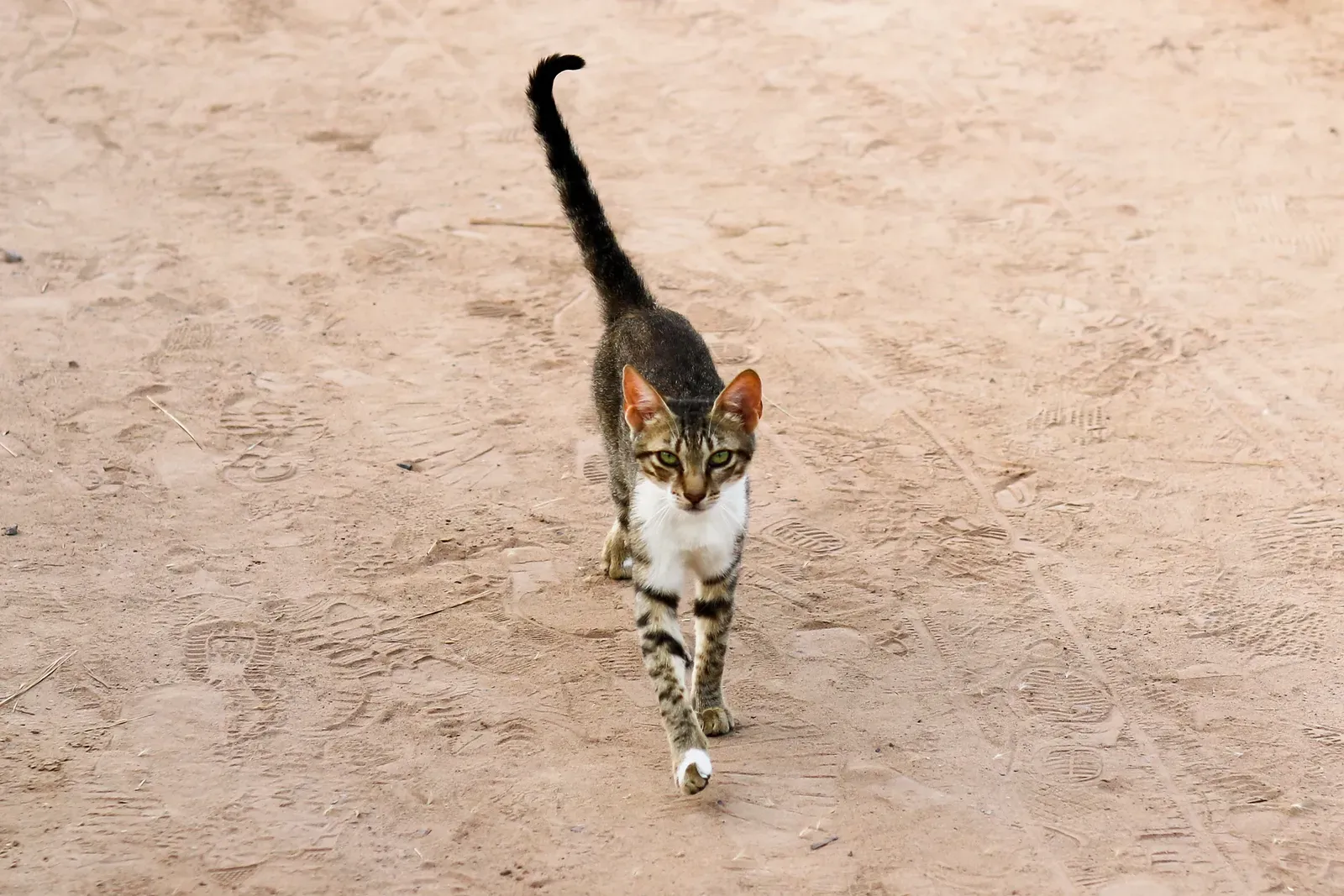
When a cat’s tail is upright, they are feeling social and confident, and are approaching in a friendly manner. Picture your cat walking toward you with their tail standing straight up like a little flagpole. That’s cat language for “Hey, I’m happy to see you!”
Sometimes the tail has a slight curve at the tip, almost like a question mark. “Question mark tail” is a pro-social behavior, like walking up to another person with a huge smile on your face and your arms open wide. It’s an invitation to interact, to play, or just to hang out together.
On the flip side, watch out for a tail that’s thrashing or thumping on the ground. When your cat thrashes their tail, they are irritated, annoyed, or angry, and if you are petting your cat and they start thrashing their tail, they are trying to tell you to stop. Respecting that signal prevents scratches and keeps trust intact.
Head Bunting Is Marking You as Family
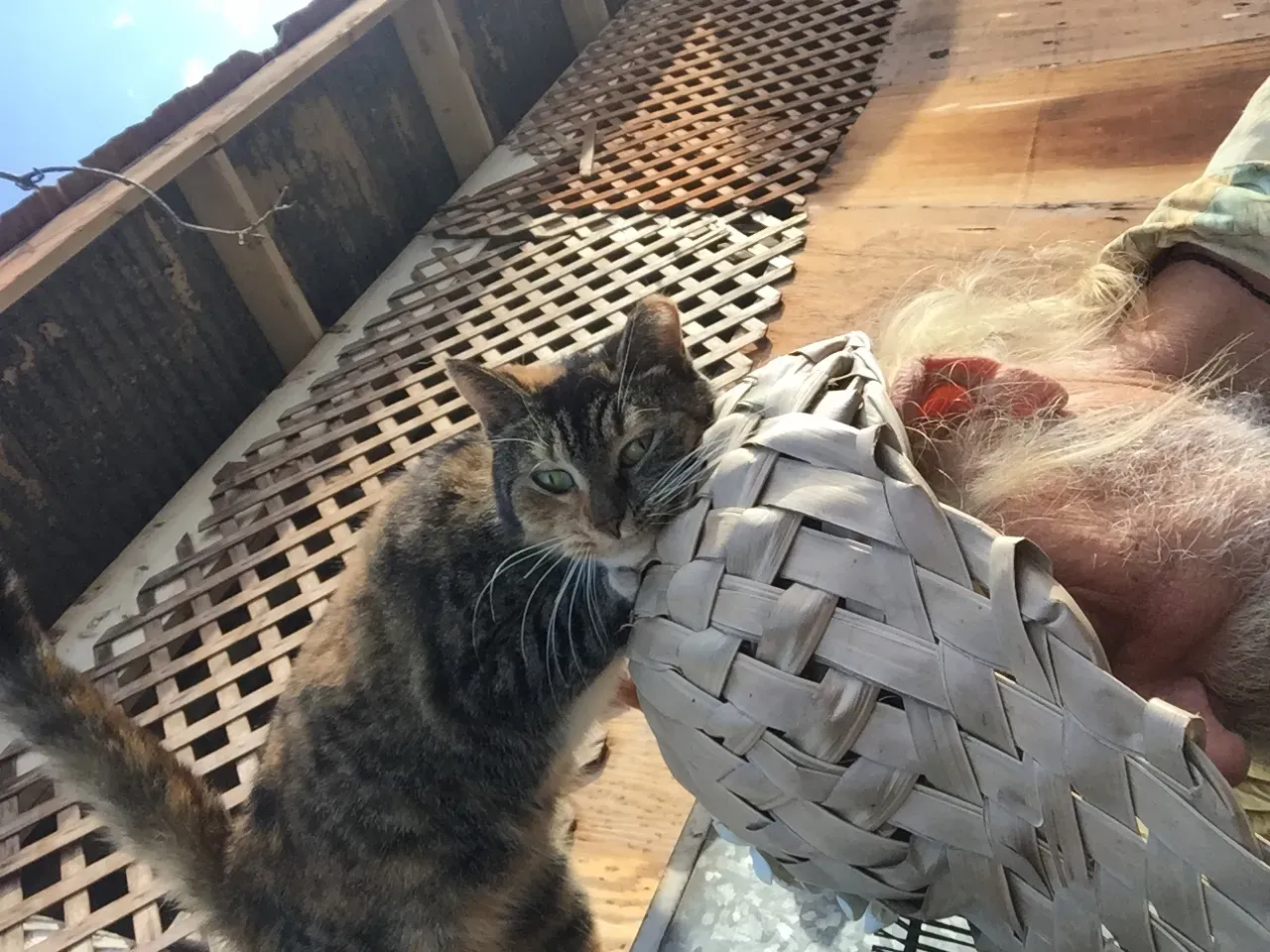
When your cat engages in head bunting or head rubbing, he is placing his scent there as a social and affectionate gesture, and cat-to-cat head bunting and allorubbing are reserved for cats who already have a familiar and friendly relationship. Your cat has scent glands around their face, and when they rub against you, they’re essentially claiming you as part of their family.
Some call it ‘head-butting,’ others call it ‘head bumping,’ but many kitty behavioral experts prefer ‘head bunting,’ and whatever we call it, it’s a lovely sign of affection and trust. Sometimes it’s a gentle nudge. Other times it feels like your cat just headbutted you at full force. Either way, it’s their love language.
For the cat to place his face so close to yours and engage in this bonding behavior is quite an act of trust. When your cat bonks their head against your leg or face, take a moment to appreciate it. Rub their cheeks or give them a gentle scratch in return.
Purring Isn’t Always What You Think
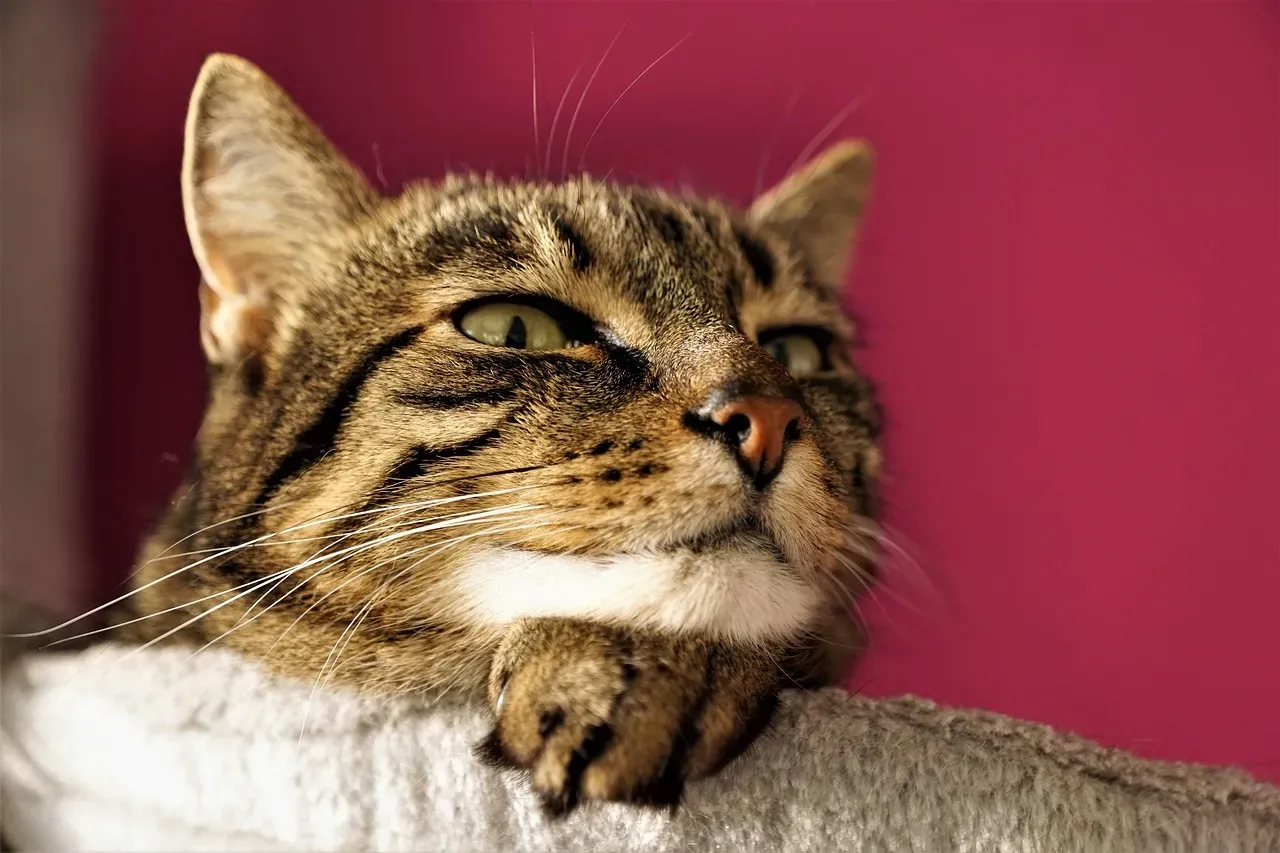
Most people assume a purring cat is a happy cat, and that’s usually true. Cats purr when their body language is relaxed, and they can also purr to get your attention and fuss. It’s their way of saying everything’s okay, or maybe that they’d like some affection right now.
But here’s where it gets interesting: Sometimes cats can purr in stressful situations, such as going to the vet, and they can also sometimes purr if they are in pain. That’s why context matters so much. You need to look at their whole body, not just listen to the sound.
If your cat is purring while curled up on your lap with relaxed ears and half-closed eyes, they’re content. If they’re purring but their body is tense and their ears are back, something else is going on. Always pay attention to the full picture. Cats are complicated like that, which makes understanding them all the more rewarding.
Following You Around Shows Deep Attachment
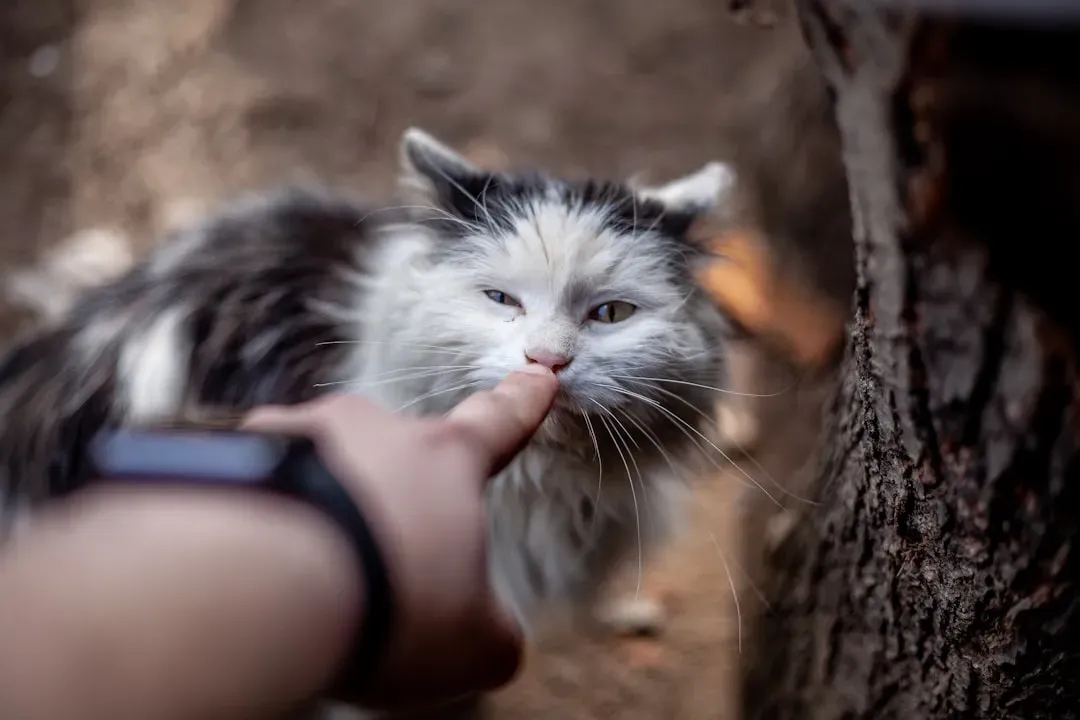
If your cat is clingy and always wants to be around you, then that’s a strong sign they’ve imprinted on you, and they’ll follow you around the house, make noises at you, sleep with you, and just generally be obsessed with you. Some cats are Velcro pets, shadowing your every move from room to room.
You might find this behavior annoying sometimes, especially when you’re trying to use the bathroom in peace. Yet it’s actually a massive compliment. Your cat doesn’t want to be away from you. They feel safest and happiest in your presence.
Your cat is trying to show you that they missed you when they greet you at the door. Even brief separations can prompt this behavior. When you come home and your cat is right there waiting, tail up and ready to greet you, that’s love talking. They genuinely missed having you around.
Exposing Their Belly Is Ultimate Trust
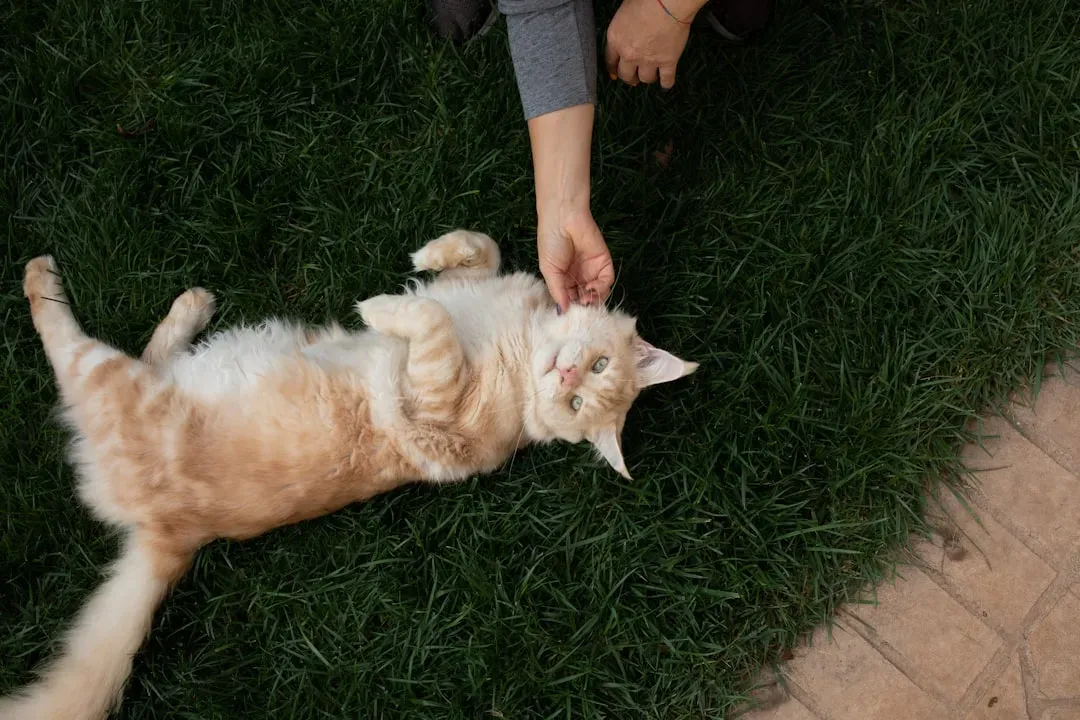
When your cat rolls over and shows you their belly, it’s tempting to reach out and pet that fluffy tummy. Hold on, though. Cats showing their belly is not an invitation to pet or rub it, and they are simply communicating that they feel comfortable and safe enough to reveal one of the most vulnerable parts of their body.
The belly is where all their vital organs are. In the wild, exposing that area to a potential threat would be dangerous. So when your cat does this around you, they’re basically saying, “I trust you completely not to hurt me.” That’s a huge deal.
This is the ultimate display of trust and cat love, and when cats roll onto their backs, some do it to get their claws ready for attack, so noting whether their body looks relaxed or tense is important. If their body looks soft and their eyes are half-closed, it’s trust. If they look tense, maybe steer clear. Cats keep us guessing, don’t they?
Bringing You “Gifts” Is Their Way of Caring
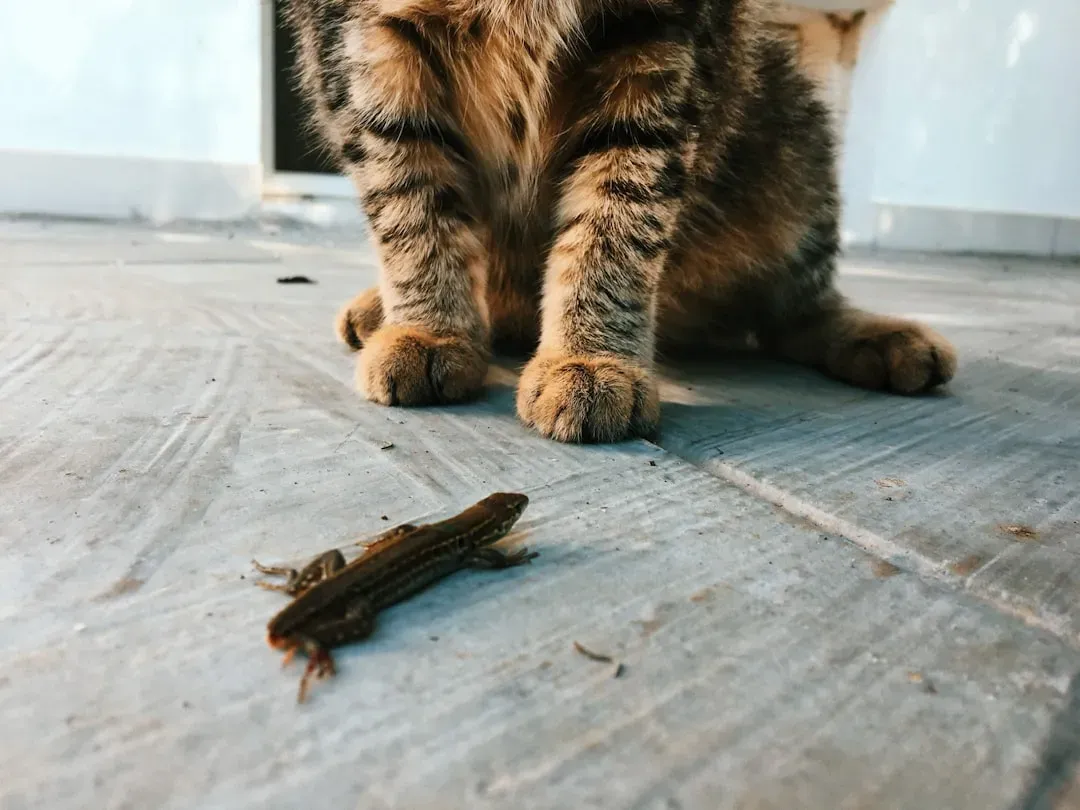
Let’s be real: waking up to a dead mouse on your pillow is not the most pleasant experience. Yet in your cat’s mind, they’re doing you a favor. Cats who bring us gifts, such as rodents, toys, and insects, are showing affection in their own unique way.
Cats are natural hunters, and when they bring you their “prey,” they might be trying to teach you how to hunt or simply sharing their success with someone they care about. It’s the feline equivalent of bringing you breakfast in bed, even if that breakfast happens to be a cricket or a toy mouse.
You don’t have to be thrilled about it, obviously. Just try to remember that in their world, this is an act of generosity. Thank them gently, dispose of the gift discreetly, and know that your cat thinks highly enough of you to share their prized catch. Strange as it sounds, it’s actually heartwarming when you think about it from their perspective.
Wrapping Their Tail Around You Is a Feline Hug
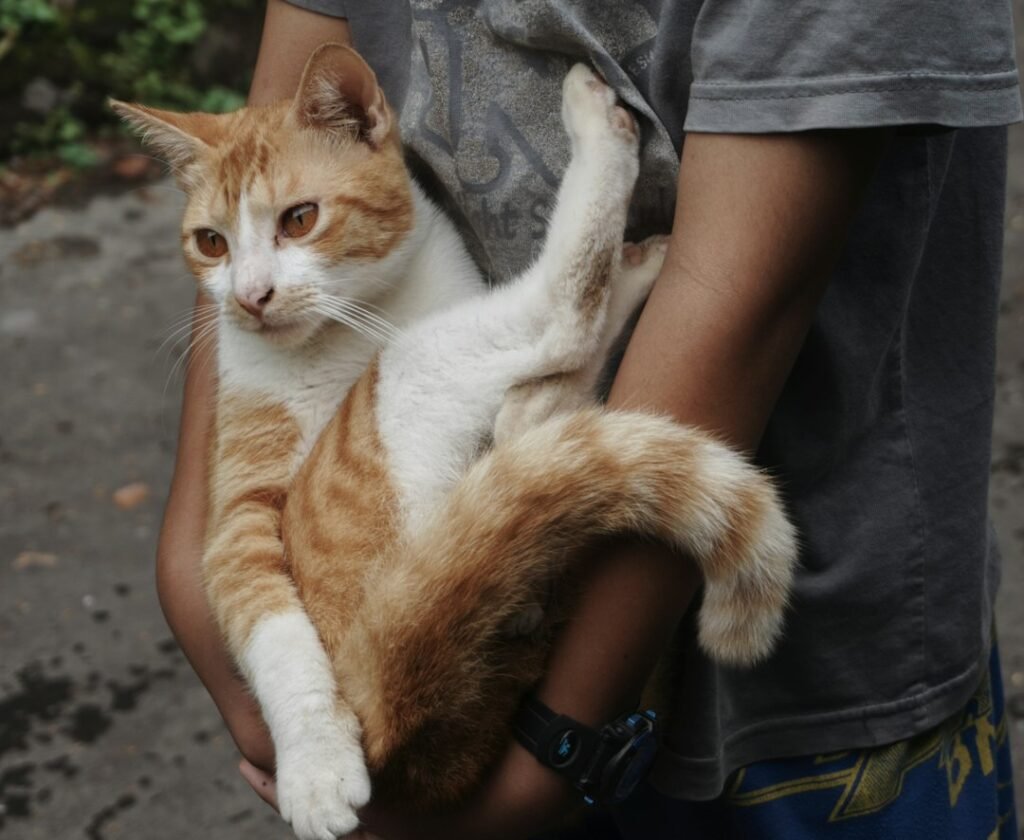
When a cat wraps their tail around a person or animal, it is usually a sign of affection, and if a cat uses their tail to wrap around your leg, or perhaps another cat’s tail, this is a sign of close affection. Think of it as their version of holding hands or giving you a hug.
Tail wrapping is a way of marking each other with their scent and signaling who their friends are, and if your cat snuggles up next to you with their tail curled around you, it means you’re part of their in-crowd. You’re family. You’re one of the chosen few.
This behavior often happens when your cat is sitting beside you on the couch or lying next to you in bed. It’s subtle but deeply meaningful. They’re physically connecting with you, creating a bond that goes beyond words. Next time it happens, take a second to appreciate the quiet intimacy of that moment.
Understanding the Language Strengthens Your Bond
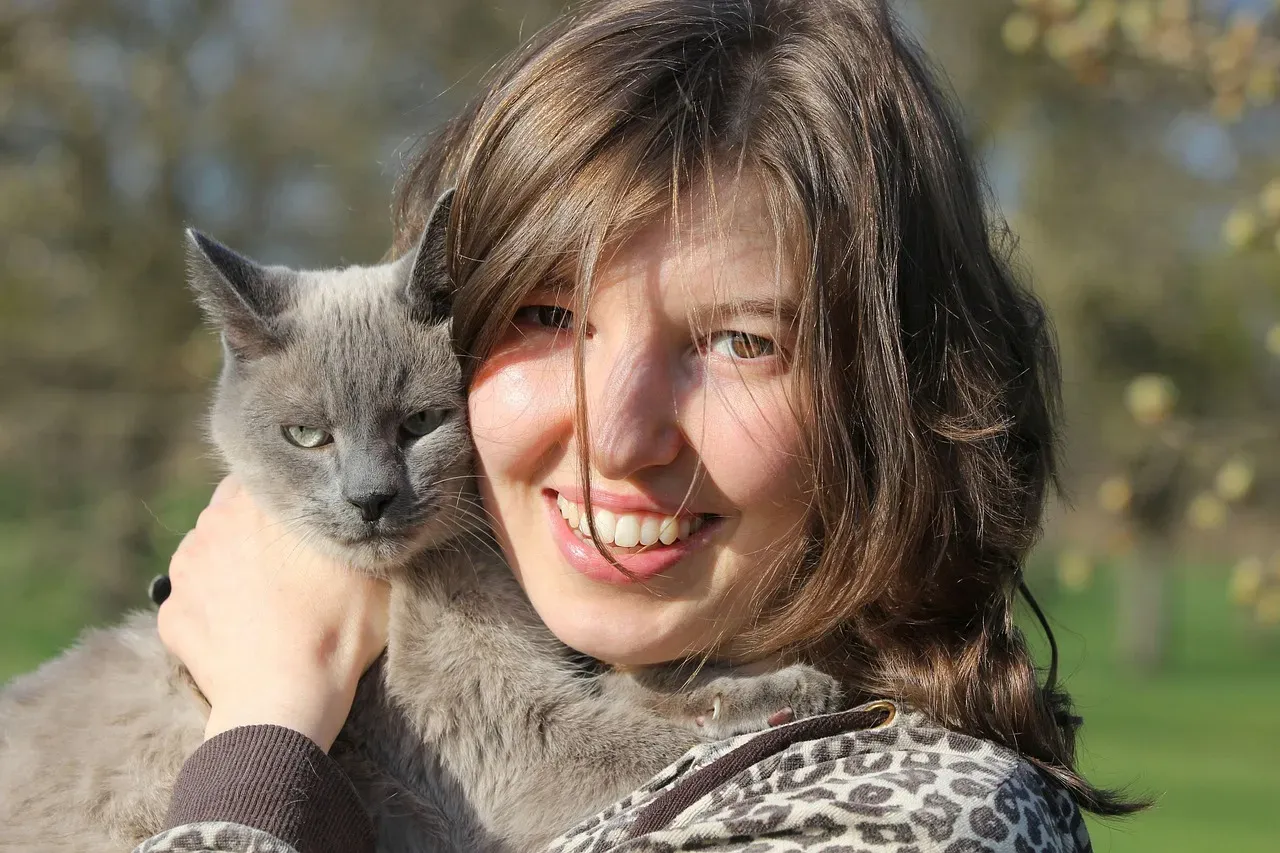
Once you start recognizing these hidden signals, your relationship with your cat transforms. You’ll notice things you’ve missed for years. That sideways glance, that gentle paw tap, the way they settle near you rather than on you. All of it means something.
You’ll need to work harder to understand your cat’s love language and boundaries to build trust, and acknowledging and understanding these behaviors can help build a strong, loving bond with your cat. It takes patience and observation, but the payoff is incredible. You’ll feel closer to your cat than you ever thought possible.
Cats may not be as obvious as dogs in showing affection, yet their love runs just as deep. Cats are much more subtle in showing their love, though that doesn’t mean that the shared bond between cats and humans is any less than with dogs. They’re speaking to us constantly through this secret language. We just need to learn how to listen.
So the next time your cat slow blinks at you, kneads your lap, or wraps their tail around your leg, you’ll know exactly what they’re saying. And honestly, knowing that makes every moment with your feline companion even more special. What do you think about your cat’s hidden language now? Have you noticed any of these signs? Tell us in the comments.
Kristina is a young writer from India. An arts graduate and an avid content creator, Kristina is passionate about animals and wildlife. She enjoys exploring topics related to pet care, animal behavior, conservation, and nature, combining thorough research with engaging storytelling.