You’ve probably heard it a thousand times. Cats are independent, aloof creatures who tolerate your presence only because you feed them. They’re the loners of the pet world, right? Self-sufficient, emotionally distant, and perfectly content to be left alone for hours on end.
Here’s the thing, though. That whole independent cat narrative? It’s mostly a myth, carefully constructed by years of misunderstanding feline behavior. Your cat might act like they don’t need you, wandering off with that signature air of indifference. Yet behind that cool exterior lies a complex emotional world that science is only beginning to understand. Your feline companion may be far more attached to you than you ever realized, and their apparent independence might just be one of nature’s most convincing performances.
The Science Behind Feline Attachment Reveals Surprising Truths
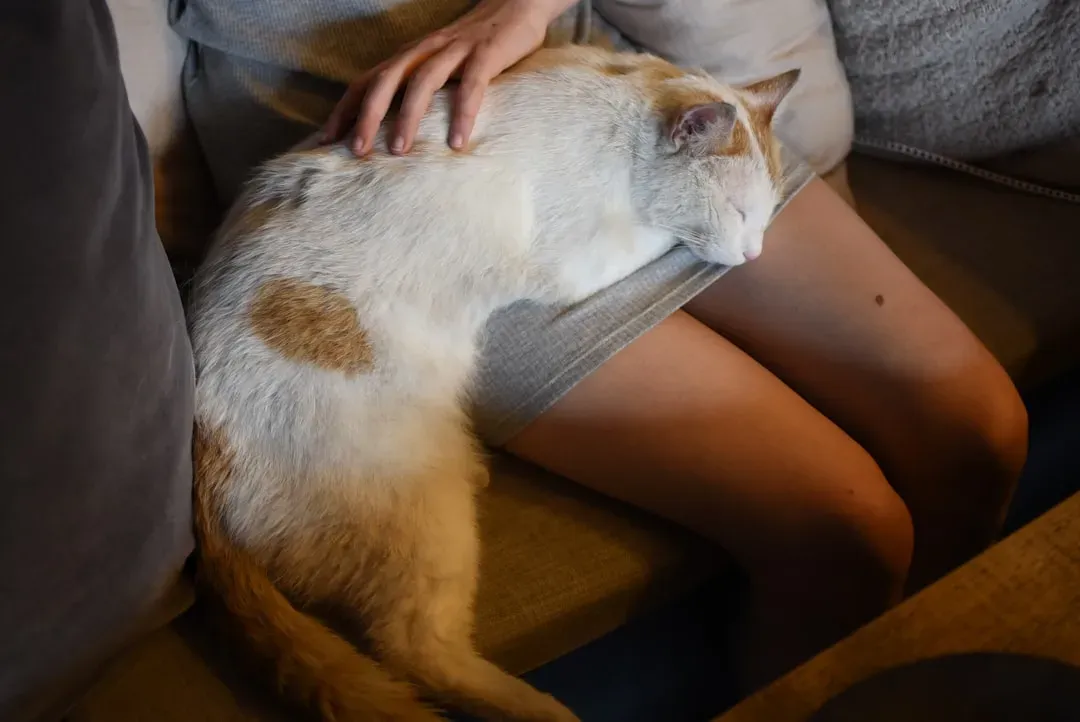
Research published in Current Biology shows that much like children and dogs, pet cats form secure and insecure bonds with their human caretakers, with the majority of cats securely attached to their owners and using them as a source of security in novel environments. Think about that for a moment. Your cat isn’t just hanging around because the food bowl is full.
Studies found that approximately 65 to 68.6 percent of cats display secure attachment to their caregivers. That’s actually a higher rate than many people would guess. At the individual level, roughly 81 percent of kittens retained the same secure base designation at retest, suggesting these attachment patterns remain stable over time. Your cat’s emotional connection to you isn’t some fleeting whim. It’s hardwired into their relationship with you.
Your Cat’s Poker Face Hides Deep Emotional Bonds
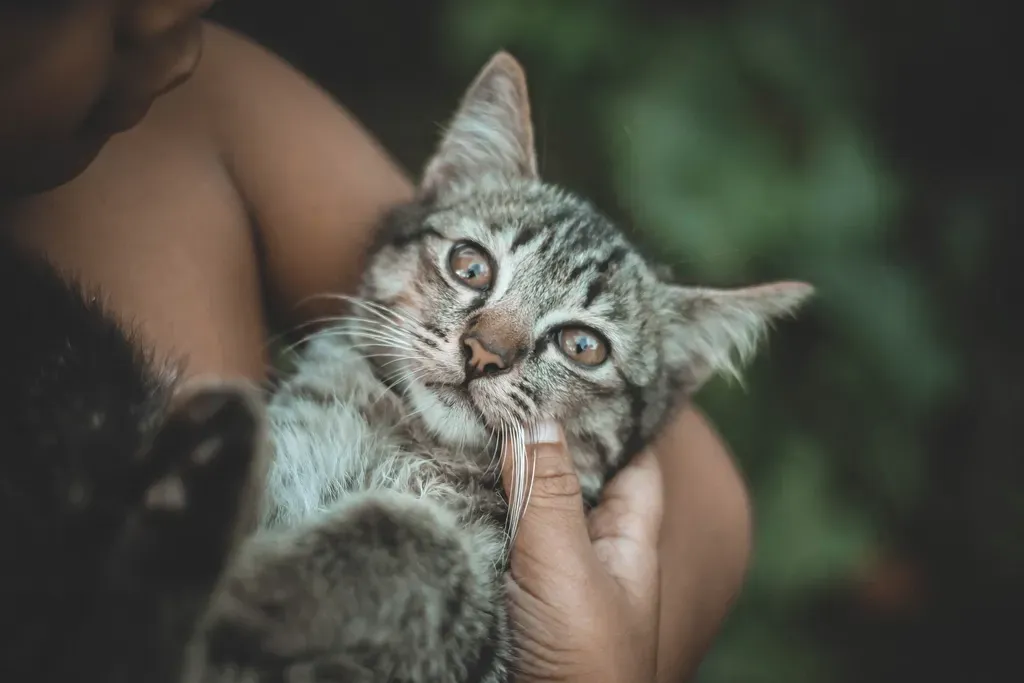
Cats form close emotional relationships with humans, even if they don’t show it the way dogs do. Let’s be real, your cat isn’t going to greet you at the door with wild enthusiasm and a wagging tail. That’s just not their style. Their love language is far more subtle.
Research has identified five distinct forms of cat-owner relationships: an open relationship, remote association, casual relationship, co-dependence, and friendship. Where does your relationship fall? Maybe your cat follows you from room to room, or perhaps they only seek you out when they’re anxious. Either way, these patterns reveal emotional investment that goes far deeper than simple food-based transactions.
Several studies have shown that cats develop affection towards their owners, though the effect on human health is closely related to the time and effort invested in bonding and playing. Your effort matters. The more you engage, the stronger that bond becomes.
They Read Your Emotions Better Than You Think
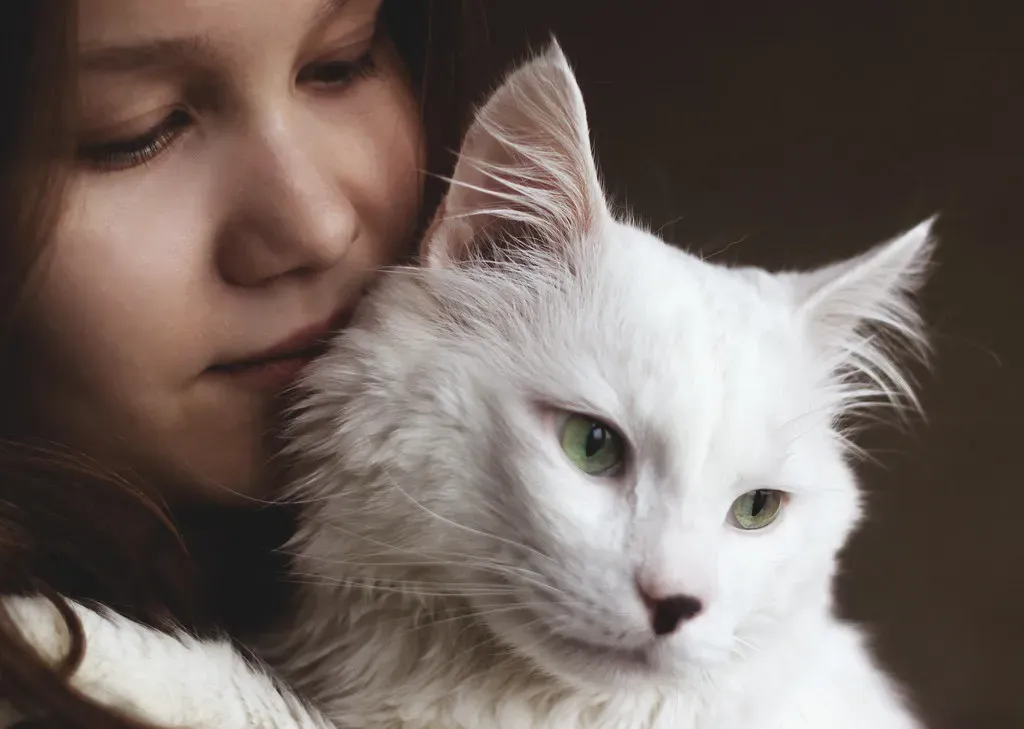
Here’s where things get a bit unnerving. Research has shown cats can form secure attachments to their owners like infants with caregivers, and they recognize human emotions, read tone and gesture, and exhibit behaviors linked to empathy and social awareness. Your cat knows when you’re upset, stressed, or happy. They’re watching, always watching.
Recent research suggests that cats may be more attuned to human emotions than previously thought, with studies showing that cats react to their owners’ visual and vocal signals and adjust their behavior based on human emotions. Some cats even respond to the scent of human fear or happiness. That’s not independence. That’s deep, intuitive connection.
The depressive owner initiates fewer interactions with the cat, but when the cat approaches that person, they accept the intent to interact, and the cat changes its behavior in response to depressiveness of the human when close, vocalizing more frequently and head-rubbing more often. Your emotional state directly shapes your cat’s behavior. They’re mirroring you, responding to you, trying to help in their own peculiar feline way.
Separation Anxiety Isn’t Just a Dog Thing
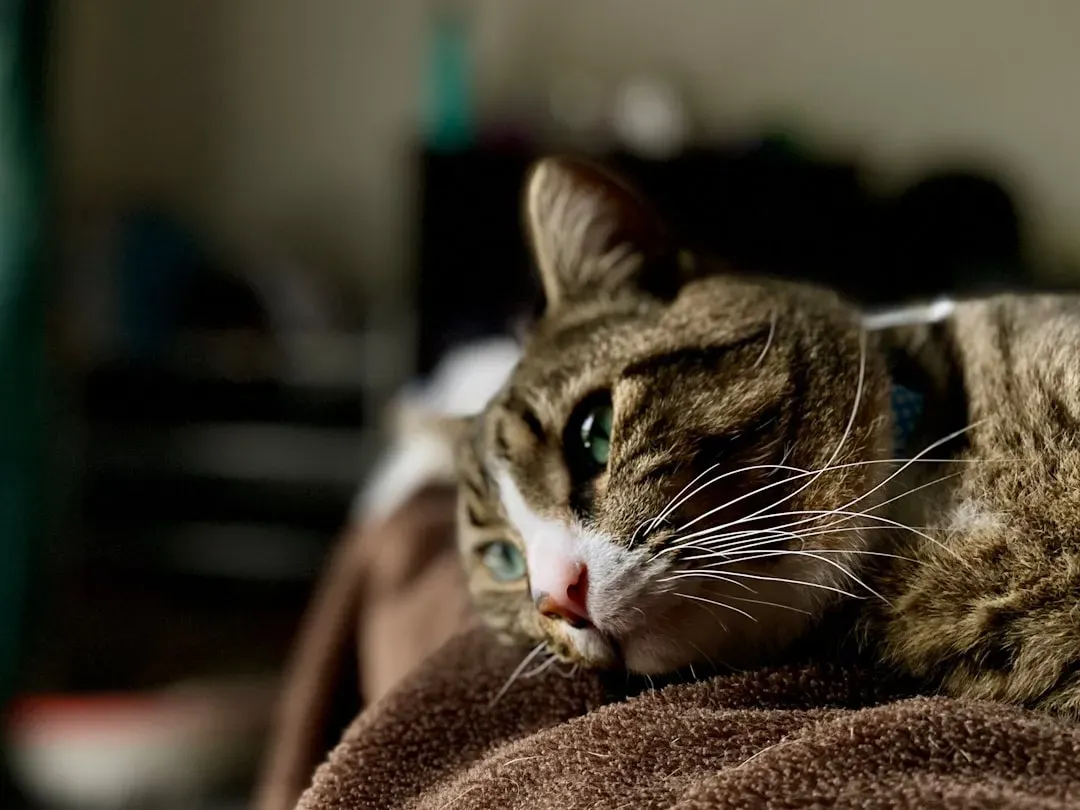
Separation anxiety is an unwelcome condition that can be a result of excessive attachment, and research supports the fact that cats can develop separation anxiety syndrome, showing many of the same signs seen in dogs. Surprised? Most people are. We’ve been conditioned to think cats don’t care when we leave.
Cats can experience stress, agitation, and even depression-like symptoms when their primary caregiver is away, and while not all cats develop separation anxiety, those that do may struggle with being alone. Signs include excessive vocalization, destructive behavior, litter box avoidance, and sometimes even urinating on your bed. Female cats are diagnosed with separation anxiety more often than male cats, and most cases are seen in cats that live strictly indoors and come from a home with only one adult caregiver.
If your cat follows you everywhere, seems anxious before you leave, or greets you with over-the-top enthusiasm when you return, they might be struggling more than you realize. It’s endearing when your cat forms a strong bond with you, but in some cases, that deep attachment can lead to emotional stress, turning affection into anxiety, and building confidence and independence doesn’t diminish that love but equips them to regulate their emotions and know that you’ll come back.
They Communicate Through Behaviors You’ve Been Ignoring
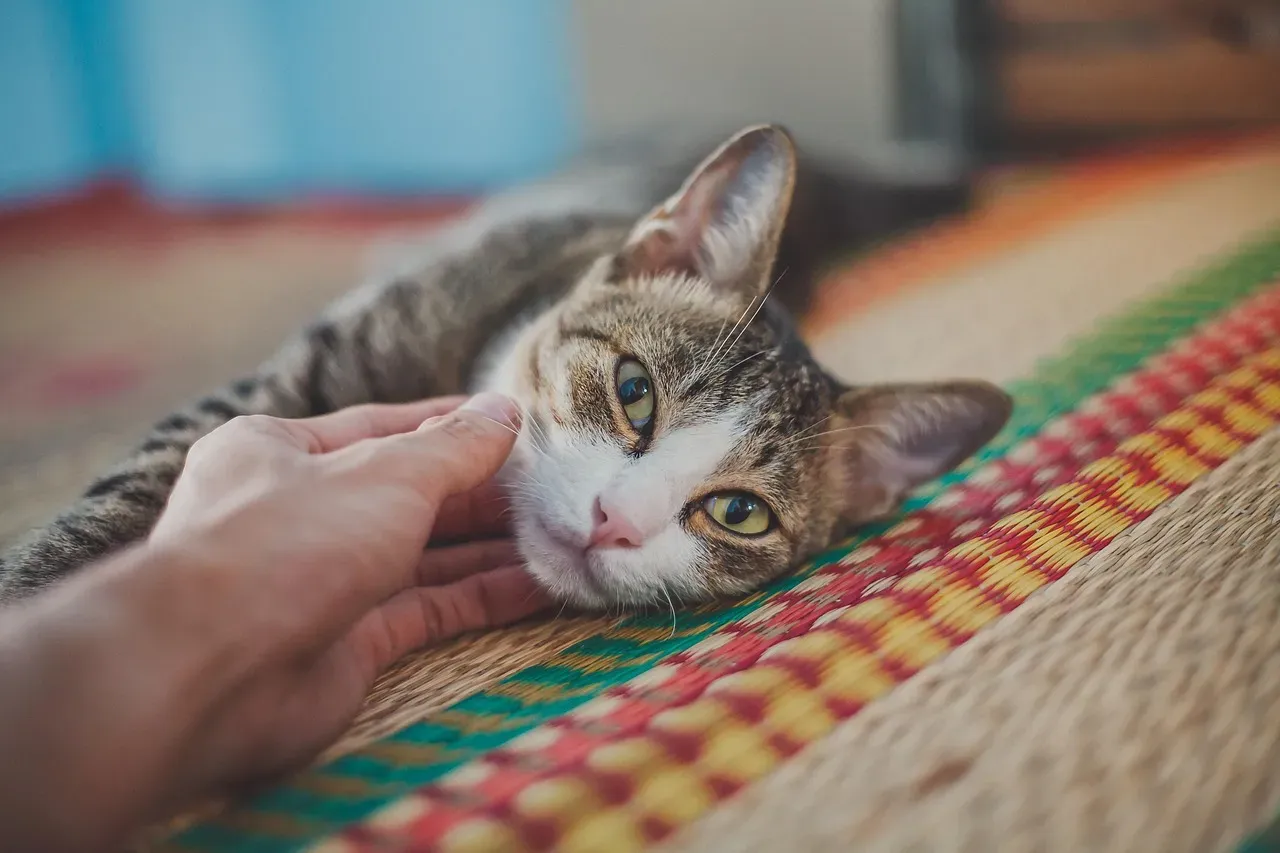
In a groundbreaking study by Oregon State University, researchers found that over 64 percent of cats exhibit a secure attachment style similar to human infants and dogs, and when their owners leave, securely attached cats may show mild distress but quickly calm down upon their return, a clear indicator of trust and emotional bonding. That little meow when you walk in? That’s not just noise. It’s communication designed specifically for you.
Cats view humans as unique social partners rather than fellow cats, and they’ve developed specific behaviors and communication methods just for human interaction, while maintaining distinct social patterns for cat-to-cat relationships, with adult cats primarily meowing at humans because they’ve learned it’s an effective way to communicate with people. Your cat has essentially created a special language just for you. That’s not the behavior of an independent loner.
The slow blink, the head bump, the kneading, even the occasional “gift” of a dead mouse at your feet – all of these are expressions of trust and affection. Your cat is constantly trying to tell you something. We’ve just been too busy believing the independence myth to listen.
Your Presence Changes Everything About Their Behavior
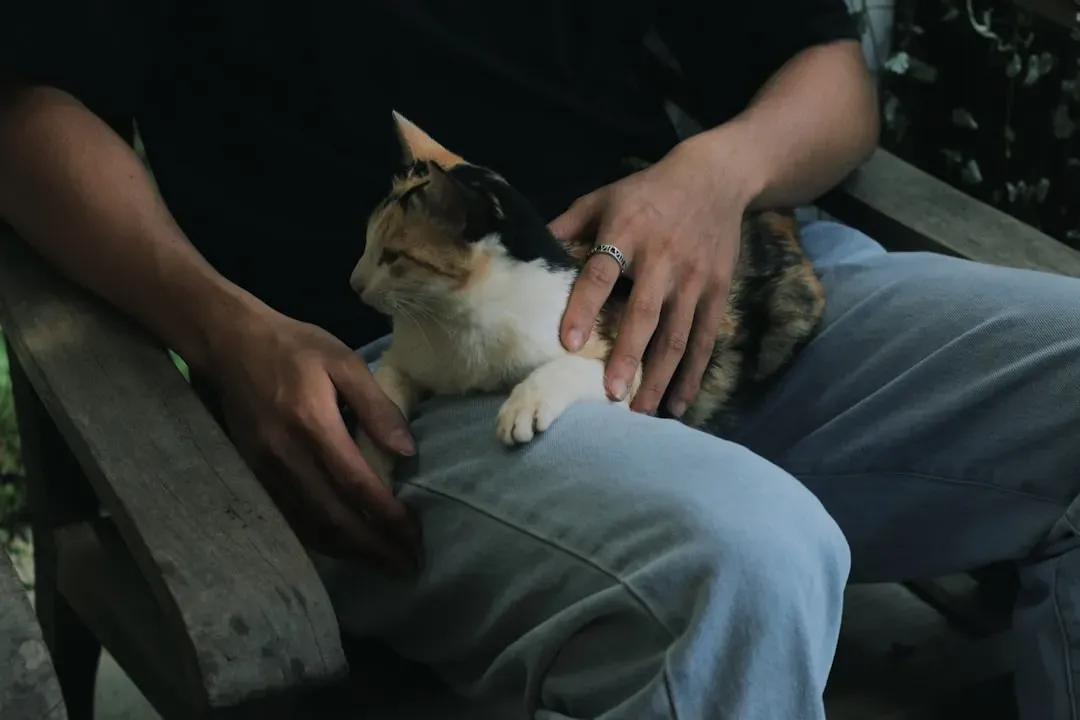
Research suggests cats respond differently toward their owners when compared with unfamiliar humans. This might seem obvious, yet it points to something profound. Your cat has formed a unique relationship specifically with you. You’re not interchangeable with any other person who might fill their food bowl.
Significant positive correlations were found between ratings of cat affection to the owner and owner affection for the cat, with the former positively correlated with ratings for predictability, proximity to the owner, enjoyment of physical contact, cleanliness, and likeness to humans. Your behavior shapes your cat’s attachment. The more consistent, gentle, and attentive you are, the stronger their bond becomes.
When their trusted human is undergoing stress, cats suffer a great deal, and if their needs are neglected they will feel this immediately and painfully, plus any change in the family unit can be extremely stressful for a cat and may lead to behavioral problems. Your cat isn’t just living with you. They’re emotionally invested in your household’s stability and your wellbeing.
Indoor Cats Are Especially Dependent on Human Connection
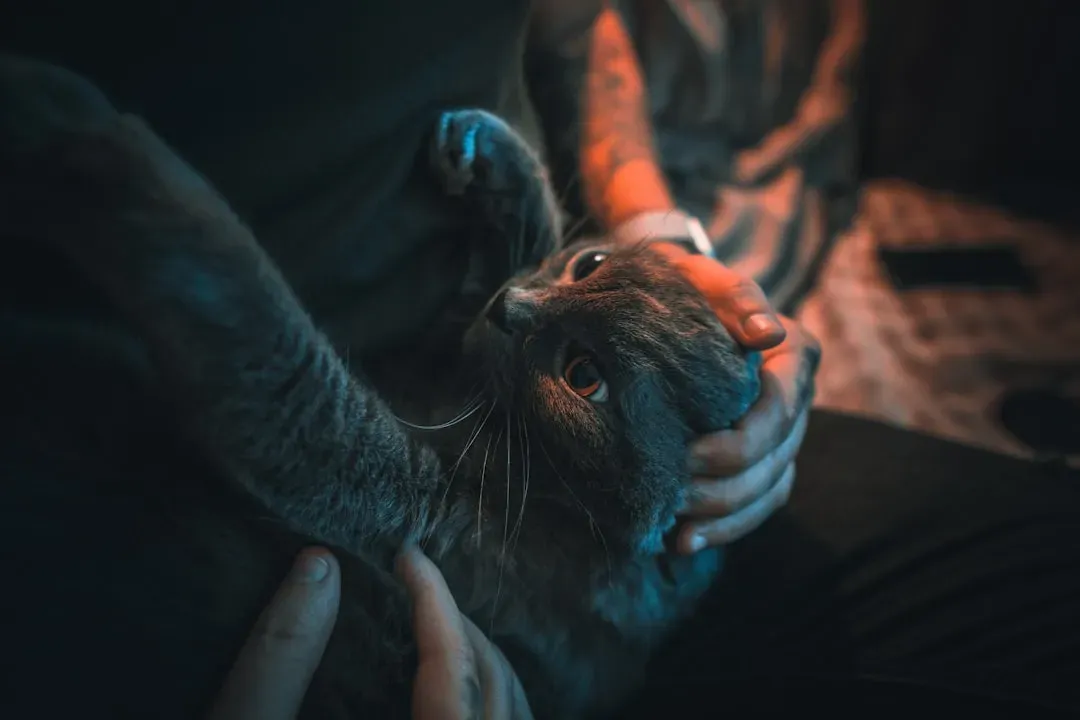
Modern domestic cats, particularly indoor ones, rely heavily on their owners for mental stimulation, social interaction, and environmental security. If your cat never goes outside, you’re essentially their entire world. That’s a huge responsibility, and it’s one that shatters the independence myth even further.
Separation anxiety is especially common in cats with a strong bond with their human, and indoor cats with no other companions are more at risk of developing separation anxiety, partly because their social interactions and enrichment are centered on one person. Your indoor cat doesn’t have the option to roam, hunt, explore, or socialize with other cats. Everything they need emotionally and mentally has to come from you and the environment you create.
Without proper enrichment, social interaction, and attention, indoor cats can develop anxiety, depression, and behavioral issues. Considering that a cat living in the wild spends three to ten hours a day hunting, it is clear that you need to spend several hours a day engaging in activities with them to make sure they are properly stretched. That’s not a small commitment. Your cat needs you far more than you might have thought.
The Early Socialization Window Shapes Their Need for You
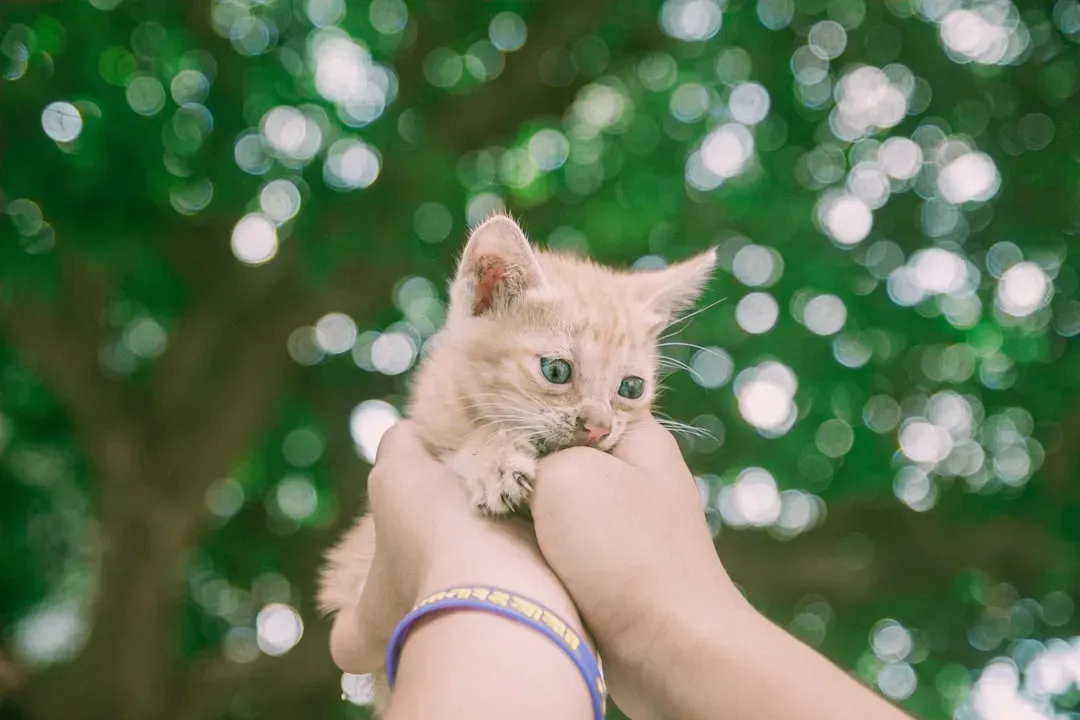
Proper socialization, the process through which an individual develops appropriate social behaviors toward a member of their own or another species, is an important component to forming bonds, and if a cat does not receive social experiences with humans, especially early on in their lives during a sensitive period between 4 and 8 weeks old, it may be extremely difficult for them to bond to a human, or they may never be able to do so. This narrow window determines whether a cat will view humans as safe, trustworthy companions or as threats.
In most cases, what ultimately determines the strength of the bond is the age at which the cat first comes into contact with humans, and cats that have only been exposed to other cats while growing up are unlikely to build up any close relationships with humans later on, as they might accept them as food providers but will avoid physical contact and preserve their independence. If your cat did bond with humans early, congratulations. They’ve imprinted on you as family, and that bond runs deep.
The cats who seem truly independent? Many of them simply never had the chance to form those early connections. It’s not that they don’t need social bonds. They’ve just never learned to trust humans enough to accept one.
What You Can Do to Honor Their Hidden Dependency
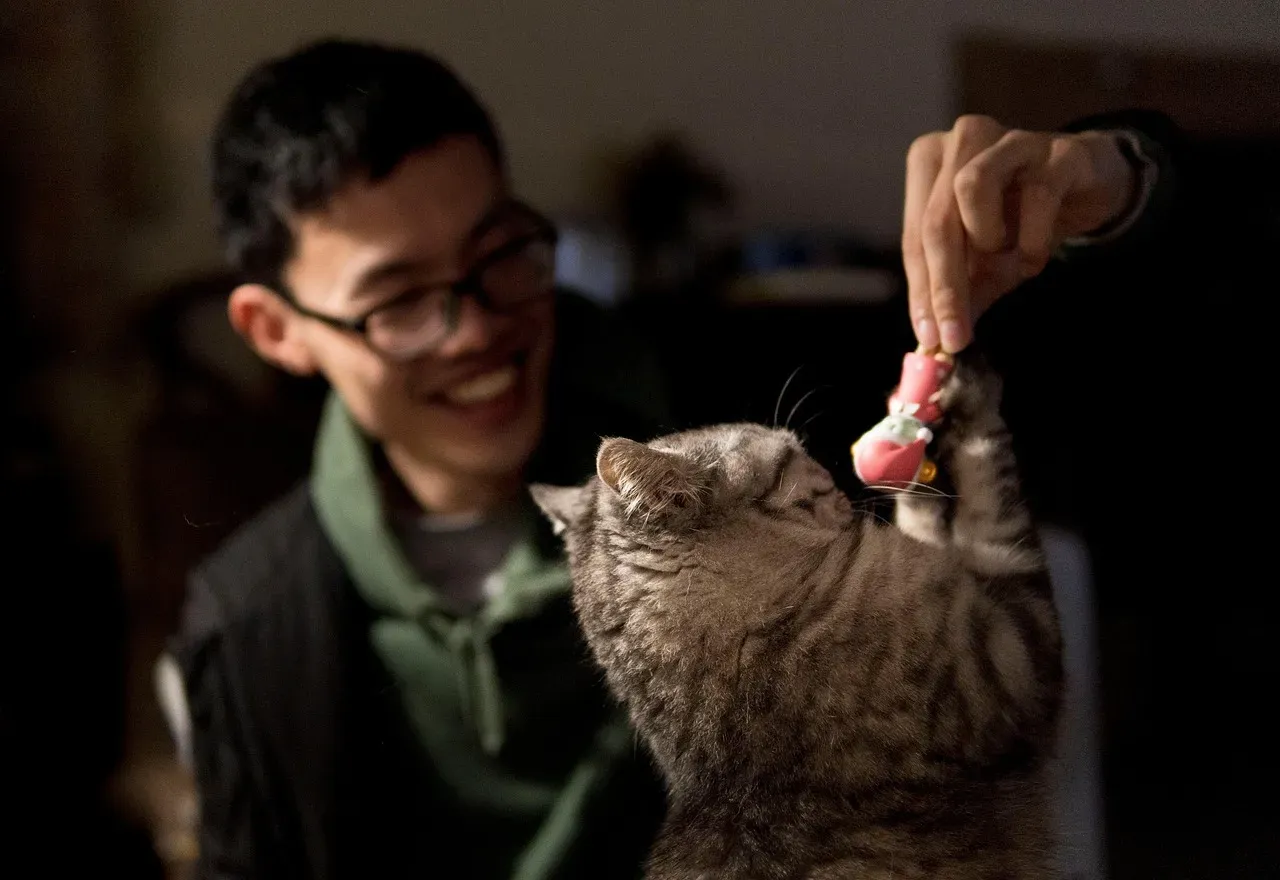
Understanding that your cat needs you is just the first step. Now comes the part where you actually do something about it. Unfortunately, too many cats get abandoned or dumped in shelters by disillusioned owners who failed to develop a bond or understand cat social behavior, and if people knew that certain behaviors, like scratching, are normal and can be redirected using training techniques, they’d be less likely to abandon their pets.
Spend time playing with your cat daily. Fifteen to twenty minutes of interactive play isn’t asking too much. Provide environmental enrichment like climbing trees, scratching posts, puzzle feeders, and window perches. Create routines so your cat knows what to expect. Keep departures and arrivals low-key to reduce stress.
Encourage your cat to be independent by ensuring they’re used to spending some time away from you as part of their usual routine, and praise them and give them attention when they choose to spend time across the room or out of sight. Balance is key. Your cat needs both connection and confidence. You can foster both by being present, attentive, and respectful of their unique personality.
The Truth About Independence and Love
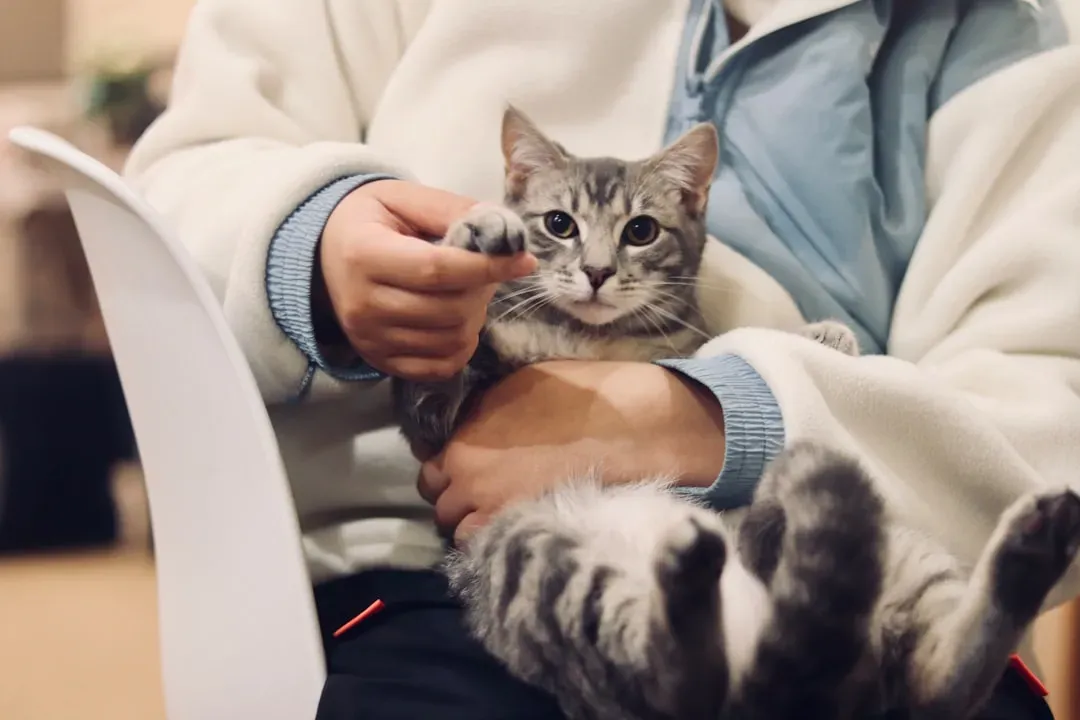
The independent cat is a partial myth, as cats form attachments that are subtler but no less significant than canine loyalty. Your cat’s apparent aloofness isn’t a sign they don’t care. It’s just their way of managing a complex emotional life while maintaining the dignity and self-possession that millions of years of evolution have given them.
The relationship between cats and humans is much more complex and intimate than many imagine, and although felines are often considered solitary and aloof animals, more and more studies show that these furry companions also develop strong emotional bonds with their caregivers, and contrary to the old popular belief about their extreme independence, cats can show an attachment as deep as that observed in dogs. They just do it on their own terms, in their own time, in their own beautifully mysterious way.
Your cat might never greet you with dog-like enthusiasm. They might never follow commands or perform tricks for treats. Yet every slow blink, every purr, every time they choose to sit near you instead of somewhere else – those are declarations of trust and affection. Your cat’s independence is real, but so is their need for you. The two aren’t mutually exclusive. They’re intertwined in a relationship that’s as unique as your cat’s individual personality. The clever act isn’t the independence. It’s making you believe they don’t need you when, in reality, they absolutely do.
Kristina is a young writer from India. An arts graduate and an avid content creator, Kristina is passionate about animals and wildlife. She enjoys exploring topics related to pet care, animal behavior, conservation, and nature, combining thorough research with engaging storytelling.