Have you ever wondered why some cats seem more inclined to use their teeth than others? While every feline has the potential to nip when provoked or stressed, certain cat breeds have earned reputations for being more than their mellower counterparts. This isn’t about labeling any breed as inherently bad or dangerous. It’s about understanding behavior patterns, recognizing triggers, and learning how to create safer, happier relationships with your feline companions.
The reality is that biting behavior in cats stems from a complex mix of genetics, early socialization, environment, and individual temperament. While breed can play a role, it’s rarely the whole story. Some breeds were developed with wild ancestry or specific personality traits that can translate into more assertive behavior when they’re bored, understimulated, or feeling threatened. Let’s explore which breeds show up most frequently in biting statistics and what makes them tick.
Siamese Cats Lead the Statistics
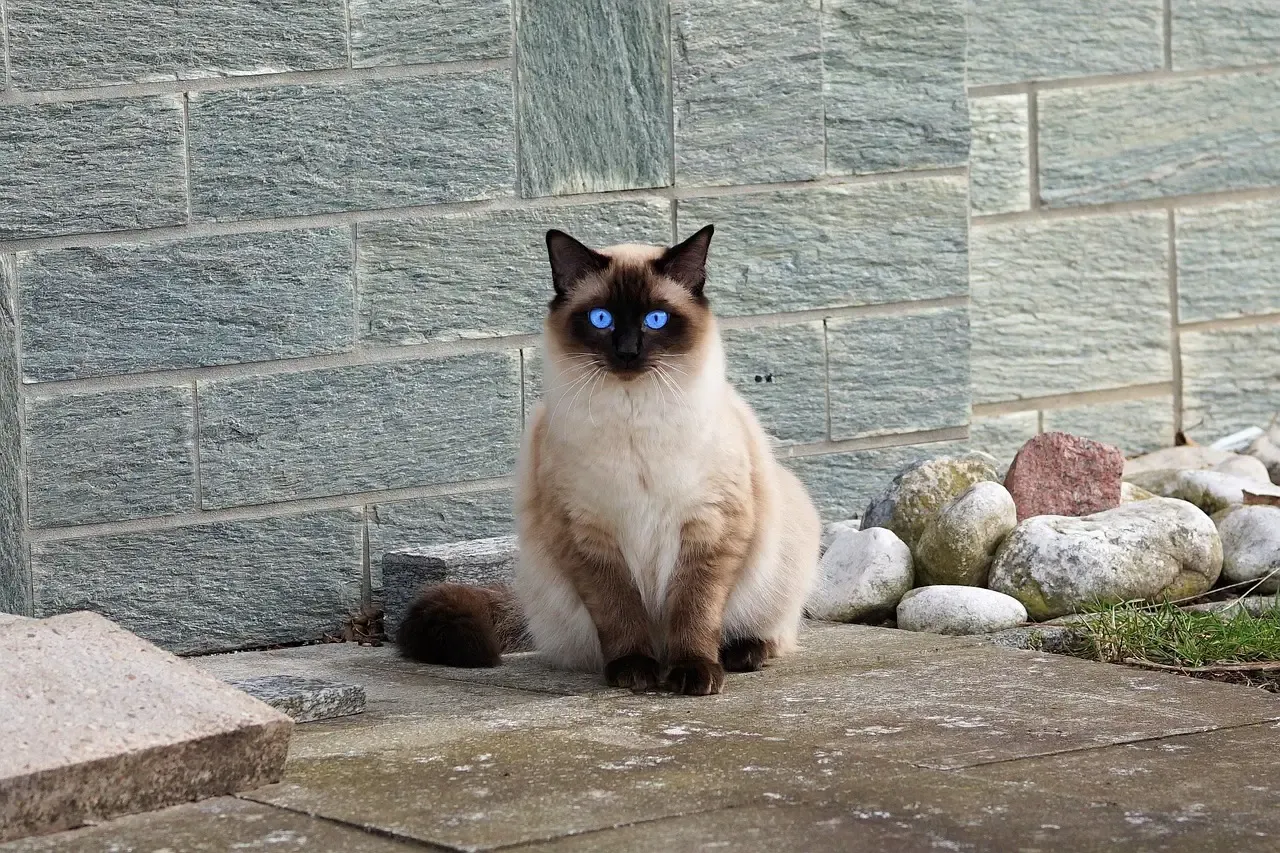
The breed most frequently involved in aggressive incidents was the Siamese with 43% of aggressive episodes. This striking breed, known for its piercing blue eyes and vocal personality, consistently appears at the top of lists when researchers examine feline aggression data. The Siamese cat is known to be the most aggressive of all cat breeds, likely due to the breed’s tendency to get very jealous of other pets.
What makes Siamese cats so prone to biting? Siamese cats are needy and clingy, becoming very attached to their favorite human. When you divide your attention between them and another pet or even another person, jealousy can trigger aggressive responses. If they see you petting another cat or hanging out with a human, your Siamese may lash out in an attempt to get attention back on them. These cats demand to be the center of your universe, and when that doesn’t happen, teeth become their communication tool of choice.
European Shorthairs and Common Domestic Breeds
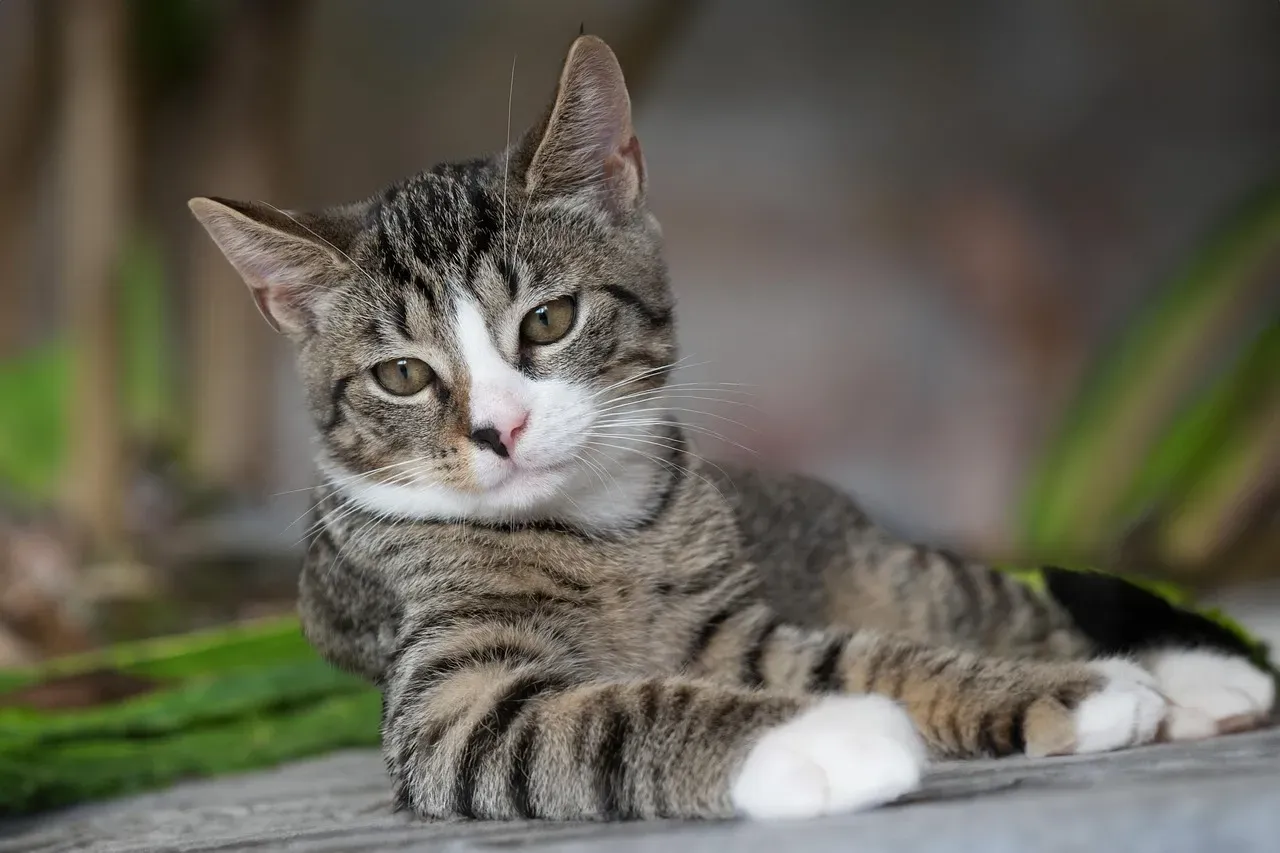
You might assume that common domestic cats would be calm and predictable, yet the data tells a different story. Other involved breeds were the European (34%), Persian (15%), mixed (5%) and Angora (3%). European Shorthairs represent a significant portion of biting incidents, second only to Siamese cats in some studies.
The high numbers for European breeds and mixed cats might simply reflect their popularity. When more people own a particular type of cat, more incidents naturally occur. Still, these cats can display territorial behavior and defensive aggression, especially if they haven’t been properly socialized. Mixed breed cats often inherit unpredictable temperament combinations from their varied ancestry, making it harder to anticipate how they’ll react in stressful situations.
Bengal Cats and Their Wild Ancestry
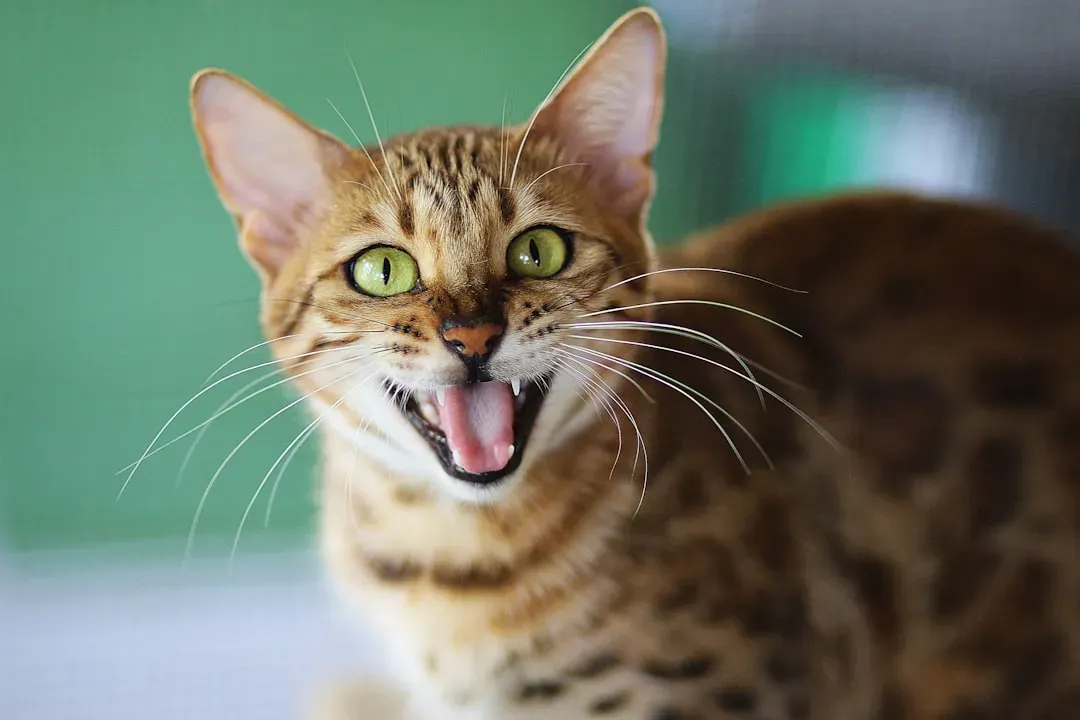
A hybrid cat breed combined with the spotted likes of the small and elusive Asian leopard cat, the Bengal is sure to be a top addition to any loving home. With its staking and untamed ancestry, aggressive traits in this particular breed are no real surprise. Bengals carry genetic material from wild cats, which means they retain stronger hunting and territorial instincts than fully domesticated breeds.
Bengal cats are high-maintenance, often leading to negative behavior if needs are unmet. Bengals are active cats and can wreak havoc on the furniture of nearby victims if they’re bored. When these athletic, intelligent cats don’t get enough physical exercise and mental stimulation, frustration builds up. That pent-up energy has to go somewhere, and unfortunately, it often manifests as biting, scratching, or destructive behavior. Think of them as the athletes of the cat world who need their daily workout or they’ll act out.
Sphynx Cats Demand Constant Attention
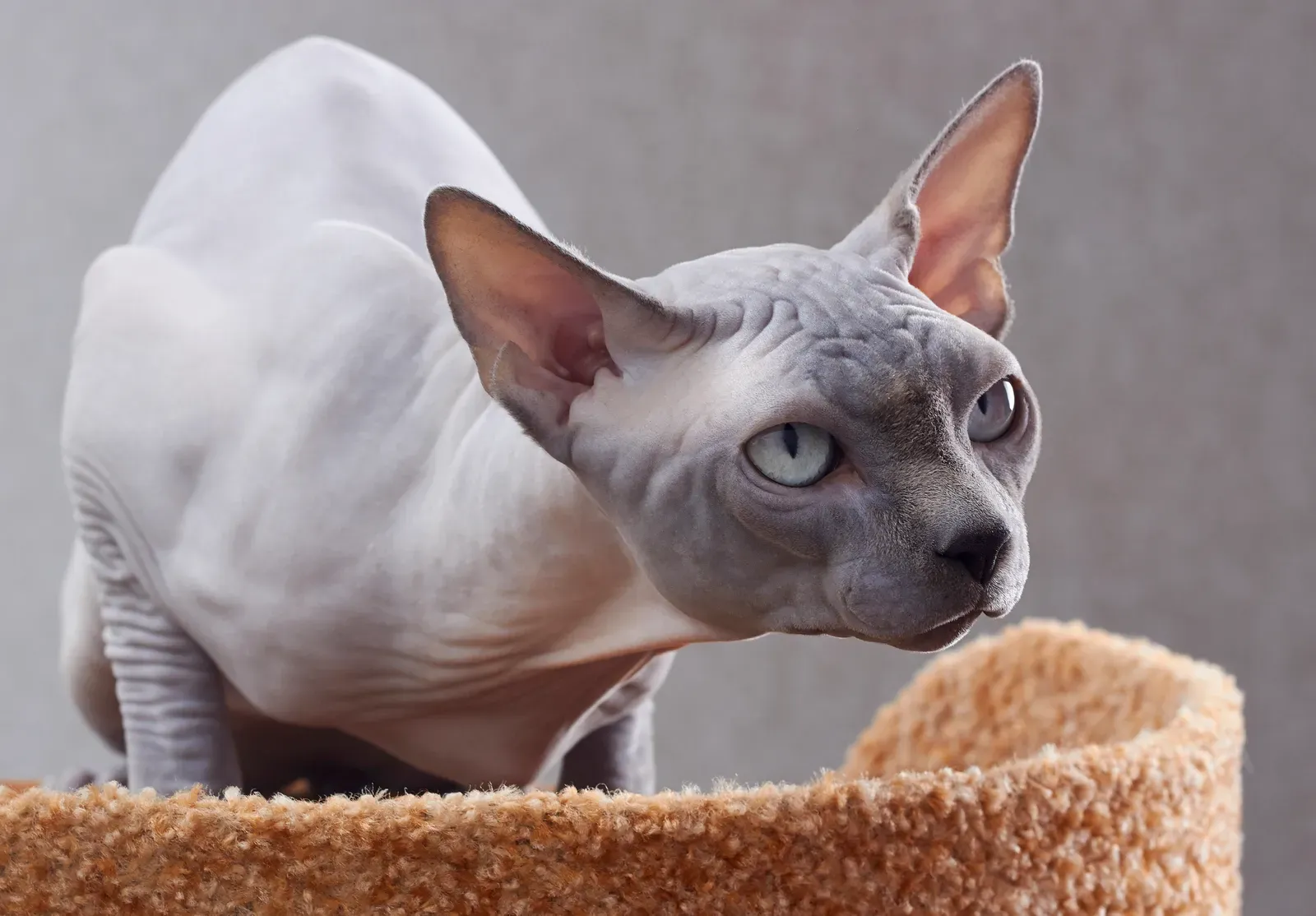
The hairless Sphynx breed might look fragile and docile, but appearances deceive. This breed is very demanding, which doesn’t just mean taking extra care of their skin due to a lack of fur. It also means the Sphynx cat always wants to be the center of attention. If they’re not getting the attention they desire, the Sphynx will act out to get what they want.
These intelligent, energetic cats need constant stimulation and interaction. Sphynxes are hyperactive cats that need plenty of playtime, and they are also incredibly intelligent. However, high intelligence, coupled with low stimulation, could result in a Sphynx that lashes out of boredom. Constant entertainment is necessary to avoid aggressive tendencies. Their biting isn’t always malicious or violent. Sometimes it’s more like persistent pestering, but those needle-sharp teeth can still break skin and cause infection. Honestly, if you’re considering a Sphynx, be prepared to become their personal entertainment director.
Scottish Fold Territorial Tendencies
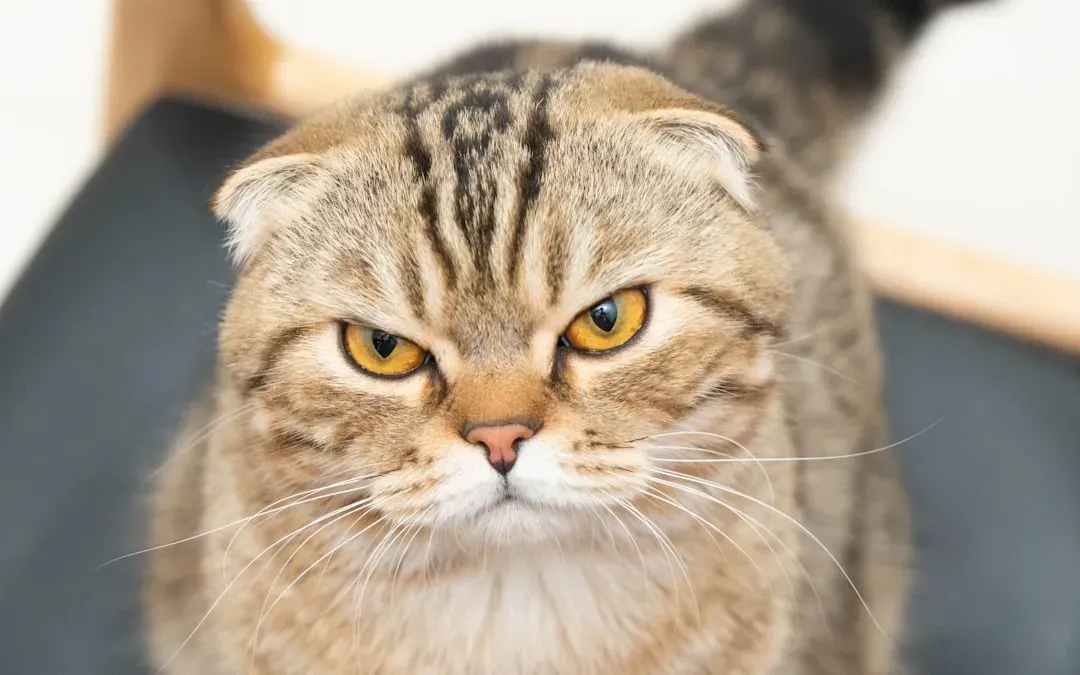
Those adorable folded ears might make Scottish Folds look perpetually sweet and innocent, but this breed has a feisty side that emerges under certain conditions. Scottish Folds are known to be affectionate and cuddly creatures, but they can be pretty territorial in their established space. When you introduce new pets into their domain, conflict can arise quickly.
While these majestic short-haired cats bond closely with their owners, they tend to be a bit more aggressive than other breeds and might bite when petted too enthusiastically. In addition to this, the Scottish Fold doesn’t like it when you leave them alone for long hours and will demand to follow you everywhere in the house. They’re sensitive to both physical boundaries and emotional ones. What starts as a pleasant petting session can quickly turn into a warning nip if you cross the line into overstimulation territory. Reading their subtle body language becomes essential when living with a Scottish Fold.
Bombay Cats Pack a Punch

As the Bombay breed is a hybrid mix, they have numerous strong behavior traits. They are known to be both fearless and aggressive and have a litter box aversion. Don’t let their sleek black coats and medium size fool you into thinking they’re pushovers in a household hierarchy.
They have sturdy and small-to-medium bodies, which means that they can be surprisingly forceful for their size during playfights. Much like the Siamese and Sphynx cat, the Bombay requires a significant amount of attention, which, when not met, can come out in aggressive tendencies. These cats are compact bundles of energy and determination. When they feel neglected or their needs aren’t being met, they won’t suffer in silence. Instead, they’ll make their displeasure known through biting and other assertive behaviors. They’re not trying to be difficult – they’re just very clear about what they want.
Pixie Bob and Wild Cat Resemblance
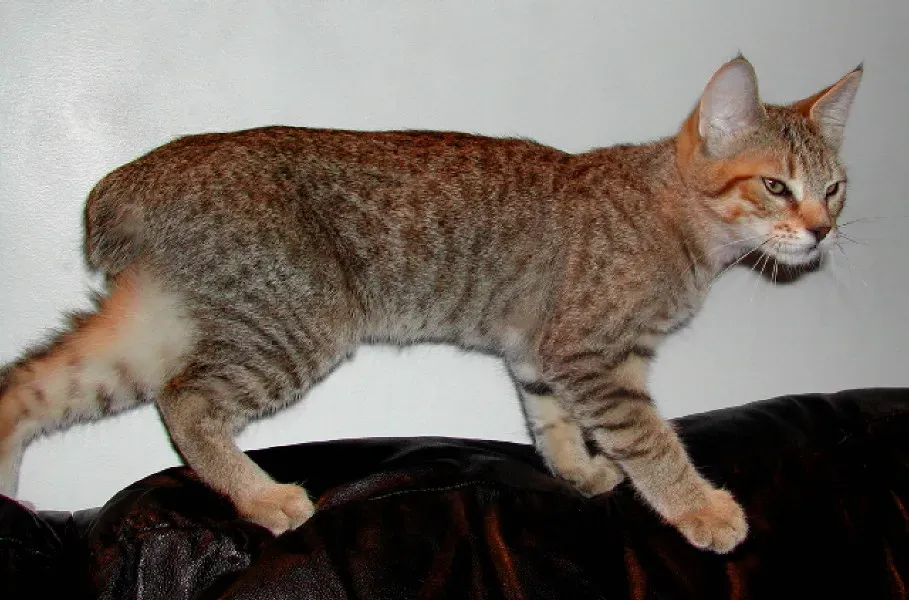
Don’t let their adorable name and looks fool you, the Pixie Bob ranks among the meanest cat breeds ever. They’re named such because of their resemblance to bobcats. That resemblance isn’t just in looks, either. They share a few common traits with their wild counterpart, too. This breed maintains stronger predatory instincts than many domesticated cats.
The Pixie Bob has more of a wildcat lineage, and because of this, they can be a bit more challenging to own and have a few aggressive tendencies. They love hunting and stalking, and without proper socialization, they can bite. Their play style tends to be rougher and more intense than gentler breeds. What they consider normal interaction might feel aggressive to unsuspecting humans. If you’re not prepared for a cat with wild instincts and assertive behavior, a Pixie Bob probably isn’t the right choice for your household.
Turkish Van and Angora Aggression Patterns
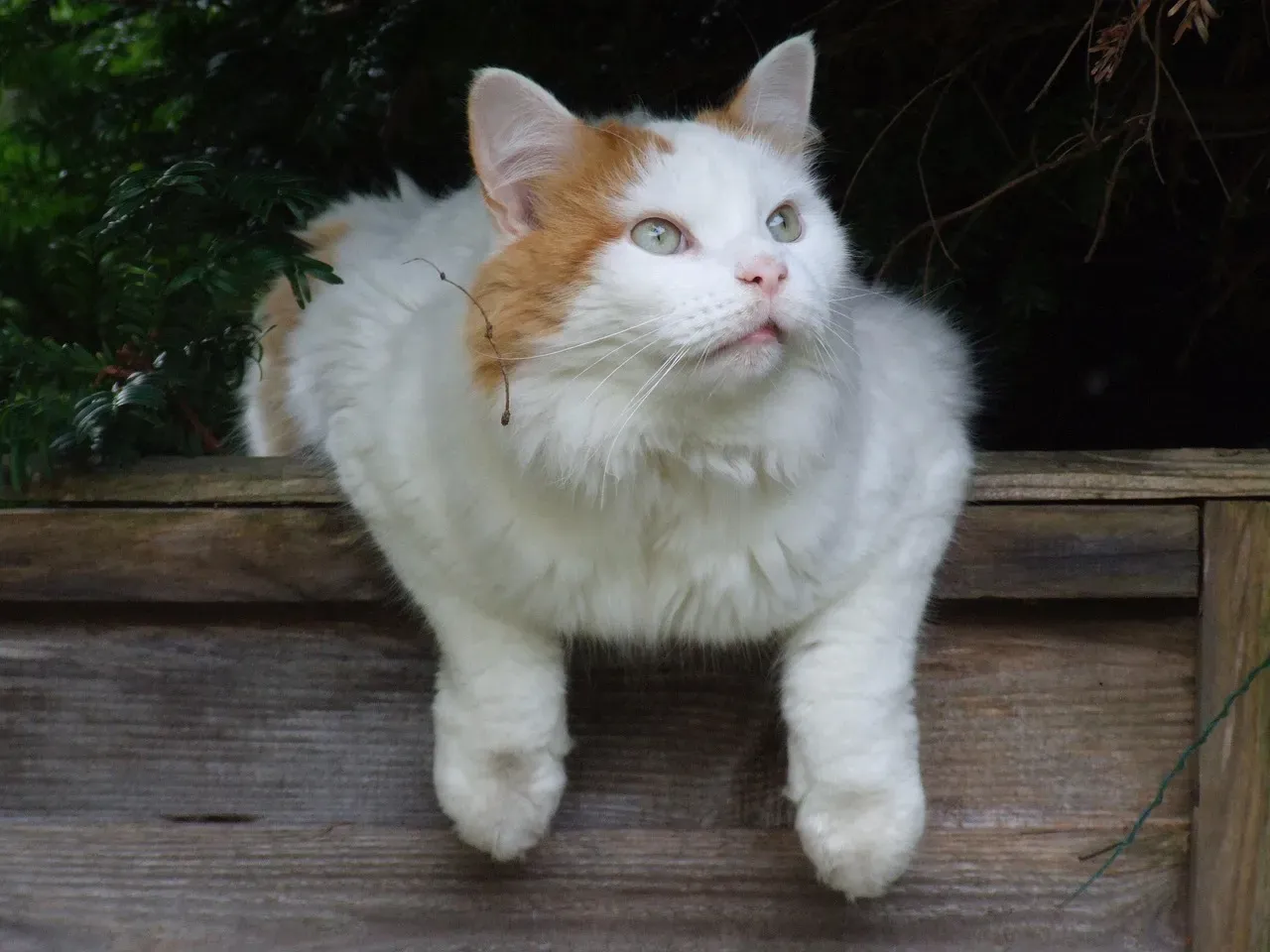
Turkish Van and Angora were more aggressive compared to other breeds in research examining feline temperament and behavior patterns. These Turkish breeds, both known for their distinctive white coats and energetic personalities, display higher levels of assertive behavior than many popular cat breeds.
These cats are highly active and intelligent, which means they need appropriate outlets for their energy. When their physical and mental stimulation needs aren’t met, frustration builds and can manifest as aggressive behavior including biting. Turkish breeds also tend to be more independent and less tolerant of handling than breeds specifically developed for companionship. They’ll accept affection on their terms, not yours, and they’re quick to communicate when you’ve crossed a boundary.
Persian Cats Show Lower Aggression
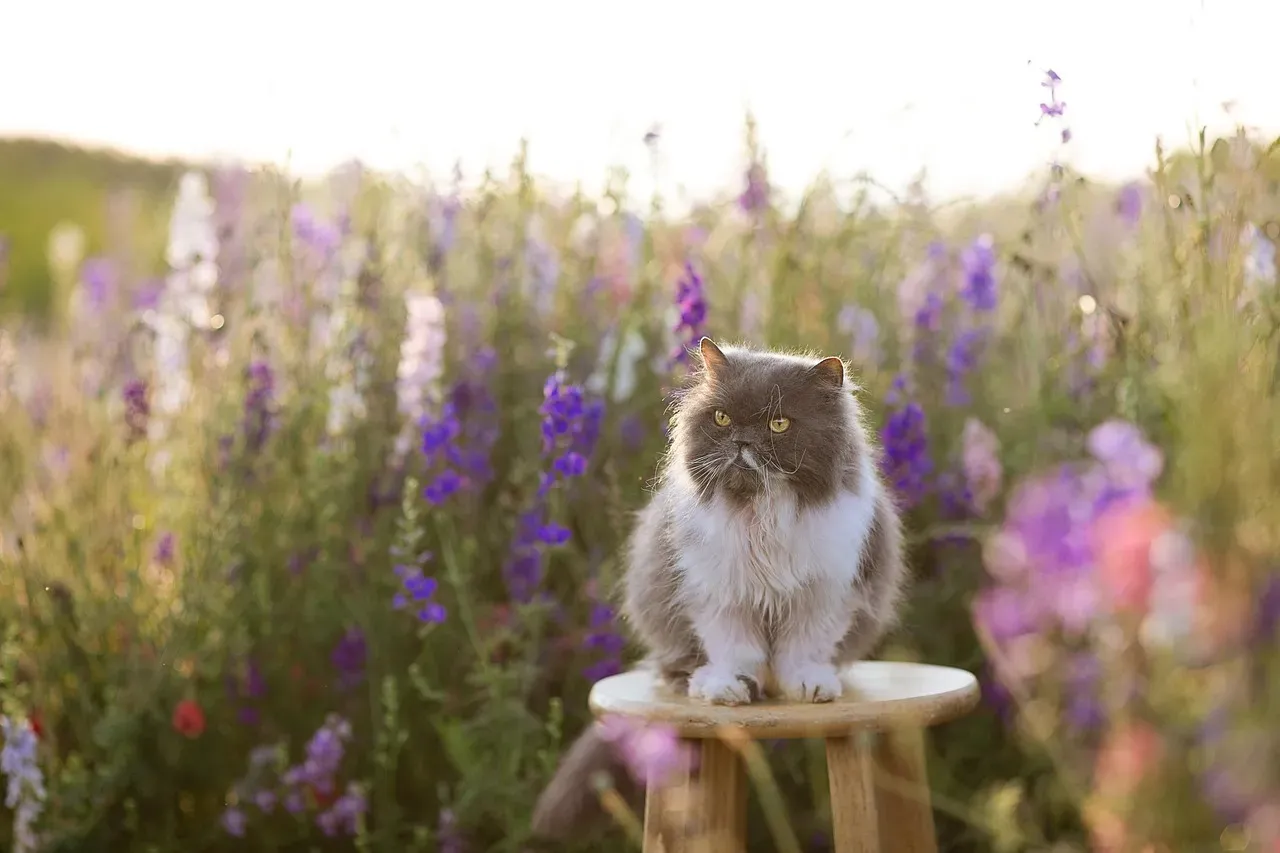
Here’s some good news if you’re looking for a mellower feline companion. Ragdoll, Sphynx, Burmese, and Maine Coon breeds are generally more easygoing. Persians, in particular, tend to score low on aggression scales compared to more assertive breeds. British Shorthair, Norwegian Forest, Ragdoll, Persian, and Saint Birman cats were less aggressive, extroverted, and fearful than other breeds.
Persian cats were bred specifically for companionship and their laid-back temperament. Their long, luxurious coats and flat faces give them a perpetually serene appearance that matches their generally calm personalities. While any cat can bite under the right circumstances, Persians are far less likely to resort to teeth as their first line of communication. They’re more likely to simply walk away from situations they find unpleasant rather than engage aggressively. It’s hard to imagine these fluffy couch potatoes working up the energy for a serious biting incident.
Understanding Why Female Cats Bite More Often
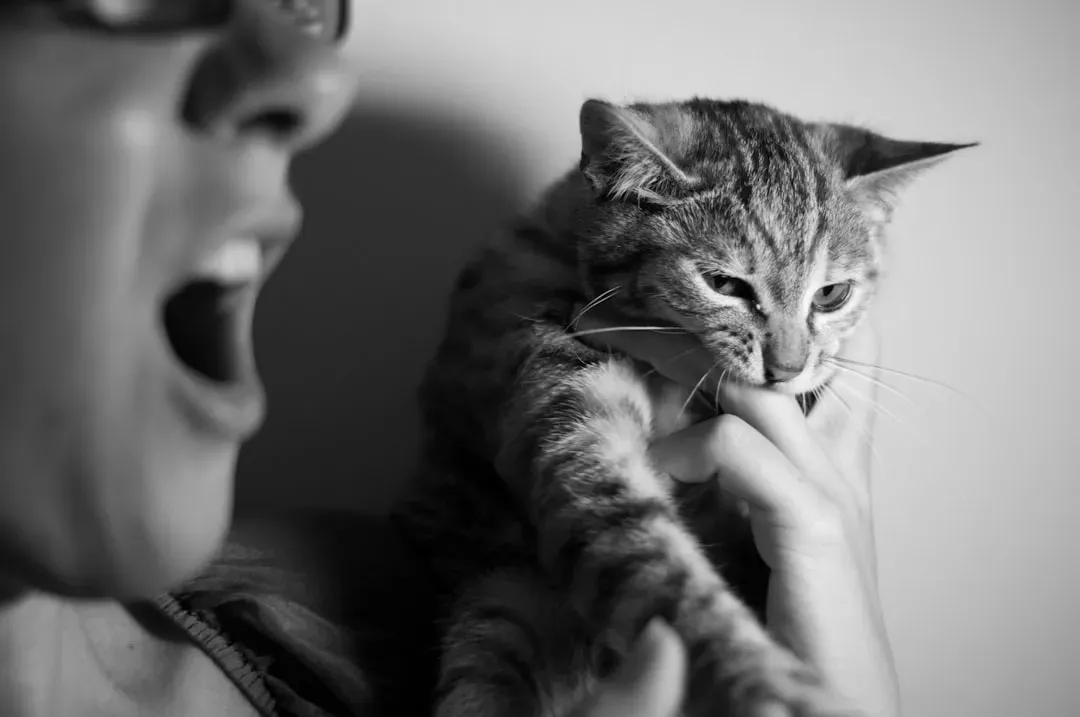
Most cats involved were females (76%). This statistic surprises many people who assume male cats would be more aggressive. The reasons behind this gender difference are complex and not entirely understood by researchers. It is also possible that certain aggressive behaviours occur more in females than in males such as the aggression that some female cats display during oestrus.
Female cats may also be protecting territory or kittens, even if those kittens are long grown or were never born. Maternal instincts run deep in felines, and defensive aggression related to these instincts can persist throughout a female cat’s life. Additionally, there may simply be more female cats in domestic settings than males, which would naturally lead to higher incident numbers. The relationship between sex and aggression in cats deserves more research, as our current understanding barely scratches the surface.
Creating a Bite-Free Environment for Any Breed
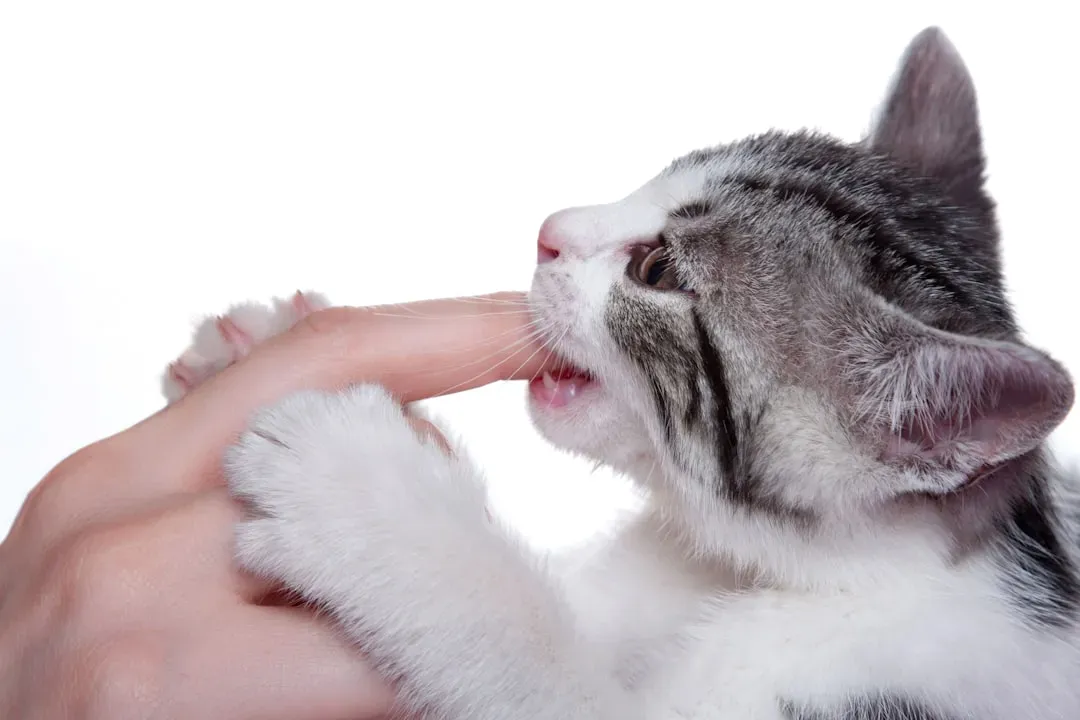
Regardless of which breed you share your home with, you can minimize biting incidents through proper care and understanding. Aggressive behaviors in cats often stem from fear, stress, and anxiety, not anger, spite, or other reasons that humans usually use to explain a cat’s aggressive behavior. When you recognize that biting is communication, not malice, you can address the underlying causes more effectively.
Environmental enrichment makes an enormous difference for breeds prone to biting. Provide vertical spaces, scratching posts, interactive toys, and regular play sessions that mimic hunting behavior. Learn to read your cat’s body language – flattened ears, dilated pupils, and twitching tails all signal that you should back off before teeth become involved. Most aggressive behaviors in cats can be managed to an acceptable level with proper tools and by working consistently with a veterinary behaviorist or certified International Association of Animal Behavior Consultants professional. Don’t hesitate to seek professional help if biting becomes a persistent problem. Your relationship with your cat is worth the investment.
Understanding which breeds are more frequently helps you make informed decisions about cat ownership and set realistic expectations. Siamese cats top the statistics, followed by European Shorthairs and energetic breeds like Bengals and Sphynx cats. Female cats appear in incident reports more often than males, though the reasons remain partially mysterious. Remember, though, that breed is just one piece of a much larger puzzle that includes socialization, environment, health, and individual personality.
What matters most isn’t avoiding certain breeds but understanding their needs and temperaments. Even the most bite-prone breed can become a loving, gentle companion when given proper care, attention, and respect. Have you encountered unexpected biting behavior from a typically calm breed? Share your experiences in the comments – we can all learn from each other’s feline adventures.
Kristina is a young writer from India. An arts graduate and an avid content creator, Kristina is passionate about animals and wildlife. She enjoys exploring topics related to pet care, animal behavior, conservation, and nature, combining thorough research with engaging storytelling.